


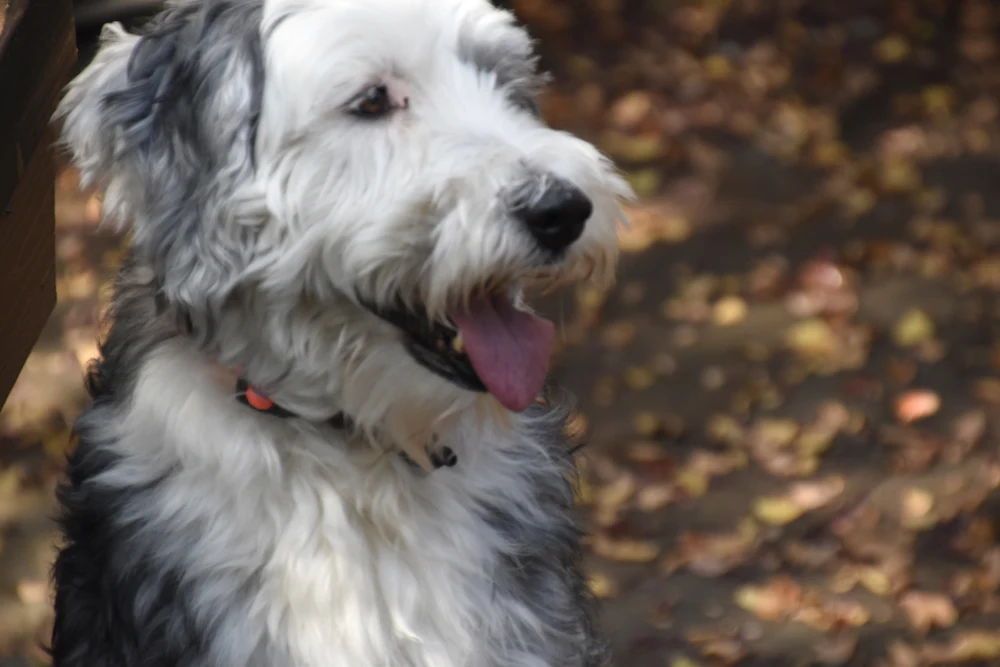
History
The Bearded Collie is a Scottish herding dog, and the FCI standard puts its roots at about five hundred years ago, linking it with dogs said to be forerunners of the Polish Lowland Sheepdog, which were abandoned on the Scottish shore. Drovers and shepherds used it to gather and move sheep across open hill country, and its long, weatherproof coat is the legacy of that work. The FCI lists Great Britain as its country of origin.
The breed was nearly lost in the twentieth century. The standard credits the modern Beardie to the work of G. Olive Willison in the 1940s with her Bothkennar kennel, after which the breed was rebuilt in Britain from a small number of dogs. The FCI places it in Group 1, Section 1, sheepdogs, without working trial. The result is a lean, active dog longer than it is tall, with a bright, enquiring expression.
Temperament
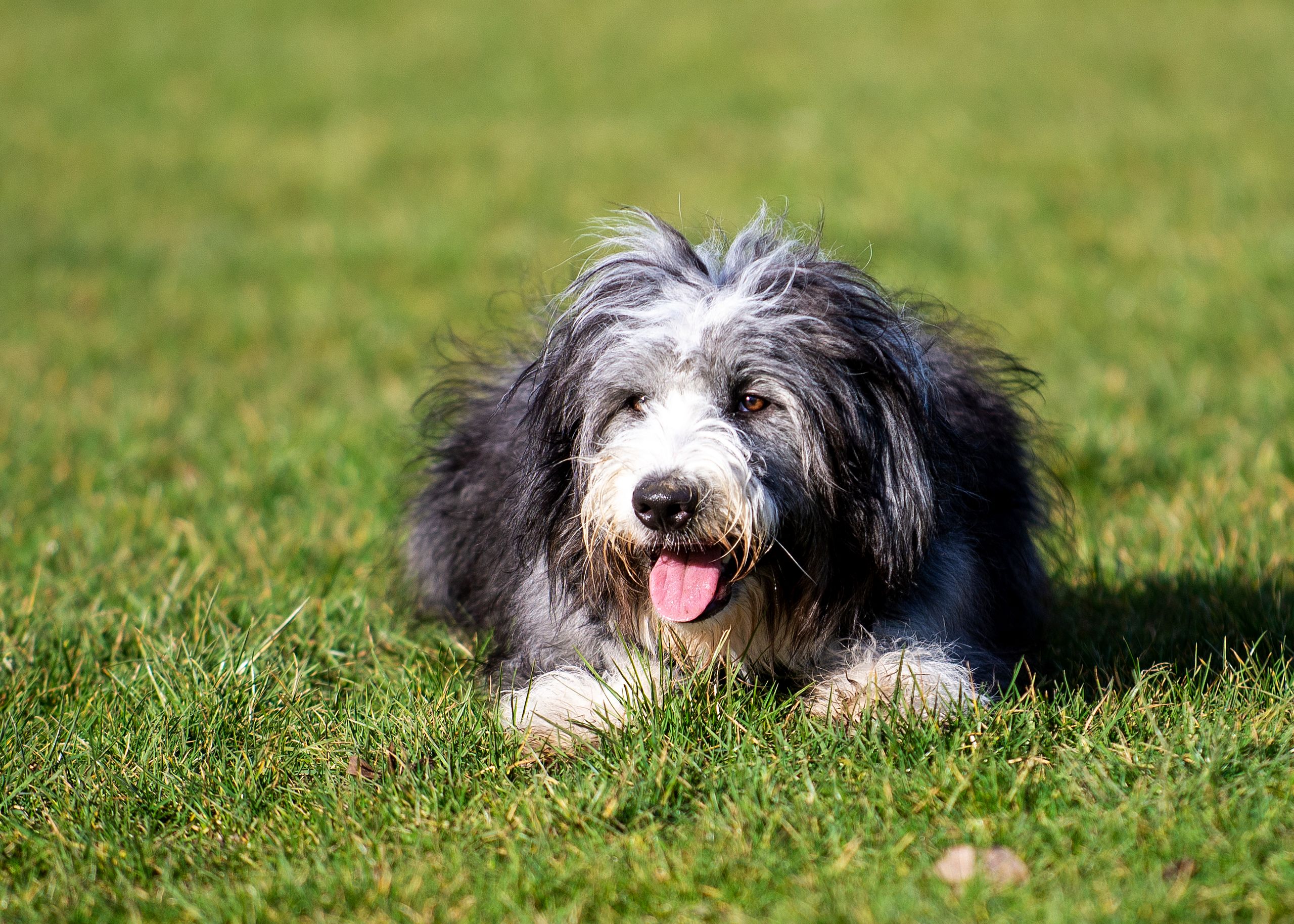
The standard asks for an alert, lively, self confident and active dog, steady and intelligent, with no sign of nervousness or aggression. It is a good description of the Beardie in the park: exuberant and affectionate, famous for the springing bounce it greets people with, and apparently convinced that every passer by has come to see it.
Beardies are sensitive and comic, and they want to be involved in whatever the household is doing. Most are friendly with everyone, and few are good at being left alone for long stretches. They are quick learners with a sense of fun, and they dislike harsh handling. Expect a lively adolescent phase that can last until three, a dog that talks, jumps and shadows you around the house, and plenty of mud.
Children and other pets
Excellent family dogs for active households, but the bounce can knock over small children, and a herding breed may try to gather running kids by nudging or nipping heels. Teach calm greetings and supervise play. Beardies usually get on well with other dogs and pets, and many enjoy the company of cats if introduced young. They do best in homes where there is always someone around, and suffer in quiet, empty houses.
Exercise and the daily walk
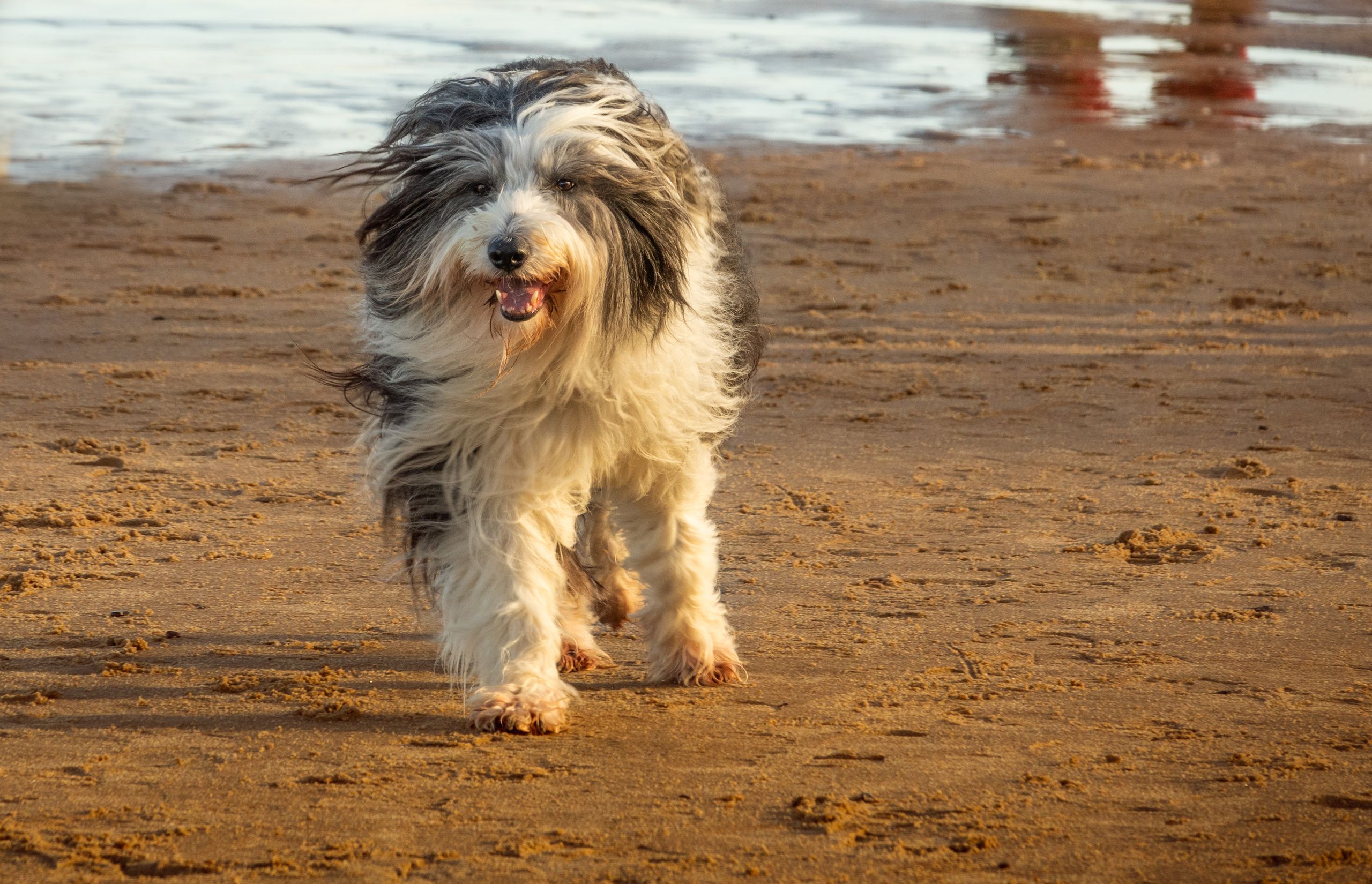
Plan on an hour and a half to two hours a day. Beardies enjoy long walks, ball games, hill work and anything that involves moving with their people. They are strong, athletic dogs, and a lively one needs more than a lap of the block. Dog sports such as agility, rally and flyball suit them well, and a day in the woods leaves a happy, muddy dog.
Exercise should include mental work: scent games, trick training and simple herding style games. Off lead time is possible once recall is established, but a Beardie can be distracted by movement, so build the habit early. In wet weather, expect to dry a very damp beard and legs after every walk.
Training
Beardies are intelligent and eager, but they are also exuberant and easily distracted. Keep training positive, short and varied, and use games and food. Harsh correction can upset a sensitive dog. Teach four paws on the floor early, because jumping is part of the charm and the problem, and teach calm greetings with every visitor.
Start lead training and recall from the first week, and work on impulse control around moving things such as bicycles and children. Puppy classes help with socialisation, and many Beardies enjoy continuing into agility or obedience. Accept that the dog is clever enough to bargain, and be consistent about the rules.
Coat and grooming
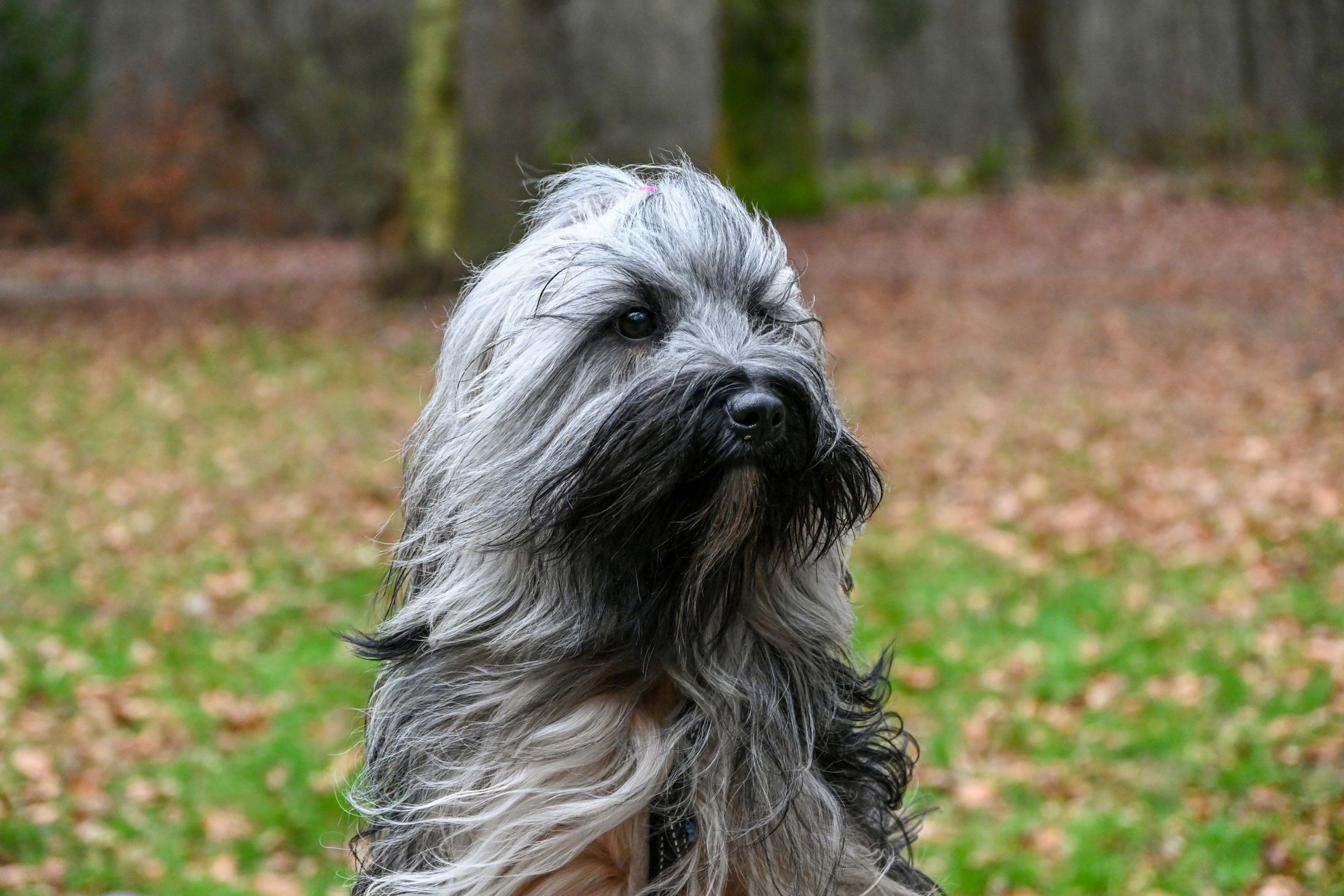
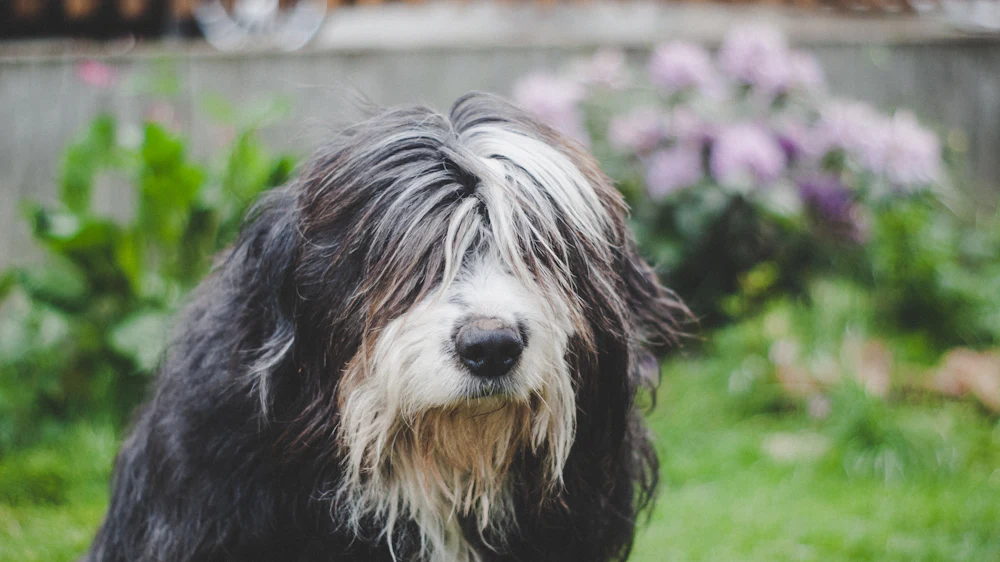
The standard describes a double coat with a soft undercoat and a harsh, shaggy outer coat, and it does not allow trimming. The beard is a hallmark. Permitted colours are slate grey, reddish fawn, black, blue, brown and sandy, with or without white markings, but never merle or dapple. Brush several times a week and daily in full coat, down to the skin, concentrating on behind the ears, armpits and trousers. Mats appear when the routine slips.
Feeding and weight
Beardies are active dogs and usually good eaters. Feed a balanced diet in measured portions and keep the dog lean, so that the ribs can be felt under the coat. Check body condition by hand, as the coat hides weight gain. Split the daily ration into two meals, change foods gradually, and wipe the beard after eating, because food and water collect in the hair.
Work out a starting calorie figure and food weight with the calorie calculator. Not sure this is the right breed? Take the quiz.
Health
Every breed carries predispositions. These are the conditions most often discussed for the Bearded Collie, not a prediction for any individual dog.
- Addison's disease (hypoadrenocorticism)
- Hypothyroidism
- Autoimmune skin conditions
- Hip dysplasia
- Eye conditions
What to ask the breeder. Ask for hip scores and eye examinations for both parents, and whether any relatives have Addison's disease or other autoimmune problems. A good breeder will tell you about the lines honestly.
Choosing a puppy
Meet the mother and see how the litter lives. Look for a bold, bouncy puppy that recovers quickly from surprises, and ask about Addison's disease and autoimmune problems in the lines. Begin grooming sessions from the first week, as a Beardie that dislikes the brush is a problem later. Be ready for a long, hairy adolescence, with mud, chewing and endless energy, and sign up for a puppy class early.
In Luxembourg the national kennel club is the Fédération Cynologique Luxembourgeoise (FCL), a member of the FCI. Many owners also buy from breeders in Germany, France or Belgium; a puppy coming from another EU country must be microchipped and vaccinated against rabies, which in practice means it cannot travel before about fifteen weeks of age. Where to get a dog in Luxembourg.
The older Bearded Collie
Older Beardies often stay lively, but watch for stiffness in the hips, thyroid changes, skin problems and Addison's disease, which can start with vague signs such as lethargy or poor appetite. Keep the coat short enough to be comfortable, brush gently and check for lumps. Replace long hikes with shorter, more frequent walks, add a supportive bed, and keep weight under control.
A realistic day
A realistic weekday for a working household in Luxembourg City, with a midday visit. Adjust it to your dog, not the other way round.
A long walk with off lead time, if recall is solid.
Breakfast and a brush before the day starts.
Midday visit with a walk and a game.
Second big walk, or a training session or class.
Final toilet walk and a tidy up of the beard.
A Bearded Collie in Luxembourg
A Beardie can live in a flat if exercise and company are covered, but it is a large, hairy and bouncy dog indoors. Expect a wet beard, muddy legs and a trail of hair, and keep a towel by the door. Lifts are fine, though greetings need practice. Remember the basics for every dog in Luxembourg: a microchip, a declaration to the commune, third party liability insurance and the annual dog tax.
The Grünewald and Bambësch forests suit the breed well, as do the open spaces of the Pétrusse valley and Parc Merl. The coat is weatherproof, so a wet November evening is less of a problem for the dog than for you. In summer, which can reach the 30s, the long double coat holds heat, so walk early and late, provide shade and water, and keep the coat brushed so air can circulate.
Every dog in Luxembourg must be identified, declared to the commune and covered by liability insurance. How registration works.
When you travel
Beardies are people dogs, and a sitter who is present for much of the day suits them best. Give the routine in writing, the usual walks and what the dog is like on the lead. Ask the sitter to brush the dog every day, dry the beard after wet walks and watch for matting. Provide chews and games, and make sure the sitter can handle a lively, bouncy dog without being knocked over.
PAWLY's holiday and overnight care takes place in your home, so your dog keeps its own bed and routine.
Myths and facts
MythBeardies are impossible to keep clean.
FactWith regular brushing, the coat is manageable. Mats appear when the routine slips.
MythA Beardie is a small Old English Sheepdog.
FactThey are separate breeds with different histories. The Beardie is lighter, more active and has a more open coat.
MythBeardies are too boisterous for children.
FactThey are exuberant, and the bounce needs managing, but many are excellent family dogs with training and supervision.
Is it the right dog for you?
Suits
- Active families
- People who enjoy long walks
- Owners ready for regular brushing
- Households where someone is often at home
Think twice if
- People out at work all day
- Households wanting a tidy home
- Owners who dislike mud and wet dog
Questions owners ask
How much grooming does a Bearded Collie need?
Several thorough brushing sessions a week, and daily in full coat or heavy moult. Brush down to the skin, not just the surface. Skipping sessions is how mats form, and professional grooming can help with the maintenance.
Are Bearded Collies good in flats?
They can be if exercise and company are covered, but they are large, hairy and bouncy indoors. Neighbours should be warned about the greeting, and a midday visit makes the day easier.
Do Bearded Collies bark a lot?
They are vocal, and a bored or lonely Beardie will bark. Plenty of exercise, training and company reduce it. They also bark with excitement, so teach a quiet signal early.
Can a Beardie be left alone?
Few are good at it. A well exercised adult can manage a few hours, ideally with a midday visit, but regular long absences lead to barking, chewing and anxiety. This is a breed for a household with someone around.
Sources
Photo: Pexels (Pexels License) · Photo: Pexels (Pexels License) · Photo: Unsplash (Unsplash License) · Photo: Pexels (Pexels License) · Photo: Unsplash (Unsplash License)
General information for dog owners in Luxembourg, not veterinary or legal advice. Official facts (origin, size, group, history and temperament as described by the breed standard) follow the FCI standard; health and care sections reflect breed-club and veterinary guidance and are typical ranges rather than rules. For your own dog, ask your vet, the breed club or your commune. How this guide is written and checked. Last reviewed 8 October 2026.
Need someone for your Bearded Collie?
PAWLY offers an individual 45-minute walk or a home visit at your dog's pace, the same walker every time, and a written report with photos after every visit, across Luxembourg City.
Read next: the journal, for the Bearded Collie
All articles
Grooming and coat care through the Luxembourg year
The Bearded Collie has a coat that needs a routine that holds through the Luxembourg seasons.
The itchy dog: working through it in the right order
Skin trouble is among the conditions discussed for the Bearded Collie; this is the order to work through it.

How much exercise does your dog actually need?
The Bearded Collie is an active breed, so it is worth checking the exercise numbers against your actual week.
Similar breeds
All 198 breeds
Rough Collie
A Scottish working sheepdog in an extravagant coat, gentle and sensitive at home, and happiest when its family is close by.
EnergyGroomingFlat life
Old English Sheepdog
A big, shaggy British drover with a rolling gait and a booming bark, gentle at home and very much a dog that needs company.
EnergyGroomingFlat life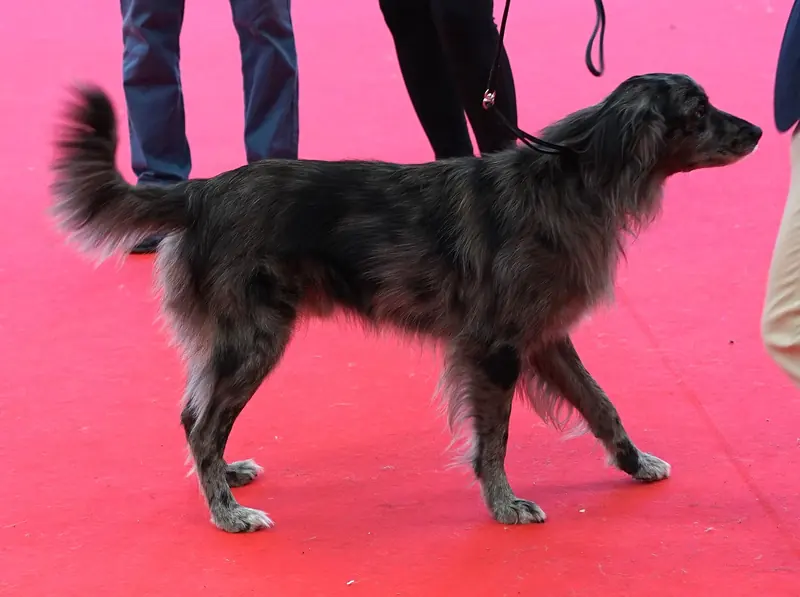
Pyrenean Shepherd
A small, wiry mountain herder with a sharp mind and a stubborn streak, intensely loyal to its own people and quietly sceptical of everyone else.
EnergyGroomingFlat life

