


History
Although registered as a British breed, the Old English Sheepdog probably owes some of its ancestry to European shepherd dogs. The FCI standard mentions dogs of the Owtcharka and Bergamasco types crossed with British sheepdogs, but it notes that the breed is now regarded as a native of Britain, often called the Bobtail. It was a working dog of the countryside, used to drive and protect sheep and cattle, and valued for its strength and its weather-resistant coat.
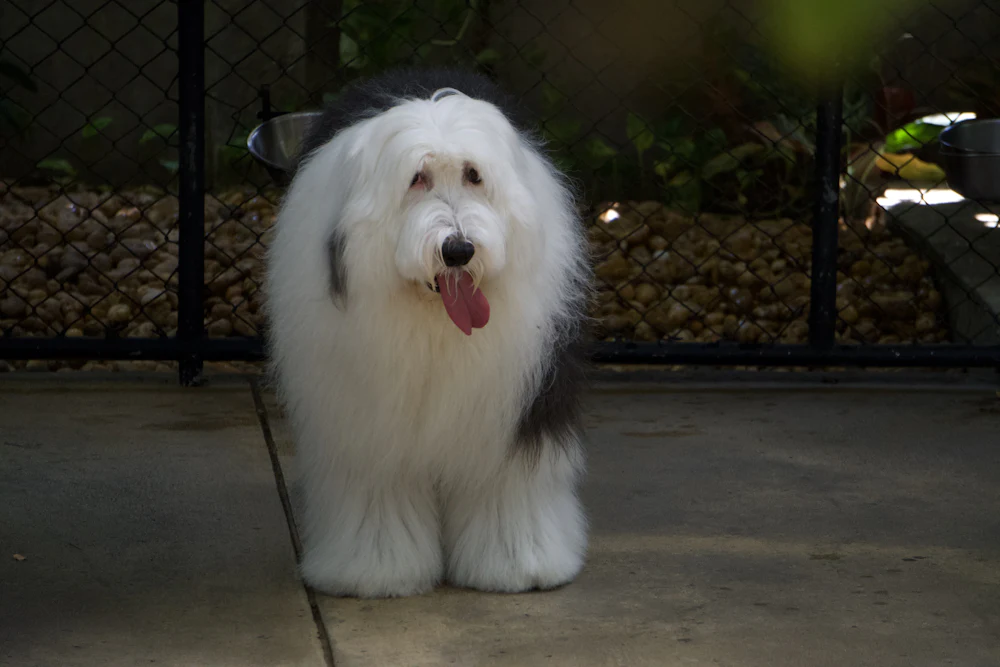
The standard describes the breed as strong, compact and profusely coated, intelligent and friendly, with a particularly resonant bark sufficient to frighten off any intruder. Great Britain is the country of origin, and the current FCI standard, dated 13 October 2010, places the breed in Group 1, Section 1, among the sheepdogs, without a working trial. The once-standard docked tail is no longer universal, and many dogs in Europe now keep their natural tail.
Temperament
The standard calls the Old English Sheepdog a biddable dog of even disposition, bold, faithful and trustworthy, with no suggestion of nervousness or unprovoked aggression. Most are affectionate, sociable and clownish, with a strong attachment to their family. They follow their people from room to room and often like to keep the household gathered, a remnant of their herding past.
This devotion means the breed does not cope well with long hours alone. A bored Bobtail can become noisy or destructive, and that famous resonant bark carries through walls. They are also playful and sometimes boisterous well beyond puppyhood, and their size can make enthusiasm a hazard in small spaces. Good training turns this energy into a pleasant, steady companion.
Children and other pets
Old English Sheepdogs are generally excellent with children, patient and playful, and they often appoint themselves guardians of the family. Their size and herding instinct mean they may nudge or try to round up running children, which should be gently discouraged, and toddlers should be supervised. They usually get along well with other dogs and with cats raised with them. Prey drive is generally low.
Exercise and the daily walk
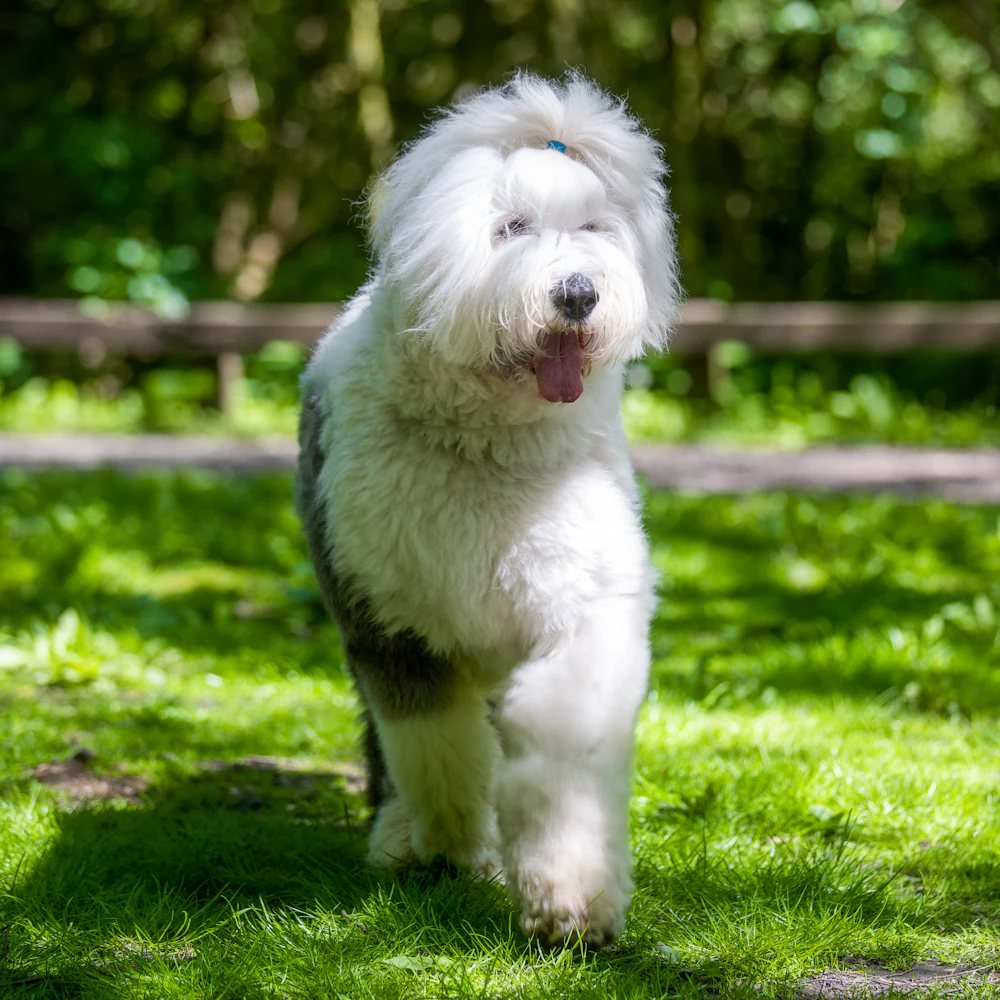
The Royal Kennel Club suggests more than two hours of exercise a day, and most adult Bobtails are happiest with about 1.5 to 2 hours of activity: long walks, play and time to trot freely in a safe area. The standard notes a characteristic roll when the dog ambles or walks, and its trot is powerful and ground-covering.
Mental work matters too. Herding games, obedience, scent work and fetch all suit the breed. Plan walks around the weather: the thick coat makes summer heat a real risk, and mud and rain mean a long drying session afterwards. In winter, a Bobtail is in its element and will happily walk in cold, wet conditions that send other breeds home.
Training
Bobtails are intelligent and generally eager to please, though they can be independent and sometimes stubborn. Positive, consistent training works best, with short sessions and lots of rewards. Teach loose-lead walking early, because an adult can be very strong. Calm greetings, a reliable recall and settling indoors are essential skills.
Socialisation should begin early and continue through adolescence. Introduce the puppy to many people, children, dogs and environments, including lifts, trams and busy streets. Grooming and handling should be part of training from the first week, because a large dog that resists brushing or the grooming table becomes a serious problem.
Coat and grooming
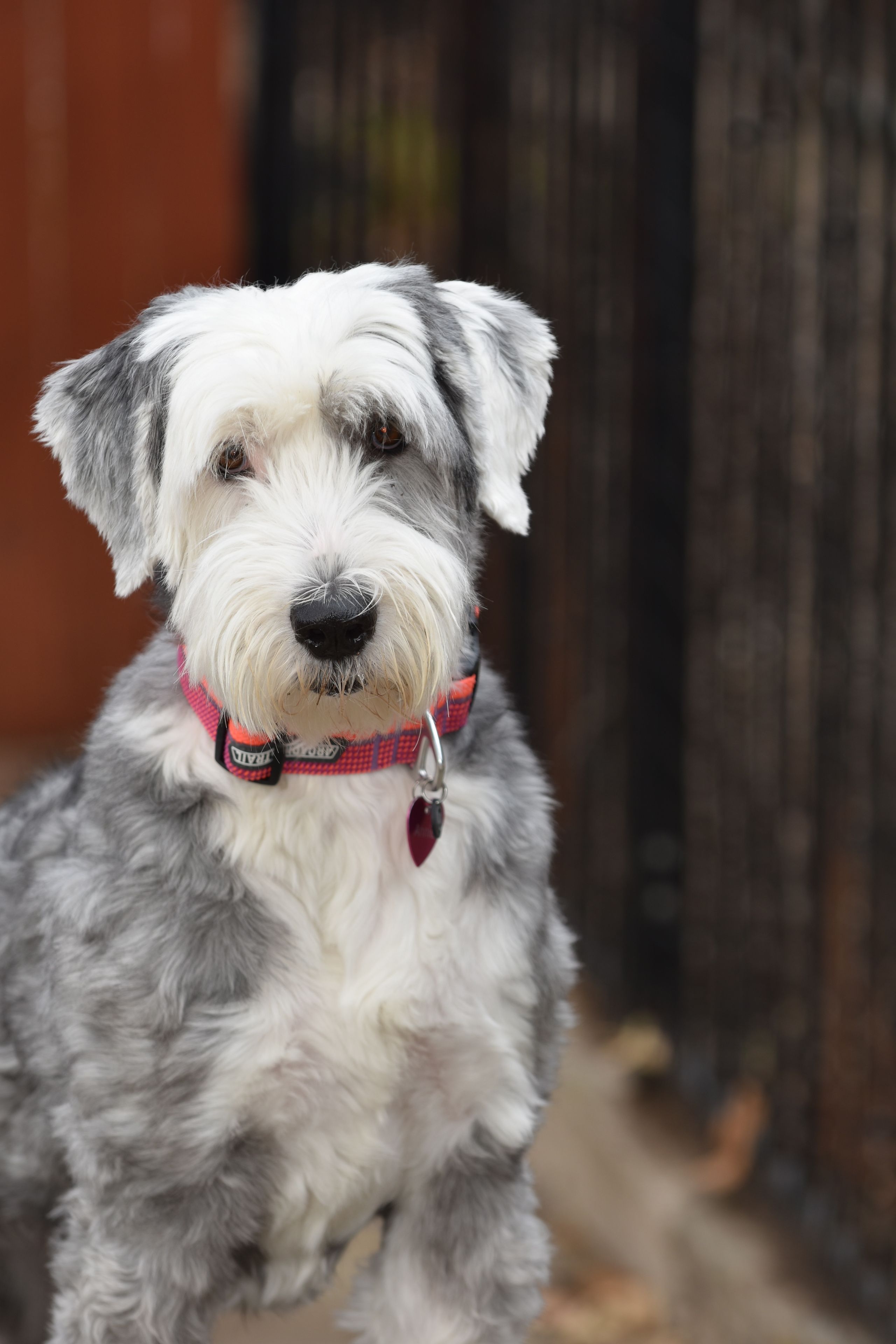
The FCI standard calls for a profuse coat of harsh texture, shaggy, not straight and free from curl, with a waterproof undercoat. Colours are any shade of grey, grizzle or blue on the body and hindquarters, with or without white socks, and white is permitted on the head, neck, forequarters and underbelly; brown shades are undesirable. Brush thoroughly several times a week, down to the skin, to prevent mats. Shedding is significant. Many pet owners choose a shorter clip for easier care.
Feeding and weight
Feed a complete diet suitable for a large, active breed, divided into two meals, and adjust portions to activity level and body condition. The coat hides weight gain, so check by feeling the ribs and waist rather than looking. During growth, avoid overfeeding to protect developing joints. Fresh water should always be available, and a towel near the bowl helps with a wet, bearded face.
Work out a starting calorie figure and food weight with the calorie calculator. Not sure this is the right breed? Take the quiz.
Health
Every breed carries predispositions. These are the conditions most often discussed for the Old English Sheepdog, not a prediction for any individual dog.
- Hip dysplasia
- Inherited eye conditions, including cataract
- Autoimmune thyroiditis (leading to hypothyroidism)
- Primary ciliary dyskinesia (an inherited respiratory condition, DNA test available)
- Multidrug sensitivity (MDR1 gene mutation, DNA test available)
- Congenital deafness
What to ask the breeder. Ask for official hip scores and recent eye examinations for both parents, a thyroid evaluation, and DNA results for primary ciliary dyskinesia, multidrug sensitivity and exercise-induced collapse.
Choosing a puppy
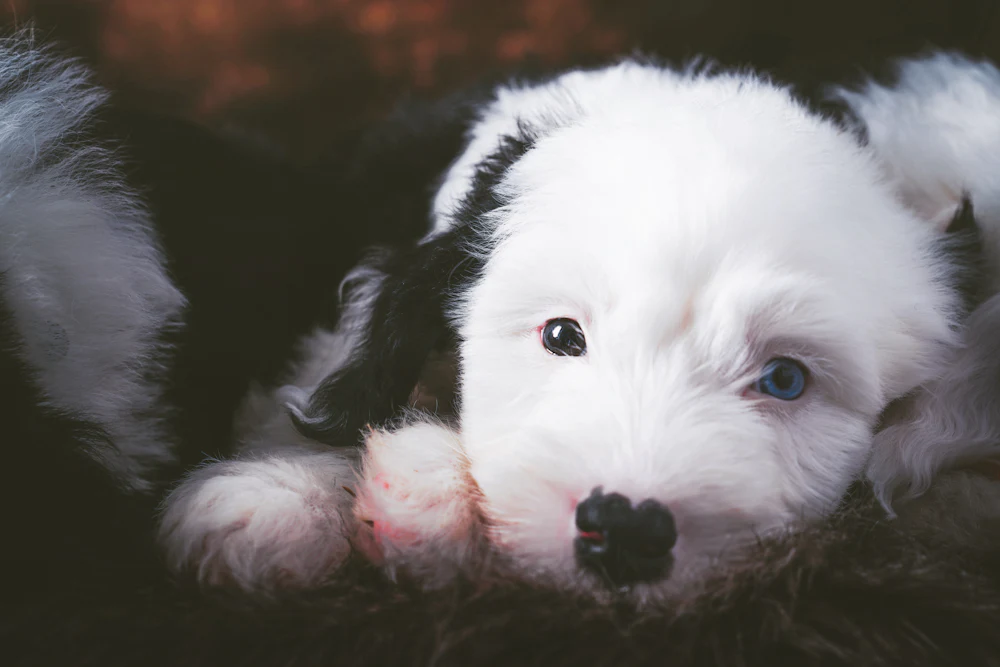
A Bobtail puppy is a playful, clumsy bundle that grows fast. Begin grooming and handling from the first week, with short, positive sessions. Teach loose-lead walking and calm greetings early, as the adult will be large and strong. Keep exercise moderate and varied while joints are growing. Socialise widely with people, children, dogs and city environments. Expect chewing and plenty of mud on your floors.
In Luxembourg the national kennel club is the Fédération Cynologique Luxembourgeoise (FCL), a member of the FCI. Many owners also buy from breeders in Germany, France or Belgium; a puppy coming from another EU country must be microchipped and vaccinated against rabies, which in practice means it cannot travel before about fifteen weeks of age. Where to get a dog in Luxembourg.
The older Old English Sheepdog
Old English Sheepdogs often slow down from about eight years. Watch for stiffness, weight changes, eye problems and thyroid signs. Keep walks regular but gentler, and maintain grooming, which can become harder for an older dog to tolerate; a shorter clip often helps. Provide a firm, warm bed and non-slip surfaces at home, and schedule regular veterinary checks.
A realistic day
A realistic weekday for a working household in Luxembourg City, with a midday visit. Adjust it to your dog, not the other way round.
Morning walk of 40 minutes, with some play and a chance to trot freely.
Breakfast, a quick brush of the face and feet, then rest.
Midday visit: a 30 to 40 minute walk, company and fresh water.
Long evening walk in a park or forest, with games and recall practice.
Short last outing, a towel-dry if wet, then bed.
An Old English Sheepdog in Luxembourg
An Old English Sheepdog in a Luxembourg City flat needs a lift, enough space and patient neighbours. Its size and coat bring mud and hair into lifts and corridors, so a towel by the door is part of daily life. The Bambësch forest, the Grünewald and Parc Merl offer good walking, and free buses and trams make the forests easy to reach, though a large, shaggy dog needs to be calm and well mannered on board.
Summer is the main challenge. When temperatures reach the 30s °C, walk only in the early morning and late evening, keep the home cool and consider a shorter summer clip after consulting a groomer. The breed's resonant bark can be an issue in shared buildings, so avoid long periods alone. Microchipping, declaration to the commune, third-party liability insurance and the annual dog tax apply as for any dog.
Every dog in Luxembourg must be identified, declared to the commune and covered by liability insurance. How registration works.
When you travel
A sitter should be comfortable with a large, strong dog and with regular grooming. Keep the routine of long walks and brushing, and never let the coat stay wet against the skin after rain. In summer, keep the home cool and walks short. Bobtails dislike being alone and may bark or chew, so in-home care with company for most of the day is better than short visits.
PAWLY's holiday and overnight care takes place in your home, so your dog keeps its own bed and routine.
Myths and facts
MythThe Old English Sheepdog is a low-maintenance family dog.
FactIt is a wonderful family dog but needs serious grooming, daily exercise and plenty of company.
MythThe hair over the eyes blinds the dog.
FactThe fringe does limit vision. Many owners tie it up or trim it to keep the eyes clear.
MythAll Bobtails are born without tails.
FactSome are born with short tails, but historically many were docked. In Europe many dogs now keep their natural tail.
Is it the right dog for you?
Suits
- Active families with time for grooming and walks
- Owners with a house or a large, accessible flat
- People who want an affectionate, sociable companion
- Homes where someone is around for much of the day
Think twice if
- You dislike grooming or dog hair
- You live in a small flat without a lift
- The dog would be alone for long days
- You cannot manage summer heat carefully
Questions owners ask
How much grooming does an Old English Sheepdog need?
A lot. A full coat needs thorough brushing several times a week, down to the skin, to prevent mats. Many owners use professional groomers every few weeks or choose a shorter pet clip, which makes care easier.
Are they good with children?
Usually very good, patient and playful. Their size and herding instincts mean they may bump or try to round up small children, so supervision and gentle training are advisable. They often become devoted family companions.
Can they cope with heat?
Not well. The dense coat makes them vulnerable in hot weather. In summer, walk early and late, provide shade and water, and keep the home cool. A shorter clip can help, but discuss it with an experienced groomer.
Do they bark a lot?
They have a resonant bark and use it to alert. Most are not constant barkers, but boredom or loneliness can increase barking. Enough exercise, company and training keep it under control.
Sources
- FCI breed standard No. 16 (Old English Sheepdog)
- Old English Sheepdog Club of America health statement (AKC)
- The Royal Kennel Club, Old English Sheepdog
Photo: Unsplash (Unsplash License) · Photo: Unsplash (Unsplash License) · Photo: Unsplash (Unsplash License) · Photo: Pexels (Pexels License)
General information for dog owners in Luxembourg, not veterinary or legal advice. Official facts (origin, size, group, history and temperament as described by the breed standard) follow the FCI standard; health and care sections reflect breed-club and veterinary guidance and are typical ranges rather than rules. For your own dog, ask your vet, the breed club or your commune. How this guide is written and checked. Last reviewed 8 October 2026.
Need someone for your Old English Sheepdog?
PAWLY offers an individual 45-minute walk or a home visit at your dog's pace, the same walker every time, and a written report with photos after every visit, across Luxembourg City.
Read next: the journal, for the Old English Sheepdog
All articles
Dogs in hot weather: the Luxembourg summer guide
The Old English Sheepdog carries a heavy coat or a heavy frame, which makes a Luxembourg summer the hard season.

Grooming and coat care through the Luxembourg year
The Old English Sheepdog has a coat that needs a routine that holds through the Luxembourg seasons.
The itchy dog: working through it in the right order
Skin trouble is among the conditions discussed for the Old English Sheepdog; this is the order to work through it.
Similar breeds
All 198 breeds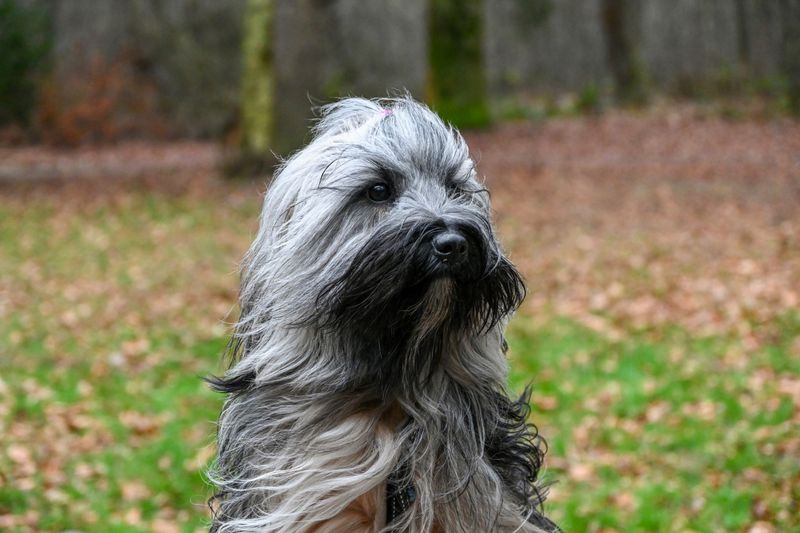
Bearded Collie
The shaggy, bouncing Scottish herder: cheerful, clever and always ready to join in.
EnergyGroomingFlat life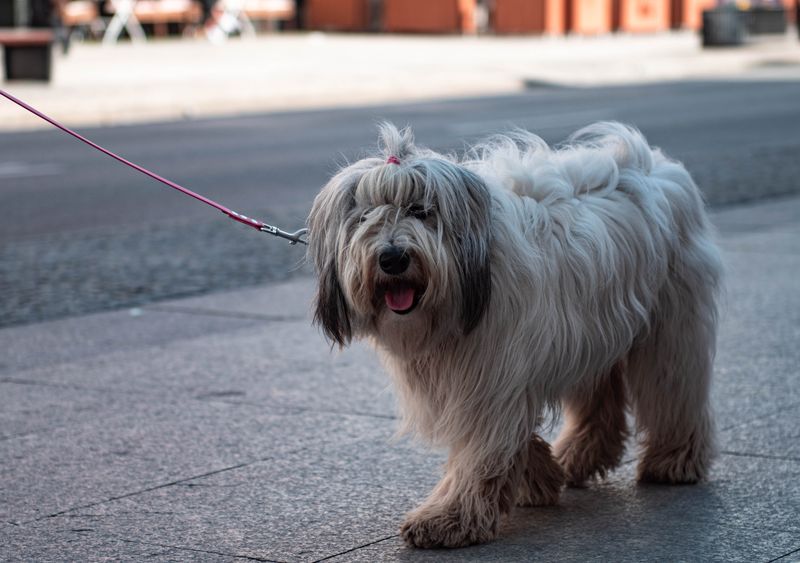
Polish Lowland Sheepdog
A shaggy, watchful Polish herder who looks through a fringe, remembers everything you taught it, and has views about how the household is run.
EnergyGroomingFlat life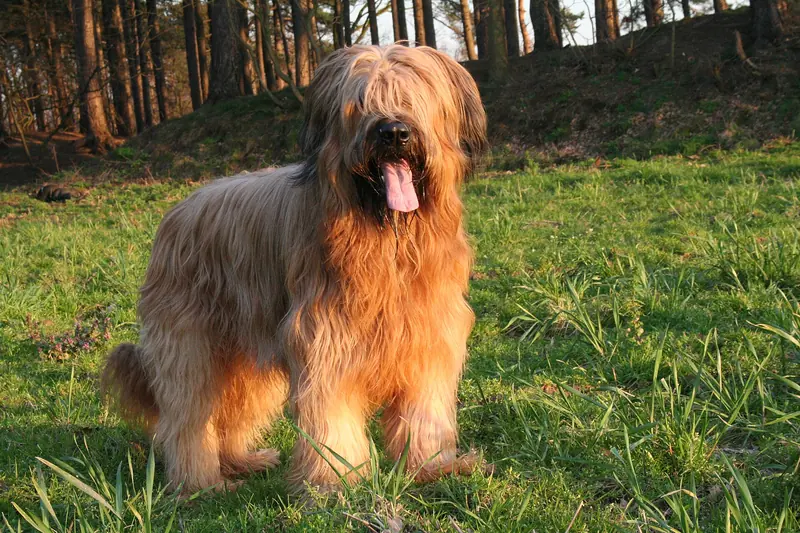
Briard
The long-haired French sheepdog: steady, sensitive and fiercely loyal to its own people, with a coat that collects the whole of a wet November.
EnergyGroomingFlat life

