

History
The FCI lists the Polski Owczarek Nizinny, known in English as the Polish Lowland Sheepdog, under Poland, in Group 1 (sheepdogs and cattle dogs), Section 1, sheepdogs. The standard does not include a historical note, so little can be said on its authority. The name itself tells much: owczarek means sheepdog and nizinny means of the lowlands, pointing to a herder of the plains of Poland.
The FCI describes the use of the breed as easy to handle, working as a sheepdog and as a guard dog, and also valued as a companion in an urban setting. That summary fits the breed's modern life: a shepherd's dog adapted to family homes, which still keeps its watchfulness, memory and herding instinct. The FCI standard is dated 7 August 1998, and the breed is recognised internationally, though it remains rather uncommon outside Poland.
Temperament
The FCI standard describes a lively but tempered disposition, vigilant, agile, intelligent, perceptive and gifted with a good memory. Those words describe a dog that is quick to learn and just as quick to learn the wrong thing if you let it. It watches the household, notices change and remembers who gave out titbits. Many are warm and affectionate with their own people and reserved with strangers, in the manner of a guard.
A herder's instinct shows in everyday life. Some will try to round up children, bicycles or joggers, and a young dog can nip at heels or bark at moving objects. Guarding tendencies mean that it announces visitors vigorously. The breed is resistant to unfavourable climates, according to the standard, so weather rarely dampens its enthusiasm. It needs a job, a family and a clear structure, and in return gives alert, devoted company.
Children and other pets
Good with children it knows, the Polish Lowland Sheepdog is playful and protective, though herding instincts may lead it to chivvy small children or nip at running ankles, which must be gently discouraged. Teach children calm behaviour and supervise visits from friends. It usually lives well with other dogs after good socialisation. Cats are often accepted when it grows up with them, though it may try to organise them. Strangers should be introduced calmly, as its guarding instinct is natural.
Exercise and the daily walk
Plan for about an hour and a half of activity a day for a fit adult. This should include real walks, ideally off-lead in safe places, and mental challenges. The breed is a sturdy, agile worker with stamina, and a lazy half hour round the block is not enough. Weekend hikes, ball games and training sessions suit it well.
Herding breeds need their minds used. Agility, obedience, rally, scent games or herding lessons give structure and prevent the dog creating its own jobs, such as patrolling the flat or herding family members. Check it carefully after outdoor walks, since the long coat collects burrs, mud and ticks. Puppies should be exercised in moderation while their joints grow, with short play sessions rather than long forced runs.
Training
Clever and perceptive, the breed learns quickly and enjoys training, but it also reads a hesitant owner very well. Be calm, consistent and fair, with reward-based methods and clear rules. Harsh handling can make a vigilant dog wary or stubborn. Start early with puppy classes and socialisation to a range of people, dogs and city situations, so that natural reserve does not become suspicion.
Key lessons are recall, lead manners, a quiet cue for barking, and impulse control around moving things. Teach the dog that heel-nipping and chasing bikes are not allowed, and redirect the herding urge into games. Be firm that the dog does not manage the household. Because the dog remembers well, bad habits stick, but so do good ones, and a few minutes of training every day builds a lasting partnership.
Coat and grooming
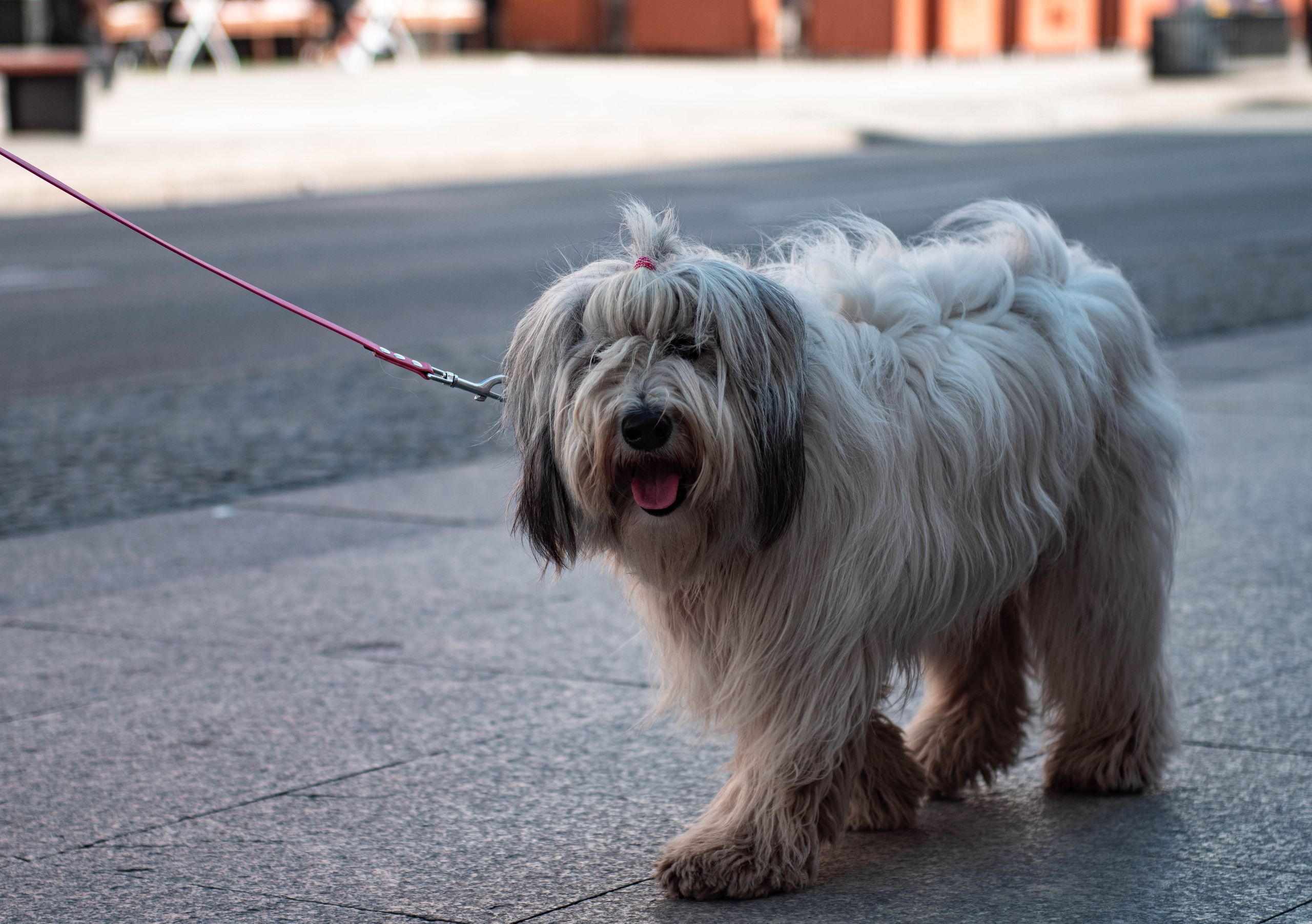
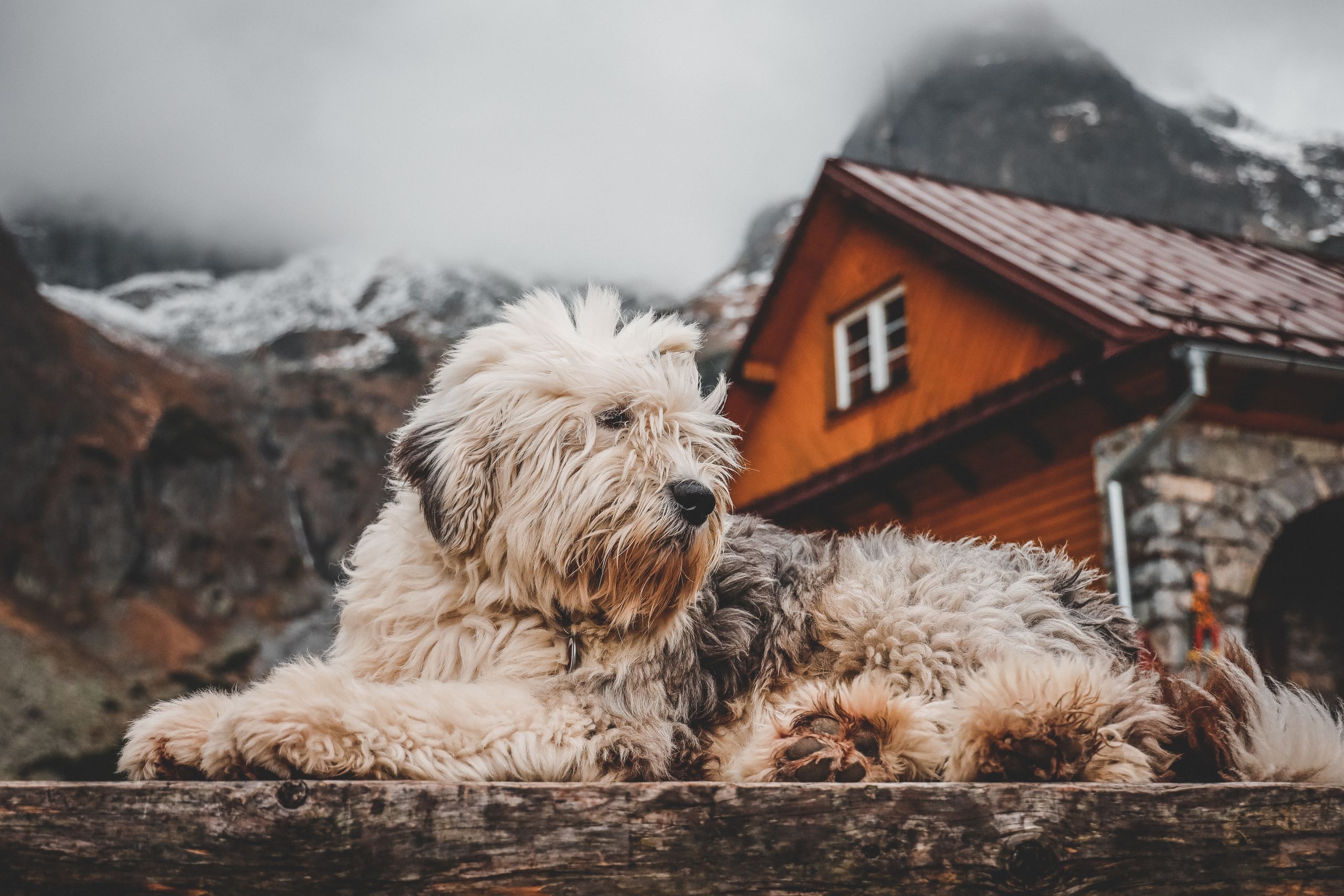
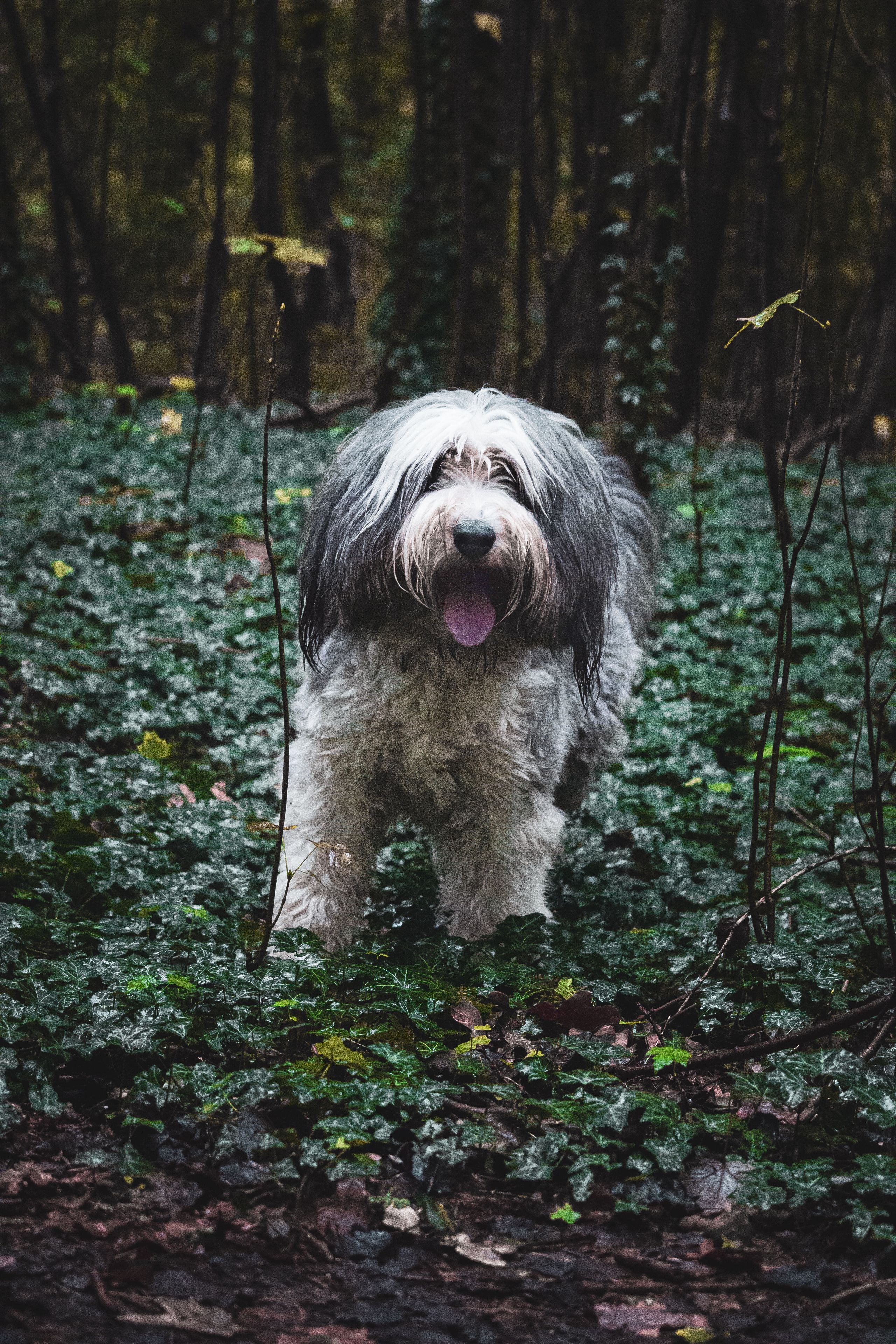
The FCI describes a coarse, dense, thick coat covering the whole body, with a soft undercoat, straight or slightly wavy, with the hair characteristically falling over the eyes. All colours and patches are acceptable. The coat needs brushing several times a week, with a thorough session weekly, especially behind the ears, in the armpits and on the legs where mats form. Many owners trim for practicality. It sheds moderately and heavily in the moult. Check after muddy walks and wet days.
Feeding and weight
A medium working dog does well on a complete food suited to its age and activity, split into two meals. Keep it lean, as a heavy coat can hide weight gain, so check the body by feel as well as by sight. Rewards in training should be counted in the daily total. Avoid vigorous exercise straight after meals. Provide fresh water at all times, and give the beard a wipe after drinking to avoid a smelly, damp fringe.
Work out a starting calorie figure and food weight with the calorie calculator. Not sure this is the right breed? Take the quiz.
Health
Every breed carries predispositions. These are the conditions most often discussed for the Polish Lowland Sheepdog, not a prediction for any individual dog.
- Hip dysplasia (malformation of the hip joint, which can lead to arthritis)
- Inherited eye diseases, including progressive retinal atrophy and cataract
- Hypothyroidism (underactive thyroid)
- Skin and ear problems linked to the heavy coat and fringe
- Obesity, which worsens joint problems
What to ask the breeder. Ask for hip scores and current eye certificates for both parents, and ask about thyroid testing. A responsible breeder will be happy to explain how the dogs were raised and socialised.
Choosing a puppy
A Polish Lowland Sheepdog puppy is a charming, bouncy ball of fluff, with plenty of curiosity and a developing guarding nature. Begin toilet training immediately and socialise it gently with many people, dogs, noises, lifts and trams. Start grooming handling at once, using a soft brush for short sessions. Teach calm alone-time and keep play from turning into nipping at ankles. Avoid forced long walks or stairs while the joints develop, and keep the fringe trimmed so the pup can see.
In Luxembourg the national kennel club is the Fédération Cynologique Luxembourgeoise (FCL), a member of the FCI. Many owners also buy from breeders in Germany, France or Belgium; a puppy coming from another EU country must be microchipped and vaccinated against rabies, which in practice means it cannot travel before about fifteen weeks of age. Where to get a dog in Luxembourg.
The older Polish Lowland Sheepdog
Older dogs slow but remain alert and attached. Offer shorter, gentler walks, a thick bed and non-slip floors. Check hips, eyes, thyroid, skin and teeth at the annual vet visit, and watch for stiffness, weight gain, cloudiness of the eyes and changes in coat quality. Keep the coat tidy because stiffness makes self-care harder. Mental games and gentle scent work help keep an older sheepdog engaged and content.
A realistic day
A realistic weekday for a working household in Luxembourg City, with a midday visit. Adjust it to your dog, not the other way round.
A purposeful 45 minute walk, with a toilet stop and a few training exercises, perhaps at the Pétrusse valley before the commuters arrive.
Breakfast, a drink and a wipe of the beard; a chew toy or food puzzle for settling when the household leaves.
A PAWLY visit with a toilet break, an outing of 40 minutes including ball or scent games, and a photo report for the owner.
A longer evening walk of an hour, ideally in the Bambësch or the Grünewald, with recall practice and a quick brush after mud.
A last toilet trip, a short brush through the longest hair, then bed in a quiet place with a good view of the door.
A Polish Lowland Sheepdog in Luxembourg
A Polish Lowland Sheepdog can live in a flat if its exercise and mental needs are met, and the lift is no problem for a dog of this size. The challenge is the vigilant barking at corridor noises and the shedding of a long coat in a small space, so plan for training and daily brushing. A home near a park or forest is a real advantage, and a garden is welcome.
Luxembourg's woods suit its stamina and love of weather. In summer heat in the 30s, a thick coat can be uncomfortable, so walk early and late and offer shade and water, and consider a summer trim. In wet seasons expect mud, and a towel by the door. Free public transport makes weekend trips easy, provided the dog is calm around crowds. Every dog must be microchipped, declared to the commune and insured, and the annual commune dog tax applies.
Every dog in Luxembourg must be identified, declared to the commune and covered by liability insurance. How registration works.
When you travel
A sitter should know that this is an alert, intelligent herder who needs structure, exercise and company. Keep to the owner's routine and walk times, and provide mental work as well as a stroll. Use a lead near roads, bikes and joggers, since the dog may try to herd them. Brush the coat daily and check for ticks. Report unusual guarding, limping, skin problems or appetite changes to the owner.
PAWLY's holiday and overnight care takes place in your home, so your dog keeps its own bed and routine.
Myths and facts
MythThe fringe makes it a lazy dog.
FactUnder the fringe is an agile, vigilant herder with plenty of energy. The standard calls it lively and agile.
MythShaggy dogs do not need much grooming because they look natural.
FactThe coat mats easily and needs brushing several times a week, and sometimes trimming.
MythSheepdogs are always easy to train.
FactThey learn very quickly, but a clever herder also learns how to run the household if rules are unclear.
Is it the right dog for you?
Suits
- Active owners who enjoy training and outdoor walks
- Families with older, calm children
- People who like a watchful, intelligent companion
- Those prepared for coat care and shedding
Think twice if
- You want a low-maintenance coat
- You are away all day without help
- You have no time for daily training and exercise
- You live in thin-walled flats and cannot tolerate barking
Questions owners ask
How big is a Polish Lowland Sheepdog?
The FCI standard gives 45 to 50 cm for males and 42 to 47 cm for females. No weight is specified.
Does it need a lot of grooming?
Yes. Brush several times a week and a full session weekly, to prevent mats. Many owners opt for a shorter trim.
Is it a good family dog?
Often, yes, with proper socialisation and training. It is affectionate and protective, but the herding instinct means it may chase and nip, so manage this early.
Is it suitable for a flat in Luxembourg City?
Yes, if it gets daily exercise and mental work, and is trained to stay quiet. It does best with a nearby park or forest.
Sources
Photo: Pexels (Pexels License) · Photo: Pexels (Pexels License) · Photo: Pexels (Pexels License)
General information for dog owners in Luxembourg, not veterinary or legal advice. Official facts (origin, size, group, history and temperament as described by the breed standard) follow the FCI standard; health and care sections reflect breed-club and veterinary guidance and are typical ranges rather than rules. For your own dog, ask your vet, the breed club or your commune. How this guide is written and checked. Last reviewed 8 October 2026.
Need someone for your Polish Lowland Sheepdog?
PAWLY offers an individual 45-minute walk or a home visit at your dog's pace, the same walker every time, and a written report with photos after every visit, across Luxembourg City.
Read next: the journal, for the Polish Lowland Sheepdog
All articles
Grooming and coat care through the Luxembourg year
The Polish Lowland Sheepdog has a coat that needs a routine that holds through the Luxembourg seasons.

Getting weight off a dog, and keeping it off
Weight is a recurring issue for the Polish Lowland Sheepdog; this is how to take it off and keep it off.

Choosing a groomer, and what to ask before you book
A coat like this usually means a groomer; this covers what to ask before you book.
Similar breeds
All 198 breeds
Bearded Collie
The shaggy, bouncing Scottish herder: cheerful, clever and always ready to join in.
EnergyGroomingFlat life
Old English Sheepdog
A big, shaggy British drover with a rolling gait and a booming bark, gentle at home and very much a dog that needs company.
EnergyGroomingFlat life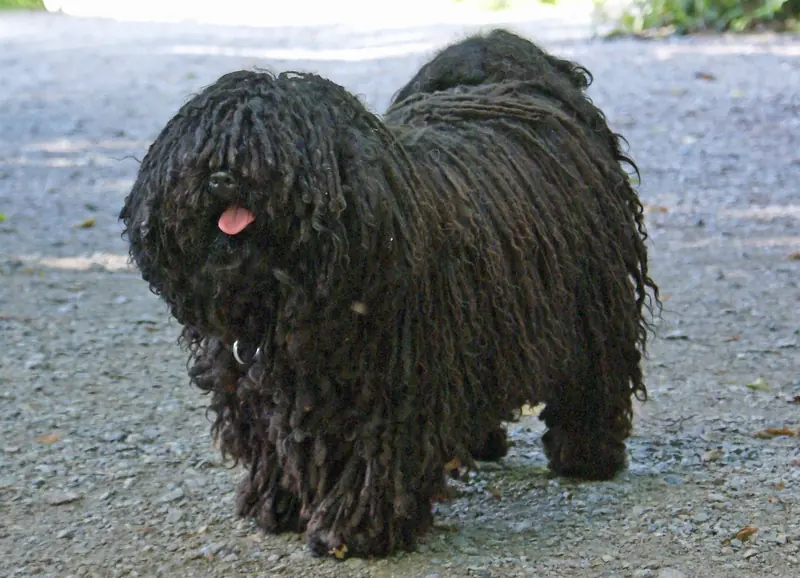
Puli
A compact Hungarian herder in a mop of cords, bouncy and alert, who treats every flat as a flock to be supervised.
EnergyGroomingFlat life

