History
The FCI places the Puli in Group 1, Section 1, among the sheepdogs, with Hungary as its country of origin. The standard describes it as a Hungarian herding breed of Asiatic origin, whose ancestors most likely arrived with the nomadic Magyars when they migrated into the Carpathian Basin. For centuries it lived and worked beside shepherds on the open plains, where it was valued as a herding dog and a watchful guard of the flock and the farm.
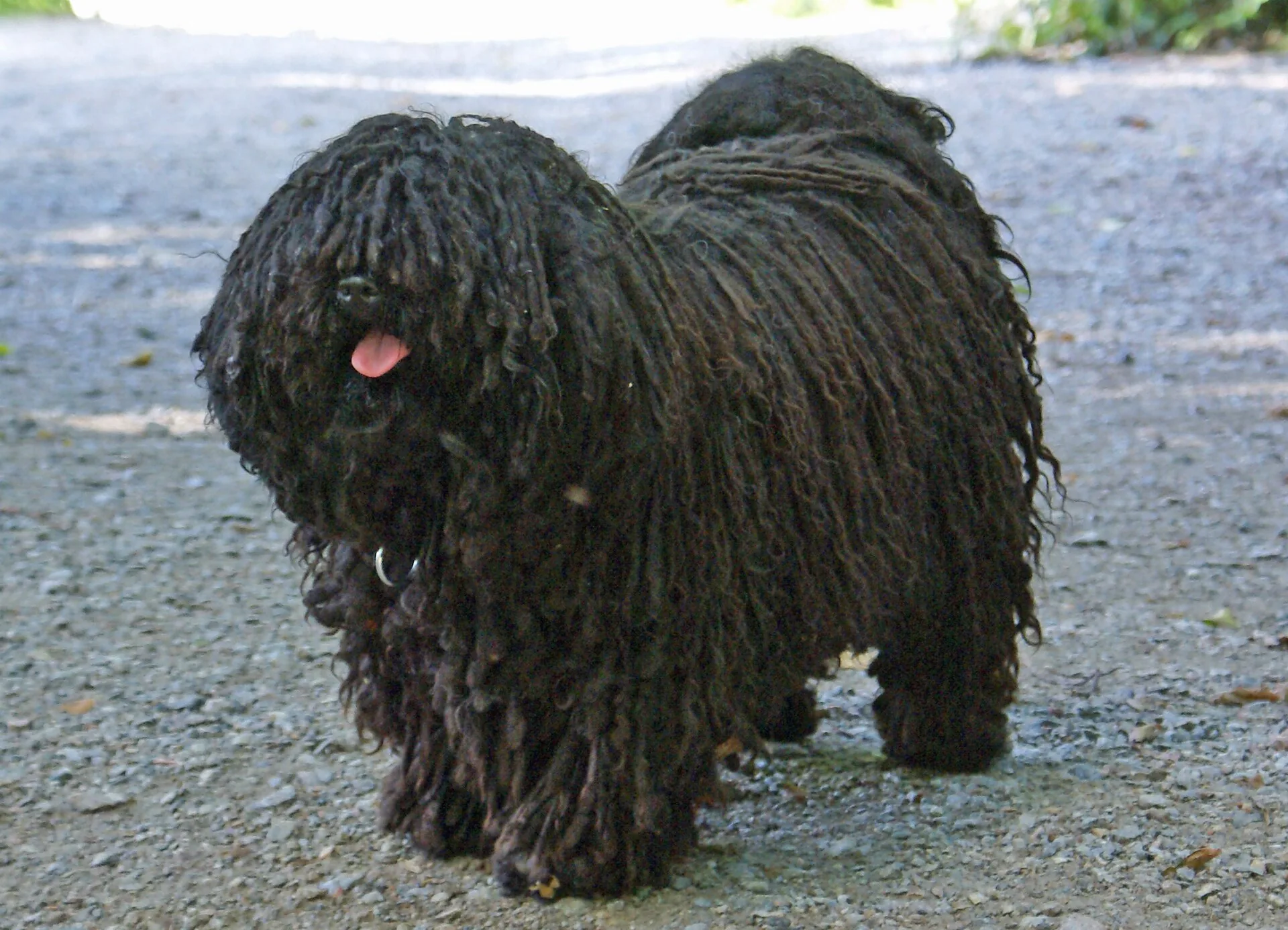
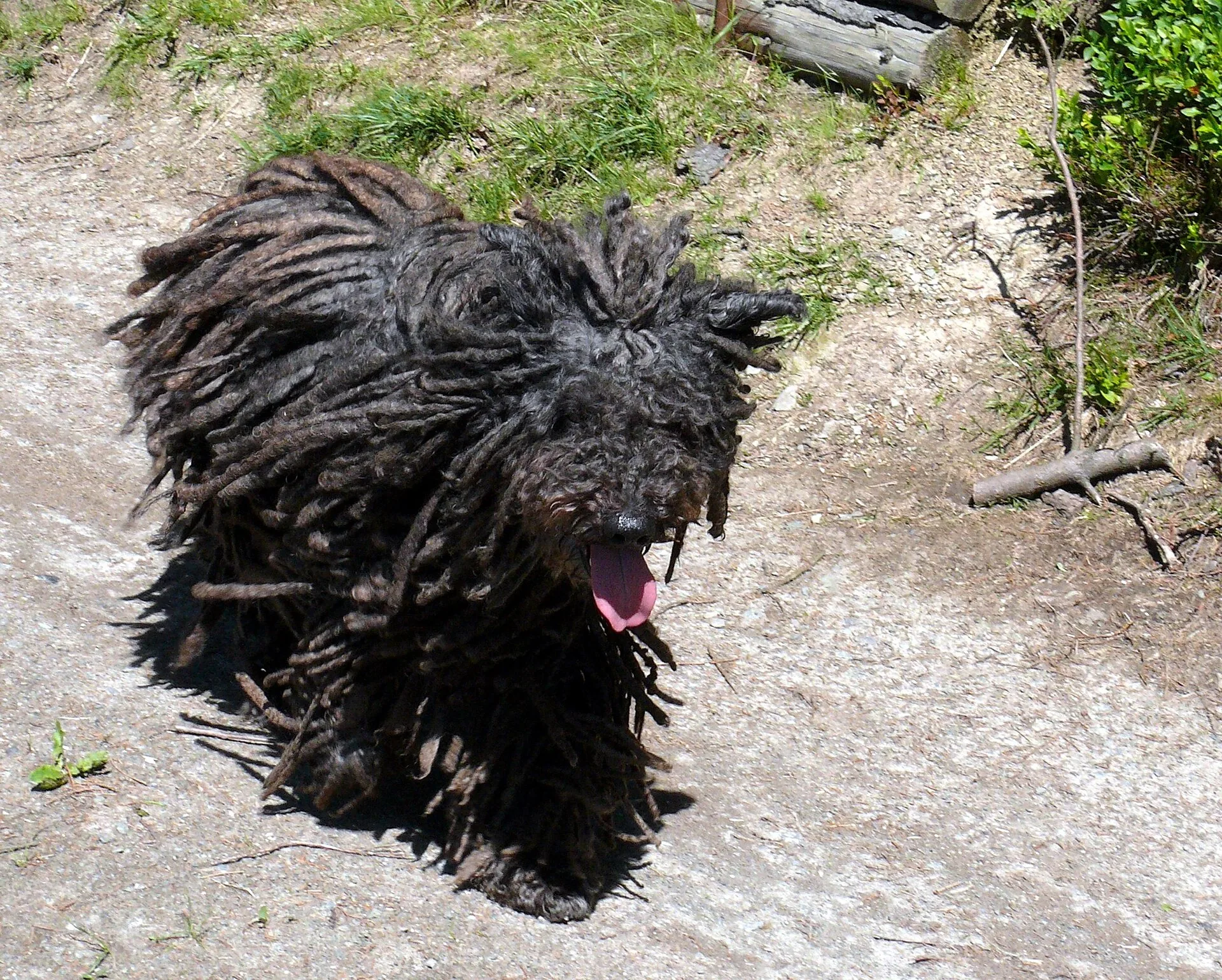
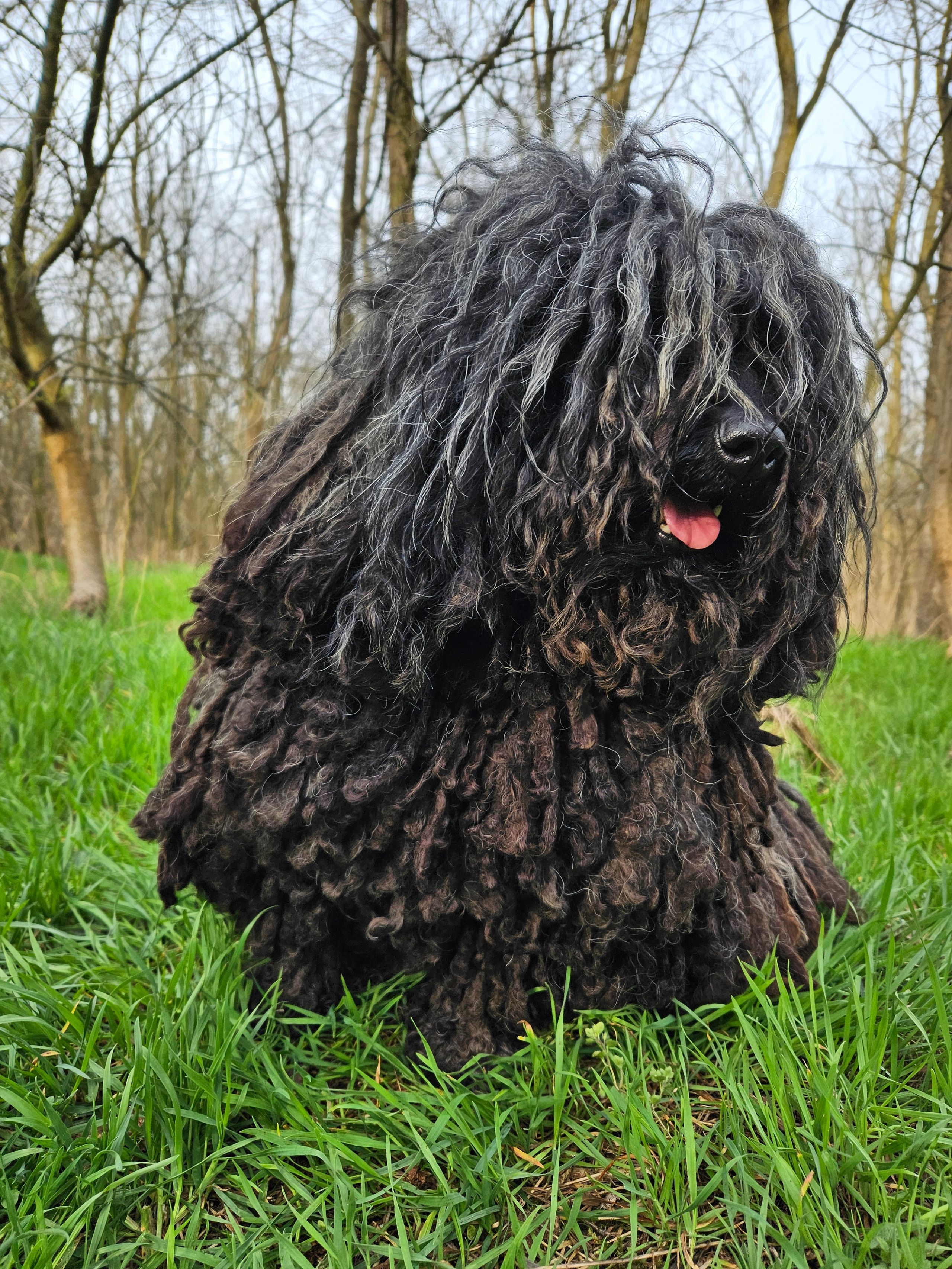
Today the Puli is far better known for its looks than for its work. The standard calls it a medium-sized, square-built dog whose thick coat forms curls and cords, with so much hair on the head that the skull appears round, and a heavily coated tail curled forward over the back. The FCI lists its use as a herding dog, though most examples now live as companions, in obedience, agility and herding trials, and at the occasional dog show where the cords are the main event.
Temperament
The FCI standard sums up the Puli as a lively dog, extremely able to learn, that loves children and is an excellent watchdog. In practice that means a quick, springy, opinionated little dog with a great deal to say. Most Pulik bark to announce visitors, the lift, the postman and sometimes a leaf, and they do it with conviction. They are devoted to their own people and can be wary of strangers until introduced.
Behind the mop there is a thinking dog. Puli are sensitive to tone, attentive to routine and quick to notice when something has changed, which makes them engaging companions and tiresome to bore. A Puli with nothing to do invents jobs: herding children, shadowing you from room to room, guarding the front door. Those who give it purposeful tasks get a cheerful, athletic and very loyal dog. Those who do not may get a noisy one.
Children and other pets
The standard says the Puli loves children, and well-socialised dogs are usually playful and sturdy enough for family life. The herding instinct can show up as chasing, circling and the occasional nip at heels, so teach children not to run and scream around the dog and supervise young ones. With other dogs a Puli is generally fine when raised among them. Cats and small pets are usually accepted if introduced early, though a strange animal that bolts may trigger a chase.
Exercise and the daily walk
A healthy adult needs roughly an hour to an hour and a half of activity a day, split between a proper walk and something that engages the brain. Pulik are light on their feet and tireless when interested, so a mix of brisk walking, fetch, hide and seek games and short training sessions suits them well. A bored Puli will make its own entertainment, usually at volume.
Dog sports are an excellent outlet. Agility, obedience, rally and herding classes all use the breed's speed and eagerness to learn. Be careful with the coat in wet weather and in woodland, where twigs, burrs and mud collect in the cords. Puppies should not do repetitive jumping or long runs while they are growing; play, short walks and training games are enough until about a year old.
Training
Training a Puli is rewarding because the dog wants to understand. Reward-based methods, short sessions and a calm, consistent voice work well. Harsh corrections tend to produce a shut-down or a defiant dog, as the breed is sensitive. Start early with recall, loose-lead walking and settling on a mat, because a bouncy dog that herds everything in sight is much easier to shape at four months than at fourteen.
Barking deserves its own plan. Teach a quiet cue, reward calm behaviour at the door and in the lift, and do not shout back, since a shouting owner sounds like a second dog joining in. Handling practice matters too: touching paws, ears and the cords themselves while the dog is young makes grooming and vet visits far smoother. Herding games with a ball are a safe way to satisfy the instinct.
Coat and grooming
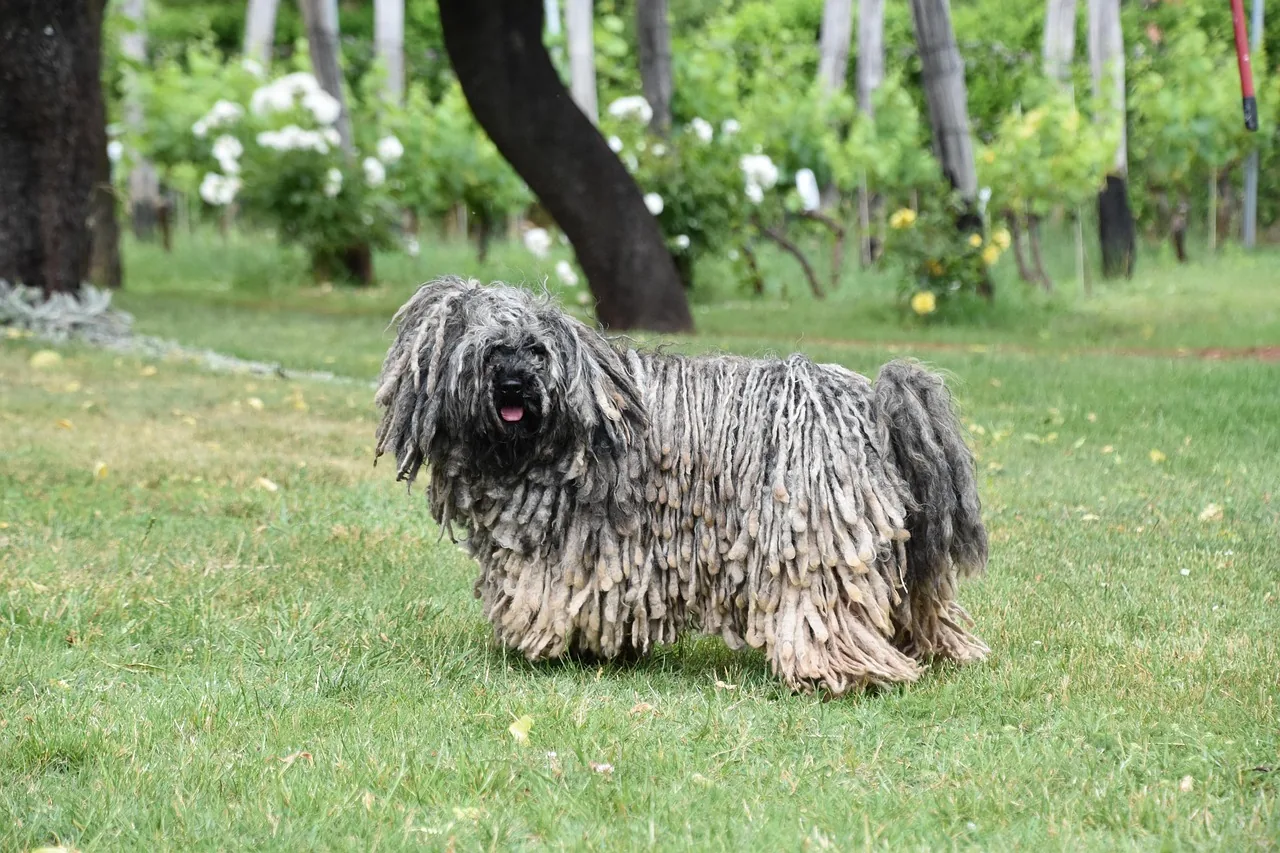
The FCI describes a coarser top coat over a finer undercoat that together form tassels or cords. The cords do not appear by themselves: from about a year the coat must be separated by hand into strands, and the dog then needs regular attention at the roots, careful washing and plenty of time to dry thoroughly. Shedding is minimal because loose hair stays in the cords, but dirt does too. Permitted colours are black, fawn with black mask, grey, and pearl white without any russet or gold tinge. Some owners keep the coat brushed out instead.
Feeding and weight
A complete, good-quality diet suited to a small, active working breed is appropriate, usually in two meals a day. Pulik that are busy burn energy quickly, but a dog under all that hair can hide extra weight, so feel the ribs regularly rather than judging by sight. Keep the beard and cords of the head clean after meals, as food and water soak into the hair, and offer fresh water in a bowl that does not drench the face.
Work out a starting calorie figure and food weight with the calorie calculator. Not sure this is the right breed? Take the quiz.
Health
Every breed carries predispositions. These are the conditions most often discussed for the Puli, not a prediction for any individual dog.
- Hip dysplasia
- Elbow dysplasia
- Progressive retinal atrophy and cataract (eye diseases)
- Patellar luxation (slipping kneecaps)
- Skin and ear problems linked to a dense coat that stays damp
What to ask the breeder. Ask to see hip and elbow scores and current eye examination certificates for both parents, and ask how the breeder separates and cares for the coat of the adult dogs.
Choosing a puppy
Puli puppies look like animated hearthrugs and are bright and busy from the first week. The coat is soft and fluffy at first, with cords developing later, so start gentle handling and brushing routines early. Socialise widely with people, lifts, trams, other dogs and city noise before about sixteen weeks, and begin quiet cue training before barking becomes a habit. Keep exercise short and play-based, avoid hard jumping, and give plenty of chew toys. Expect a coat that gets wet, dirty and tangled in the first year.
In Luxembourg the national kennel club is the Fédération Cynologique Luxembourgeoise (FCL), a member of the FCI. Many owners also buy from breeders in Germany, France or Belgium; a puppy coming from another EU country must be microchipped and vaccinated against rabies, which in practice means it cannot travel before about fifteen weeks of age. Where to get a dog in Luxembourg.
The older Puli
Many Pulik remain active well into their teens, but expect a slowdown from about ten. Shorter, more frequent walks protect the joints, and a non-slip surface at home helps. Check eyes and hearing at the annual vet visit, and keep the coat clean and light, because heavy, matted cords are uncomfortable on stiff old legs. Maintain mental games such as scent searches, since a sharp mind is one of the breed's lasting assets.
A realistic day
A realistic weekday for a working household in Luxembourg City, with a midday visit. Adjust it to your dog, not the other way round.
Brisk 30-minute walk and a short training game before breakfast; towel off paws and cords.
Owner leaves; the Puli settles with a food puzzle on a bed away from the front door to reduce barking.
Midday visit: 45-minute walk with ball play or scent games in a green area, fresh water, quick check of the coat for burrs.
Evening outing of about 45 minutes with training practice, then dinner.
Short toilet break, gentle brushing at the roots and bed.
A Puli in Luxembourg
A Puli is compact enough to live happily in a Luxembourg flat, provided it gets proper exercise and company. The lift is a good place for calm-greeting practice, since this breed loves to announce things and thin walls carry the sound. Parc Merl and the Pétrusse valley give easy daily outings, while the Bambësch and Grünewald forests suit weekend runs. Free buses and trams help, as a Puli of 10 to 15 kg travels easily and sits still if taught early.
Weather matters more than size. Wet November walks leave a corded coat damp for hours, so plan drying time, and summer days in the 30s °C call for early and late outings, shaded rests and a trimmed or well-groomed coat. Do not rely on the coat as insulation in heat. As everywhere in Luxembourg, the dog must be microchipped, declared to the commune and covered by third-party liability insurance, and the commune charges an annual dog tax.
Every dog in Luxembourg must be identified, declared to the commune and covered by liability insurance. How registration works.
When you travel
A sitter should know the daily routine and the dog's barking habits, and should not leave the dog alone for long stretches without activity. Keep the Puli busy with walks, training games and food puzzles. Dry the coat thoroughly after wet walks, check for burrs and mud, and keep the dog on a lead or in a secure area, since herding instincts and speed can lead to chasing. Leave vet details and any coat care instructions.
PAWLY's holiday and overnight care takes place in your home, so your dog keeps its own bed and routine.
Myths and facts
MythA Puli is a dog that never sheds, so it is perfect for allergies.
FactThe coat traps loose hair rather than dropping it, but no dog is allergy proof, and the coat needs a lot of care.
MythPulik are lazy because they are small.
FactThey are active herding dogs, extremely able to learn, and need daily exercise and mental work.
MythThe cords form naturally and need no work.
FactThe cords must be separated by hand as the coat grows, then kept clean and fully dry.
Is it the right dog for you?
Suits
- Active owners who enjoy training and dog sports
- Families with older, considerate children
- People happy to spend time on coat care
- Flat dwellers with a plan for barking
Think twice if
- You want a low-maintenance coat
- You are away from home for long hours
- Your neighbours are very sensitive to noise
- You dislike a dog that follows you everywhere
Questions owners ask
Do Puli cords need brushing?
Not in the usual sense. Corded coats are separated by hand into strands as they grow, then kept clean and dry. Some owners brush the coat out instead, which keeps it fluffy but takes regular combing. Ask the breeder to show you how both are done.
Is a Puli a good flat dog?
Yes, for the right owner. It is compact and happy indoors with exercise, but it barks readily and needs company and activity. A Puli left alone with nothing to do tends to invent noisy jobs.
How long does a corded coat take to dry?
After a bath or heavy rain it can take many hours, sometimes a day, because the cords hold water. Squeeze out the excess, use towels and a warm room, and avoid putting a damp dog to bed without drying.
Are Pulik good with children?
The FCI standard says they love children, and most are playful and robust. Their herding instinct can lead to chasing and nipping at heels, so teach children to stay calm and supervise early meetings.
Sources
Photo: Puli1989, CC BY-SA 3.0, via Wikimedia Commons · Photo: Haplochromis, CC BY-SA 3.0, via Wikimedia Commons · Photo: Pexels (Pexels License) · Photo: Pixabay (Pixabay Content License)
General information for dog owners in Luxembourg, not veterinary or legal advice. Official facts (origin, size, group, history and temperament as described by the breed standard) follow the FCI standard; health and care sections reflect breed-club and veterinary guidance and are typical ranges rather than rules. For your own dog, ask your vet, the breed club or your commune. How this guide is written and checked. Last reviewed 8 October 2026.
Need someone for your Puli?
PAWLY offers an individual 45-minute walk or a home visit at your dog's pace, the same walker every time, and a written report with photos after every visit, across Luxembourg City.
Read next: the journal, for the Puli
All articles
Dogs in hot weather: the Luxembourg summer guide
The Puli carries a heavy coat or a heavy frame, which makes a Luxembourg summer the hard season.

Grooming and coat care through the Luxembourg year
The Puli has a coat that needs a routine that holds through the Luxembourg seasons.

Ears: the three signs that mean an appointment
Ear trouble is common in the Puli; these are the three signs that mean an appointment.
Similar breeds
All 198 breeds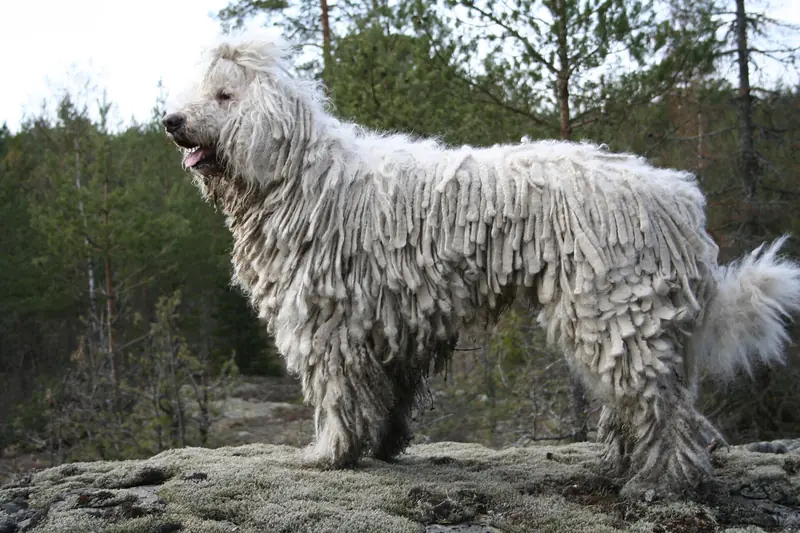
Komondor
A Hungarian livestock guardian under a mop of white cords, built to watch alone all night and to decide for itself who is a threat.
EnergyGroomingFlat life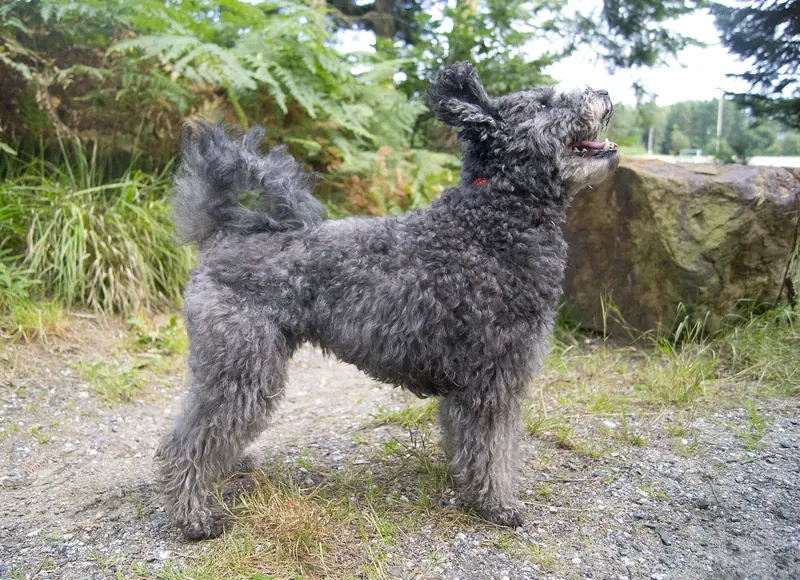
Pumi
A wiry little Hungarian herder with terrier manners, tipped ears and an opinion on everything that moves past the window.
EnergyGroomingFlat life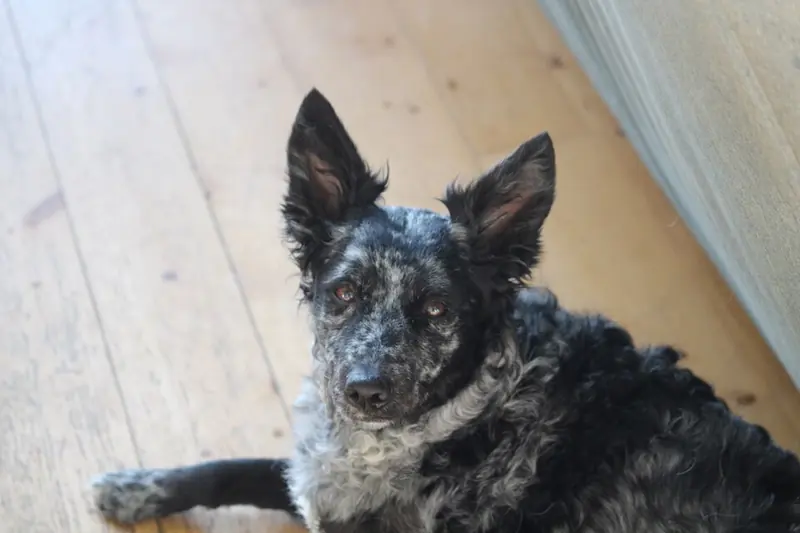
Mudi
A prick-eared Hungarian herder with a wavy coat and a restless mind, built to work all day and offer opinions all evening.
EnergyGroomingFlat life

