

History
The Komondor is a Hungarian herding and guarding breed, and the FCI standard says it descends from Asiatic ancestors that arrived in the Carpathian Basin with the migrating Old Magyars, who lived as stock-breeding nomads. Its job was never to drive the flock but to live with it, and to protect sheep and property from wolves and thieves through the night, resting by day and watching by night.
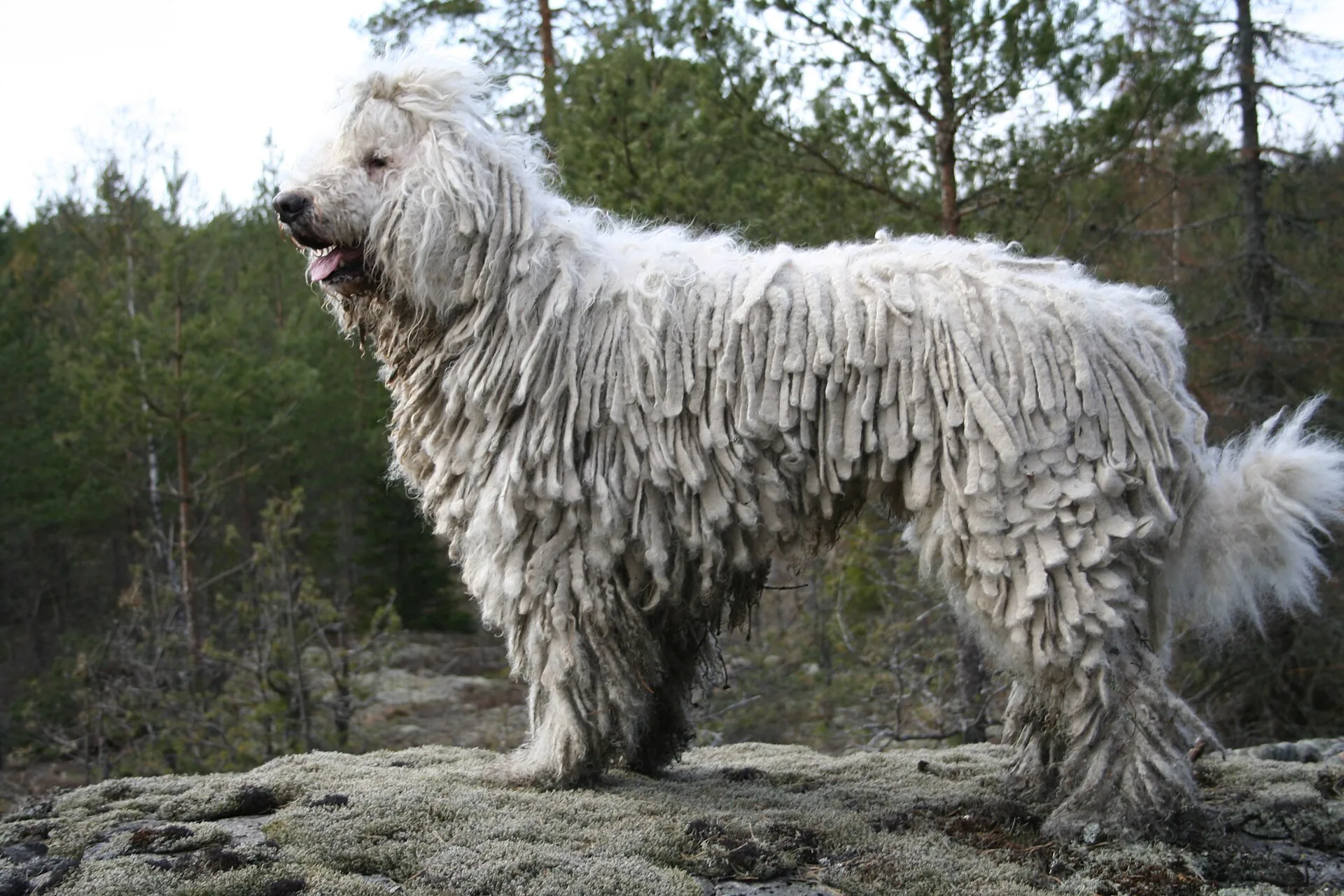
The FCI classes the Komondor in Group 1, Section 1, sheepdogs, as a herding dog without a working trial, with a standard dated 13 September 2000. It is a large, powerful, muscular dog with a rectangular outline, a thickly coated head and a low set tail that curves slightly upward at the tip. The coat, long and matted into cords on an ivory body, is the breed's trademark.
Temperament
The standard describes a dog of unwavering courage in protecting livestock and property, suspicious by nature, resting by day and vigilant at night. It also states that the Komondor attacks silently and boldly when it perceives a threat.
With its own family it is calm, devoted and often surprisingly gentle, even playful. It is aloof with strangers and does not enjoy being touched by them, and visitors need to be introduced thoughtfully. It is independent, and expects to be consulted rather than commanded. The best Komondors are steady, confident and quiet, but a poorly socialised one can be dangerous.
Children and other pets
A Komondor can be devoted to the children of its own family, and many treat them as part of the flock, but it is not a good choice for a household with small children or a stream of visiting friends. Its size alone makes accidents likely, and its guarding instinct may lead it to intervene in rough play. It usually accepts other animals raised with it, but strange dogs, including other dogs on walks, may be challenged.
Exercise and the daily walk
For its size the Komondor needs only moderate exercise, about an hour a day, with a long, steady walk and some time to patrol a secure area. It was bred to stand guard for hours and to move briskly when needed, not to run for miles.
A garden with a high, solid fence is almost essential, as a Komondor is territorial and may react to people or dogs passing the boundary. Walks should be on a strong lead and a well fitted harness, with a firm handler who can read the dog's mood. Avoid hard exercise while the puppy is growing, and in summer walk early and late, because a corded coat holds heat and dries slowly.
Training
Komondors are intelligent, independent and used to making their own decisions, so training is about guidance and trust, not obedience drills. They are not eager to please, and repetitive commands will be ignored. Calm, consistent, reward-based handling works, while force or harsh corrections damage the relationship and can provoke defensive behaviour.
Socialisation is the most important task and must start in the first weeks. The puppy should meet many different people, dogs, noises, lifts, trams and places, always calmly and positively, so that it learns to tell normal from threatening. Teach reliable basics: lead manners, sit, wait, come and leave it. Do not expect a perfect recall, and never trust a Komondor off lead in an unfenced place.
Coat and grooming
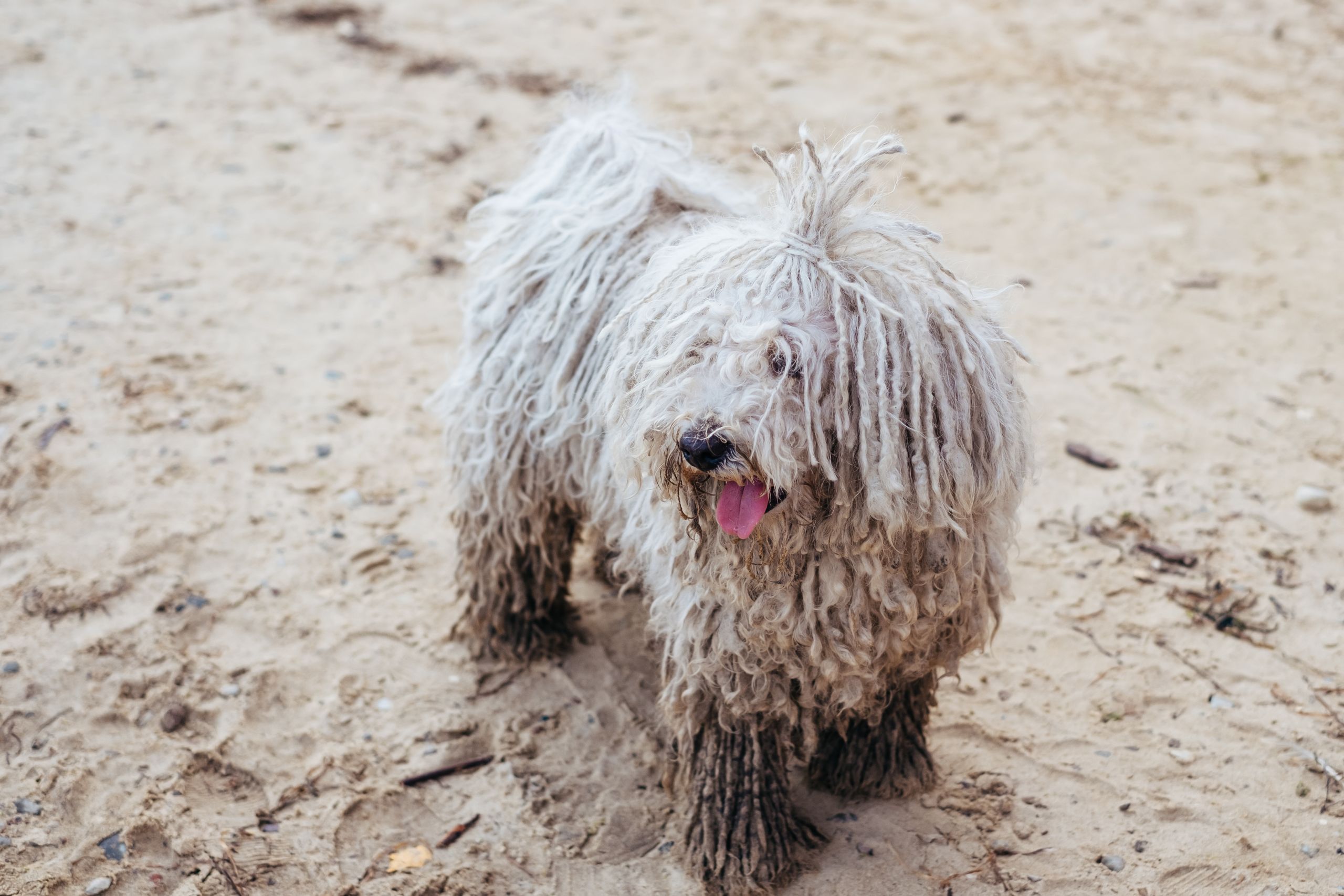
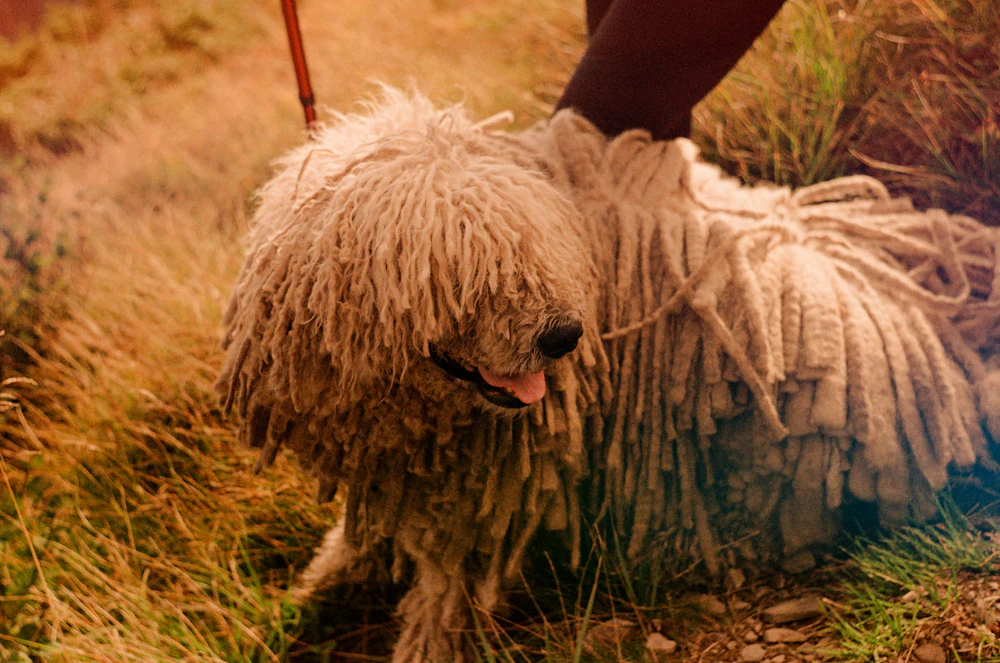
The Komondor's coat is its defining feature. The FCI standard describes dense, long hair that forms cords or mats, of varying length over the body, from about 9 to 27 centimetres. The only permitted colour is ivory. Puppies are born with a fluffy coat that begins to cord at about a year, and the cords must be separated by hand regularly to prevent them from matting into a solid mass. Bathing is possible but the coat takes a long time to dry, and a damp coat can lead to skin problems.
Feeding and weight
A giant, slowly maturing breed needs a diet suited to large breed puppies, with controlled growth. Adults should be fed two measured meals a day, not one large meal, and rested for an hour either side to reduce the risk of bloat. Keep the dog lean, as excess weight is hard on the joints, and check the body condition by feel, since the coat hides the shape.
Work out a starting calorie figure and food weight with the calorie calculator. Not sure this is the right breed? Take the quiz.
Health
Every breed carries predispositions. These are the conditions most often discussed for the Komondor, not a prediction for any individual dog.
- Hip dysplasia and elbow dysplasia
- Gastric dilatation and volvulus (bloat and stomach torsion)
- Skin infections in damp or poorly maintained cords
- Entropion or ectropion (eyelids turning in or hanging loosely)
- Ear infections, because of the heavy hair and drop ears
What to ask the breeder. Ask for hip and elbow scores for both parents from an official scheme, ask about the temperament of the parents and how the puppies are socialised, and ask the breeder to show you how the cords are managed.
Choosing a puppy
A Komondor puppy is a soft, white, cuddly ball that will be huge within a year. Keep exercise modest, avoid stairs and long walks while the joints develop, and use non-slip flooring. The coat will start to cord at around a year, and from then on needs regular hand separation, so get advice from the breeder.
In Luxembourg the national kennel club is the Fédération Cynologique Luxembourgeoise (FCL), a member of the FCI. Many owners also buy from breeders in Germany, France or Belgium; a puppy coming from another EU country must be microchipped and vaccinated against rabies, which in practice means it cannot travel before about fifteen weeks of age. Where to get a dog in Luxembourg.
The older Komondor
Giant breeds age earlier, and ten to twelve years is a typical life for a Komondor. Older dogs tend to become stiff in the hips and elbows, so provide a thick bed, non-slip floors and shorter walks. Check the skin under the cords regularly, and watch for lumps, changes in eating, or a swollen abdomen.
A realistic day
A realistic weekday for a working household in Luxembourg City, with a midday visit. Adjust it to your dog, not the other way round.
Toilet break and a calm 30 minute lead walk, then breakfast. The cords are checked for dirt.
Owner leaves for work. The dog rests, watching the entrance from a cool spot with water.
Midday visit from a familiar walker: toilet break, a steady 30 to 40 minute walk, fresh water and a check of the cords.
Main walk of up to an hour on a strong lead in a quiet area, away from crowds, followed by training.
Last toilet break, a quick check of the coat, and the dog takes up its night watch near the door.
A Komondor in Luxembourg
A Komondor in a flat is a serious undertaking. The dog is calm indoors but huge, and a corded coat tracks in water and dirt. It guards by instinct, so footsteps in the corridor and visitors at the door will all be noted, and a large, silent, suspicious dog in a shared lift can alarm neighbours. A house with a high-fenced garden is the sensible choice. Check your lease and insurance carefully, and remember that the dog must be microchipped, declared to the commune and insured.
The Luxembourg summer is hard on a corded dog. With temperatures in the 30s the dog needs shade, cool floors, fresh water and walks at dawn and dusk. The Grünewald and Bambësch forests and quiet parts of the Pétrusse valley provide good walking away from crowds, but the dog should always be on a strong lead near other dogs and people. Rain is a challenge, since the cords hold water for hours. Public transport is free but a large guardian dog is best introduced to it slowly.
Every dog in Luxembourg must be identified, declared to the commune and covered by liability insurance. How registration works.
When you travel
A sitter must be experienced with large guardian dogs and must be introduced to the dog well before the owner leaves. A Komondor may refuse to accept a stranger on its territory, so arrange several meetings, preferably in the home. Keep to the usual routine, with calm walks on a strong lead, and keep gates, doors and fences secure. Check the cords and skin daily, dry the dog well after rain, and leave the vet's number and detailed instructions.
PAWLY's holiday and overnight care takes place in your home, so your dog keeps its own bed and routine.
Myths and facts
MythA Komondor is a giant mop and cannot see.
FactThe dog sees well through the cords, and the coat is protective, not a handicap. It also needs regular care so that it does not become a solid mat.
MythIt is a friendly, cuddly giant.
FactWith its family, often. With strangers the standard describes a suspicious, courageous guardian, so it must not be treated as a sociable pet.
MythA guard dog needs to be trained to guard.
FactThe Komondor guards by instinct, and the training task is control and socialisation, not teaching aggression.
Is it the right dog for you?
Suits
- Experienced owners of guardian breeds
- People with a large, secure garden and a quiet household
- Owners who accept the time needed for coat care
- Homes with adults and older children only
Think twice if
- You live in a small flat or a busy building
- You want a dog that will greet visitors and strangers happily
- You have young children or many visiting friends
- You are not ready for hours of coat care and a very large dog
Questions owners ask
How big is a Komondor?
The FCI standard gives a minimum height of 70 centimetres and a weight of 50 to 60 kilograms for males, and a minimum of 65 centimetres and 40 to 50 kilograms for females. Many are larger, and the dog looks even bigger in its coat.
Does the Komondor's coat need a lot of care?
Yes. The cords must be separated by hand regularly, kept clean and dried thoroughly after bathing or rain. Expect many hours of work, and long drying times.
Is it a good family dog?
It can be devoted to its own family, but it is a guardian, suspicious of strangers, and not suitable for every household. It is best for experienced owners with older children.
Can a Komondor live in a flat?
It is not ideal. The breed is calm indoors but needs space, a secure garden and a quiet environment. Shared lifts and stairwells can be stressful for both dog and neighbours.
Sources
Photo: Kari, CC BY 2.5, via Wikimedia Commons · Photo: Pexels (Pexels License) · Photo: Unsplash (Unsplash License)
General information for dog owners in Luxembourg, not veterinary or legal advice. Official facts (origin, size, group, history and temperament as described by the breed standard) follow the FCI standard; health and care sections reflect breed-club and veterinary guidance and are typical ranges rather than rules. For your own dog, ask your vet, the breed club or your commune. How this guide is written and checked. Last reviewed 8 October 2026.
Need someone for your Komondor?
PAWLY offers an individual 45-minute walk or a home visit at your dog's pace, the same walker every time, and a written report with photos after every visit, across Luxembourg City.
Read next: the journal, for the Komondor
All articles
Arthritis: the pain owners file under old age
Giant breeds tend to have joint trouble early; this is what to look for.

Growing a large-breed puppy without wrecking its joints
A giant puppy grows fast on soft bones; how it grows decides its joints for life.

Dog first aid: the six emergencies and what to do first
Bloat is an emergency in deep-chested breeds like the Komondor; this covers what cannot wait.
Similar breeds
All 198 breeds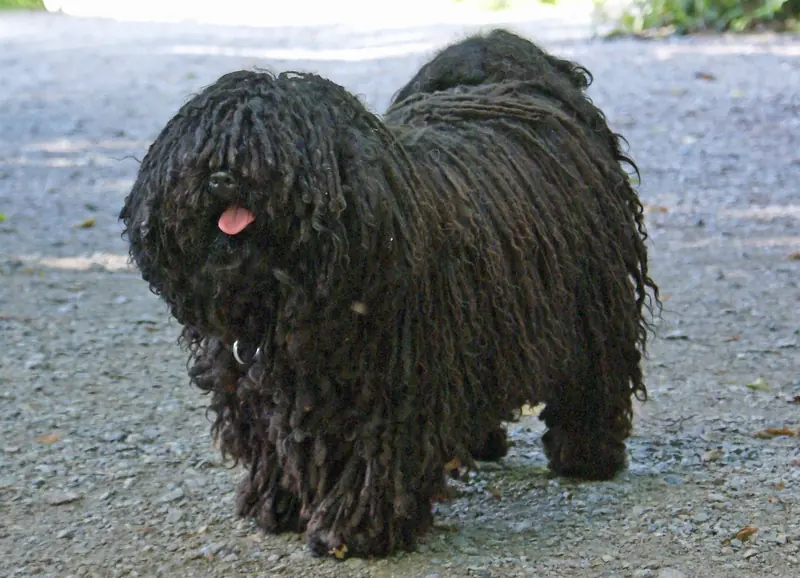
Puli
A compact Hungarian herder in a mop of cords, bouncy and alert, who treats every flat as a flock to be supervised.
EnergyGroomingFlat life
Great Pyrenees
A white mountain guardian from the Pyrenees, gentle with its own people, independent by design and happiest keeping quiet watch over everything.
EnergyGroomingFlat life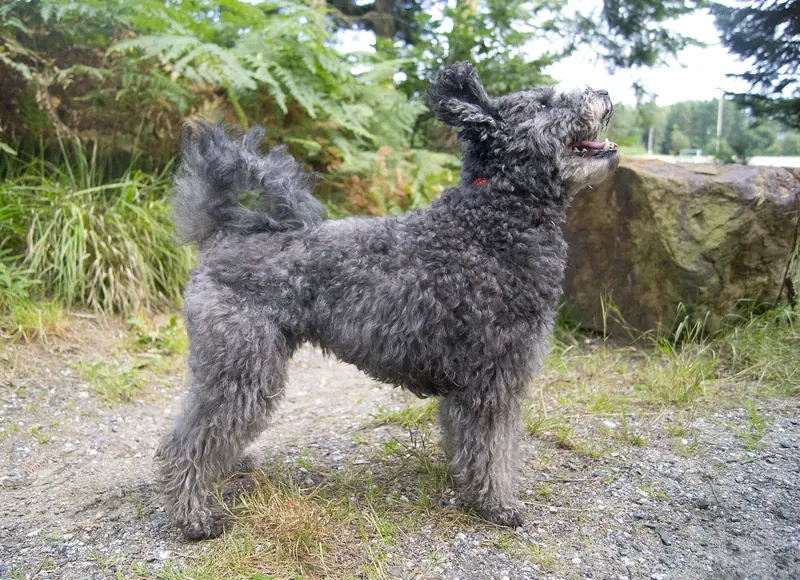
Pumi
A wiry little Hungarian herder with terrier manners, tipped ears and an opinion on everything that moves past the window.
EnergyGroomingFlat life

