





History
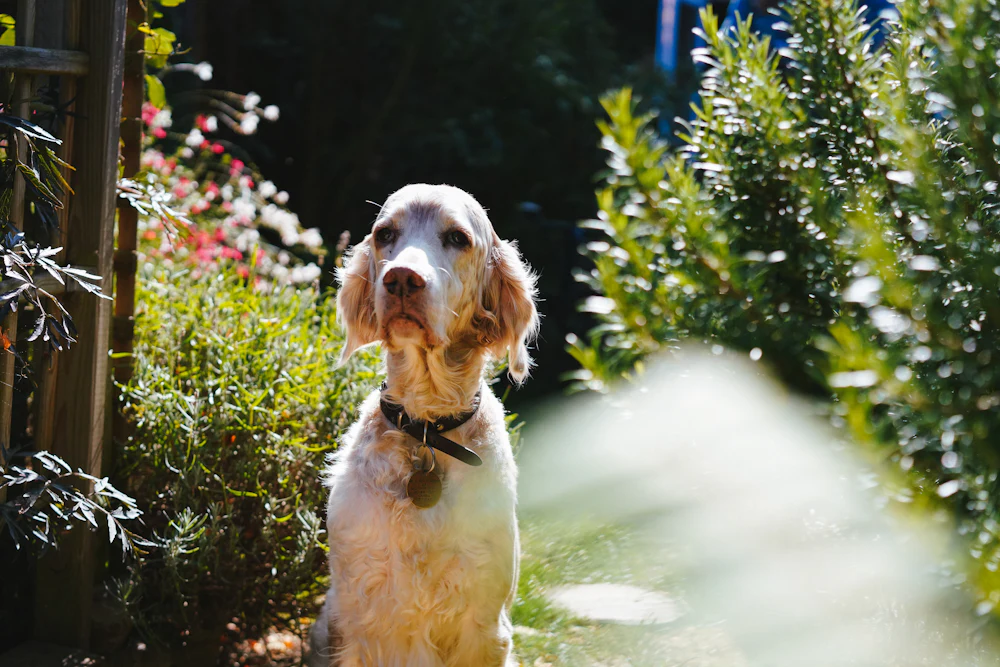
Setters were developed in Britain to find game birds by scent and then 'set', freezing or crouching to show the hunter where the birds lay, originally so that nets could be thrown over them and later for shooting. The work demanded stamina, an excellent nose and the self-control to hold position until the hunter arrived. The English Setter is the best known of the British setters, a pointing dog with a long tradition on the moors and in the field trial world.
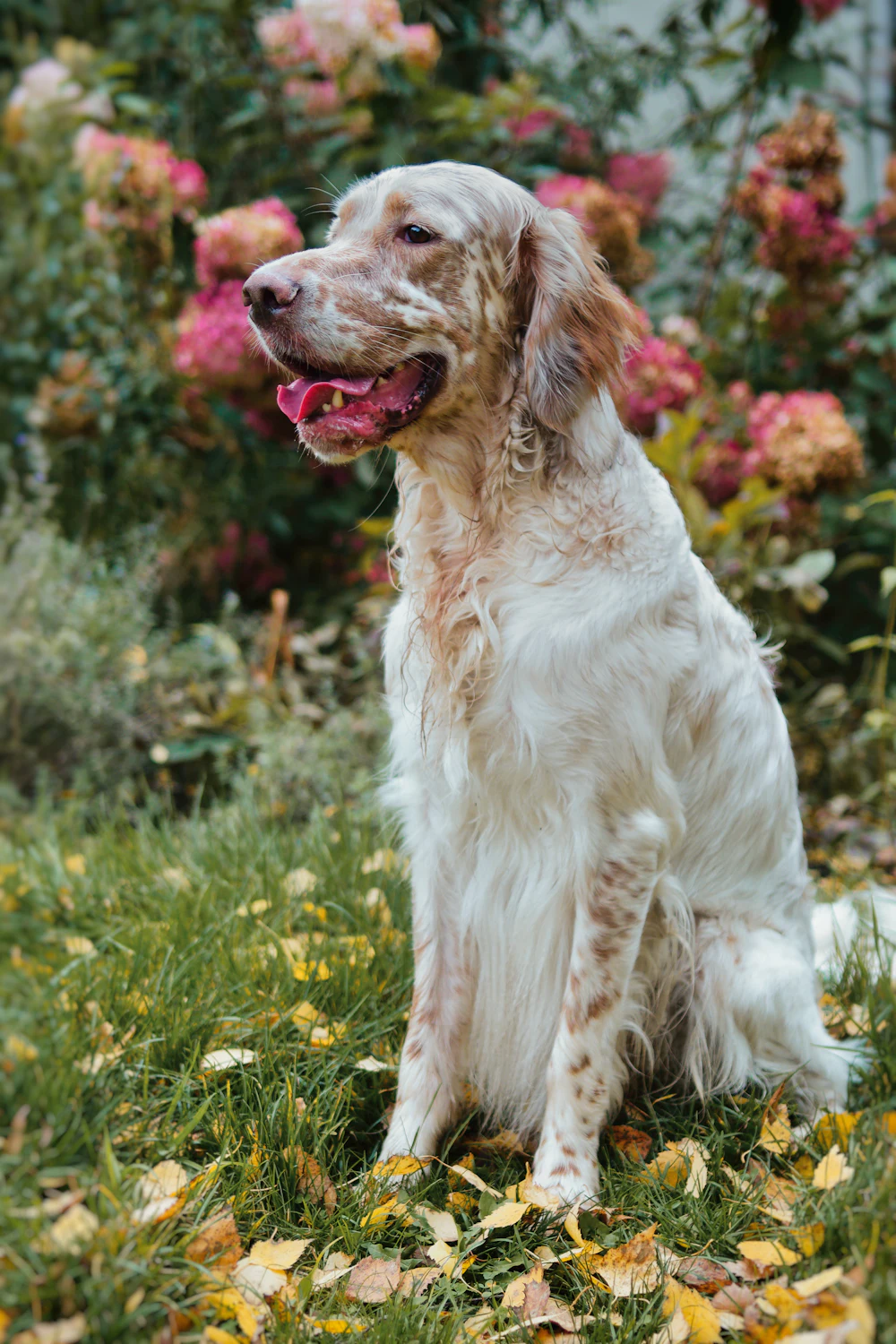
The FCI standard, published in 2009 with Great Britain as the country of origin, places it in Group 7, Section 2.2 among the British and Irish pointers and setters, with a working trial. It also explains the breed's special word for its flecked colouring: 'belton', taken from a village in Northumberland and popularised by Edward Laverack, an influential nineteenth century breeder whose name is still linked to the breed's history.
Temperament
The standard describes a very active dog with a keen game sense, intensely friendly and good natured. That is a fair summary. English Setters tend to be soft, affectionate and sociable with people and dogs, and many are gentle enough to lie beside a sleeping baby. They are rarely guard dogs; most greet a stranger as a potential friend.
The other side is the hunting instinct. Outdoors, a setter's nose takes over and it may range far, ignoring calls while it works a scent. Young dogs can be clownish, dreamy and slow to grow up, and they are sensitive to harsh words. They do not like being left alone for long days and may become vocal or destructive if bored.
Children and other pets
English Setters are often outstanding with children: patient, playful and tolerant of noise. Their size and enthusiasm mean toddlers need supervision, especially with an adolescent dog. Most enjoy other dogs and do well in multi-dog homes. Indoor cats are usually accepted when introduced early, but birds are a different matter: pet birds and garden poultry will interest a dog bred to find and point game.
Exercise and the daily walk
An adult English Setter needs about one and a half to two hours of exercise a day, ideally including free running in a safe, enclosed or wide open area. Forest walks in the Grünewald give the nose plenty to do, but a long line is wise until the recall is reliable, as a setter on a scent can travel a long way before it remembers you.
Mental work matters too. Scent games, retrieving, and structured gundog training help the dog use its instincts in a controlled way. In wet weather the feathered coat collects mud, burrs and seeds, so a quick check after each walk, especially between the toes and around the ears, saves trouble later. In summer heat, walk early and late and keep runs shorter.
Training
Setters are intelligent and kind but can be distractible, and training needs patience. Short, positive sessions with food or play rewards suit them, and harsh corrections tend to make a sensitive setter anxious or stubborn. The most important skills are recall, a solid 'stop' or 'wait' at distance, and calm lead walking around birds and squirrels.
Many setters remain puppyish until two or three years old. Owners should expect a teenage phase with selective hearing and not take it personally. Joining a gundog or scent work group gives the dog an outlet and builds the owner's confidence. House manners, such as not jumping up and settling while people eat, come with consistency and time.
Coat and grooming
The FCI standard asks for a coat that is slightly wavy, never curly, long and silky, with well feathered breeches and forelegs. Brush two or three times a week, paying attention to the feathering, ears and armpits where tangles form, and trim the feet and under the ears for tidiness. The breed sheds moderately. Permitted colours are black and white (blue belton), orange and white (orange belton), lemon and white (lemon belton), liver and white (liver belton) or tricolour, with flecking preferred to large patches.
Feeding and weight
A good quality complete food suited to an active medium to large breed is right for most setters, with portions adjusted to activity and season. Two meals a day are sensible for a deep-chested dog, with rest before and after. Setters can be lean in build, and some are fussy, while others will steal anything left on the counter. Check condition under the coat rather than relying on looks.
Work out a starting calorie figure and food weight with the calorie calculator. Not sure this is the right breed? Take the quiz.
Health
Every breed carries predispositions. These are the conditions most often discussed for the English Setter, not a prediction for any individual dog.
- Hip and elbow dysplasia
- Congenital deafness, linked to white coat colour
- Hypothyroidism (underactive thyroid)
- Skin allergies
- Neuronal ceroid lipofuscinosis, a rare inherited brain disorder for which a DNA test exists
- Gastric dilatation-volvulus (bloat)
What to ask the breeder. Ask for hip and elbow scores for both parents, BAER hearing test results for the parents and litter, and any thyroid testing or DNA results.
Choosing a puppy
Setter puppies are charming, bouncy and easily distracted. Begin recall training early, at home and in quiet places, before the hunting instinct grows. Expose the puppy to lifts, trams, traffic and town noise, along with children and other dogs. Limit long walks, stairs and jumping while joints develop. Make grooming a daily few minutes of handling and brushing, so it becomes routine before the coat grows long.
In Luxembourg the national kennel club is the Fédération Cynologique Luxembourgeoise (FCL), a member of the FCI. Many owners also buy from breeders in Germany, France or Belgium; a puppy coming from another EU country must be microchipped and vaccinated against rabies, which in practice means it cannot travel before about fifteen weeks of age. Where to get a dog in Luxembourg.
The older English Setter
Older English Setters often stay gentle and affectionate, but may slow considerably after nine or ten. Shorter, more frequent walks, warm bedding and good grip on floors help. Keep weight under control, check for lumps, and watch for changes in hearing, thyroid function or mobility. Many enjoy scent games and slow sniffing walks long after they stop running far.
A realistic day
A realistic weekday for a working household in Luxembourg City, with a midday visit. Adjust it to your dog, not the other way round.
Toilet break, breakfast, then a short rest before exercise.
A 45-minute walk in the Grünewald on a long line, with time to work scents.
Midday visit: a 30-minute walk with recall practice, fresh water and calm company.
Longer evening outing, including free running in a safe area, followed by a brush and a check for burrs.
Quiet last walk and bed, usually as close to the family as allowed.
An English Setter in Luxembourg
An English Setter is quiet and calm indoors once exercised, but it is a big, energetic dog, and an upper-floor flat without access to green space makes life harder. Easy access to the Grünewald, Bambësch forest or the Pétrusse valley helps a great deal. In parks, watch for birds and squirrels, and keep the dog on the lead near roads and busy paths.
The coat handles cool, damp weather well but collects mud and seeds in autumn, so many owners keep a towel and comb by the door. In summer, walk in early morning and evening and choose shaded forest routes. As with all dogs in Luxembourg, a microchip, commune declaration, third-party liability insurance and annual dog tax are required.
Every dog in Luxembourg must be identified, declared to the commune and covered by liability insurance. How registration works.
When you travel
A sitter must be comfortable with a strong, enthusiastic dog and know exactly where it may run free, if anywhere. Explain the recall cues and the tendency to follow scents. Setters dislike long periods alone, so plan several visits a day or overnight care. Brush the coat a few times a week, check for burrs and ticks after forest walks, and keep meals and rest at the usual times.
PAWLY's holiday and overnight care takes place in your home, so your dog keeps its own bed and routine.
Myths and facts
MythSetters are not intelligent.
FactThey are intelligent, but bred to work independently with their nose, so training needs patience.
MythA garden is enough exercise.
FactAn English Setter needs long walks and free running, not just time in a garden.
MythBelton means a type of English Setter.
FactIt describes the flecked coat pattern, a term taken from a Northumberland village.
Is it the right dog for you?
Suits
- Active families with children
- Owners who enjoy forest walks
- People interested in gundog training
- Homes where someone is around for much of the day
Think twice if
- You need a dog that is reliable off the lead quickly
- You keep pet birds
- You are out all day every day
- You want a low-grooming breed
Questions owners ask
Are English Setters good family dogs?
Very often, yes. They are friendly, gentle and patient with children, and usually sociable with other dogs. The challenges are their exercise needs, their size when young and their tendency to follow scents, so they suit active families with time to train.
Can an English Setter be trusted off the lead?
Some can, after careful training, but it is a hunting breed with a strong nose. Start recall training early and use a long line in unfenced areas. Even a well-trained setter may need reminding around birds, so choose safe places away from roads.
How much grooming does the coat need?
Brushing two or three times a week and trimming the feet and ears every few weeks is typical. After forest walks, check for burrs, seeds and ticks. Show dogs need more detailed trimming, but pets can be kept practical and comfortable.
Do English Setters bark a lot?
Most are not heavy barkers, though they may bark when excited, bored or left alone too long. Adequate exercise and company make the biggest difference. They are not natural guard dogs and usually welcome visitors warmly.
Sources
Photo: Unsplash (Unsplash License) · Photo: Unsplash (Unsplash License) · Photo: Unsplash (Unsplash License) · Photo: Unsplash (Unsplash License) · Photo: Unsplash (Unsplash License)
General information for dog owners in Luxembourg, not veterinary or legal advice. Official facts (origin, size, group, history and temperament as described by the breed standard) follow the FCI standard; health and care sections reflect breed-club and veterinary guidance and are typical ranges rather than rules. For your own dog, ask your vet, the breed club or your commune. How this guide is written and checked. Last reviewed 8 October 2026.
Need someone for your English Setter?
PAWLY offers an individual 45-minute walk or a home visit at your dog's pace, the same walker every time, and a written report with photos after every visit, across Luxembourg City.
Read next: the journal, for the English Setter
All articles
Feeding, portions and how to tell if your dog is the right weight
Large dogs suffer more from extra weight; this is how to judge the right one.

Dog first aid: the six emergencies and what to do first
Bloat is an emergency in deep-chested breeds like the English Setter; this covers what cannot wait.

How much exercise does your dog actually need?
The English Setter is an active breed, so it is worth checking the exercise numbers against your actual week.
Similar breeds
All 198 breeds
Irish Setter
A rich chestnut bird dog from Ireland, racy and affectionate, with boundless good humour and a nose that can override any recall.
EnergyGroomingFlat life
Gordon Setter
The heaviest and most deliberate of the setters, a black and tan Scottish bird dog with a dignified manner and a love of routine.
EnergyGroomingFlat life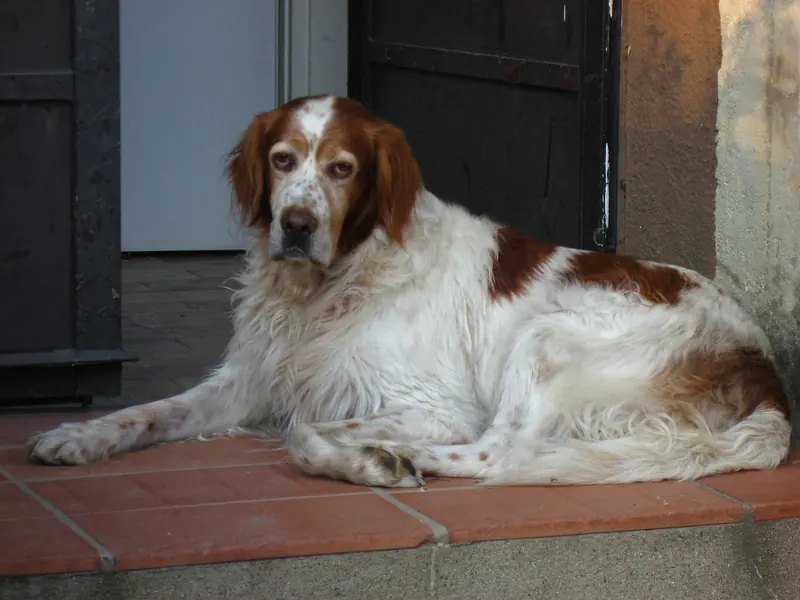
Irish Red and White Setter
The older, less fashionable Irish setter, white with red patches, and a gundog that still wants a field and a job.
EnergyGroomingFlat life

