

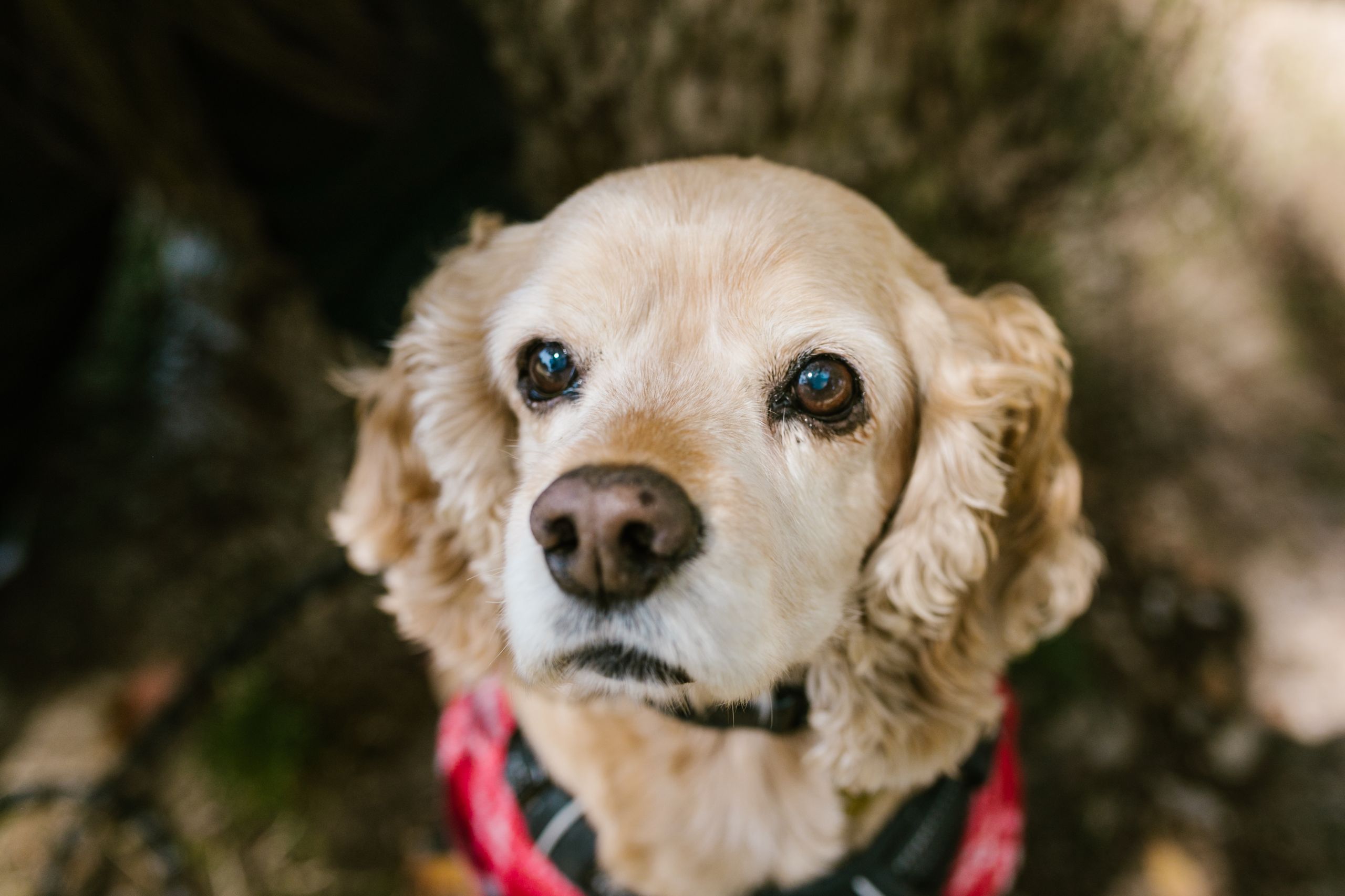
History
The American Cocker Spaniel descends from the cocking spaniels of Britain, small flushing dogs used to find and spring woodcock and other game birds. Spaniels of this type were taken to North America, where breeders gradually selected a smaller dog with a shorter back, a rounder head, a shorter muzzle and a more abundant coat. Over time the American and English types drifted far enough apart that the American Kennel Club recognised the English Cocker Spaniel as a separate breed in 1946.
The FCI standard, published in 2021 with the U.S.A. as country of origin, places the breed in Group 8, Section 2, among the flushing dogs, and lists its use as flushing dog and companion. It describes the American Cocker as the smallest member of the sporting dogs, sturdy and compact, capable of considerable speed and great endurance. Most American Cockers today are companions and show dogs, but the build of a small field spaniel still lies underneath the coat.
Temperament
The FCI standard asks for an equable temperament with no suggestion of timidity, and describes a merry dog, keen to work. At its best the American Cocker is affectionate, gentle and cheerful, happiest at the centre of family life and willing to fit around a city routine. It tends to greet visitors warmly and is rarely a serious guard.
Cockers are sensitive dogs, quick to pick up on tension and slow to forgive harsh treatment. Well-bred, well-socialised individuals are delightful; poorly bred or under-socialised ones can be anxious, and some guard food or toys. Many are happiest with company for most of the day and may vocalise or become unsettled when left too long. Choosing a breeder who selects for stable temperament is as important as the coat or the colour.
Children and other pets
A good American Cocker is a gentle, tolerant family dog that usually enjoys calm children, and its size makes it manageable for most households. Teach children to leave it alone when it eats or sleeps and to avoid tugging the long ears or coat. It generally gets along well with other dogs. The bird-dog instinct is there, so it may chase pigeons or squirrels, but with early introduction most live peacefully with cats.
Exercise and the daily walk
An adult needs about an hour a day of walking and play, split into two or three outings. American Cockers enjoy sniffing, retrieving and exploring, and they will happily do more on weekends. Scent games, gentle retrieve work and short training sessions use the spaniel brain and help keep the dog content indoors.
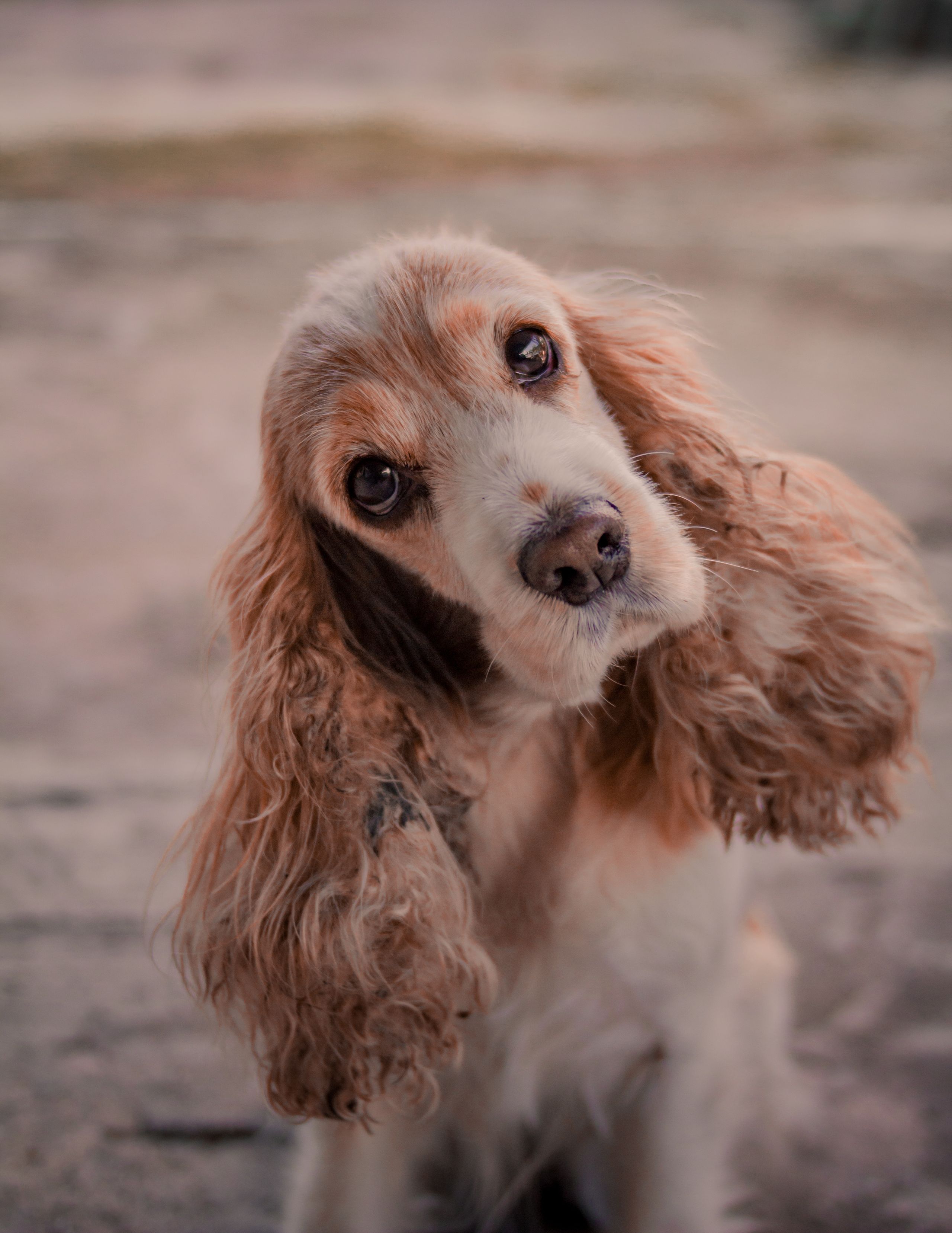
The long coat changes the practicalities. Wet grass, mud and woodland undergrowth soak and tangle the feathering, so a quick rinse or towel session after walks becomes part of daily life. Many owners keep the legs and belly shorter for practicality. Off lead, most Cockers stay reasonably close, but birds can trigger a quick dash, so practise recall in safe places first.
Training
American Cockers are generally easy to train when methods are gentle and positive. They respond well to food, which works in the trainer's favour, and they enjoy learning tricks and household manners. Keep the tone warm and patient, since harsh handling can make a soft dog nervous or defensive.
Teach grooming tolerance from the first days: standing on a table, having feet, ears and eyes handled, and calm acceptance of the dryer and clippers. Work early on swapping games so the puppy learns that giving up a toy or a stolen sock brings a reward rather than a confrontation, which helps prevent guarding. Gradual practice at being alone for short periods supports the dog later in a working household.
Coat and grooming
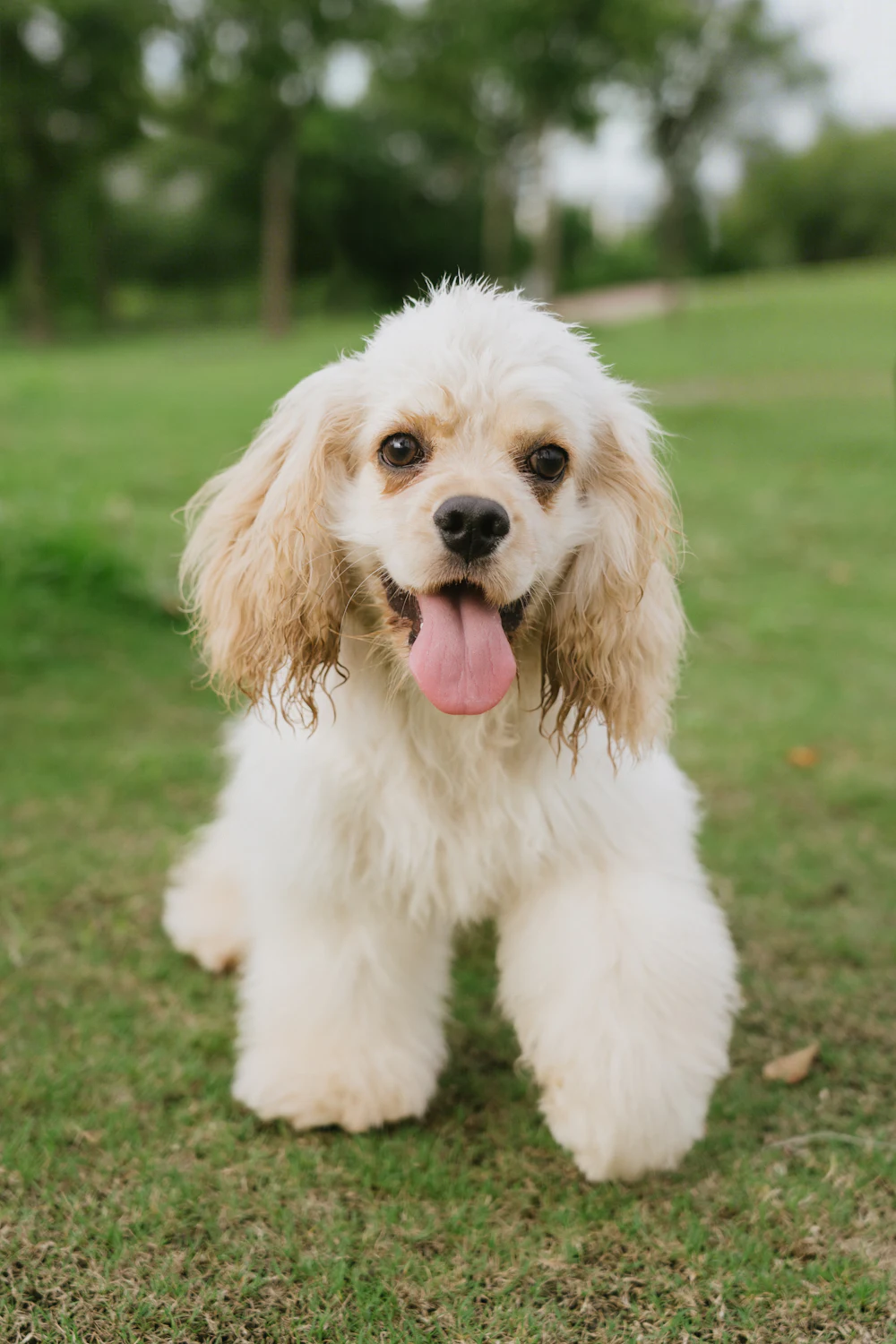
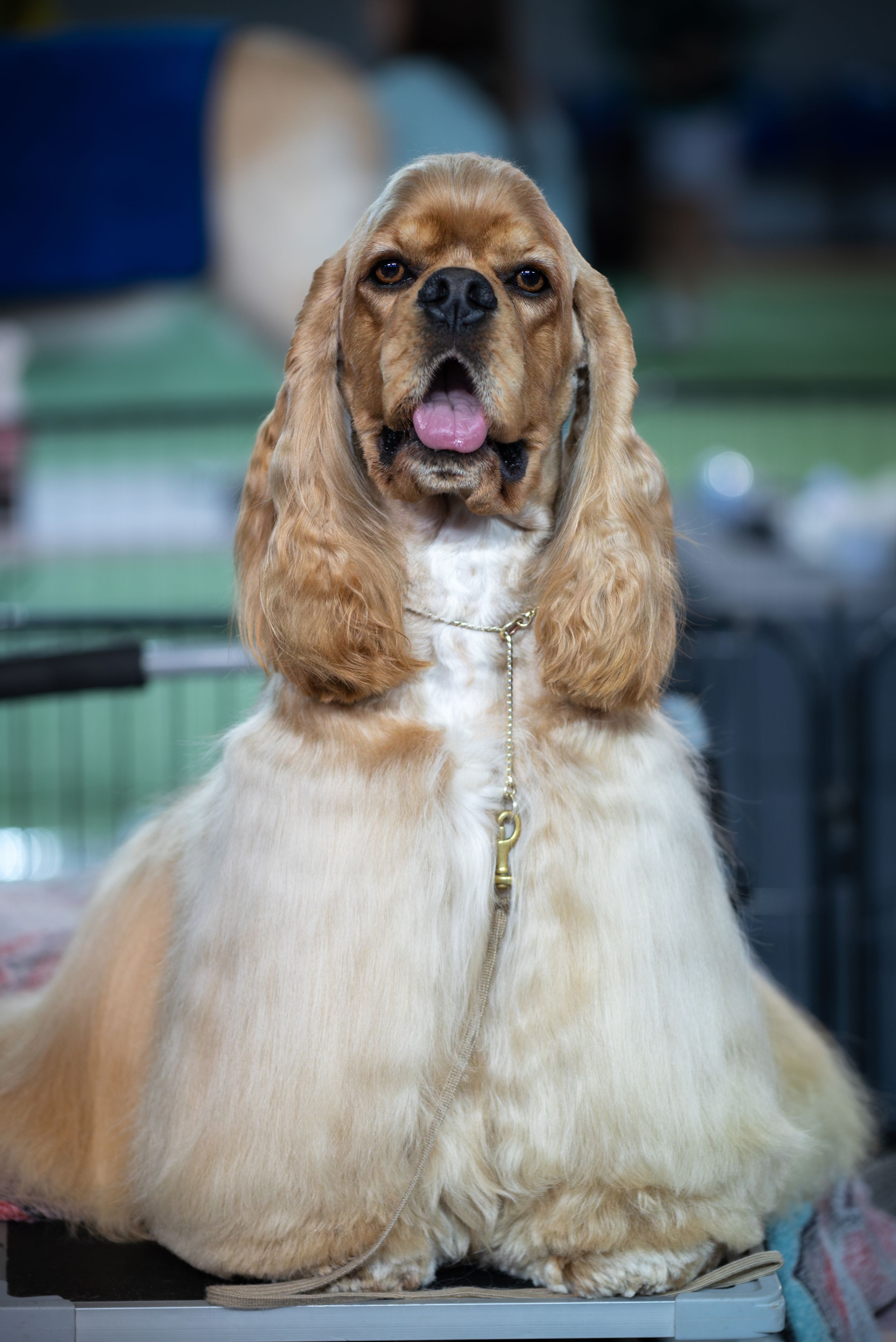
The standard describes short, fine hair on the head, medium length on the body with enough undercoat for protection, and well-feathered ears, chest, abdomen and legs, the texture silky and flat or slightly wavy. In practice pet coats need brushing every other day and professional grooming every four to eight weeks. The breed is shown in three colour varieties: black, including black and tan; ASCOB, any solid colour other than black, from lightest cream to darkest red; and parti-colour, two or more solid colours, one of which must be white.
Feeding and weight
American Cockers love food, and many will put on weight easily if treats are not counted. Feed a complete diet in two measured meals, count training treats as part of the daily ration, and check body condition with your hands, since the coat hides extra weight. A shallow, narrow bowl or an ear snood keeps long ears out of the food and water.
Work out a starting calorie figure and food weight with the calorie calculator. Not sure this is the right breed? Take the quiz.
Health
Every breed carries predispositions. These are the conditions most often discussed for the American Cocker Spaniel, not a prediction for any individual dog.
- Ear infections (otitis externa)
- Cataracts
- Progressive retinal atrophy (PRA)
- Glaucoma
- Patellar luxation (slipping kneecap)
- Hip dysplasia
What to ask the breeder. Ask for recent eye examination results and a PRA DNA test for both parents, plus hip and patella evaluations, and ask how the breeder selects for calm, stable temperament.
Choosing a puppy
An American Cocker puppy is soft, affectionate and quick to learn. Start handling the coat, ears and paws daily, and introduce a professional groomer early with short, positive visits. Keep the puppy's ears clean and dry, and check them every week. Socialise widely with people, sounds and other dogs, and build short periods alone into the routine so the puppy learns that being alone is safe and boring.
In Luxembourg the national kennel club is the Fédération Cynologique Luxembourgeoise (FCL), a member of the FCI. Many owners also buy from breeders in Germany, France or Belgium; a puppy coming from another EU country must be microchipped and vaccinated against rabies, which in practice means it cannot travel before about fifteen weeks of age. Where to get a dog in Luxembourg.
The older American Cocker Spaniel
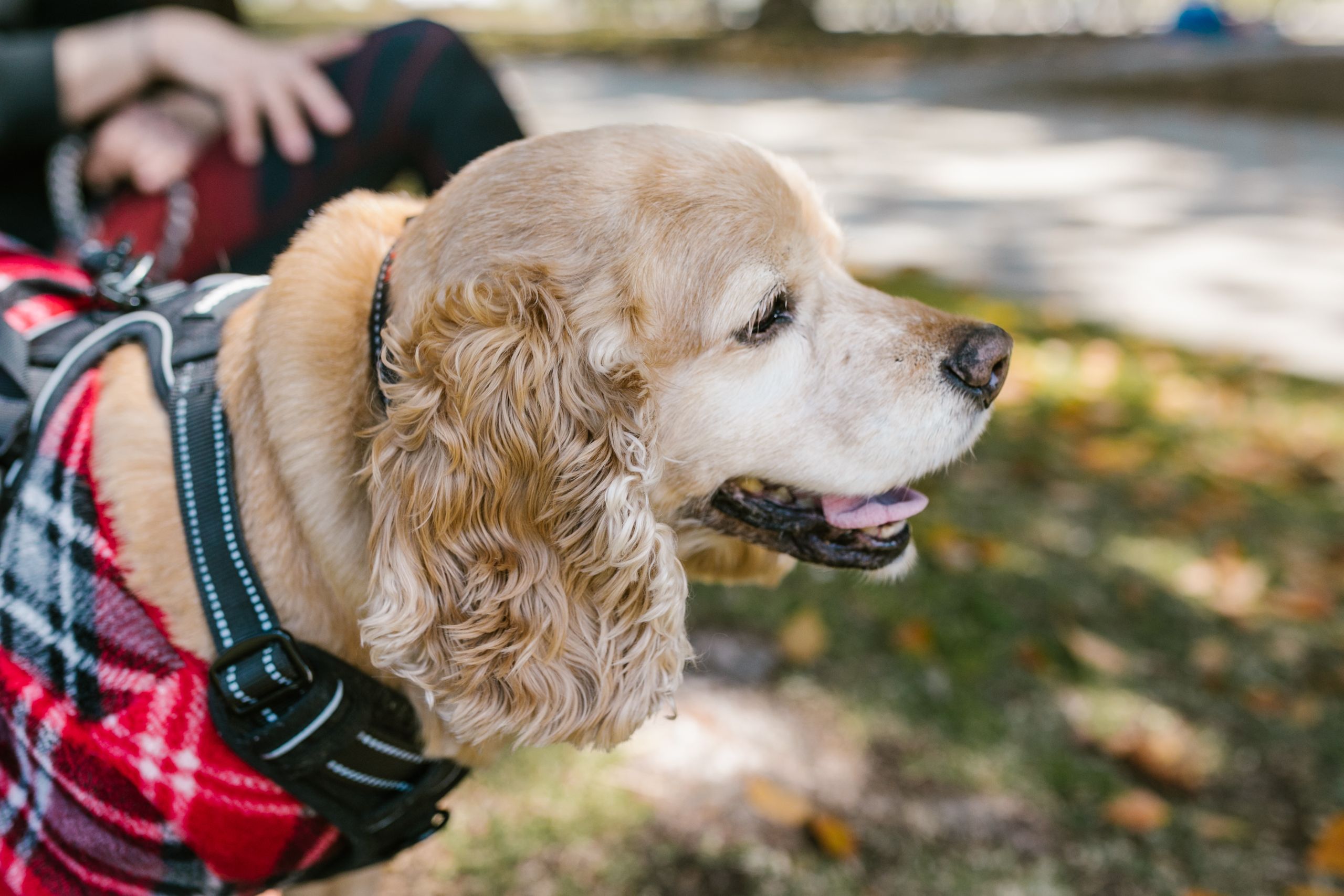
Senior Cockers often slow down gently and may develop cloudy eyes, stiff joints or dental problems. Keep up regular eye and dental checks, adjust food to avoid weight gain, and trim the coat shorter for comfort. Ear care remains important throughout life, especially in older dogs with less resistance to infection.
A realistic day
A realistic weekday for a working household in Luxembourg City, with a midday visit. Adjust it to your dog, not the other way round.
A 25-minute walk with plenty of sniffing, then a quick towel of the legs and ears if the grass is wet.
Breakfast and a short chew, then the Cocker settles in its bed as the owner leaves.
PAWLY midday visit: a 40-minute walk in Parc Merl, retrieve games, fresh water and an ear check.
Evening walk of 30 to 40 minutes, then dinner and a brushing session.
Short last walk and quiet time with the family.
An American Cocker Spaniel in Luxembourg
An American Cocker suits Luxembourg City flat life well. It is small enough for lifts and public transport, quiet when exercised, and friendly with neighbours. Its main need is company: a dog alone from early morning to evening can become anxious or vocal, so plan a midday walk or a visit on office days.
The coat is the other Luxembourg reality. Autumn and winter walks in the Pétrusse valley or Bambësch bring back leaves and mud, so keep a towel by the door and consider a practical trim. In summer, when temperatures reach the 30s °C, walk early and late and keep the coat clean and free of knots so air can reach the skin. As for every dog, microchipping, declaration to the commune and insurance are required.
Every dog in Luxembourg must be identified, declared to the commune and covered by liability insurance. How registration works.
When you travel
A sitter must know the brushing routine, how to clean and dry the ears, and the exact food ration, since a Cocker will try to persuade newcomers that it is starving. Many Cockers dislike being alone, so a sitter who stays at home or visits often is better than long gaps. Report any head shaking, scratching at the ears or eye redness, as these problems develop quickly.
PAWLY's holiday and overnight care takes place in your home, so your dog keeps its own bed and routine.
Myths and facts
MythAmerican and English Cockers are the same breed.
FactThey share ancestry, but they have been separate breeds for decades, with different heads, size and coat.
MythIts coat is easy because it is a small dog.
FactThe silky, feathered coat needs frequent brushing and regular professional grooming, whatever the dog's size.
MythCockers are always nervous.
FactWell-bred, well-socialised American Cockers are equable and cheerful. Temperament depends heavily on breeding and early experience.
Is it the right dog for you?
Suits
- First-time owners who want a gentle, affectionate dog
- Families with calm children
- Owners who enjoy grooming or will budget for a groomer
- Households where the dog will have company or a midday visit
Think twice if
- Think twice if you cannot face regular grooming costs
- Think twice if the dog would be alone for long days
- Think twice if you want a low-maintenance outdoor companion
- Think twice if you are not willing to check and clean ears weekly
Questions owners ask
How often does an American Cocker need a groomer?
Most pet owners book a groom every four to eight weeks. Between appointments, brush every other day, paying attention to the ears, armpits and legs. A shorter clip makes life easier but still requires regular maintenance.
Why do Cockers get so many ear infections?
The long, heavy, feathered ears trap warmth and moisture and limit air circulation. Clean them as your vet advises, dry them after walks in rain or swimming, and keep the hair under the ears tidy.
Can an American Cocker be left alone?
An adult can manage a few hours alone if trained gradually, but long days are hard for this sociable breed. A midday walk or visit gives it company and exercise and helps prevent barking and anxiety.
Is it a good first dog?
Yes, for owners who are ready for the grooming. It is gentle, trainable and a manageable size. Choose a breeder carefully, as health and temperament vary between lines.
Sources
Photo: Unsplash (Unsplash License) · Photo: Pexels (Pexels License) · Photo: Pexels (Pexels License) · Photo: Pexels (Pexels License) · Photo: Pexels (Pexels License)
General information for dog owners in Luxembourg, not veterinary or legal advice. Official facts (origin, size, group, history and temperament as described by the breed standard) follow the FCI standard; health and care sections reflect breed-club and veterinary guidance and are typical ranges rather than rules. For your own dog, ask your vet, the breed club or your commune. How this guide is written and checked. Last reviewed 8 October 2026.
Need someone for your American Cocker Spaniel?
PAWLY offers an individual 45-minute walk or a home visit at your dog's pace, the same walker every time, and a written report with photos after every visit, across Luxembourg City.
Read next: the journal, for the American Cocker Spaniel
All articles
Grooming and coat care through the Luxembourg year
The American Cocker Spaniel has a coat that needs a routine that holds through the Luxembourg seasons.

Ears: the three signs that mean an appointment
Ear trouble is common in the American Cocker Spaniel; these are the three signs that mean an appointment.

Choosing a groomer, and what to ask before you book
A coat like this usually means a groomer; this covers what to ask before you book.
Similar breeds
All 198 breeds
English Cocker Spaniel
A merry, busy spaniel with a permanently wagging tail, and very different depending on working or show lines.
EnergyGroomingFlat life
English Springer Spaniel
A tireless, merry gundog that lives for hedges, water and a job, and brings the same enthusiasm to the family kitchen.
EnergyGroomingFlat life
Cavalier King Charles Spaniel
One of the sweetest companion dogs there is, and a breed where choosing the breeder matters more than almost anywhere else.
EnergyGroomingFlat life

