
History
The Bedlington Terrier comes from the mining districts of northern England, around the town of Bedlington in Northumberland. The FCI standard notes that it was formerly known as the Rothbury Terrier and that a breed association was founded in 1877, making it one of the older organised terrier breeds. Miners and working people kept these dogs for catching rabbits and vermin, and for racing, so speed counted as much as courage.
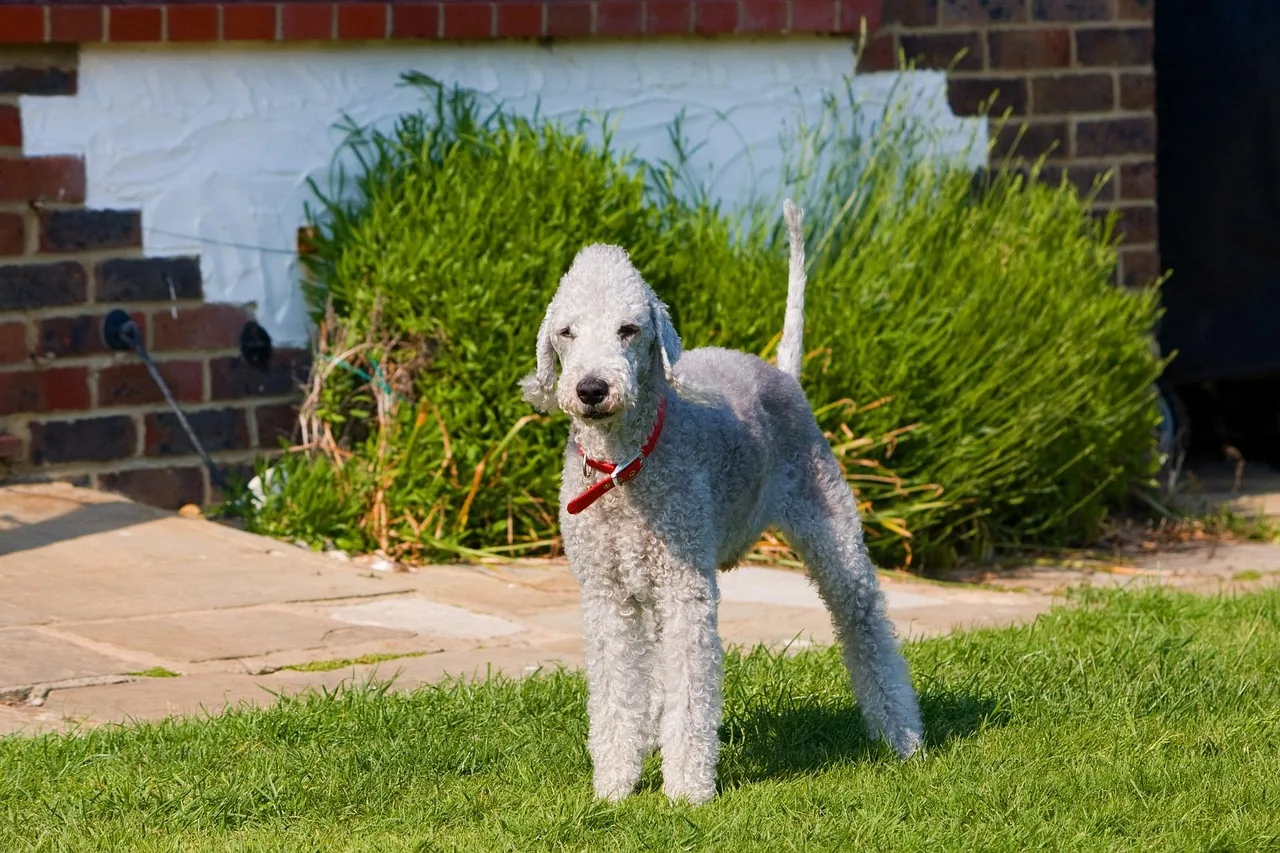
Its unusual outline, with an arched loin, long legs and a narrow, pear-shaped head, sets it apart from other terriers and is often attributed to past crosses with whippet-type dogs, though records are limited. The FCI classifies the Bedlington in Group 3, Section 1, with the large and medium-sized terriers, and its standard dates from 2010. Despite the gentle look that later show grooming gave it, the standard is clear that it remains a true terrier with a sporting background.
Temperament
The standard describes the Bedlington as spirited and game, full of confidence, good tempered and affectionate, dignified, not shy or nervous, mild in repose but full of courage when roused. In daily life this means a dog that is often soft and calm indoors, happy to curl up next to its owner, and switched on the moment something interesting happens outside.
Most Bedlingtons are friendly with people and less noisy than many terriers, though they will alert to visitors. They can hold their own if challenged by another dog, and a few will not back down. The quick movement of a squirrel or rabbit triggers a burst of speed that surprises people who expected a lapdog. They are sensitive to tone of voice and do best in calm households.
Children and other pets
With children the Bedlington is usually gentle and playful, and its size suits families in flats. It is not a dog for rough handling, and small children should be supervised. Most get along with other dogs when socialised, though some are reactive to dogs that provoke them. Cats raised with a Bedlington are often accepted at home, but outdoor cats, rabbits, rodents and birds stimulate its strong chase instinct, inherited from both sides of its ancestry.
Exercise and the daily walk
About an hour a day of walks and play keeps most Bedlingtons happy. They enjoy variety: sniffing along woodland paths, a game of fetch, a chance to run with a dog friend. Given an outlet they are calm at home; without one they can become restless or noisy.
Bedlingtons are fast and can turn on a coin. Off-lead running is best in fenced areas, as recall can fail when wildlife appears. They usually enjoy dog sports such as agility and lure coursing, which give a safe channel for their speed. In summer heat, keep exercise to the cooler parts of the day.
Training
Bedlingtons are intelligent and respond well to positive, reward-based training. They can be sensitive, so a calm voice and short sessions work better than repetition or harsh correction. Many enjoy learning tricks and responding to games, and they pick up house rules quickly.
The main training challenges are recall around wildlife and, in some dogs, managing reactions to other dogs. Practising recall with high value rewards in safe areas, and teaching a reliable lead walk, will cover most situations. Early socialisation with a range of calm dogs helps prevent problems later.
Coat and grooming
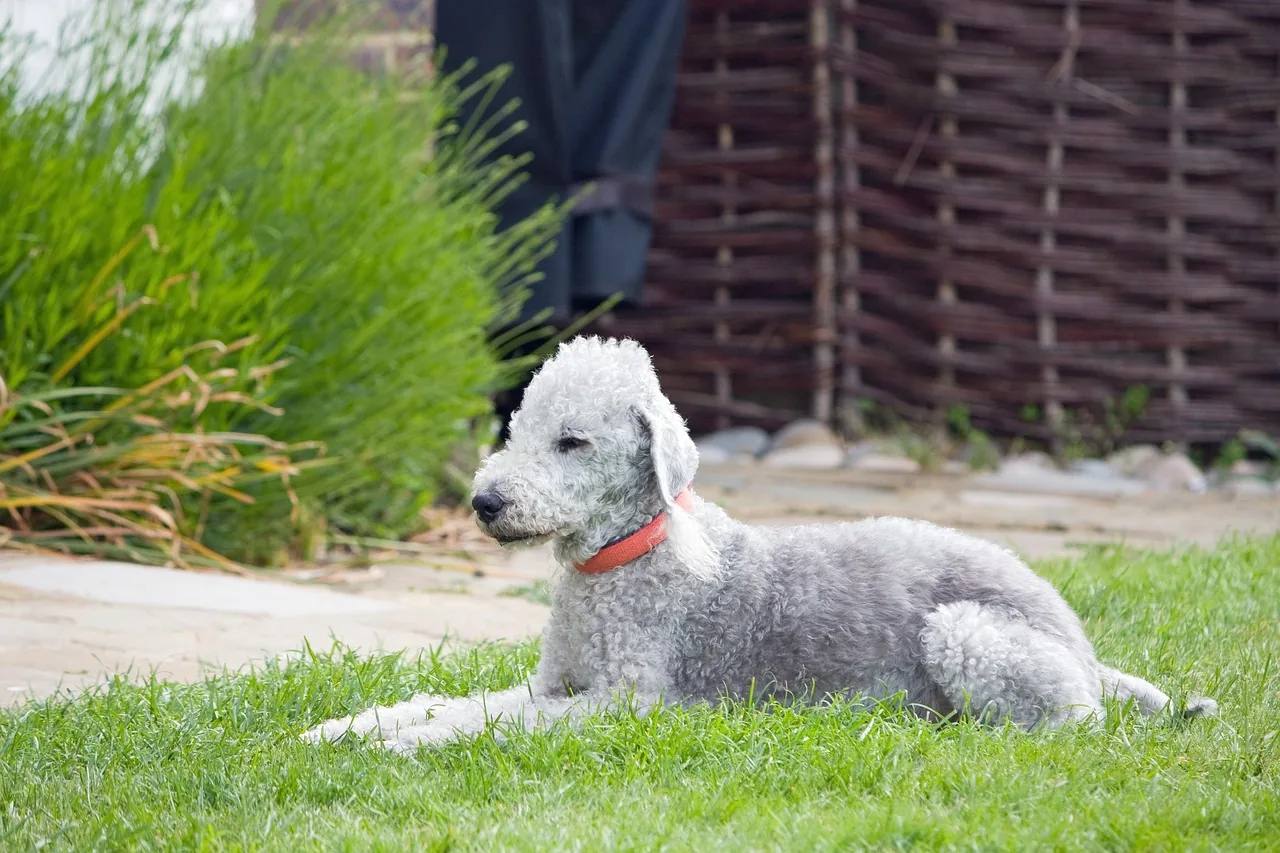
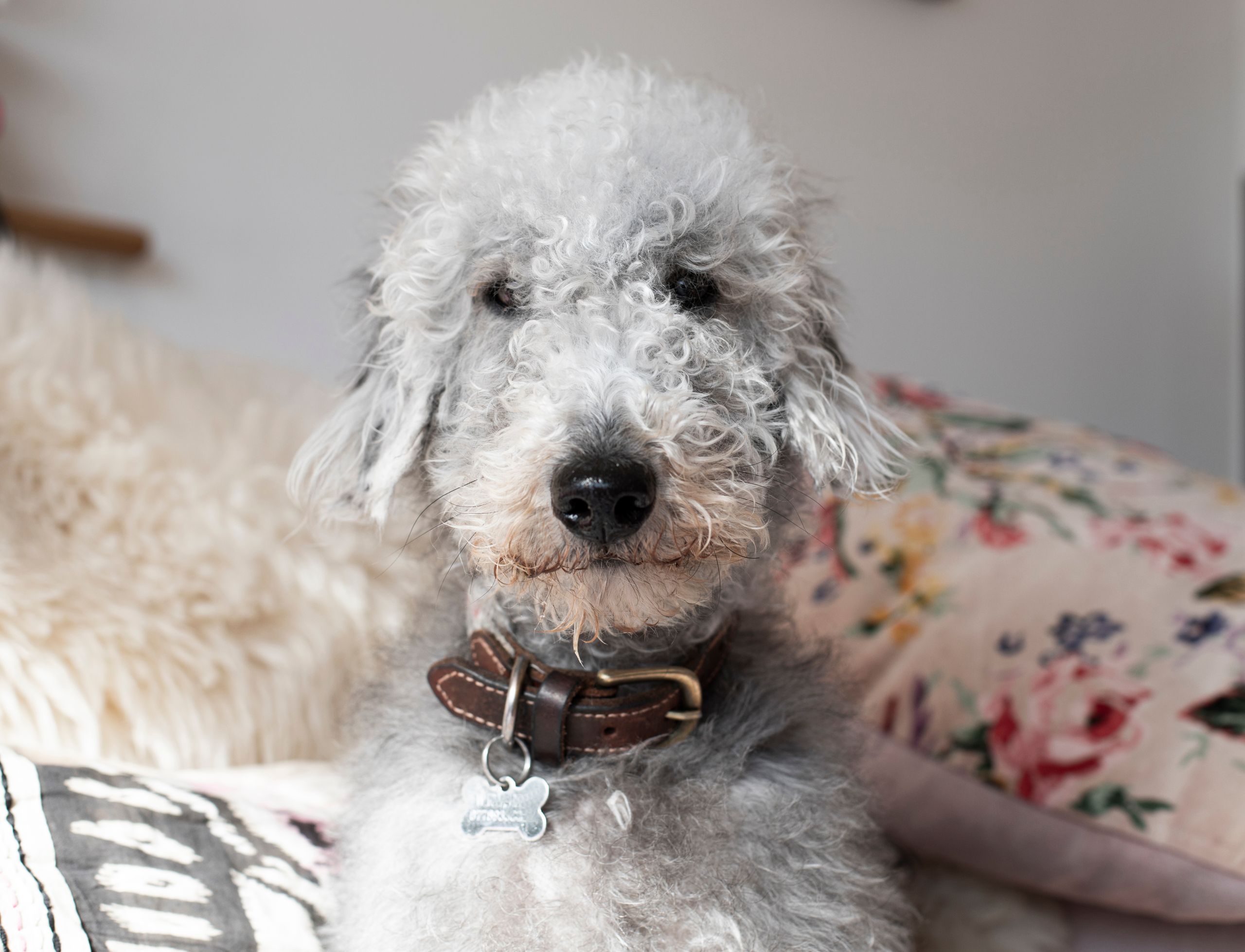
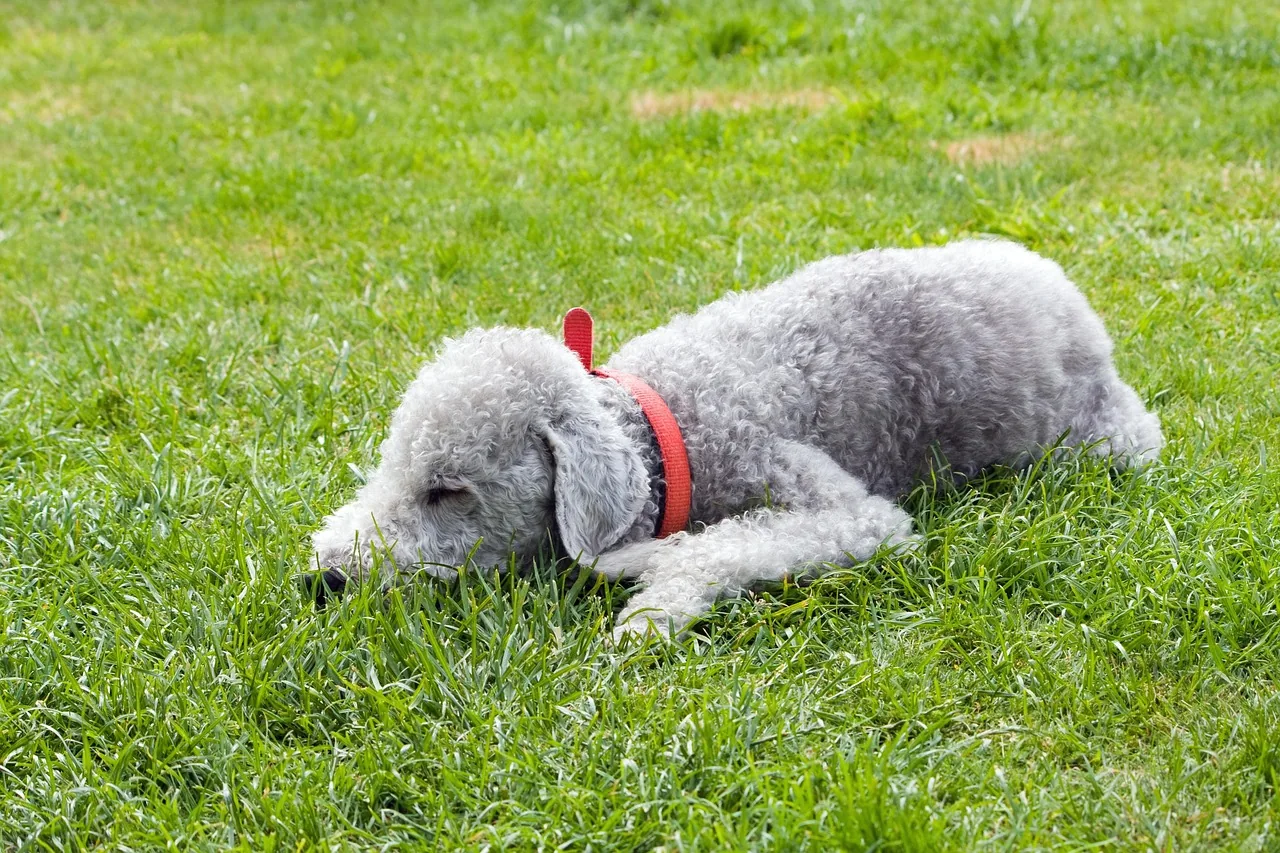
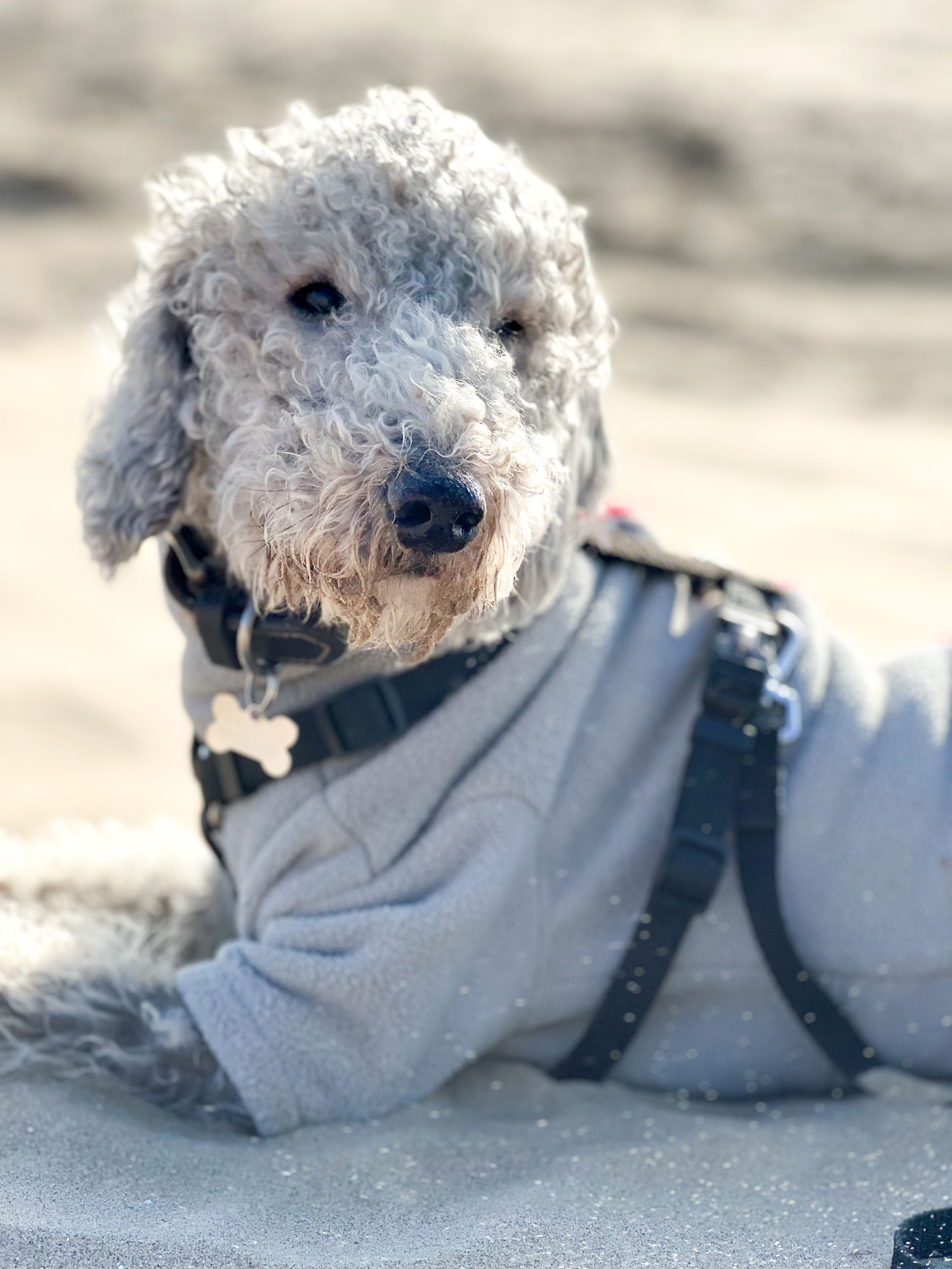
The coat is very distinctive: a mix of hard and soft hair, thick and linty, standing out from the skin but not wiry, with a tendency to twist on the head and face. Shedding is minimal, but the coat mats if neglected. Comb thoroughly twice a week and have the dog clipped or scissored every six to eight weeks. Ears and feet need regular attention. FCI colours are blue, liver or sandy, with or without tan; puppies are born dark and lighten with age.
Feeding and weight
A Bedlington should be lean and athletic, with its arched loin and lean ribs visible under the coat by touch. Feed a complete, good quality diet in measured meals. Because of the breed's history of copper toxicosis, ask your vet before giving supplements or foods high in copper, such as liver or shellfish. Treats should be part of the daily ration.
Work out a starting calorie figure and food weight with the calorie calculator. Not sure this is the right breed? Take the quiz.
Health
Every breed carries predispositions. These are the conditions most often discussed for the Bedlington Terrier, not a prediction for any individual dog.
- Copper toxicosis (copper storage disease of the liver)
- Eye conditions, including retinal dysplasia and distichiasis
- Patellar luxation (slipping kneecaps)
- Renal cortical hypoplasia (underdeveloped kidneys)
- Dental disease
What to ask the breeder. Ask for the parents' copper toxicosis DNA results (COMMD1 gene) and recent eye examinations by a veterinary ophthalmologist, as well as a knee evaluation.
Choosing a puppy
Bedlington puppies are lively, curious and usually affectionate. Introduce grooming early: short sessions on a table, gentle combing and the sound of clippers. Expose the puppy to lifts, traffic, buses and various people and dogs in small doses. Keep walks short and play gentle while it grows. The puppy coat is dark and will change colour gradually, which is normal. Ask your breeder about the copper DNA status of the puppy itself.
In Luxembourg the national kennel club is the Fédération Cynologique Luxembourgeoise (FCL), a member of the FCI. Many owners also buy from breeders in Germany, France or Belgium; a puppy coming from another EU country must be microchipped and vaccinated against rabies, which in practice means it cannot travel before about fifteen weeks of age. Where to get a dog in Luxembourg.
The older Bedlington Terrier
Many Bedlingtons stay playful in old age. As they slow down, keep walks shorter but regular and interesting. Maintain grooming, since older dogs tolerate long sessions less well; shorter, more frequent combing helps. Watch weight, teeth and kidney function with your vet, and report any change in appetite, drinking or energy promptly. A warm, soft bed helps stiff joints.
A realistic day
A realistic weekday for a working household in Luxembourg City, with a midday visit. Adjust it to your dog, not the other way round.
Brisk 25-minute walk along quiet streets, then breakfast.
A quick comb of the ears and legs, then a nap while the owner leaves for work.
PAWLY midday visit: a 45-minute walk in the Pétrusse valley or a park, with fresh water and a check of paws and coat for burrs.
Main exercise: a brisk walk and play session, or a run in a fenced area, followed by dinner.
Short last walk, then a quiet evening on the sofa.
A Bedlington Terrier in Luxembourg
Bedlingtons adapt well to city flats. They are a manageable size for lifts and stairwells, light enough to carry on a bus or tram if needed, and usually quiet indoors. Their low shedding coat is welcome in rented accommodation, but plan for regular professional grooming and a budget for it, as the cut is essential, not cosmetic.
Parks such as Parc Merl and the Kinnekswiss offer pleasant walks, and the Pétrusse valley gives slopes to climb. In the forests of Bambësch and the Grünewald, keep the dog on lead or a long line because of deer. Wet weather leaves mud in the coat, so a towel by the door helps. On hot days, walk early and late, and avoid hot pavements.
Every dog in Luxembourg must be identified, declared to the commune and covered by liability insurance. How registration works.
When you travel
A sitter should know the combing routine and check the coat for mats, especially behind the ears and under the legs. Keep the dog on lead outdoors and watch for cats and wildlife. Feed exactly as instructed; no extra treats, particularly liver or other copper rich foods. Most Bedlingtons adapt well to a calm sitter who keeps the usual walking and resting schedule.
PAWLY's holiday and overnight care takes place in your home, so your dog keeps its own bed and routine.
Myths and facts
MythBedlingtons are delicate lapdogs.
FactDespite the lamb-like look, the standard describes a game, confident terrier with courage when roused, originally used for catching rabbits.
MythThey don't need grooming because they don't shed.
FactLow shedding means hair stays in the coat. Without regular combing and clipping it mats badly.
MythCopper toxicosis is no longer a concern.
FactDNA testing has made it much easier to avoid, but it is still important that breeders test their dogs and buyers ask for results.
Is it the right dog for you?
Suits
- Flat dwellers who want a small, quiet dog
- Families with considerate children
- Owners who don't mind regular grooming appointments
- People interested in dog sports
Think twice if
- You keep small pets or have cats that run outdoors
- You do not want to pay for regular professional grooming
- You want a dog that is always off lead in forests
- You expect a dog that never stands up for itself
Questions owners ask
Is a Bedlington suitable for people with allergies?
No dog is truly hypoallergenic. Bedlingtons shed little hair, which some allergic people tolerate better, but reactions vary. Spend time with the breed before committing.
How often does it need a groomer?
Most pet Bedlingtons need a clip every six to eight weeks, with thorough combing at home twice a week. Keeping the coat shorter makes home care easier.
Can a Bedlington be let off lead?
In fenced areas, yes, and many love a run. In open countryside or forest, its speed and chase instinct mean recall can fail when a rabbit or deer appears.
Are Bedlingtons barky?
Generally they are quieter than many terriers, though they will alert to visitors. Boredom increases barking, so regular exercise and company matter.
Sources
Photo: Pexels (Pexels License) · Photo: No-longer-here / Pixabay (Pixabay Content License) · Photo: No-longer-here / Pixabay (Pixabay Content License) · Photo: No-longer-here / Pixabay (Pixabay Content License) · Photo: Pexels (Pexels License)
General information for dog owners in Luxembourg, not veterinary or legal advice. Official facts (origin, size, group, history and temperament as described by the breed standard) follow the FCI standard; health and care sections reflect breed-club and veterinary guidance and are typical ranges rather than rules. For your own dog, ask your vet, the breed club or your commune. How this guide is written and checked. Last reviewed 8 October 2026.
Need someone for your Bedlington Terrier?
PAWLY offers an individual 45-minute walk or a home visit at your dog's pace, the same walker every time, and a written report with photos after every visit, across Luxembourg City.
Read next: the journal, for the Bedlington Terrier
All articles
Teeth: the problem owners find least interesting and vets see most
Teeth are a known weak point in the Bedlington Terrier; this is the routine that helps.

Grooming and coat care through the Luxembourg year
The Bedlington Terrier has a coat that needs a routine that holds through the Luxembourg seasons.

Dogs and cats in the same flat
The Bedlington Terrier can see small animals as prey; this covers living with a cat in a flat.
Similar breeds
All 198 breeds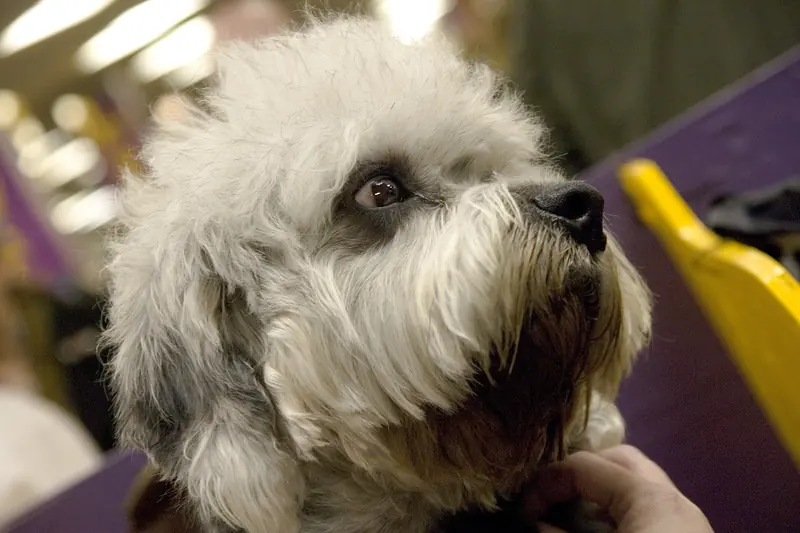
Dandie Dinmont Terrier
A long, low, dignified terrier with a silky topknot and big dark eyes, equally ready to hunt a badger or demand your sofa.
EnergyGroomingFlat life
Whippet
A sprinter who sleeps most of the day: one of the best city dogs you have never considered.
EnergyGroomingFlat life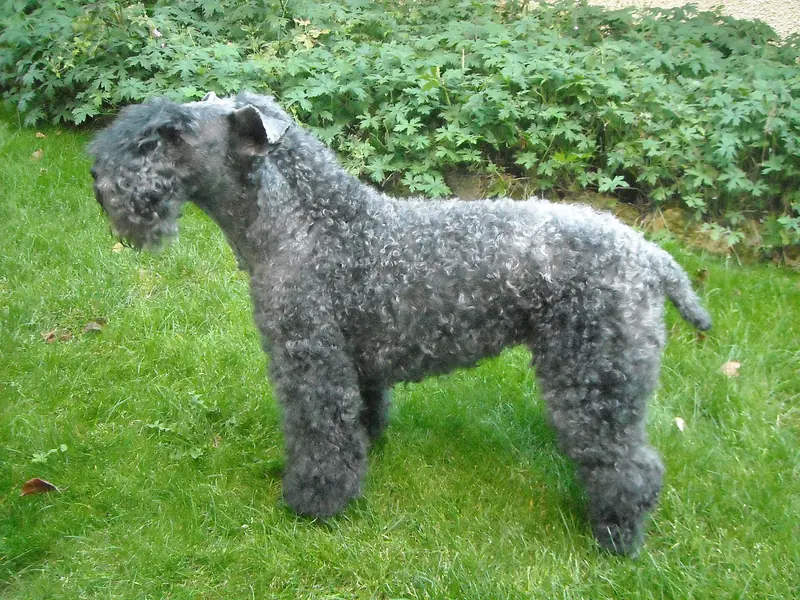
Kerry Blue Terrier
Ireland's blue-grey terrier: clever, lively and low-shedding, but with a fierce streak and a coat that demands a groomer.
EnergyGroomingFlat life

