


History
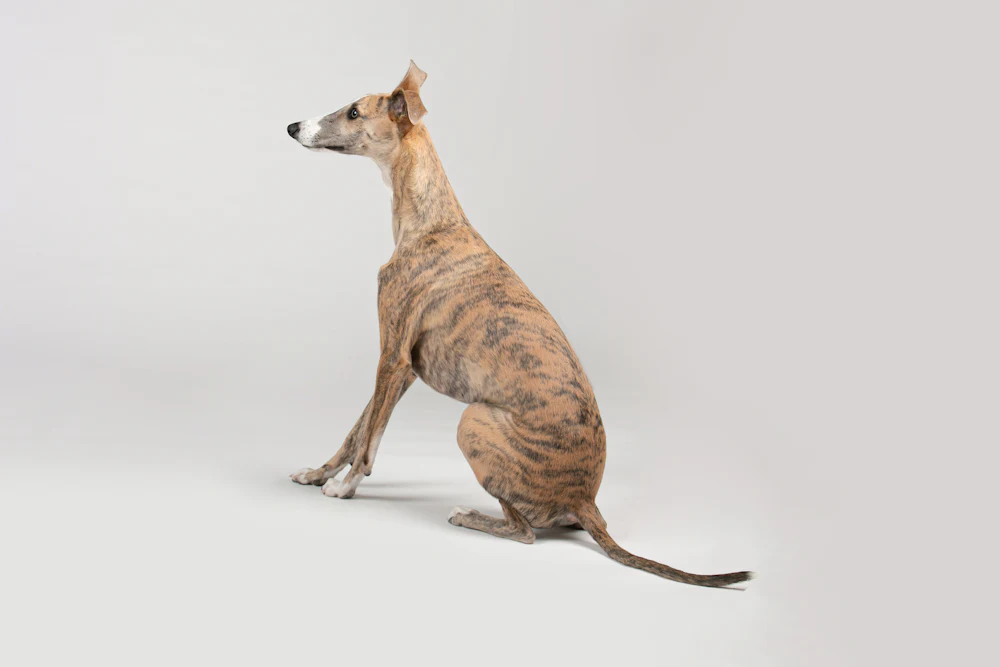
The Whippet comes from the mining and mill towns of northern England, where working families in the nineteenth century wanted a fast dog that cost little to keep. Breeders took greyhound blood and crossed it with terriers, producing a smaller, handier sprinter. The dogs hunted rabbits and were raced over short straight tracks, which earned the breed its nickname, the poor man's racehorse. The FCI lists the Whippet among the short-haired sighthounds and credits Great Britain as its country of origin.
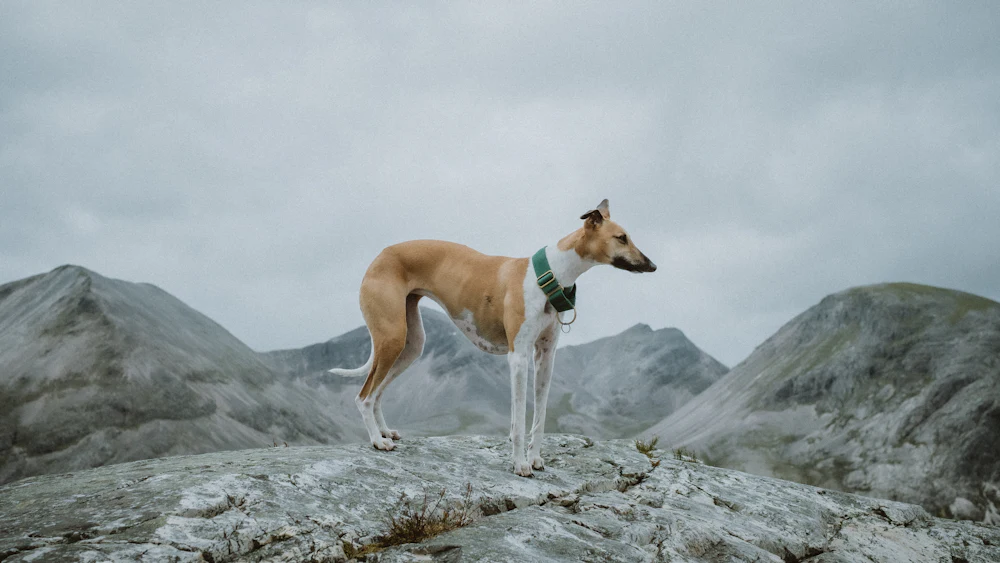
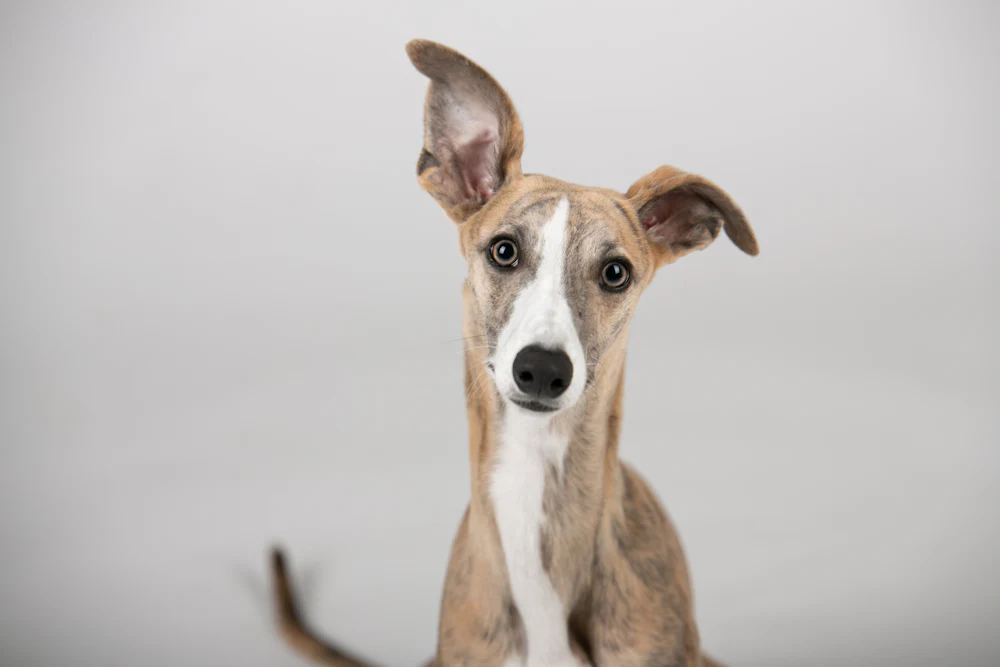
The official standard describes a harmonious blend of muscular power and elegant line, with every feature built for speed and nothing exaggerated. That last point matters: the standard states that all excessive features are to be excluded, so a Whippet should look athletic rather than extreme. The current FCI text dates from 2019 and permits any colour or combination of colours except merle, which explains why you meet Whippets in brindle, fawn, black, white and every patchwork between.
Temperament
The standard asks for a gentle, affectionate dog with an even disposition, and it adds that the Whippet should make an excellent companion in the home. Anyone who has shared a sofa with one will recognise it. Indoors a Whippet is quiet, tidy and strikingly still, folding itself into a blanket and watching the room with one eye. It tends to attach firmly to its own people, follows them from room to room and greets visitors politely rather than boisterously.
The same dog outdoors is a different animal. Sighthounds react to movement before they think, and a Whippet can be a speck on the horizon within seconds of seeing a squirrel, a rabbit or a plastic bag lifted by the wind. The breed is also sensitive: raised voices, harsh corrections and chaotic households unsettle it quickly. The standard lists aggression and excessive shyness as disqualifying faults, so a good Whippet is neither sharp nor timid, simply soft-natured and observant.
Children and other pets
Whippets are generally gentle with children and tolerate calm, respectful handling well, though their fine bones and thin skin mean toddlers should be taught not to grab or lean on them. Most live happily with other dogs, particularly their own kind. Cats and small pets deserve caution. A sighthound that has met the household cat since puppyhood may be perfectly peaceful at home yet chase the neighbour's cat without a second thought, so supervise introductions and never assume.
Exercise and the daily walk
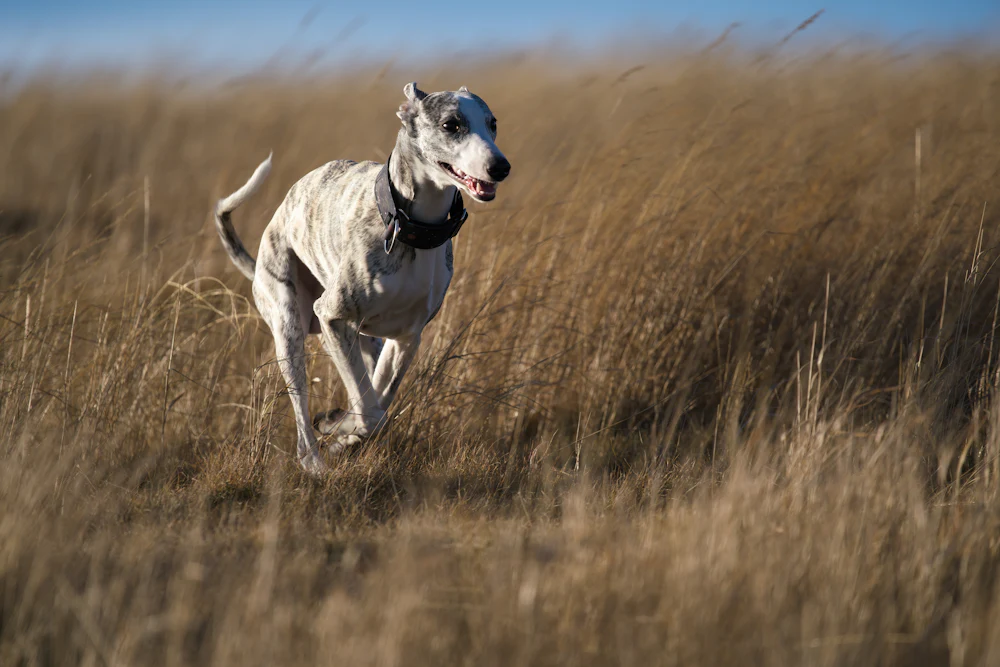
A Whippet needs about an hour a day, and the shape of that hour matters more than its length. A steady lead walk gives it company and sniffing time, but the breed also needs the chance to run flat out now and then. That means a securely fenced field, a dog park with high fencing, or an organised lure coursing or racing session. Without a sprint, a young Whippet may channel its energy into indoor zoomies, which are fun to watch and less fun for your furniture.
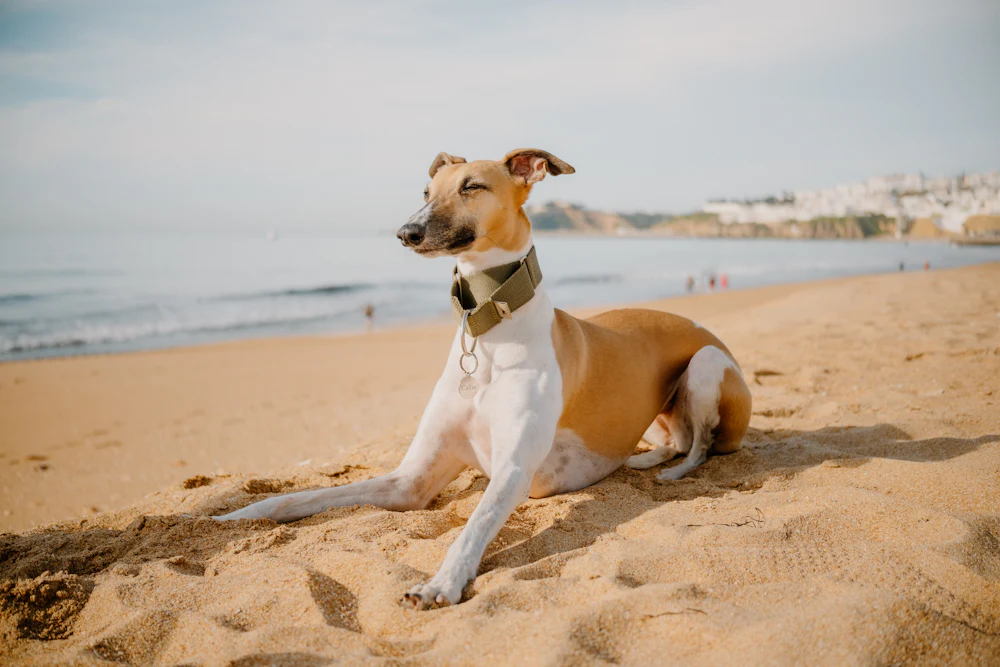
Weather and ground deserve thought. The coat is thin and the body carries almost no spare fat, so a Whippet shivers in a Luxembourg November and will want a coat on wet or windy days. Check paws and legs after rough ground, because the skin tears easily on wire, brambles and thorny hedges. After a hard run, let the dog settle, and expect a long nap rather than another round of play.
Training
Whippets respond best to calm, reward-based training with short, varied sessions. They are intelligent but not eager to please in the way a retriever is, and they dislike repetition and raised voices. Praise, small food rewards and a bit of humour work far better than pressure. Start early with loose lead walking, a settled routine in the crate or bed, and polite greetings, because a fast dog that pulls is hard to hold.
Recall is the skill to build with real patience. Practise in enclosed spaces, use a long line in open ground, and make coming back more rewarding than whatever has just run past. Be honest about its limits: even a well-trained sighthound can lose its hearing when prey appears. Lure coursing and racing clubs offer a safe outlet for the chase instinct and are often the happiest hour of the week for both dog and owner.
Coat and grooming
The coat is fine, short and close, as the FCI standard puts it, so a weekly rub with a soft glove or a damp cloth is plenty. Shedding is light and there is very little doggy smell. Any colour or combination is allowed except merle. The care that matters is practical: the skin is thin and tears easily, so inspect it after walks, and provide a coat in cold or wet weather because there is no insulation to speak of.
Feeding and weight
Whippets are naturally lean, and a healthy one shows a hint of ribs and visible hip bones, which new owners sometimes mistake for neglect. Feed measured portions of a complete food suited to the dog's age and activity, and use a body condition chart rather than appearance alone. Keep treats modest, since extra weight is unusual in the breed but does harm. If you are unsure whether your dog is too thin, ask your vet.
Work out a starting calorie figure and food weight with the calorie calculator. Not sure this is the right breed? Take the quiz.
Health
Every breed carries predispositions. These are the conditions most often discussed for the Whippet, not a prediction for any individual dog.
- Skin tears and injuries (thin skin catches on wire and thorns)
- Sensitivity to cold
- Heart conditions, including mitral valve disease
- Eye conditions
- Sighthound sensitivity to some anaesthetics: make sure your vet knows the breed
What to ask the breeder. Ask for heart and eye test results for both parents, and whether the breeder has checked for any heart murmurs in the lines.
Choosing a puppy
Look for a breeder who raises puppies in a home, so that the litter is used to doorbells, vacuum cleaners and visitors. Ask to meet the mother, and to see heart and eye checks for both parents. Whippet puppies grow quickly and are fragile, so avoid rough stairs and jumping from furniture while the bones are still developing. Socialise gently and early, and keep early lead walks short but varied.
In Luxembourg the national kennel club is the Fédération Cynologique Luxembourgeoise (FCL), a member of the FCI. Many owners also buy from breeders in Germany, France or Belgium; a puppy coming from another EU country must be microchipped and vaccinated against rabies, which in practice means it cannot travel before about fifteen weeks of age. Where to get a dog in Luxembourg.
The older Whippet
Older Whippets feel the cold more and benefit from a warm, well-padded bed, since bony hips and elbows suffer on hard floors. Keep up gentle daily walks to preserve muscle, and have the heart checked regularly, as murmurs become more common with age. Dental care deserves attention too. Many Whippets stay playful into their teens, so adjust exercise to the individual rather than the calendar.
A realistic day
A realistic weekday for a working household in Luxembourg City, with a midday visit. Adjust it to your dog, not the other way round.
A lead walk, then a short sprint in a securely fenced area if one is available.
Breakfast, then straight back under the blanket for a long doze.
A midday visit from a walker for a toilet break, a stroll and company.
An evening walk around the block or through a nearby park, coat on if damp.
A last toilet walk, then bed with a warm blanket.
A Whippet in Luxembourg
A Whippet is one of the better medium-sized dogs for a Luxembourg flat. It is quiet, clean and content to sleep through the day, which suits a lift ride at 7 a.m. and neighbours on the other side of a thin wall. Floors can be an issue: slippery tiles and polished parquet are hard on long legs, so lay rugs or runners. Provide a soft bed, since a thin-skinned dog will not enjoy bare tiles in winter.
The harder part is finding places to run. The Pétrusse valley, Parc Merl and the Municipal Park suit relaxed lead walks, while the Bambësch and the Grünewald offer woodland routes, but wildlife and roads make off-lead running risky. Use a long line until recall is truly reliable, and seek out secure fenced areas for sprints. Winters are chilly enough for a coat, and summer days in the 30s call for early or late walks. Free buses and trams make outings easy, though many dogs need practice first.
Every dog in Luxembourg must be identified, declared to the commune and covered by liability insurance. How registration works.
When you travel
Whippets generally settle well with a trusted sitter, since they are quiet and undemanding. The sitter must keep the dog warm, with a coat on outdoors and a soft bed indoors, and must walk it on a secure lead and harness in unfamiliar places because recall is untested. Make sure the sitter knows about small animals nearby, closes gates and doors carefully, and has your vet's details. Tell your vet before any sedation, as sighthounds can react differently to some anaesthetics.
PAWLY's holiday and overnight care takes place in your home, so your dog keeps its own bed and routine.
Myths and facts
MythFast dogs need hours of exercise.
FactWhippets are sprinters, not endurance runners. A daily walk plus a safe chance to run flat out is usually enough, and most are happy to sleep the rest of the day.
MythWhippets are too thin.
FactA lean outline with visible hip bones and a hint of ribs is normal for the breed. The standard asks for muscle and elegance, not bulk.
MythA well-trained Whippet can be trusted off lead anywhere.
FactRecall can fail the moment something small bolts. Even excellent dogs need secure areas or a long line, especially near roads.
Is it the right dog for you?
Suits
- Apartment dwellers
- Quiet households
- Owners who like a gentle, affectionate dog
- People willing to find a safe place to sprint
Think twice if
- Homes with cats unless introduced carefully
- Very cold outdoor lifestyles without a coat
- Rough play with large dogs
- Anyone who wants an off-lead dog in open ground
Questions owners ask
Are Whippets good in flats?
Among the best medium-sized breeds for flats. They are quiet and calm indoors, need little grooming and sleep for much of the day. Provide a warm bed, rugs on slippery floors and a daily outing with a safe sprint.
Can Whippets be let off lead?
Only in secure, fenced areas, and only once recall is tested. The chase instinct and speed make open ground near roads or forest risky. Many owners use a long line for everyday walks and reserve off-lead running for enclosed spaces.
Do Whippets get cold easily?
Yes. The coat is thin, there is very little body fat and the skin is delicate. A well-fitting coat for wet, windy or cold weather is sensible, and a soft bed indoors helps them settle in winter.
Are Whippets good with cats?
Sometimes, if raised with them, but the chase instinct remains. Introduce slowly, keep the dog on lead at first and never leave them alone together until you are certain. Strange cats outdoors may still be chased.
Sources
Photo: Unsplash (Unsplash License) · Photo: Unsplash (Unsplash License) · Photo: Unsplash (Unsplash License) · Photo: Unsplash (Unsplash License) · Photo: Unsplash (Unsplash License)
General information for dog owners in Luxembourg, not veterinary or legal advice. Official facts (origin, size, group, history and temperament as described by the breed standard) follow the FCI standard; health and care sections reflect breed-club and veterinary guidance and are typical ranges rather than rules. For your own dog, ask your vet, the breed club or your commune. How this guide is written and checked. Last reviewed 8 October 2026.
Need someone for your Whippet?
PAWLY offers an individual 45-minute walk or a home visit at your dog's pace, the same walker every time, and a written report with photos after every visit, across Luxembourg City.
Read next: the journal, for the Whippet
All articles
Building a recall you can actually rely on
Sighthounds chase at speed and often cannot be recalled; the Whippet needs a realistic plan.

Harness, lead and collar: what to buy and what to avoid
A secure harness matters for a dog that can bolt in a second.

Dogs and cats in the same flat
The Whippet can see small animals as prey; this covers living with a cat in a flat.
Similar breeds
All 198 breeds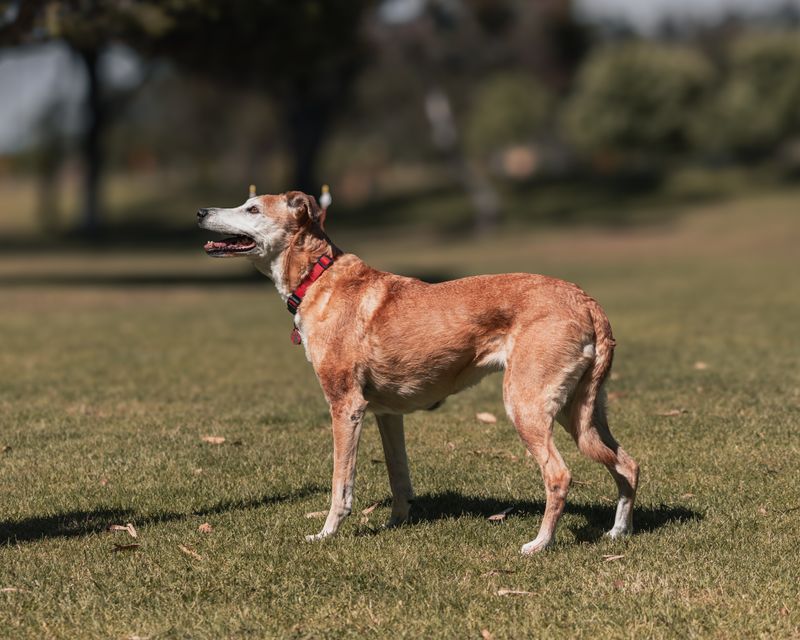
Greyhound
The fastest dog on earth is also one of the laziest at home, and many are retired racers looking for a sofa.
EnergyGroomingFlat life
Italian Greyhound
A miniature sighthound of Renaissance courts: elegant, affectionate, fond of warm laps and rather more fragile than it looks.
EnergyGroomingFlat life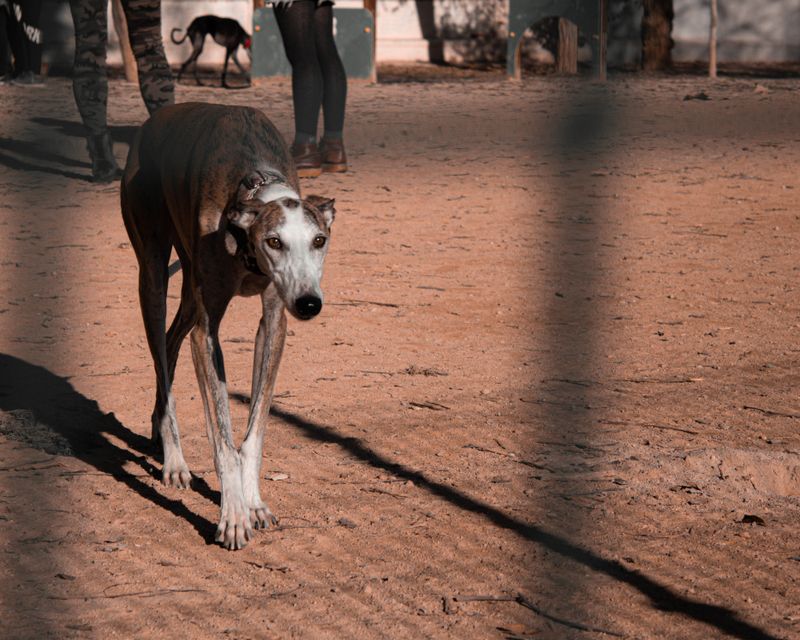
Galgo Español
A lean, quiet Spanish greyhound that sleeps like a cat all day and runs like a missile when it sees a hare.
EnergyGroomingFlat life

