
History
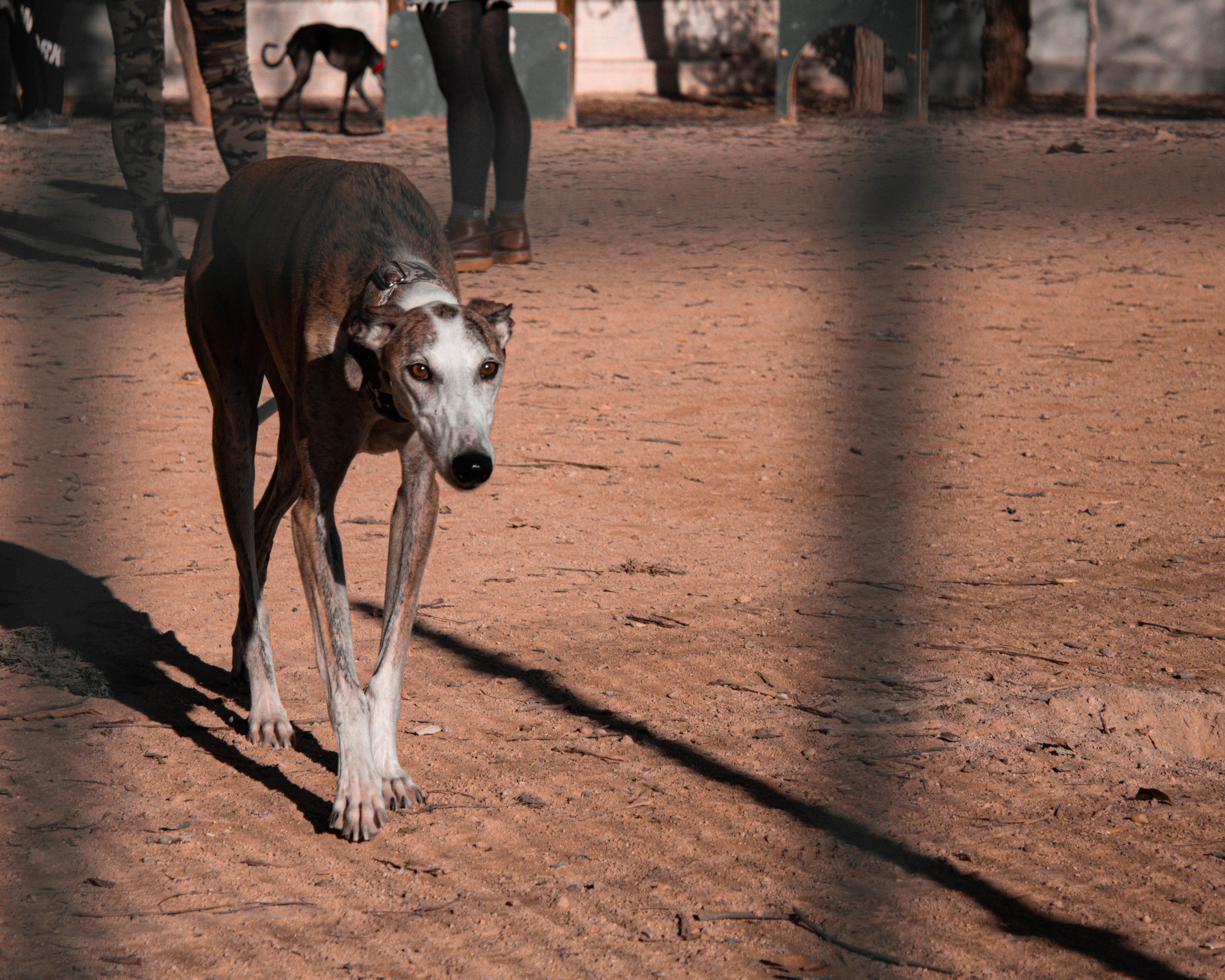
The FCI standard traces the Spanish greyhound back to the Romans, who knew it, and suggests that it reached the Iberian Peninsula much earlier. It is thought to descend from ancient Asian sighthounds that adapted to the steppes and plains of Spain. The standard also quotes the archpriest of Hita on the hare caught by the greyhound, as evidence that the dog's function was well established in medieval Spanish literature.
During the sixteenth, seventeenth and eighteenth centuries large numbers were exported to countries such as Ireland and England, and the standard names the Galgo as one of the ancestors of the English Greyhound. It is classified in Group 10, Section 3, short-haired sighthounds, without working trial, and is described as a dog that hunts hare by sight in fast pursuit over open fields, and also rabbits, foxes and wild boar. Many Galgos in Europe today are rehomed from Spanish hunting backgrounds, so their early history can be unknown.
Temperament
The FCI describes a serious, at times reserved temperament, yet an energetic and lively hunter in the field. Walkers see this duality constantly: indoors, a Galgo is gentle, quiet and rather catlike, sleeping for long periods on a soft sofa, and outdoors it can switch in a second to a sprint. Most are polite to strangers, if reserved, and form quiet, strong bonds with their people.
Many Galgos are sensitive and easily unsettled by loud voices, slippery floors, sudden noises or unfamiliar places, particularly if they come from a hard past. They tend to learn the household slowly and then settle completely. Patience, soft handling and a predictable routine matter more than any clever training. Do not mistake the calm for a lack of drive: a hare or a rabbit appearing at the edge of a field can transform a sleepy dog.
Children and other pets
A Galgo is generally gentle with considerate children, but a sensitive dog does not appreciate rough games, grabbing or being cornered, so supervise young children. It usually gets on well with other sighthounds and often with other dogs. With cats the picture varies: some live happily with them indoors, but the chase instinct is strong, so introductions should be careful, and small pets outside the house or garden are at risk.
Exercise and the daily walk
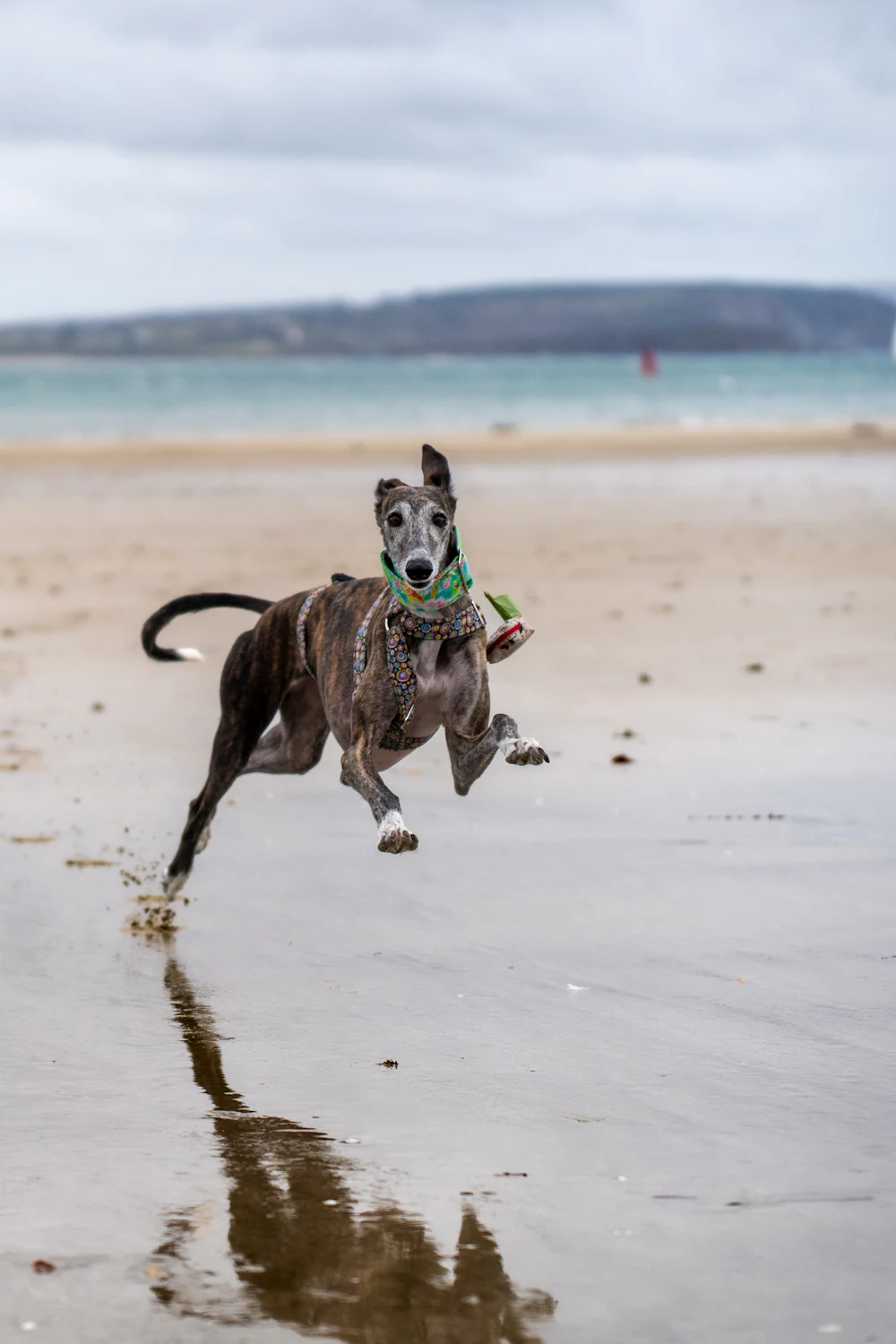
A Galgo needs less daily exercise than people expect, but it needs the right kind. An hour of steady lead walking, plus the chance to stretch out in a safe, fully fenced area, will suit most adults. The sprint is the best exercise a sighthound can have, and a few minutes at full speed tire it more than an hour of walking.
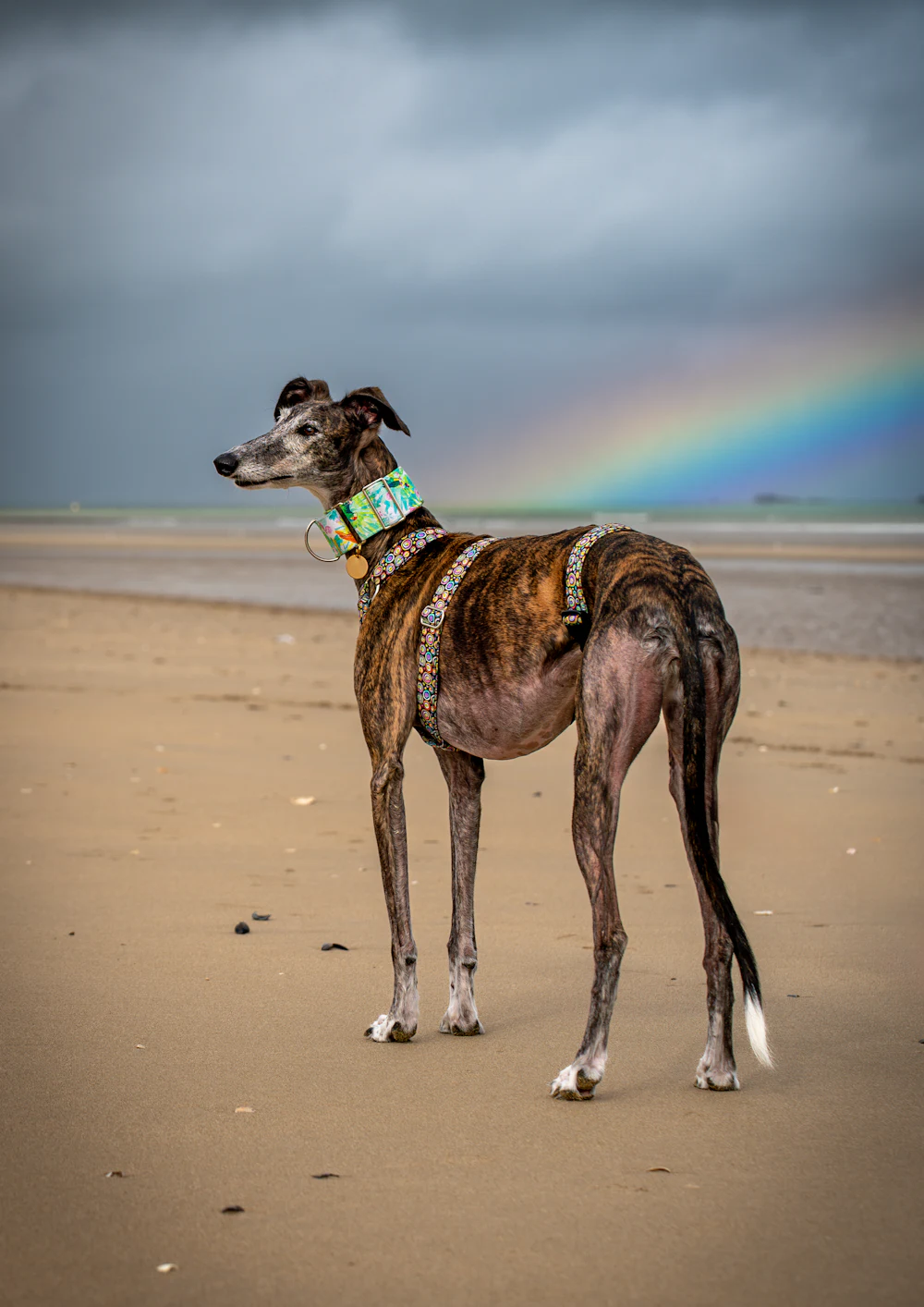
Off-lead running must be done only in secure fenced areas, as a Galgo that spots a hare or a runner will not respond to recall, however good the training. Use a well-fitted harness or a martingale collar, since the narrow head slips out of an ordinary collar. Cover a short-coated dog in cold or wet weather, and offer a soft bed after the walk, as lean dogs feel the cold and bruise easily.
Training
Galgos are intelligent but not eager to please in the way of a herding dog. They respond best to quiet, positive teaching with short sessions and food rewards. Shouting or physical correction can make them withdrawn or fearful. Many rescue dogs have never seen stairs, glass doors or a lift, and they need time and patience, with each new object introduced calmly.
Teach a gentle lead manner, a reliable sit or settle, and recall in a safe space, but keep expectations realistic. A trained recall is not a safeguard against prey drive. Separation anxiety is common in dogs that have lived in rough conditions, so build time alone slowly, ideally with a companion dog or a calm routine. Avoid long periods of forced sitting, as sighthounds find it uncomfortable.
Coat and grooming
The standard recognises two coats: dense, very fine, short and smooth, and a semi-long, hard coat forming beard, moustache, eyebrows and a topknot. Both are easy to care for, needing a weekly brush and a rub with a damp cloth. Shedding is light to moderate. The FCI admits all colours, with fawn, various brindles, black, flecked, burnt chestnut, cinnamon, yellow, red and white, with white markings or pied. Thin coats offer little protection against cold, so coats for winter walks are sensible.
Feeding and weight
Feed a good complete diet in two or three small meals a day, rather than a single large one, because deep-chested dogs are at risk of bloat. Rest the dog quietly for an hour around meals. A lean body is normal for the breed, and ribs may show a little, but a thin, neglected dog needs gradual refeeding. Use raised or low bowls as your vet advises, keep fresh water available, and avoid exercise right after eating.
Work out a starting calorie figure and food weight with the calorie calculator. Not sure this is the right breed? Take the quiz.
Health
Every breed carries predispositions. These are the conditions most often discussed for the Galgo Español, not a prediction for any individual dog.
- Bloat (gastric dilatation and volvulus), as in other deep-chested breeds
- Sensitivity to some anaesthetics, as in other sighthounds
- Leishmaniasis and tick-borne diseases, particularly in dogs from southern Europe
- Injuries to toes, tail and skin, from thin skin and fast running
- Dental disease
What to ask the breeder. If buying from a breeder, ask about heart checks and the dogs' history; if adopting from Spain, ask the rescue for full screening results, including leishmaniasis and other blood-borne diseases, and for the dog's behaviour in a home.
Choosing a puppy
Galgo puppies are leggy, delicate and playful, and they grow quickly. Protect the joints from slippery floors and from jumping off furniture. Introduce harness, lead, lift, stairs and other dogs slowly and with treats. Teach a calm settle on a bed and start short periods of alone time early. Never allow free running outdoors in unfenced areas, however sweet the recall is at home, and provide a warm, padded bed.
In Luxembourg the national kennel club is the Fédération Cynologique Luxembourgeoise (FCL), a member of the FCI. Many owners also buy from breeders in Germany, France or Belgium; a puppy coming from another EU country must be microchipped and vaccinated against rabies, which in practice means it cannot travel before about fifteen weeks of age. Where to get a dog in Luxembourg.
The older Galgo Español
Galgos often age gracefully, but they may stiffen and lose muscle from around eight or nine years. Provide a thick, warm bed, non-slip floors and a coat in cold weather. Keep walks regular but gentler, with attention to weight and teeth. Ask your vet to check heart, joints and blood work regularly, and tell them about the dog's anaesthetic sensitivity before any procedure.
A realistic day
A realistic weekday for a working household in Luxembourg City, with a midday visit. Adjust it to your dog, not the other way round.
Calm 30-minute lead walk in a harness, then breakfast and a rest.
Owner leaves for work; the Galgo curls up on a soft bed in a warm room.
Midday visit: a 40-minute walk, including a short run in a fenced area if available, then fresh water.
Evening walk of about 45 minutes on a lead, with some sniffing and gentle play.
Short toilet break, a rest on the sofa, then bed with a warm blanket.
A Galgo Español in Luxembourg
Surprisingly, a Galgo suits flat life, since adults are calm, tidy and quiet indoors. Lifts and slippery floors need a gentle introduction, and a non-slip rug helps. Luxembourg City's parks, such as the Pétrusse valley, Parc Merl and the Municipal Park, are fine for lead walks, but fully fenced areas for a sprint are not always easy to find, so ask local sighthound owners about secure fields. The Grünewald and Bambësch forests are full of wildlife that will excite a Galgo, so keep it on a lead there.
Weather matters for a thin-coated dog. Winters can be damp and cold, and a coat is needed for walks. In summer, temperatures in the 30s °C are tolerated better than by a heavy-coated dog, but avoid hot pavements and midday exercise. Free buses and trams help with transport, though a Galgo may need time to adjust. Remember the standard obligations: microchip, declaration to the commune, third-party liability insurance and the annual dog tax.
Every dog in Luxembourg must be identified, declared to the commune and covered by liability insurance. How registration works.
When you travel
A sitter must keep the Galgo on a lead or in a secure fenced area at all times, using a harness and a martingale collar, as it can slip a normal collar and bolt. Keep the dog warm, with a coat on cold walks and a soft bed. Feed small meals and avoid exercise around them. Dogs from a rescue background may be anxious, so keep routines steady and speak softly.
PAWLY's holiday and overnight care takes place in your home, so your dog keeps its own bed and routine.
Myths and facts
MythGalgos need hours of hard exercise.
FactThey need a brief, intense sprint in a safe place and a steady walk, then they sleep for most of the day. Overlong exercise is not necessary.
MythA Galgo can be let off lead once trained.
FactEven well-trained sighthounds can ignore recall when chasing. Only fully fenced areas are safe.
MythThey are too fragile for city life.
FactAdult Galgos are calm and adaptable, and many live happily in flats with regular walks, a warm bed and patient owners.
Is it the right dog for you?
Suits
- Calm households with a regular daily routine
- Owners who want a quiet, gentle dog indoors
- People with access to a secure fenced field
- Patient adopters willing to help a sensitive dog settle
Think twice if
- You want a dog that can run free off lead in open parks
- You have small pets that cannot be separated from the dog
- You dislike a dog on the sofa
- The dog will be alone for long hours
Questions owners ask
Is a Galgo Español a good flat dog?
Yes, for the right owner. Adults are calm, quiet and clean indoors. They need regular walks, a soft bed and a safe place to run now and then, and they dislike slippery floors.
Can a Galgo live with a cat?
Some can, but the chase instinct is strong. Introduce them slowly, never leave them unsupervised at first, and ask a rescue whether the dog has been tested with cats.
Do Galgos need a coat?
Often, yes. The thin coat and lean body offer little insulation, so a coat or jumper helps on cold, wet days. In summer, the opposite applies: avoid hot pavements and midday sun.
How is a Galgo different from a Greyhound?
The FCI standard says the Galgo is among the ancestors of the English Greyhound. The Galgo also comes in a rough-coated variety, and many in Europe are rescued from Spanish hunting backgrounds.
Sources
Photo: Pexels (Pexels License) · Photo: Unsplash (Unsplash License) · Photo: Unsplash (Unsplash License)
General information for dog owners in Luxembourg, not veterinary or legal advice. Official facts (origin, size, group, history and temperament as described by the breed standard) follow the FCI standard; health and care sections reflect breed-club and veterinary guidance and are typical ranges rather than rules. For your own dog, ask your vet, the breed club or your commune. How this guide is written and checked. Last reviewed 8 October 2026.
Need someone for your Galgo Español?
PAWLY offers an individual 45-minute walk or a home visit at your dog's pace, the same walker every time, and a written report with photos after every visit, across Luxembourg City.
Read next: the journal, for the Galgo Español
All articles
Building a recall you can actually rely on
Sighthounds chase at speed and often cannot be recalled; the Galgo Español needs a realistic plan.

Feeding, portions and how to tell if your dog is the right weight
Large dogs suffer more from extra weight; this is how to judge the right one.

Harness, lead and collar: what to buy and what to avoid
A secure harness matters for a dog that can bolt in a second.
Similar breeds
All 198 breeds
Greyhound
The fastest dog on earth is also one of the laziest at home, and many are retired racers looking for a sofa.
EnergyGroomingFlat life
Whippet
A sprinter who sleeps most of the day: one of the best city dogs you have never considered.
EnergyGroomingFlat life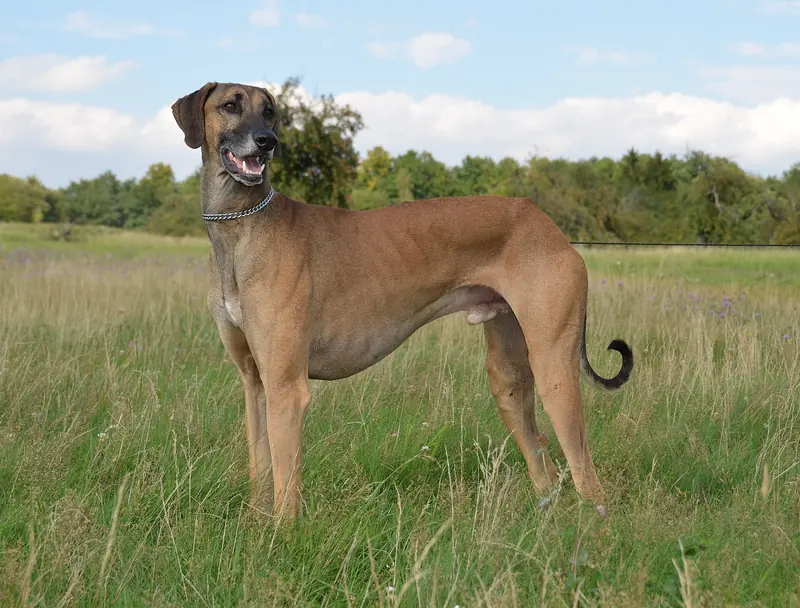
Sloughi
A lean North African sighthound that is aloof with strangers, devoted to its family and happiest asleep on a soft bed between sprints.
EnergyGroomingFlat life

