


History
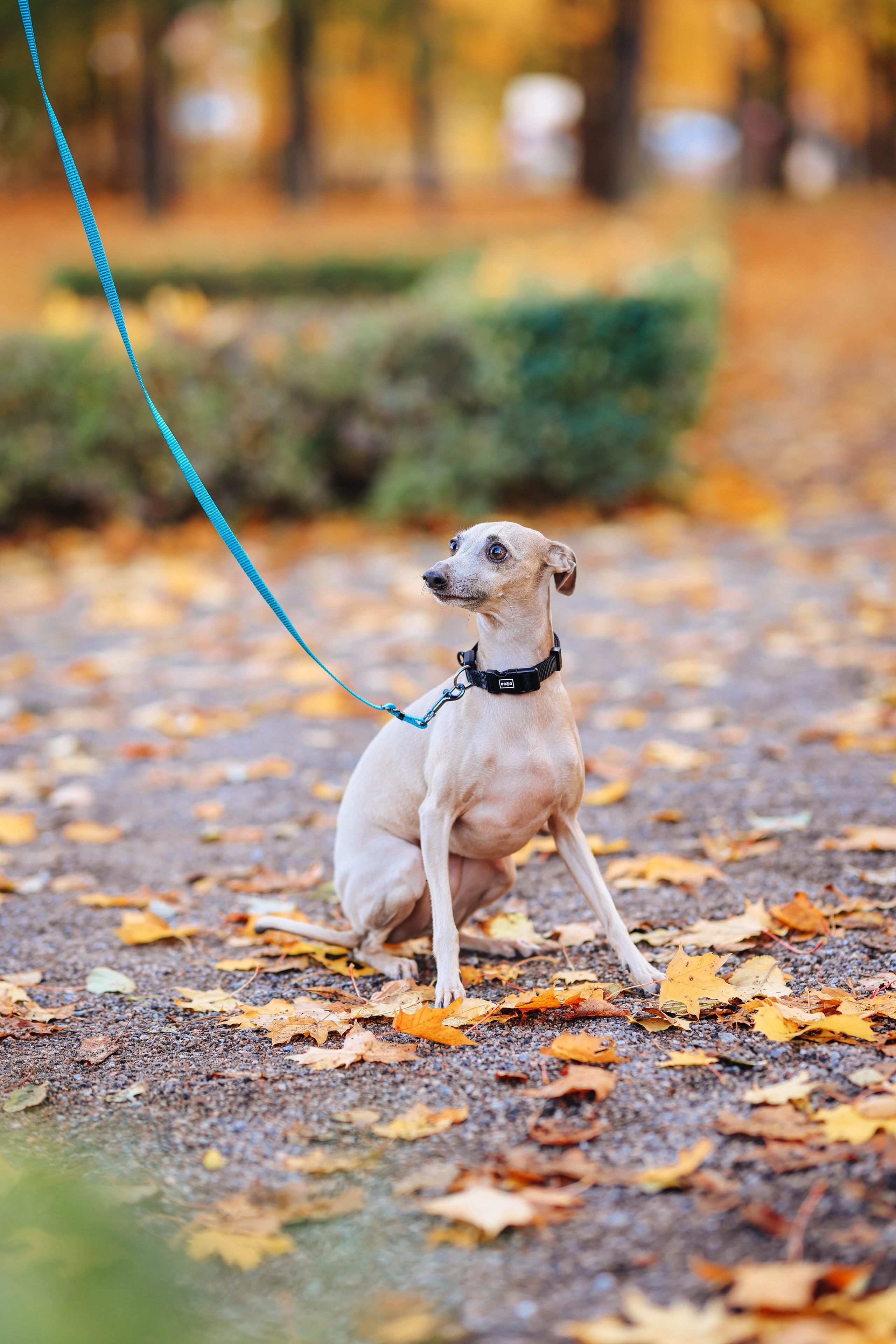
According to the FCI standard, the Italian Greyhound descends from small sighthounds that lived at the courts of the pharaohs in ancient Egypt. Representations on Greek pottery show that dogs of this type travelled through Greece, and the standard says they reached Italy around the fifth century BC. The breed's Italian name, Piccolo Levriero Italiano, means little Italian sighthound, and the FCI lists it under Italy as its country of origin.
The breed flourished during the Renaissance, when it was frequently painted by Italian and foreign masters and kept as a companion by the wealthy. The standard describes it as a miniature sighthound, the prototype of refinement and elegance, and a model of grace and distinction. It is the smallest of the sighthounds, and its role in the modern home is to look beautiful and keep someone company, which it does very well.
Temperament
The FCI describes the temperament in three words: lively, affectionate and docile. Owners add a fourth, which is sensitive. An Italian Greyhound is a dog that wants to be on the sofa under a blanket, preferably in contact with someone, and it can be shy with strangers or startled by loud voices. Because it feels cold and discomfort more than most, it makes its views known if the weather turns.
It is also a sighthound, and the lively side appears in short, brilliant bursts. A calm dog on the sofa becomes a sprinting, twisting blur around the garden for two minutes and then goes back to sleep. Some are slow to house train, especially in cold or wet weather, when stepping out into the rain seems a ridiculous request. Patience and a warm coat make a great difference.
Children and other pets
Italian Greyhounds can live happily with considerate children who understand that the dog is delicate. A small child who drops, squeezes or jumps on one can easily cause a broken leg, so this is not an ideal dog for a toddler household. With other dogs they are often fine, particularly alongside another sighthound or a gentle small breed. The chase instinct is real, so small animals running in a garden may be pursued, though cats in the home are often accepted.
Exercise and the daily walk
Forty-five minutes to an hour a day is enough, ideally in two or three outings. Italian Greyhounds do not need endurance work, but they do need freedom to sprint now and then in a fully enclosed space. A good fenced area allows a few minutes of fast running that tires the dog far more than a slow walk. In cold or wet weather, a coat and sometimes boots make the walk bearable.
Never assume that a small dog is safe off the lead in an open space. A sighthound that sees a movement can disappear at great speed and may not hear you, and a collision with a car or a fall from a bank is dangerous for such a slender body. Keep the dog on a lead, use a harness rather than a collar because of the fine neck and use play indoors for variety.
Training
Italian Greyhounds are intelligent but sensitive, and harsh words or physical corrections make them withdraw. Positive, patient training with small food rewards works best, delivered in a warm, quiet room. Expect good days and days when the dog simply decides it is too cold or too tired. Short sessions, plenty of praise and a consistent routine produce better results than repetition.
House training takes the longest. Take the dog out after every meal and nap, use a coat in cold weather and reward heavily. Teach the dog to accept a harness, a lead and handling of its feet and mouth early. Recall is unreliable in any sighthound, so keep the lead on in unfenced places. Gentle socialisation to people, noises and lifts helps shyness.
Coat and grooming
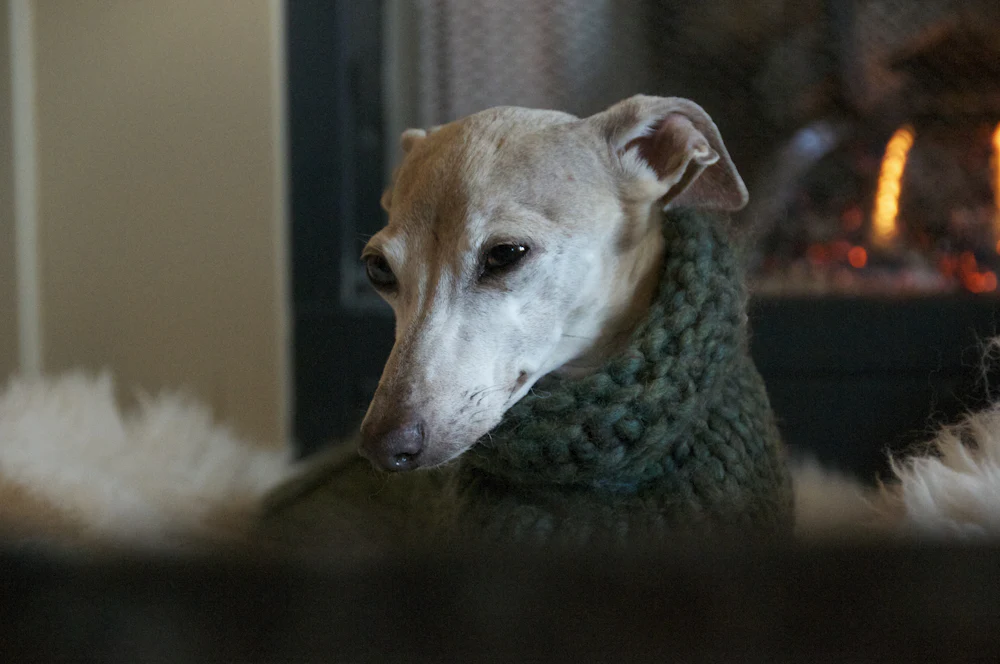
The coat is short, silky and fine all over the body, without fringing. The FCI standard permits self-coloured black, grey and isabella in all shades, with white allowed only on the chest and feet. Care is minimal: a soft brush or a rubber mitt once a week removes loose hair, and a quick wipe keeps the coat glossy. The thin coat offers little warmth, so a jumper or coat is needed in cold or wet weather. Dental care is more important than grooming.
Feeding and weight
Italian Greyhounds are slim by design, and owners should not feel tempted to fatten them. Feed small, measured meals of a good quality complete food, split into two or three portions, and keep treats tiny. Check the waist and ribs regularly, since a slight weight gain stresses the legs. Some dogs are picky eaters, but a firm routine usually helps. Avoid jumping from furniture immediately after meals.
Work out a starting calorie figure and food weight with the calorie calculator. Not sure this is the right breed? Take the quiz.
Health
Every breed carries predispositions. These are the conditions most often discussed for the Italian Greyhound, not a prediction for any individual dog.
- Leg fractures, especially in young dogs
- Dental disease, as the mouth is small and teeth are crowded
- Patellar luxation (a slipping kneecap)
- Progressive retinal atrophy
- Sensitivity to cold and to some anaesthetics
What to ask the breeder. Ask about eye testing and kneecap checks for both parents, whether any dogs in the line have had leg fractures and what the breeder feeds. A knowledgeable breeder will also discuss dental care.
Choosing a puppy
Look for a puppy that is lively and curious, though some shyness is normal. Because puppies have very fine legs, ask the breeder how they are raised, and expect advice on stairs and sofas. Choose a puppy with a clean mouth and ask about eye and kneecap tests for the parents. At home, block steps, supervise jumping, use a soft bed in a warm spot and begin gentle socialisation without overwhelming the puppy.
In Luxembourg the national kennel club is the Fédération Cynologique Luxembourgeoise (FCL), a member of the FCI. Many owners also buy from breeders in Germany, France or Belgium; a puppy coming from another EU country must be microchipped and vaccinated against rabies, which in practice means it cannot travel before about fifteen weeks of age. Where to get a dog in Luxembourg.
The older Italian Greyhound
Italian Greyhounds often live into their mid teens, and many stay lively late in life. Dental disease becomes more common with age, so brush the teeth and arrange regular veterinary checks. Joints may stiffen, so offer steps to the sofa, thick bedding and a warm coat. Watch weight carefully and ask the vet about bloodwork if the dog loses weight or drinks more.
A realistic day
A realistic weekday for a working household in Luxembourg City, with a midday visit. Adjust it to your dog, not the other way round.
A short toilet walk in a coat, then a quick sprint if a safe space is available.
Breakfast, then a warm bed or sofa for a nap.
Midday visit: a toilet break, a short walk and some company.
A longer walk on a lead, with a fenced sprint if possible, plus short training.
Final toilet trip, then a snug bed with a blanket.
An Italian Greyhound in Luxembourg
The Italian Greyhound is one of the best breeds for a Luxembourg flat. It is small, quiet, clean and content to sleep for much of the day, and it will happily use the lift for any journey. Do not underestimate the cold: Luxembourg winters are damp, and a coat, and sometimes boots, are necessary. Hard flooring and stairs also require care, so use rugs and carry a young dog if the stairs are steep.
For exercise, a lead walk through the Pétrusse valley or Parc Merl is fine, while off-lead sprints belong in properly enclosed spaces rather than open parks, where one loud noise can send a sighthound off. Forest tracks are a good change but be careful near roads and slippery slopes. In summer, early and late walks avoid heat. Buses and trams are free, and the dog can be carried in a bag on crowded journeys.
Every dog in Luxembourg must be identified, declared to the commune and covered by liability insurance. How registration works.
When you travel
Italian Greyhounds do not like being left, and they need a warm, quiet household with a sitter who is gentle. Tell the sitter about the dog's thin coat, its delicate legs and the need to use a harness and lead at all times outdoors. Provide a warm bed and blanket, keep to the routine and discourage jumping from heights. Leave vet details and be clear about what to do if the dog limps.
PAWLY's holiday and overnight care takes place in your home, so your dog keeps its own bed and routine.
Myths and facts
MythItalian Greyhounds are just small whippets.
FactThey are a separate breed with its own standard, a square build and a long history in Italy, and the FCI describes it as a miniature sighthound.
MythThey are too delicate for any exercise.
FactThey need daily walks and enjoy sprinting. Fragile legs call for care, not for keeping the dog on the sofa.
MythSmall dogs are easy to train.
FactThis breed is sensitive and often slow to house train, so it needs patience, warmth and a good routine.
Is it the right dog for you?
Suits
- Calm, attentive owners who like a clean, quiet lap dog
- Flat dwellers who can provide a warm home
- Adults or older children who handle small dogs gently
- People who enjoy a sensitive, cuddly companion
Think twice if
- You have toddlers or boisterous children
- You want a dog that copes with long hours alone
- You expect reliable off-lead recall
- You dislike dressing a dog in winter
Questions owners ask
Do Italian Greyhounds need coats?
Yes in cold or wet weather. The coat is short, fine and silky, and the body carries little fat, so the dog loses heat quickly. A well-fitted coat makes winter walks far more comfortable.
Are they hard to house train?
Many are slow, especially in winter. A small body, a dislike of cold or wet ground and a sensitive nature all play a part. Regular trips, a coat and generous rewards usually succeed.
How big is an Italian Greyhound?
The FCI standard gives 32 to 38 cm at the withers for both sexes, with a maximum weight of 5 kg. The build is slender and fits into a square.
Can they be left alone?
Not for long. They bond closely and can become anxious, so they suit homes where someone is present or a visitor can break the day. Build up absences slowly. A second pet or regular visitor helps.
Sources
Photo: Unsplash (Unsplash License) · Photo: Unsplash (Unsplash License) · Photo: Unsplash (Unsplash License) · Photo: Pexels (Pexels License) · Photo: Pexels (Pexels License)
General information for dog owners in Luxembourg, not veterinary or legal advice. Official facts (origin, size, group, history and temperament as described by the breed standard) follow the FCI standard; health and care sections reflect breed-club and veterinary guidance and are typical ranges rather than rules. For your own dog, ask your vet, the breed club or your commune. How this guide is written and checked. Last reviewed 8 October 2026.
Need someone for your Italian Greyhound?
PAWLY offers an individual 45-minute walk or a home visit at your dog's pace, the same walker every time, and a written report with photos after every visit, across Luxembourg City.
Read next: the journal, for the Italian Greyhound
All articles
Teeth: the problem owners find least interesting and vets see most
Teeth are a known weak point in the Italian Greyhound; this is the routine that helps.

Building a recall you can actually rely on
Sighthounds chase at speed and often cannot be recalled; the Italian Greyhound needs a realistic plan.

Harness, lead and collar: what to buy and what to avoid
A secure harness matters for a dog that can bolt in a second.
Similar breeds
All 198 breeds
Whippet
A sprinter who sleeps most of the day: one of the best city dogs you have never considered.
EnergyGroomingFlat life
Greyhound
The fastest dog on earth is also one of the laziest at home, and many are retired racers looking for a sofa.
EnergyGroomingFlat life
Miniature Pinscher
A small German house dog with a high-stepping trot and a guard dog's opinion of itself, bold, quick and endlessly alert.
EnergyGroomingFlat life

