


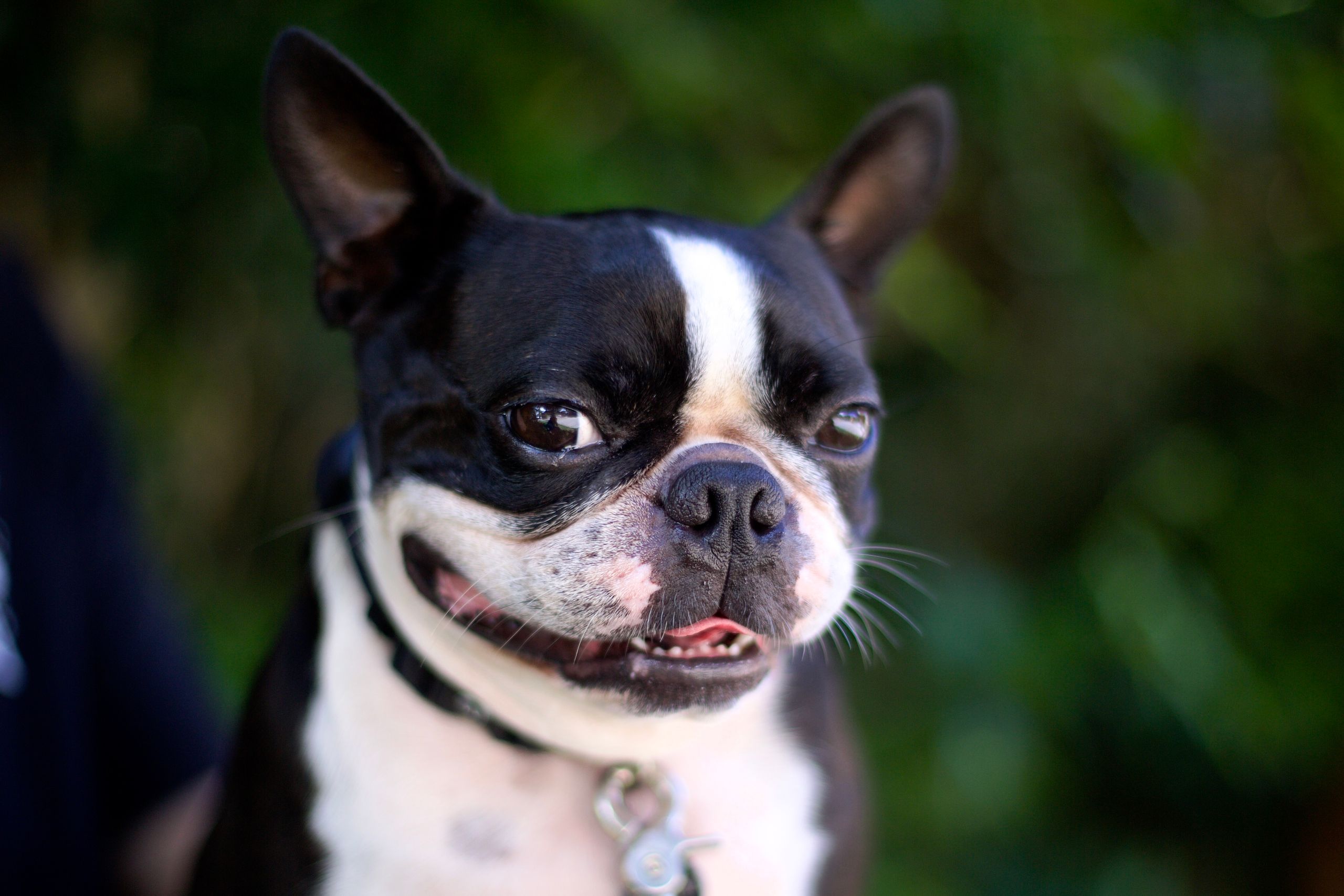
History
The Boston Terrier was developed in Boston, Massachusetts, in the late nineteenth century from crosses between bulldogs and white English terriers. A dog called Hooper's Judge is regarded as a foundation sire. The FCI gives the United States as the country of origin and places the breed in Group 9, Section 11, among the small Molossian dogs, with a standard dated 28 January 2013. It was among the first American breeds to gain recognition, and the city of Boston remains closely tied to its name.
The FCI text is short on history and long on charm. It describes a clean cut, short backed body, a square head and jaw, and striking markings that together make a dapper and charming American original. The listed use is simply companion, and that is what the breed has been for well over a century. The character reflects that purpose. Its short back, square muzzle and wide set round eyes are all spelled out in the text, along with weight classes that run from under 6.8 kg to just over 11 kg.
Temperament
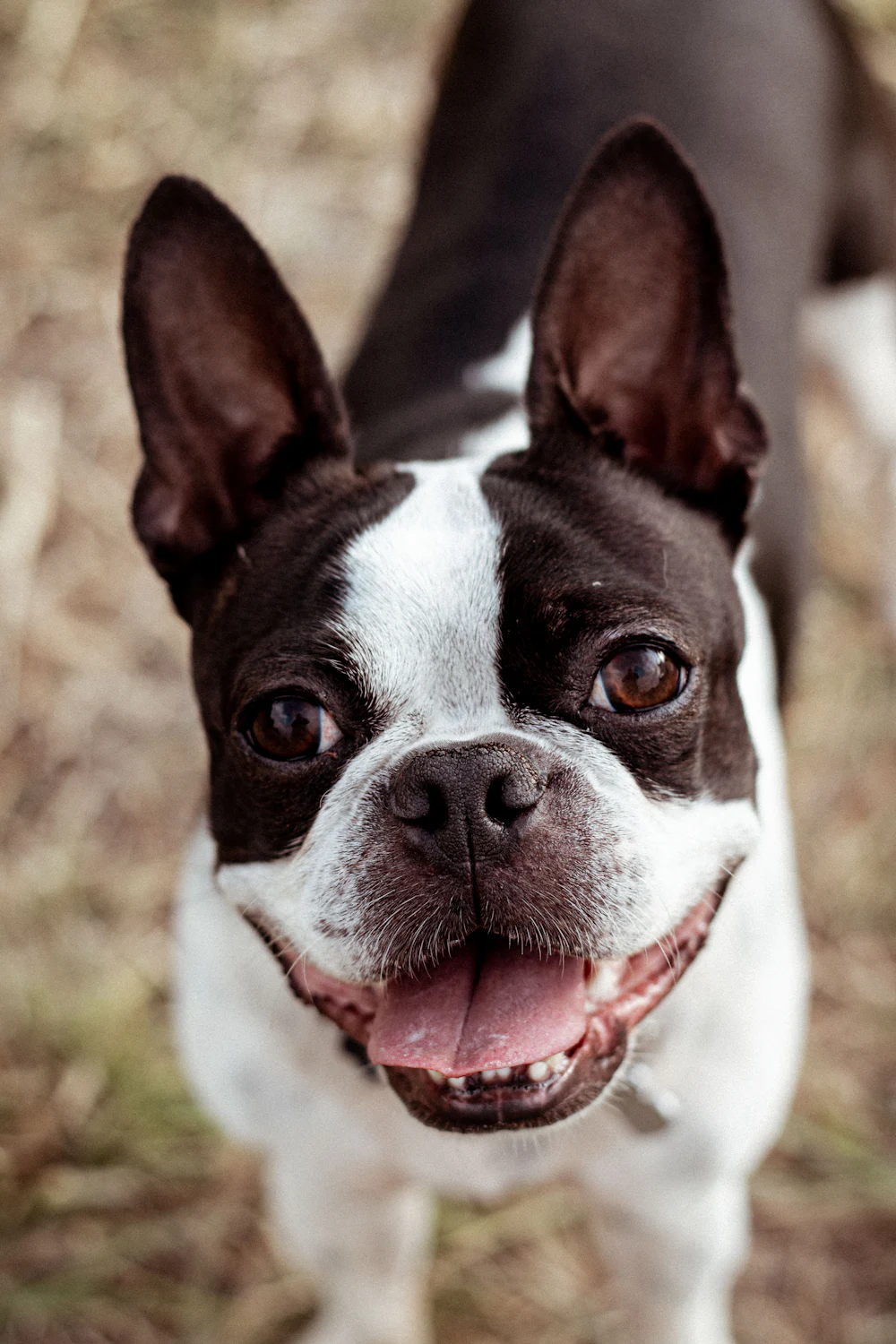
The standard calls the Boston Terrier friendly and lively, with an excellent disposition and a high degree of intelligence, which it says makes the breed an incomparable companion. That is a fair summary of the dog most owners meet: sociable, comical and eager to be near people. Bostons often greet strangers as old friends and rarely hold a grudge against other dogs.
The lively side needs channelling. Many are clowns that bounce, spin and snort with excitement, and a few are strongly attached to one person. Boredom can lead to attention seeking, barking at the window or chewing. They are sensitive to tone and respond to cheerful, consistent handling. Snoring, wheezing and gas are part of the package, because the short muzzle shapes the whole experience of living with one.
Children and other pets
Boston Terriers are among the better small breeds for families. They are sturdy enough for sensible children, playful without being harsh and usually tolerant of fuss. Teach young children to handle the dog gently, especially around the prominent eyes and face. Most live happily with other dogs and with cats, particularly if introduced early. They do not enjoy being excluded, so a Boston left out of family life may try to make itself noticed.
Exercise and the daily walk
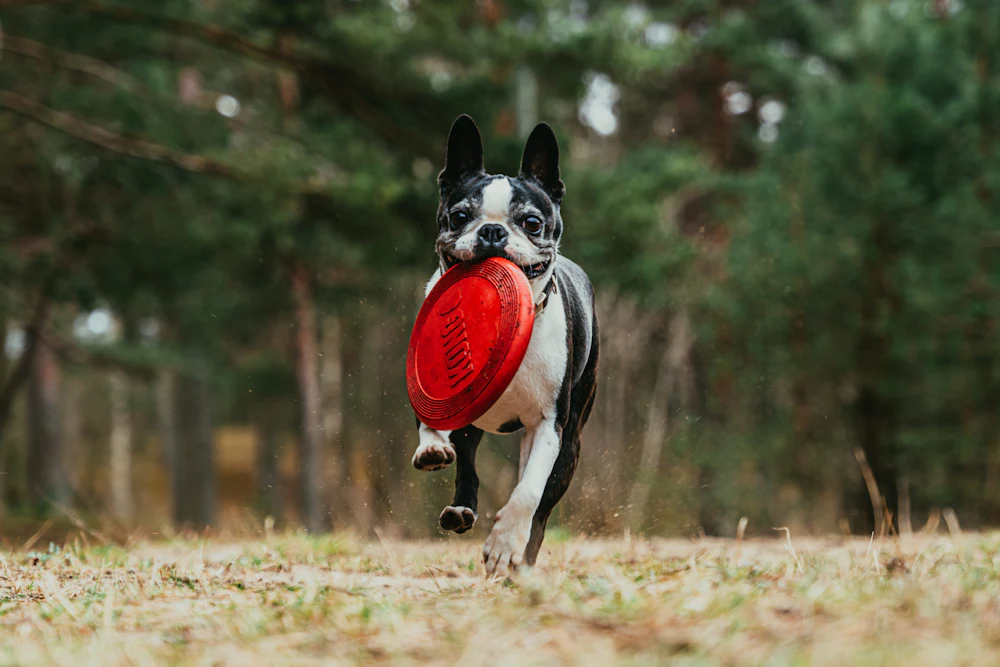
A healthy adult needs between 45 minutes and an hour a day, ideally split into two or three outings. The breed enjoys play, short games of fetch and sniffing walks, but it is not built for endurance running. Short muzzles limit cooling, so avoid hard exercise in warm weather and stop at the first signs of heavy panting.
Mental exercise matters just as much. Teach tricks, play hide and seek with treats, or use puzzle feeders. A Boston that has had company and a little brain work is usually calm in the evening. Use a harness rather than a collar, since pressure on the neck and throat is best avoided in a breed with airway limitations.
Training
Bostons are clever and keen to please, and they respond best to brief, upbeat sessions with food or play as the reward. They tire of repetition, so vary the exercises. Harsh words can make a sensitive dog sulk, while generous praise often produces a determined performer.
House training can take patience, as small dogs often dislike cold, wet weather and are slow to trust the outdoors. Start recall and loose lead walking early, and teach a calm greeting, since the breed's enthusiasm can become jumping. Because most Bostons are food motivated, reward in small pieces and take it from the daily ration.
Coat and grooming
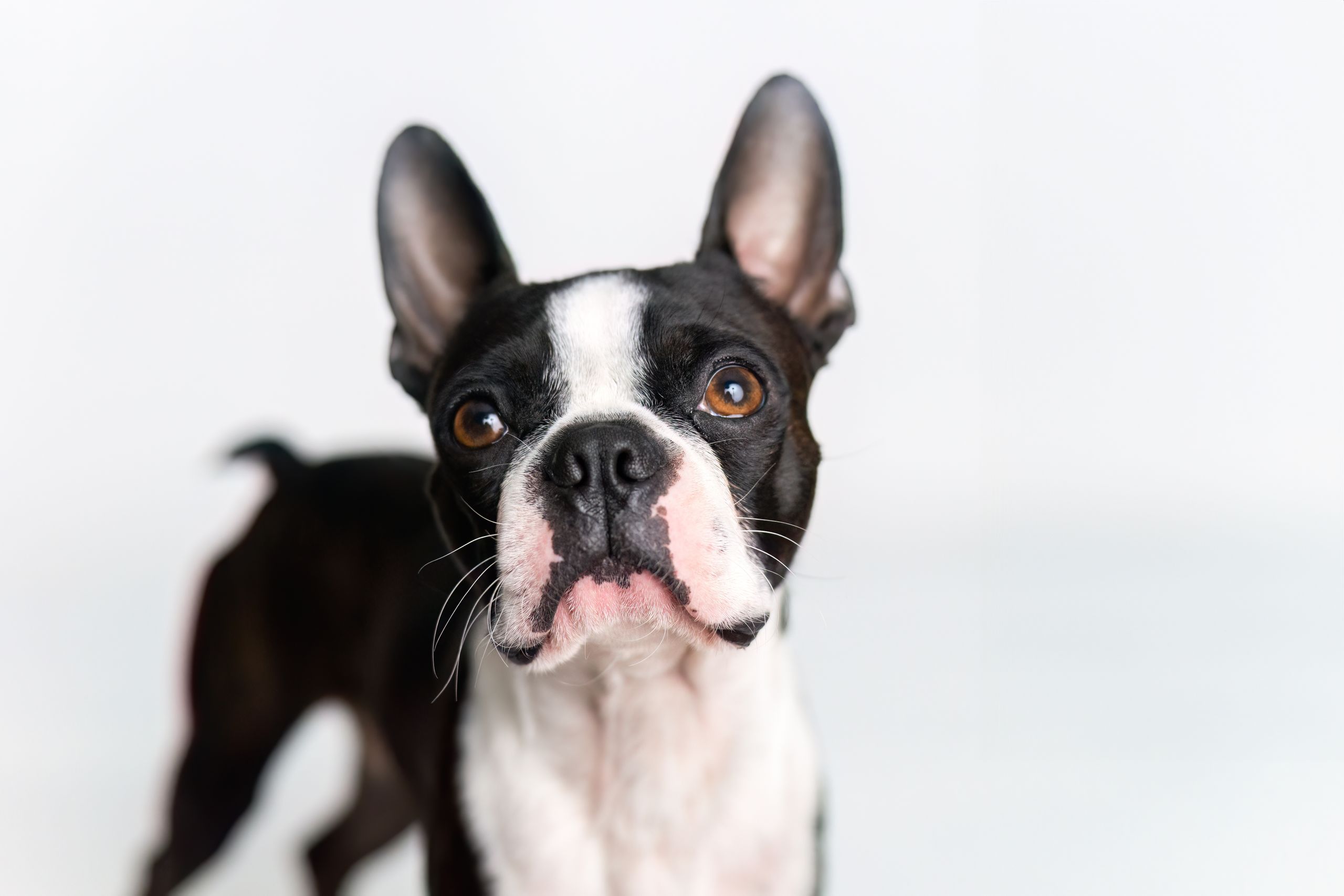
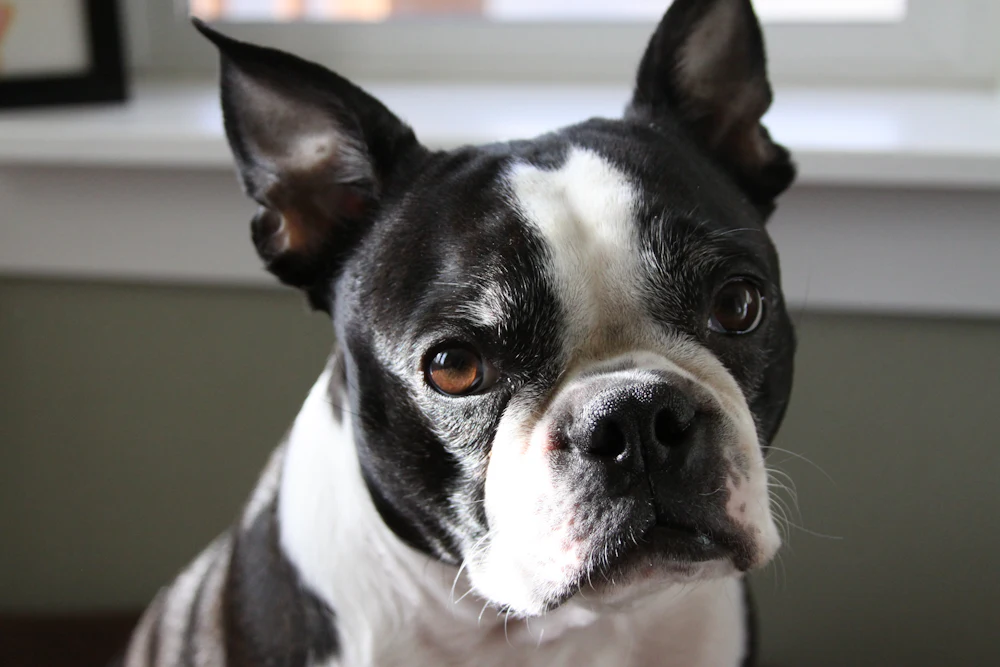
The standard calls for a short, smooth, bright coat that is fine in texture. Colours are brindle, seal or black with white markings, and the standard requires a white muzzle band, a blaze between the eyes and a white forechest. Care is minimal: a weekly rub with a rubber brush or damp cloth removes loose hair, which sheds lightly all year. Wipe the facial folds, check the ears and clean the eyes gently, because dirt collects in these places. Short coats offer little warmth, so provide a jacket in cold, wet weather.
Feeding and weight
Boston Terriers gain weight easily, and extra weight makes breathing harder, so measure meals and count treats. Choose a good quality complete diet suited to a small, active dog. Some Bostons gulp food and swallow air, which adds to the famously windy side of the breed, so a slow feeder bowl or scattered kibble can help. Always provide fresh water, especially after play and in warm weather.
Work out a starting calorie figure and food weight with the calorie calculator. Not sure this is the right breed? Take the quiz.
Health
Every breed carries predispositions. These are the conditions most often discussed for the Boston Terrier, not a prediction for any individual dog.
- Brachycephalic airway problems
- Eye problems, including corneal ulcers and cataracts
- Patellar luxation
- Deafness
- Heat intolerance
What to ask the breeder. Ask for an eye examination and hearing test for the parents, and choose a breeder who prefers moderate facial conformation with open nostrils.
Choosing a puppy
Choose a puppy from a breeder who health tests the parents and breeds for a moderate muzzle, open nostrils and clear, healthy eyes rather than extreme features. Puppies are playful and quickly learn to charm, so set rules early. Introduce lifts, trams and busy streets gently, begin crate or settle training, and avoid hard exercise or long walks in warm weather. Check the eyes and skin folds daily.
In Luxembourg the national kennel club is the Fédération Cynologique Luxembourgeoise (FCL), a member of the FCI. Many owners also buy from breeders in Germany, France or Belgium; a puppy coming from another EU country must be microchipped and vaccinated against rabies, which in practice means it cannot travel before about fifteen weeks of age. Where to get a dog in Luxembourg.
The older Boston Terrier
Older Bostons often develop eye changes, such as cataracts, and some lose hearing, so keep the home layout familiar and approach from the front. Keep them lean, offer short, regular walks and a warm bed, and watch breathing in hot weather. Dental care matters, as small, short faced breeds are prone to crowded teeth. Most remain affectionate and playful for years.
A realistic day
A realistic weekday for a working household in Luxembourg City, with a midday visit. Adjust it to your dog, not the other way round.
A twenty minute walk in a harness, then breakfast.
A chew toy and a settle in a favourite bed before you leave.
A walker brings the dog out for a gentle thirty minute stroll, in the shade in summer.
A forty minute walk with a short play session in a park.
A short final outing and bedtime in a cool room.
A Boston Terrier in Luxembourg
Boston Terriers are well suited to Luxembourg flats. They are compact, relatively quiet and happy with a modest amount of exercise, and the dog is easily carried in a lift or on the free buses and trams. A small dog with a big personality makes friends easily on the Pétrusse paths and in Parc Merl, though it will want company when you are out.
The main concern is heat. Summers can reach the 30s, and a short muzzled dog overheats quickly, so walk early and late, stay in the shade, carry water and never leave the dog in a parked car. Indoors, a cool tiled floor helps and a fan or air conditioning on the hottest days is wise. In winter, a coat or jumper keeps a short haired dog comfortable.
Every dog in Luxembourg must be identified, declared to the commune and covered by liability insurance. How registration works.
When you travel
A sitter should know the dog's breathing pattern, keep the home cool and avoid exercise in the heat of the day. Provide the usual harness, food measures and chews. Boston Terriers dislike being alone, so arrange regular visits and give clear instructions about eye and fold care. Emergency vet details are essential, as breathing trouble needs prompt attention.
PAWLY's holiday and overnight care takes place in your home, so your dog keeps its own bed and routine.
Myths and facts
MythShort muzzled dogs cannot exercise.
FactBostons enjoy regular, moderate exercise, but heat and hard running are the limits.
MythSnoring is always normal.
FactSome noise is typical, but loud, laboured breathing or collapse needs a vet, as it may signal an airway problem.
MythSmall dogs are easy to live with.
FactA Boston is clever and sensitive, so it still needs training, company and mental work.
Is it the right dog for you?
Suits
- First time owners who can train kindly
- Flat dwellers with moderate walking time
- Families with sensible children
- People home for much of the day
Think twice if
- You want a dog that runs beside a bike
- You cannot manage summer heat
- You dislike snoring and wind
- You are away for long hours
Questions owners ask
Are Boston Terriers good for first time owners?
Generally yes. They are friendly, intelligent and adaptable, but they need training, company and sensible care in hot weather. Choose a breeder who health tests and favours moderate conformation. A good breeder will welcome questions about health and temperament.
Do Boston Terriers snore?
Many do, because of the short muzzle. Gentle snoring is common, but laboured breathing, regular gasping or collapse after exercise needs veterinary advice. Ask your vet to check the nostrils during a routine visit.
How much exercise does a Boston Terrier need?
Between 45 minutes and an hour a day, ideally in shorter outings. Avoid hard exercise in warm weather and watch for heavy panting. Several short walks usually suit this breed better than one long one.
Can a Boston Terrier be left alone?
A well exercised adult can manage a normal working day with a midday visit. They are companion dogs, though, and become bored or anxious if left for long hours. Provide a walker or a sitter if the day is longer than usual.
Sources
Photo: Unsplash (Unsplash License) · Photo: Pexels (Pexels License) · Photo: Unsplash (Unsplash License) · Photo: Unsplash (Unsplash License) · Photo: Pexels (Pexels License)
General information for dog owners in Luxembourg, not veterinary or legal advice. Official facts (origin, size, group, history and temperament as described by the breed standard) follow the FCI standard; health and care sections reflect breed-club and veterinary guidance and are typical ranges rather than rules. For your own dog, ask your vet, the breed club or your commune. How this guide is written and checked. Last reviewed 8 October 2026.
Need someone for your Boston Terrier?
PAWLY offers an individual 45-minute walk or a home visit at your dog's pace, the same walker every time, and a written report with photos after every visit, across Luxembourg City.
Read next: the journal, for the Boston Terrier
All articles
Dogs in hot weather: the Luxembourg summer guide
Flat-faced and short-nosed breeds like the Boston Terrier overheat quickly, which matters in a Luxembourg summer.

Separation anxiety: the signs owners miss and what actually helps
The Boston Terrier bonds closely with its people; this covers the signs owners miss.

Small dogs, and the training they never get
Small dogs are often the least trained; worth reading before habits set in.
Similar breeds
All 198 breeds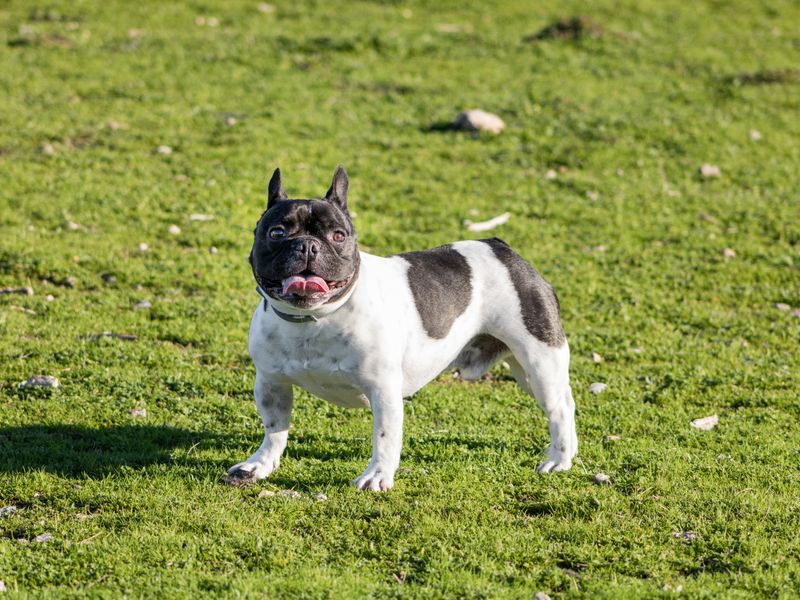
French Bulldog
Charming, funny and made for apartment life, with health limitations every owner must know before buying.
EnergyGroomingFlat life
Pug
An ancient Chinese companion breed, affectionate and comic, whose flat face brings real health limits.
EnergyGroomingFlat life
Miniature Schnauzer
A small, sturdy German farm dog with a beard, eyebrows and a lot to say.
EnergyGroomingFlat life

