


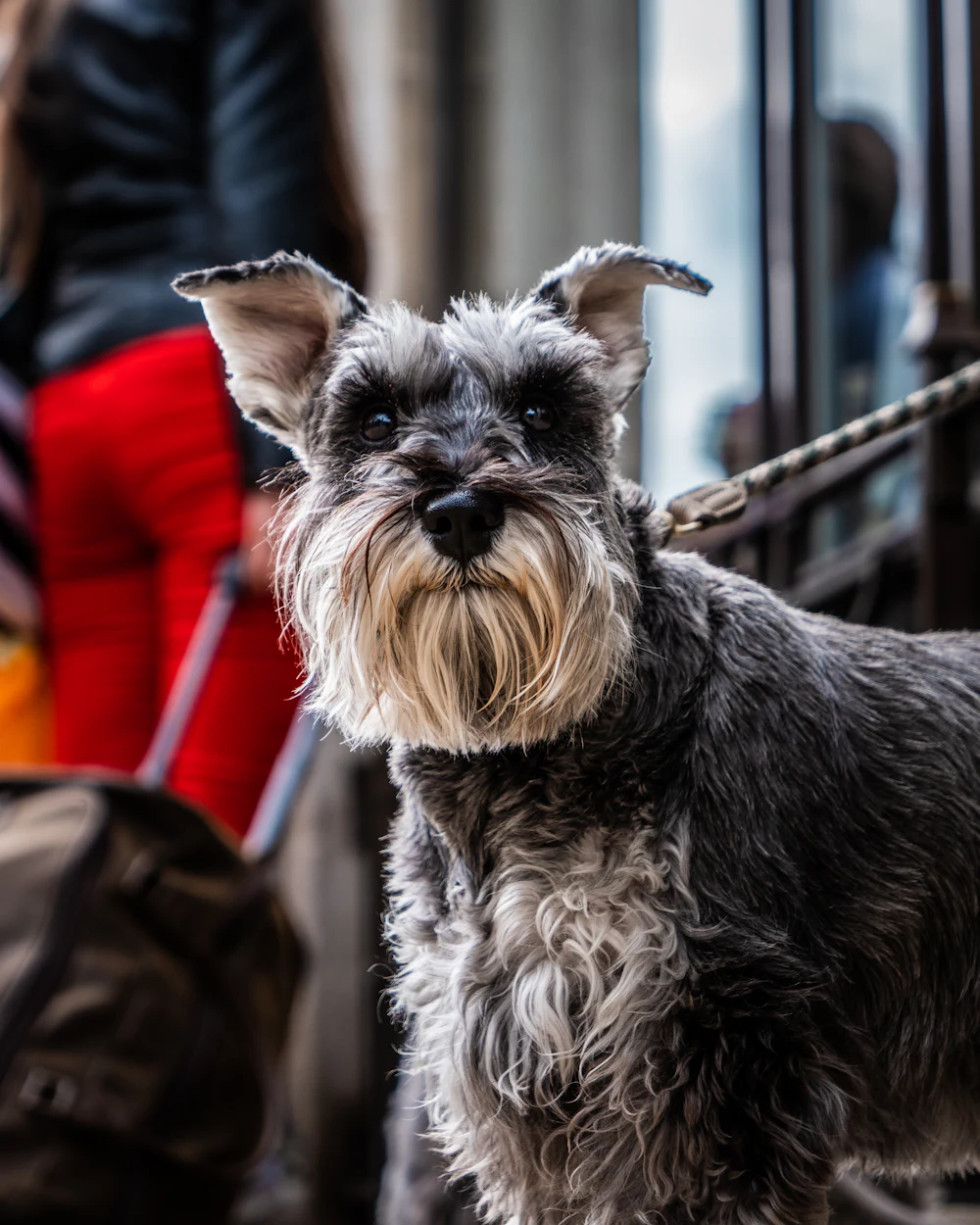
History
The FCI standard says the Miniature Schnauzer developed around the turn of the twentieth century from dwarf Schnauzers in the Frankfurt area. Early specimens varied in type and coat, and breeders worked to establish a small dog with the appearance and characteristic qualities of its bigger brother, the Schnauzer. Germany is the country of origin, and the breed sits in FCI Group 2, Section 1, with the Pinscher and Schnauzer types.
The name comes from the German word for snout, a nod to the whiskered muzzle. The standard calls the Miniature Schnauzer a reduced image of the Schnauzer without the drawback of a dwarfed appearance, with a square build. It was a farm dog and ratter before it became a companion, and that shows in a dog that is quick, watchful and rarely tired. Today it is a popular household dog across Europe.
Temperament
The FCI standard lists intelligence, fearlessness, endurance and alertness, and describes the Miniature Schnauzer as a house dog, watchdog and companion that adapts well to apartment living. It is a small dog with big dog ideas, quick to announce a visitor, a delivery driver or a sound in the corridor.
Mini Schnauzers are friendly, spirited and clever, and they like being part of everything. They are usually confident rather than aggressive, though some are wary of strangers and bold with larger dogs. Barking is the main complaint: an alert breed will vocalise at the door, the lift and the postman, so teaching a quiet cue early is a kindness to the neighbours.
Children and other pets
Mini Schnauzers are usually good with children and other dogs, and they enjoy family life. Their barking can be a lot for very young children, and they dislike rough handling. They tend to live well with other pets if raised with them, though the ratting heritage means hamsters and mice are unwise housemates. Supervise play, and let the dog retreat to a quiet bed when it wants.
Exercise and the daily walk
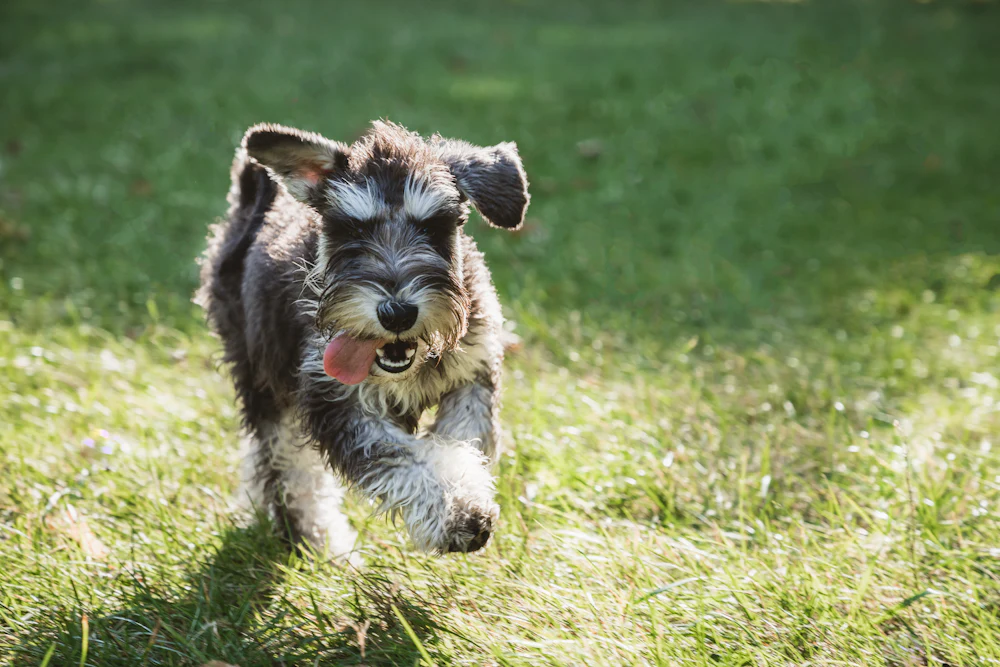
An hour a day is plenty: regular walks, with sniffing time, and games at home. Mini Schnauzers have good stamina for their size and enjoy a longer weekend outing, but they are not extreme athletes. A day of walks, play and a little training suits most of them very well.
They enjoy training and dog sports, so agility, scent games and trick training are good outlets, and a bored Schnauzer is a noisy Schnauzer. Use a lead near roads, as the breed's chase instinct and curiosity can override recall. Puzzle feeders and hide-and-seek games make good rainy day work.
Training
Mini Schnauzers are clever and keen, and they train well with rewards. Teach a quiet cue early, because the breed's watchdog instinct means barking at the door, the lift and the postman. Reward silence as much as the bark, and keep the training happy, as they can be stubborn if bored or nagged.
They enjoy obedience, agility and trick training, and they like to be involved in family life. Short sessions of five to ten minutes keep their attention, and a varied routine prevents boredom. Practise calm greetings, loose-lead walking and being alone in small steps, because a dog that bonds closely can find absence hard.
Coat and grooming
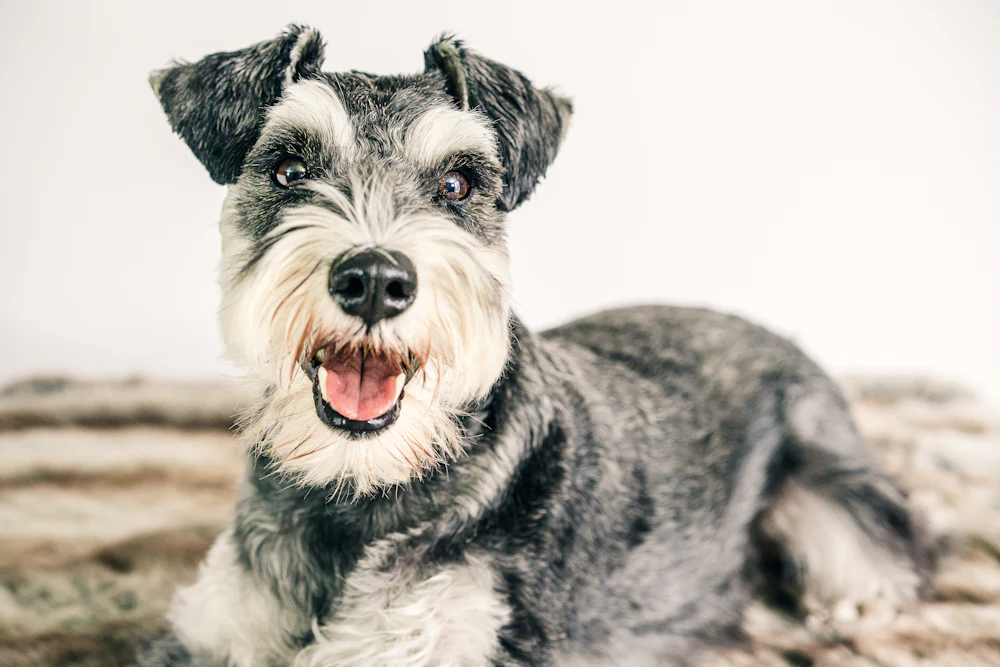
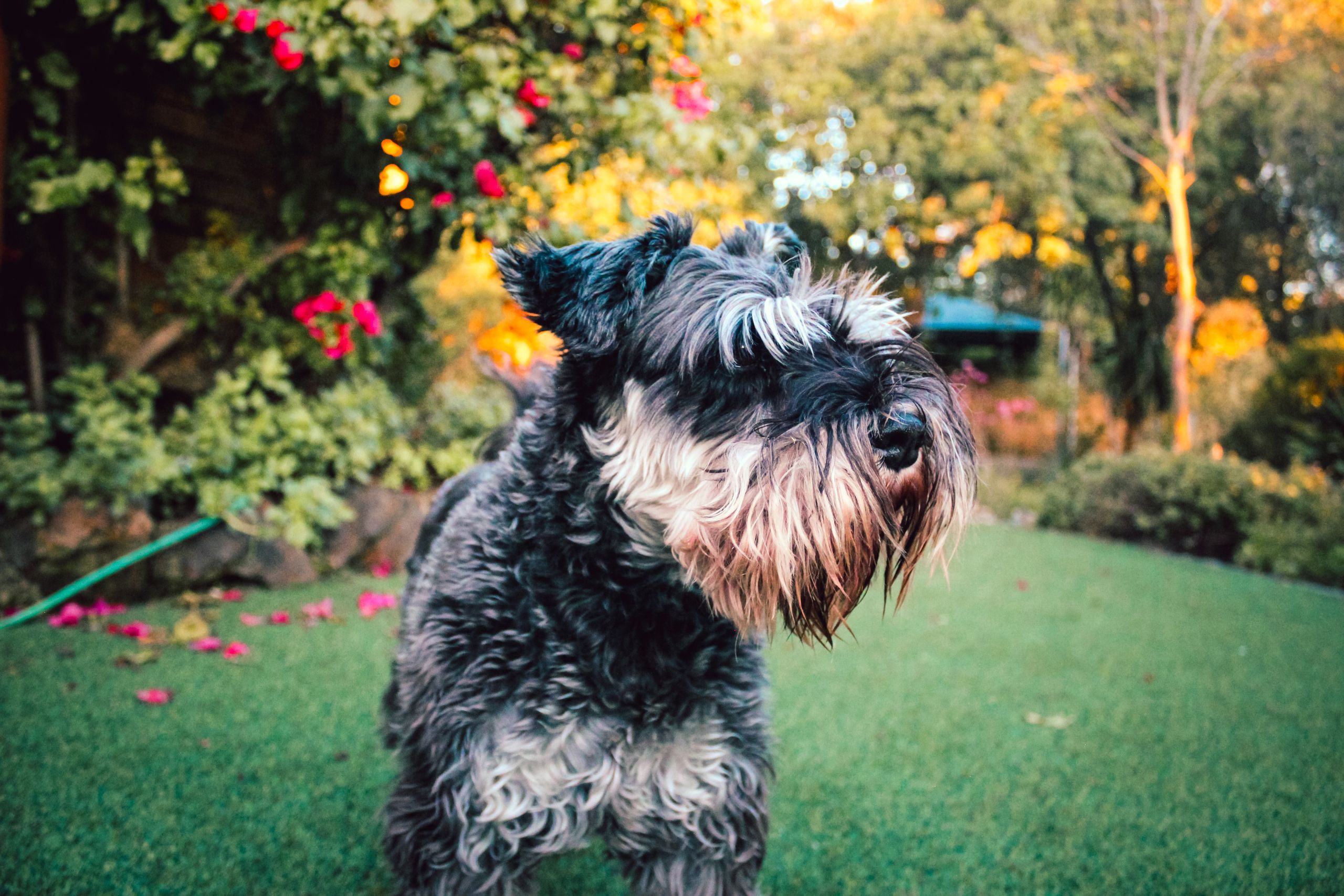
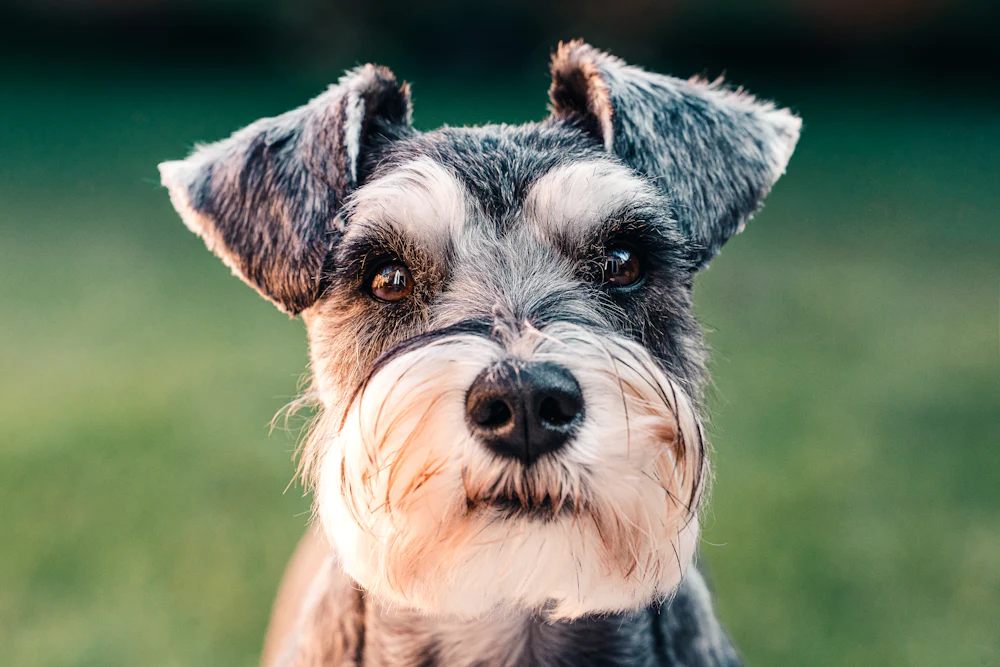
The FCI standard describes a wiry, harsh, dense coat with a dense undercoat, a beard and bushy eyebrows. It sheds little. Brush the beard and legs regularly, trim or hand-strip every six to eight weeks, and wash the beard after meals. Permitted colours are pure black, pepper and salt, black and silver, and pure white, each with a dark facial mask.
Feeding and weight
Because the breed is prone to high blood fats and pancreatitis, avoid fatty foods and table scraps entirely, and ask your vet about a suitable diet. Keep the dog lean, measure meals, and use small, low-fat treats. Do not give sausages, cheese rinds, roast fat or leftover takeaway, however politely the dog asks. Make sure everyone in the household and every visitor knows the rule.
Work out a starting calorie figure and food weight with the calorie calculator. Not sure this is the right breed? Take the quiz.
Health
Every breed carries predispositions. These are the conditions most often discussed for the Miniature Schnauzer, not a prediction for any individual dog.
- Pancreatitis and high blood fats (hyperlipidaemia): watch fatty food
- Bladder stones
- Diabetes
- Eye conditions including cataracts
- Myotonia congenita (DNA test)
What to ask the breeder. An eye examination for the parents and DNA tests offered by the breed club.
Choosing a puppy
Ask for an eye examination for the parents and DNA tests offered by the breed club. Meet the parents and ask about pancreatitis, diabetes and bladder stones in the family. Look for a bold but not frantic puppy. Start grooming, nail trims and beard care early, and begin quiet-cue training in the first weeks, before barking turns into a habit.
In Luxembourg the national kennel club is the Fédération Cynologique Luxembourgeoise (FCL), a member of the FCI. Many owners also buy from breeders in Germany, France or Belgium; a puppy coming from another EU country must be microchipped and vaccinated against rabies, which in practice means it cannot travel before about fifteen weeks of age. Where to get a dog in Luxembourg.
The older Miniature Schnauzer
Regular blood tests help catch diabetes and lipid problems early. Watch eyes for cataracts, and watch thirst, urination and weight, because changes can point to diabetes or bladder trouble. Older Mini Schnauzers often stay lively, but they appreciate gentler walks, a warm bed and a diet kept strictly low in fat.
A realistic day
A realistic weekday for a working household in Luxembourg City, with a midday visit. Adjust it to your dog, not the other way round.
Brisk walk with sniffing time.
Breakfast, measured, then a wipe of the beard.
Midday visit: toilet, water, a game and a quiet cue practice.
Evening walk and play in the park.
Final toilet walk, then bed.
A Miniature Schnauzer in Luxembourg
A very good flat dog, provided barking is managed. Mini Schnauzers are small enough for lifts and stairs and take well to city routines, including a midday visit when the owner is at the office. The Pétrusse valley, Parc Merl and the Municipal Park suit daily walks, and the forests of Bambësch and the Grünewald offer longer weekend outings.
Neighbours in apartment blocks notice barking, so training a quiet cue and avoiding long unattended hours matter. Summer in the thirties is manageable for a small dog, but walk early and late. Free buses and trams make travel easy. Every dog in Luxembourg must be microchipped, declared to the commune and insured, and the commune charges an annual tax. Avoid fatty scraps: pancreatitis is a real risk in this breed.
Every dog in Luxembourg must be identified, declared to the commune and covered by liability insurance. How registration works.
When you travel
They adapt well to sitters. Remind the sitter that fatty food and table scraps are off limits because of the breed's pancreatitis risk, and leave measured portions. Ask for regular outings and a settle routine, because boredom makes barking worse. Note the beard care and any medication, and tell the sitter that a Schnauzer will alert to every sound at the door.
PAWLY's holiday and overnight care takes place in your home, so your dog keeps its own bed and routine.
Myths and facts
MythMini Schnauzers are hypoallergenic.
FactNo dog is. They shed little, which some allergic people tolerate better.
MythA little fat now and then is harmless.
FactIn this breed, fatty food can trigger painful pancreatitis.
MythThey are just small Standard Schnauzers.
FactThe FCI standard says breeders aimed for a small dog with the qualities of the larger Schnauzer, and the breed has its own standard and its own proportions.
Is it the right dog for you?
Suits
- Apartment dwellers
- First-time owners
- People wanting a low-shedding, lively dog
- Households that enjoy training
Think twice if
- You want a quiet dog
- You dislike paying for grooming
- Your household shares fatty food with the dog
- You live in a block with thin walls
Questions owners ask
Do Miniature Schnauzers bark a lot?
Many do. They are natural watchdogs and will announce visitors and noises. Training helps: reward silence, teach a quiet cue and make sure the dog has enough exercise and company. A bored Schnauzer is usually a louder one.
Why must I avoid fatty food?
The breed is prone to high blood fats and pancreatitis, which can be serious and painful. Even a single fatty meal can trigger an attack in some dogs. Ask your vet for a low-fat diet and keep treats small and lean.
How often does the coat need trimming?
Every six to eight weeks, either by hand-stripping or a groomer's clip. The beard and legs need brushing between visits. Colours and facial mask are set by the standard, so the trim should keep the breed's typical outline.
Are Miniature Schnauzers easy to train?
Generally yes. They are clever, keen and food motivated. The usual difficulty is barking and a stubborn streak, not the learning itself. Short, varied sessions and calm consistency work best.
Sources
Photo: Unsplash (Unsplash License) · Photo: Unsplash (Unsplash License) · Photo: Pexels (Pexels License) · Photo: Unsplash (Unsplash License) · Photo: Unsplash (Unsplash License)
General information for dog owners in Luxembourg, not veterinary or legal advice. Official facts (origin, size, group, history and temperament as described by the breed standard) follow the FCI standard; health and care sections reflect breed-club and veterinary guidance and are typical ranges rather than rules. For your own dog, ask your vet, the breed club or your commune. How this guide is written and checked. Last reviewed 8 October 2026.
Need someone for your Miniature Schnauzer?
PAWLY offers an individual 45-minute walk or a home visit at your dog's pace, the same walker every time, and a written report with photos after every visit, across Luxembourg City.
Read next: the journal, for the Miniature Schnauzer
All articles
Grooming and coat care through the Luxembourg year
The Miniature Schnauzer has a coat that needs a routine that holds through the Luxembourg seasons.

What a proper meet and greet actually involves
A reserved dog needs slow introductions to a new walker or sitter.

The front door: barking, deliveries and escapes
A watchful breed reacts at the door; this is how to manage it.
Similar breeds
All 198 breeds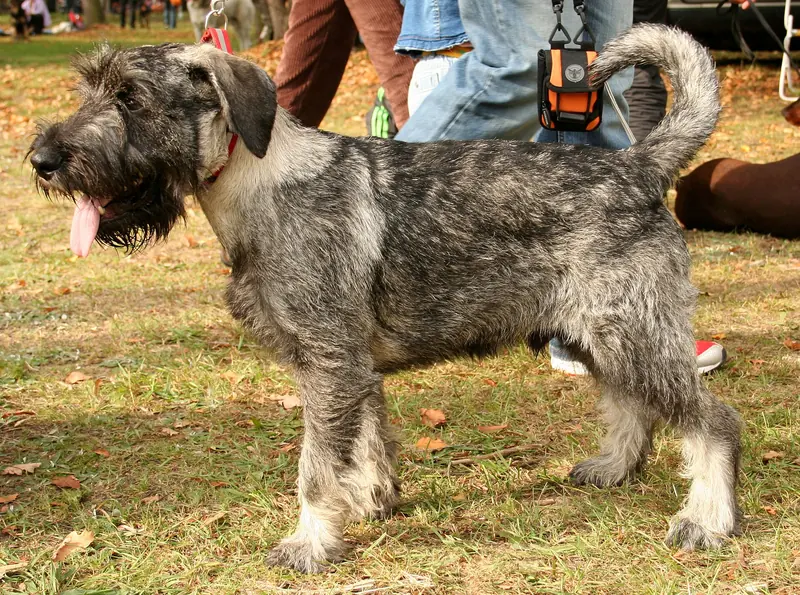
Standard Schnauzer
The original whiskered Schnauzer: a square, quick-witted German stable dog with a ratter's alertness and a strong sense of ownership over its people.
EnergyGroomingFlat life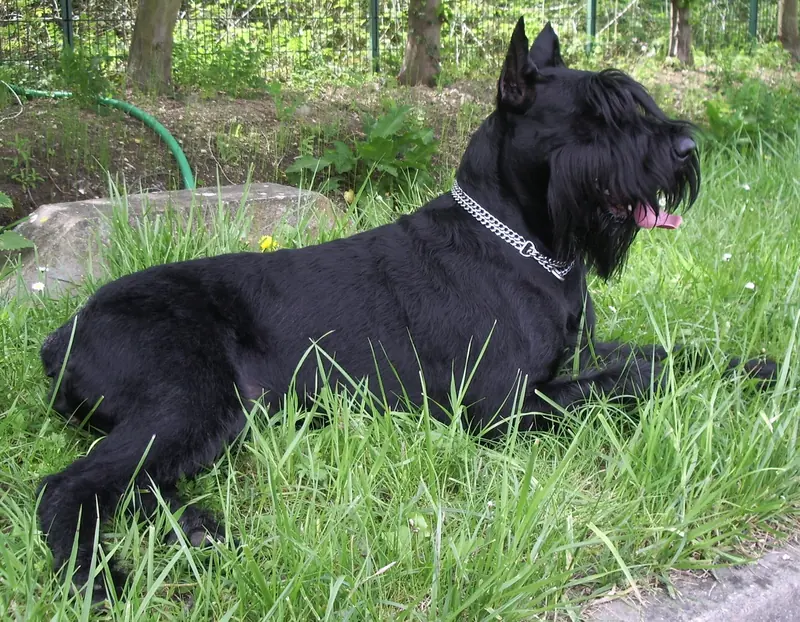
Giant Schnauzer
A big, intense Bavarian working dog, loyal to the point of stubbornness and happiest with a capable owner and a proper job.
EnergyGroomingFlat life
West Highland White Terrier
A cheerful, confident little Scottish terrier, white by design, with a big opinion of itself and a worker's stamina.
EnergyGroomingFlat life

