


History
The Westie comes from the Scottish Highlands, where small terriers hunted foxes and vermin among the rocks. The best-known story credits Colonel Edward Malcolm of Poltalloch, who is said to have bred white terriers after one of his darker dogs was mistaken for a fox and shot. The FCI standard itself gives no breed history, so treat the tale as local tradition, though the white colour is certainly deliberate.
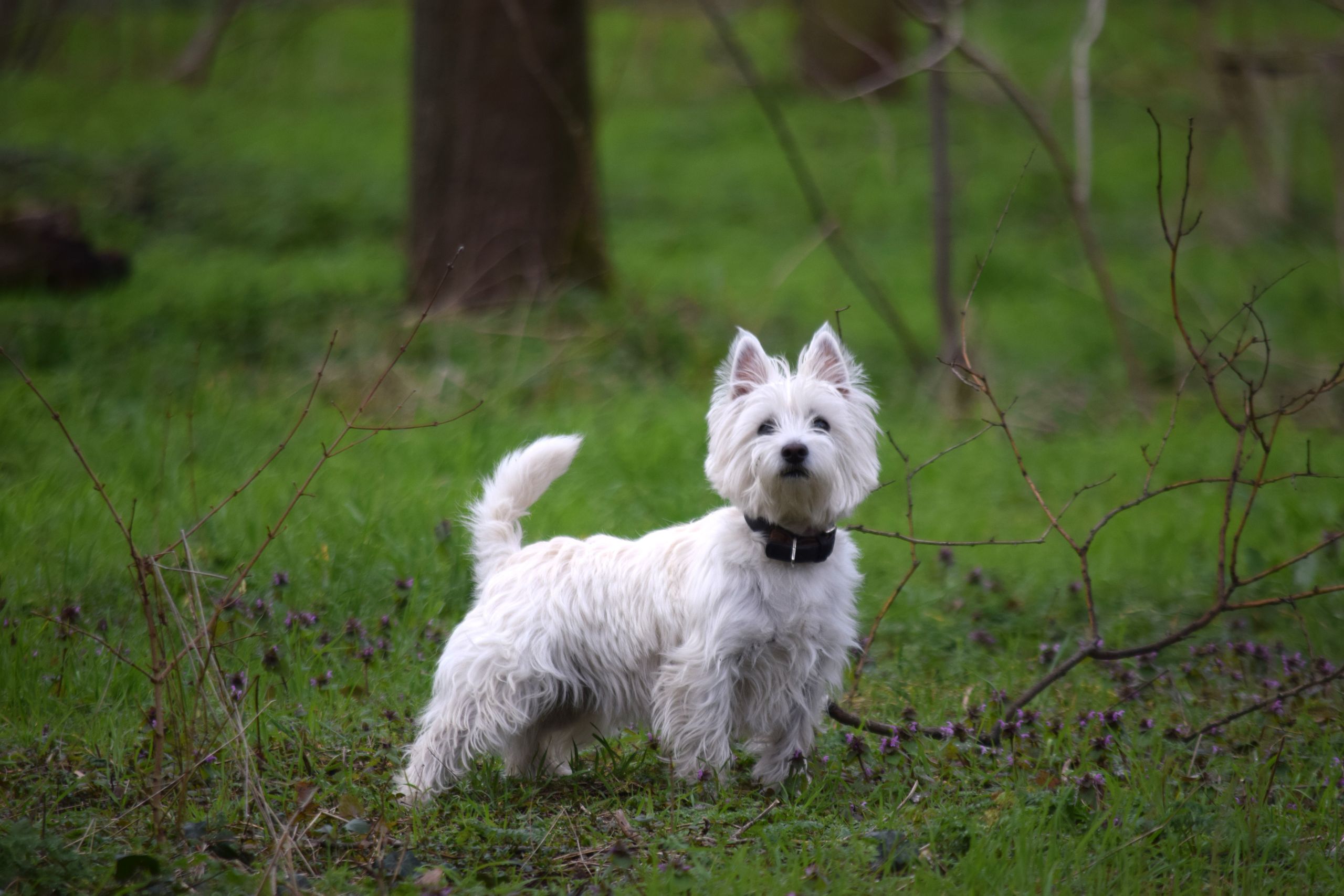
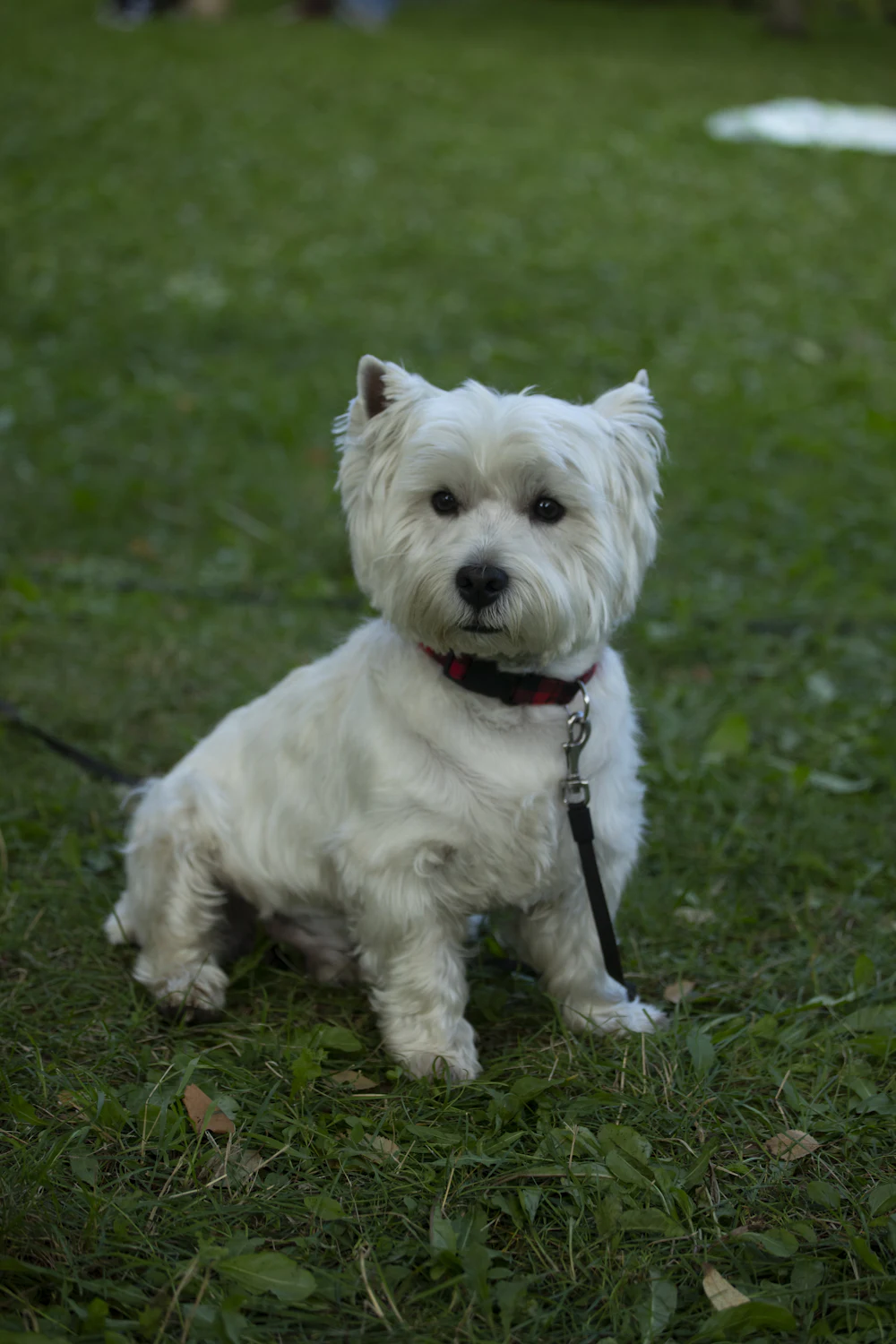
The standard, published on 13 October 2010 with Great Britain as the country of origin, places the breed in Group 3, Section 2, small-sized terriers. It describes a small, active, game and hardy dog, strongly built, deep in the chest and back ribs, with a level back and powerful quarters. Height at the withers is about 28 cm, no weight is given, and the only permitted colour is white, which is why a Westie is never any other shade.
Temperament
The standard calls the Westie alert, gay, courageous, self-reliant but friendly, with marked self-esteem. Anyone who has watched one march into a park will recognise it. Westies are self-confident, curious and lively, true terriers that dig, chase and bark, and they have a mind of their own. Most are good-natured with people and eager to join any activity.
That self-reliance means a Westie may ignore a request that does not suit it, and it can look surprisingly stubborn for such a small dog. Its sense of humour is considerable, and many enjoy games, tricks and clowning. Handle it kindly and consistently, give it something to do, and it will be a bright, entertaining companion rather than a yappy one.
Children and other pets
Westies can be good with older children who respect their space, and they enjoy games. Small pets may trigger their terrier instinct, and some are bossy with other dogs, particularly of the same sex. Toddlers should be supervised, because a Westie that is grabbed may snap. Early socialisation with dogs of all sizes helps a confident little dog stay polite.
Exercise and the daily walk
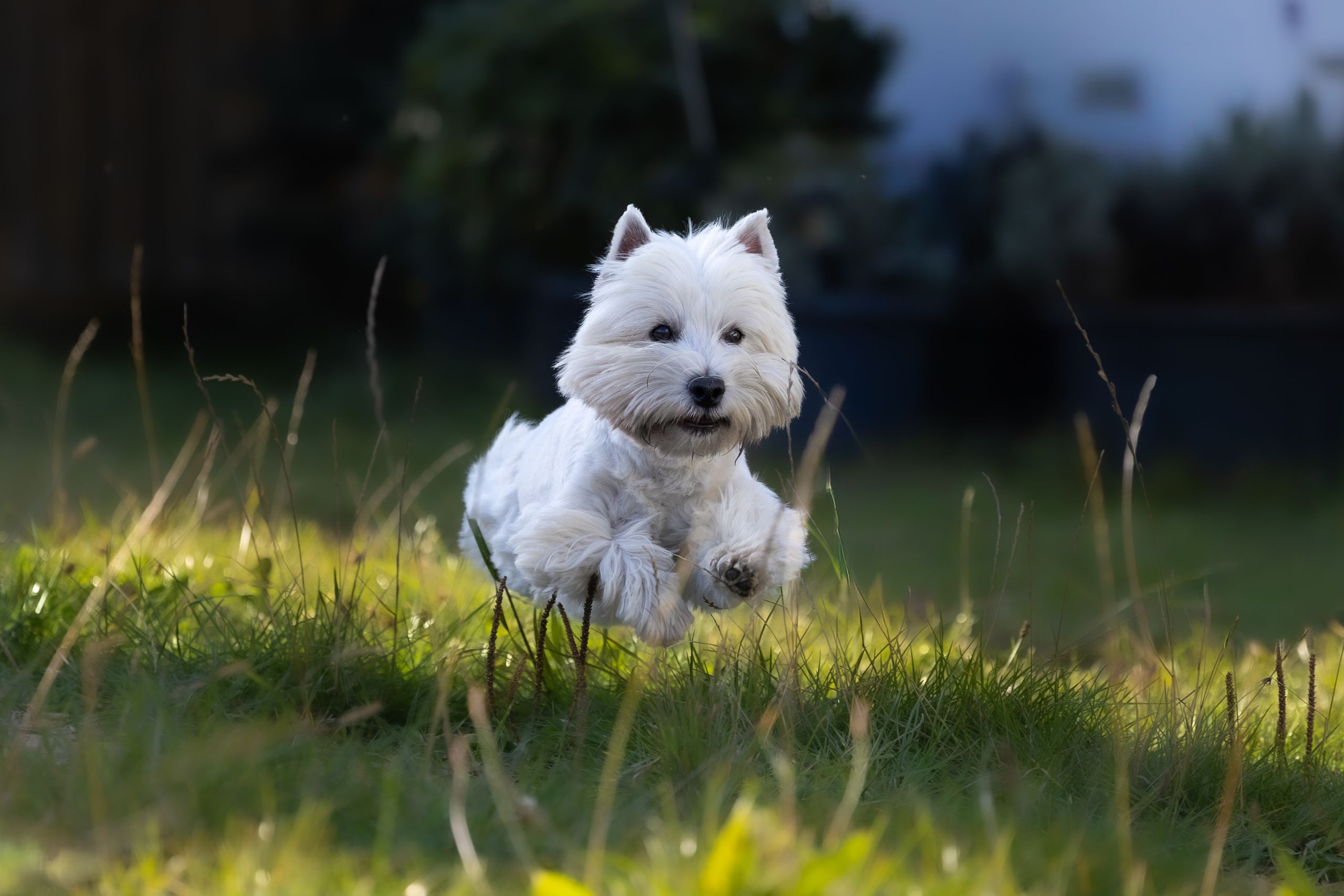
A Westie needs about an hour a day, though it will happily take more. Regular walks and games suit it, and many love to dig and search, so give them outlets such as hide-and-seek with treats or a sandpit. They have more stamina than their size suggests and are good company for a long weekend walk.
Keep a Westie on a lead or long line near squirrels, rabbits and traffic, because the chase instinct is real and a recall does not always win against a rustling hedge. A day of too little activity shows up as barking, digging and shredding cushions, so a short midday visit makes a difference for a dog home alone.
Training
Westies are confident, independent terriers with a sense of humour. Short, reward-based sessions work better than repetition. Recall around squirrels, cats and pigeons needs patient practice, and a long line helps in the forest. Keep the mood light, since a Westie that feels bullied will simply stop playing.
Give the terrier instinct an outlet: digging in a sandpit, searching for hidden toys, tug games with rules. A Westie with a job is a much quieter Westie. Teach a quiet cue early, practise being handled for brushing and paw checks, and build up alone time slowly so that barking does not become a habit. A Westie that has been exercised and given a chew is far more likely to settle when you leave for work.
Coat and grooming
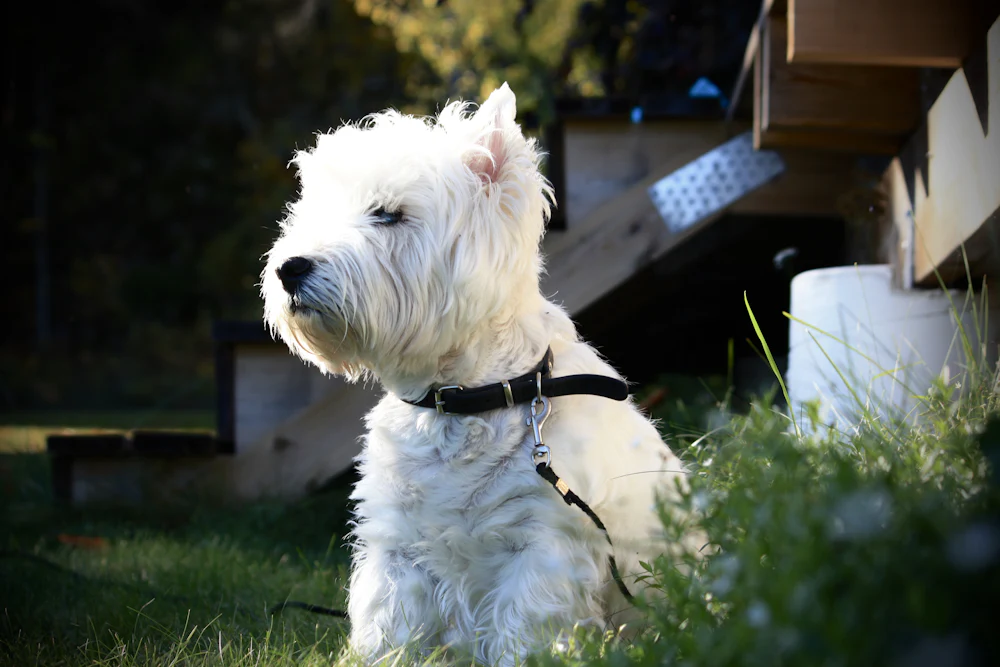
The coat is double, with harsh outer hair about 5 cm long, free from any curl, over a short, soft and close undercoat. Open coats are most undesirable, and white is the only colour. It keeps its hard texture if hand-stripped, while clipping softens it. Brush a few times a week. The white coat shows dirt, and the breed often has sensitive skin, so use gentle products and rinse after muddy walks.
Feeding and weight
Skin allergies are common, and some are food-related. If your Westie itches, work with your vet on a proper elimination diet over several weeks rather than switching brands at random. Keep the dog lean, because extra weight worsens skin and joint problems. Measure meals, use part of the ration for training, and avoid sharing table food.
Work out a starting calorie figure and food weight with the calorie calculator. Not sure this is the right breed? Take the quiz.
Health
Every breed carries predispositions. These are the conditions most often discussed for the West Highland White Terrier, not a prediction for any individual dog.
- Atopic dermatitis and skin allergies, very common in the breed
- Craniomandibular osteopathy in puppies (a jaw bone condition)
- Idiopathic pulmonary fibrosis ('Westie lung disease')
- Dry eye
- Patellar luxation (slipping kneecaps)
What to ask the breeder. Ask about skin problems in the lines, and about pulmonary fibrosis.
Choosing a puppy
Ask about skin problems and pulmonary fibrosis in the lines, and about craniomandibular osteopathy in previous litters. Meet the parents and look at their skin and coat. A puppy that scratches constantly deserves a question. Choose a bold, curious puppy that settles after play, and begin grooming practice, nail trimming and short separations in the first weeks.
In Luxembourg the national kennel club is the Fédération Cynologique Luxembourgeoise (FCL), a member of the FCI. Many owners also buy from breeders in Germany, France or Belgium; a puppy coming from another EU country must be microchipped and vaccinated against rabies, which in practice means it cannot travel before about fifteen weeks of age. Where to get a dog in Luxembourg.
The older West Highland White Terrier
Watch for a persistent cough, faster breathing or tiring on walks, which can indicate pulmonary fibrosis in older Westies, and tell your vet early. Keep up with skin care, dental checks and gentle daily exercise. Many Westies stay bright and active into their teens, so do not assume slowing down is only age. Keep the weight lean to protect the knees.
A realistic day
A realistic weekday for a working household in Luxembourg City, with a midday visit. Adjust it to your dog, not the other way round.
Morning walk with plenty of sniffing.
Breakfast, then a chew.
Midday visit with a short walk or a search game.
Longer walk with a search game or training.
Final walk and a paw rinse in winter.
A West Highland White Terrier in Luxembourg
Good city dogs, and a favourite of many expat households. A Westie is compact enough for flats and lifts, travels easily on the free buses and trams, and copes well with pavements and parks. Neighbours may notice a barking terrier, so teach a quiet cue and leave a chew or puzzle when you go out. Walks in the Pétrusse valley and Parc Merl give plenty of interest.
Salted pavements in winter can irritate sensitive skin: rinse and dry the paws after walks. The Grünewald and Bambësch forests suit scent walks on a long line, though the breed's low build means a wet November path will leave a white coat grey. Summers can reach the 30s, so walk early and keep water to hand, as dark pavements heat quickly.
Every dog in Luxembourg must be identified, declared to the commune and covered by liability insurance. How registration works.
When you travel
Westies adapt to sitters. Skin care, medicated baths or allergy treatments should continue while you are away; leave clear written instructions, including doses, bathing routine and any foods to avoid. Keep the dog on a lead outdoors, since a chase can end in a lost terrier. Introduce the sitter first, and leave your vet's details. Mention any habits, such as digging at the garden fence or barking at the post, so the sitter is not surprised.
PAWLY's holiday and overnight care takes place in your home, so your dog keeps its own bed and routine.
Myths and facts
MythWesties are delicate white lap dogs.
FactThey are tough, active working terriers.
MythSkin allergies are a phase.
FactAtopic dermatitis is usually lifelong and needs ongoing management with your vet.
MythWesties do not need much exercise because they are small.
FactThey have plenty of stamina and need about an hour a day, plus mental work.
Is it the right dog for you?
Suits
- Apartment dwellers
- Owners who enjoy a confident small dog
- Families with older children
- People willing to manage coat and skin care
Think twice if
- Owners unwilling to manage skin problems
- Homes with small pets
- People wanting a quiet dog
- Anyone expecting a placid lap dog
Questions owners ask
Why does my Westie itch so much?
Skin allergy is very common in the breed. Work with your vet on diet and allergy management rather than treating each flare-up in isolation. Early treatment usually keeps things easier.
Hand-stripping or clipping?
Hand-stripping keeps the coat hard and weatherproof, as the standard intends; clipping is easier but softens it. Many pet owners clip for convenience, and some dogs with sensitive skin prefer it.
Do Westies bark a lot?
Many do, at sounds and passers-by, because they are alert terriers. Teach a quiet cue, give plenty of exercise and mental work, and avoid long days alone.
Are Westies good with children?
Often, with older children who respect their space. They are lively and sturdy, but a small dog can snap if grabbed, so supervise young children closely.
Sources
Photo: Unsplash (Unsplash License) · Photo: Pexels (Pexels License) · Photo: Pexels (Pexels License) · Photo: Pexels (Pexels License) · Photo: Unsplash (Unsplash License)
General information for dog owners in Luxembourg, not veterinary or legal advice. Official facts (origin, size, group, history and temperament as described by the breed standard) follow the FCI standard; health and care sections reflect breed-club and veterinary guidance and are typical ranges rather than rules. For your own dog, ask your vet, the breed club or your commune. How this guide is written and checked. Last reviewed 8 October 2026.
Need someone for your West Highland White Terrier?
PAWLY offers an individual 45-minute walk or a home visit at your dog's pace, the same walker every time, and a written report with photos after every visit, across Luxembourg City.
Read next: the journal, for the West Highland White Terrier
All articles
Building a recall you can actually rely on
Terriers follow scent and movement, so the West Highland White Terrier needs a recall built properly.

Barking in an apartment: six causes, six different answers
Terriers are quick to sound the alarm; this sorts out the causes and the answers.

Dogs and cats in the same flat
The West Highland White Terrier can see small animals as prey; this covers living with a cat in a flat.
Similar breeds
All 198 breeds
Cairn Terrier
A small, scruffy Highland terrier, bred to bolt foxes from the rocks and still cheerful, busy and unimpressed by its size.
EnergyGroomingFlat life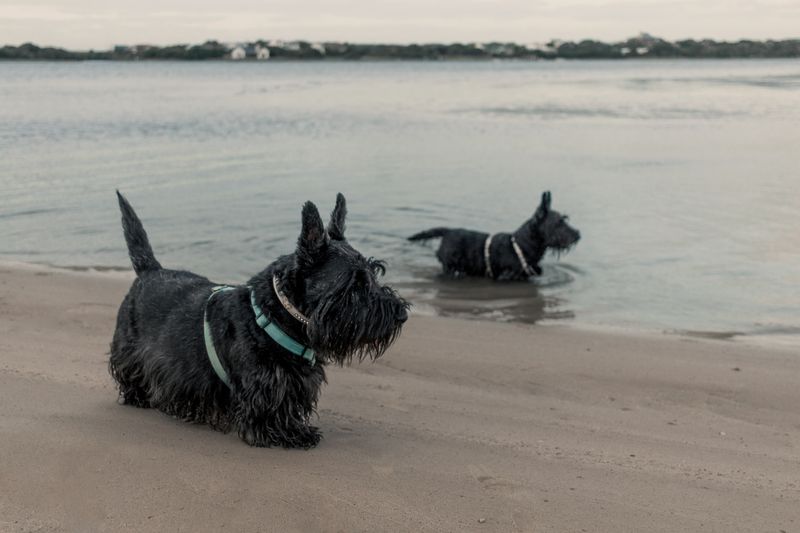
Scottish Terrier
A compact, dignified Highland terrier with a long beard, a stubborn streak and great self-respect.
EnergyGroomingFlat life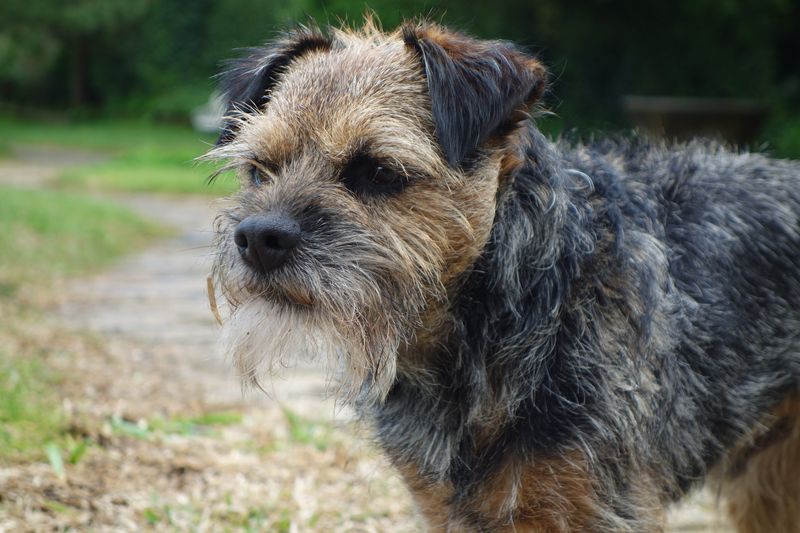
Border Terrier
The terrier for people who find terriers too much: tough, cheerful and easy-going.
EnergyGroomingFlat life

