
History
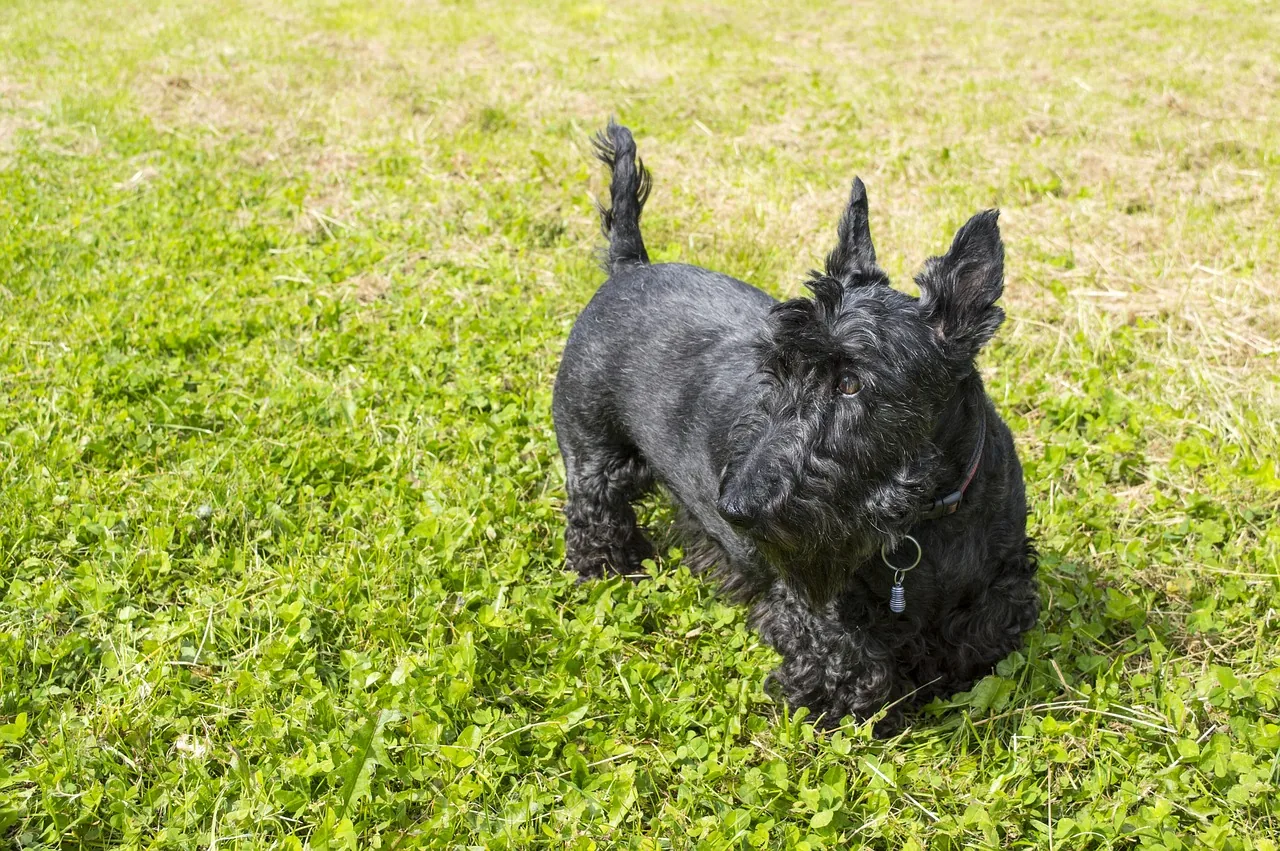
The Scottish Terrier descends from the short-legged dogs of the Scottish Highlands, built to go to ground after foxes, badgers and vermin. The FCI standard gives a precise modern timeline. Captain Gordon Murray began the breed as we know it today in 1879, the first breed standard was drawn up in 1881, and the Scottish Terrier Club was formed in 1882. Sewallis Evelyn Shirley, founder and first chairman of the Kennel Club, was among its supporters. That is a short run from working dog to organised breed, and the sturdy, thick-set outline has changed little since.
The standard notes that the breed's public image is that of a dour Scot, while with its own family it is affectionate and cheerful, protective and alert. The silhouette, with eyebrows, beard and a long head, became a fixture of twentieth-century advertising and illustration, and the breed gained famous owners, among them the American president Franklin D. Roosevelt, whose Scottie Fala accompanied him in public life. The FCI places it in Group 3, Section 2, the small-sized terriers, without a working trial, and lists its use simply as terrier.
Temperament
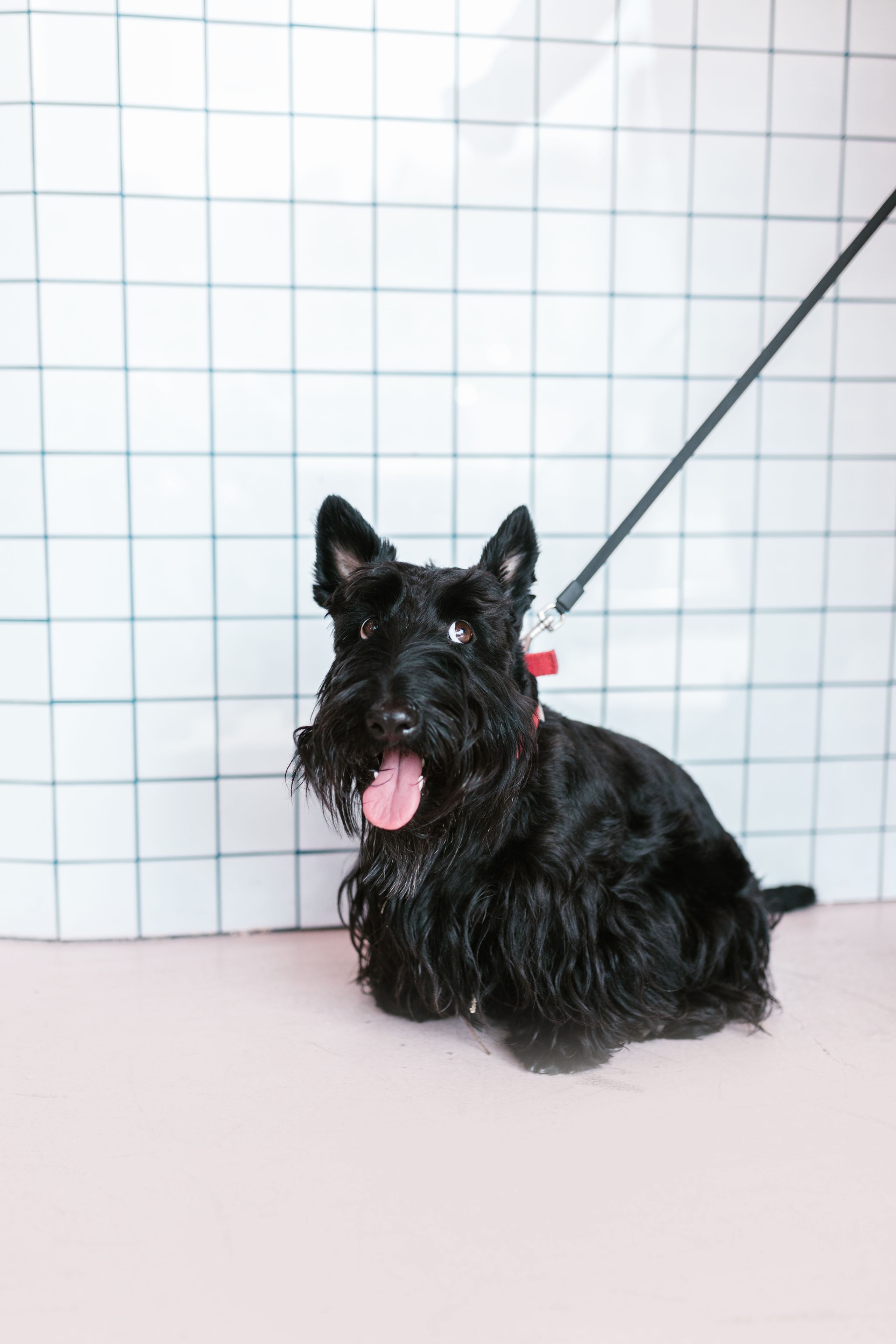
The standard sums up the character in a handful of words: loyal and faithful, dignified, independent and reserved, courageous and highly intelligent, bold but never aggressive. Put together, that describes a dog that takes itself seriously. A Scottie will walk through a crowd as though it owns the pavement, and it expects the same courtesy from everyone it meets, people and dogs alike.
Reserved does not mean cold. With its own people a Scottie is dry, funny and deeply attached, though on its own terms rather than as a lap dog. It will follow you from room to room, then retire to its chosen spot and watch. The courage the standard mentions is real, and some Scotties do not back down from bigger dogs, so a confident owner and calm management on the lead make life smoother.
Children and other pets
A Scottie does best with older, calm children who understand that a dog has boundaries. It does not enjoy being grabbed, dressed up or teased, and it may give a clear warning if pushed. Some do not get on with other dogs, so introduce companions carefully. Small pets trigger the terrier's hunting instinct, and a Scottie sharing a home with rabbits or hamsters needs strict separation.
Exercise and the daily walk
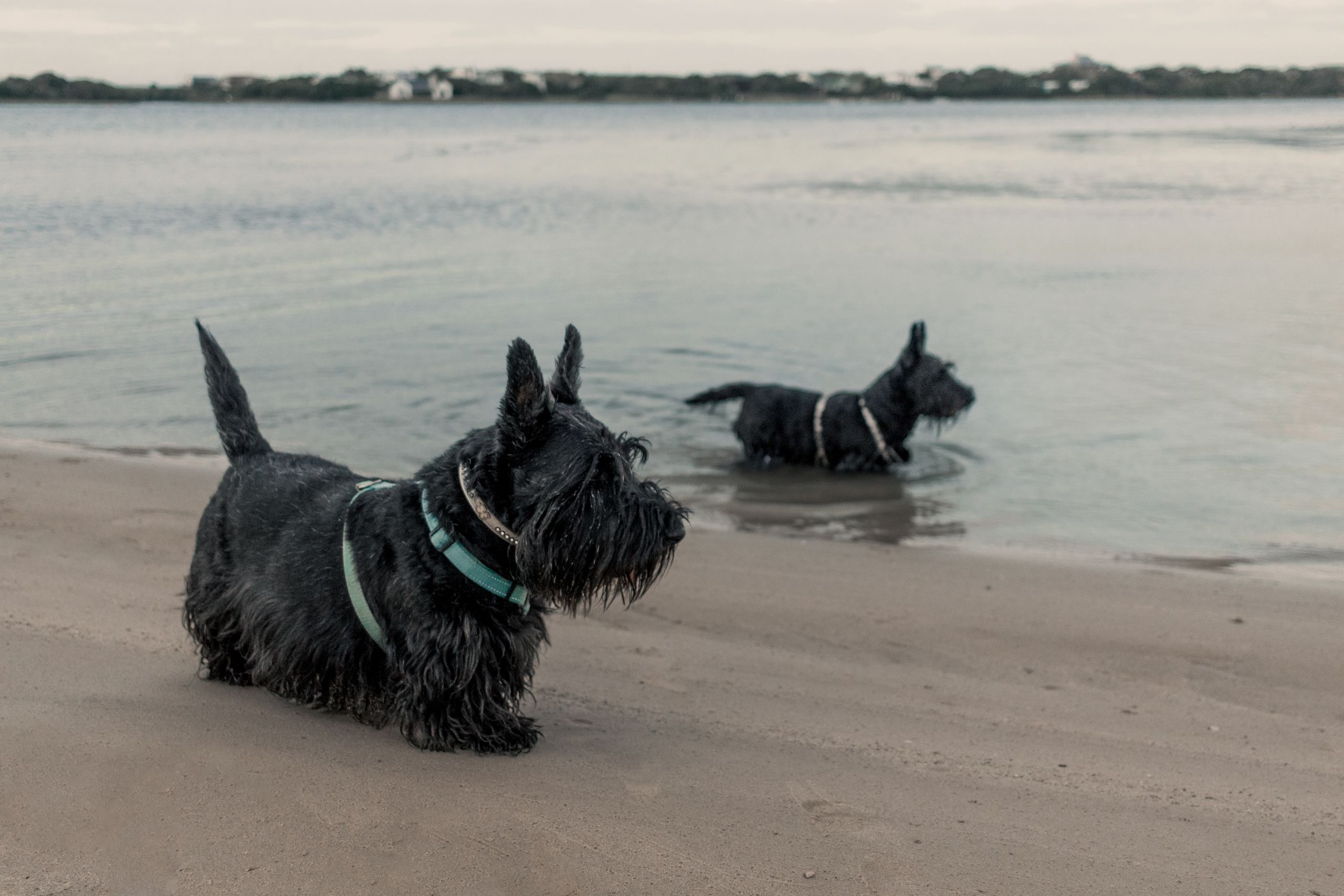
A brisk walk of 45 minutes to an hour, with time to sniff and investigate, suits the breed, plus a short game or some digging in a permitted place. Scotties are not marathon dogs, but they are tough little terriers and enjoy a proper outing, wet weather included. A coat that sheds water and a low centre of gravity make rain no obstacle.
Keep the dog on a lead near wildlife or traffic. The hunting instinct that sent the breed to ground is still active, and a Scottie that has picked up a scent can ignore a recall. Scent games at home, such as hiding treats in a snuffle mat or around the flat, give useful mental exercise on days when the weather is miserable or time is short.
Training
Scotties are highly intelligent, and they decide whether an instruction is worth following. Keep training short, varied and rewarding, and accept a little independence. Harsh handling does not work: a Scottie will simply dig in, and a dog that feels bullied may become wary of the person doing it. Food rewards, brief sessions and calm consistency produce the best results.
Teach a reliable recall early, but expect the terrier to follow a scent when it likes, so use a long line while the habit is forming. Socialise gently with dogs and people from the first weeks, because a young Scottie that is unsure may grow into a dog that is reactive. Practise being handled for grooming, since the beard and legs need regular attention.
Coat and grooming
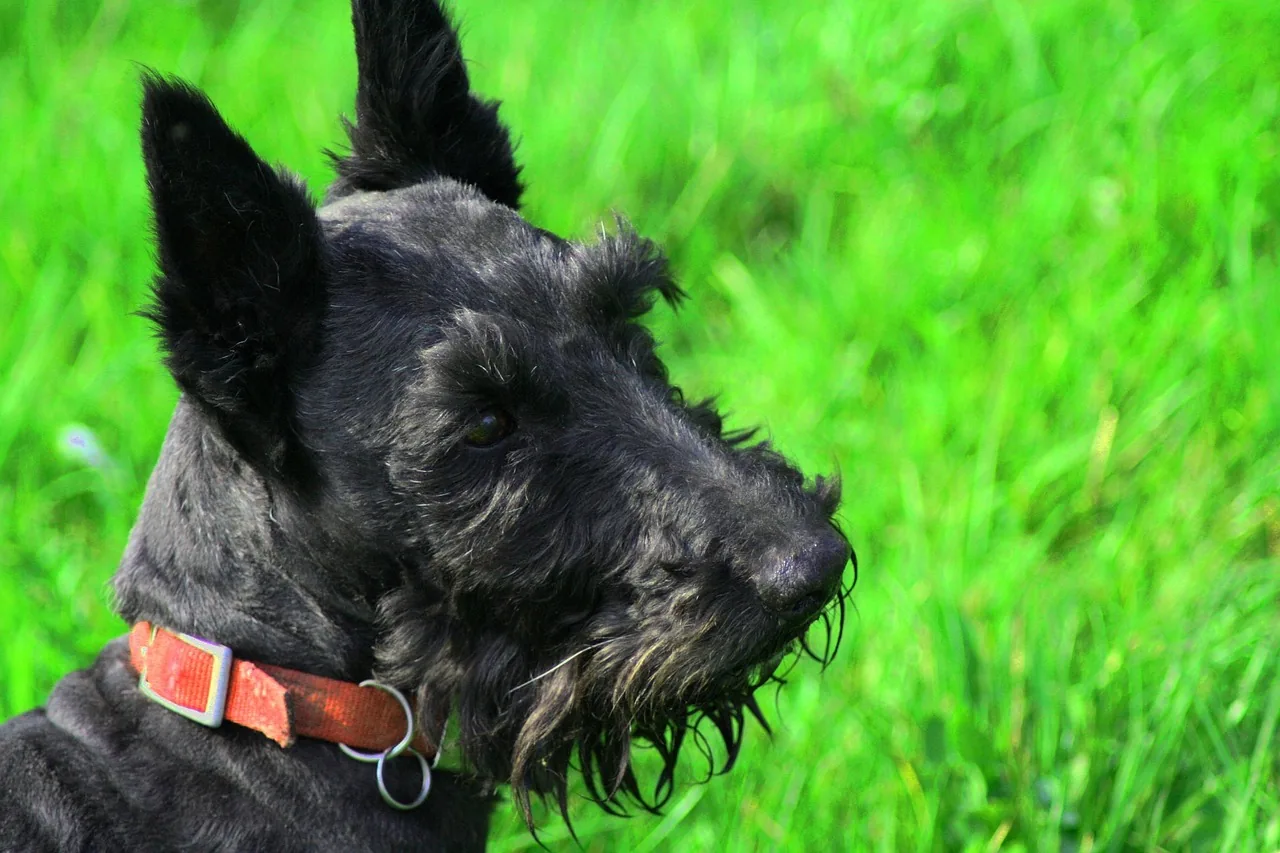
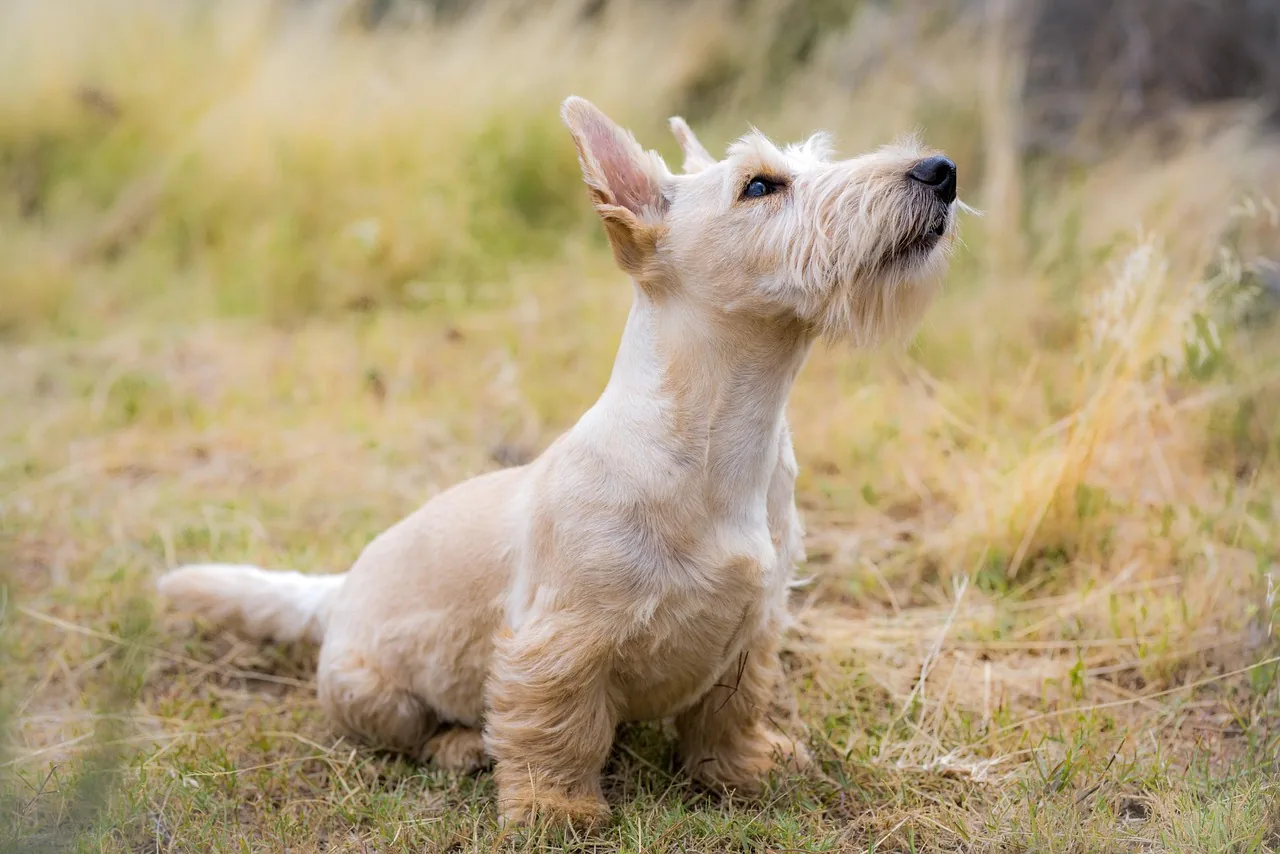
The FCI describes a close-lying double coat, with a short, dense, soft undercoat and a harsh, dense, wiry outer coat. Permitted colours are black, wheaten or brindle of any shade. Brush weekly and have the coat properly trimmed or hand-stripped every few months to keep its shape and texture. Shedding is light. The beard and leg furnishings collect dirt and water, so dry and comb them after wet walks.
Feeding and weight
Scotties gain weight easily, and with such short legs the extra load falls on the back and joints. Weigh the food, count treats in the daily allowance and check the waist regularly, because a Scottie in full coat can hide extra weight. Fresh water should always be available. Avoid feeding from the table, which this serious, patient dog is very good at inviting.
Work out a starting calorie figure and food weight with the calorie calculator. Not sure this is the right breed? Take the quiz.
Health
Every breed carries predispositions. These are the conditions most often discussed for the Scottish Terrier, not a prediction for any individual dog.
- Bladder cancer (transitional cell carcinoma), for which the breed is known to be at higher risk
- Scottie cramp (a movement disorder that comes on with excitement)
- Von Willebrand disease (a bleeding disorder)
- Craniomandibular osteopathy (a jaw bone condition in young dogs)
- Hypothyroidism (underactive thyroid)
What to ask the breeder. Ask whether bladder cancer, bleeding problems or cramp have occurred in the lines, how old relatives were when they died, and whether the parents were tested for von Willebrand disease.
Choosing a puppy
Ask about bladder cancer and longevity in the lines, and for von Willebrand testing. Meet the parents and look for a steady, confident temperament rather than a timid or sharp one. Start handling, grooming and gentle socialisation from the first weeks, and keep early walks varied, with new surfaces, people and calm dogs, so the independent streak develops into confidence.
In Luxembourg the national kennel club is the Fédération Cynologique Luxembourgeoise (FCL), a member of the FCI. Many owners also buy from breeders in Germany, France or Belgium; a puppy coming from another EU country must be microchipped and vaccinated against rabies, which in practice means it cannot travel before about fifteen weeks of age. Where to get a dog in Luxembourg.
The older Scottish Terrier
Because bladder cancer is more common in the breed, tell your vet if your dog strains to pass urine, passes blood or goes more often. Regular urine checks in older dogs are sensible. Keep the weight down and the walks regular, protect the back from jumping on and off furniture, and have teeth and thyroid levels checked as the years pass.
A realistic day
A realistic weekday for a working household in Luxembourg City, with a midday visit. Adjust it to your dog, not the other way round.
Brisk walk with plenty of sniffing time before work.
Breakfast, weighed out, and a quick towel dry of the beard.
Midday visit with a toilet break, a short walk and a scent game.
Longer walk in a park or woodland on the lead, with a game.
Final short walk, a comb through the beard and bed.
A Scottish Terrier in Luxembourg
A Scottish Terrier is an excellent flat dog for people who accept a serious, stubborn character. It is sturdy enough for long walks and small enough for lifts and stairs, and it is not given to constant barking. Some dislike other dogs on the lead, so choose quiet routes in the Pétrusse valley or Parc Merl at less busy times, and practise calm passing at a comfortable distance.
At weekends the Bambësch and Grünewald forests give satisfying walks with real scents, kept on a lead or long line because a Scottie in a woodland smell is hard to call back. Free buses and trams make car-free trips easy. In summer, with temperatures reaching the 30s, walk early and late and carry water. Wet November evenings suit the harsh coat, but towel the beard and legs afterwards.
Every dog in Luxembourg must be identified, declared to the commune and covered by liability insurance. How registration works.
When you travel
Scotties are loyal and can be wary of new people, so introduce the sitter before you leave and let the dog set the pace. Keep it on a lead outdoors, since it will chase a scent. Maintain mealtimes and walks, and ask the sitter to watch toilet habits, passing blood or frequent straining in particular, and to ring the vet at once if they see it.
PAWLY's holiday and overnight care takes place in your home, so your dog keeps its own bed and routine.
Myths and facts
MythScotties are cold and aloof.
FactThey are reserved with strangers but deeply attached to their own people, often with a dry sense of humour.
MythSmall terriers do not need much exercise.
FactThey need a proper walk and mental work every day, or they will invent their own entertainment, often at the expense of the sofa.
MythA Scottie is a Westie with a dark coat.
FactThey are separate breeds. The standard describes a distinct short-legged dog with its own proportions, a wiry black, wheaten or brindle coat and erect ears.
Is it the right dog for you?
Suits
- Flat-dwellers who enjoy a character
- Adults and older, calm children
- People who like an independent, dignified dog
- Owners who will keep up grooming and walks
Think twice if
- You have small pets
- You have toddlers at home
- You want an obedient, eager-to-please dog
- You will not keep up trimming and coat care
Questions owners ask
Does a Scottish Terrier shed?
Very little, but the wiry coat needs weekly brushing and a trim or hand-strip a few times a year. Without that, the coat loses shape and can mat in the beard and leg furnishings.
Is a Scottie a good first dog?
It can be for patient owners who have read about the breed. The independence and terrier instincts need understanding, and the dog does not enjoy rough handling, so early guidance from a good trainer helps.
Do Scottish Terriers bark a lot?
They are alert and will give notice of visitors, but they are not usually yappy. Teach calm greetings early, and a Scottie settles quickly once it has judged the situation.
What colours are Scottish Terriers?
The FCI standard permits black, wheaten or brindle of any shade. Black is the best known, but wheaten and brindle dogs are just as correct and have the same coat texture.
Sources
Photo: Pexels (Pexels License) · Photo: obsidianphotography / Pixabay (Pixabay Content License) · Photo: Henry_Bell / Pixabay (Pixabay Content License) · Photo: Pexels (Pexels License) · Photo: LaresaPerlman / Pixabay (Pixabay Content License)
General information for dog owners in Luxembourg, not veterinary or legal advice. Official facts (origin, size, group, history and temperament as described by the breed standard) follow the FCI standard; health and care sections reflect breed-club and veterinary guidance and are typical ranges rather than rules. For your own dog, ask your vet, the breed club or your commune. How this guide is written and checked. Last reviewed 8 October 2026.
Need someone for your Scottish Terrier?
PAWLY offers an individual 45-minute walk or a home visit at your dog's pace, the same walker every time, and a written report with photos after every visit, across Luxembourg City.
Read next: the journal, for the Scottish Terrier
All articles
The front door: barking, deliveries and escapes
A watchful breed reacts at the door; this is how to manage it.

Grooming and coat care through the Luxembourg year
The Scottish Terrier has a coat that needs a routine that holds through the Luxembourg seasons.

Barking in an apartment: six causes, six different answers
Terriers are quick to sound the alarm; this sorts out the causes and the answers.
Similar breeds
All 198 breeds
Cairn Terrier
A small, scruffy Highland terrier, bred to bolt foxes from the rocks and still cheerful, busy and unimpressed by its size.
EnergyGroomingFlat life
West Highland White Terrier
A cheerful, confident little Scottish terrier, white by design, with a big opinion of itself and a worker's stamina.
EnergyGroomingFlat life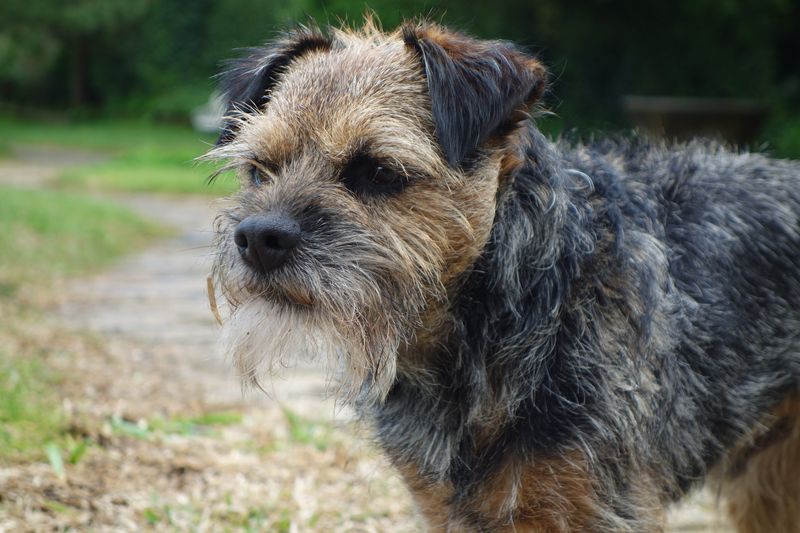
Border Terrier
The terrier for people who find terriers too much: tough, cheerful and easy-going.
EnergyGroomingFlat life

