


History
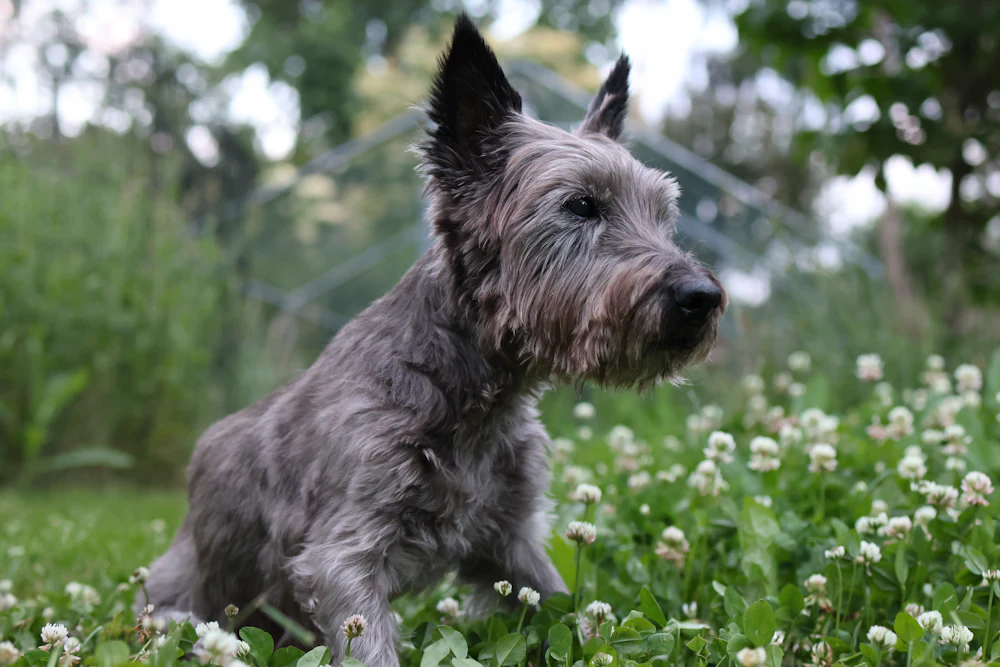
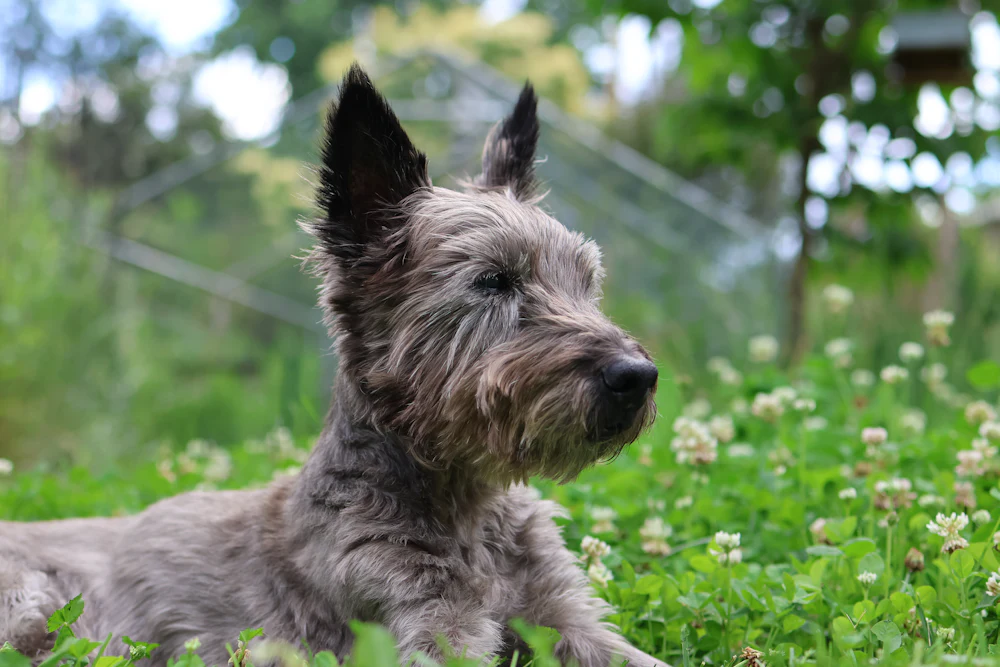
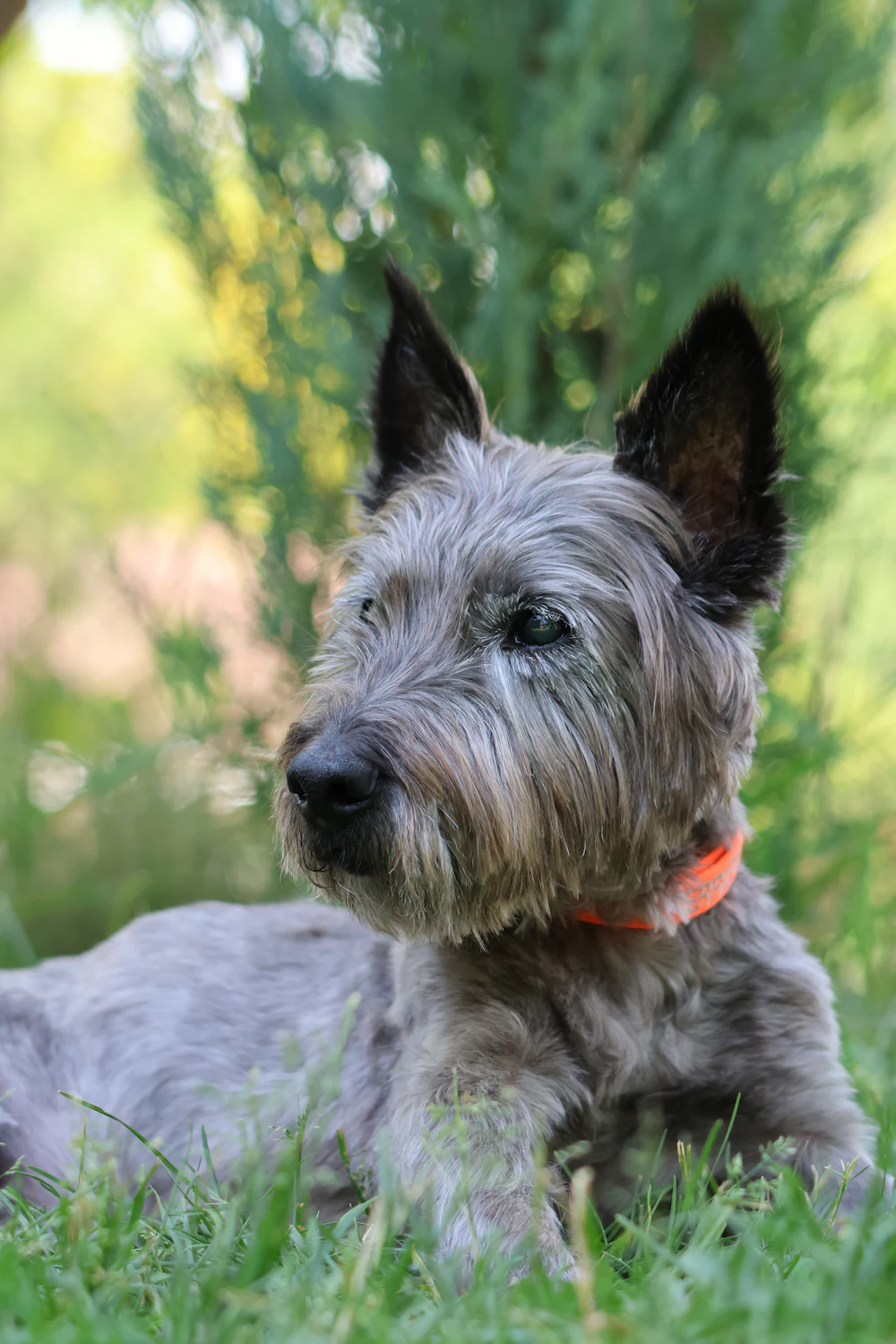
The Cairn Terrier is a Scottish working terrier, and the FCI lists it in Group 3, Section 2, Small-sized Terriers, with the standard dated 24.06.1987. The standard does not give a history, but the picture it paints is plain: a small, agile, alert dog of workmanlike, natural appearance, with strong hindquarters and deep ribs, moving freely and without fuss. It is a dog built to work among rocks and cairns, and the shape follows the job.
The standard asks for a dog standing about 28 to 31 cm at the withers, ideally weighing 6 to 7.5 kg, which is small enough to fit under a seat and sturdy enough to go on a day's hike. It also asks for a fearless, cheerful disposition, assertive but not aggressive. Judges are told to penalise faults according to their effect on health and welfare, and aggression, excessive shyness or obvious abnormality are disqualifying. The look is meant to be natural, never trimmed into a sculpture.
Temperament
The standard calls the Cairn active, game and hardy, fearless and cheerful, assertive without aggression. Owners will add busy, curious and funny. A Cairn goes through the day as if everything is its business: it investigates every corner of the park, announces visitors and attacks a squeaky toy with enormous seriousness. It is an adaptable, upbeat dog that tends to attach itself to the whole family.
Terrier traits remain. A Cairn digs, barks when excited and will chase whatever moves, so recall needs real work. It can be stubborn, and it is quick to take advantage of inconsistency. It is a dog that wants company, however, and one left alone for long stretches often becomes noisy or destructive. With a calm routine, a good walk and a task to do, it is an easy, good-humoured, resilient companion.
Children and other pets
Cairns are usually cheerful and robust with children who are gentle and respectful, and they enjoy games. They do not enjoy teasing and may snap if cornered, so supervise young children and teach them how to handle a small dog. With other dogs they are usually sociable but quick to stand their ground. The terrier chase instinct is strong, so cats and small pets in the household need careful introduction, and rabbits or hamsters are a bad idea.
Exercise and the daily walk
About an hour a day suits an adult Cairn, split between walks and play. It is a sturdy little dog that enjoys a long ramble as much as a game of fetch, and it will happily keep going well beyond an hour if the route is interesting. Sniffing, digging in a permitted spot and exploring woodland suit its nature.
Safe off-lead time is valuable but should be earned with recall. A Cairn that finds a scent can vanish into a hedge, so a long line is a good tool while training. On rainy days, games with a ball, hide-and-seek treats or a few minutes of trick training keep it satisfied. The coat copes with wet and cold, but it will need a towel afterwards.
Training
Cairns are intelligent and eager to please, though they will also test limits. Keep training positive, short and varied, with food or toy rewards, and be consistent about rules. Repetition bores them and harsh handling makes them stubborn. Teach basics early: sit, down, leave, a reliable recall and loose-lead walking. Reward calm behaviour as well as activity, so that the dog learns to settle.
Socialise the puppy widely to people, traffic, lifts, other dogs and household noises. Terriers are inclined to bark, so teach a quiet cue and reward silence rather than shouting. Give the dog an acceptable digging place or puzzle toys to use its natural drive. Practise short separations early, so the dog learns that being alone is normal and that you will return.
Coat and grooming
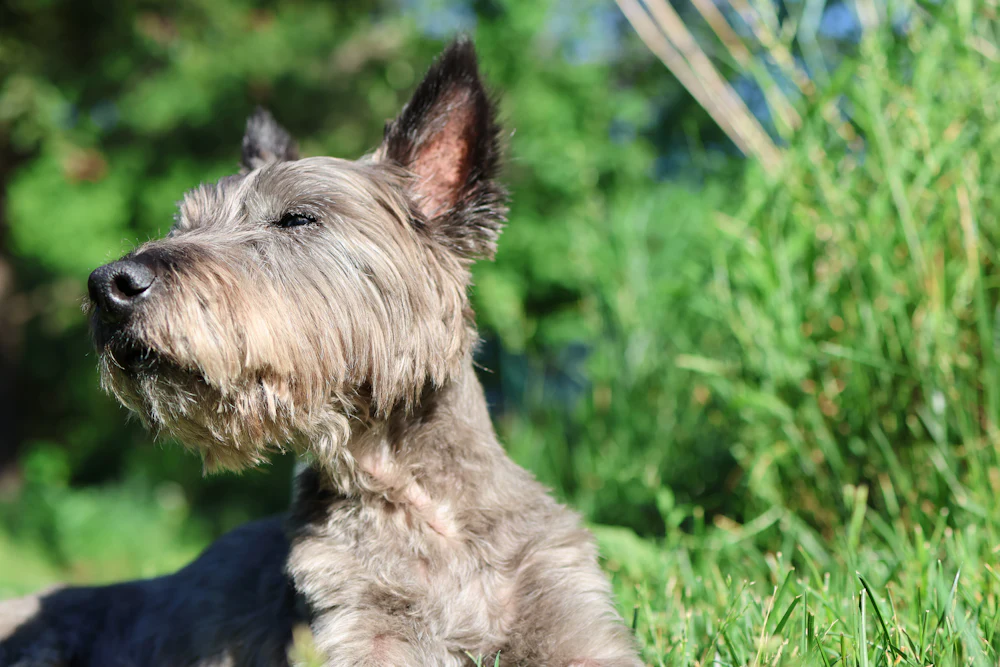
The Cairn has a weather-resistant double coat: a profuse, harsh but not coarse outer coat over a soft undercoat. The standard permits cream, wheaten, red, grey or nearly black, with possible brindling, and dark ears and muzzle are typical. Brush weekly and remove dead hair by hand-stripping a couple of times a year to keep the texture. Shedding is light. Clipping softens the coat and changes its colour, so ask a groomer who knows terriers.
Feeding and weight
Feed a good-quality diet in measured portions, usually two meals a day. Cairns can be keen eaters and put on weight quickly, which strains the back and joints, so keep treats limited and count them in the daily allowance. Watch for skin itching or digestive upset, which can point to food sensitivities, and speak to your vet. Fresh water should always be available, and food puzzles can slow eating.
Work out a starting calorie figure and food weight with the calorie calculator. Not sure this is the right breed? Take the quiz.
Health
Every breed carries predispositions. These are the conditions most often discussed for the Cairn Terrier, not a prediction for any individual dog.
- Patellar luxation (a slipping kneecap)
- Skin allergies and itching
- Legg-Calvé-Perthes disease, a hip joint condition of young dogs
- Liver shunts (portosystemic shunt) in puppies
- Obesity
What to ask the breeder. Ask for evidence of knee checks and a clean liver bile acid test where relevant in the line, and ask how the puppies were raised and socialised.
Choosing a puppy
Choose a breeder who health-checks the parents and raises puppies in the home. A Cairn puppy is bold, inquisitive and busy, so puppy-proof the flat and offer plenty of chews. Begin socialisation, short training sessions and brief practice at being alone straight away. Feed measured meals, keep exercise gentle while the bones develop and begin brushing and handling early, which makes grooming easier for life.
In Luxembourg the national kennel club is the Fédération Cynologique Luxembourgeoise (FCL), a member of the FCI. Many owners also buy from breeders in Germany, France or Belgium; a puppy coming from another EU country must be microchipped and vaccinated against rabies, which in practice means it cannot travel before about fifteen weeks of age. Where to get a dog in Luxembourg.
The older Cairn Terrier
Cairns often stay active into old age and many live to 15. With time, expect some stiffness, graying around the muzzle and a slower pace. Keep the dog lean, shorten the walks rather than stopping them, and provide a warm, supportive bed. Check teeth, skin and joints regularly, and see the vet for coughing, weight change or any lump. Mental games keep an older terrier bright.
A realistic day
A realistic weekday for a working household in Luxembourg City, with a midday visit. Adjust it to your dog, not the other way round.
A brisk walk with plenty of sniffing, and a little recall practice.
Breakfast, a rub down with a towel if it is wet, and a chew toy.
Midday visit: a toilet break, fresh water, and a game in the garden or park.
A longer walk in the woods or park, with off-lead time on a long line.
A short final walk and a quiet evening by your feet.
A Cairn Terrier in Luxembourg
A Cairn is one of the easiest breeds for Luxembourg flat life. It is small enough for a lift, content to be carried on a bus or tram, and sturdy enough to enjoy an afternoon in the forest. Its voice is the main issue in a shared building, so teach quiet early and avoid long periods alone. A midday visit makes a big difference for a busy owner.
The weather-resistant coat copes with damp Luxembourg winters, though a towel by the door is wise. In summer, when temperatures reach the 30s, walk early and late and offer shade and water. The Pétrusse valley, Parc Merl and the Municipal Park suit short outings, while the Bambësch and Grünewald forests give a Cairn the scent trails and rough ground it loves. Every dog must be microchipped, declared to the commune and insured, and the commune charges an annual dog tax.
Every dog in Luxembourg must be identified, declared to the commune and covered by liability insurance. How registration works.
When you travel
Give the sitter a written routine for feeding, walks and toilet times. Cairns are good diggers and escape artists, so check fences and gates and use a secure harness and lead outdoors. Warn about the chase instinct, and about barking when bored. Leave toys, chews and an item that smells of you, and have a sitter who will play with the dog and give it company.
PAWLY's holiday and overnight care takes place in your home, so your dog keeps its own bed and routine.
Myths and facts
MythCairns are the same as West Highland White Terriers.
FactThey are related terriers with different standards. The Cairn comes in cream, wheaten, red, grey or nearly black, and the Westie is always white.
MythA small terrier does not need much exercise.
FactA Cairn is a working dog in a small body and needs around an hour of walking and play every day.
MythTerriers cannot be trained.
FactCairns are intelligent and eager to please, though stubborn. Short, rewarding sessions work well, with consistency.
Is it the right dog for you?
Suits
- First-time owners ready to train
- Flat dwellers wanting a small, hardy dog
- Active people who like country walks
- Families with considerate older children
Think twice if
- You dislike barking or digging
- You have rabbits or other small pets
- You are away from home for long days
Questions owners ask
Does a Cairn Terrier shed?
Lightly. The harsh outer coat holds loose hair, so a weekly brush and hand-stripping a couple of times a year keep it tidy. Clipping can soften the coat, so ask a groomer who knows terriers.
How big is a Cairn Terrier?
The FCI standard gives about 28 to 31 cm at the withers and an ideal weight of 6 to 7.5 kg. It is a compact, sturdy dog. It is a sturdy dog for its size, and a brisk, curious walker.
Is a Cairn Terrier good for first-time owners?
Often yes, as it is adaptable and cheerful. It is, however, a terrier, with a mind of its own, and it needs early training, a reliable recall and patience. Reward calm behaviour from the start and attend a puppy class.
Can a Cairn Terrier be left alone?
For a few hours once trained, but a bored Cairn will bark or dig. Build up absences gradually and arrange a midday visit if your working day is long. A walker's visit at midday keeps the day shorter for the dog.
Sources
Photo: Unsplash (Unsplash License) · Photo: Unsplash (Unsplash License) · Photo: Unsplash (Unsplash License) · Photo: Unsplash (Unsplash License) · Photo: Unsplash (Unsplash License)
General information for dog owners in Luxembourg, not veterinary or legal advice. Official facts (origin, size, group, history and temperament as described by the breed standard) follow the FCI standard; health and care sections reflect breed-club and veterinary guidance and are typical ranges rather than rules. For your own dog, ask your vet, the breed club or your commune. How this guide is written and checked. Last reviewed 8 October 2026.
Need someone for your Cairn Terrier?
PAWLY offers an individual 45-minute walk or a home visit at your dog's pace, the same walker every time, and a written report with photos after every visit, across Luxembourg City.
Read next: the journal, for the Cairn Terrier
All articles
The itchy dog: working through it in the right order
Skin trouble is among the conditions discussed for the Cairn Terrier; this is the order to work through it.

Barking in an apartment: six causes, six different answers
Terriers are quick to sound the alarm; this sorts out the causes and the answers.

Dogs and cats in the same flat
The Cairn Terrier can see small animals as prey; this covers living with a cat in a flat.
Similar breeds
All 198 breeds
West Highland White Terrier
A cheerful, confident little Scottish terrier, white by design, with a big opinion of itself and a worker's stamina.
EnergyGroomingFlat life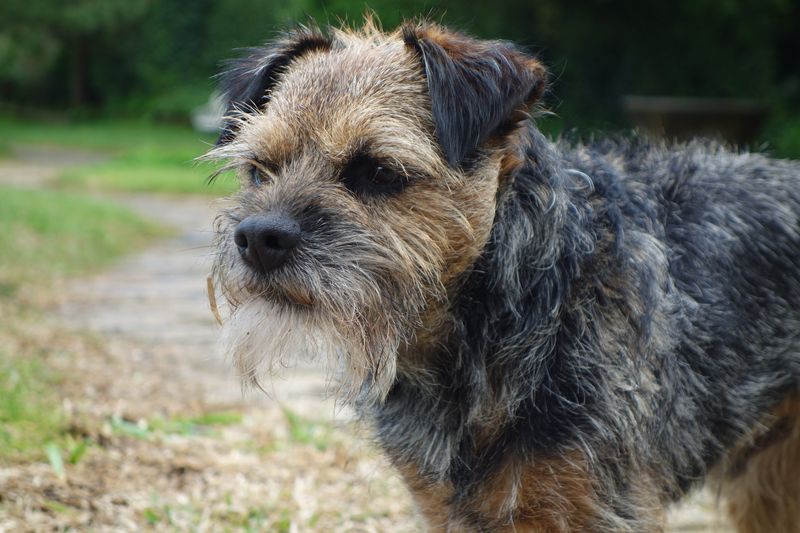
Border Terrier
The terrier for people who find terriers too much: tough, cheerful and easy-going.
EnergyGroomingFlat life
Wire Fox Terrier
Bright-eyed and permanently on tiptoe, a small working terrier with a big opinion of itself and a remarkable talent for entertaining a household.
EnergyGroomingFlat life

