


History
The FCI places the Pug's origin in China, noting that snub-nosed dogs have always been in favour in the Orient. Dutch traders brought the breed to Europe during the sixteenth century, and it became particularly celebrated in the Netherlands. A well-known story links the Pug to the Dutch House of Orange and the year 1572, though like many such tales it is better treated as tradition than as proof.
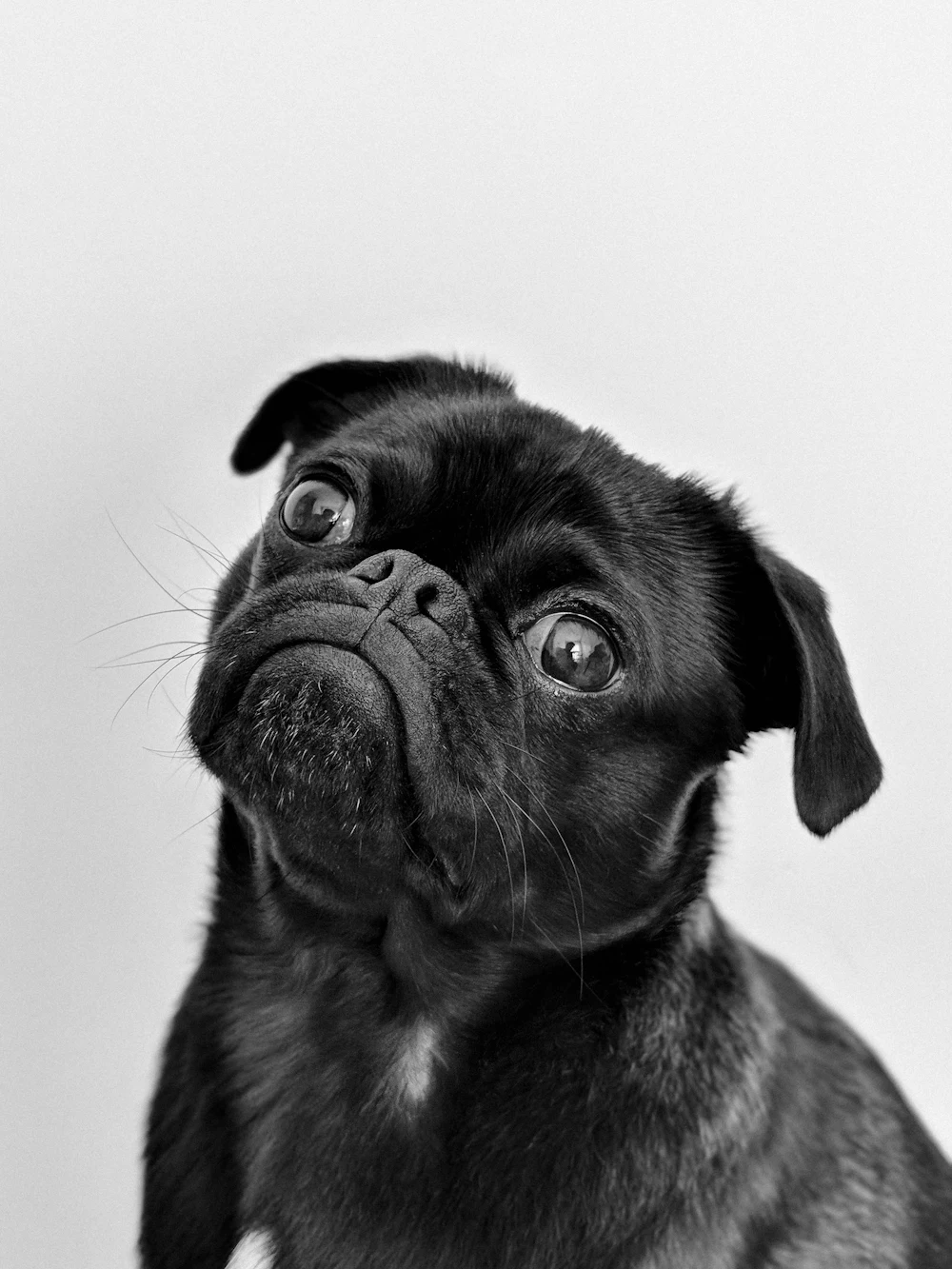
The breed reached England in the reign of William III, and it found a lasting home there, which is why the standard is published under British patronage. For a long time Pugs were seen only in fawn. That changed in 1877, when a black pair was introduced from the Orient, and the FCI standard still permits silver, apricot, fawn and black today. The breed has remained what it was bred to be for centuries: a companion, with no working role to fall back on.
Temperament
The FCI describes the Pug as a dog of great charm, dignity and intelligence, with an even-tempered, happy and lively disposition. Most owners would add stubbornness and comedy. A Pug will follow you from the kitchen to the bathroom, lean against your ankles while you work, and snore beside you in the evening. It wants company far more than it wants a job, and it rarely sulks for long.
They are sociable with visitors, other dogs and most cats, and seldom show the sharpness that some small breeds do. The standard treats aggression and excessive shyness as faults that disqualify, so a well-bred Pug should be steady. Their charm can be a trap, though: the big eyes get them extra food, extra sofa space and exemptions from rules. The sensible owner treats a Pug as a dog with a short attention span and a long memory for who gives in.
Children and other pets
Pugs are sturdy for their size and usually good with children, tolerating a surprising amount of attention with good humour. They are not built for rough games, and their flat faces and prominent eyes are easily injured, so children should be taught to play gently and never to pull or squeeze. Most Pugs get on well with other dogs and cats. Because they overheat easily, keep games calm in warm weather and make sure a child never chases a Pug until it is out of breath.
Exercise and the daily walk
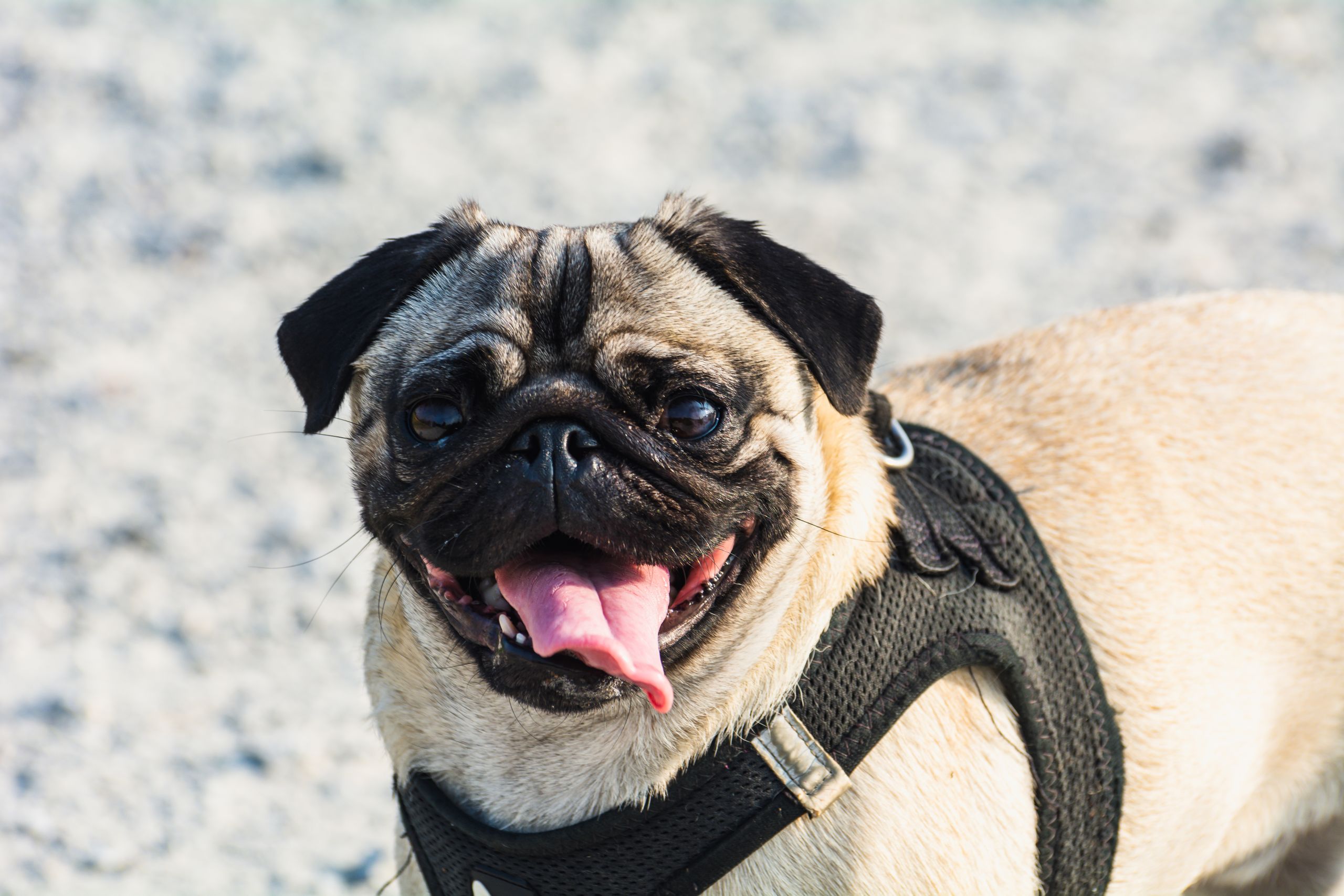
A healthy Pug needs between 30 and 60 minutes of gentle activity a day, ideally split into two or three short outings. The flat face limits how efficiently the dog can cool itself, so brisk walking, hills and anything in warm weather should be approached with caution. A harness is kinder than a collar on the neck. Watch the breathing: noisy, laboured or open mouth panting means stop and rest immediately.
Indoors, a few minutes of sniffing games, hidden treats and gentle tugging do a great deal to burn energy and prevent weight gain. Pugs enjoy company on walks as much as the distance, so a slow stroll with sniffing stops suits them. Avoid exercise straight after meals and on hot days. A Pug that is happily panting in the shade is fine; one that struggles for breath after a short effort needs a vet's assessment.
Training
Pugs are bright and eager to please, but they are also willing to negotiate. Food is the most powerful reward, which is exactly why you must count it against the daily ration. Keep sessions short and cheerful, use small pieces of food and plenty of praise, and do not rely on harsh words; a sensitive Pug tends to switch off rather than comply.
House training can take patience, as some Pugs dislike going out in cold or wet weather, and a small dog's accidents are easy to miss. Reward every success outside and be consistent. Teach a reliable recall and a calm greeting while the dog is young. Start gentle handling of the face, folds and paws from the first weeks, so cleaning and vet checks later are easy rather than a struggle.
Coat and grooming
The Pug's coat is short, fine, smooth, soft and glossy, neither harsh nor woolly. The FCI permits silver, apricot, fawn or black, each with clearly defined markings. Do not be fooled by the short hair: Pugs shed steadily all year, and more heavily in some seasons. A weekly brush with a rubber mitt removes loose hair. The facial wrinkles need wiping every few days and drying thoroughly, since trapped moisture leads to sore, smelly skin. Trim nails regularly.
Feeding and weight
Pugs are keen eaters and put on weight easily, and extra kilos make breathing and heat tolerance worse. Measure meals, feed a good complete diet suited to a small, compact dog, and use part of the daily ration for training treats. Slow feeder bowls help dogs that gulp. Avoid table scraps and free feeding. Check body condition every month: you should feel the ribs under a light covering, and see a waist from above.
Work out a starting calorie figure and food weight with the calorie calculator. Not sure this is the right breed? Take the quiz.
Health
Every breed carries predispositions. These are the conditions most often discussed for the Pug, not a prediction for any individual dog.
- Brachycephalic obstructive airway syndrome
- Eye problems: proptosis, ulcers, pigmentary keratitis
- Pug dog encephalitis
- Obesity
- Spinal malformations
- Skin fold infections
What to ask the breeder. Choose a puppy from parents with open nostrils and good respiratory function grading where available. An eye examination for the parents.
Choosing a puppy
Visit the breeder and look at the parents as well as the puppies. Choose parents with open nostrils, comfortable breathing at rest and after a short walk, clear eyes and clean skin folds. Ask about respiratory assessment and eye examinations. A puppy that snorts loudly, struggles to eat or shows wet, sore eyes is a warning sign. Pug puppies are playful but easily overheated, so keep early exercise short and introduce harness, grooming and being alone gradually.
In Luxembourg the national kennel club is the Fédération Cynologique Luxembourgeoise (FCL), a member of the FCI. Many owners also buy from breeders in Germany, France or Belgium; a puppy coming from another EU country must be microchipped and vaccinated against rabies, which in practice means it cannot travel before about fifteen weeks of age. Where to get a dog in Luxembourg.
The older Pug
Pugs usually become heavier, slower and sleepier with age, which makes weight control more important than ever. Dental disease is common in small flat-faced breeds, so brush teeth and ask the vet for regular checks. Keep an eye on eyes, skin folds and breathing, and report any wobbliness or change in hind leg strength. Gentle daily walks, non-slip floors and a supportive bed help a senior Pug stay comfortable.
A realistic day
A realistic weekday for a working household in Luxembourg City, with a midday visit. Adjust it to your dog, not the other way round.
Short walk for toilet and sniffing, then fresh water.
Measured breakfast, then wipe the facial folds.
Midday visit from a walker: toilet break, a gentle stroll and a game indoors.
Evening walk of 20 to 30 minutes in the park, with water, kept in the shade in summer.
Last toilet trip, a few minutes of play and bed in a cool room.
A Pug in Luxembourg
Pugs suit city life well. A flat with a lift is easy for a dog that needs only short walks, and the Pétrusse valley, Parc Merl and Kinnekswiss give plenty of gentle, level strolls. Buses and trams are free nationwide, so a small dog can come along on outings. Winter is easy, but summer is not: when temperatures reach the 30s, walk very early or late, carry water, and keep the dog in cool rooms and away from hot pavements.
Every dog in Luxembourg must be identified by microchip, declared to the commune and covered by third-party liability insurance, and the commune charges an annual dog tax. Pugs are friendly neighbours and rarely noisy apart from snoring, but they do gain weight on sedentary days, so build in a midday visit. The Bambësch and Grünewald forests are lovely for weekend outings, though shaded paths in cooler months are better for this breed than exposed ones.
Every dog in Luxembourg must be identified, declared to the commune and covered by liability insurance. How registration works.
When you travel
Pugs miss their people and do best when someone is present. A sitter should keep to the regular feeding and walking routine, measure every meal, and never leave the dog in a hot room or parked car. Show the sitter how to clean the facial folds and how normal breathing sounds, so they can spot trouble. Leave the vet's number and a note that treats come out of the daily food allowance.
PAWLY's holiday and overnight care takes place in your home, so your dog keeps its own bed and routine.
Myths and facts
MythA Pug's snoring and snorting is just character.
FactNoisy breathing can signal airway problems. Some noise is common, but laboured breathing, collapse or exercise intolerance needs a vet.
MythPugs need very little exercise.
FactThey need less than many breeds, but gentle daily activity keeps weight down and the mind busy. A bored, overweight Pug is not a happy one.
MythA small dog makes a robust, easy first dog.
FactPugs are friendly, but the flat face brings real health limits. Heat, weight and breathing need constant attention.
Is it the right dog for you?
Suits
- First time owners who can commit to care
- People who work from home or visit midday
- Gentle households with older children
- Owners who enjoy a sociable shadow
Think twice if
- You want a running or hiking companion
- You live somewhere without cool rooms in summer
- You cannot control feeding and treats
- You dislike snoring, snorting or skin fold cleaning
Questions owners ask
Are Pugs healthy dogs?
They have genuine health limits. The flat face can cause breathing difficulty, and the prominent eyes are prone to injury. Choose parents with good respiratory function, keep the dog lean and discuss concerns with your vet early.
How hot is too hot for a Pug?
Pugs cope poorly with heat, and trouble can start well below the temperatures that bother other dogs. In Luxembourg's summers, walk early or late, offer water, and keep the dog indoors in the heat of the day.
Do Pugs shed a lot?
Yes. The short coat sheds all year, and heavier periods are common. A weekly brush with a rubber mitt or soft brush keeps hair under control, and a vacuum becomes a household staple.
Can a Pug be left alone during the workday?
A Pug usually dislikes long solitude. Many cope with a few hours if exercised first and given chews, but a midday visit from a walker or sitter makes life easier for them, and helps prevent boredom, barking or accidents.
Sources
Photo: Unsplash (Unsplash License) · Photo: Unsplash (Unsplash License) · Photo: Pexels (Pexels License) · Photo: Unsplash (Unsplash License) · Photo: Unsplash (Unsplash License)
General information for dog owners in Luxembourg, not veterinary or legal advice. Official facts (origin, size, group, history and temperament as described by the breed standard) follow the FCI standard; health and care sections reflect breed-club and veterinary guidance and are typical ranges rather than rules. For your own dog, ask your vet, the breed club or your commune. How this guide is written and checked. Last reviewed 8 October 2026.
Need someone for your Pug?
PAWLY offers an individual 45-minute walk or a home visit at your dog's pace, the same walker every time, and a written report with photos after every visit, across Luxembourg City.
Read next: the journal, for the Pug
All articles
Dogs in hot weather: the Luxembourg summer guide
Flat-faced and short-nosed breeds like the Pug overheat quickly, which matters in a Luxembourg summer.

Getting weight off a dog, and keeping it off
Weight is a recurring issue for the Pug; this is how to take it off and keep it off.

Long-backed breeds, stairs and the spine
A long back makes stairs matter more than most owners think.
Similar breeds
All 198 breeds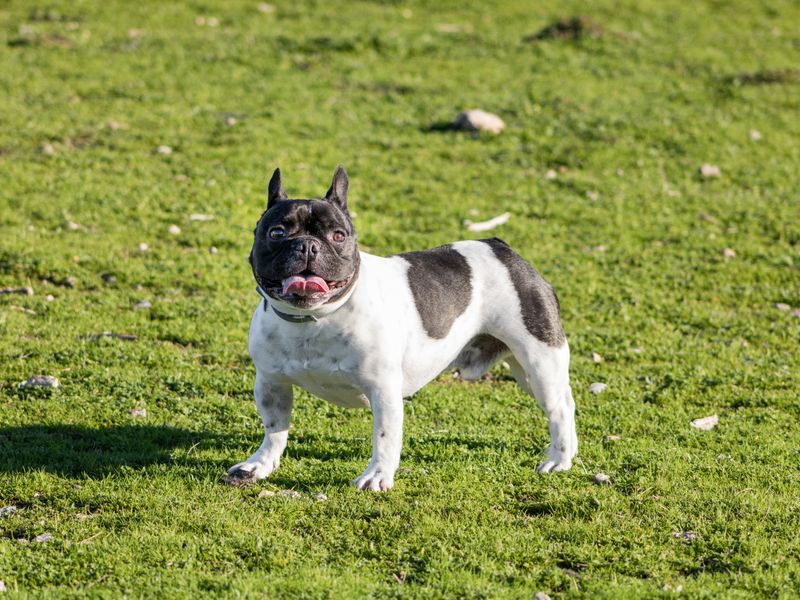
French Bulldog
Charming, funny and made for apartment life, with health limitations every owner must know before buying.
EnergyGroomingFlat life
Boston Terrier
The American Gentleman: friendly, lively and tidy in its black and white tuxedo.
EnergyGroomingFlat life
Pekingese
The Chinese palace lion dog: dignified, stubborn, devoted, and much sturdier in spirit than in size.
EnergyGroomingFlat life

