History
The Bouvier des Flandres is a farm dog from Flanders, on both sides of the modern Belgian and French border, and the FCI names Belgium and France jointly as its origin. The standard explains that the cowmen and drovers of Flanders, needing good dogs to drive their herds, chose from the local dogs only those with the right physical and behavioural qualities. It sits in Group 1, Section 2, among cattle dogs, and the standard is dated 25 October 2000.
Originally the dogs drove cattle, guarded farms and pulled small carts. The First World War devastated the population, and the breed was rebuilt afterwards from surviving dogs. The FCI says that nowadays the Bouvier is used above all as a guard dog for estate and farm, and as a defence and police dog, with aptitude for tracking and messenger work. That mix of working roles has left a dog that is serious, capable and happiest with a job.
Temperament
The standard describes the calm, thoughtful character of a sensible but fearless dog, with a lively look that shows intelligence, energy and audacity. The balance is the point: a good Bouvier is steady rather than excitable, and watches before it acts. It is devoted to its family, often reserved with strangers and naturally protective of home and household, which is useful in a farm dog and demanding in a city one.
That guarding instinct needs careful handling. Well socialised dogs learn to accept visitors, courier deliveries and neighbours in the corridor, while poorly socialised ones may become suspicious or over protective. Bouviers are sensitive underneath the beard and respond badly to harshness. They mature slowly, and the adolescent phase needs patience and firm, fair handling.
Children and other pets
A well bred, well socialised Bouvier is loyal and patient with its own family and often gentle with children it has grown up with. Its size and protectiveness mean that supervision is essential, and visiting children running and shouting around the dog can cause misunderstandings. Many get on with other pets raised alongside them, but same sex dogs and unfamiliar small animals need careful introductions. Families should expect a guardian, not a social butterfly.
Exercise and the daily walk
An adult needs about an hour and a half a day, split between a long walk and active time. The breed was built for work, so it enjoys purposeful outings in the Grünewald or Bambësch more than a quick lap on a pavement. Many Bouviers enjoy tracking, obedience, agility and scent work, and the best of them are calm in the house once they have had their outing.
Avoid hard exercise just after meals, because the deep chest carries a bloat risk, and avoid overdoing it with a young dog whose joints are still growing. Mental work counts: tracking games, hiding objects and learning tricks tire the dog as much as distance, and a bored Bouvier may take up guarding the flat from imagined threats.
Training
Bouviers are clever and capable, but they have a mind of their own and a serious temperament. Start early with calm, consistent, reward based training, and build a solid foundation of recall, loose lead walking and polite greetings before the dog reaches full size. Heavy handed methods tend to produce resistance or a dog that stops trying.
Socialisation is the single most important task. Expose the puppy to lifts, trams, crowded pavements, cafes and strangers in a relaxed way, and keep going through adolescence. A guard minded breed needs to learn that most people are not a problem. Many owners find that a structured class and a clear routine give the dog confidence and the owner control.
Coat and grooming
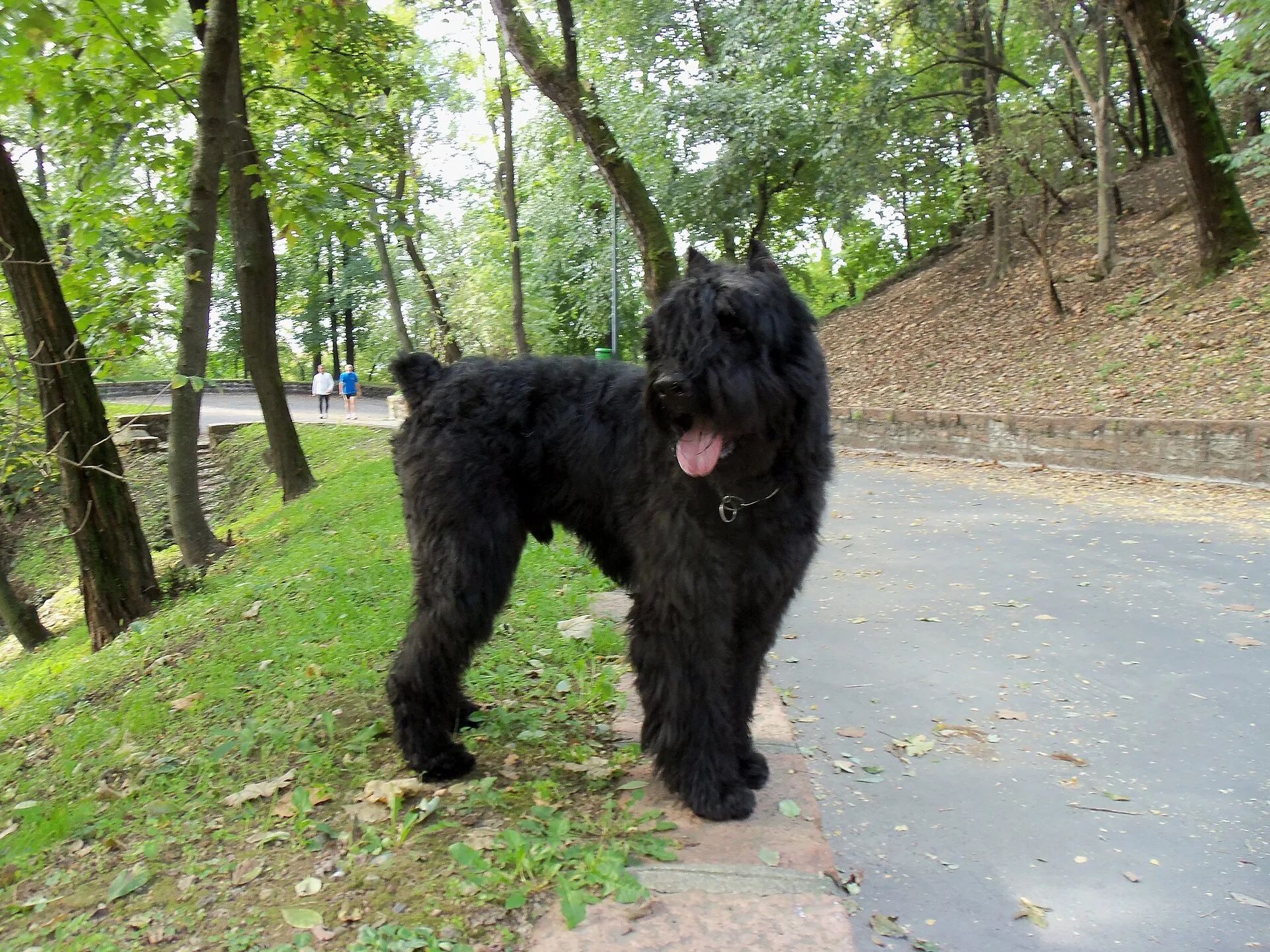
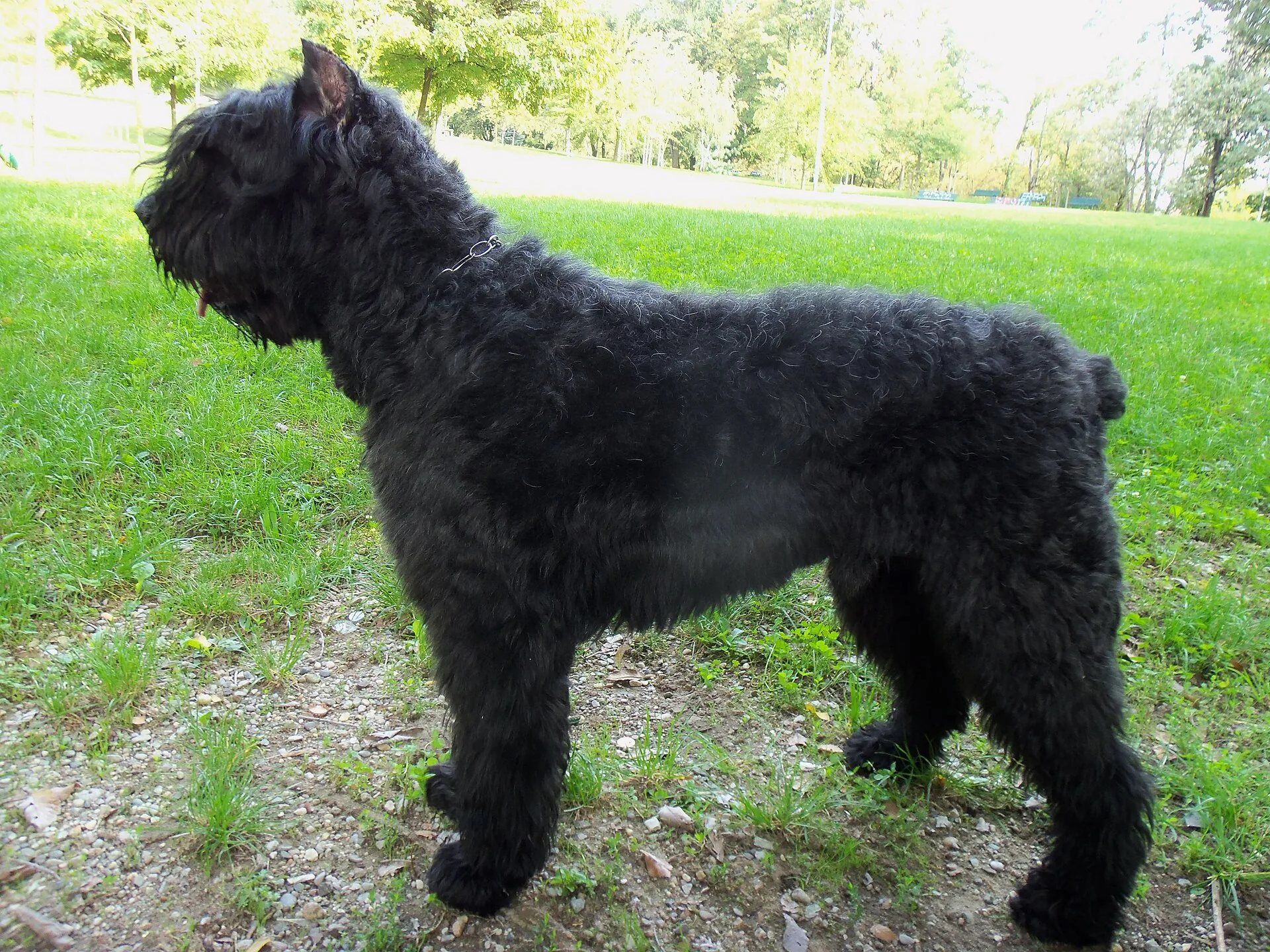
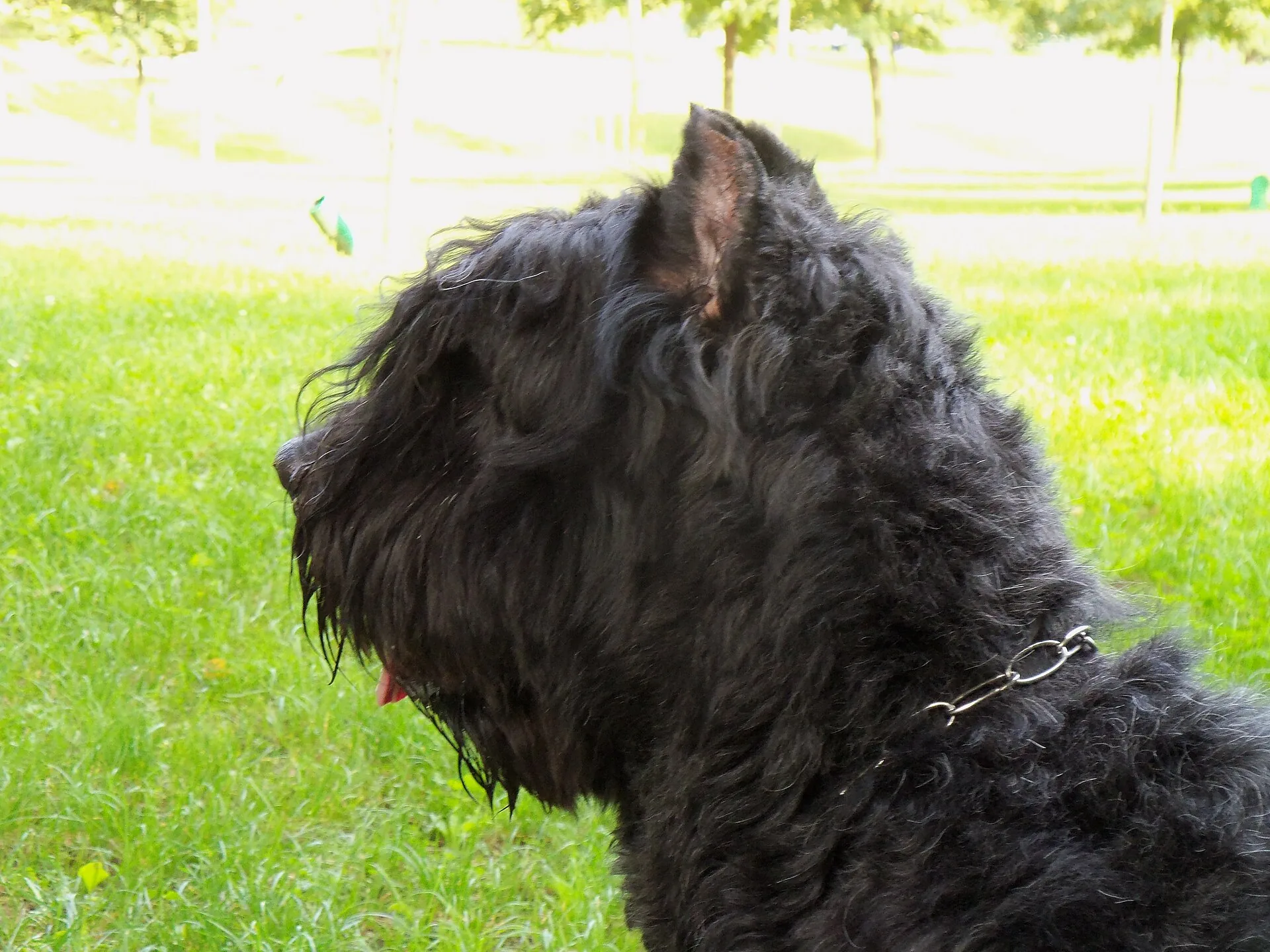
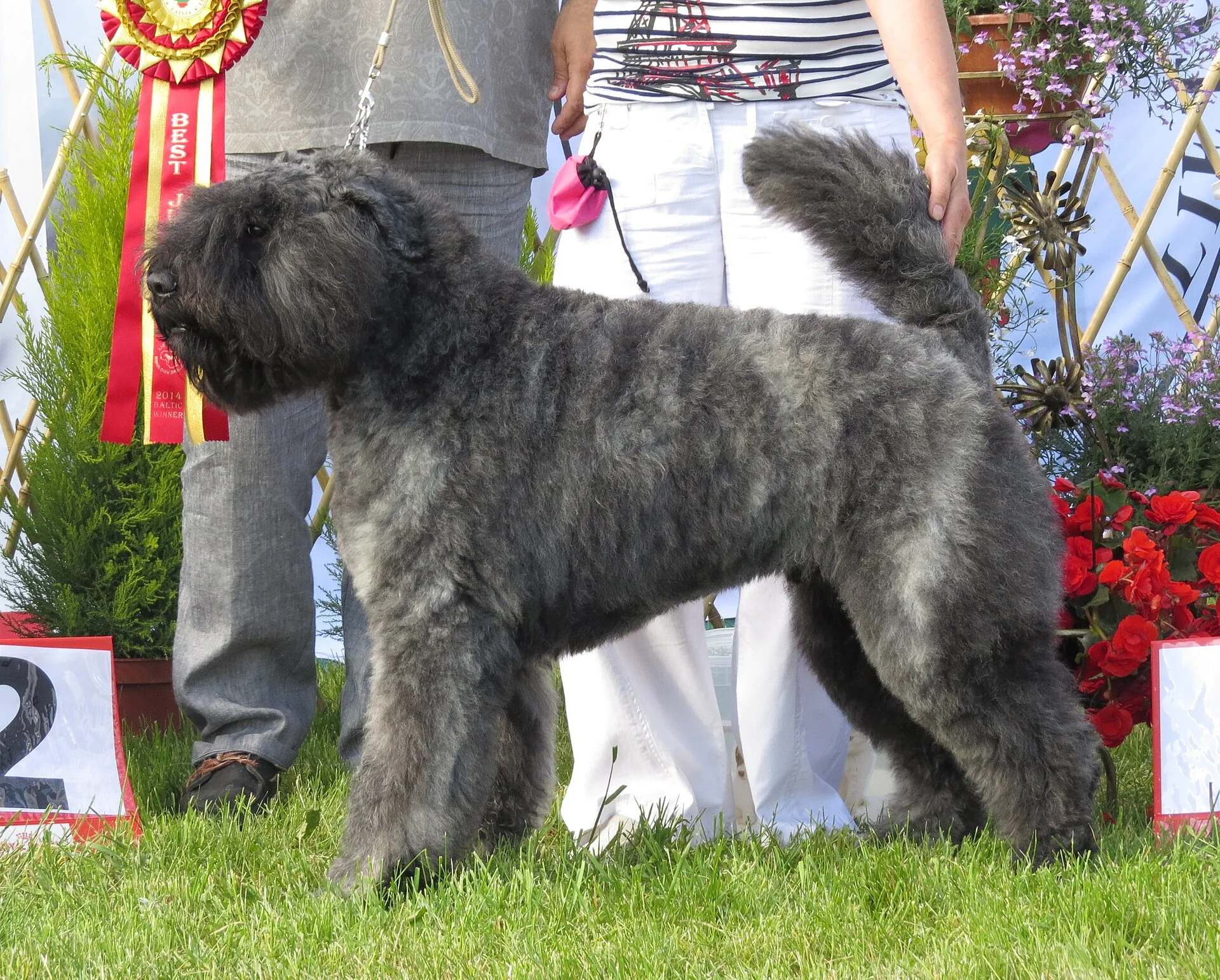
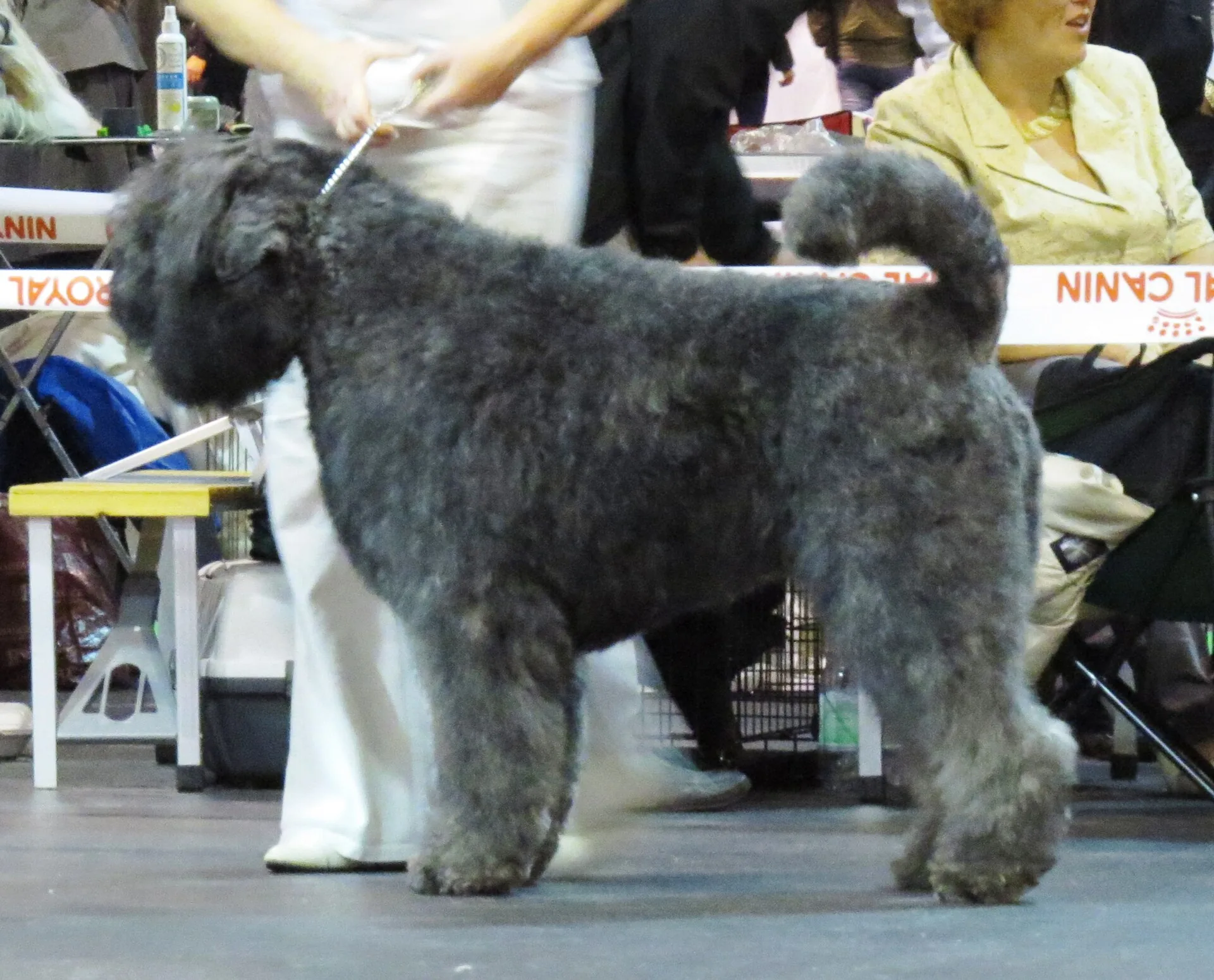
The standard asks for a very abundant coat, coarse to the touch, dry and matt, about 6 cm long, slightly tousled but never woolly or curly. It forms a moustache, a full beard and raised eyebrows. Colours are usually grey, brindle or overlaid with black, and a uniformly black coat is also accepted, but light coloured coats are not. Brush and comb at least twice a week to prevent mats, trim every few months and wipe the beard after meals and drinks. Shedding is light.
Feeding and weight
Bouviers are deep chested and prone to bloat, so feed two measured meals a day, avoid exercise for an hour either side, and discourage gulping. Choose a good quality complete diet suited to a large, active dog, and adjust portions to keep the dog lean, because extra weight strains hips and elbows. Puppies of large breeds should be fed an appropriate growth diet and kept slim. The beard collects food and water, so wipe it.
Work out a starting calorie figure and food weight with the calorie calculator. Not sure this is the right breed? Take the quiz.
Health
Every breed carries predispositions. These are the conditions most often discussed for the Bouvier des Flandres, not a prediction for any individual dog.
- Hip and elbow dysplasia
- Gastric dilatation-volvulus (bloat)
- Laryngeal paralysis
- Eye conditions including cataracts
- Subaortic stenosis and hypothyroidism
What to ask the breeder. Ask for hip and elbow scores, eye examinations, heart screening and thyroid results for both parents, and ask how the lines behave with strangers.
Choosing a puppy
Choose a breeder who health tests the parents and raises the litter in a lively household. Bouvier puppies are strong and clumsy, so protect growing joints by avoiding stairs, jumping and long forced walks. Start socialisation immediately and keep it up for the whole first year. Teach calm greetings and lead manners early, and plan for the beard and coat, because daily brushing habits should begin when the puppy is small.
In Luxembourg the national kennel club is the Fédération Cynologique Luxembourgeoise (FCL), a member of the FCI. Many owners also buy from breeders in Germany, France or Belgium; a puppy coming from another EU country must be microchipped and vaccinated against rabies, which in practice means it cannot travel before about fifteen weeks of age. Where to get a dog in Luxembourg.
The older Bouvier des Flandres
Bouviers often show their age from about eight or nine, with stiffness, slower recovery and less appetite for long walks. Keep exercise regular but gentle, provide a firm orthopaedic bed and non slip flooring, and watch weight carefully. Ask the vet to monitor the heart, thyroid, eyes and larynx, and report noisy breathing. Older dogs usually remain watchful and affectionate, and appreciate a settled routine.
A realistic day
A realistic weekday for a working household in Luxembourg City, with a midday visit. Adjust it to your dog, not the other way round.
A forty minute walk with obedience practice, followed by breakfast.
A chew and a settle on a firm bed while you leave for work.
A walker takes the dog on a forty minute outing with a short training exercise.
A longer walk of an hour in the Bambësch or a quiet park, with tracking games.
A short final walk, a brush of the beard and bedtime.
A Bouvier des Flandres in Luxembourg
A Bouvier in a Luxembourg flat is possible but not simple. The dog is large, protective and needs real exercise, so lifts and corridors become training ground for calm behaviour around neighbours and visitors. Introduce the dog to the building, the other residents and delivery staff early so that the guarding instinct stays proportionate. A flat with a lift suits the breed better than long flights of stairs.
Forests are the natural setting. The Grünewald and the Bambësch provide long, varied walks, and the free buses and trams make them easy to reach from the city. Summers can reach the 30s, and a dense, tousled coat holds heat, so exercise early and late and always provide water. Lead training before the dog is full grown is sensible.
Every dog in Luxembourg must be identified, declared to the commune and covered by liability insurance. How registration works.
When you travel
A sitter should be confident with large, protective dogs and know the dog's signals. Introduce them beforehand, in a calm way, and keep to the usual routine of walks and two meals. Warn the sitter about bloat symptoms: a swollen belly, retching and restlessness. Leave clear instructions on the door, visitors and the lead, and provide veterinary details and enough chews.
PAWLY's holiday and overnight care takes place in your home, so your dog keeps its own bed and routine.
Myths and facts
MythBouviers are naturally aggressive.
FactThe standard asks for a calm, thoughtful and sensible dog. Poor socialisation, not temperament, causes most problems.
MythA big dog needs a big garden.
FactExercise and company matter more. A flat with daily forest walks beats a garden and an absent owner.
MythThe beard needs professional care weekly.
FactRegular brushing and a trim every few months handle most of it, with a wipe after drinking.
Is it the right dog for you?
Suits
- Experienced owners who want a steady guardian
- Active people who enjoy forest walks
- Households committed to training and socialisation
- Owners with time to groom
Think twice if
- You are a first time dog owner
- You are away at work for long hours
- You dislike regular brushing
- You want a dog that greets everyone
Questions owners ask
Is a Bouvier des Flandres a good family dog?
With early socialisation, yes. Most are loyal and gentle with their own children, but they are large and protective, so supervision and clear rules are essential, especially with visiting children. Early training makes a large difference.
How big does a Bouvier get?
The FCI standard gives males 62 to 68 cm and females 59 to 65 cm at the withers, with males about 35 to 40 kg and females about 27 to 35 kg. Expect a sturdy, powerful dog.
Does a Bouvier shed?
Only a little, but the abundant coat tangles easily. Brush and comb twice a week, trim every few months and wipe the beard after drinking. Check the beard and skirt for burrs after woodland walks.
Can a Bouvier live in a flat?
It can, if the dog gets its walks and company and is trained to be calm indoors. Space matters less than exercise, socialisation and the hours spent alone. A flat with a lift suits it best.
Sources
Photo: Yorick39, CC BY-SA 3.0, via Wikimedia Commons · Photo: Yorick39, CC BY-SA 3.0, via Wikimedia Commons · Photo: Yorick39, CC BY-SA 3.0, via Wikimedia Commons · Photo: Томасина, CC BY-SA 4.0, via Wikimedia Commons · Photo: Томасина, CC BY-SA 3.0, via Wikimedia Commons
General information for dog owners in Luxembourg, not veterinary or legal advice. Official facts (origin, size, group, history and temperament as described by the breed standard) follow the FCI standard; health and care sections reflect breed-club and veterinary guidance and are typical ranges rather than rules. For your own dog, ask your vet, the breed club or your commune. How this guide is written and checked. Last reviewed 8 October 2026.
Need someone for your Bouvier des Flandres?
PAWLY offers an individual 45-minute walk or a home visit at your dog's pace, the same walker every time, and a written report with photos after every visit, across Luxembourg City.
Read next: the journal, for the Bouvier des Flandres
All articles
The dog that barks and lunges on the lead
Some Bouvier des Flandres dogs are selective with other dogs; this is the plan for lunging and barking on the lead.

Feeding, portions and how to tell if your dog is the right weight
Large dogs suffer more from extra weight; this is how to judge the right one.

Grooming and coat care through the Luxembourg year
The Bouvier des Flandres has a coat that needs a routine that holds through the Luxembourg seasons.
Similar breeds
All 198 breeds
Belgian Shepherd Malinois
The police and military dog of choice: brilliant, intense and not a family pet for most families.
EnergyGroomingFlat life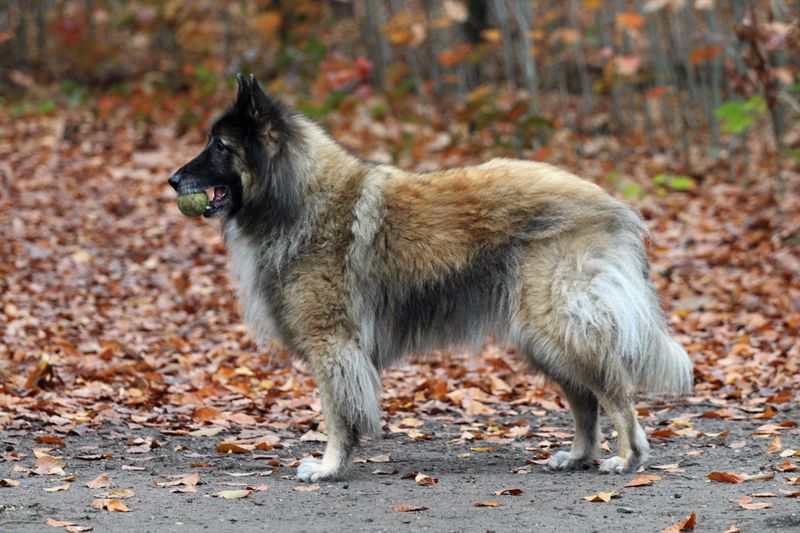
Belgian Tervuren
The long-coated Belgian Shepherd in fawn and black, elegant and sensitive, bursting with energy and happiest working closely with its person.
EnergyGroomingFlat life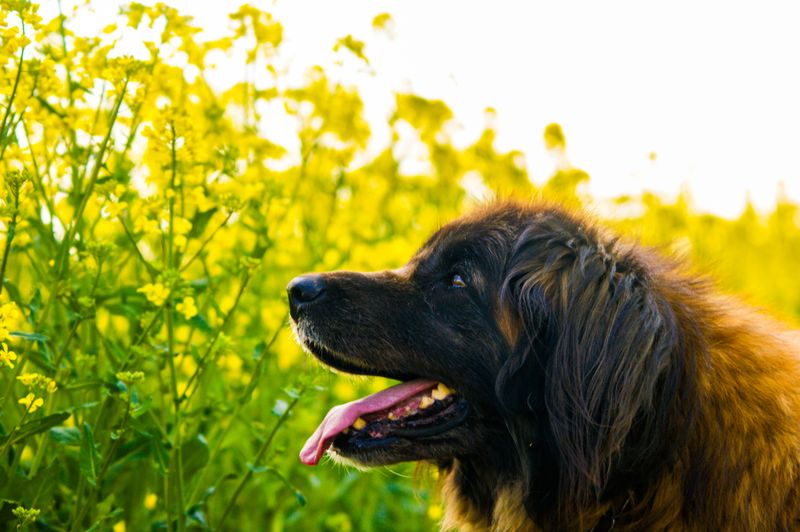
Leonberger
A lion-coloured giant with a black mask and a surprisingly gentle manner, happiest as an unhurried companion who is never left out of anything.
EnergyGroomingFlat life

