


History
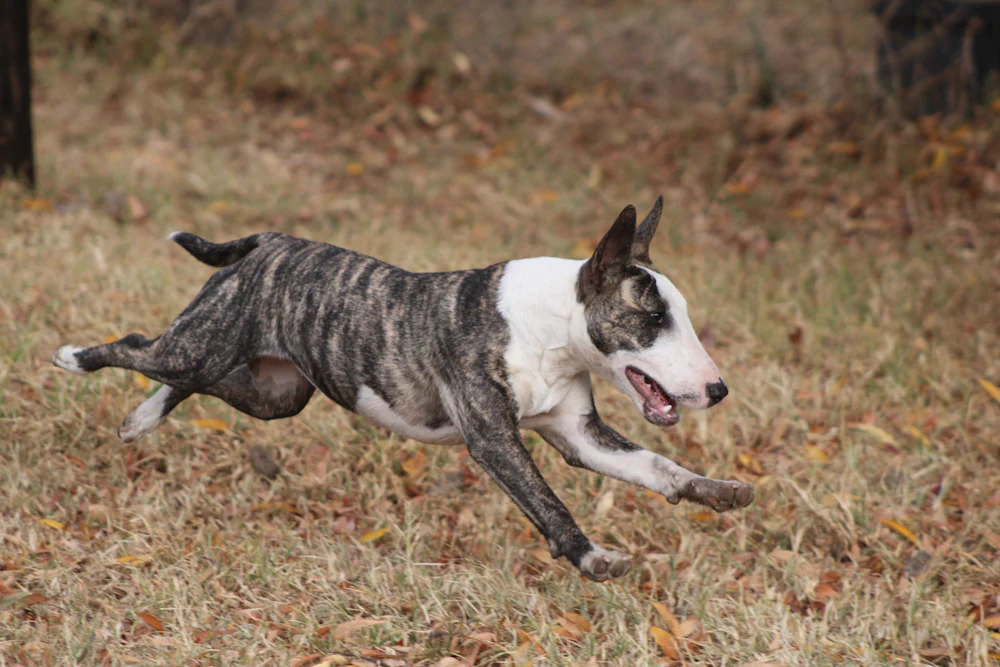
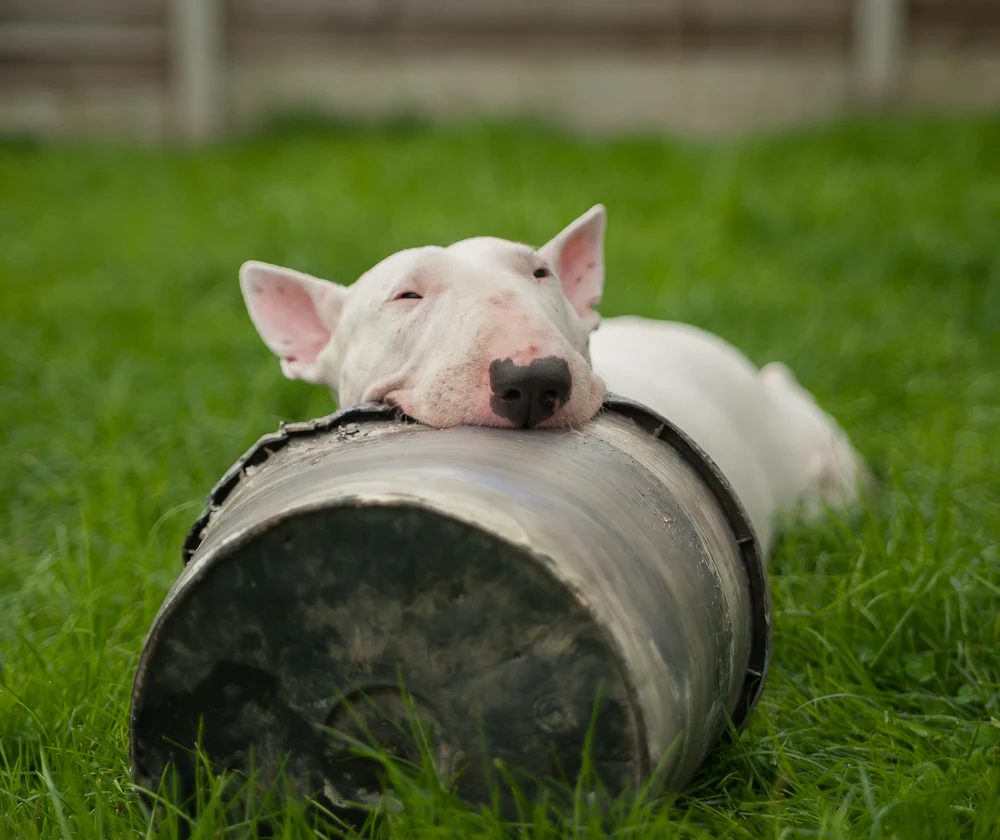
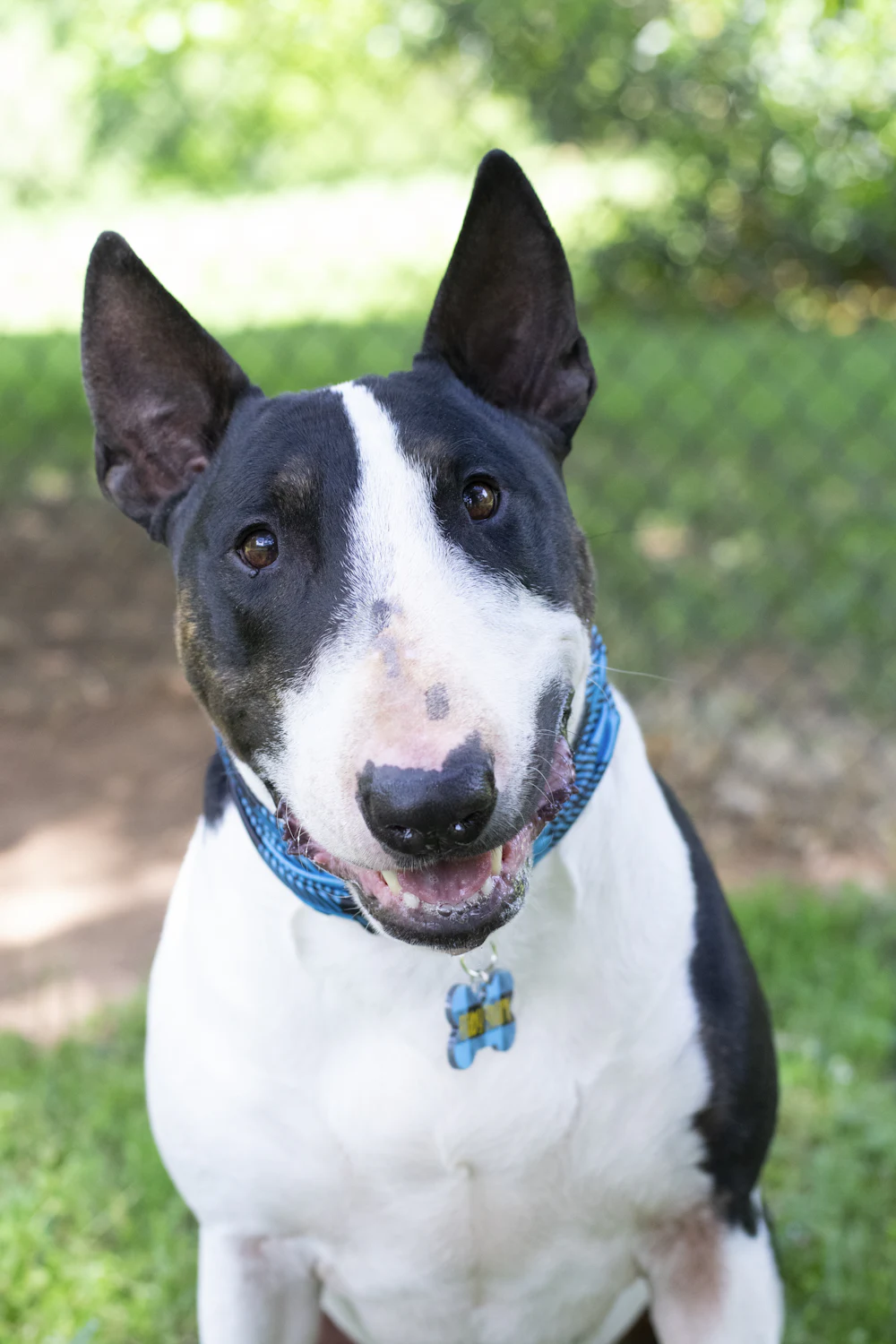
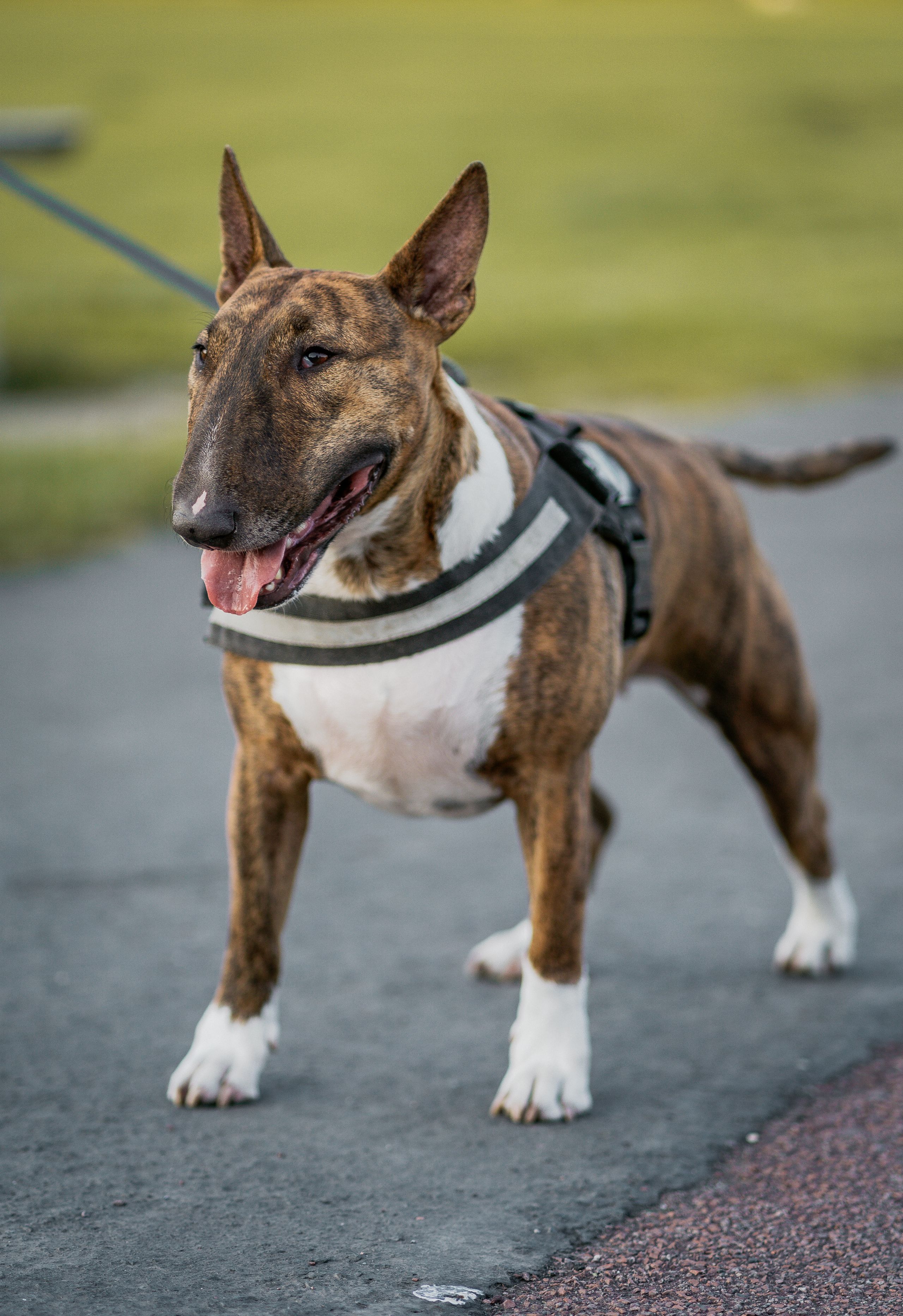
The FCI standard places the Bull Terrier in Group 3, Section 3, Bull type Terriers, and credits James Hinks with standardising the breed in the 1850s. His contribution was the distinctive egg-shaped, downfaced head that makes the breed instantly recognisable. In its modern form the breed appeared at Birmingham in 1862, and the Bull Terrier Club was established in 1887. The standard asks for a strongly built, muscular, well balanced and active dog.
The standard also records a smaller variant that existed since the early 1800s but disappeared before the First World War. A revival began in 1938, led by Colonel Richard Glyn and a group of fellow enthusiasts, who founded the Miniature Bull Terrier Club. Notably, the standard sets neither height nor weight limits for the standard variety, only balanced substance appropriate to the size and sex of the dog. Dogs should look masculine, and bitches feminine.
Temperament
The standard sums up the temperament in a few words: courageous, full of spirit, with a fun-loving attitude, and even-tempered, though sometimes stubborn, and relating well to people. Anyone who has met a good Bull Terrier will recognise it. It is a clown with a rolling gait and a love of attention, and it will carry a toy around the room for the sheer joy of being watched.
The flip side is a strong will and a great deal of physical power. A Bull Terrier that is bored or left alone for long hours digs, chews, spins and develops habits of its own, and an unsocialised adult can be difficult with other dogs. It needs an owner who is calm, consistent and physically able to handle a muscular dog. Those who put in the work get an affectionate, comic, loyal companion that wants to be with them always.
Children and other pets
Bull Terriers are affectionate and often devoted to children in their own family, but they are strong, exuberant and can knock a small child over without meaning to, so supervision is essential. Teach children to leave the dog alone when eating or resting. With other dogs, early and careful socialisation matters, as some are keen to take on any dog that challenges them. Strong chase instincts mean cats and small pets need careful introduction.
Exercise and the daily walk
Plan on an hour to an hour and a half a day. A Bull Terrier enjoys brisk walks, tug games, fetch and sniffing, and it benefits from a safe outlet for its energy. A bored dog invents its own entertainment, and a muscular dog can be destructive indoors. Mix lead walks with active play, and add puzzle feeders or scent games to use its mind.
Keep the dog under control near other dogs, and use a strong, well-fitted harness or collar and a robust lead. Exercise in hot weather needs care, since a dog with a short muzzle and little coat overheats and sunburns, particularly white dogs. A fenced space for off-lead play is ideal, but recall around other dogs and wildlife should be proven before any freedom.
Training
Bull Terriers are intelligent but independent, and training succeeds when it is early, positive and consistent. Keep sessions short, vary the work and use rewards the dog really wants. Harsh methods tend to backfire with a stubborn dog. Basic obedience, polite lead walking and a firm recall are essential for a muscular breed. Because the dog is strong, teach loose-lead walking from puppyhood.
Socialisation should begin early and continue for years, with controlled meetings with other dogs, people, children, traffic and lifts. Teach calm greetings, so the dog does not leap on people, and practise settling on a mat. Many Bull Terriers do well with a trainer who knows the breed. Time spent here repays itself, and a well-trained adult is a steady and charming flat companion.
Coat and grooming
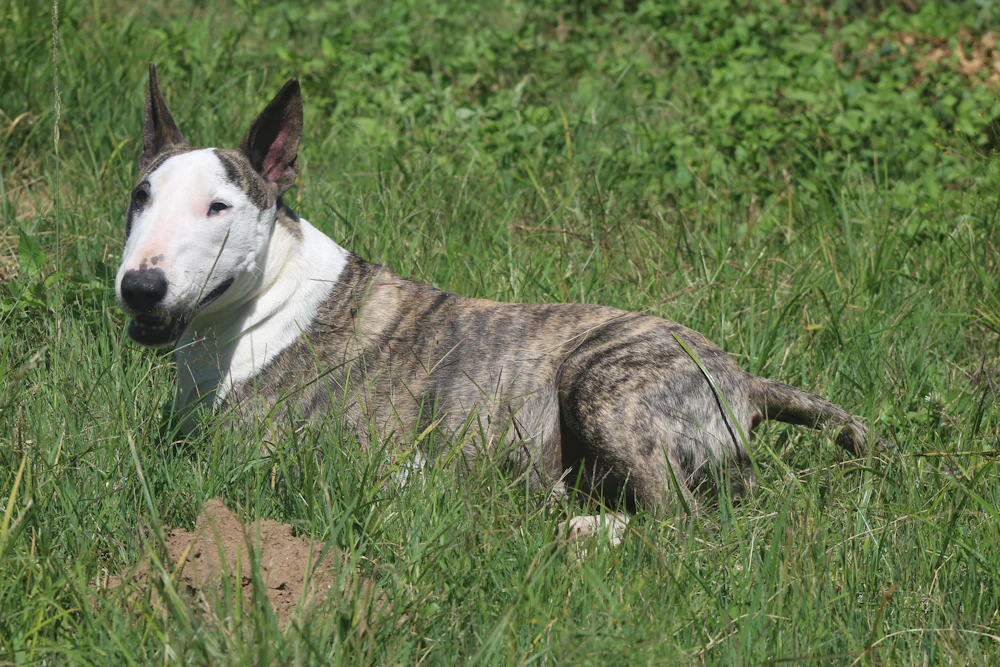
The standard asks for a short, flat, even coat that is harsh to the touch, with a fine gloss. White dogs may have markings on the head; coloured dogs may be brindle, red, fawn or tricolour, while blue and liver are highly undesirable. Care is easy: a weekly rub with a rubber brush or hound glove, and a bath when needed. Shedding is moderate. The thin coat gives little protection in cold or heat, and white dogs can burn in strong sun.
Feeding and weight
Feed a complete, good-quality diet in measured portions, usually in two meals a day. Bull Terriers are muscular and can gain weight easily if overfed, which strains joints and the heart. Some have food sensitivities and skin problems, so introduce new foods gradually and speak to your vet if the dog itches or has digestive upset. Keep fresh water available and use treats from the daily allowance.
Work out a starting calorie figure and food weight with the calorie calculator. Not sure this is the right breed? Take the quiz.
Health
Every breed carries predispositions. These are the conditions most often discussed for the Bull Terrier, not a prediction for any individual dog.
- Skin allergies and itching
- Inherited kidney disease (hereditary nephritis)
- Heart conditions, for which parents can be screened
- Deafness, particularly in white dogs
- Compulsive tail chasing in some lines
What to ask the breeder. Ask for a hearing (BAER) test, heart screening and a kidney urine test for both parents, and ask how the breeder socialises puppies.
Choosing a puppy
A Bull Terrier puppy is playful, mouthy and very strong for its size. Ask the breeder for the parents' hearing, heart and kidney results, and see the mother. Begin socialisation, handling and lead training at once, with short sessions and plenty of rest. Provide robust toys and a safe space, as chewing is part of growing up. Avoid hard exercise on hard surfaces while the joints develop.
In Luxembourg the national kennel club is the Fédération Cynologique Luxembourgeoise (FCL), a member of the FCI. Many owners also buy from breeders in Germany, France or Belgium; a puppy coming from another EU country must be microchipped and vaccinated against rabies, which in practice means it cannot travel before about fifteen weeks of age. Where to get a dog in Luxembourg.
The older Bull Terrier
Older Bull Terriers often stay playful, but they slow down. Keep the dog lean, use gentle exercise on soft ground and watch for stiffness, skin problems, heart changes or a drop in appetite. Regular vet checks, including heart and kidney tests, are sensible. Provide a warm, supportive bed, protect thin skin from cold and sun, and keep mental games going, because they enjoy them well into old age.
A realistic day
A realistic weekday for a working household in Luxembourg City, with a midday visit. Adjust it to your dog, not the other way round.
A brisk lead walk with sniffing and a few minutes of training.
Breakfast, then a chew or puzzle feeder to keep the dog occupied.
Midday visit: a toilet break, water, and an energetic game of tug.
A longer, active outing, with fetch or scent work in a quiet park.
A calm final walk and a settle on the mat or bed.
A Bull Terrier in Luxembourg
A Bull Terrier can live in a flat, provided it gets proper exercise and company. The challenge is energy and strength: a bored dog in a small space becomes destructive, and a strong dog in a lift or on a busy pavement needs good manners. Under Luxembourg's law of 9 May 2008, the named dog types are the Staffordshire bull terrier, American Staffordshire terrier, Mastiff and Tosa, together with dogs of similar morphology. The Bull Terrier is not named, but if in doubt, ask your commune.
Summers in the 30s are uncomfortable for a thin-coated, short-muzzled dog, so walk early and late and watch for sunburn on a white coat. In winter, a coat helps on cold, wet evenings. The Grünewald and Bambësch forests, Parc Merl and the Pétrusse valley give space to burn energy, and buses and trams are free nationwide, so train the dog to travel calmly. Every dog must be microchipped, declared to the commune and insured, and the commune charges an annual dog tax.
Every dog in Luxembourg must be identified, declared to the commune and covered by liability insurance. How registration works.
When you travel
Choose a sitter who is confident with a strong, muscular dog and who has experience with terriers. Leave a clear routine for exercise, feeding and house rules, and warn them about the dog's strength and attitude to other dogs. Use a secure harness and a strong lead outdoors, and never let the dog off-lead in an unfenced place. Provide chews and puzzle toys, and avoid long periods alone.
PAWLY's holiday and overnight care takes place in your home, so your dog keeps its own bed and routine.
Myths and facts
MythBull Terriers are dangerous dogs.
FactThe standard describes a courageous, even-tempered, fun-loving dog. Behaviour depends on breeding, socialisation, training and handling, as with any strong breed.
MythThey are the same as a Staffordshire Bull Terrier.
FactThey are separate breeds. The Bull Terrier is larger and has its own egg-shaped head, history and standard.
MythA short coat means no grooming and no weather worries.
FactGrooming is easy, but the thin coat gives little protection from cold, and white skin burns in sun.
Is it the right dog for you?
Suits
- Experienced, active owners
- Households that are at home a lot
- People who enjoy a comic, stubborn character
- Owners ready to train and socialise consistently
Think twice if
- You are a first-time owner wanting an easy dog
- You work long hours away from home
- You want a dog that is reliable with every other dog
Questions owners ask
Is a Bull Terrier good with children?
Often yes, within its own family, as it is affectionate and playful. But it is strong and exuberant, so always supervise and teach children to treat the dog with respect.
Does the Bull Terrier have a size limit?
The FCI standard sets neither height nor weight limits for the standard variety. It asks for a balanced dog of substance appropriate to its sex, and most adults fall around 50 to 56 cm.
How much exercise does a Bull Terrier need?
About an hour to an hour and a half a day, mixing lead walks, play and mental work. A bored Bull Terrier tends to dig, chew and invent its own entertainment.
Can a Bull Terrier live in a flat?
Yes, if it is exercised well and not left alone for long hours. Strength and boisterous play mean good manners on the stairs and in the lift matter. Provide chews and company, and keep lift and stair manners polite.
Sources
Photo: Unsplash (Unsplash License) · Photo: Unsplash (Unsplash License) · Photo: Unsplash (Unsplash License) · Photo: Unsplash (Unsplash License) · Photo: Pexels (Pexels License)
General information for dog owners in Luxembourg, not veterinary or legal advice. Official facts (origin, size, group, history and temperament as described by the breed standard) follow the FCI standard; health and care sections reflect breed-club and veterinary guidance and are typical ranges rather than rules. For your own dog, ask your vet, the breed club or your commune. How this guide is written and checked. Last reviewed 8 October 2026.
Need someone for your Bull Terrier?
PAWLY offers an individual 45-minute walk or a home visit at your dog's pace, the same walker every time, and a written report with photos after every visit, across Luxembourg City.
Read next: the journal, for the Bull Terrier
All articles
Dogs in hot weather: the Luxembourg summer guide
Flat-faced and short-nosed breeds like the Bull Terrier overheat quickly, which matters in a Luxembourg summer.

The itchy dog: working through it in the right order
Skin trouble is among the conditions discussed for the Bull Terrier; this is the order to work through it.

Dogs and cats in the same flat
The Bull Terrier can see small animals as prey; this covers living with a cat in a flat.
Similar breeds
All 198 breeds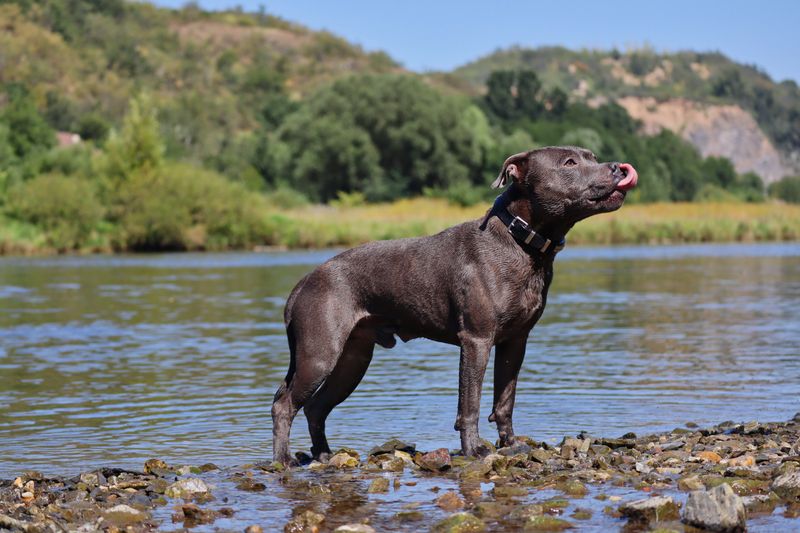
Staffordshire Bull Terrier
Muscular, affectionate and devoted to people, and in Luxembourg a breed that comes with specific legal obligations.
EnergyGroomingFlat life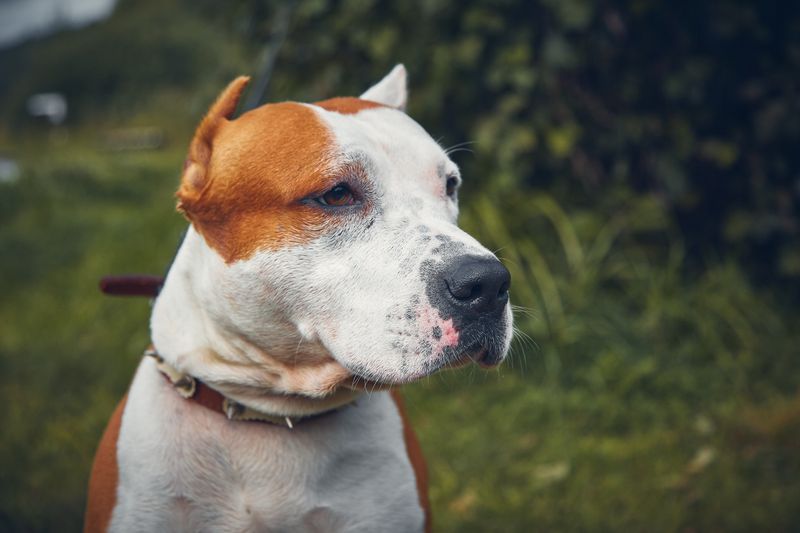
American Staffordshire Terrier
A strong, confident and affectionate dog, and in Luxembourg one of the four breeds named by law.
EnergyGroomingFlat life
Boxer
A clown with a guardian's heart: playful, loyal and slow to grow up.
EnergyGroomingFlat life

