


History
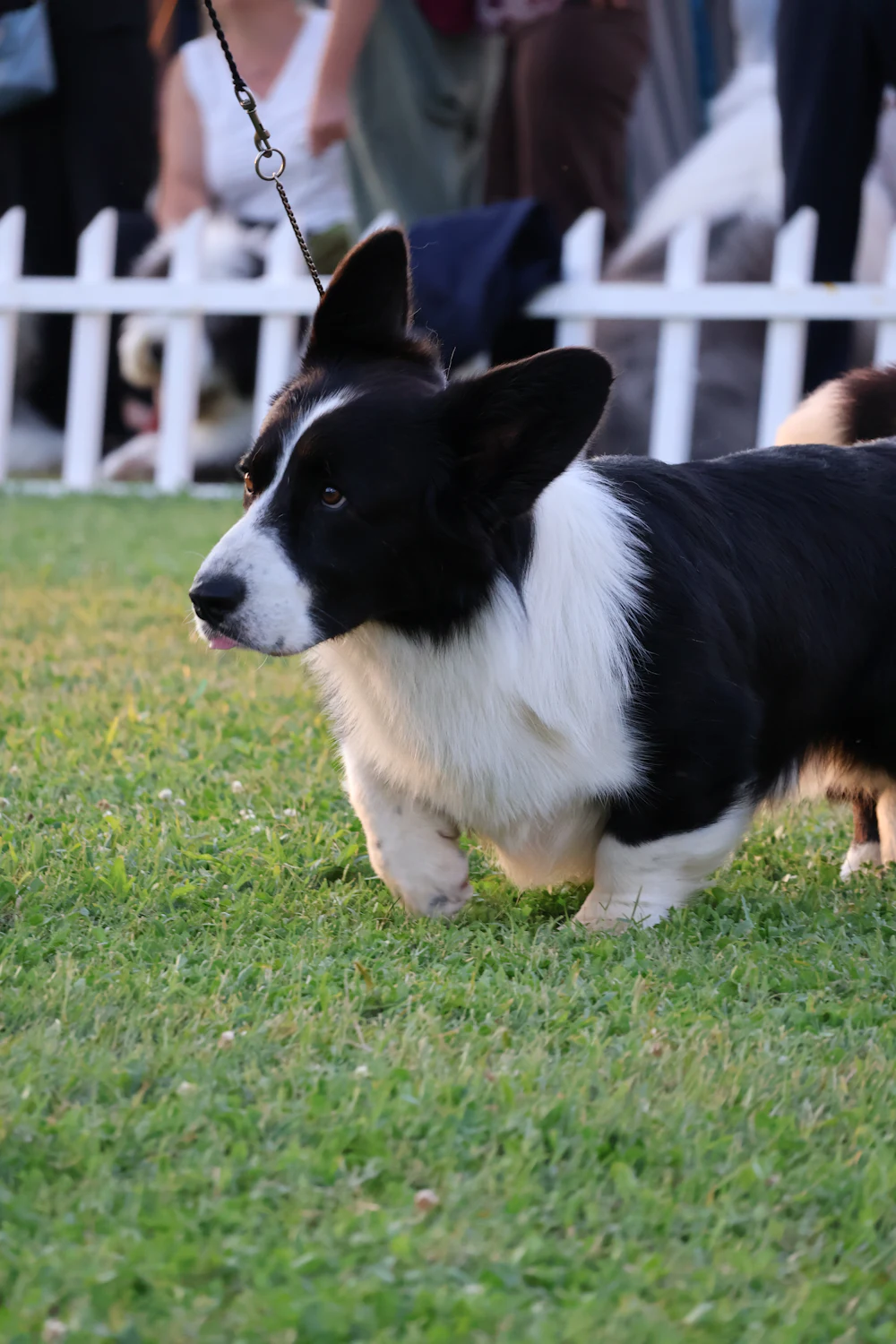
The Cardigan Welsh Corgi comes from Wales and is classed by the FCI in Group 1, Section 2, Cattledogs, except Swiss Cattledogs. The current standard is dated 16.06.2022 and, notably, gives no historical background of its own. What it does give is a clear job description: a sturdy, tough, mobile dog, capable of endurance, and long in proportion to its height. The word that matters is endurance, as this is a herding dog designed to work all day, not a decorative low-slung companion.
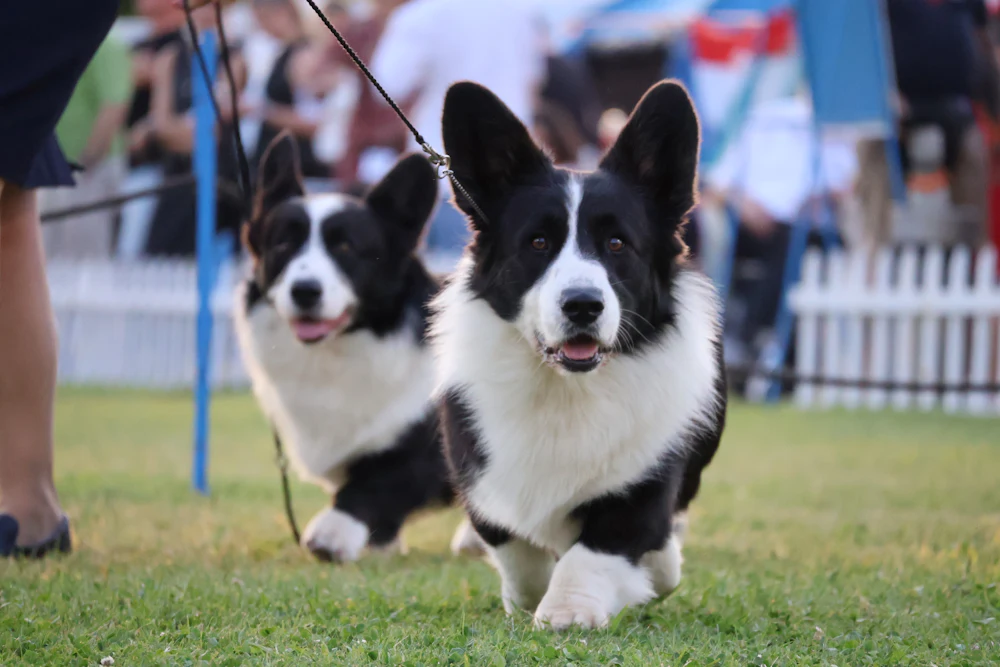
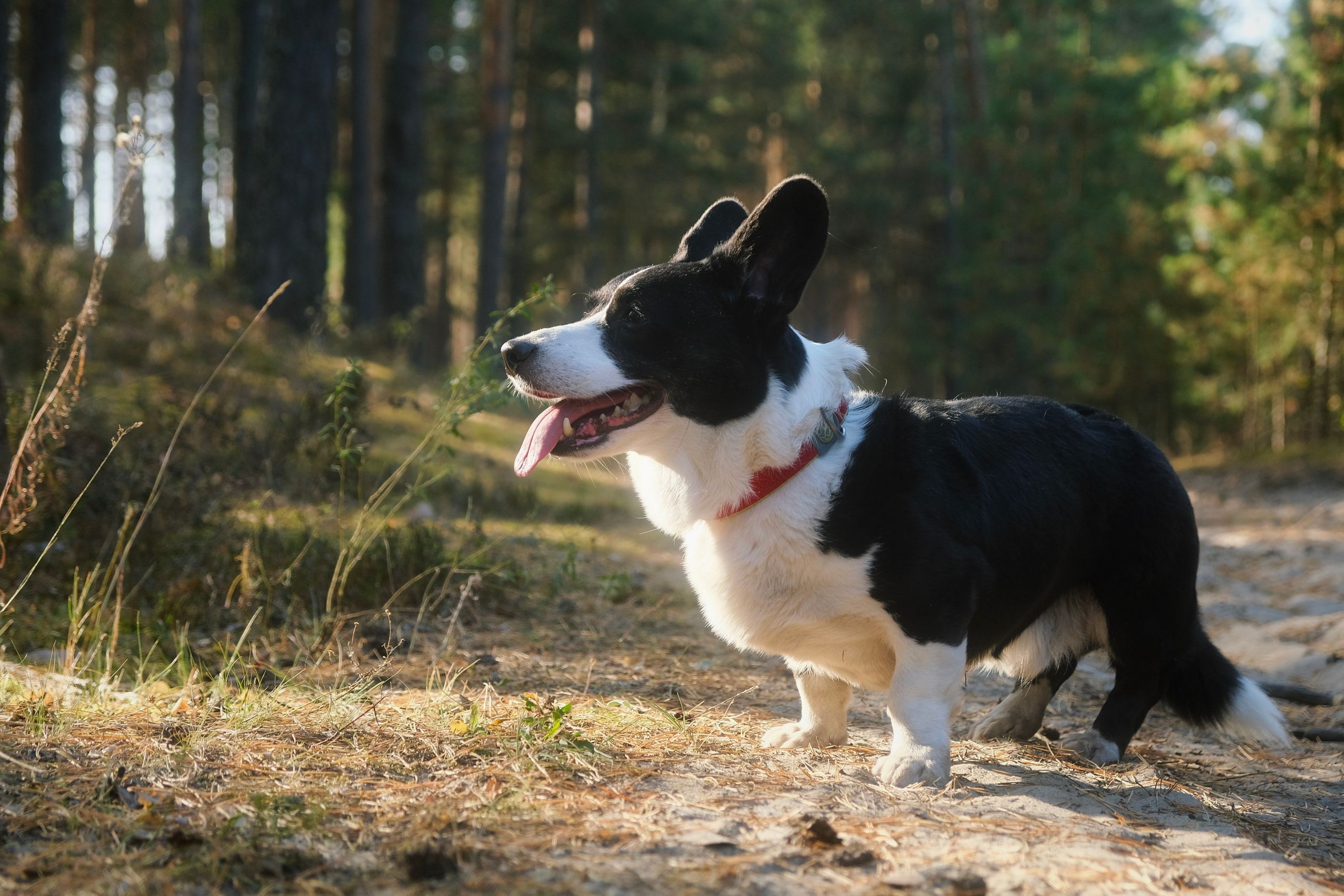
The most obvious difference from the Pembroke is the tail. The standard asks for a fox-like brush, set in line with the body, which is a mark of the Cardigan and one reason the breed is called its long-tailed cousin. Ideal height at the withers is 30 cm, with weight proportionate to size and overall balance as the prime consideration. Faults are judged by their effect on health, welfare and the ability to do traditional herding work, which keeps the emphasis on function.
Temperament
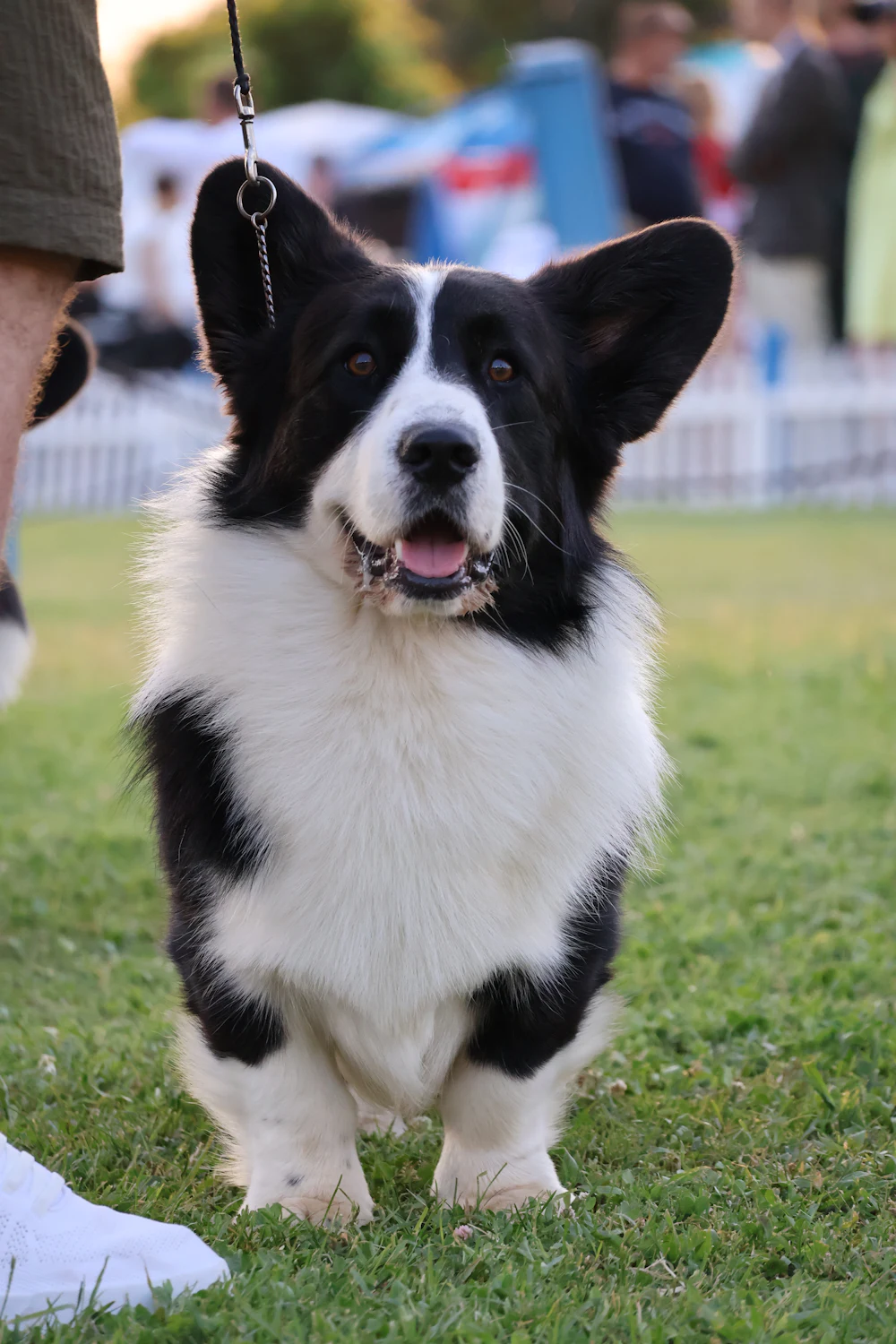
The FCI asks for an alert, active and intelligent dog, steady, neither shy nor aggressive. That describes a Cardigan well. It is watchful without being edgy, attentive to its family and a little reserved with strangers, and its big ears and bright expression mean it misses very little. It tends to form a close bond with its household and wants to be involved in daily life.
As a cattle dog it also has a working mind. A Cardigan likes tasks, will herd children or other pets by circling and nipping at heels, and will bark to report anything unusual. It can be independent and sometimes stubborn. Left without enough to do, it becomes noisy and inventive. With steady, consistent owners and plenty of company, it is a loyal, intelligent and often very funny companion that is a good deal tougher than it looks.
Children and other pets
Cardigans are generally affectionate and patient with children in their own family, and they enjoy being part of the action. As a herding dog, however, they may nip at heels and chase running children, so teach both the dog and the children the rules and supervise. They usually get on well with other dogs and with cats if introduced early. Protective and vocal, they will tell you about every visitor, which can surprise small guests.
Exercise and the daily walk
A Cardigan needs about an hour a day, in two or more outings, plus play and mental work. Its short legs hide real stamina, and a fit dog enjoys long walks and hikes, sniffing out new routes and keeping pace with an owner. Games that use its mind, such as scent work, trick training and basic herding style activities, satisfy it more than a plain lap of the block.
Protect the back. A long body on short legs does not suit repeated jumping on and off furniture, long flights of stairs or hard leaping for a ball, particularly in a young dog. Keep the dog lean, use ramps or steps where possible and build fitness gradually. In hot weather walk early or late, as the thick double coat is warm.
Training
Cardigans are intelligent and learn quickly, but they are not blindly obedient. They like to understand the point of an exercise. Use rewards, keep sessions short and varied and be consistent, and do not rely on repetition. A bored Cardigan switches off or invents its own game. Harsh methods spoil the relationship with a sensitive, proud dog.
Socialise a puppy widely to people, traffic, lifts, other dogs and noises, so that watchfulness does not turn into barking or suspicion. Teach a quiet cue and discourage heel-nipping from the start by redirecting to a toy. A reliable recall and loose-lead walking are worth the effort. Practise short separations early, since an attached Cardigan can fret when left.
Coat and grooming
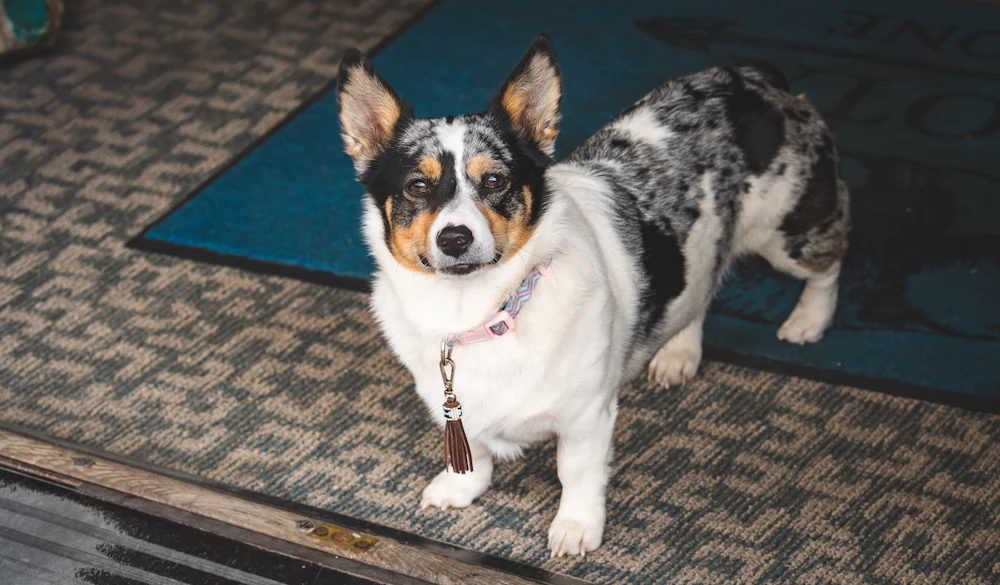
The standard asks for a short to medium coat, hard in texture and weatherproof, with an undercoat and preferably straight. Accepted colours are blue merle, brindle, red, sable and tricolour, with or without white markings; liver and dilute colours are highly undesirable. Brush weekly, and more often during the twice-yearly heavy shed, when the undercoat comes out in clumps. Bath only when needed. The coat sheds all year, so expect hair on the sofa.
Feeding and weight
Feed a good-quality diet in two measured meals. Cardigans love food and put on weight easily, and extra weight is particularly hard on a long back and short legs. Count treats in the daily allowance, use part of the ration for training and weigh the dog regularly. Keep fresh water available. Ask your vet about portions as the dog ages or if it becomes less active.
Work out a starting calorie figure and food weight with the calorie calculator. Not sure this is the right breed? Take the quiz.
Health
Every breed carries predispositions. These are the conditions most often discussed for the Cardigan Welsh Corgi, not a prediction for any individual dog.
- Intervertebral disc disease (back problems)
- Hip dysplasia
- Progressive retinal atrophy, an inherited eye disease with a DNA test
- Degenerative myelopathy, a spinal cord condition
- Obesity, which worsens back and joint problems
What to ask the breeder. Ask for hip scores, eye examinations and the DNA tests relevant to the breed for both parents, and ask about any history of back problems in the line.
Choosing a puppy
Look for a breeder who health-tests the parents and raises puppies in the home. A Cardigan puppy is playful and curious, so socialise early and start handling and grooming straight away. Limit stairs, jumping from furniture and long walks while the bones grow, and carry a small puppy on steps. Feed measured meals, teach a calm lead walk and begin short separations in the first weeks.
In Luxembourg the national kennel club is the Fédération Cynologique Luxembourgeoise (FCL), a member of the FCI. Many owners also buy from breeders in Germany, France or Belgium; a puppy coming from another EU country must be microchipped and vaccinated against rabies, which in practice means it cannot travel before about fifteen weeks of age. Where to get a dog in Luxembourg.
The older Cardigan Welsh Corgi
Many Cardigans reach 12 to 15 years. As they age, protect the back with ramps or steps, a firm bed and non-slip floors, and keep the dog lean. Walks may shorten but should continue. Watch for stiffness, hind leg weakness, cloudy eyes or changes in appetite and see the vet early. Keep up regular check-ups, dental care and gentle mental games.
A realistic day
A realistic weekday for a working household in Luxembourg City, with a midday visit. Adjust it to your dog, not the other way round.
A good walk with sniffing and a few minutes of training.
Breakfast from a measured portion, then a quick brush at the weekend or during the shed.
Midday visit: a toilet break, fresh water and a game that uses its nose.
A longer outing in the park or the forest, with off-lead time where it is safe.
A last short walk and a quiet evening at your feet.
A Cardigan Welsh Corgi in Luxembourg
A Cardigan is a practical flat dog in Luxembourg: small enough for a lift and a bus, sturdy enough for a day in the forest, and moderate in size. The things to think about are the back and the stairs. Many buildings have lifts, which helps, but a dog that needs to climb several flights each day should be carried or built up carefully, and keep the weight under control. Barking can be an issue with close neighbours, so train quiet early.
The Grünewald and Bambësch forests suit a Cardigan well, as do the Pétrusse valley and Parc Merl for shorter walks. Buses and trams are free nationwide, so an adaptable dog can learn to ride them calmly. Summers reach the 30s and the double coat is warm, so walk early and late and provide shade and water. Every dog must be microchipped, declared to the commune and insured, and the commune charges an annual dog tax.
Every dog in Luxembourg must be identified, declared to the commune and covered by liability insurance. How registration works.
When you travel
Choose a sitter who understands herding dogs and will give company and exercise. Leave a written routine, with measured meals and no extra treats, and explain heel-nipping and barking. Avoid jumping on and off furniture or climbing long stairs, to protect the back. Use a secure harness outdoors, and a familiar bed or blanket to settle the dog. A Cardigan misses its people, so regular updates help.
PAWLY's holiday and overnight care takes place in your home, so your dog keeps its own bed and routine.
Myths and facts
MythA Cardigan is the same as a Pembroke.
FactThey are separate breeds. The Cardigan has a fox-like brush tail set in line with the body, as the FCI standard requires.
MythShort legs mean a lazy dog.
FactThe standard asks for endurance, and a fit Cardigan enjoys long walks and active games.
MythCorgis are just lap companions.
FactCardigans are cattle dogs, alert and busy, and they need work for body and mind.
Is it the right dog for you?
Suits
- Active owners who like walks and training
- Flat dwellers with a lift
- Families with considerate children
- People who enjoy a clever, characterful dog
Think twice if
- You live with many flights of stairs
- You dislike barking or hair on the furniture
- You are away from home for long days
Questions owners ask
How big is a Cardigan Welsh Corgi?
The FCI standard gives an ideal height of 30 cm at the withers. It does not specify a weight, but states that weight should be proportionate to size and overall balance, and most adults are about 11 to 17 kg.
Does a Cardigan have a tail?
Yes. The standard asks for a fox-like brush set in line with the body, which distinguishes the breed from the Pembroke. The tail should be long and well furnished. That fox-like brush is carried low, in line with the body, when the dog is relaxed.
Do Cardigans shed a lot?
They shed all year and heavily twice a year. A weekly brush, and daily brushing during the heavy shed, keeps the hair under control, though some will always end up on the sofa.
Are Cardigans good for first-time owners?
Often, if the owner is willing to train consistently. They are intelligent and attached, but also independent, with strong herding habits such as barking and heel-nipping. Early socialisation and a clear routine make a big difference to how settled the dog becomes.
Sources
Photo: Unsplash (Unsplash License) · Photo: Unsplash (Unsplash License) · Photo: Pexels (Pexels License) · Photo: Unsplash (Unsplash License) · Photo: Unsplash (Unsplash License)
General information for dog owners in Luxembourg, not veterinary or legal advice. Official facts (origin, size, group, history and temperament as described by the breed standard) follow the FCI standard; health and care sections reflect breed-club and veterinary guidance and are typical ranges rather than rules. For your own dog, ask your vet, the breed club or your commune. How this guide is written and checked. Last reviewed 8 October 2026.
Need someone for your Cardigan Welsh Corgi?
PAWLY offers an individual 45-minute walk or a home visit at your dog's pace, the same walker every time, and a written report with photos after every visit, across Luxembourg City.
Read next: the journal, for the Cardigan Welsh Corgi
All articles
Long-backed breeds, stairs and the spine
A long back makes stairs matter more than most owners think.

Getting weight off a dog, and keeping it off
Weight is a recurring issue for the Cardigan Welsh Corgi; this is how to take it off and keep it off.

The front door: barking, deliveries and escapes
A watchful breed reacts at the door; this is how to manage it.
Similar breeds
All 198 breeds
Pembroke Welsh Corgi
A big herding dog on short legs, bold, clever and much more athletic than it looks.
EnergyGroomingFlat life
Swedish Vallhund
A short-legged Swedish cattle heeler with a wolf-grey coat, a busy mind and the confidence of a dog twice its height.
EnergyGroomingFlat life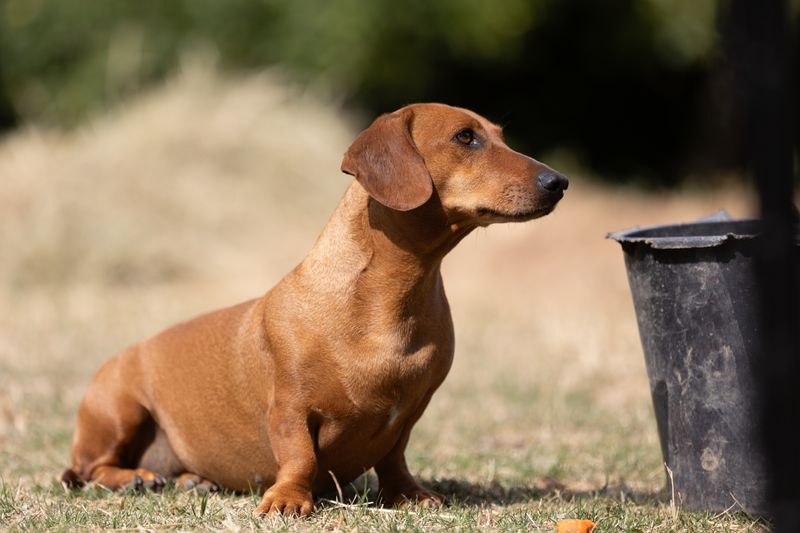
Dachshund
A long, low hunting dog from Germany with a loud voice, a stubborn streak and a nose that overrules everything else.
EnergyGroomingFlat life

