




History
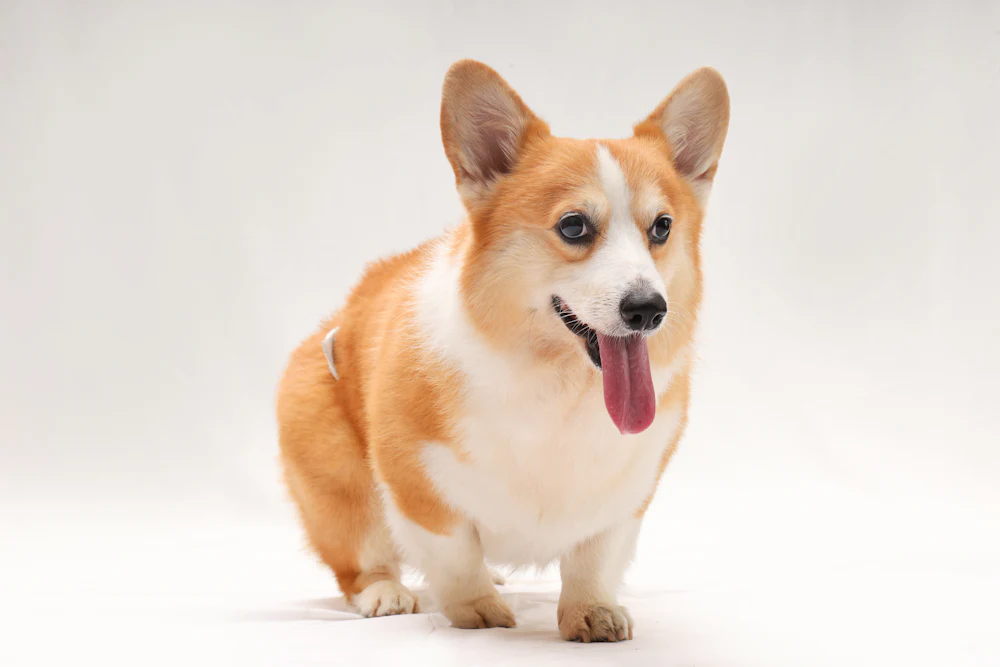
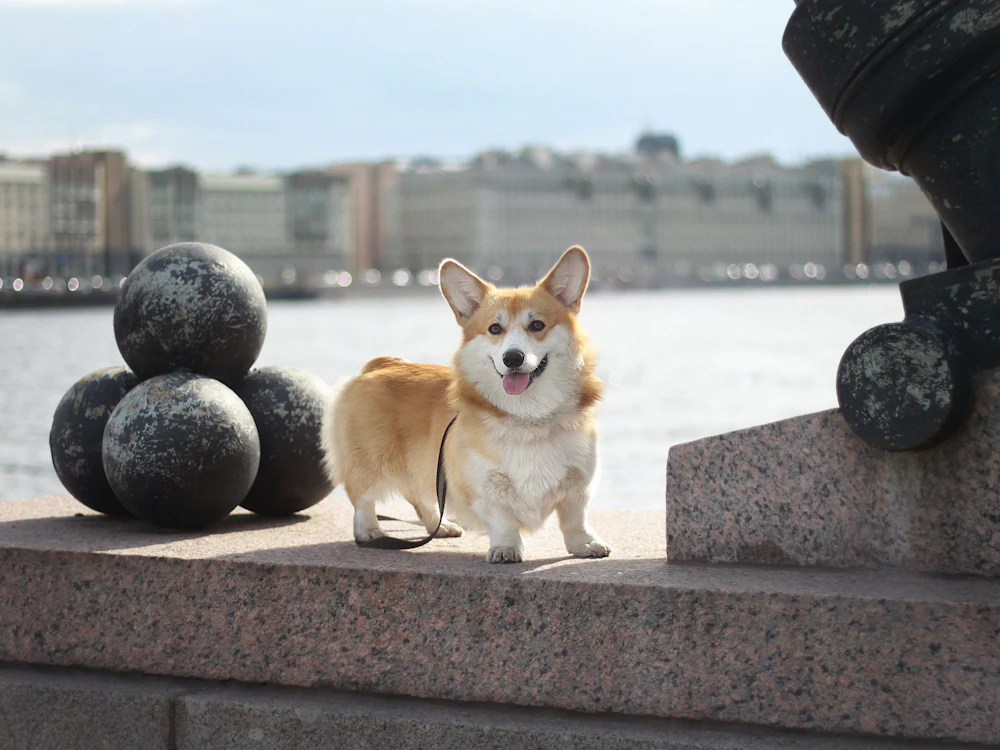
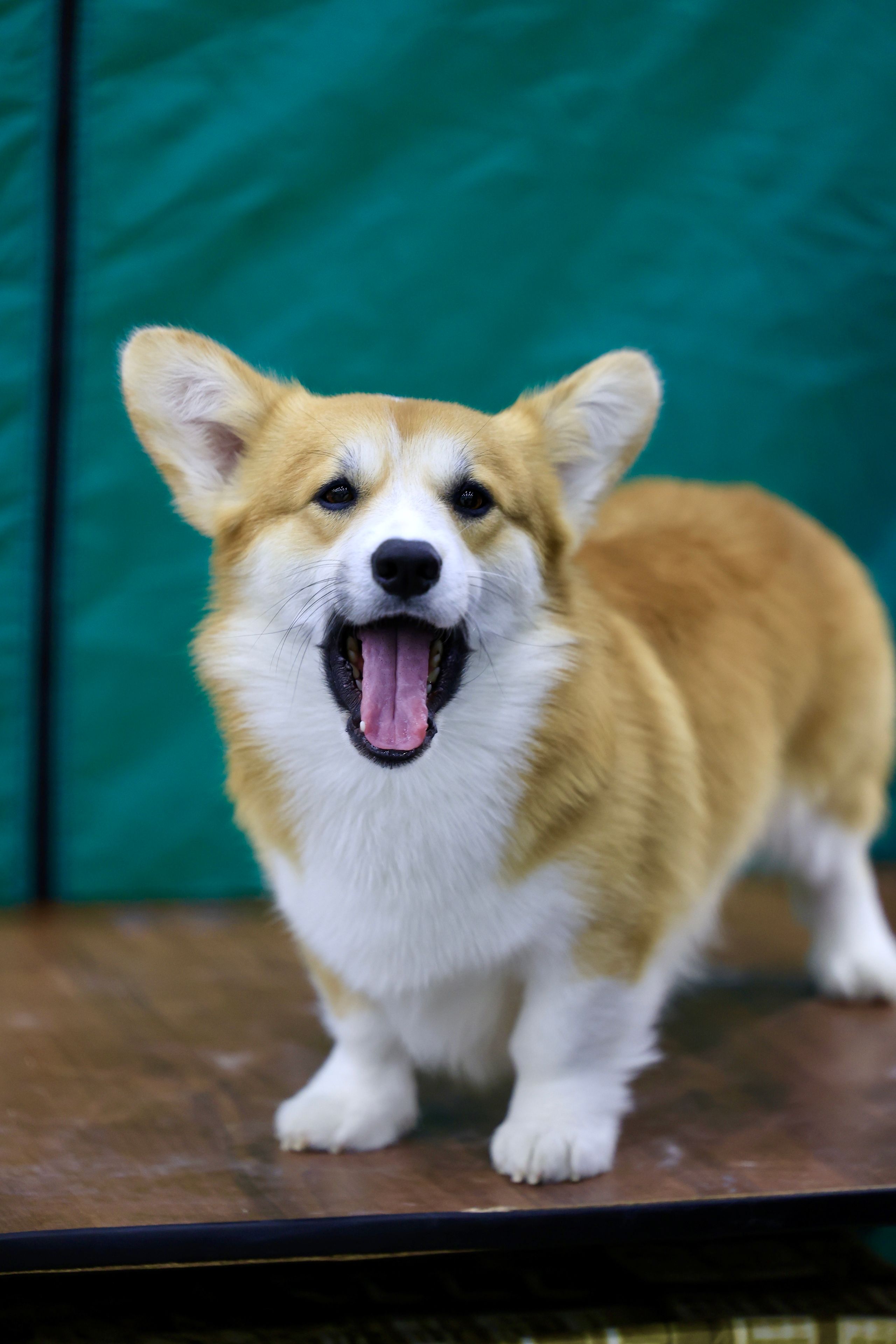
The Pembroke Welsh Corgi comes from Pembrokeshire in south-west Wales, where it worked as a cattle dog, nipping at heels and ducking under kicks, a job well suited to a low, strong, quick animal. The FCI lists it under Great Britain, in Group 1, Section 2, with the cattle dogs, and its stated use is sheepdog work. The standard describes it as low set, strong and sturdily built, alert and active, giving an impression of substance and stamina in a small space.
The Cardigan Welsh Corgi is a separate, older breed with a long tail. On the Pembroke the FCI notes that docking was customary in the past, that undocked tails are set in line with the topline, and that natural bobtails of any length are acceptable. Queen Elizabeth II famously owned more than thirty Pembrokes during her reign and kept the breed in the public eye.
Temperament
The FCI wants a dog that is bold in outlook and workmanlike, outgoing and friendly, never nervous or aggressive. That description matches the Corgi of experience: confident, quick-witted and entirely sure of its place in the household. Corgis are affectionate and lively, usually vocal, and sometimes bossy, so a Corgi may well try to manage the family as it once managed cattle.
The herding instinct shows in daily life. Many Corgis nip at heels, circle running children and try to round up visitors, bicycles or other dogs. It is manageable with training and sensible outlets, but it does not vanish. They are also alert, which makes them good watchdogs and, in a block of flats, a source of comment from the neighbours. Overly shy or aggressive dogs are disqualified under the standard.
Children and other pets
Corgis can be good family dogs but may nip at running feet, particularly with young children, so teach calm games and supervise play. Children should also learn not to lift a Corgi awkwardly, since its long back is vulnerable. With other dogs they usually get on well, though a Corgi can be pushy and bold with larger ones. Cats are generally accepted if introduced early, although the dog may try to herd them.
Exercise and the daily walk
A Corgi needs one to one and a half hours a day, and the dog that looks like a footstool will happily keep walking for miles. Aim for varied outings that include sniffing, a little running and some training, rather than one monotonous lap. Mental work tires a herding dog quickly, and ten minutes of tricks can settle an evening better than another half hour of lead walking.
The sensible limits concern the spine and weight. Avoid repeated jumping from sofas and cars, encourage ramps and lifts, and keep the dog lean, because extra kilos strain the long back. Corgis also enjoy obedience, rally, agility and even herding lessons, and a conditioned, trained Corgi is a surprisingly capable athlete. Take care in summer, since the double coat holds heat.
Training
Corgis are clever, food-motivated and quick to learn, and they can also be bossy. Reward-based training with clear routines suits them, and the food drive makes treat work easy, as long as the treats are counted in the daily ration. Redirect the herding nip into toys and teach a calm alternative early, particularly around children and bicycles.
They are happiest when given a task. Obedience, rally, trick training and scent games all work, and a trained Corgi is a pleasure to live with. Teach a quiet cue as well, since the breed has a lot to say about doorbells and passing neighbours. Handle the feet, ears and coat from puppyhood, and teach the dog to wait for the lift door instead of racing out of it.
Coat and grooming
The FCI describes a medium-length, straight coat with a dense undercoat, never soft, wavy or wiry. The double coat sheds a lot, all year and heavily twice a year, and a brush two or three times a week keeps hair under control, daily during the shed. Do not shave the coat. Permitted colours are red, sable, fawn, and black and tan, with or without white markings on the legs, brisket and neck, and some white on the head.
Feeding and weight
Corgis love food and put on weight easily, which strains the long back and the joints. Measure meals on scales, keep treats modest and use part of the daily ration for training. Ask the vet to judge the dog's condition, because a thick coat can hide extra weight. A lean Corgi stays more agile and may live more comfortably, and a bored Corgi will beg convincingly.
Work out a starting calorie figure and food weight with the calorie calculator. Not sure this is the right breed? Take the quiz.
Health
Every breed carries predispositions. These are the conditions most often discussed for the Pembroke Welsh Corgi, not a prediction for any individual dog.
- Degenerative myelopathy (a spinal disease, DNA test available)
- Intervertebral disc disease (back problems)
- Obesity
- Hip dysplasia
- Von Willebrand disease (a bleeding disorder, DNA test available)
What to ask the breeder. Ask for hip scores, an eye examination and DNA tests for degenerative myelopathy and von Willebrand disease. Ask also about back problems in the family.
Choosing a puppy
Ask for hip scores, an eye examination and DNA tests for degenerative myelopathy and von Willebrand disease in the parents, and meet them: temperaments vary, and a bold puppy still needs good manners. Puppies are tempted to jump and race down steps, so limit stairs and high jumps while the spine grows. Start socialising and handling at once, and give the puppy a chewing outlet for the herding mouth.
In Luxembourg the national kennel club is the Fédération Cynologique Luxembourgeoise (FCL), a member of the FCI. Many owners also buy from breeders in Germany, France or Belgium; a puppy coming from another EU country must be microchipped and vaccinated against rabies, which in practice means it cannot travel before about fifteen weeks of age. Where to get a dog in Luxembourg.
The older Pembroke Welsh Corgi
Degenerative myelopathy and back problems can appear with age, so watch for dragging paws, a wobbly gait, reluctance to jump and stiffness. Keep the dog lean, walks regular and floors non-slip, and use ramps for sofas and cars. Corgis often keep their cheerfulness, so a dog that stops greeting you at the door deserves a vet check. Regular check-ups catch problems early.
A realistic day
A realistic weekday for a working household in Luxembourg City, with a midday visit. Adjust it to your dog, not the other way round.
Walk with a short training game before work.
Breakfast, weighed, with a few training treats taken from the ration.
Midday visit: toilet break, a brisk walk and a trick session.
Longer walk with sniffing and a little running.
Final walk and a thorough brush.
A Pembroke Welsh Corgi in Luxembourg
A Corgi is a good city dog if it is walked and given work to do. It fits a flat well, but the long back matters: a Corgi should not run up long staircases every day, so use the lift or carry the dog where there is no alternative, and keep the floors non-slip. Barking at the stairwell can be a problem, so teach the quiet cue early.
The Pétrusse valley, Parc Merl and the Municipal Park offer enough variety for daily walks, while the Bambësch and Grünewald forests suit longer weekend outings reached on the free buses and trams. Summers in the 30s are hard on a double coat, so walk early and late. Microchip, register with the commune, insure the dog for third-party liability and expect an annual dog tax.
Every dog in Luxembourg must be identified, declared to the commune and covered by liability insurance. How registration works.
When you travel
Corgis adapt well to sitters and are sturdy travellers by car. Tell the sitter about the nipping instinct, the long back and the food drive. Keep meals measured while you are away, since holiday treats show quickly on a Corgi, and supply toys, exercise and a firm routine. Avoid jumping on and off furniture, and keep the dog on a lead outdoors.
PAWLY's holiday and overnight care takes place in your home, so your dog keeps its own bed and routine.
Myths and facts
MythCorgis are lazy lap dogs.
FactThey are working herding dogs with plenty of energy, and need real exercise and a task.
MythShort legs mean short walks.
FactA fit Corgi can walk for miles. What it should avoid is repeated jumping and excess weight.
MythCorgis are the same as Cardigans.
FactThey are separate breeds. The Cardigan is a distinct, older breed with a long tail.
Is it the right dog for you?
Suits
- Active owners wanting a small-to-medium dog
- People who enjoy training
- Families with older children
- Owners who can manage a lively, vocal dog
Think twice if
- Very young children who run and squeal
- Owners who dislike shedding
- Anyone who overfeeds
- Homes with long staircases and no lift
Questions owners ask
Why does my Corgi nip ankles?
It is herding instinct, which the breed was developed for. Redirect it into toys and games, reward calm behaviour, and avoid letting children run and squeal around the dog.
Pembroke or Cardigan?
They are separate breeds. The Cardigan is larger, has a long tail and a slightly calmer reputation. Both are herding dogs and need exercise, training and a lean body.
Do Corgis shed a lot?
Yes. The dense undercoat sheds all year and heavily twice a year. Regular brushing helps, but anyone who dislikes hair on clothes and furniture should think twice.
How much does a Pembroke weigh?
The FCI gives 10 to 12 kg for males and 9 to 11 kg for females, at about 25 to 30 cm at the withers. Keep the dog near the lower end of the range, as extra weight strains the back.
Sources
Photo: Unsplash (Unsplash License) · Photo: Unsplash (Unsplash License) · Photo: Unsplash (Unsplash License) · Photo: Unsplash (Unsplash License) · Photo: Pexels (Pexels License)
General information for dog owners in Luxembourg, not veterinary or legal advice. Official facts (origin, size, group, history and temperament as described by the breed standard) follow the FCI standard; health and care sections reflect breed-club and veterinary guidance and are typical ranges rather than rules. For your own dog, ask your vet, the breed club or your commune. How this guide is written and checked. Last reviewed 8 October 2026.
Need someone for your Pembroke Welsh Corgi?
PAWLY offers an individual 45-minute walk or a home visit at your dog's pace, the same walker every time, and a written report with photos after every visit, across Luxembourg City.
Read next: the journal, for the Pembroke Welsh Corgi
All articles
Long-backed breeds, stairs and the spine
A long back makes stairs matter more than most owners think.

Getting weight off a dog, and keeping it off
Weight is a recurring issue for the Pembroke Welsh Corgi; this is how to take it off and keep it off.

How much exercise does your dog actually need?
The Pembroke Welsh Corgi is an active breed, so it is worth checking the exercise numbers against your actual week.
Similar breeds
All 198 breeds
Shetland Sheepdog
A small, sensitive herding dog from the Shetland Islands, bright and devoted, and a keen barker.
EnergyGroomingFlat life
Border Collie
Probably the most capable working dog in the world, and for the same reason one of the hardest to keep in a city flat.
EnergyGroomingFlat life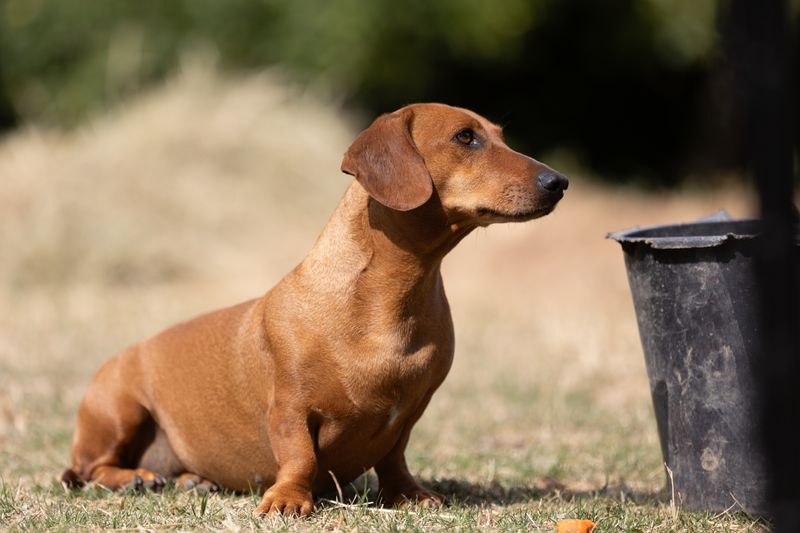
Dachshund
A long, low hunting dog from Germany with a loud voice, a stubborn streak and a nose that overrules everything else.
EnergyGroomingFlat life

