History
The Cesky Terrier, also known as the Czech Terrier, is one of the few breeds with a well documented founder. According to the FCI standard, the Czech breeder František Horák near Prague, began developing it in 1949 by crossing a Sealyham Terrier with a Scottish Terrier. His aim was a short-legged hunting terrier suited to working foxes and badgers underground, but with a calmer, more manageable temperament than many terriers.
The dogs first appeared at shows in 1959, and the FCI recognised the breed in 1963. It is classified in Group 3, Section 2, with the small terriers, without a working trial, and its standard dates from 1997. The breed's name simply means Czech Terrier. Today, as the standard notes, it is primarily a companion, although many still enjoy using their hunting instincts. That quiet reputation is not an accident: the breed was shaped to be a working companion for a hunter who wanted a dog that could go to ground, then come home and sit by the stove without drama. Numbers remain modest outside the Czech Republic, so most owners in western Europe will be dealing with small, dedicated breeders and waiting lists.
Temperament
The standard describes a balanced, non-aggressive, pleasant and cheerful companion, easy to train, somewhat reserved towards strangers, and of calm and kind disposition. In practice this is one of the gentlest terriers. Many are relaxed at home, enjoy being near their family and are less prone to explosive reactions than some terriers. Do not mistake the calm for dullness: a Cesky enjoys a game, a new route and the company of its people, and it reads household moods well.
They remain alert and will warn of visitors, and some are cautious at first with strangers. Their hunting background means that small animals moving in the hedge still interest them, but most are easier to manage around other dogs than many terriers. Reserve with strangers is normal rather than a fault, and it usually fades into polite acceptance once the dog has had a minute to assess the visitor. Barking tends to be a short announcement, not a campaign, though a bored dog left alone for long stretches may become more vocal. Sensitive to tone, it sulks briefly under a raised voice and recovers quickly when the mood lightens.
Children and other pets
With their calm, kind disposition, Cesky Terriers often do very well with children who handle them respectfully. They are sturdy enough for play but should not be picked up carelessly, given their long body. Most live well with other dogs and can accept a cat raised with them. Small caged pets should be supervised. Teach children to lift the dog with support under the chest and hindquarters, never by the front legs. Introductions to a resident cat work best when the dog is young and the cat has a high perch to retreat to.
Exercise and the daily walk
About an hour a day of walking and play suits most adults. They enjoy sniffing and exploring, and short, varied outings keep them content. They are not built for long runs, but steady walks in parks and woods are ideal. Two or three outings are better than one long one: a short morning walk, a proper midday outing and an unhurried evening stroll with time to investigate hedges and verges.
Many Cesky Terriers have reasonable recall but may follow scent when wildlife is around, so a long line in forests is sensible. Avoid frequent jumping from heights and many stairs, which strain the long back. Games help on wet days. Hiding a few treats around the flat, a short session of fetch in the corridor or a simple trick sequence uses the terrier brain without taxing the back. Cesky Terriers are not usually enthusiastic about cold rain, and a coat with a clipped body can feel the chill, so a light waterproof is worth having for a November evening.
Training
The FCI standard calls the Cesky easy to train, and most respond well to friendly, reward-based training. They are sensitive, so calm handling and short sessions work best. Because the dog is sensitive, a firm but friendly approach is enough; shouting is counterproductive and may leave a dog that avoids the lesson rather than learns it.
Teach a reliable recall, loose lead walking and calm greetings. Socialisation with people helps reduce reserve with strangers. Teaching the dog to accept handling for grooming from an early age is particularly useful. Practise recall in a quiet enclosed space first, then on a long line, and keep treats valuable. Lead manners are generally straightforward, though the terrier instinct to dart after a rustle in the leaves needs a steady hand in the first year. Short daily sessions of five minutes are more productive than weekend marathons.
Coat and grooming
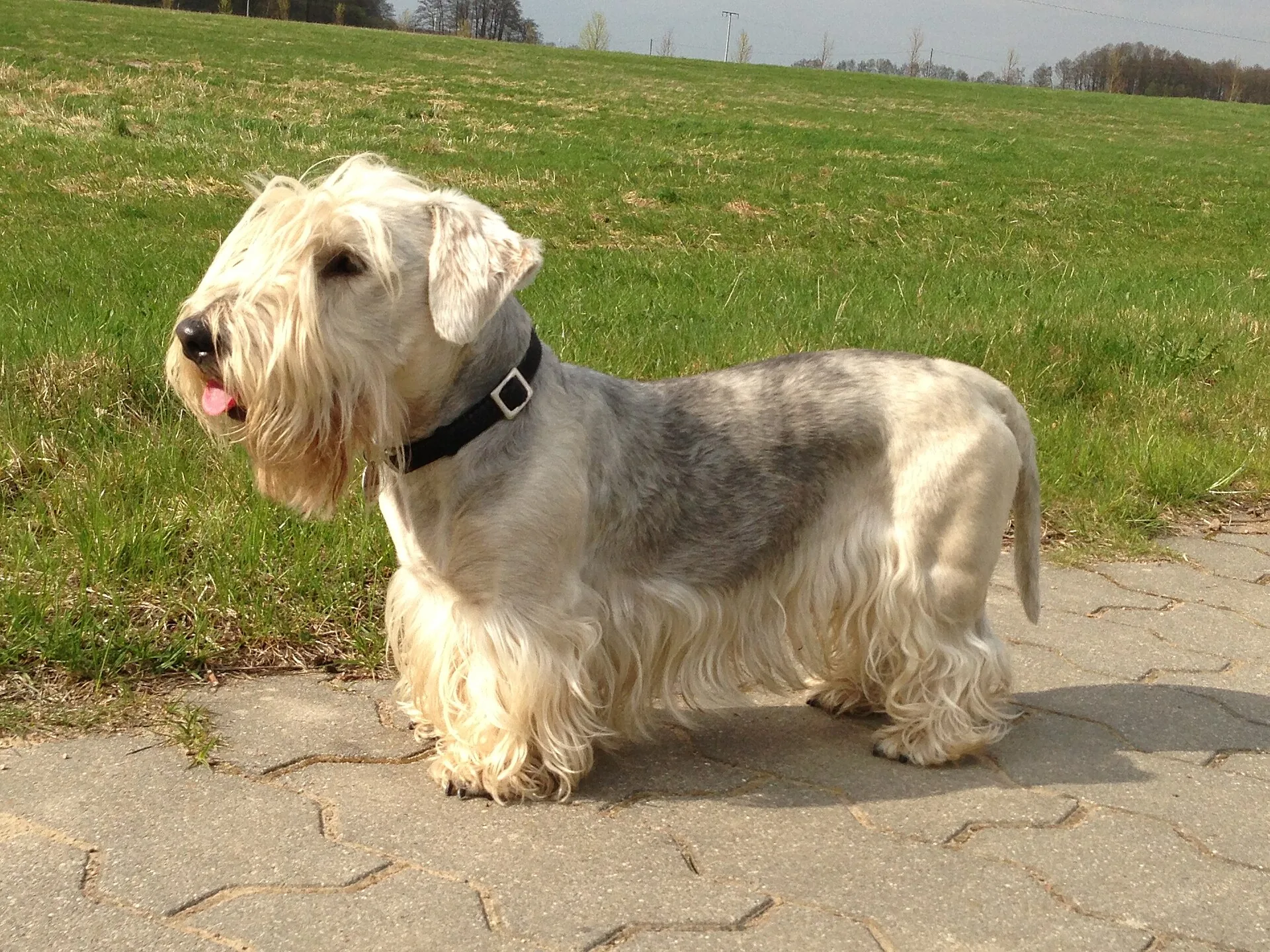
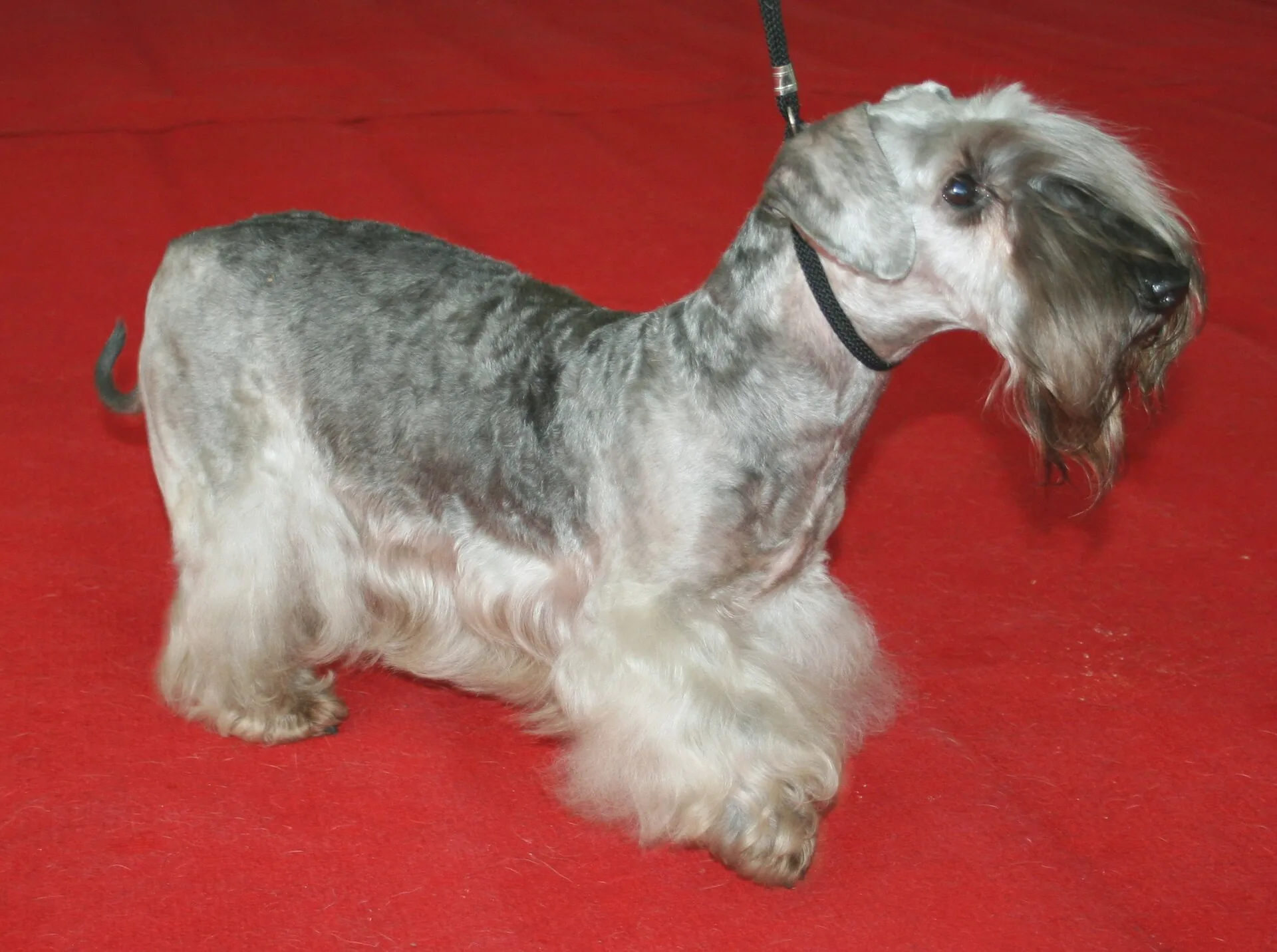
The coat is long, fine but firm and slightly wavy with a silky gloss, and is traditionally clipped: shorter on the back and sides, with longer hair left on the beard, eyebrows and lower legs and underside. It sheds little but mats if not cared for. Brush twice a week and clip every six to eight weeks. FCI colours are grey blue (puppies are born black) or light coffee brown (born chocolate), with yellow, grey or white markings permitted.
Feeding and weight
Feed a good quality complete diet in measured portions, usually two meals a day. Keep the dog lean, as excess weight puts strain on the long back. Use part of the daily ration as training rewards. The beard needs wiping after meals. Most adults do well on two measured meals, and puppies need three or four small ones. Chews that are suitable for small dogs help keep teeth clean, though dental care, whether brushing or vet checks, remains important in a small breed.
Work out a starting calorie figure and food weight with the calorie calculator. Not sure this is the right breed? Take the quiz.
Health
Every breed carries predispositions. These are the conditions most often discussed for the Cesky Terrier, not a prediction for any individual dog.
- Scottie cramp (a neurological movement disorder)
- Primary lens luxation (PLL)
- Patellar luxation (slipping kneecaps)
- Back problems linked to the long body
- Dental disease
What to ask the breeder. Ask whether the parents have had a PLL DNA test, knee evaluations, an eye examination and a cardiac exam, and whether there is any history of Scottie cramp.
Choosing a puppy
Cesky puppies are usually calm and friendly. Introduce grooming and handling early, and expose them gradually to lifts, traffic, buses and people. Limit stairs and jumping while they grow, and carry small puppies when needed. Puppy classes help with socialisation. Start grooming practice from the first week, with a soft brush and short, calm sessions on a non-slip surface, since the adult coat will need regular clipping and handling. Toilet training goes best with frequent trips outside, particularly after sleeping, eating and play, and a ground-level exit is easier than a lift ride for a very young puppy.
In Luxembourg the national kennel club is the Fédération Cynologique Luxembourgeoise (FCL), a member of the FCI. Many owners also buy from breeders in Germany, France or Belgium; a puppy coming from another EU country must be microchipped and vaccinated against rabies, which in practice means it cannot travel before about fifteen weeks of age. Where to get a dog in Luxembourg.
The older Cesky Terrier
Many Cesky Terriers stay active into older age. Keep walks regular but shorter, and watch weight and back health. Provide a soft, supportive bed and ramps if needed. Regular dental and eye checks are important. Back strain shows first as reluctance to jump onto the sofa or climb stairs, so ramps and a lower bed are kind additions. Check eyes regularly, because lens problems can appear later in life.
A realistic day
A realistic weekday for a working household in Luxembourg City, with a midday visit. Adjust it to your dog, not the other way round.
A 25-minute walk with time to sniff, then breakfast.
Quick brush of the beard and legs, then a nap.
PAWLY midday visit: a 40-minute walk in a nearby park, fresh water and a check of the coat.
Evening walk of 30 to 40 minutes, then dinner.
Short last walk, then bed.
A Cesky Terrier in Luxembourg
The Cesky Terrier is well suited to city flats. Its size suits lifts, it is usually quiet indoors and its calm temperament makes encounters in stairwells easier. Carry the dog on stairs where possible, to protect the back. With a lift in the building and a short walk to the nearest green space, the daily routine is easy to keep, even in a busy working week.
Parc Merl, the Kinnekswiss and the Pétrusse valley are good daily walks, while Bambësch and the Grünewald offer longer weekend outings. Keep the dog on a long line in forests with deer. In summer, walk early and late. Free public transport makes it easy to reach the forest edges with a dog of this size. Remember the standard obligations: microchip, declaration to the commune, third-party liability insurance and the annual dog tax.
Every dog in Luxembourg must be identified, declared to the commune and covered by liability insurance. How registration works.
When you travel
A sitter should continue the grooming routine and protect the back by limiting stairs and jumping. Keep the dog on lead outdoors. Feed as instructed and keep the beard clean. Walks should follow the usual times, with a long line in woods. The sitter should know that the dog may be reserved at first, so a quiet introduction and a few days of familiar routine are best. Contact details for the vet and for the owner should be left by the door.
PAWLY's holiday and overnight care takes place in your home, so your dog keeps its own bed and routine.
Myths and facts
MythAll terriers are hard to manage.
FactThe Cesky was deliberately bred to be calmer and easier than many terriers.
MythIt is just a variant of the Scottish Terrier.
FactIt is a distinct breed developed from Sealyham and Scottish Terriers, with its own standard and character.
MythClipped coats need no care.
FactThe coat mats if neglected and requires regular brushing and clipping.
Is it the right dog for you?
Suits
- First-time owners
- Flat dwellers
- Families with children
- People wanting a calm terrier
Think twice if
- You do not want regular grooming
- You keep small pets
- You want a running partner
- You have many stairs without a lift
Questions owners ask
Is the Cesky Terrier a good first dog?
Yes. Its calm, kind disposition and trainability make it one of the most suitable terriers for first-time owners.
How much grooming does it need?
Brushing twice a week and clipping every six to eight weeks.
Is it barky?
It alerts to visitors but is generally calmer than many terriers.
Can it be left alone?
Most adults cope with a few hours, but a midday walk is advisable.
Sources
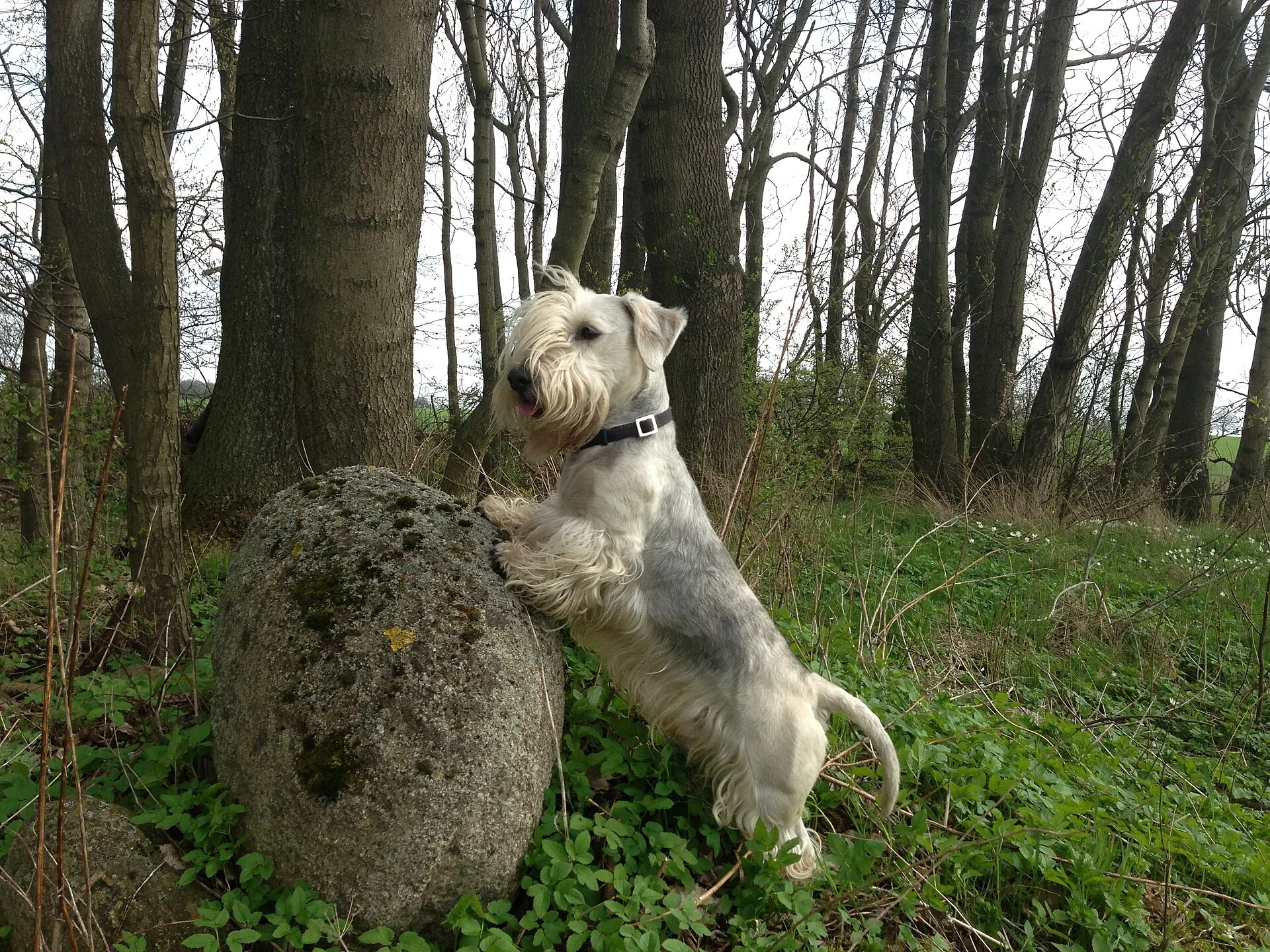
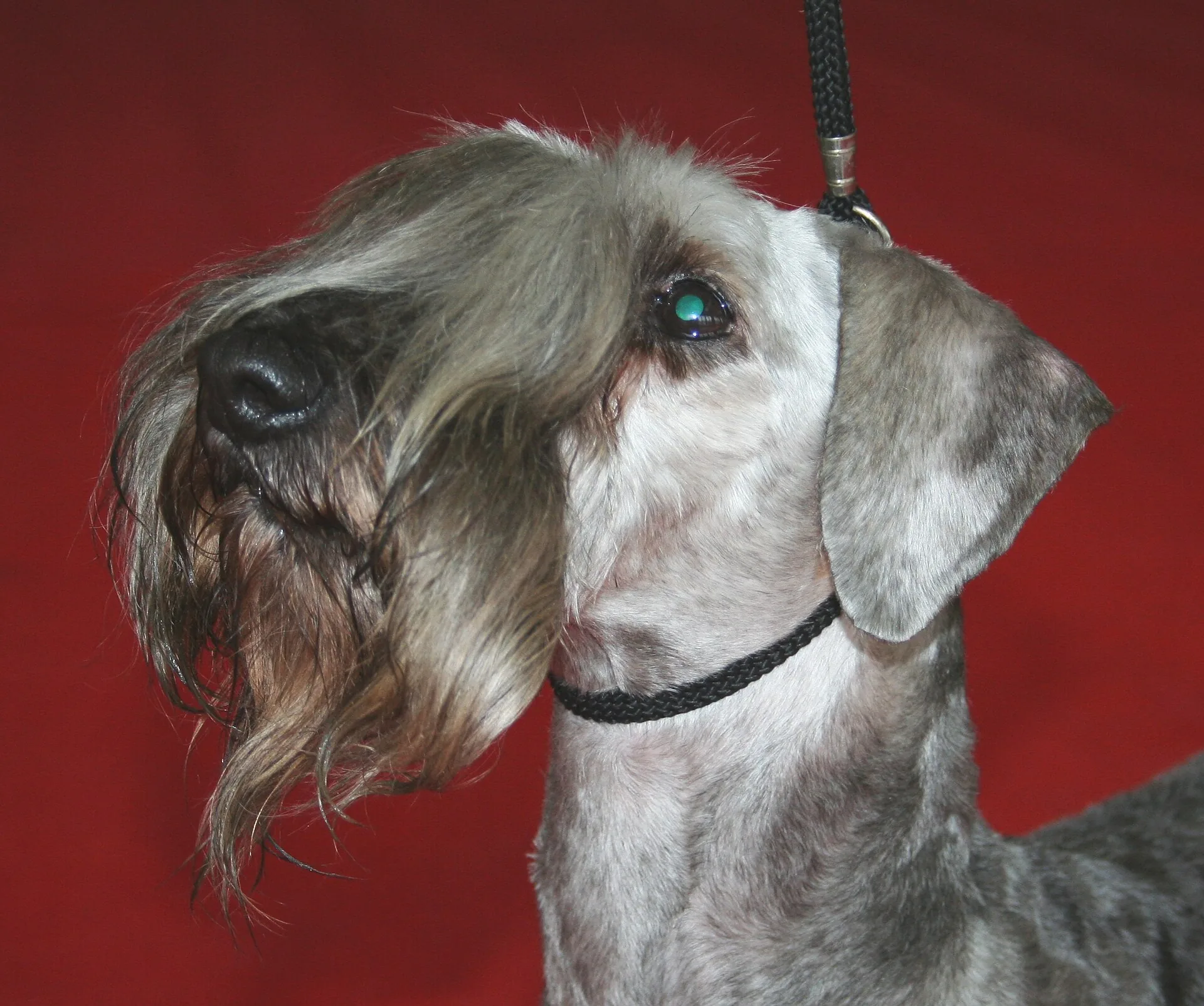
Photo: ceskyfreund36, CC0, via Wikimedia Commons · Photo: ceskyfreund36, CC0, via Wikimedia Commons · Photo: Pleple2000, CC BY-SA 4.0, via Wikimedia Commons · Photo: Pleple2000, CC BY-SA 4.0, via Wikimedia Commons
General information for dog owners in Luxembourg, not veterinary or legal advice. Official facts (origin, size, group, history and temperament as described by the breed standard) follow the FCI standard; health and care sections reflect breed-club and veterinary guidance and are typical ranges rather than rules. For your own dog, ask your vet, the breed club or your commune. How this guide is written and checked. Last reviewed 8 October 2026.
Need someone for your Cesky Terrier?
PAWLY offers an individual 45-minute walk or a home visit at your dog's pace, the same walker every time, and a written report with photos after every visit, across Luxembourg City.
Read next: the journal, for the Cesky Terrier
All articles
Teeth: the problem owners find least interesting and vets see most
Teeth are a known weak point in the Cesky Terrier; this is the routine that helps.

Grooming and coat care through the Luxembourg year
The Cesky Terrier has a coat that needs a routine that holds through the Luxembourg seasons.

Dogs and cats in the same flat
The Cesky Terrier can see small animals as prey; this covers living with a cat in a flat.
Similar breeds
All 198 breeds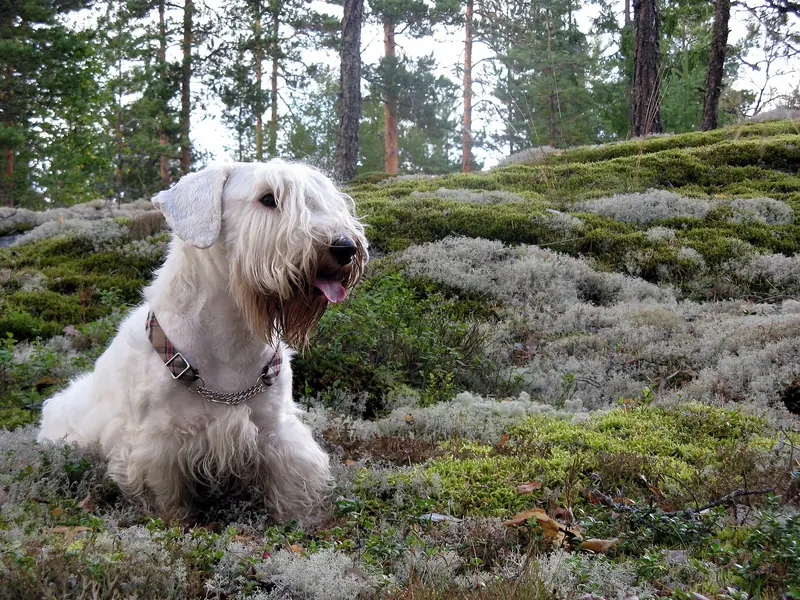
Sealyham Terrier
A low, square-jawed white terrier bred to follow badgers underground, with a big dog's confidence and no sense of scale.
EnergyGroomingFlat life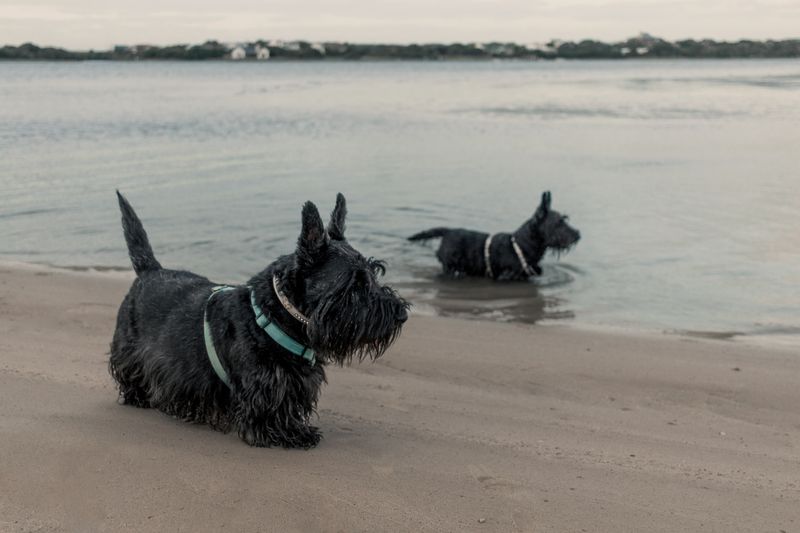
Scottish Terrier
A compact, dignified Highland terrier with a long beard, a stubborn streak and great self-respect.
EnergyGroomingFlat life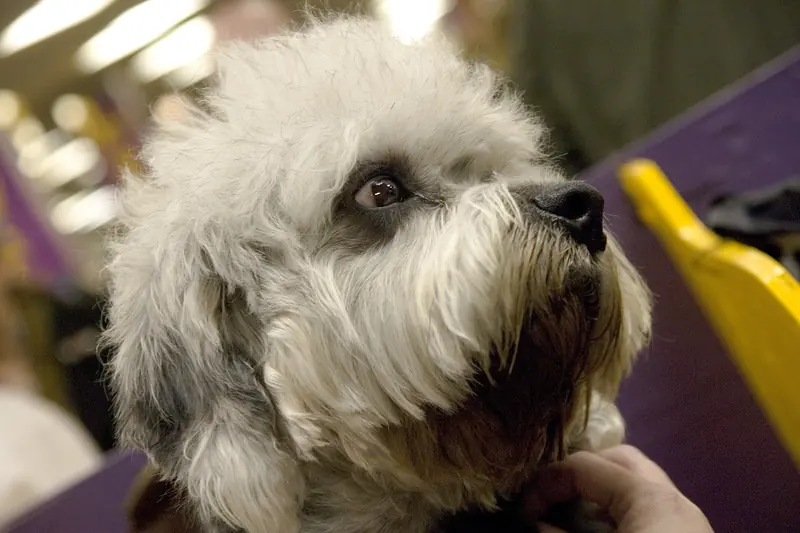
Dandie Dinmont Terrier
A long, low, dignified terrier with a silky topknot and big dark eyes, equally ready to hunt a badger or demand your sofa.
EnergyGroomingFlat life

