History
The Coton de Tuléar takes its name from two things: its coat, which the FCI standard says has the texture of cotton, and Tuléar (now Toliara), a port town on the south-west coast of Madagascar. It belongs to the family of small white bichon-type dogs found around the Mediterranean and Indian Ocean trading routes, and Madagascar is recorded by the FCI as its country of origin, with France holding the patronage of the standard.
According to the standard, the breed was introduced to France long before its official recognition in 1970, and it quickly gained a prominent place among French companion dogs. From there it spread across Europe and further afield. The current FCI standard dates from 1999 and places the Coton in Group 9 in its own subsection, a sign of how distinct breeders consider it from its Bichon and Bolognese cousins. It has always been a companion dog rather than a working one.
Temperament
Temperament is written into the standard as one of the breed's main characteristics: happy, stable, very sociable with people and with other dogs, and able to adapt to every way of life. In practice that means a dog that greets the concierge, the neighbour's child and the visiting plumber with equal goodwill. Cotons tend to follow their people from room to room and like to be part of whatever is happening, whether that is a dinner party or a lazy Sunday.
They are playful well into middle age and often have a clownish streak, with sudden bursts of running round the sofa. Most are not barkers by nature, but they will announce the doorbell and some learn that a yap gets attention. The main trade-off is attachment: a Coton is happiest with company for much of the day and can become unsettled if routinely left for long stretches.
Children and other pets
A Coton is one of the easier breeds to share with children, because it is sturdy for its size, rarely snappy and genuinely enjoys gentle play. The usual caution for small dogs applies: toddlers should sit on the floor to hold one, since a fall from arms can injure a dog of five kilos. Cotons usually get on well with other dogs, as the standard notes, and most live peacefully with cats. Their prey drive is low, although a darting rabbit in the park may still earn a brief chase.
Exercise and the daily walk
This is not a dog that needs miles, but it does need daily outings for its body and its mind. Two walks of 15 to 25 minutes, plus a game of fetch in the hallway, will satisfy most adults. Many Cotons surprise their owners by keeping up happily on a longer weekend walk through the Pétrusse valley, provided the pace is relaxed and there are pauses to sniff.
The coat matters more than the legs. On a wet November evening the long white hair collects mud, leaves and water, and a soaked Coton needs towelling and a proper dry to avoid tangles. In summer heat, walks are best kept to the cooler early morning and late evening. Short, varied routes with new smells often tire a Coton more than a long march along the same pavement.
Training
Cotons are bright, people-focused and generally keen to please, which makes them a good choice for a first-time owner. Short sessions with food rewards and plenty of praise work well; harsh handling does not, and a sensitive Coton may simply shut down. Many enjoy learning tricks, and some do well in beginner agility or rally.
House-training can take longer than with larger breeds, as it does with most small dogs, so a consistent routine and frequent trips outside are important, especially in a flat where the lift adds minutes to every outing. Teaching a puppy to be calm while being brushed, having paws handled and standing on a table is part of training too, and it saves a great deal of stress later.
Coat and grooming
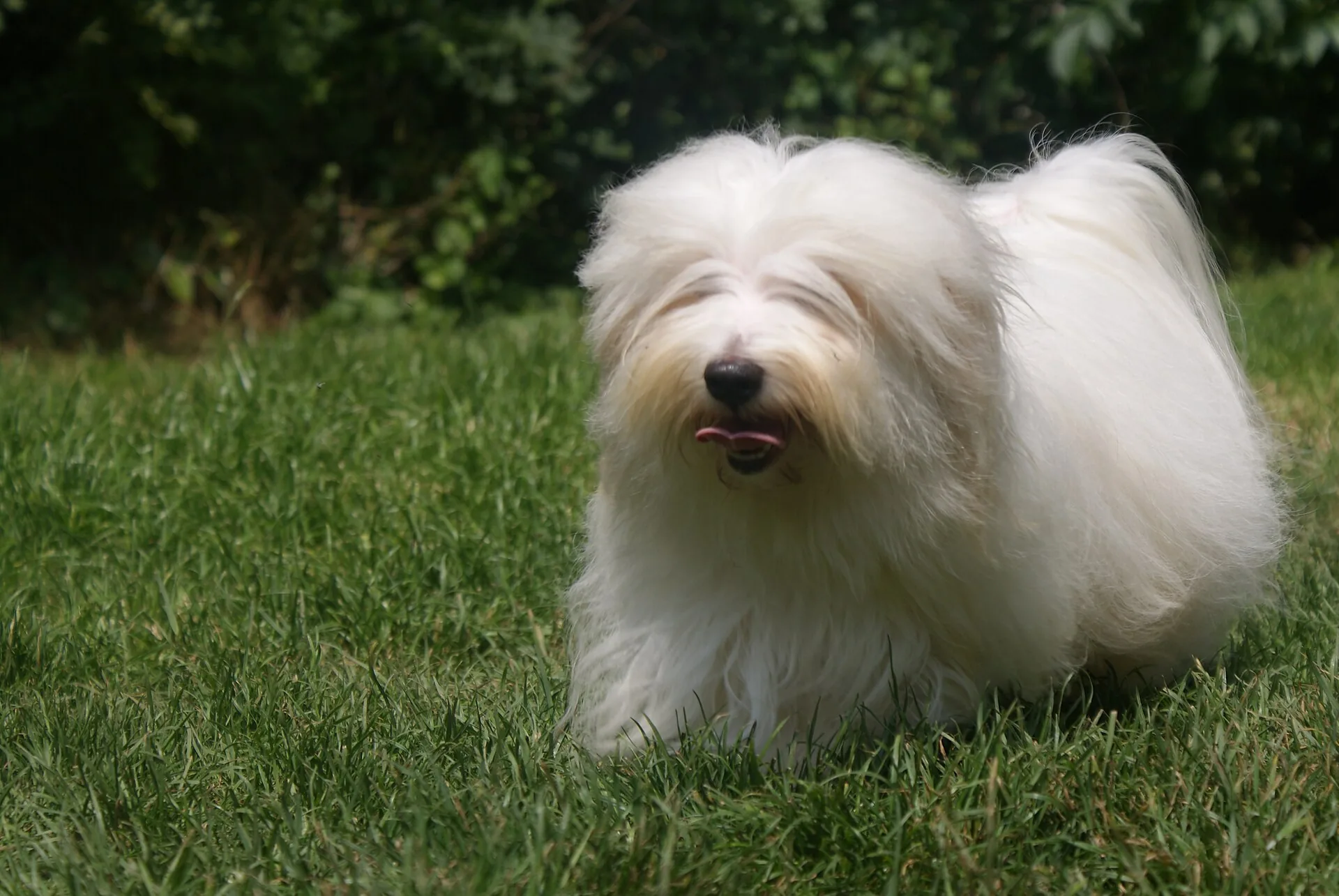
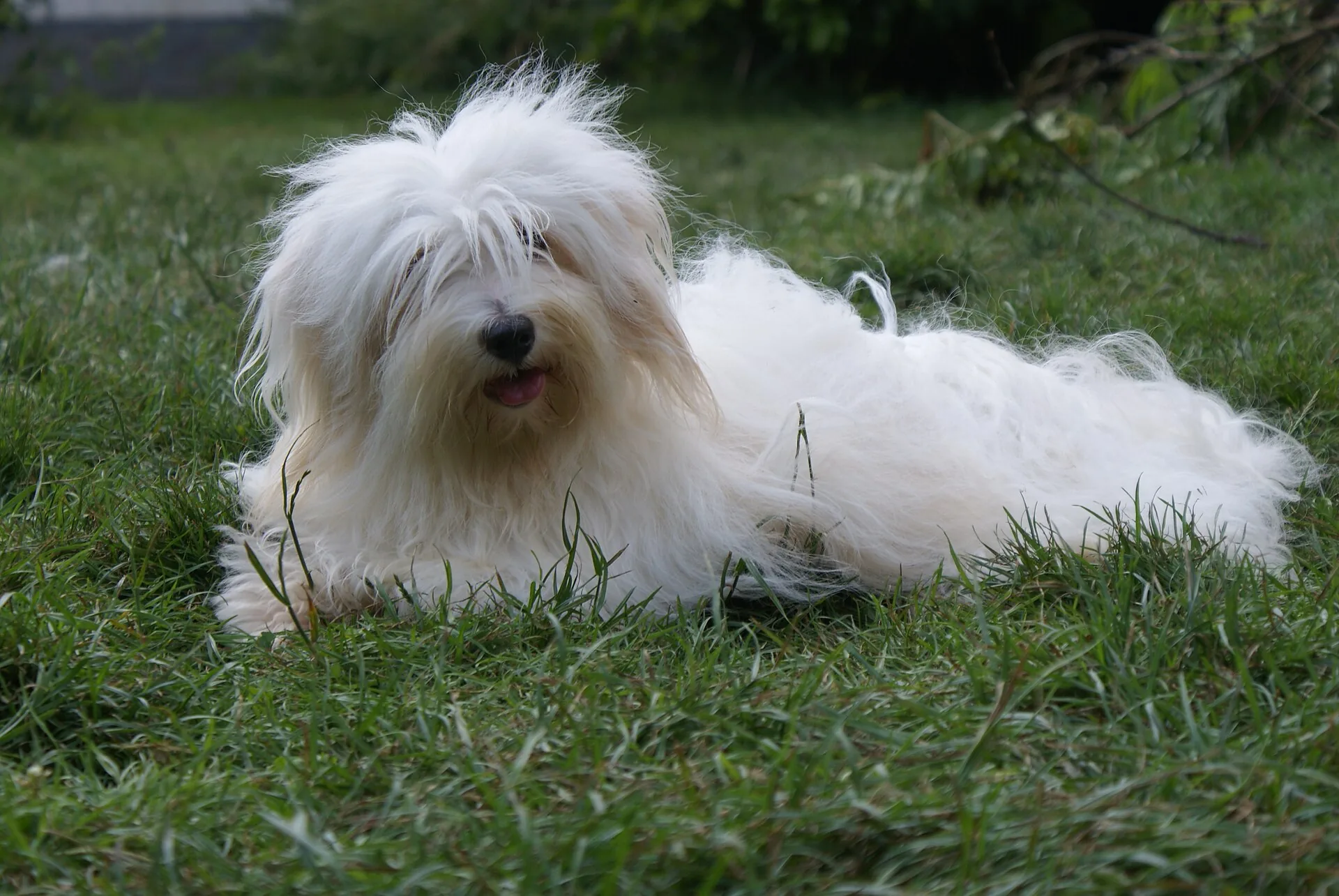
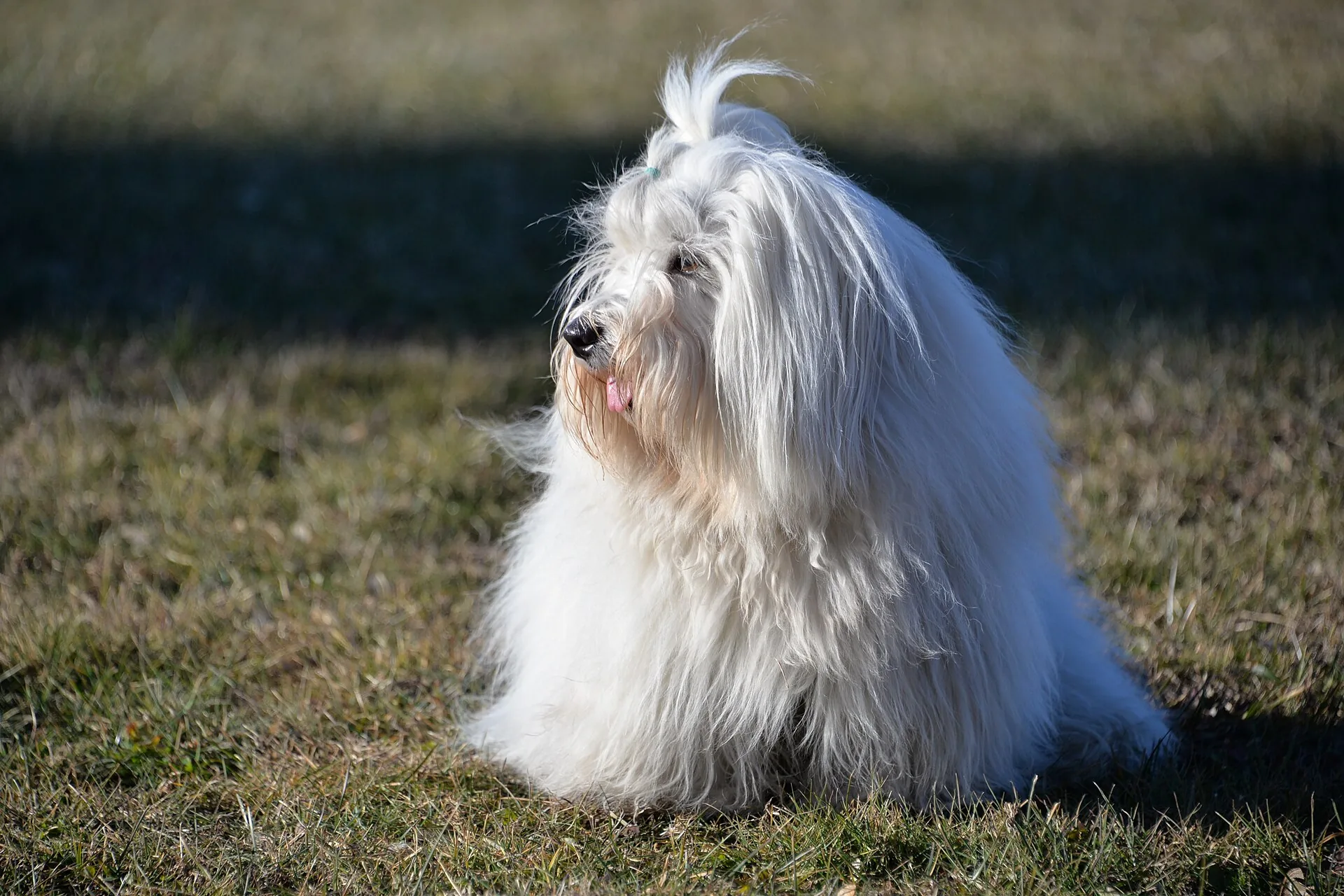
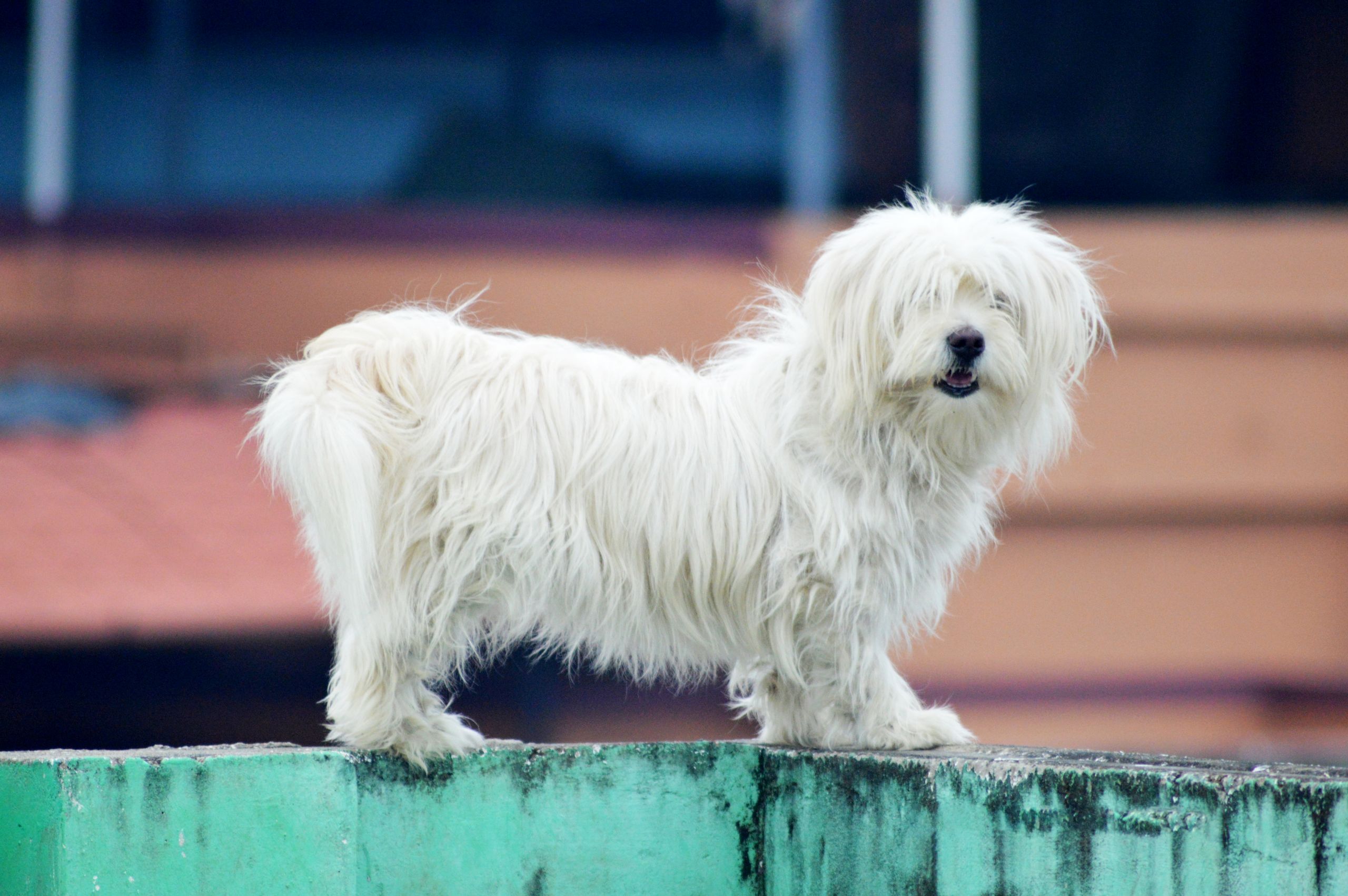
The FCI standard describes a very soft, supple coat with the texture of cotton, never hard or rough, dense and profuse, and possibly very slightly wavy. Its length makes it prone to mats, particularly behind the ears, under the legs and where a harness rubs, so it needs brushing right down to the skin every day or two. Shedding is light, as loose hair is caught in the coat rather than dropped. The ground colour is white; a few slight shadings of light grey or red-roan are permitted on the ears. Many pet owners keep a shorter trim.
Feeding and weight
A Coton needs only a small amount of a good quality complete food, divided into two meals, and it is easy to overfeed with treats when the dog is this charming. Watch the waist rather than the bag's guidelines: you should be able to feel the ribs under the coat. Small kibble suits the mouth, and dental chews or regular tooth brushing help keep tartar under control. Wipe the beard after meals to stop staining and odour.
Work out a starting calorie figure and food weight with the calorie calculator. Not sure this is the right breed? Take the quiz.
Health
Every breed carries predispositions. These are the conditions most often discussed for the Coton de Tulear, not a prediction for any individual dog.
- Patellar luxation (slipping kneecaps)
- Hip dysplasia
- Inherited eye disease, including progressive retinal atrophy
- Neonatal ataxia (Bandera's syndrome), for which a DNA test exists
- Dental disease (tartar build-up and early tooth loss)
What to ask the breeder. Ask whether both parents have had an up-to-date eye examination and the relevant DNA tests, and whether their hips and knees have been checked by a vet.
Choosing a puppy
Coton puppies are bold, curious and quick to bond. Their adult coat comes through gradually, and the change from puppy fluff to adult hair, usually somewhere in the first year or two, is when matting is at its worst, so daily brushing should start early. Plan short, frequent toilet trips, especially in a flat, and gentle socialisation with lifts, trams, children and other dogs. Avoid letting a young puppy jump off sofas and beds, as small joints are vulnerable.
In Luxembourg the national kennel club is the Fédération Cynologique Luxembourgeoise (FCL), a member of the FCI. Many owners also buy from breeders in Germany, France or Belgium; a puppy coming from another EU country must be microchipped and vaccinated against rabies, which in practice means it cannot travel before about fifteen weeks of age. Where to get a dog in Luxembourg.
The older Coton de Tulear
Cotons are often long-lived, and many stay playful into their teens. With age they may lose some hearing or sight and become less tolerant of cold and wet. Keep walks shorter but regular, watch the weight closely and keep up dental care, as sore teeth can quietly affect appetite. A shorter clip makes grooming easier on an older dog who no longer enjoys standing for long.
A realistic day
A realistic weekday for a working household in Luxembourg City, with a midday visit. Adjust it to your dog, not the other way round.
Quick trip outside straight after waking, then a ten-minute brush while breakfast is prepared.
A 20-minute walk around the block or along the Pétrusse paths before the owner leaves for work.
Midday visit: toilet break, a short sniffing walk, fresh water and some company on the sofa.
Longer evening walk in Parc Merl, followed by dinner and a game of fetch in the flat.
Last outing, a wipe of the paws and beard, then bed close to the family.
A Coton de Tulear in Luxembourg
Few breeds suit flat life in Luxembourg City as well as a Coton. It is small enough to carry into a lift, quiet enough for shared walls in most cases, and happy with short walks around Limpertsberg or Belair. Being so small and portable, it can also ride the free buses and trams with ease, which makes trips to the Grünewald forest or Kinnekswiss straightforward.
The real work is the coat. Luxembourg's damp autumns and winters bring mud and wet grass, and a white coat shows every splash, so many owners keep a towel by the door and book regular professional grooming. In summer heat, choose shaded routes and go out early. As anywhere in the country, the dog must be microchipped, declared to the commune, insured for third-party liability, and the annual dog tax paid.
Every dog in Luxembourg must be identified, declared to the commune and covered by liability insurance. How registration works.
When you travel
A sitter should know the brushing routine and where mats tend to form, since a few missed days can lead to painful tangles. Cotons are sociable and do best when the sitter spends real time with them rather than visiting briefly. Keep meals and walks at the usual times, dry the coat after rain, and watch for signs of fretting such as not eating. Overnight care at home usually suits this breed better than kennels.
PAWLY's holiday and overnight care takes place in your home, so your dog keeps its own bed and routine.
Myths and facts
MythCotons are hypoallergenic.
FactNo dog is truly hypoallergenic. Cotons shed little, which some allergy sufferers tolerate better, but allergens are also in skin and saliva.
MythA white coat is too much work.
FactIt needs regular brushing, but a shorter pet clip and a good routine make it manageable for most owners.
MythSmall dogs do not need training.
FactCotons learn quickly and are much happier, and easier to live with, when given clear and kind training.
Is it the right dog for you?
Suits
- First-time owners in a flat
- Families with considerate children
- People who are home for much of the day
- Owners who enjoy regular grooming
Think twice if
- You are out for ten hours most days with no help
- You dislike daily brushing
- You want a jogging or hiking partner
- You expect a dog that never barks
Questions owners ask
Do Cotons shed?
Very little hair ends up on the floor, because loose hair stays trapped in the coat. That is exactly why brushing matters: without it, the shed hair forms mats close to the skin. A daily or every-other-day brush and a professional trim every six to eight weeks keeps the coat comfortable.
Can a Coton be left alone during the working day?
Many adult Cotons can cope with a few hours alone, but a full office day is too long for most. They are companion dogs by nature and do best with a midday visit or walk to break up the day. Build alone time gradually from puppyhood so it does not come as a shock.
Is a Coton suitable for a family with young children?
Generally yes, as the breed is friendly, steady and playful. Children should be shown how to handle a small dog gently and not to pick it up while standing. A Coton that is regularly squeezed or chased will understandably start to avoid the children.
How much exercise does a Coton really need?
Around 30 to 45 minutes a day, split into two or three walks, is plenty for most adults, plus play at home. Many will happily walk further at the weekend. Mental activity, such as sniffing games or learning tricks, is just as useful as distance.
Sources
- FCI breed standard No. 283 (Coton de Tuléar)
- The Royal Kennel Club, Coton de Tulear breed information
- American Kennel Club, Coton de Tulear
Photo: CamilleVila, CC BY-SA 3.0, via Wikimedia Commons · Photo: CamilleVila, CC BY-SA 3.0, via Wikimedia Commons · Photo: Sbrandner, CC BY-SA 4.0, via Wikimedia Commons · Photo: Pexels (Pexels License) · Photo: Pexels (Pexels License)
General information for dog owners in Luxembourg, not veterinary or legal advice. Official facts (origin, size, group, history and temperament as described by the breed standard) follow the FCI standard; health and care sections reflect breed-club and veterinary guidance and are typical ranges rather than rules. For your own dog, ask your vet, the breed club or your commune. How this guide is written and checked. Last reviewed 8 October 2026.
Need someone for your Coton de Tulear?
PAWLY offers an individual 45-minute walk or a home visit at your dog's pace, the same walker every time, and a written report with photos after every visit, across Luxembourg City.
Read next: the journal, for the Coton de Tulear
All articles
Teeth: the problem owners find least interesting and vets see most
Teeth are a known weak point in the Coton de Tulear; this is the routine that helps.

Grooming and coat care through the Luxembourg year
The Coton de Tulear has a coat that needs a routine that holds through the Luxembourg seasons.

Choosing a groomer, and what to ask before you book
A coat like this usually means a groomer; this covers what to ask before you book.
Similar breeds
All 198 breeds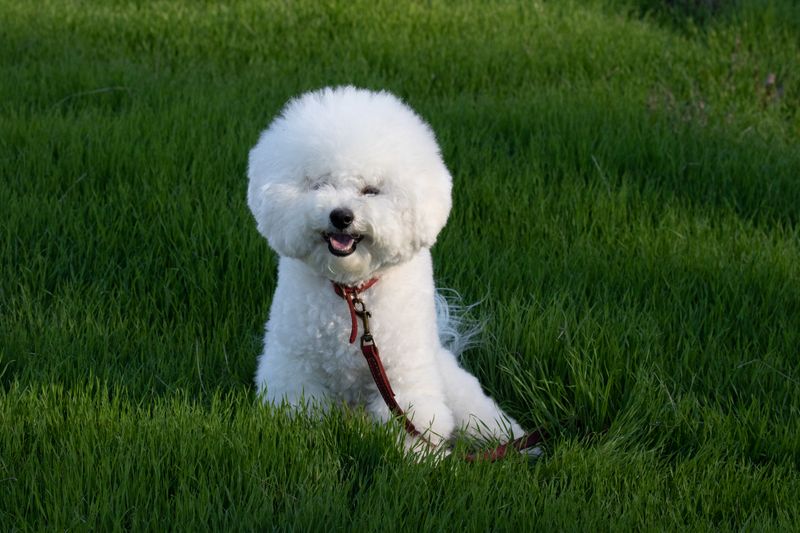
Bichon Frisé
A cheerful white powder puff with a sense of humour and a serious grooming requirement.
EnergyGroomingFlat life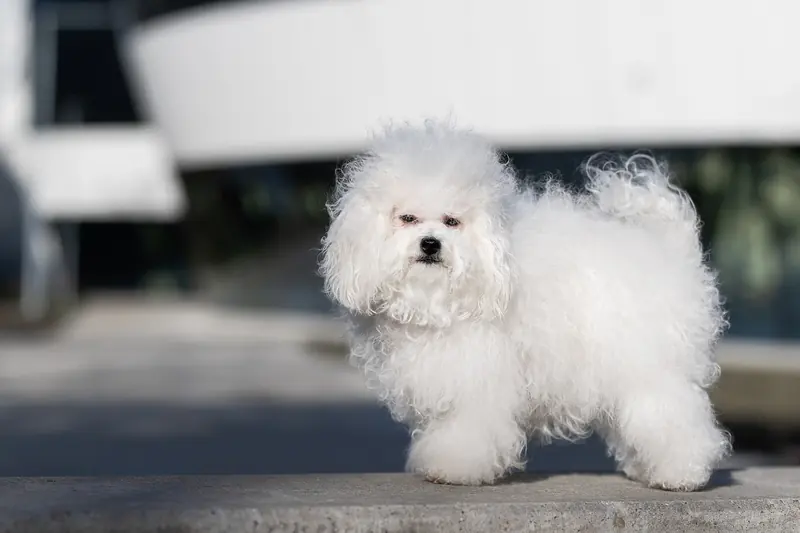
Bolognese
A white, cloud-like Italian companion dog: gentle, devoted and happiest when glued to its person.
EnergyGroomingFlat life
Havanese
Cuba's national dog: a cheerful, sociable little bichon that loves people, learns tricks quickly and hates being left alone.
EnergyGroomingFlat life

