

History
The Havanese belongs to the bichon family. The FCI standard says the breed developed in the western Mediterranean region, along the Spanish and Italian coasts, and that Italian sea captains probably brought these small dogs to Cuba early on. Its brown coat in the tobacco shade led to an incorrect link with the city of Havana. It became the companion of wealthy Cuban families, and Cuba is the country of origin.
The original Cuban bloodlines disappeared as a result of political events, although a few dogs were taken to the United States, where their descendants survive. Modern Havanese descend from those survivors. The FCI classes it in Group 9, Section 1, Bichons and related breeds, as a companion and toy dog, with a standard that describes it as a small, short legged dog with long, abundant, soft hair.
Temperament
The standard calls the Havanese exceptionally bright, affectionate, of a happy nature, an amiable charmer who is playful and even a bit of a clown. It adds that the breed loves children and plays endlessly with them, and that it can be trained as an alarm dog. These are fair descriptions: Havanese watch the household closely and announce the postman, but are not aggressive.
They are people dogs in the fullest sense. A Havanese follows its owner from room to room, wants to be on the lap and dislikes being alone. Most are friendly with strangers and with other dogs, and they enjoy learning tricks for attention. Without company or activity they can become noisy, clingy or anxious, so they suit homes where somebody is around.
Children and other pets
Havanese are friendly with children, visitors and other pets, and they are one of the most sociable small breeds. Their size means young children must be taught to handle them gently and not pick them up awkwardly. They usually get on well with cats and other dogs. Expect a dog that wants to join in everything the family does.
Exercise and the daily walk
A Havanese needs less exercise than many people expect, but not none. About 45 minutes to an hour a day, split into two walks, plus play indoors, is enough for an adult. They enjoy exploring, sniffing and short games, and they are not built for long, hard runs, although many happily walk further than their legs suggest.
Mental exercise matters as much as walking. Puzzle feeders, trick training and scent games keep a clever dog happy, especially on wet days in Luxembourg when the walk is short. Because they are small, daily walks are sometimes skipped, but Havanese enjoy and benefit from them, and a bored Havanese can become a barker.
Training
Havanese are bright, cheerful and eager to please, and they learn tricks with enthusiasm. House training can take a little longer than in larger breeds, so consistency and frequent outings solve it, and a pen or a regular spot helps. They respond best to gentle, reward based training, and food or play makes a good motivator.
Their main vulnerability is loneliness. Build alone time gradually from puppyhood, start with a few minutes, and consider a midday visit on long working days. Teach quiet when they bark at the door, and practise walking calmly on the lead, since a small dog that pulls is still a problem. Socialise early with people, dogs and city noise.
Coat and grooming
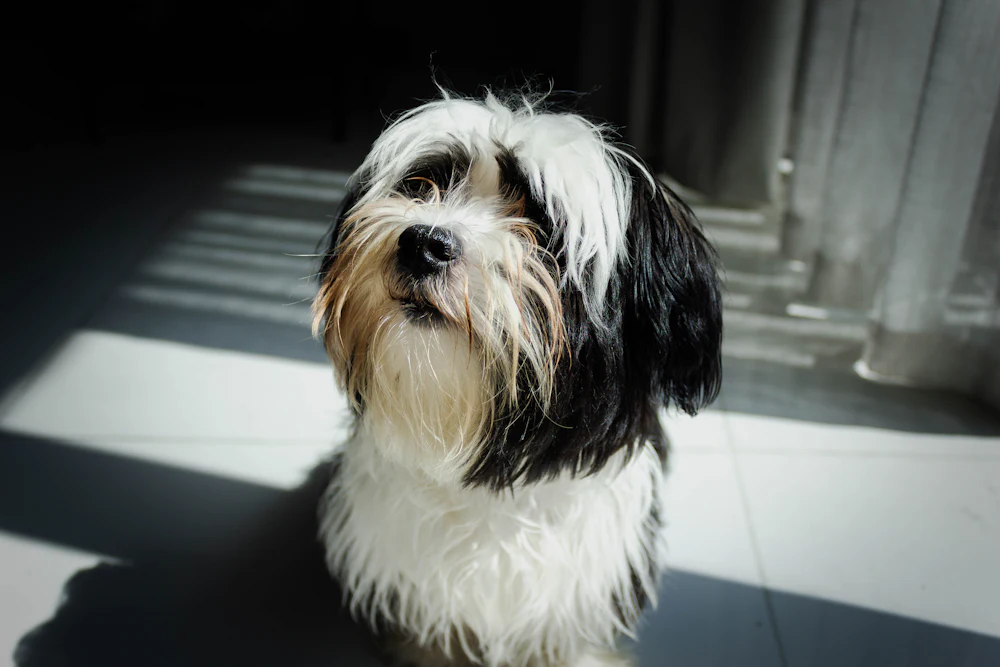
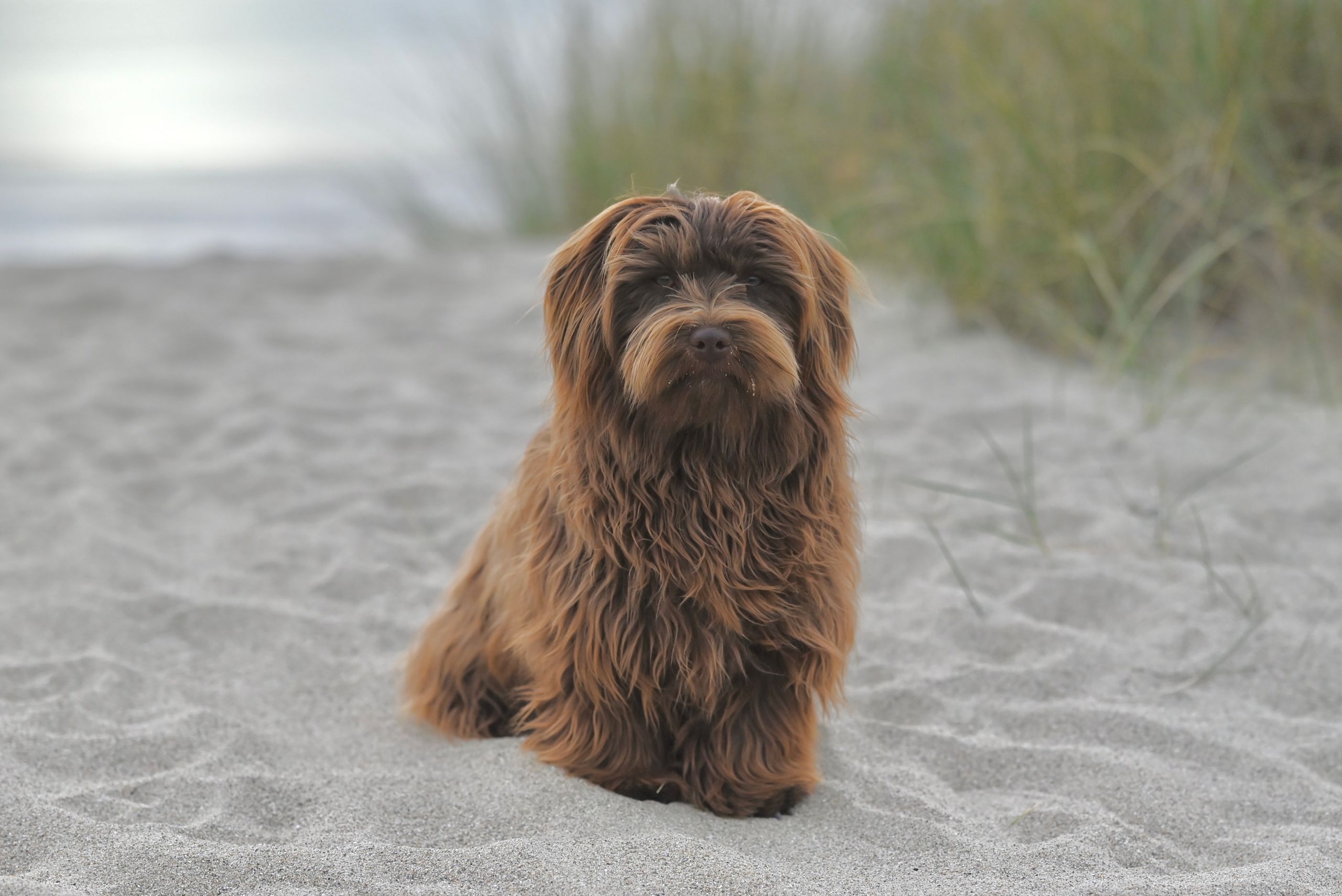
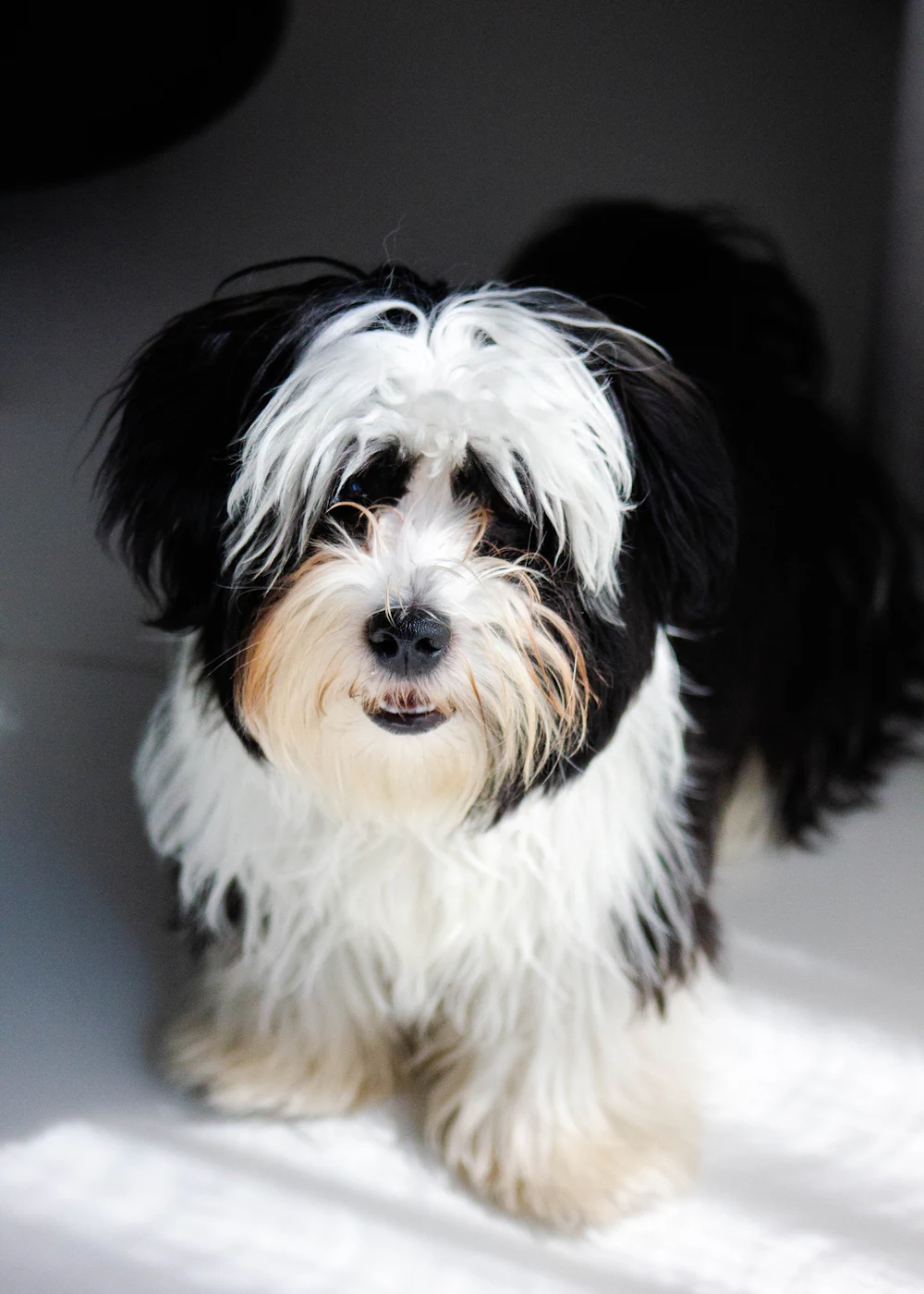
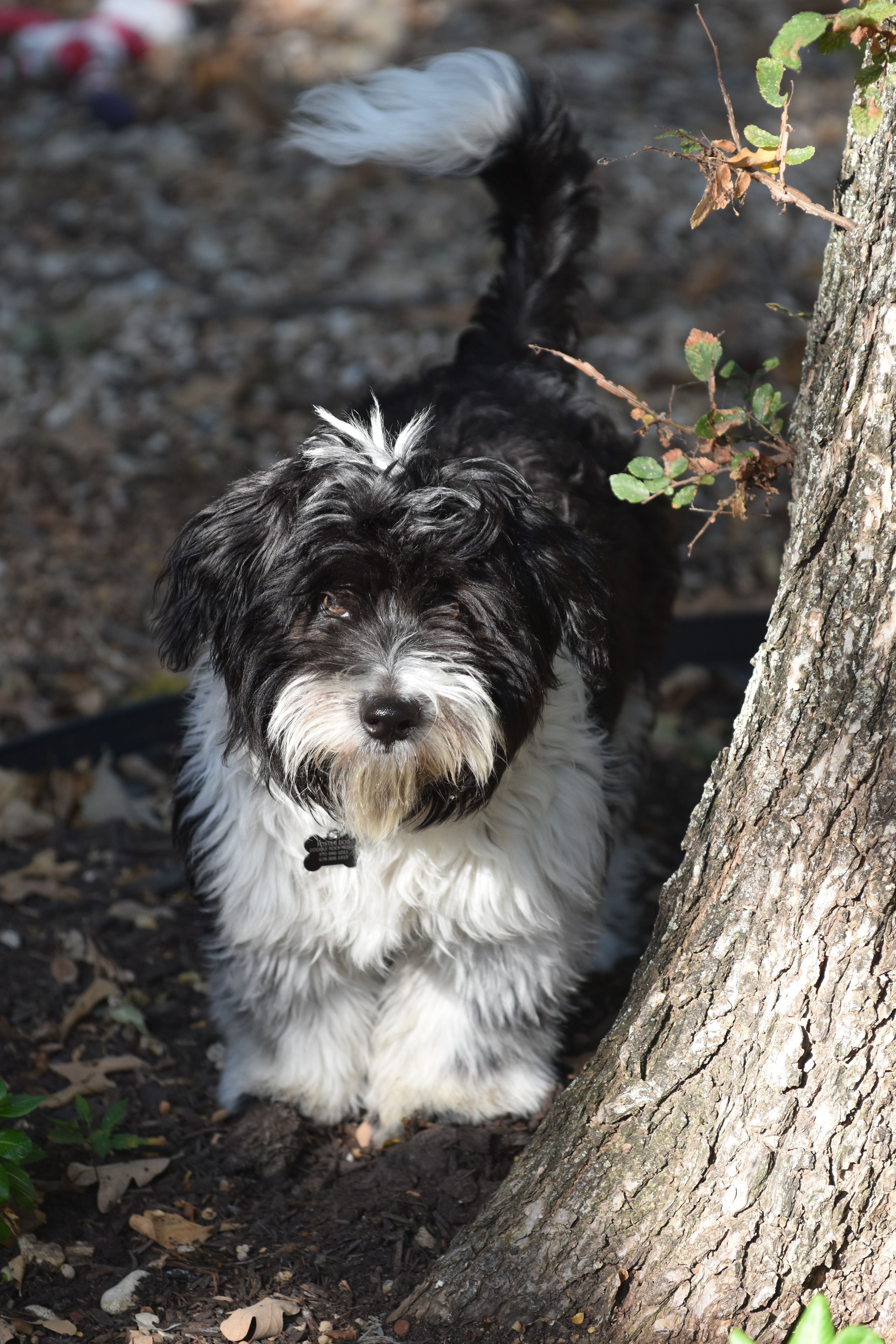
The FCI standard describes a very long, soft coat, 12 to 18 cm in an adult, flat or wavy, with little undercoat, and in white, fawn, black, havana brown, tobacco or reddish brown, with patches allowed. It sheds little but tangles easily. Brush several times a week, or keep a short clip with a professional groom every six to eight weeks. Check the coat behind the ears and under the legs.
Feeding and weight
Measure meals and count treats, because small dogs gain weight quickly and extra weight strains the knees. Choose a good quality small breed diet and feed twice a day. Start tooth brushing early, since dental disease is common in small breeds. Keep a water bowl available, and wipe the face after meals if the hair is long.
Work out a starting calorie figure and food weight with the calorie calculator. Not sure this is the right breed? Take the quiz.
Health
Every breed carries predispositions. These are the conditions most often discussed for the Havanese, not a prediction for any individual dog.
- Patellar luxation (a kneecap that slips out of place)
- Eye conditions, including cataracts
- Legg-Calvé-Perthes disease (a hip joint problem in young dogs)
- Liver shunts (a vessel abnormality)
- Deafness, which can be tested for
What to ask the breeder. Ask for patella checks, an eye examination and a hearing test for the parents, and whether liver shunt has occurred in the lines.
Choosing a puppy
A Havanese puppy is a small, playful bundle that wants constant company. Begin house training at once, give lots of short outings, and teach alone time in tiny steps. Brush gently from the first week so that grooming becomes routine. Socialise carefully with people, dogs and city sounds, and choose a breeder who health tests and raises puppies in a home.
In Luxembourg the national kennel club is the Fédération Cynologique Luxembourgeoise (FCL), a member of the FCI. Many owners also buy from breeders in Germany, France or Belgium; a puppy coming from another EU country must be microchipped and vaccinated against rabies, which in practice means it cannot travel before about fifteen weeks of age. Where to get a dog in Luxembourg.
The older Havanese
Havanese often live well into their teens. Watch for dental disease, cloudy eyes, a skipping gait and weight gain, and have regular senior check-ups. Keep the coat clipped shorter if grooming becomes tiring, offer shorter, more frequent walks and keep a warm, soft bed. Most remain playful and affectionate into old age.
A realistic day
A realistic weekday for a working household in Luxembourg City, with a midday visit. Adjust it to your dog, not the other way round.
A short walk of 20 to 30 minutes to relieve the dog and explore the neighbourhood.
Breakfast, a quick brush and a trick session before you leave.
Midday visit from a walker for a toilet break, a 20 minute walk and some company.
A 30 minute walk in a park, then play at home.
A final toilet break, then settle in a cosy bed near the family.
A Havanese in Luxembourg
The Havanese is among the easiest breeds for a Luxembourg flat. It is small, quiet apart from the odd announcement, and happy to be carried in a lift, though neighbours may hear barking if it is left alone for long. Keep a mat by the door for wet paws and a towel for the long coat after rain. A lap or sofa is its favourite place.
Outdoors, the Pétrusse valley, Parc Merl and the municipal park give pleasant sniffing walks, and the Bambësch and the Grünewald offer a forest outing at weekends. In summer the long coat can be warm in temperatures in the 30s, so walk early and late and keep a short clip. In winter, a small dog may like a coat on wet days. Public transport is free, so a compact, well behaved Havanese is easy to take out and about.
Every dog in Luxembourg must be identified, declared to the commune and covered by liability insurance. How registration works.
When you travel
A sitter should understand that a Havanese hates solitude: regular visits, plenty of company and a steady routine matter more than long walks. Brush the coat daily, or keep it clipped. Keep the dog on a secure lead or harness outside, because it will follow anyone who is friendly. Follow the usual food and toilet routine.
PAWLY's holiday and overnight care takes place in your home, so your dog keeps its own bed and routine.
Myths and facts
MythHavanese are hypoallergenic.
FactThey shed little, but no dog is guaranteed allergy free. Allergic people should spend time with the breed before deciding.
MythSmall dogs do not need walks.
FactHavanese enjoy and benefit from daily walks and exploration, and are healthier and calmer for them.
MythHavanese come from Havana.
FactThey are the national dog of Cuba, but the FCI standard says the breed developed in the western Mediterranean, and the link with Havana comes from the tobacco brown coat.
Is it the right dog for you?
Suits
- First-time owners
- Flat dwellers
- Households where someone is often at home
- People who enjoy teaching tricks
Think twice if
- You work long hours with nobody home
- You dislike brushing or paying for grooming
- You want a quiet dog that never barks
- You want a dog for long hikes
Questions owners ask
Is the Havanese good for first-time owners?
Yes. It is one of the easier small breeds to live with: sociable, bright and eager to please. The main requirements are time for company, regular grooming and patient house training.
Do Havanese shed?
Very little, but the long coat tangles easily and needs brushing several times a week. Many owners keep a short clip, which is easier to manage and cooler in summer.
Can a Havanese be left alone?
Only for short periods and with gradual training. They are people dogs and become anxious or noisy if left too long. A midday visit helps working households.
How much exercise does a Havanese need?
About 45 minutes to an hour a day, in two walks, plus play and mental games. They are not built for long hikes, but they enjoy exploring and keep fit by walking.
Sources
Photo: Unsplash (Unsplash License) · Photo: Pexels (Pexels License) · Photo: Unsplash (Unsplash License) · Photo: Pexels (Pexels License)
General information for dog owners in Luxembourg, not veterinary or legal advice. Official facts (origin, size, group, history and temperament as described by the breed standard) follow the FCI standard; health and care sections reflect breed-club and veterinary guidance and are typical ranges rather than rules. For your own dog, ask your vet, the breed club or your commune. How this guide is written and checked. Last reviewed 8 October 2026.
Need someone for your Havanese?
PAWLY offers an individual 45-minute walk or a home visit at your dog's pace, the same walker every time, and a written report with photos after every visit, across Luxembourg City.
Read next: the journal, for the Havanese
All articles
Grooming and coat care through the Luxembourg year
The Havanese has a coat that needs a routine that holds through the Luxembourg seasons.

Choosing a groomer, and what to ask before you book
A coat like this usually means a groomer; this covers what to ask before you book.

Separation anxiety: the signs owners miss and what actually helps
The Havanese bonds closely with its people; this covers the signs owners miss.
Similar breeds
All 198 breeds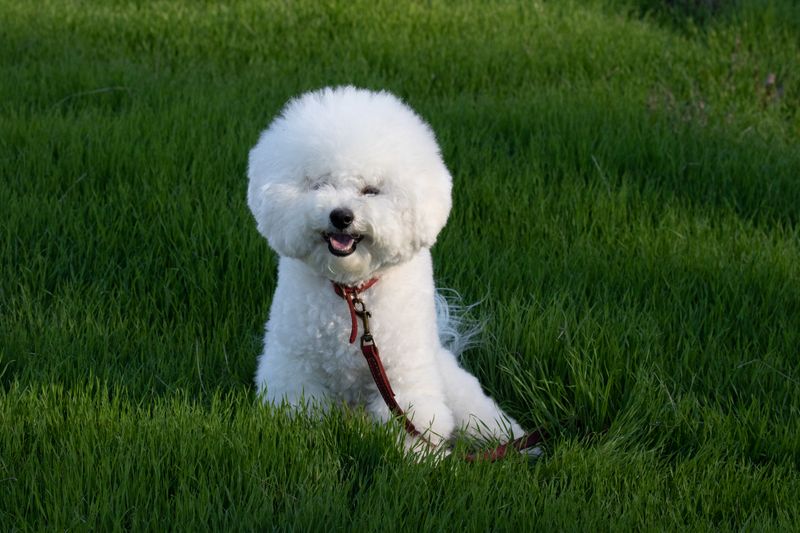
Bichon Frisé
A cheerful white powder puff with a sense of humour and a serious grooming requirement.
EnergyGroomingFlat life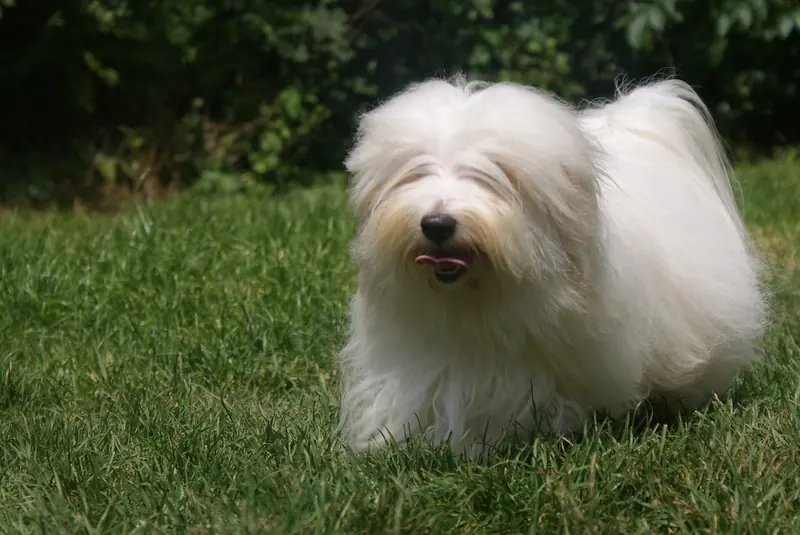
Coton de Tulear
A small white companion from Madagascar with a coat like cotton wool, a cheerful head and a talent for fitting into almost any household.
EnergyGroomingFlat life
Maltese
One of the oldest companion breeds in Europe, gentle and devoted, with a white coat that shows everything.
EnergyGroomingFlat life

