


History
The Czechoslovakian Wolfdog was created by design. According to the FCI standard, the breed began in 1955 in Czechoslovakia with an experimental crossing of German Shepherd Dogs and Carpathian wolves. The experiment showed that offspring could be reared from both a male dog and female wolf and a male wolf and female dog, and that the young were viable. Organised breeding to combine wolf characteristics with the better qualities of the dog began in 1965.
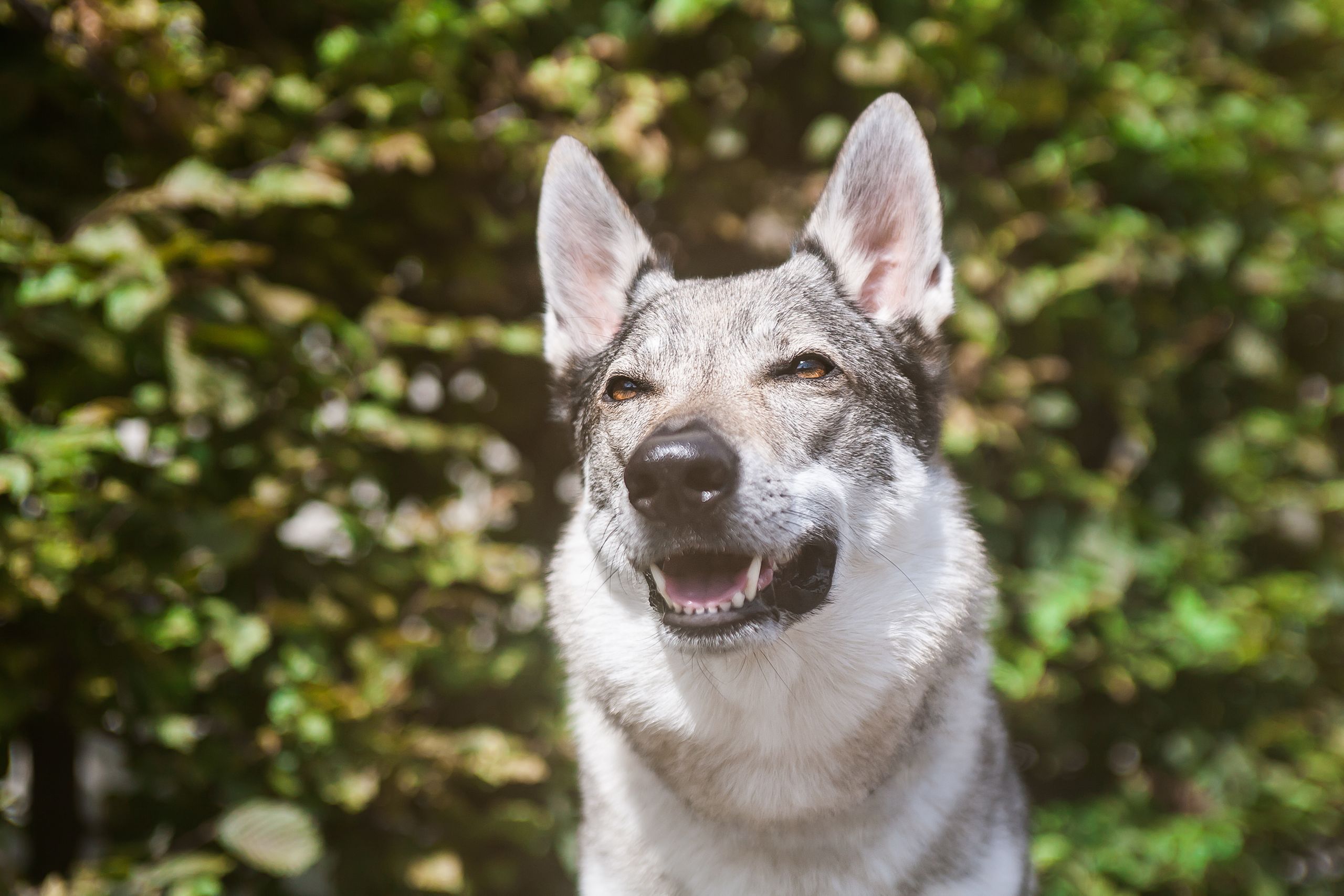
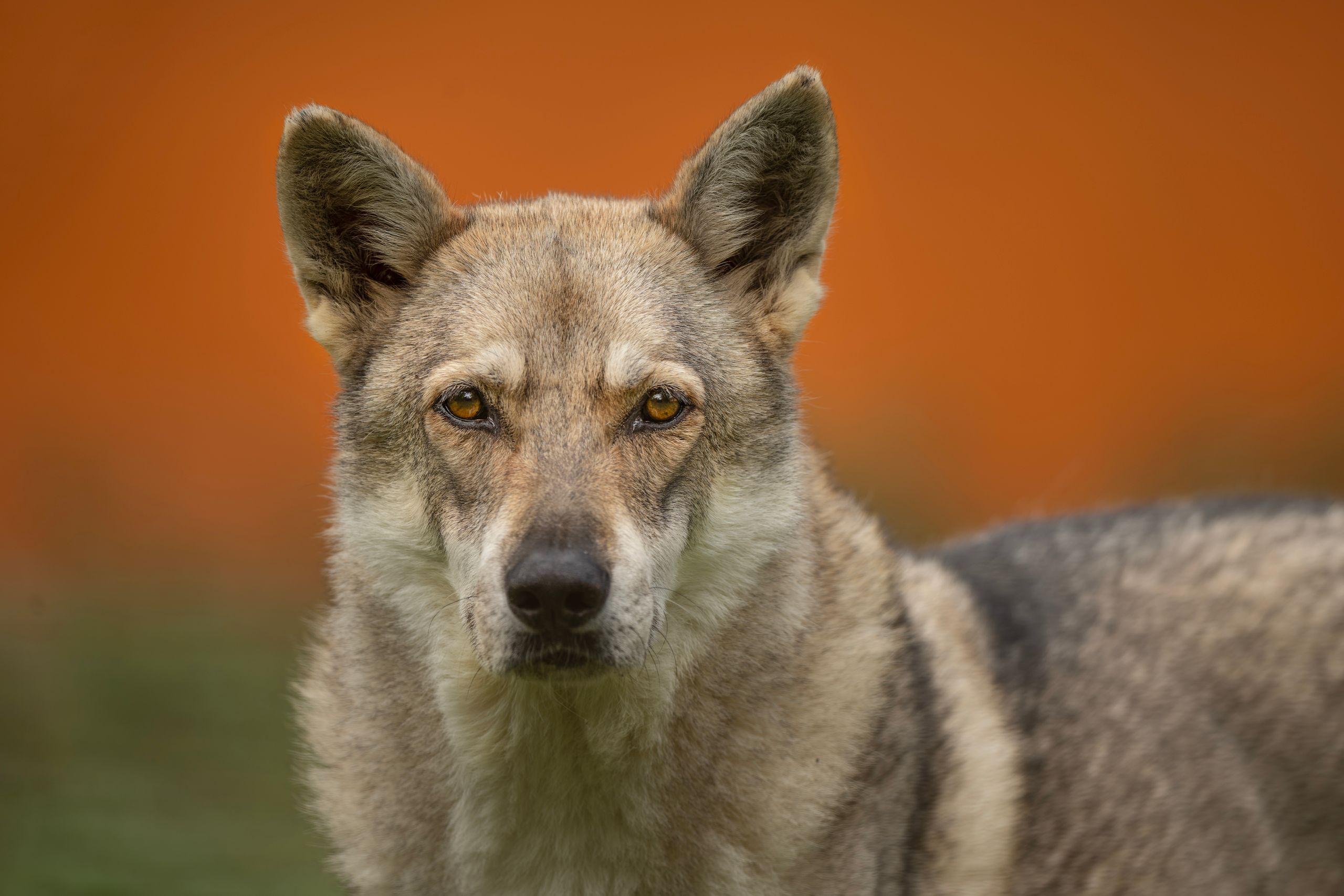
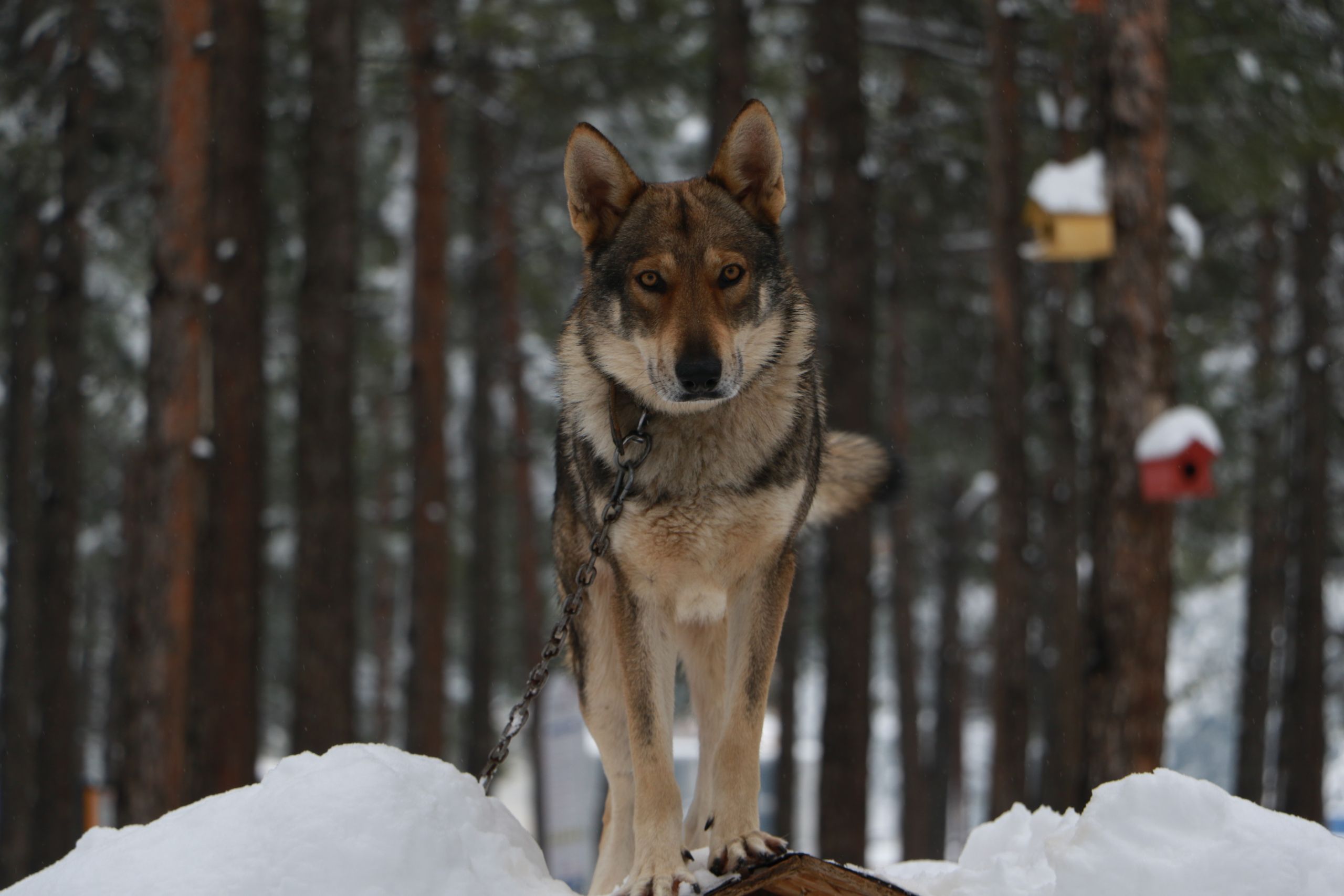
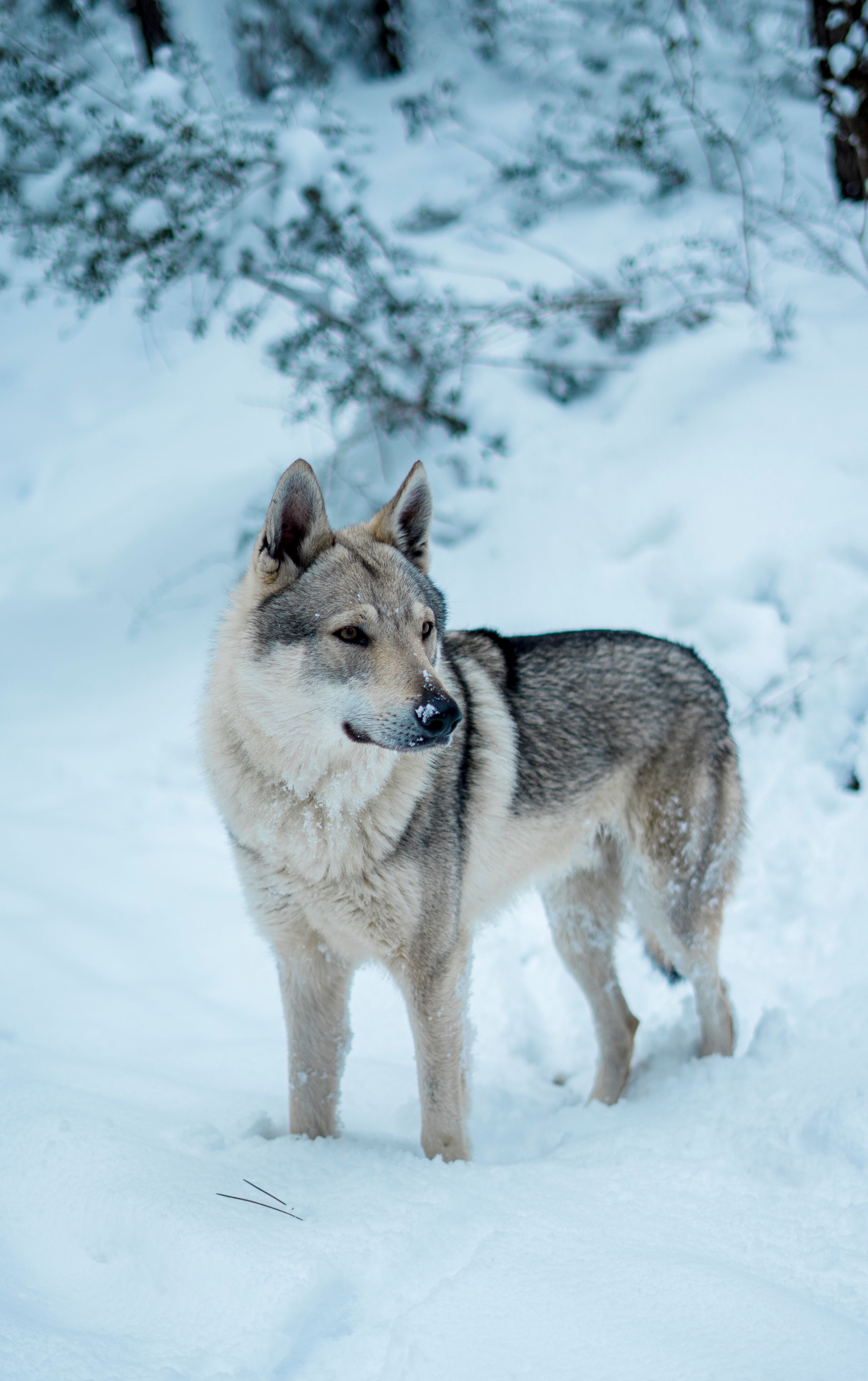
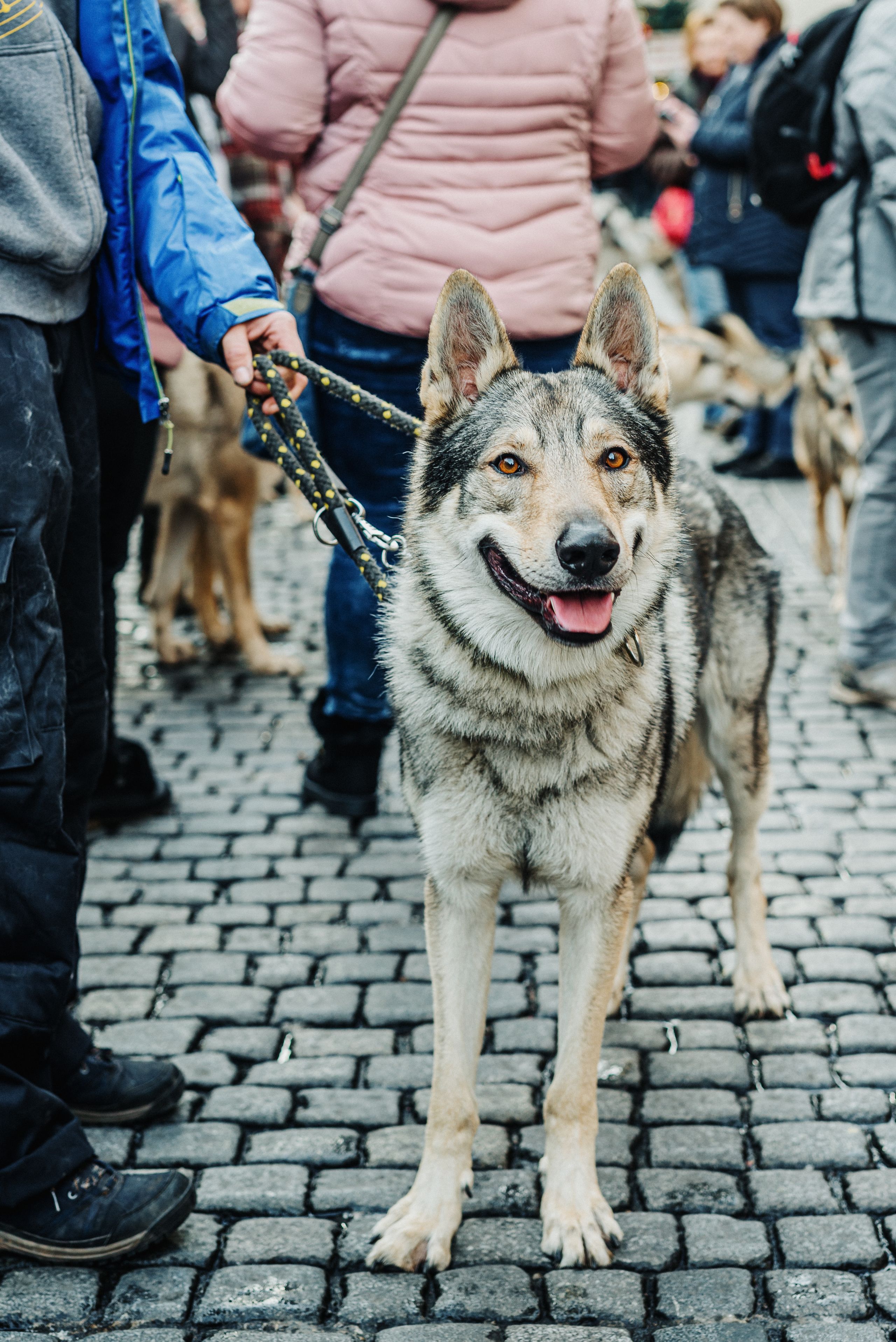
The breed was officially recognised nationally in 1982, and the FCI lists it under Group 1, Section 1, sheepdogs, with working trial, and as a working dog. The country of origin is given as the former Czechoslovakian Republic, with patronage held by Slovakia. The FCI standard is dated 1999. Its wolf-like type is deliberate, so the standard stresses a likeness to the wolf in body shape, movement, coat texture and in the light mask, while the behaviour is that of a trainable working dog.
Temperament
The FCI describes the breed as lively, very active, capable of endurance, docile with quick reactions, fearless and courageous, suspicious, and showing tremendous loyalty to its master. In practice that means a dog bonded closely to its own people, watchful with strangers and not naturally gregarious. It tends to ignore or distrust unfamiliar visitors rather than seek them out, and it responds badly to being handled by anyone it does not know.
Behaviour is shaped by early, extensive and careful socialisation. A well-raised Czechoslovakian Wolfdog is calm in the house, athletic and attentive outdoors, and very aware of its surroundings. A poorly socialised one can be nervous, reactive or difficult to restrain. It may also be loud in its own way, communicating with howls and whines more than barks. These are not dogs for people who want an effortless family pet.
Children and other pets
With a family the dog is loyal and can be patient with children it has grown up with, but its strength, speed and intensity call for supervision with young children, and visiting children should be managed carefully. It usually does best with other dogs of its own household and needs careful introductions to unfamiliar ones. Prey drive is notable, so cats and small pets are a risk unless raised together from puppyhood, and even then neighbours' animals outside are fair game.
Exercise and the daily walk
This is a dog bred for endurance, and a healthy adult needs at least two hours of varied activity a day, not just a lap of the park. Long trots, hiking in the forest, cycling alongside on quiet tracks and trekking suit it very well. It can cover many kilometres at a steady trot, and a dog that is under-exercised will find destructive outlets indoors.
Mental work is as important as distance. Tracking, obedience, canicross, agility and nose games all give the dog a job. Because the breed is fast, strong and intensely interested in wildlife, off-lead running is only safe in secure areas. Many owners rely on a long line and a good harness in woodland. In hot summer weather exercise should move to early morning and late evening.
Training
Training is rewarding but demanding. The breed is intelligent and quick to learn, yet it is not eager to please in the manner of a retriever and is easily bored by repetition. Reward-based methods, consistency and a firm but fair attitude work best. Harshness can destroy trust, while inconsistency teaches the dog that rules are negotiable. Start from the day the puppy arrives and keep going for years.
Socialisation is the heart of it. Aim to introduce the puppy to varied people, dogs, surfaces, vehicles and sounds in a calm, positive way, and keep doing so through adolescence. Practise being alone in small steps, because the breed is strongly pack-oriented and can suffer when left. An experienced mentor, a trainer who knows primitive or working types and a good puppy class are worth much more than any book.
Coat and grooming
The FCI describes a straight, close coat with a dense undercoat in winter, while in summer the coat is much lighter. Dense coverage is required on the belly, inner thighs, inner ears and between the toes. Brushing weekly is enough for most of the year, but during the seasonal moult the undercoat comes out in clouds and daily brushing helps. Permitted colours are yellowish-grey to silver-grey with a characteristic light mask, and the standard also allows dark grey with a light mask.
Feeding and weight
Feed a high-quality complete diet suited to a lean, athletic large dog, adjusted to age and activity. Two meals a day are better than one, and a rest of an hour around meals is wise for a deep-chested dog. Keep the dog lean, since extra weight strains the joints. Growing puppies need a diet suitable for large breeds to support steady growth. Fresh water should be available at all times, especially after exercise.
Work out a starting calorie figure and food weight with the calorie calculator. Not sure this is the right breed? Take the quiz.
Health
Every breed carries predispositions. These are the conditions most often discussed for the Czechoslovakian Wolfdog, not a prediction for any individual dog.
- Hip dysplasia
- Elbow dysplasia
- Degenerative myelopathy (a progressive spinal cord disease)
- Pituitary dwarfism (a growth hormone deficiency seen in the breed)
What to ask the breeder. Ask for hip and elbow results and the genetic test results for pituitary dwarfism and degenerative myelopathy for both parents, and how the breeder has socialised the litter and what kind of homes it considers suitable.
Choosing a puppy
A Czechoslovakian Wolfdog puppy is a charming, fast-growing handful. Socialisation is the priority from eight weeks: people, dogs, traffic, lifts, trams and noises, always at a pace the puppy can manage. Avoid forced exercise and jumping while the joints grow, so keep outings short but varied. Teach calm settling, handling by strangers and being alone early. Provide chews, safe toys and a crate or pen, and be prepared for an adolescence that tests your patience.
In Luxembourg the national kennel club is the Fédération Cynologique Luxembourgeoise (FCL), a member of the FCI. Many owners also buy from breeders in Germany, France or Belgium; a puppy coming from another EU country must be microchipped and vaccinated against rabies, which in practice means it cannot travel before about fifteen weeks of age. Where to get a dog in Luxembourg.
The older Czechoslovakian Wolfdog
Many are active well into their teens, though from about ten years you will notice a slower pace and stiffer mornings. Keep up gentle exercise to maintain muscle, but cut back on long, hard days. Weight control, joint support discussed with the vet and a warm, padded bed all help. Watch for hind-leg weakness or scuffing of the toes, which should be investigated, and keep up regular dental and health checks.
A realistic day
A realistic weekday for a working household in Luxembourg City, with a midday visit. Adjust it to your dog, not the other way round.
Forty-minute brisk lead walk with a recall or tracking game in a quiet green space, then breakfast.
Owner leaves; the dog settles in its bed with a chew or a stuffed toy and a calm routine.
Midday visit: a 45-minute active walk or jog and a training session, fresh water and a check-in.
Long evening outing of 60 to 90 minutes in a forest, with a long line and nose work.
Short toilet break and a quiet settling routine, with a final chew.
A Czechoslovakian Wolfdog in Luxembourg
This is not a typical city flat dog. It can live in an apartment if its needs are met in full, but the combination of strength, noise potential and need for freedom suits a house with a secure garden far better. In a shared building, work on lift manners, calm greetings in stairwells and quiet when left, because a howling dog is audible to neighbours. Summers into the 30s °C are tough on a dog with a dense coat, so move exercise to early morning.
The Grünewald and Bambësch forests are the obvious places for long walks, and the dog will enjoy the Pétrusse valley or Parc Merl for its daily routine, although its attention to wildlife and other dogs calls for a firm lead. Free buses and trams are useful for socialising, once the dog is calm with crowds. Every dog must be microchipped, declared to the commune and insured, and the commune charges an annual tax. The Fédération Cynologique Luxembourgeoise can point you to clubs and trainers.
Every dog in Luxembourg must be identified, declared to the commune and covered by liability insurance. How registration works.
When you travel
A sitter must be experienced with strong, wary dogs and must be introduced to the dog well before the owner leaves. Keep the dog on a secure harness and lead in every outdoor setting and never leave it off lead in public. Maintain the usual exercise, which is considerable, and stick to the routine. Warn about noise when left, watchfulness with strangers at the door and prey drive towards small animals.
PAWLY's holiday and overnight care takes place in your home, so your dog keeps its own bed and routine.
Myths and facts
MythIt is basically a wolf.
FactIt is a dog bred and recognised under FCI rules, a cross developed in the 20th century that is now a stable breed with the temperament of a trainable working dog.
MythIt is just a German Shepherd that looks different.
FactThe wolf ancestry shows in its wariness, endurance, pack dependence and independent attitude, so it needs different handling.
MythLots of space solves everything.
FactSpace helps, but this breed needs company, structure, training and mental work. A large garden without these produces a bored, noisy dog.
Is it the right dog for you?
Suits
- Experienced owners who enjoy long hikes in every season
- People who will invest years in socialisation and training
- Owners who are at home much of the time
- Homes with a secure garden or easy forest access
Think twice if
- You want an easy, sociable first dog
- You are away at work all day
- You live in a thin-walled flat
- You have cats or other small pets
Questions owners ask
Is the Czechoslovakian Wolfdog dangerous?
It is not inherently dangerous, but it is a strong, wary and driven dog that needs expert socialisation and handling. With the right owner and training it is loyal and controlled, while a neglected or poorly socialised one can be a problem.
Can it live in a flat in Luxembourg City?
It is possible only for a dedicated owner who can provide hours of exercise, steady company and careful training. Most do better in a house with a garden near woodland. Noise when left alone can cause friction with neighbours.
Does it cope with hot summers?
The dense winter undercoat makes heat a concern. Exercise early and late, provide shade and cool water, and never leave the dog in a parked car. Avoid hard exercise on 30 °C days.
Is it good with other dogs?
It can live happily with dogs from its own household, but it may be wary of strange dogs. Early, careful socialisation and controlled introductions are essential, particularly with dogs of the same sex.
Sources
Photo: Pexels (Pexels License) · Photo: Pexels (Pexels License) · Photo: Pexels (Pexels License) · Photo: Pexels (Pexels License) · Photo: Pexels (Pexels License)
General information for dog owners in Luxembourg, not veterinary or legal advice. Official facts (origin, size, group, history and temperament as described by the breed standard) follow the FCI standard; health and care sections reflect breed-club and veterinary guidance and are typical ranges rather than rules. For your own dog, ask your vet, the breed club or your commune. How this guide is written and checked. Last reviewed 8 October 2026.
Need someone for your Czechoslovakian Wolfdog?
PAWLY offers an individual 45-minute walk or a home visit at your dog's pace, the same walker every time, and a written report with photos after every visit, across Luxembourg City.
Read next: the journal, for the Czechoslovakian Wolfdog
All articles
Working breeds in a city flat: the honest version
High-drive dogs like the Czechoslovakian Wolfdog can live in a flat, but it takes a plan.

Long-backed breeds, stairs and the spine
A long back makes stairs matter more than most owners think.

The dog that barks and lunges on the lead
Some Czechoslovakian Wolfdog dogs are selective with other dogs; this is the plan for lunging and barking on the lead.
Similar breeds
All 198 breeds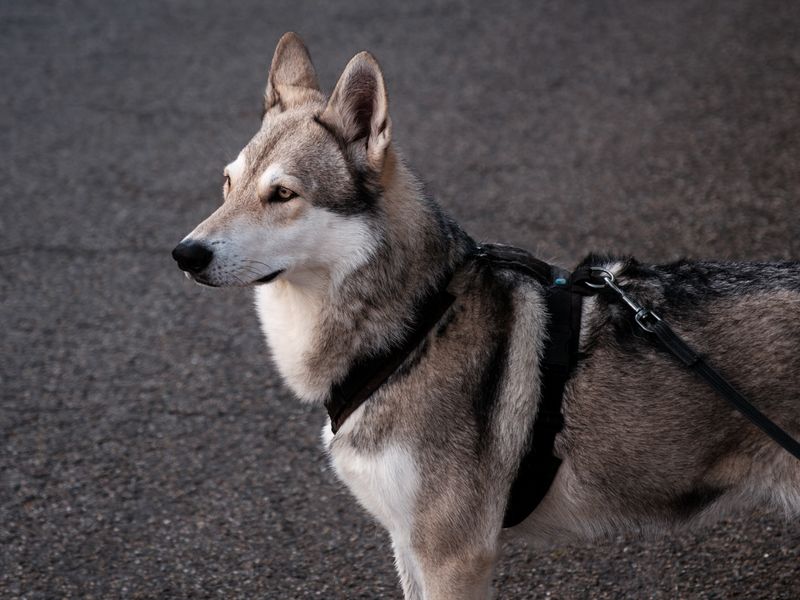
Saarloos Wolfdog
A wolf-like dog from a Dutch experiment, loyal to its own people, wary of everyone else and always planning its own exit.
EnergyGroomingFlat life
German Shepherd
Intelligent, loyal and built to work. In the right hands one of the finest dogs there is; without a job, a handful.
EnergyGroomingFlat life
Belgian Shepherd Malinois
The police and military dog of choice: brilliant, intense and not a family pet for most families.
EnergyGroomingFlat life

