


History
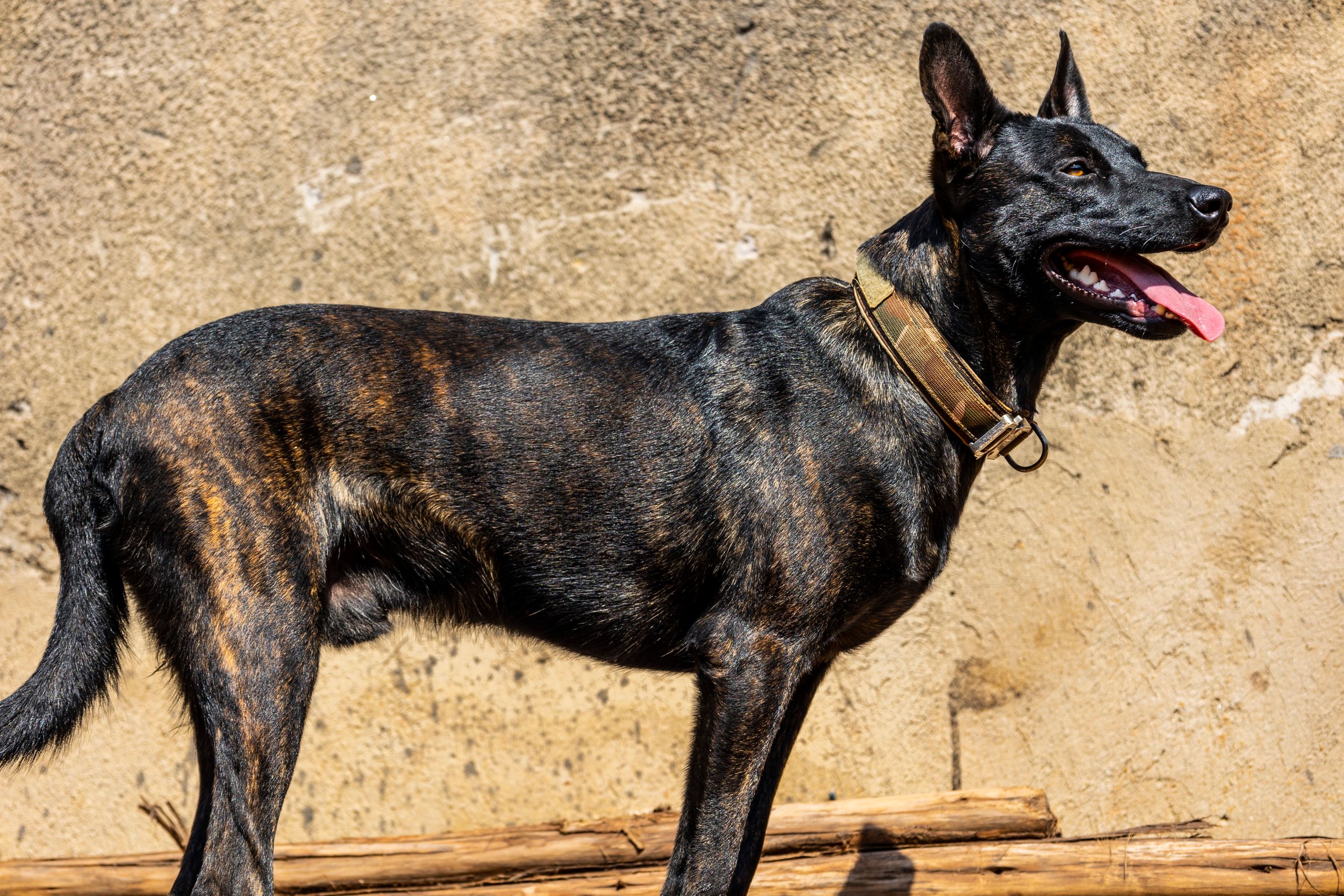
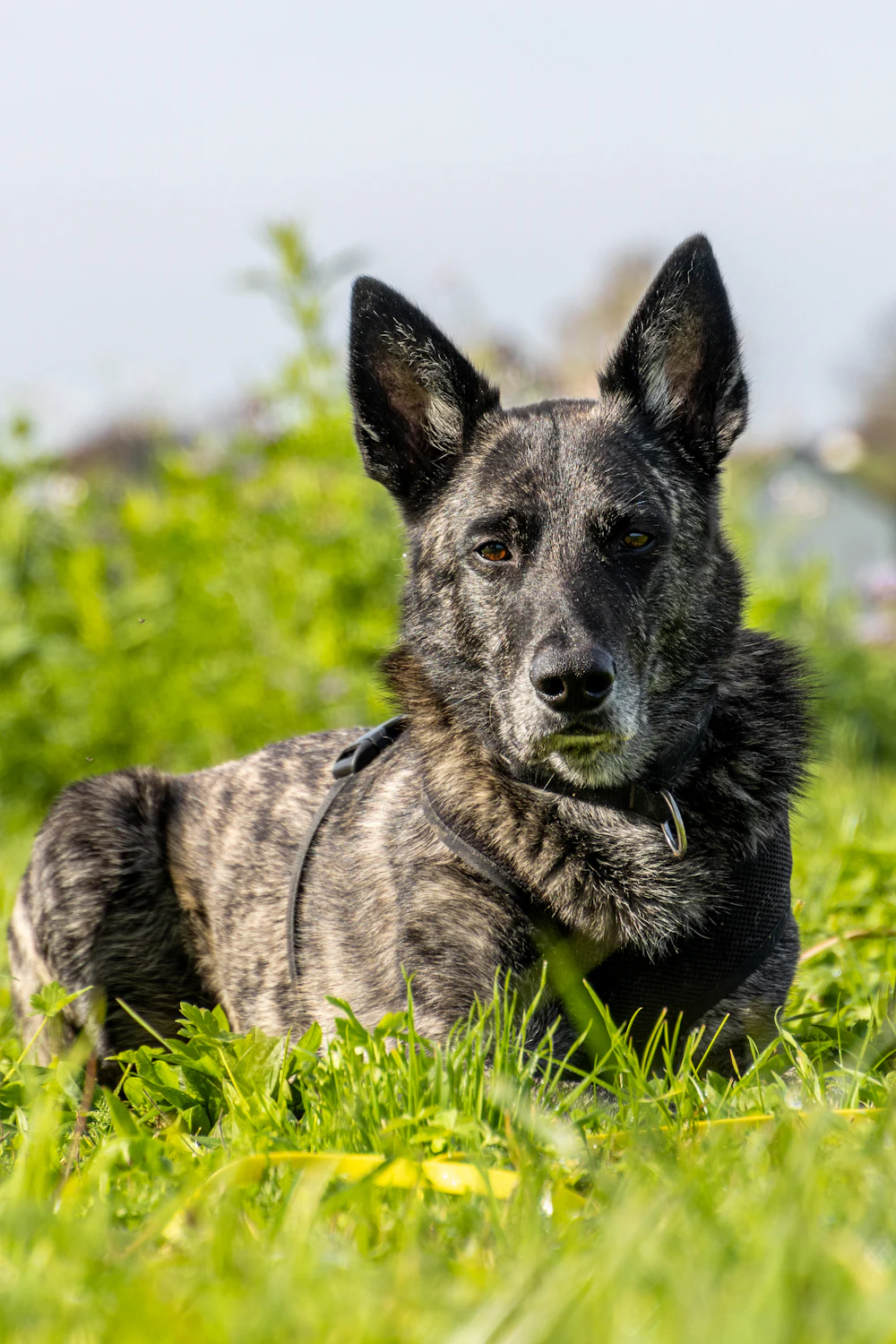
The Dutch Shepherd, Hollandse Herdershond in Dutch, began as a farm dog in the Netherlands. According to the FCI standard, it was developed to keep sheep away from crops, and it also drove cattle, pulled milk carts and guarded the farmyard. The standard gives 12 June 1898 as the date of the first breed standard, which makes this one of the older shepherd types with a written description.
When sheep farming declined around 1900, the breed moved into new work with little loss of its herding skill. Police work, search and rescue and guide dog roles followed, and the FCI now lists it as a companion dog and sheepdog, in Group 1, Section 1, with working trial. The current standard is dated 2019. Three coat types exist, short, long and wire-haired, all brindle, and the breed remains rare outside the Netherlands and Belgium.
Temperament
The FCI describes the Dutch Shepherd as very loyal and reliable, always alert, watchful, active and independent, with an ability to work together with its handler yet also solve problems on its own. This is accurate. Dutch Shepherds notice everything, from the postman to a change in the weather, and they respond with a quiet intensity, bonding strongly to one household and keeping a watchful eye on the door.
Most are neither aggressive nor shy, but they are alert, sometimes aloof with strangers, and in need of steady direction. A Dutch Shepherd without a job will invent one, and it may be herding children, chasing bicycles or reorganising the furniture. They thrive on training and clear rules, and a sense of purpose. Sensitive, quick learners, they respond better to partnership than pressure.
Children and other pets
With a family it is loyal and often playful, but the herding instinct can show as nipping at heels or trying to gather running children, so teach both sides some manners. Active older children who enjoy training are ideal. With other dogs it is usually fine if socialised early, though some are bossy. Living with a cat is possible when introduced young, but chasing is a danger outdoors, and small pets need care.
Exercise and the daily walk
This is a high-energy working breed. An adult typically needs at least two hours a day of exercise, including some real work. Long walks and runs help, but they are not enough alone. A Dutch Shepherd that has only been walked may still pace around the flat at ten o'clock at night.
Training sports are a natural fit: obedience, agility, tracking, herding, bikejoring and mantrailing give the dog what it was bred for. Add short games at home, such as hide and seek and nose work, for wet days. Free running should be in a safe area with a recall that has been practised, as the breed's drive for movement can lead it off after a ball or a bicycle.
Training
Training is a pleasure for an owner who is consistent and has time. The Dutch Shepherd is intelligent, eager to learn and quick, and it works well with reward-based methods. Keep sessions varied, short and challenging, and avoid endless repetition. A harsh approach will damage the dog's trust. It also learns bad habits as fast as good ones, so set rules from the first day.
Socialisation in the first months should include busy streets, lifts, trams, children and unfamiliar dogs, always in a positive way. Teach settling on a mat so that the dog can switch off, as many working dogs never learn how. Impulse control, a reliable recall and calm lead walking are the key lessons. An experienced owner or a trainer used to working breeds is a great help.
Coat and grooming
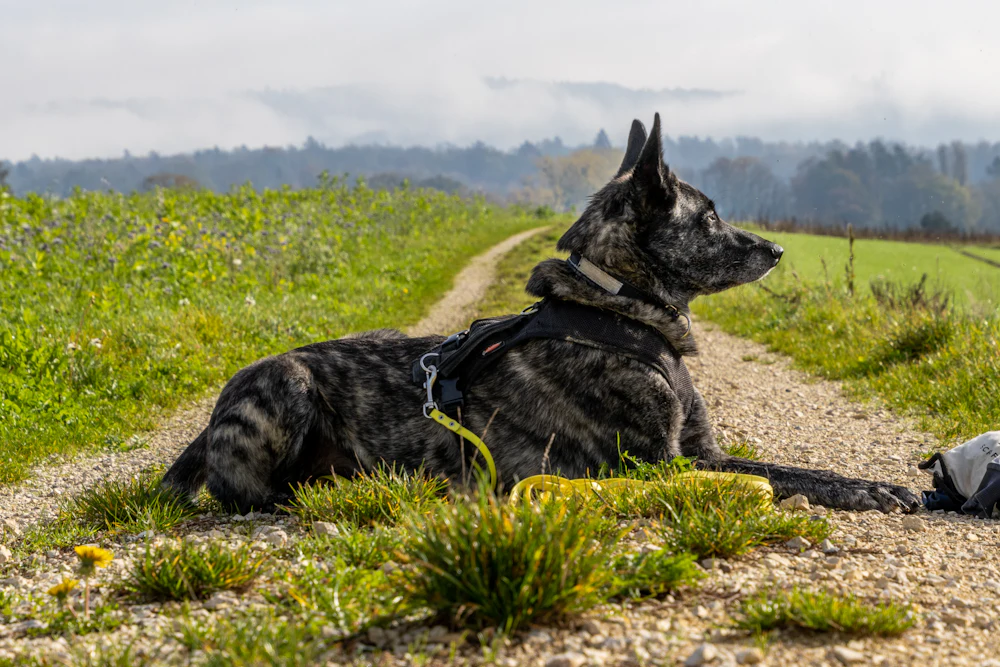
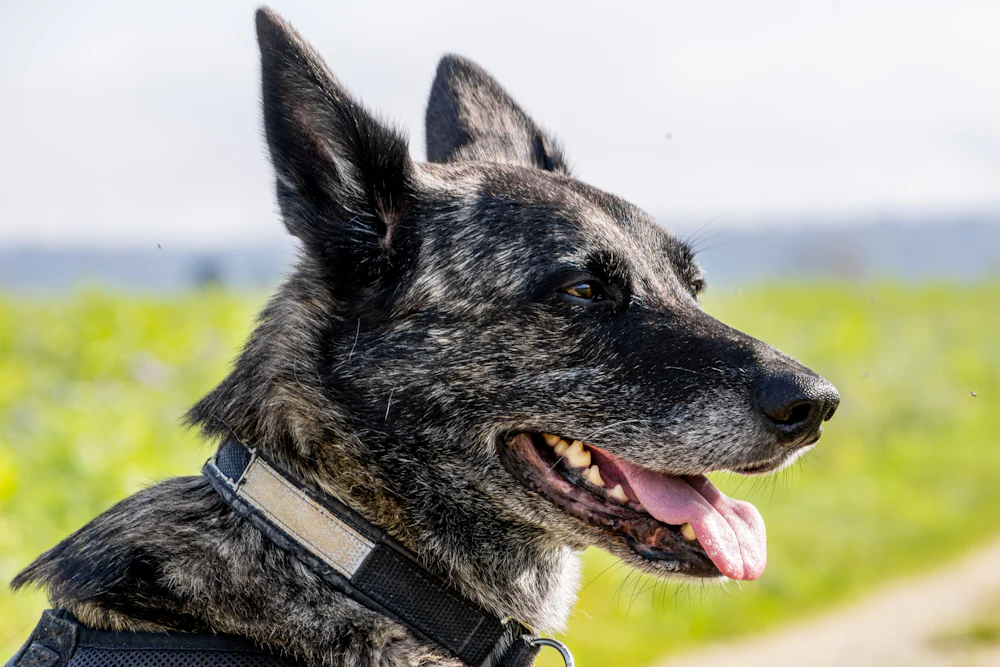
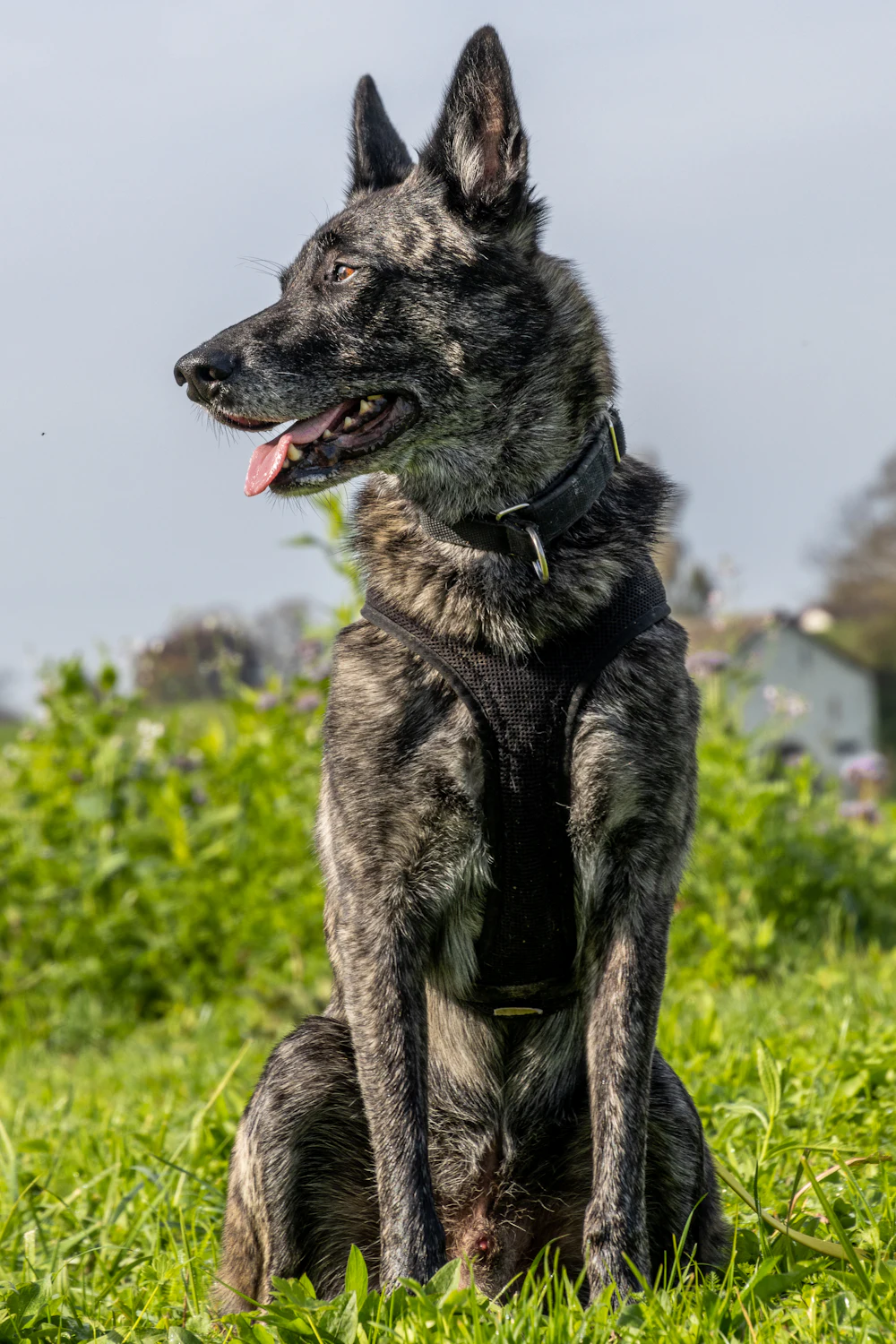
The FCI recognises three coat types. The short coat is close-fitting with a woolly undercoat, the long coat is straight, harsh and feathered, and the wire-haired coat is dense and tousled and needs hand-plucking about twice a year. Weekly brushing is enough for most dogs, with more during the seasonal moults. The standard requires brindle, with a golden or silver base tone. A dog in good coat needs little bathing.
Feeding and weight
Feed a good complete diet suited to a lean, athletic dog with a high energy output, in two meals a day, adjusted to age and activity. Working dogs can burn many calories, but they also gain weight when exercise drops, so check the waist regularly. Treats used in training count towards the daily food. Rest the dog around meals, and keep fresh water at hand, particularly after exercise.
Work out a starting calorie figure and food weight with the calorie calculator. Not sure this is the right breed? Take the quiz.
Health
Every breed carries predispositions. These are the conditions most often discussed for the Dutch Shepherd, not a prediction for any individual dog.
- Hip dysplasia
- Elbow dysplasia
- Eye conditions, including progressive retinal atrophy
- Allergies and skin problems in some dogs
- Dental disease
What to ask the breeder. Ask for hip and elbow results for both parents, a recent eye examination certificate, and how the breeder has socialised the litter and tested the working temperament of the parents.
Choosing a puppy
A Dutch Shepherd puppy is bright, busy and quick to learn, so begin training and socialisation at once. Keep exercise short and controlled while the joints develop, avoid long runs and repeated jumping, and give plenty of games for the brain. Introduce city life gradually, including the lift, buses and trams. Teach calm settling and being alone in short steps, and offer safe chew toys. A puppy class run by a trainer experienced with herding breeds is a good start.
In Luxembourg the national kennel club is the Fédération Cynologique Luxembourgeoise (FCL), a member of the FCI. Many owners also buy from breeders in Germany, France or Belgium; a puppy coming from another EU country must be microchipped and vaccinated against rabies, which in practice means it cannot travel before about fifteen weeks of age. Where to get a dog in Luxembourg.
The older Dutch Shepherd
Many remain keen into their teens, though from about ten years they slow down. Give shorter but regular walks, keep the mind busy with scent games and watch for stiffness after rest. Keep weight under control, and discuss joint support with your vet. A warm, padded bed and non-slip floors help. Regular health checks, including eyes and teeth, are worthwhile, and the breed's loyalty means it enjoys staying close to you at this stage.
A realistic day
A realistic weekday for a working household in Luxembourg City, with a midday visit. Adjust it to your dog, not the other way round.
Forty-minute brisk walk with recall and obedience games in a quiet green space, then breakfast.
Owner leaves; the dog rests on a mat with a food puzzle or chew.
Midday visit: a 45-minute walk or jog with a training game, fresh water and a quick brush.
Evening outing of 60 to 90 minutes, including off-lead time in a safe area and a work session.
Calm toilet break, a final chew and bed in the quiet corner.
A Dutch Shepherd in Luxembourg
A Dutch Shepherd can live in a Luxembourg flat only if its need for work is met outside it, every day. The dog is medium-large, clean and easy in the lift, but without enough exercise it becomes restless and noisy. A home near the Grünewald or Bambësch forest is ideal, with the Pétrusse valley and Parc Merl for a morning outing. Summer days in the 30s °C call for early or late exercise and plenty of water.
Because the breed is alert and sociable with its own people, practise calm greetings in the lift and stairwell and teach the dog not to bark at every noise in the corridor. Free buses and trams are excellent for socialisation. Every dog must be microchipped, declared to the commune and insured, and the commune charges an annual tax. The Fédération Cynologique Luxembourgeoise lists clubs where obedience, agility and tracking are practised.
Every dog in Luxembourg must be identified, declared to the commune and covered by liability insurance. How registration works.
When you travel
A sitter must be able to provide real exercise and mental work, since a bored Dutch Shepherd will soon be inventive. Keep to the usual routine and short training games, and keep the dog on a lead or long line in open spaces. Warn about herding behaviour such as heel nipping and about barking at noises when alone. Leave the vet's details and written notes on commands, feeding and hours of rest.
PAWLY's holiday and overnight care takes place in your home, so your dog keeps its own bed and routine.
Myths and facts
MythIt is just a brindle German Shepherd.
FactIt is a separate breed with its own FCI standard, a lighter build and three coat types, and a different working history as a farm and herding dog.
MythA garden gives it enough exercise.
FactIt needs structured walks and mental work, and a garden without these produces a bored and noisy dog.
MythWorking breeds are impossible as pets.
FactMany make excellent companions for active owners who give them tasks, training and company.
Is it the right dog for you?
Suits
- Active owners who enjoy dog sports and long walks
- People who like training and working with a dog
- Homes with access to woods or open green space
- Owners with experience of herding or working breeds
Think twice if
- You want a calm dog who is content with a short walk
- You are away from home most of the day
- You live with very young children or small pets
- You are looking for a first dog and have little time for training
Questions owners ask
Is the Dutch Shepherd a good family dog?
For an active family it can be loyal and playful, but its herding instincts and energy need management. It does better with older children and owners who give it daily training and exercise.
How much does a Dutch Shepherd shed?
Moderately, with heavier moults in spring and autumn. Brushing weekly keeps it under control, and the wire-haired type also needs hand-plucking about twice a year.
Can it live in a flat?
It can, if exercise and training are generous and the dog learns to settle. Without enough work it can become noisy, destructive and anxious, so a house near green space suits it better.
How is it different from the Belgian Malinois?
Both are brindle or fawn herding breeds, but the Dutch Shepherd is a separate breed with its own standard and three coat types. Both need strong leadership, plenty of exercise and mental work.
Sources
Photo: Pexels (Pexels License) · Photo: Unsplash (Unsplash License) · Photo: Unsplash (Unsplash License) · Photo: Unsplash (Unsplash License) · Photo: Unsplash (Unsplash License)
General information for dog owners in Luxembourg, not veterinary or legal advice. Official facts (origin, size, group, history and temperament as described by the breed standard) follow the FCI standard; health and care sections reflect breed-club and veterinary guidance and are typical ranges rather than rules. For your own dog, ask your vet, the breed club or your commune. How this guide is written and checked. Last reviewed 8 October 2026.
Need someone for your Dutch Shepherd?
PAWLY offers an individual 45-minute walk or a home visit at your dog's pace, the same walker every time, and a written report with photos after every visit, across Luxembourg City.
Read next: the journal, for the Dutch Shepherd
All articles
Working breeds in a city flat: the honest version
High-drive dogs like the Dutch Shepherd can live in a flat, but it takes a plan.

The front door: barking, deliveries and escapes
A watchful breed reacts at the door; this is how to manage it.

The itchy dog: working through it in the right order
Skin trouble is among the conditions discussed for the Dutch Shepherd; this is the order to work through it.
Similar breeds
All 198 breeds
Belgian Shepherd Malinois
The police and military dog of choice: brilliant, intense and not a family pet for most families.
EnergyGroomingFlat life
German Shepherd
Intelligent, loyal and built to work. In the right hands one of the finest dogs there is; without a job, a handful.
EnergyGroomingFlat life
Belgian Groenendael
The black, long-haired Belgian shepherd: elegant, sensitive and intense, and made for close work with one person.
EnergyGroomingFlat life

