


History
The Icelandic Sheepdog, Íslenskur Fjárhundur in its own language, is Iceland's only native dog breed, and the FCI names Iceland as its country of origin. The standard says the breed descends from dogs brought to the island by the original Viking settlers, between about AD 870 and 930. Over the centuries these dogs became essential for managing livestock and for farm work, and their methods changed to suit the terrain and the harsh climate.
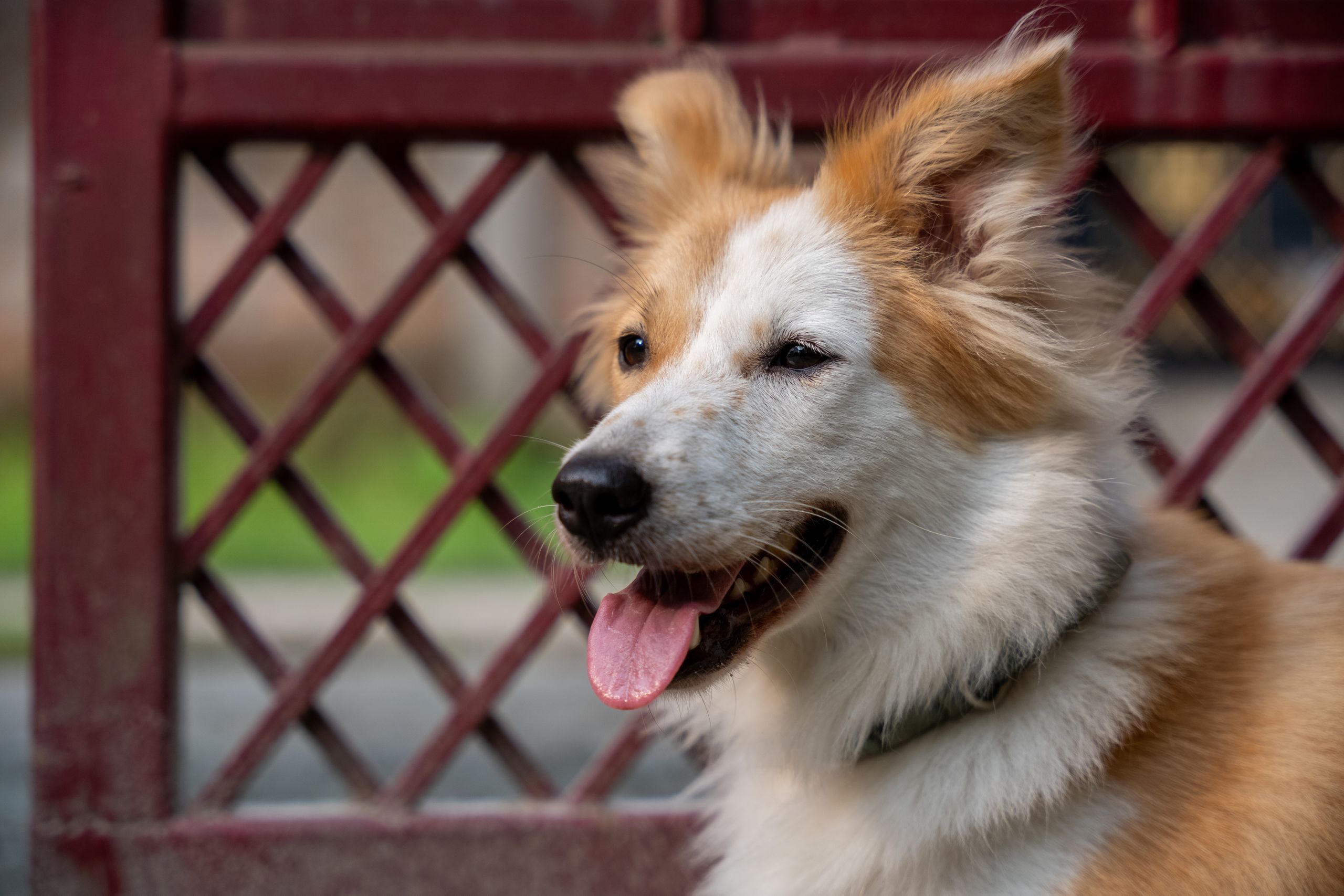
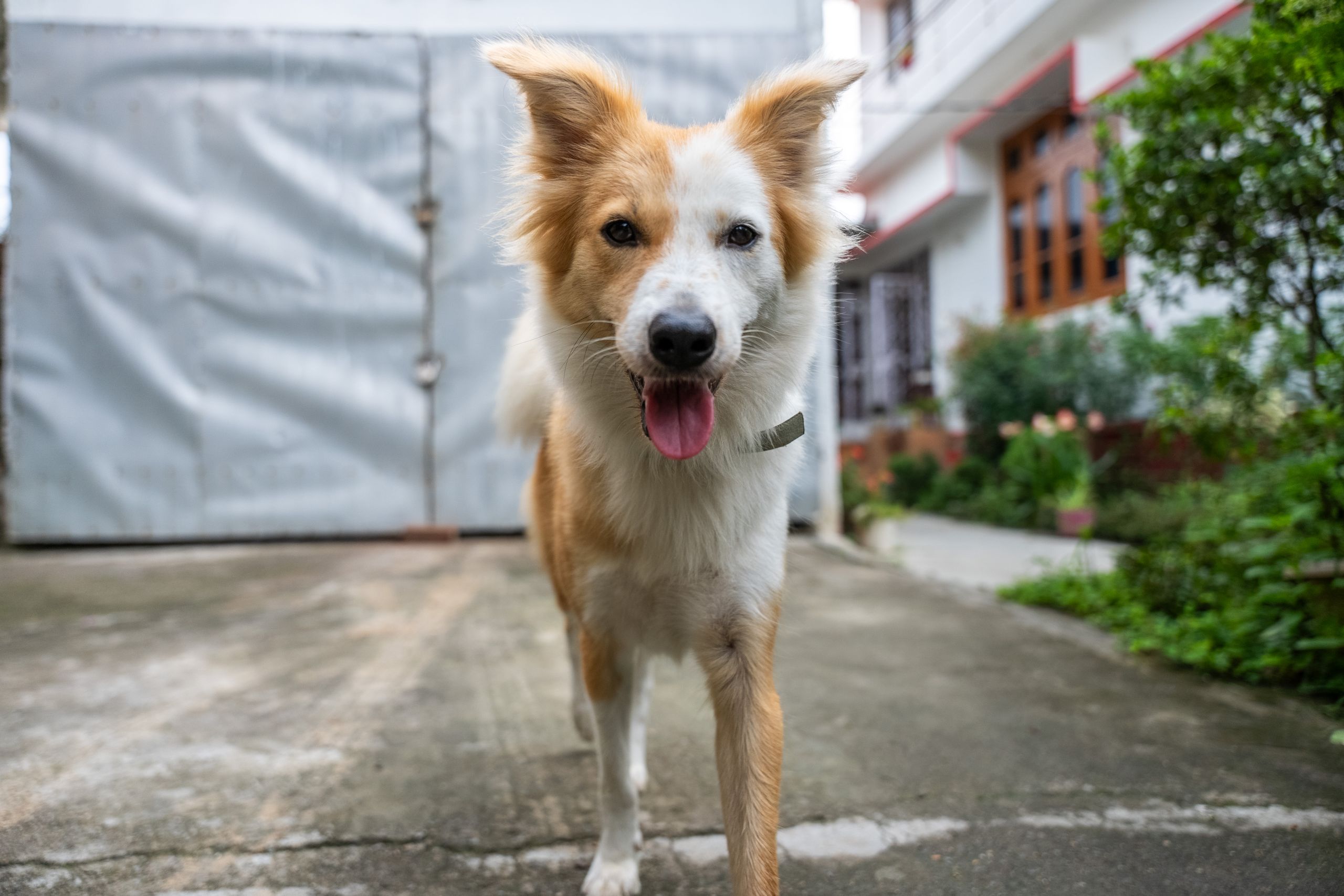
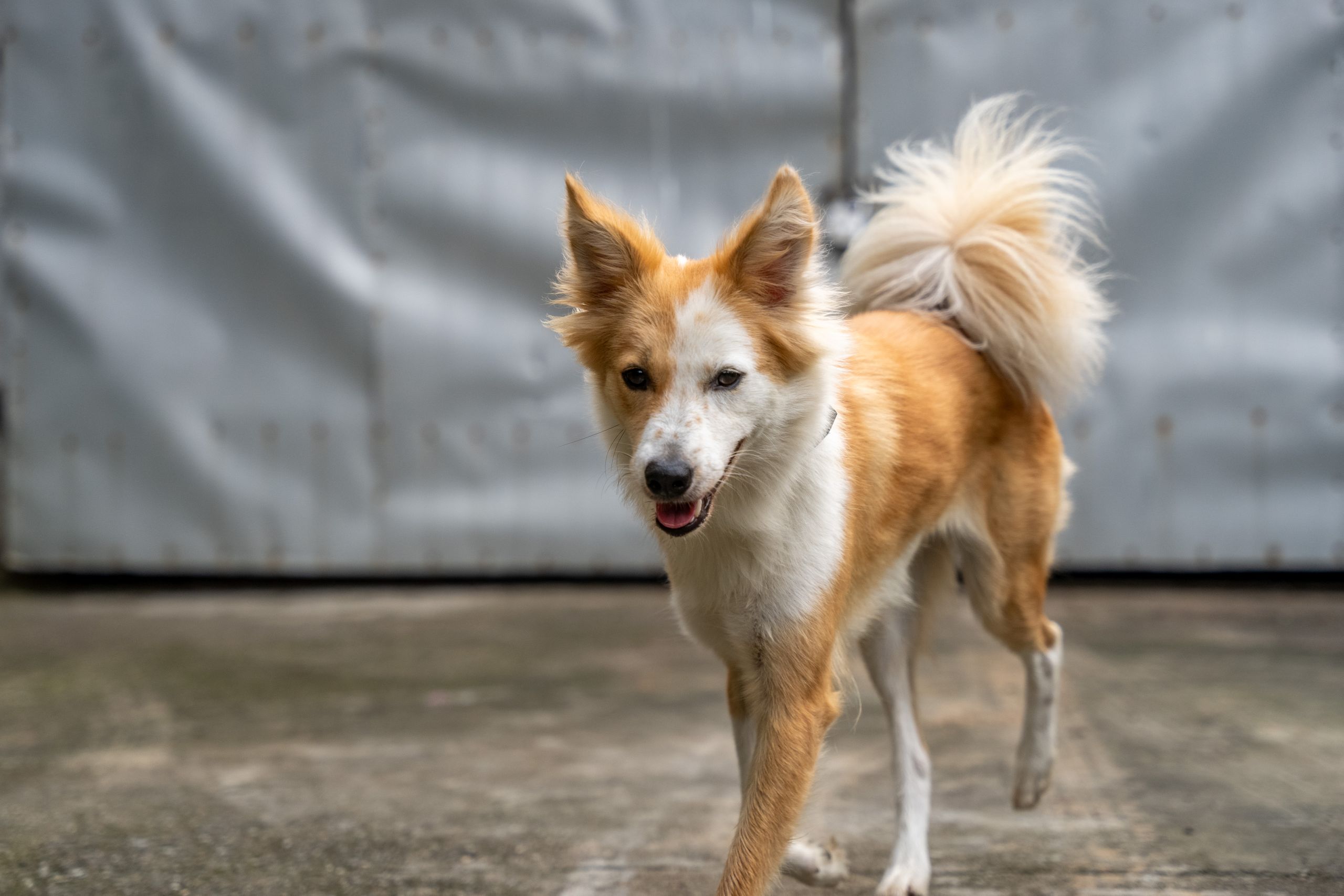
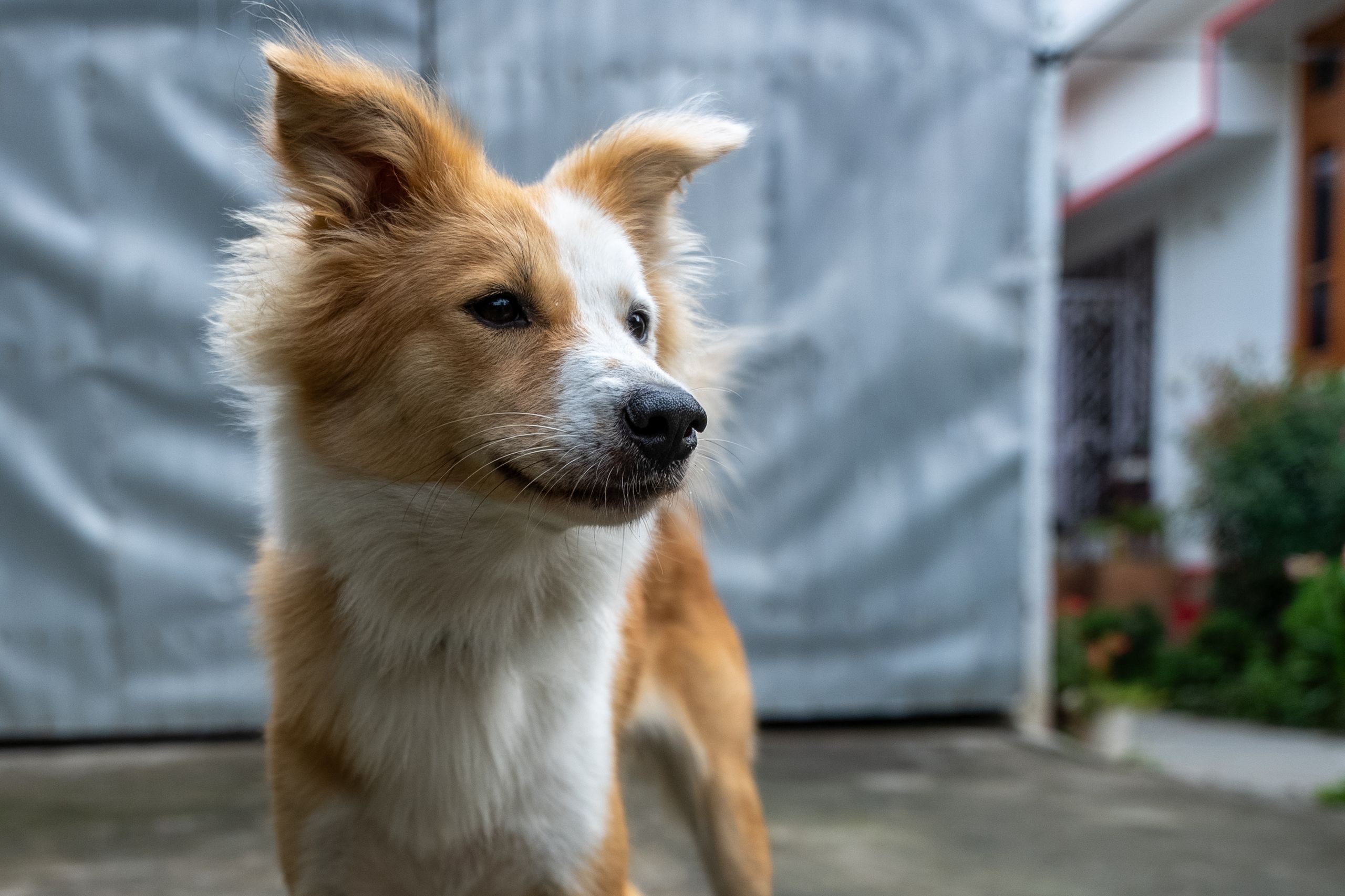
The FCI classes the breed in Group 5, Section 3, Nordic watchdogs and herders, and in its current standard describes it as a herding dog, without a working trial. It is a sturdy, slightly under medium Nordic spitz type with erect ears and a curled tail. The body is rectangular when viewed from the side, a little longer than the height at the withers. There are two coat varieties, short and long, both dense and weatherproof. The standard also notes a clear difference in appearance between the sexes.
Temperament
The FCI standard describes a hardy, agile dog that is cheerful, friendly, inquisitive, playful and confident, with a gentle disposition and alertness that is free from aggression. It also states that the breed is a natural barker, since barking is part of herding livestock. It greets people with interest, loves to be involved in family life, and notices every sound, movement and delivery.
An Icelandic Sheepdog will tell you about the postman, the lift, a neighbour's door and a passing dog, and some will keep going unless you teach a quiet cue. Left alone for long hours the breed can become a nuisance in a flat. It is sociable and sensitive, and works best with an owner who gives it small jobs: finding a toy, learning tricks, accompanying a child to the park.
Children and other pets
Icelandic Sheepdogs are typically friendly, playful and patient with children, and they enjoy games and company. Like many herders, a young dog may try to round up running children by circling or nipping at heels, which needs gentle correction and supervision. They usually get on well with other dogs and with cats they know. Small rodents and birds are less certain, and the dog will bark at all visitors, so children should be taught to be calm around it.
Exercise and the daily walk
A healthy adult needs about an hour to an hour and a half of activity a day, which suits most working families. The dog is more athletic than its size suggests and loves long walks, hiking and games in the park. What it needs even more than distance is variety: a new route, a ball game, a small trick, a scent trail.
Dog sports such as agility, rally, obedience and herding trials suit the breed well, and most dogs enjoy them. A good off-lead recall can be built with early training and is often reliable, but the herding instinct means the dog may chase bikes, joggers or cars, so choose safe places. The thick coat means that summer exercise should be done early or late, and a rest in the shade is needed on warm days.
Training
Icelandic Sheepdogs are intelligent, quick and eager to work with their people, so they are rewarding to train. Reward-based methods, short sessions and games bring the best results. Because they are sensitive, harsh corrections can cause them to withdraw, while patient guidance produces a cheerful, cooperative dog.
Teaching a quiet cue is the most useful lesson. Reward silence, not barking, and teach the dog to go to a mat when the doorbell rings or the lift stops. Socialise the puppy to children, traffic, other dogs and household noises, so that its natural alertness does not turn into excessive barking.
Coat and grooming
The FCI standard describes a double coat that is thick and weather resistant, with a coarse outer layer and a soft undercoat. It comes in two varieties, short and long. The permitted colours are fawn, red, grey shaded, chocolate brown and black, all with white markings, with lighter shading on the underside, tan markings on darker dogs and pied patterns also allowed. Brush weekly, and daily when the undercoat is shed, usually twice a year.
Feeding and weight
This is a hardy breed and many dogs do well on very little, so watch the weight. Feed a good quality complete diet in measured portions, adjusted for age and exercise, and use treats from the daily allowance during training. A puppy needs a diet suited to its size and age, split into three or four meals. Check the dog's waist regularly, because the thick coat can hide extra weight.
Work out a starting calorie figure and food weight with the calorie calculator. Not sure this is the right breed? Take the quiz.
Health
Every breed carries predispositions. These are the conditions most often discussed for the Icelandic Sheepdog, not a prediction for any individual dog.
- Hip dysplasia, a malformation of the hip joint
- Eye conditions, including distichiasis (extra eyelashes) and cataracts
- Patellar luxation (a kneecap that slips out of place)
- Ear and skin problems, which breed clubs mention, are worth watching in dogs with heavy coats
What to ask the breeder. Ask the breeder for hip scores and eye examination results for both parents, and ask about the health and longevity of the relatives. The breed has a small gene pool, so ask about the level of inbreeding in the pedigree.
Choosing a puppy
An Icelandic Sheepdog puppy is a fluffy, curious bundle that wants to be involved in everything. Begin quiet training early, with a reward for silence, and expose the puppy calmly to children, lifts, trams and other dogs. Expect nipping at ankles, chewing and bursts of energy, so provide chew toys and structured play. Keep walks short while the joints are forming, and avoid long stairs and jumping.
In Luxembourg the national kennel club is the Fédération Cynologique Luxembourgeoise (FCL), a member of the FCI. Many owners also buy from breeders in Germany, France or Belgium; a puppy coming from another EU country must be microchipped and vaccinated against rabies, which in practice means it cannot travel before about fifteen weeks of age. Where to get a dog in Luxembourg.
The older Icelandic Sheepdog
Icelandic Sheepdogs are long lived, and twelve to fourteen years is common. Older dogs often stay playful but need shorter walks, a warm bed and a regular vet check. Watch for stiffness, changes in vision, weight gain and dental problems. Brush more gently as the skin becomes more sensitive, and check the ears regularly.
A realistic day
A realistic weekday for a working household in Luxembourg City, with a midday visit. Adjust it to your dog, not the other way round.
Toilet break and a 20 minute walk, then breakfast and a little training.
Owner leaves for work. The dog has a chew toy and a puzzle feeder in its bed, and a window to watch.
Midday visit from a walker: toilet break, a lively 40 minute walk with a ball game or trick practice, fresh water.
Main outing of an hour in the park or forest, with off-lead time if the recall is reliable.
Last toilet break and a brush, then a calm evening on the sofa or in its bed.
An Icelandic Sheepdog in Luxembourg
The Icelandic Sheepdog is of modest size and fits comfortably into a Luxembourg flat, but the voice is the issue. Lifts, shared stairwells and thin walls mean a barking dog will be noticed, so train a quiet cue early and avoid long periods alone. The dog is clean and adaptable, and a family with children will find it a lively companion for city life.
The breed's thick coat copes well with cold, wet Luxembourg winters, and it will enjoy snow. When the temperature climbs into the 30s, walk early and late, keep to shade in the Pétrusse valley or Parc Merl, and carry water. The Grünewald and Bambësch forests are ideal for long weekend walks, though a dog with herding instincts should stay on a long line near roads and livestock.
Every dog in Luxembourg must be identified, declared to the commune and covered by liability insurance. How registration works.
When you travel
A sitter should plan for a sociable, alert dog that will want company and activity. Keep to the usual routine of two meals, two or three walks and some training, and bring toys and a puzzle feeder. Warn neighbours about possible barking if the owner is away, and keep the dog calm at the door. Check the garden or balcony for gaps, and leave the vet's number and written notes on the dog's habits.
PAWLY's holiday and overnight care takes place in your home, so your dog keeps its own bed and routine.
Myths and facts
MythA small herding dog is quiet.
FactNot this one. The standard describes the breed as a natural barker, and it will report every sound unless you teach a quiet cue.
MythSpitz dogs are aloof.
FactThe Icelandic Sheepdog is the opposite: cheerful, friendly and inquisitive, as the standard describes, and it wants to share its day with you.
MythA dog with a thick coat cannot live in a city.
FactProvided it has shade, water and sensible summer exercise, an Icelandic Sheepdog adapts well to city life.
Is it the right dog for you?
Suits
- Families with children who want a cheerful, active companion
- Active owners who enjoy training and dog sports
- People who can give a daily dog visit or work partly from home
- Flat dwellers who will invest in teaching a quiet cue
Think twice if
- You need a silent dog for a flat with thin walls
- You are away from home for long hours without a visit
- You dislike dog hair on clothes and floors
- You want a dog that ignores visitors and passers-by
Questions owners ask
How big is an Icelandic Sheepdog?
The FCI standard gives about 46 centimetres for males and 42 centimetres for females at the withers. It does not give a weight. It is a sturdy, slightly under medium sized dog, rectangular in outline.
Do Icelandic Sheepdogs bark a lot?
Yes, barking is part of their herding work and the standard calls them natural barkers. Training a quiet cue and giving the dog enough exercise and company reduces the problem, but does not remove it.
Are they good with children?
Generally very good. They are friendly, playful and gentle, though a young dog may try to herd running children, and supervision and gentle training help.
How much do they shed?
A moderate amount all year and heavily when the undercoat is released, usually twice a year. Regular brushing helps, and the short coat variety is slightly easier to look after.
Sources
Photo: Pexels (Pexels License) · Photo: Pexels (Pexels License) · Photo: Pexels (Pexels License) · Photo: Pexels (Pexels License)
General information for dog owners in Luxembourg, not veterinary or legal advice. Official facts (origin, size, group, history and temperament as described by the breed standard) follow the FCI standard; health and care sections reflect breed-club and veterinary guidance and are typical ranges rather than rules. For your own dog, ask your vet, the breed club or your commune. How this guide is written and checked. Last reviewed 8 October 2026.
Need someone for your Icelandic Sheepdog?
PAWLY offers an individual 45-minute walk or a home visit at your dog's pace, the same walker every time, and a written report with photos after every visit, across Luxembourg City.
Read next: the journal, for the Icelandic Sheepdog
All articles
The itchy dog: working through it in the right order
Skin trouble is among the conditions discussed for the Icelandic Sheepdog; this is the order to work through it.

How long can a dog really be left alone?
A sociable breed has a real limit on time alone; this is how to work it out.

Forests, hunting season and wildlife
The Icelandic Sheepdog was bred to follow game, which matters in the forests around Luxembourg.
Similar breeds
All 198 breeds
Finnish Lapphund
A soft-eyed reindeer herder from the far north, friendly and calm indoors, but equipped with a ready voice and a coat built for snow.
EnergyGroomingFlat life
Swedish Vallhund
A short-legged Swedish cattle heeler with a wolf-grey coat, a busy mind and the confidence of a dog twice its height.
EnergyGroomingFlat life
Norwegian Buhund
A cheerful Viking-age farm dog that herds, guards and talks, and expects to be involved in everything you do.
EnergyGroomingFlat life

