


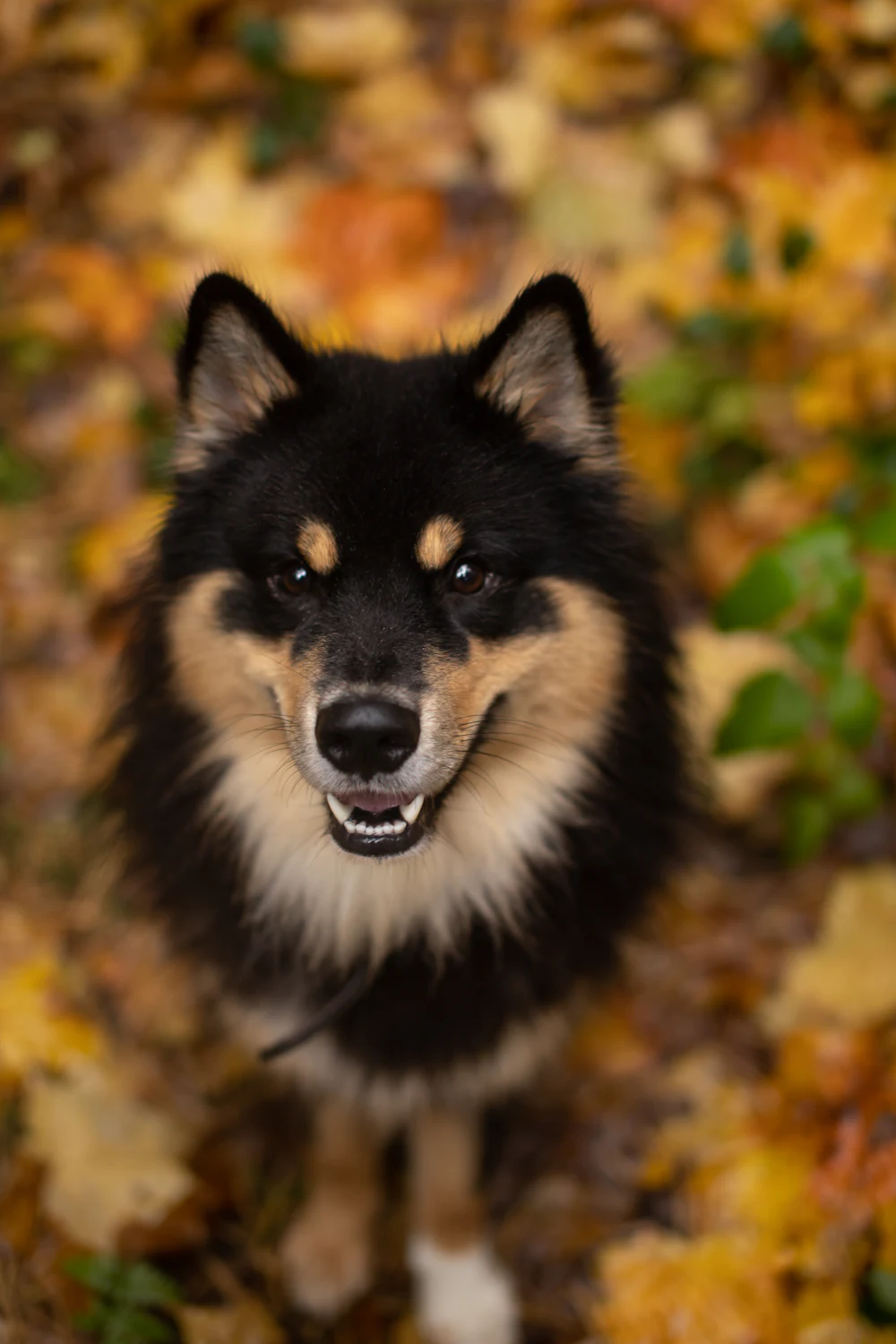
History
For centuries the Sami people of northern Fennoscandia and Russia kept dogs of this type to herd and guard their reindeer. A herding dog in that landscape had to work in deep snow and long winter darkness, move half-wild animals without frightening them into flight, and warn of anything approaching the camp. The thick coat, upright ears and alert, vocal nature of today's breed all reflect that life, as does its calm, cooperative attitude towards people.
According to the FCI standard, the Finnish Kennel Club drew up the first standard in 1945. The breed was renamed the Lapponian Dog in 1967 and the Finnish Lapponian Dog in 1993, the official name it still carries. It became stable in type during the 1970s and is now kept mainly as a companion throughout Finland. The current standard, published in 2016, places it in FCI Group 5, Section 3, Nordic watchdogs and herders, without a working trial.
Temperament
The standard describes the breed as intelligent, courageous, calm and docile, friendly and faithful. In daily life that usually means a gentle, people-focused dog with a soft expression and a cooperative nature, more biddable than many spitz breeds. Some are a little reserved on first meeting a stranger, preferring to watch for a moment before coming forward, but few are unfriendly.
The watchdog side is real. A Lapphund notices movement and sound, and its first instinct is to bark about it: a delivery in the stairwell, a dog on the opposite pavement, a door closing two floors down. Herding instincts can also appear as circling, bumping or heel nipping when people run. Neither trait is a fault in the breed, but both need thoughtful management in a city home.
Children and other pets
Most Finnish Lapphunds are excellent with children, patient, playful and tolerant of family noise. With running toddlers the herding instinct may show as chasing or gentle nipping at heels, which should be redirected calmly towards a toy. They usually enjoy the company of other dogs and often live happily with a cat they have grown up with. Rabbits and guinea pigs should be supervised, although prey drive is generally modest compared with hunting breeds.
Exercise and the daily walk
An adult Lapphund needs about one to one and a half hours of activity a day, made up of walks, free running in a safe place and some play. This is a working dog rather than an athlete built for endurance running, and most adults are content with steady walks, varied routes and time to sniff. They enjoy agility, rally, herding instinct sessions and scent work, all of which keep a quick mind occupied.
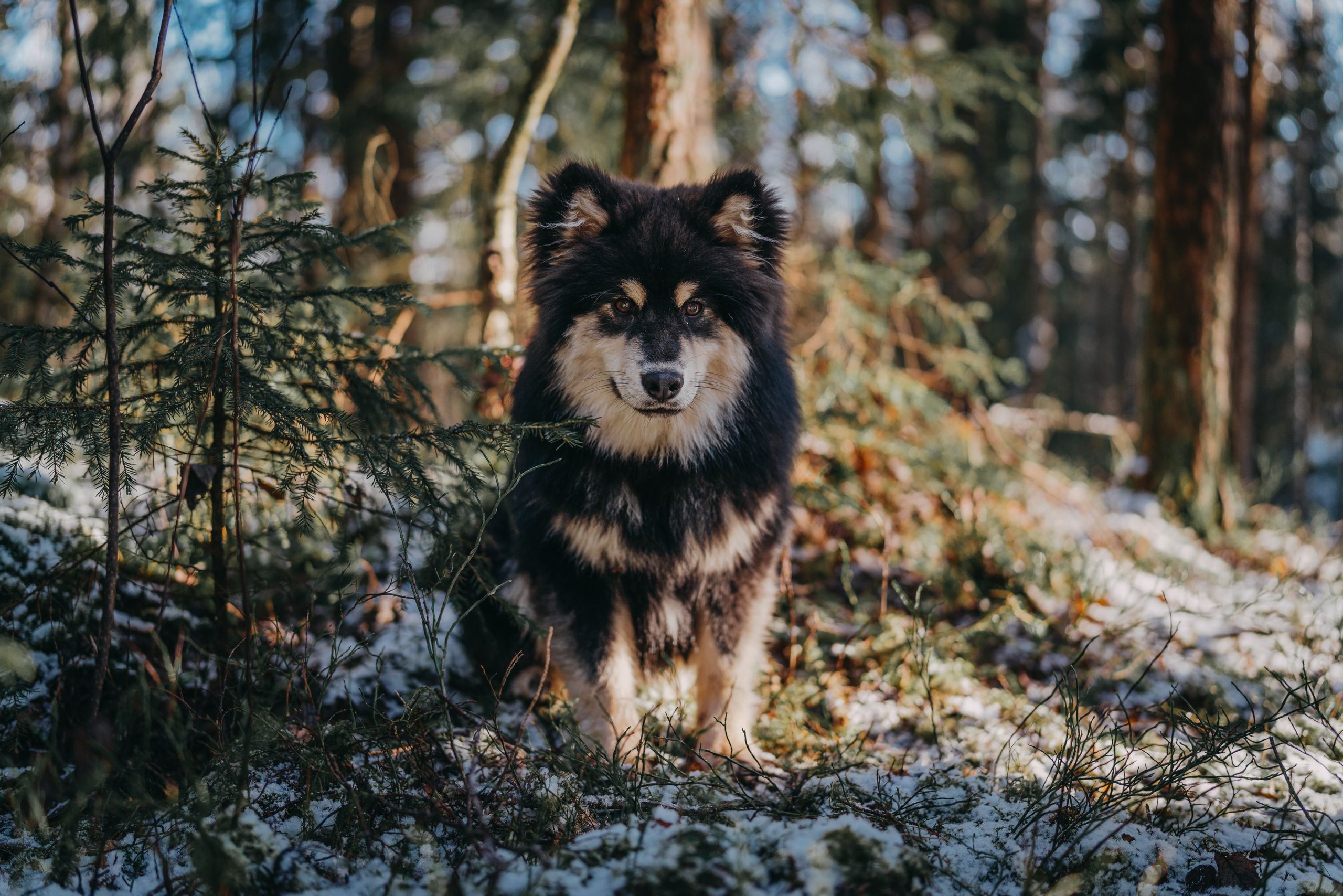
Weather shapes the routine. Cold, wet and even snowy days suit the breed perfectly, and many Lapphunds are at their happiest on a frosty morning in the Grünewald. Heat is a different matter: in summer, walk early and late, choose shaded forest paths, keep the pace easy and carry water. A thick coat full of mud also takes time to dry, so a towel by the door is useful.
Training
Lapphunds are intelligent, willing and food-motivated, and most respond quickly to reward-based training. They tend to be sensitive, so a harsh voice or physical correction often makes them anxious rather than obedient. Short, varied sessions keep them engaged, and many enjoy learning tricks for the sake of the game. For an owner willing to train, they are a sensible first dog.
Barking is the key training topic. Teach a quiet cue early, reward calm watching at the window, and avoid accidentally rewarding noise with attention. Recall is often good, but chasing joggers or bicycles can appear in young dogs and should be redirected. Plenty of socialisation with lifts, trams, visitors and busy pavements helps prevent natural caution from becoming nervousness.
Coat and grooming
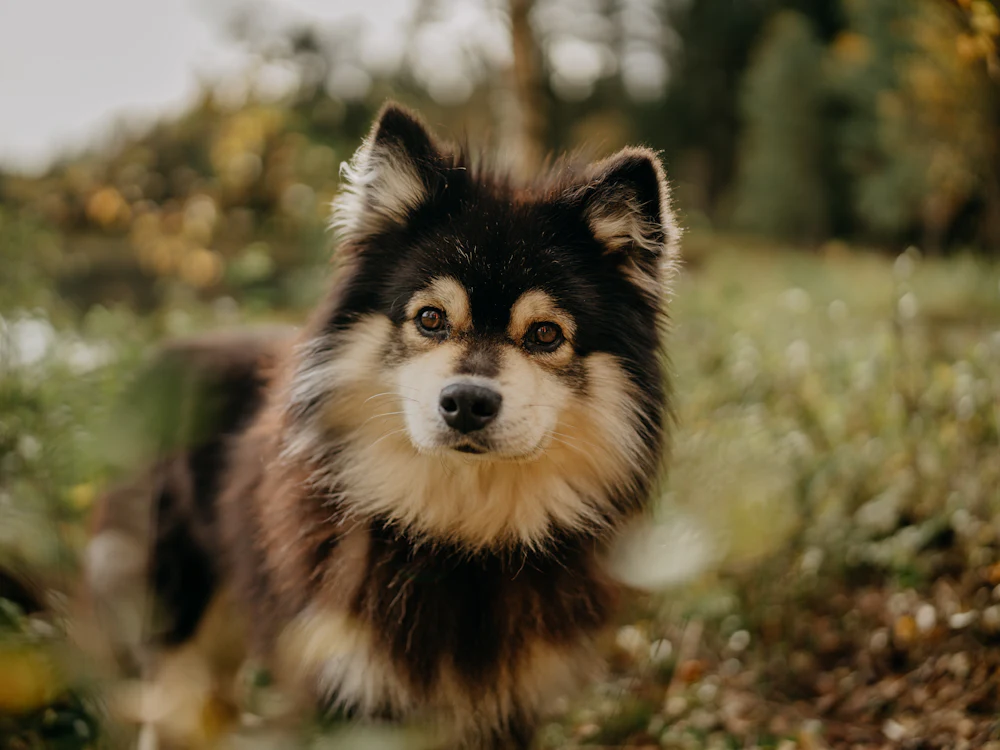
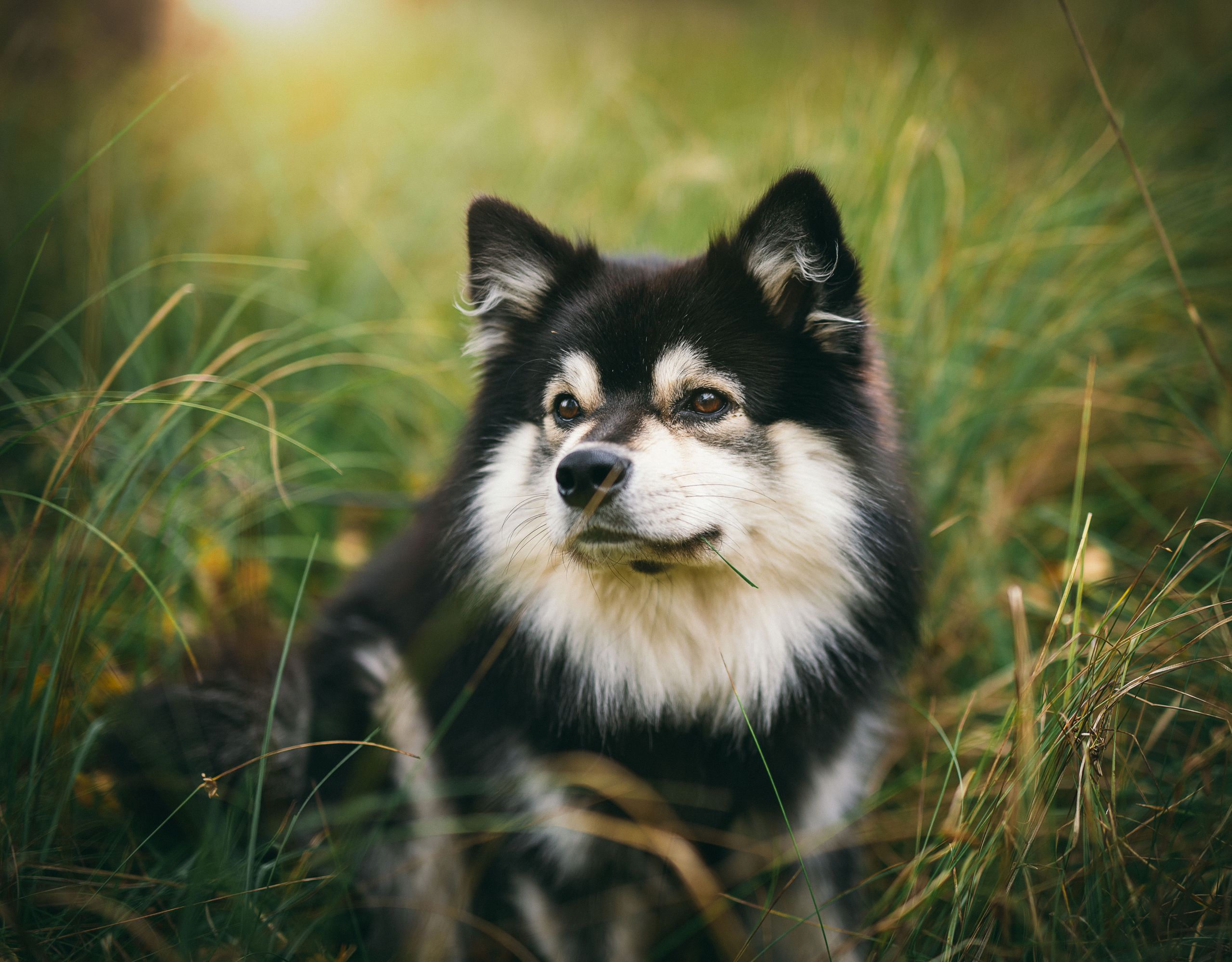
The FCI standard calls for a profuse coat with a long, harsh outer coat and a soft, dense undercoat, shorter on the head and the front of the legs. Weekly brushing is usually enough, but once or twice a year the undercoat comes out in large amounts and daily brushing, ideally with an undercoat rake, is needed for a few weeks. The coat should not be shaved, as it insulates against both cold and heat. All colours are permitted, as long as the basic colour is dominant.
Feeding and weight
A good quality complete food suited to a medium, moderately active breed works well for most Lapphunds. Portion by activity and body condition, and feel for the ribs beneath the coat, which can easily hide extra weight. Many are keen eaters, so use part of the daily ration for training and food puzzles. Keep fresh water available at all times, particularly in summer and after walks.
Work out a starting calorie figure and food weight with the calorie calculator. Not sure this is the right breed? Take the quiz.
Health
Every breed carries predispositions. These are the conditions most often discussed for the Finnish Lapphund, not a prediction for any individual dog.
- Progressive retinal atrophy (prcd-PRA), for which a DNA test exists
- Hereditary cataracts
- Hip dysplasia
- Glycogen storage disease type II (Pompe disease), for which a DNA test exists
- Overheating in hot weather, because of the thick double coat
What to ask the breeder. Ask for hip scores and a current eye examination for both parents, together with DNA results for prcd-PRA and Pompe disease.
Choosing a puppy
Lapphund puppies are friendly, curious and quick to learn, and they look like small bears for the first months. Start socialisation early with lifts, trams, visitors, children and other dogs, and introduce the sounds of a block of flats in a positive way. Address barking and heel nipping gently from the start. Make brushing a short, calm daily routine, and keep exercise moderate while the young dog grows.
In Luxembourg the national kennel club is the Fédération Cynologique Luxembourgeoise (FCL), a member of the FCI. Many owners also buy from breeders in Germany, France or Belgium; a puppy coming from another EU country must be microchipped and vaccinated against rabies, which in practice means it cannot travel before about fifteen weeks of age. Where to get a dog in Luxembourg.
The older Finnish Lapphund
Older Lapphunds generally remain friendly and interested in the world, though they slow down and may sleep more. Shorter, more frequent walks, gentle play and scent games help keep body and mind active. Provide a cool place to rest in summer and a warm, padded bed in winter. Watch for changes in vision, joint stiffness and weight, and keep up regular brushing during the moults.
A realistic day
A realistic weekday for a working household in Luxembourg City, with a midday visit. Adjust it to your dog, not the other way round.
Toilet break, breakfast and a quick brush, especially during the moult.
A 30 to 40 minute walk along the Pétrusse valley paths before the day warms up.
Midday visit: a 30-minute walk, fresh water and a short training game to prevent boredom barking.
Evening walk in Parc Merl or the Grünewald with some free running, then play and dinner.
Short final walk around the block and quiet time before bed.
A Finnish Lapphund in Luxembourg
A Lapphund can adapt well to a flat in Luxembourg City if it is exercised and trained to stay quiet. The main challenge is noise: barking at sounds in the stairwell, at the lift or at people passing in the street can strain relations with neighbours, so early training is worth the effort. Its medium size makes lifts, cars and the free buses and trams easy, which opens up the forests around the city.
Luxembourg's cool, wet autumns and winters suit the breed, and the Grünewald and Bambësch forests offer good, varied walking. Summer heat in the 30s °C is harder: walk early and late, choose shaded routes, and provide a cool floor to lie on at home. As for all dogs in the country, a microchip, commune declaration, third-party liability insurance and the annual dog tax are required.
Every dog in Luxembourg must be identified, declared to the commune and covered by liability insurance. How registration works.
When you travel
A sitter should know what tends to set the dog barking and how to settle it, as well as the usual walking routes and timings. Keep meals and walks consistent, provide enough exercise and mental work, and brush the coat regularly, daily if the dog is moulting. In summer, walk early and late and make sure the dog stays cool. Lapphunds usually accept a familiar sitter quickly and cope well with care in their own home.
PAWLY's holiday and overnight care takes place in your home, so your dog keeps its own bed and routine.
Myths and facts
MythLapphunds should be shaved in summer.
FactShaving removes insulation and can damage the coat. Regular brushing to remove dead undercoat is the better way to help in heat.
MythHerding dogs need a farm.
FactLapphunds adapt well to town life when they get enough exercise, training and company.
MythSpitz breeds are always aloof.
FactSome Lapphunds are reserved on first meeting, but the breed is generally friendly, gentle and affectionate.
Is it the right dog for you?
Suits
- Families with children
- First-time owners willing to train
- People who enjoy cool-weather walks
- Owners interested in dog sports
Think twice if
- You need a very quiet dog
- Your home gets very hot in summer
- You dislike dog hair on clothes and floors
- You cannot provide daily exercise
Questions owners ask
Do Finnish Lapphunds bark a lot?
They are naturally vocal, having been bred as watchdogs and herders. Training, enough exercise and mental stimulation make a big difference, and many learn to stop on cue. Even so, most will announce visitors and unusual sounds, which matters in a flat with thin walls.
How much do they shed?
Quite a lot during the seasonal moults, when the undercoat comes out in clumps for a few weeks. Daily brushing then keeps the house manageable. The rest of the year a thorough weekly brush is usually enough to keep the coat clean and free of tangles.
Can a Lapphund live in a flat?
Yes, many do, provided they get daily walks, mental work and training to manage barking. They are usually calm indoors once their needs are met. A cool spot in summer and a towel for wet days make flat life easier for everyone.
Are Lapphunds good with children?
Usually very good: patient, playful and gentle. Herding behaviour such as chasing or nipping at heels may appear when young children run, so it should be redirected calmly and children taught not to encourage it. Supervision is wise with toddlers, as with any dog.
Sources
Photo: Unsplash (Unsplash License) · Photo: Pexels (Pexels License) · Photo: Pexels (Pexels License) · Photo: Pexels (Pexels License) · Photo: Unsplash (Unsplash License)
General information for dog owners in Luxembourg, not veterinary or legal advice. Official facts (origin, size, group, history and temperament as described by the breed standard) follow the FCI standard; health and care sections reflect breed-club and veterinary guidance and are typical ranges rather than rules. For your own dog, ask your vet, the breed club or your commune. How this guide is written and checked. Last reviewed 8 October 2026.
Need someone for your Finnish Lapphund?
PAWLY offers an individual 45-minute walk or a home visit at your dog's pace, the same walker every time, and a written report with photos after every visit, across Luxembourg City.
Read next: the journal, for the Finnish Lapphund
All articles
Dogs in hot weather: the Luxembourg summer guide
The Finnish Lapphund carries a heavy coat or a heavy frame, which makes a Luxembourg summer the hard season.

Building a recall you can actually rely on
Scent and movement can cancel a recall; this is the method for the Finnish Lapphund.

Dogs and cats in the same flat
The Finnish Lapphund can see small animals as prey; this covers living with a cat in a flat.
Similar breeds
All 198 breeds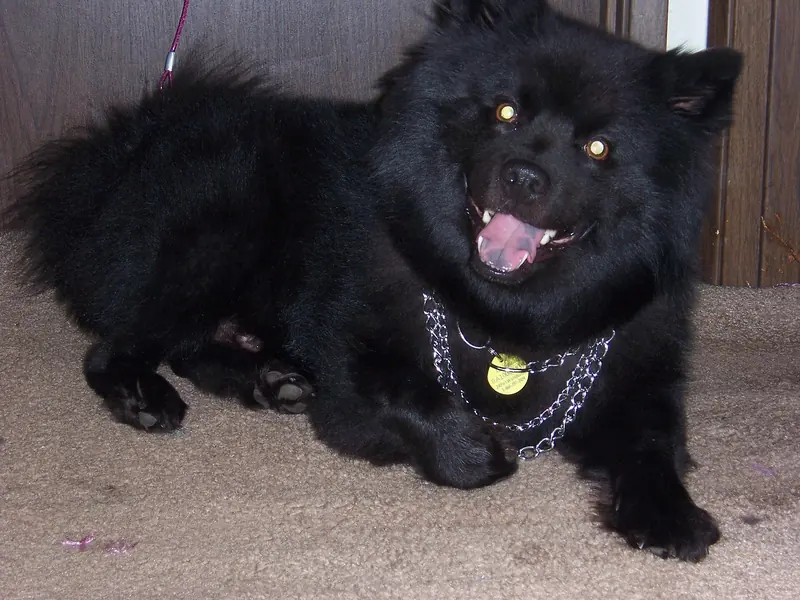
Swedish Lapphund
A black, bear-brown reindeer herder from northern Sweden, friendly, hardy and happier with a job than with a sofa.
EnergyGroomingFlat life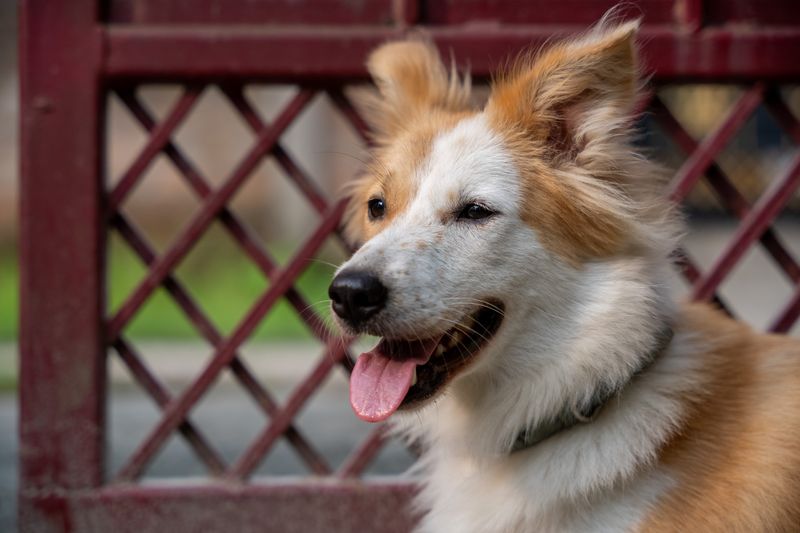
Icelandic Sheepdog
A cheerful, curly-tailed Viking herder that wants to be involved in everything and will say so, loudly, at every opportunity.
EnergyGroomingFlat life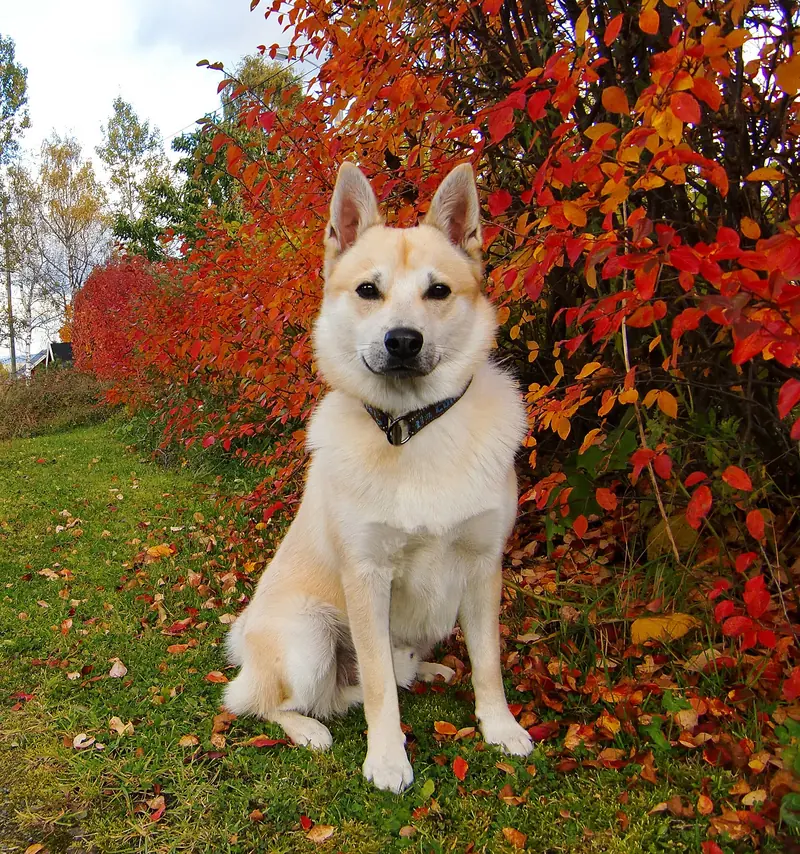
Norwegian Buhund
A cheerful Viking-age farm dog that herds, guards and talks, and expects to be involved in everything you do.
EnergyGroomingFlat life

