


History
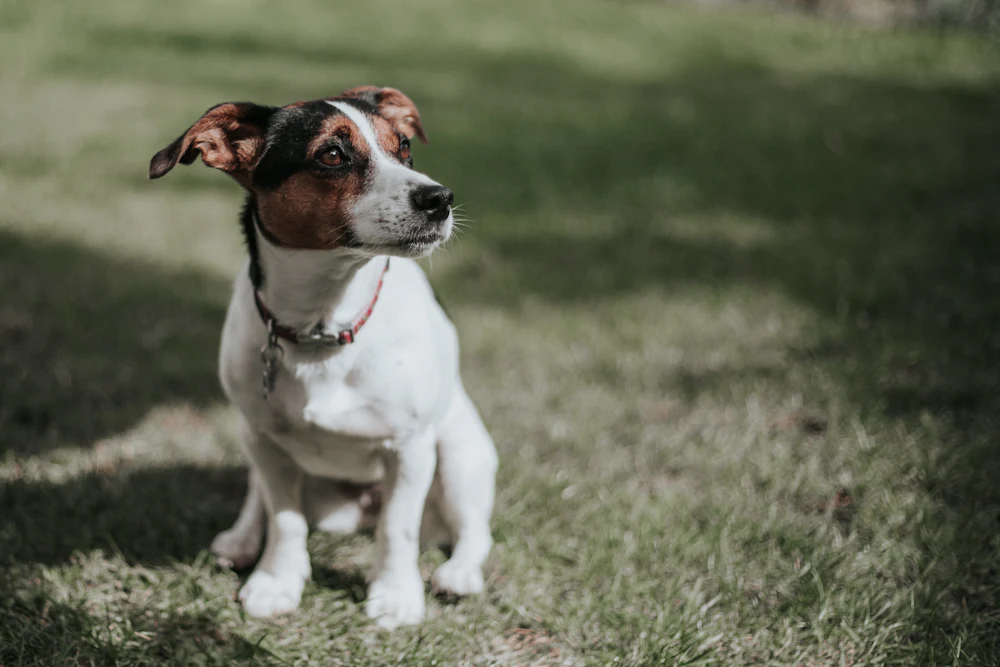
The breed takes its name from the Reverend John Russell, a nineteenth-century parson in Devon and a keen foxhunter. He wanted small, predominantly white terriers that could run with the hounds and bolt a fox from its earth, and the FCI standard credits his efforts in England in the 1800s as the start of the breed. His first terrier, a bitch called Trump, is said to have been bought from a milkman in Oxford, and she is often described as the foundation of his line.
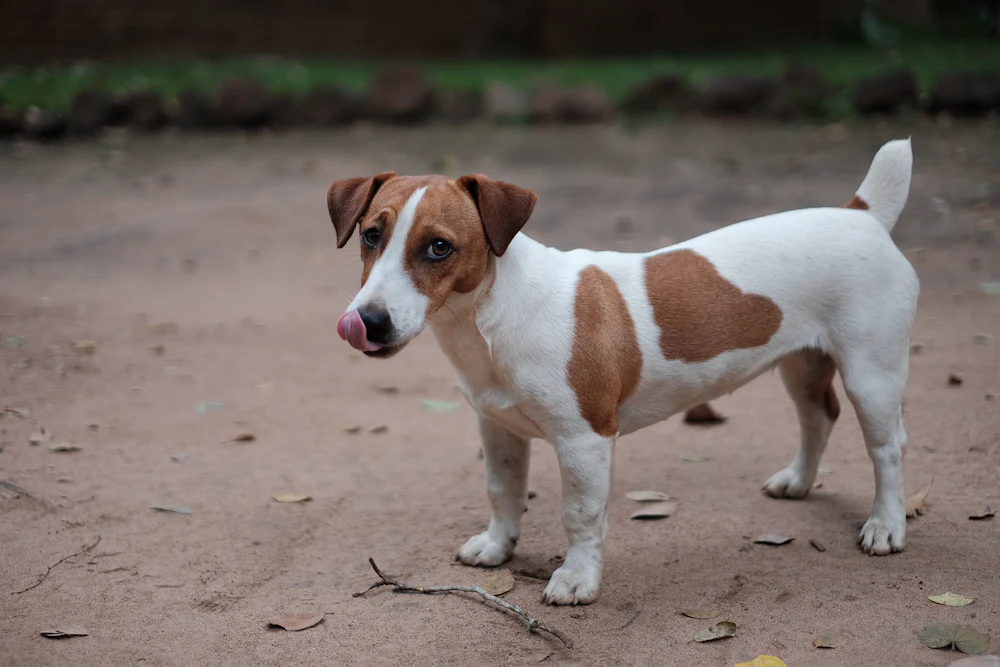
Two types developed from this work: the taller Parson Russell Terrier and the shorter Jack Russell Terrier. The FCI treats them as separate breeds. The Jack Russell standard, with its country of origin given as England and its development carried further in Australia, calls for a dog of 25 to 30 cm that is longer than tall, with a flexible, medium-length body. The standard describes a strong, active, lithe working terrier of great character,, and the standard treats tail docking as optional.
Temperament
The FCI describes the Jack Russell as lively, alert and active, bold and fearless, and also friendly and quietly confident, with a keen, intelligent expression. The first part is obvious from the first minute: the dog is wired for movement, noise and anything that runs. The second part is less obvious but matters, because a well-bred, well-socialised Jack Russell is not a nervous or snappy dog. It is simply a very energetic one with strong opinions.
Strong prey drive is the main difficulty. Rodents, cats, squirrels and even birds can trigger a sudden dash, and the breed will dig, squeeze under fences and follow scent into holes. Many do not tolerate other dogs of the same sex. Boredom produces barking, chewing and destruction in short order. In return you receive a loyal, funny, brave companion that rewards owners who enjoy activity and enjoy being outwitted.
Children and other pets
Jack Russells can be lively and fun with children, and many love games of chase and fetch. Their small size misleads: they are tough but impatient, and a dog that is handled roughly or teased may snap. They suit older children who respect them better than toddlers. With other dogs the outlook is mixed, especially with dogs of the same sex. Cats may be accepted if raised together, but rodents, rabbits and other small pets are at serious risk, and cages must be secure.
Exercise and the daily walk
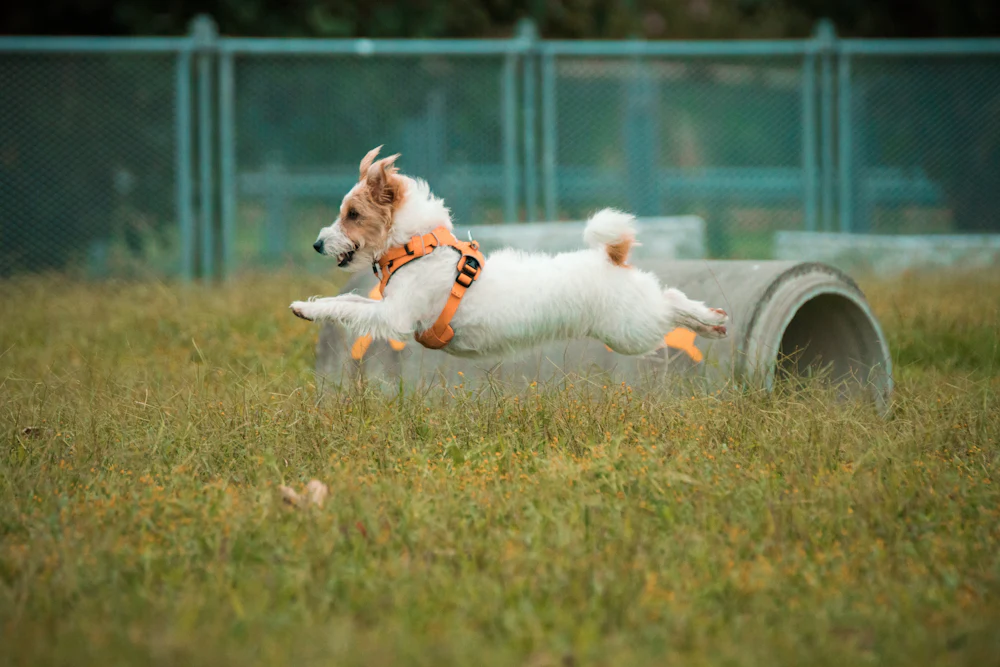
A Jack Russell needs an hour to an hour and a half of real exercise each day, and more is welcome. Short walks around the block do not meet its needs. Include a proper run, a game of fetch or tug, and some training or scent work. A well-exercised terrier is a calmer terrier in the evening, and a dog that has had a good morning will cope with a quieter afternoon.
Safety deserves attention. A Jack Russell off the lead may follow a scent or a squirrel and ignore calls, and it can squeeze through gaps that look impossible. Use a harness and a long line in forests, and check garden fences for gaps and climbing points. Puzzle feeders, hidden treats and agility-style games help burn mental energy, which is the breed's true limit rather than its legs.
Training
Jack Russells are clever and learn fast, but they are also stubborn and easily distracted. Training should be short, varied and rewarding, and it must start early. Use food, toys and games, and make the dog feel that working with you is more interesting than working alone. Avoid harsh methods, which a fearless terrier simply ignores, and be consistent with house rules, because a dog this clever will find every loophole.
Teach a calm lead walk, a settle on a mat and a recall with a whistle or a special word, and keep practising in different places. Reliable recall around prey is difficult, so continue to use a long line even when the dog seems perfect. Socialise with other dogs carefully and teach the dog to pass them without staring or pulling, since a small dog can start a fight it cannot win.
Coat and grooming
The FCI standard recognises three coat types, smooth, rough and broken, all weatherproof. White must predominate, with black and or tan markings, and the tan may range from light to rich chestnut. Smooth coats need little more than a weekly brush, while rough and broken coats may benefit from hand-stripping a few times a year to keep a harsh texture. Shedding is moderate, with a seasonal peak, and the short hair clings to upholstery and clothes. Check the ears and nails regularly.
Feeding and weight
Jack Russells are active, but their size means that small extras quickly turn into extra weight. Feed measured portions of a good quality complete food, and use part of the daily ration as training rewards. Two meals a day suit most adults. Do not leave food out, since a determined terrier will find it. Keep an eye on the waist and ribs, especially when exercise drops in winter.
Work out a starting calorie figure and food weight with the calorie calculator. Not sure this is the right breed? Take the quiz.
Health
Every breed carries predispositions. These are the conditions most often discussed for the Jack Russell Terrier, not a prediction for any individual dog.
- Primary lens luxation, a painful eye condition for which a DNA test exists
- Patellar luxation (a slipping kneecap)
- Deafness, particularly in dogs with a lot of white
- Late-onset ataxia and spinocerebellar ataxia, for which DNA tests exist
- Dental problems, common in small breeds
What to ask the breeder. Ask for the results of DNA tests for primary lens luxation and the ataxias for both parents, eye and kneecap checks, and whether any puppies in the lines have been deaf.
Choosing a puppy
A Jack Russell puppy should be bold, curious and quick, but not frantic or fearful. Meet the mother and observe how she responds to visitors. Ask about DNA tests, hearing and kneecaps. From the first week, introduce the puppy to the lift, the lead and quiet streets. Start training and teach settling before the energy peaks, use a crate or playpen to manage chewing and be firm about boundaries around the home.
In Luxembourg the national kennel club is the Fédération Cynologique Luxembourgeoise (FCL), a member of the FCI. Many owners also buy from breeders in Germany, France or Belgium; a puppy coming from another EU country must be microchipped and vaccinated against rabies, which in practice means it cannot travel before about fifteen weeks of age. Where to get a dog in Luxembourg.
The older Jack Russell Terrier
Many Jack Russells remain lively well into their teens, which is part of the breed's appeal. Still, older dogs need regular checks of the eyes, teeth and joints. Watch for cloudy or red eyes, which need urgent attention, and for stiffness after exercise. Offer shorter, more frequent walks, keep the weight steady and continue some mental games, since a retired terrier without work still wants a job.
A realistic day
A realistic weekday for a working household in Luxembourg City, with a midday visit. Adjust it to your dog, not the other way round.
A brisk walk or a game of fetch before work, with a toilet stop.
Breakfast from a puzzle feeder, then a chew.
Midday visit from a walker: toilet break, a game and a sniff walk.
A longer outing in a park or forest on a long line, with recall practice.
Final walk, then a quiet settle on the bed.
A Jack Russell Terrier in Luxembourg
A Jack Russell can live in a flat in Luxembourg City, provided the daily exercise is honest and the dog is not left alone all day. It is a small dog, easy to carry and happy in a lift, but also a noisy one at the door and in the stairwell. Neighbours will notice barking, so teach quiet early and provide enough activity. Balcony gates and window locks matter, because the breed is an enthusiastic climber and escape artist.
Parks and forests provide ideal ground. The Pétrusse valley, Parc Merl and Kinnekswiss suit shorter walks, while the Bambësch and Grünewald offer scent and room to run, though on a long line. Squirrels and rabbits are the temptation, so keep control near woodland edges. Summer heat is manageable for a short-coated dog, but walk early and late. Free buses and trams make it easy to reach the forests without a car.
Every dog in Luxembourg must be identified, declared to the commune and covered by liability insurance. How registration works.
When you travel
Jack Russells can be unsettled by absence and may chew, dig or bark when bored, so a sitter should be active and keep to the routine of walks and play. Tell the sitter about the dog's prey drive, its escape skills and its dislike of some dogs. Always use a lead or a secure garden, check gates and fences, and leave puzzle toys, vet details and a written note about feeding.
PAWLY's holiday and overnight care takes place in your home, so your dog keeps its own bed and routine.
Myths and facts
MythJack Russells are just small, easy dogs.
FactThey are working terriers with strong drive, and they need as much exercise and mental work as many larger breeds.
MythJack Russells and Parson Russells are the same.
FactThe FCI recognises them separately. The Jack Russell is the shorter dog, standing 25 to 30 cm, and its standard was developed in Australia.
MythThey are aggressive.
FactThe standard asks for a friendly, quietly confident dog. Problems usually come from boredom, poor socialisation or rough handling.
Is it the right dog for you?
Suits
- Active owners who enjoy daily outings and games
- Experienced handlers who like a clever, stubborn dog
- People who can keep a secure garden or use a long line
- Households that want a small but robust companion
Think twice if
- You keep rabbits, hamsters or other small pets
- You want a quiet, calm dog
- You work long hours and cannot arrange a midday visit
- You expect reliable off-lead behaviour
Questions owners ask
Do Jack Russells bark a lot?
Many do, especially when bored or alerted by noises on the stairs. Daily exercise, mental games and early training on a quiet signal reduce the problem, but it rarely disappears entirely.
How much exercise does a Jack Russell need?
About an hour to an hour and a half daily, plus play and mental work. A dog with too little activity may dig, chew or bark, so be honest about your routine.
Are Jack Russells good with children?
They can be, particularly with older children who respect the dog and play actively. They are impatient with rough handling, so supervise and do not leave a toddler alone with one.
What is the difference from a Parson Russell?
The Parson Russell is taller, with longer legs. The FCI standard for the Jack Russell gives 25 to 30 cm and a body that is longer than tall, and the standard was developed in Australia.
Sources
Photo: Unsplash (Unsplash License) · Photo: Unsplash (Unsplash License) · Photo: Unsplash (Unsplash License) · Photo: Unsplash (Unsplash License) · Photo: Unsplash (Unsplash License)
General information for dog owners in Luxembourg, not veterinary or legal advice. Official facts (origin, size, group, history and temperament as described by the breed standard) follow the FCI standard; health and care sections reflect breed-club and veterinary guidance and are typical ranges rather than rules. For your own dog, ask your vet, the breed club or your commune. How this guide is written and checked. Last reviewed 8 October 2026.
Need someone for your Jack Russell Terrier?
PAWLY offers an individual 45-minute walk or a home visit at your dog's pace, the same walker every time, and a written report with photos after every visit, across Luxembourg City.
Read next: the journal, for the Jack Russell Terrier
All articles
Teeth: the problem owners find least interesting and vets see most
Teeth are a known weak point in the Jack Russell Terrier; this is the routine that helps.

The dog that barks and lunges on the lead
Some Jack Russell Terrier dogs are selective with other dogs; this is the plan for lunging and barking on the lead.

Small dogs, and the training they never get
Small dogs are often the least trained; worth reading before habits set in.
Similar breeds
All 198 breeds
Parson Russell Terrier
A leggy working terrier built to run with horses and go to ground, cheerful and bold, and rarely content to watch life from the sofa.
EnergyGroomingFlat life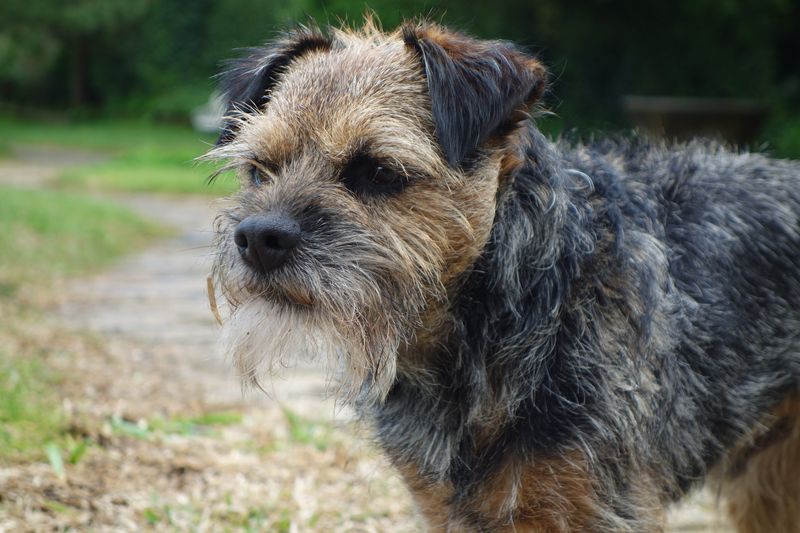
Border Terrier
The terrier for people who find terriers too much: tough, cheerful and easy-going.
EnergyGroomingFlat life
West Highland White Terrier
A cheerful, confident little Scottish terrier, white by design, with a big opinion of itself and a worker's stamina.
EnergyGroomingFlat life

