

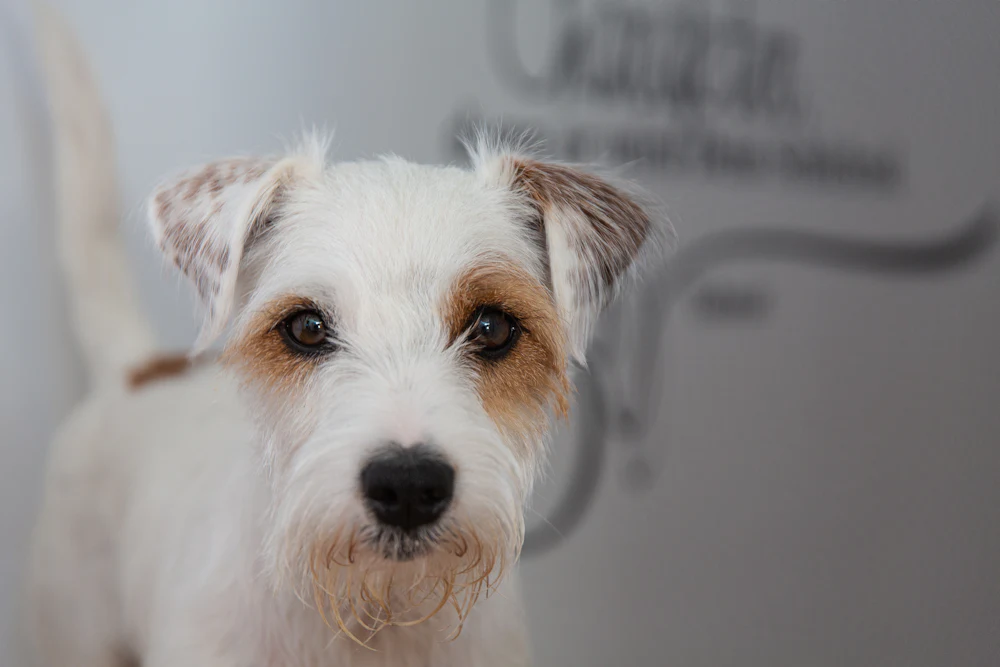
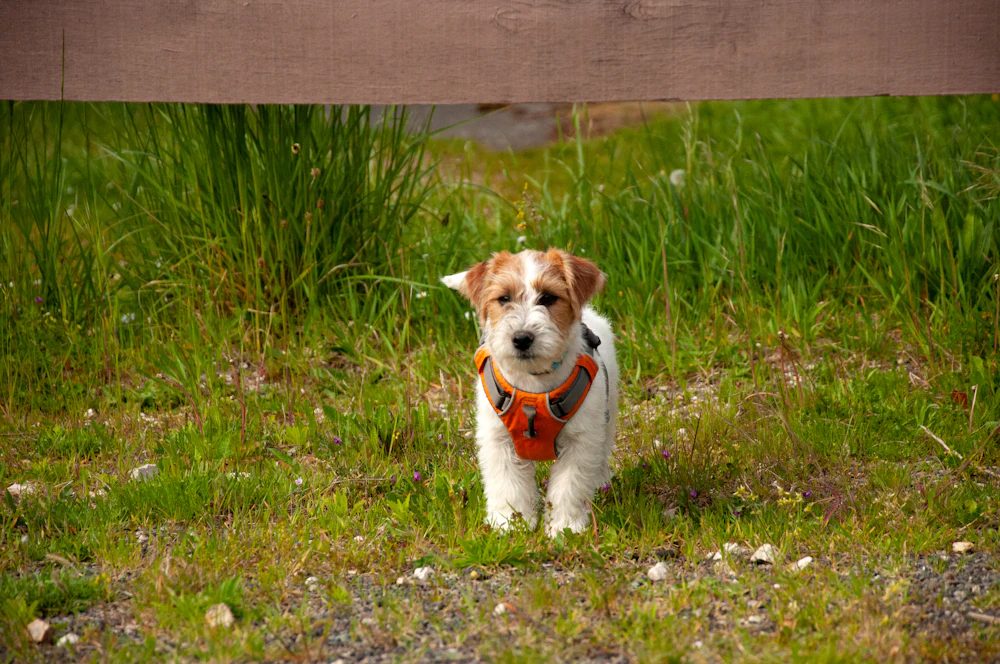
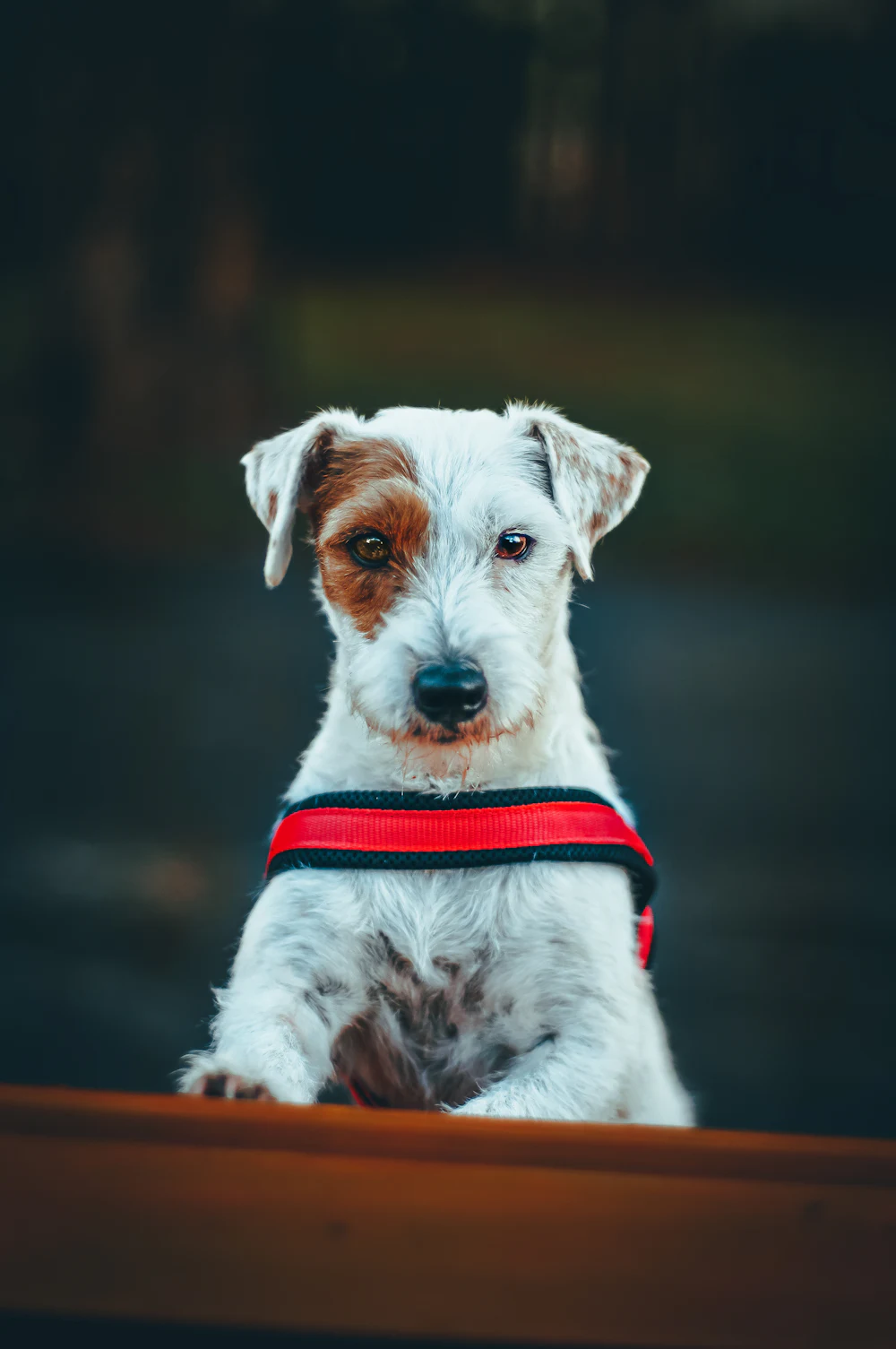
History
The breed takes its name from the Reverend John Russell, a Victorian hunting parson who kept a strain of Fox Terriers for work in the hunting field. His dogs needed long enough legs to keep up with hounds and horses, yet a chest small enough to follow a fox underground. The FCI standard explains that for many years terrier enthusiasts argued about a loosely defined type known simply as the Jack Russell, and that the Kennel Club in Britain received many applications for recognition of this strain.
Eventually the robust, workmanlike terrier descended from the parson's dogs was recognised under the name Parson Russell Terrier, with Great Britain as the country of origin. The FCI places it in Group 3, Section 1, among the large and medium sized terriers, and the current standard dates from 22 August 2017. The FCI separately recognises the Jack Russell Terrier, developed in Australia, which is usually shorter in the leg and slightly longer than tall, while the Parson is square in outline.
Temperament
The standard describes a confident, energetic and happy dog, bold and friendly, bred to work fox with the ability and build to go to ground. That sums up life with one quite well. A Parson greets the day at full volume, takes a lively interest in everything that moves and approaches problems with determination. With its own people it is affectionate, playful and often very funny.
The same qualities make it demanding. A bored Parson digs, chews, barks and invents its own entertainment. It has a strong urge to chase and to investigate holes, and once its nose is in a burrow it can be deaf to calls. Some can be assertive with other dogs, particularly of the same sex. Owners who enjoy an active, outdoor life and treat the terrier as a partner rather than an accessory tend to adore the breed.
Children and other pets
Parsons often suit families with sensible, active children who enjoy playing ball and going on walks, as the dog has plenty of stamina and a robust build. They may be too boisterous for toddlers and will not tolerate rough handling indefinitely. Cats can be accepted if the puppy grows up with them, but many Parsons never become trustworthy with outdoor cats, rabbits, guinea pigs or hamsters. Meetings with other dogs should be watched, especially with confident terriers.
Exercise and the daily walk
An adult Parson needs at least an hour a day of real activity, ideally more, including brisk walking, play and chances to explore with its nose. Fetch, tug and flirt pole games burn energy quickly. Without enough exercise and stimulation the dog finds its own work, and that work is rarely welcome in a flat.
Off-lead running is possible with a well-trained adult in safe areas, but recall around wildlife is never guaranteed. In forests a long line prevents the dog disappearing down a burrow or after deer. Earthdog trials, agility and flyball are excellent outlets and suit the breed's speed and drive. On hot days keep sessions short, as Parsons do not know when to stop.
Training
Parsons are clever and learn fast, but they also learn what they can get away with. Clear, consistent rules from day one, short sessions and rewards the dog actually values (food, toys, a game of chase) work far better than repetition or force. Recall and a solid leave it should be practised daily throughout life, not just in puppyhood.
Socialise widely and early with people, dogs and city noises, and teach the puppy to settle calmly on a mat. Barking is a common complaint, so reward quiet rather than shouting over the noise. Digging and chasing are instincts, not bad behaviour, and are best redirected into dig boxes, scent games and organised sports. Many experienced trainers consider the Parson a satisfying but testing breed.
Coat and grooming
The FCI standard admits three coat types, rough, broken and smooth, all naturally harsh, flat, close and dense, with a good undercoat that makes the dog weather resistant. A trimmed coat should look natural, never clipped. Colour is white or predominantly white with tan, lemon or black markings, or any combination, preferably confined to the head and the root of the tail. Smooth coats shed steadily and need weekly brushing; broken and rough coats benefit from hand stripping a few times a year.
Feeding and weight
Most Parsons are keen eaters with high energy levels, so feed a complete diet matched to their actual activity and adjust portions as the dog's routine changes. Two meals a day suit most adults. Use part of the daily ration for training and puzzle feeders, which also provide useful mental work. Keep the dog lean, with a visible waist and ribs easy to feel, to protect its joints during all that jumping.
Work out a starting calorie figure and food weight with the calorie calculator. Not sure this is the right breed? Take the quiz.
Health
Every breed carries predispositions. These are the conditions most often discussed for the Parson Russell Terrier, not a prediction for any individual dog.
- Primary lens luxation (PLL)
- Late onset ataxia (LOA) and spinocerebellar ataxia (SCA)
- Congenital deafness
- Patellar luxation (slipping kneecaps)
- Legg-Calvé-Perthes disease (a hip condition of small breeds)
What to ask the breeder. Ask for DNA results for primary lens luxation, late onset ataxia and spinocerebellar ataxia, recent eye examinations for both parents, and a hearing (BAER) test for the puppy.
Choosing a puppy
A Parson puppy arrives with the energy of an adult and the judgement of a toddler. Provide plenty of safe chews, rotate toys, and use a puppy pen to prevent chewing of cables and shoes. Begin recall, settle and handling exercises at once. Keep early walks short and varied, letting the puppy meet people, calm dogs and traffic. Avoid repeated jumping from heights while the joints are growing, and enrol in a good puppy class.
In Luxembourg the national kennel club is the Fédération Cynologique Luxembourgeoise (FCL), a member of the FCI. Many owners also buy from breeders in Germany, France or Belgium; a puppy coming from another EU country must be microchipped and vaccinated against rabies, which in practice means it cannot travel before about fifteen weeks of age. Where to get a dog in Luxembourg.
The older Parson Russell Terrier
Parsons tend to stay youthful for a long time, and many are still keen hunters at twelve. As they age, keep walks regular but less intense, maintain a lean weight, and watch for stiffness, cloudy eyes or changes in hearing. Mental games such as scent work stay enjoyable when the legs slow down. A thorough annual check with the vet becomes more important in the later years.
A realistic day
A realistic weekday for a working household in Luxembourg City, with a midday visit. Adjust it to your dog, not the other way round.
Brisk 30-minute walk with a short game of fetch, then breakfast in a puzzle feeder.
Owner leaves; the terrier rests in a crate or a dog-proofed room with a long-lasting chew.
Midday visit: 40 minutes on a long line in the woods, plenty of sniffing and a recall practice.
Evening walk and a training session, perhaps scent games in Parc Merl, then dinner.
Short final outing and settle time on the mat before bed.
A Parson Russell Terrier in Luxembourg
A Parson can live in a flat if its exercise and mental needs are met every single day, but it is a lively presence in a building. Barking at the door, scrabbling paws on wooden floors and excitement in the lift can test neighbours' patience, so invest early in calm routines. Ground floor flats with access to green space make life easier.
Luxembourg City is well placed for this breed. The Pétrusse valley and Parc Merl give good daily walks, while Bambësch and the Grünewald offer long weekend outings, best on a long line since wildlife is plentiful. Free buses and trams make it easy to reach the forest edge. Hot summer afternoons are not the time for ball games; walk early and late instead. Microchip, commune registration, dog tax and liability insurance apply as for every dog.
Every dog in Luxembourg must be identified, declared to the commune and covered by liability insurance. How registration works.
When you travel
Whoever looks after a Parson needs time and energy, not just food and water. The dog should get at least two proper walks plus play every day, or it will make its own entertainment at home. Check garden fences and doors carefully, since Parsons dig and slip out. Keep it on lead or a long line outside, and give the sitter details of any dogs it does not get on with.
PAWLY's holiday and overnight care takes place in your home, so your dog keeps its own bed and routine.
Myths and facts
MythA small terrier needs little exercise.
FactParsons were bred to keep up with horses and hounds and need as much activity as many larger breeds.
MythThe Parson and the Jack Russell are the same breed.
FactThe FCI recognises them separately; the Parson is longer legged and square, the Jack Russell usually shorter and slightly longer than tall.
MythTerriers cannot be trained.
FactThey learn quickly when training is fun and rewarding; they simply ignore dull or harsh methods.
Is it the right dog for you?
Suits
- Active owners who walk, hike or run daily
- People who enjoy dog sports or training
- Experienced owners who like a dog with strong character
- Homes with older, active children
Think twice if
- Think twice if you keep cats, rabbits or rodents
- Think twice if the dog would often be alone all day
- Think twice if neighbours are sensitive to barking
- Think twice if you want a calm, sofa-loving companion
Questions owners ask
What is the difference between a Parson and a Jack Russell?
Both descend from the same working terriers, but the FCI recognises them as separate breeds. The Parson Russell has an ideal height of 33 to 36 cm and a square outline. The Jack Russell, developed in Australia, is usually smaller and slightly longer than tall.
Can a Parson Russell live in a flat?
Yes, if it gets plenty of daily exercise, training and company. Without these it will bark, dig into sofas and chew. A flat suits a Parson owned by an active person far better than a large garden owned by someone who rarely walks the dog.
Are Parson Russell Terriers good with cats?
Some live peacefully with a cat they were raised with, but the hunting instinct is strong and many will chase cats outdoors. Small pets such as rabbits and hamsters are rarely safe. Introductions need careful supervision and separate spaces.
Do they bark a lot?
Many do, because they are alert and quick to react. Teaching a quiet cue, rewarding calm behaviour and meeting the dog's exercise needs makes a big difference. Barking from boredom is the hardest kind to stop, so prevention is better than cure.
Sources
- FCI breed standard No. 339 (Parson Russell Terrier)
- The Royal Kennel Club, Parson Russell Terrier
- American Kennel Club, Parson Russell Terrier
- AKC terrier group health testing requirements
Photo: Unsplash (Unsplash License) · Photo: Unsplash (Unsplash License) · Photo: Unsplash (Unsplash License)
General information for dog owners in Luxembourg, not veterinary or legal advice. Official facts (origin, size, group, history and temperament as described by the breed standard) follow the FCI standard; health and care sections reflect breed-club and veterinary guidance and are typical ranges rather than rules. For your own dog, ask your vet, the breed club or your commune. How this guide is written and checked. Last reviewed 8 October 2026.
Need someone for your Parson Russell Terrier?
PAWLY offers an individual 45-minute walk or a home visit at your dog's pace, the same walker every time, and a written report with photos after every visit, across Luxembourg City.
Read next: the journal, for the Parson Russell Terrier
All articles
Working breeds in a city flat: the honest version
High-drive dogs like the Parson Russell Terrier can live in a flat, but it takes a plan.

Building a recall you can actually rely on
Terriers follow scent and movement, so the Parson Russell Terrier needs a recall built properly.

The dog that barks and lunges on the lead
Some Parson Russell Terrier dogs are selective with other dogs; this is the plan for lunging and barking on the lead.
Similar breeds
All 198 breeds
Jack Russell Terrier
A big dog in a small body: fearless, clever, endlessly busy and permanently looking for something to hunt.
EnergyGroomingFlat life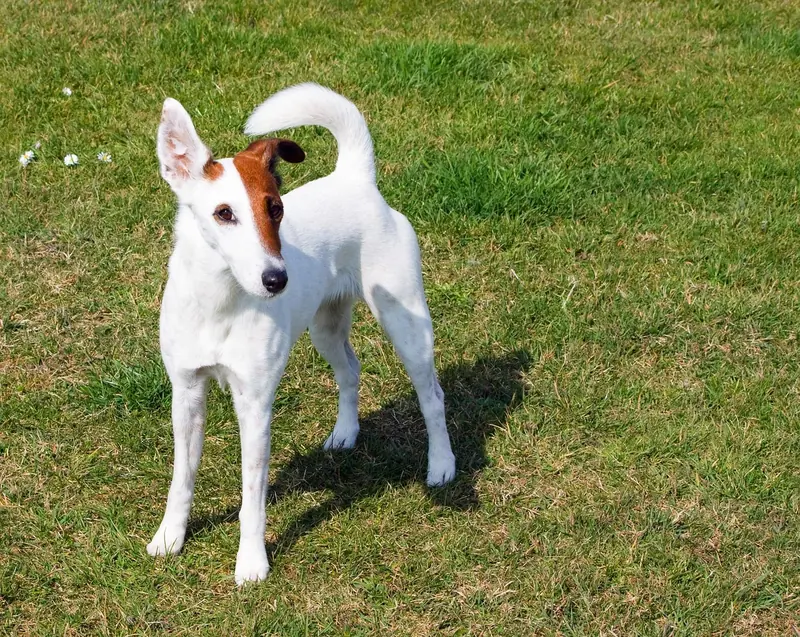
Smooth Fox Terrier
A white, quick-witted terrier with a spring in every step, sharper than most dogs twice its size and rarely willing to be ignored.
EnergyGroomingFlat life
Wire Fox Terrier
Bright-eyed and permanently on tiptoe, a small working terrier with a big opinion of itself and a remarkable talent for entertaining a household.
EnergyGroomingFlat life

