


History
According to the FCI standard, it descends from large white German Spitz dogs that reached Japan around 1920, travelling by way of Siberia and north-eastern China. The breed was first shown at a dog show in Tokyo around 1921, and between 1925 and the mid 1930s further white Spitz dogs were imported from Canada, the United States, Australia and China. Japanese breeders crossed these lines carefully, selecting for a smaller, refined, entirely white dog.
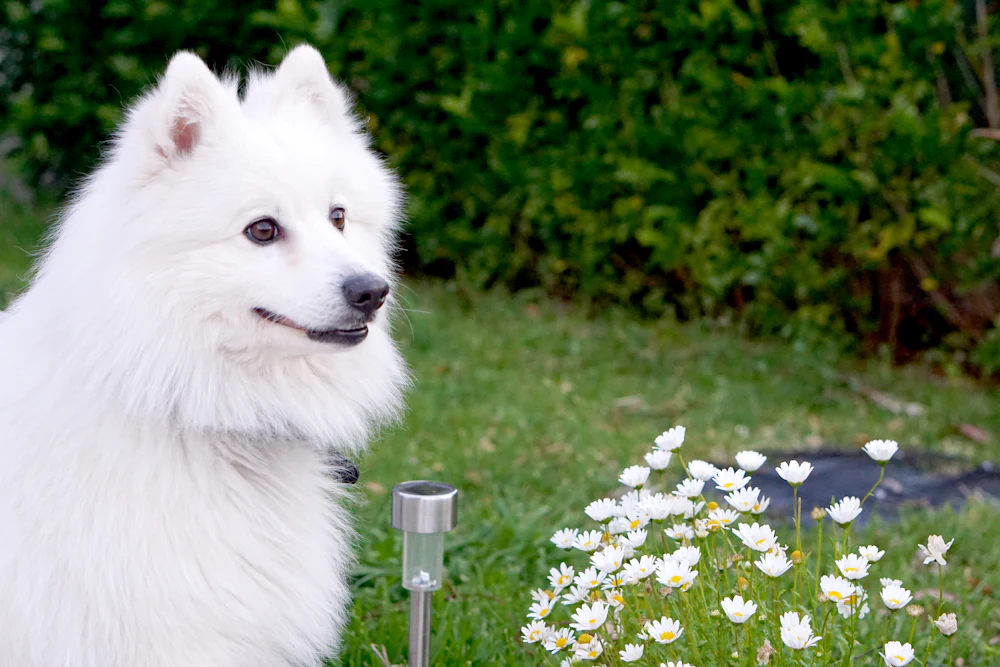
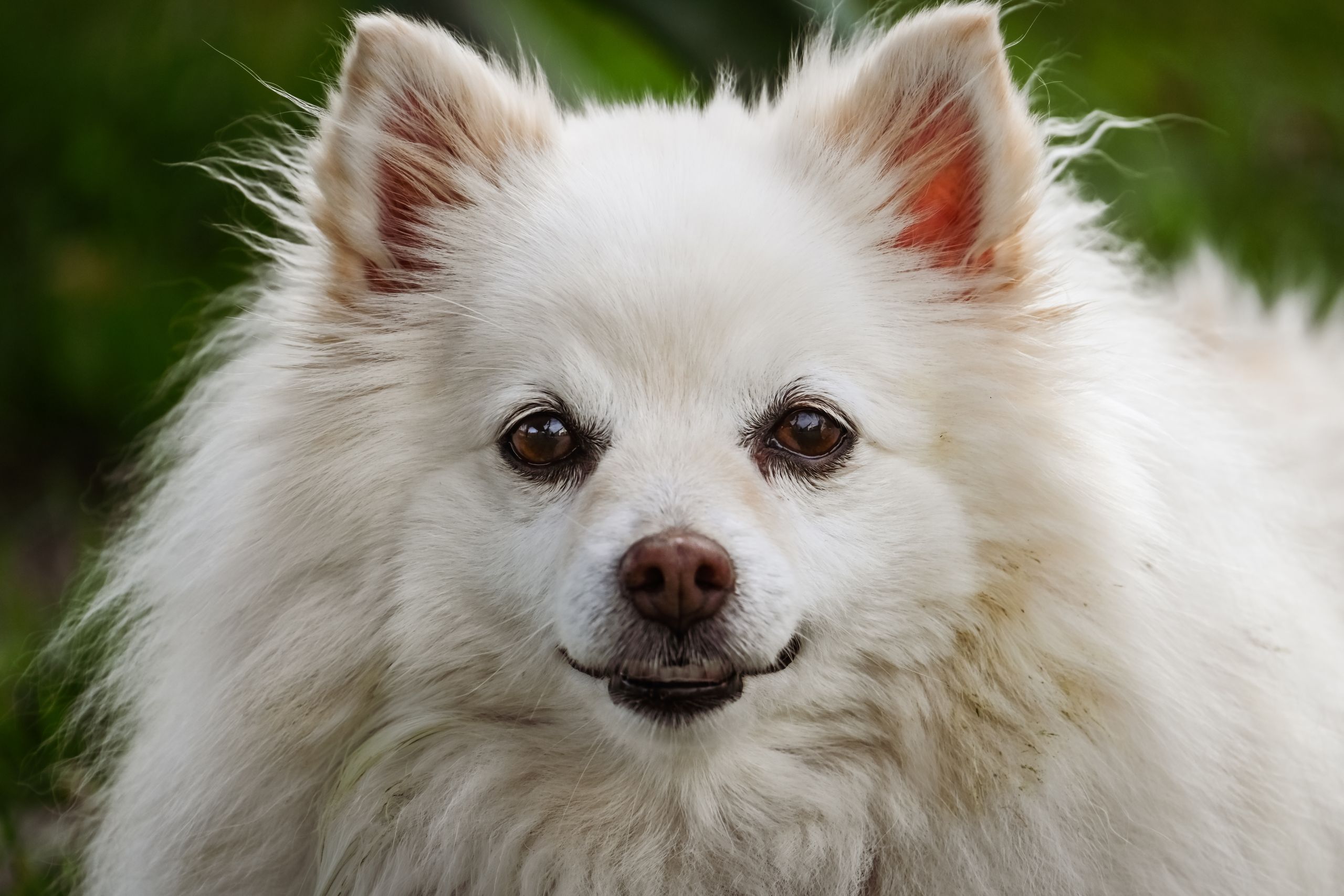
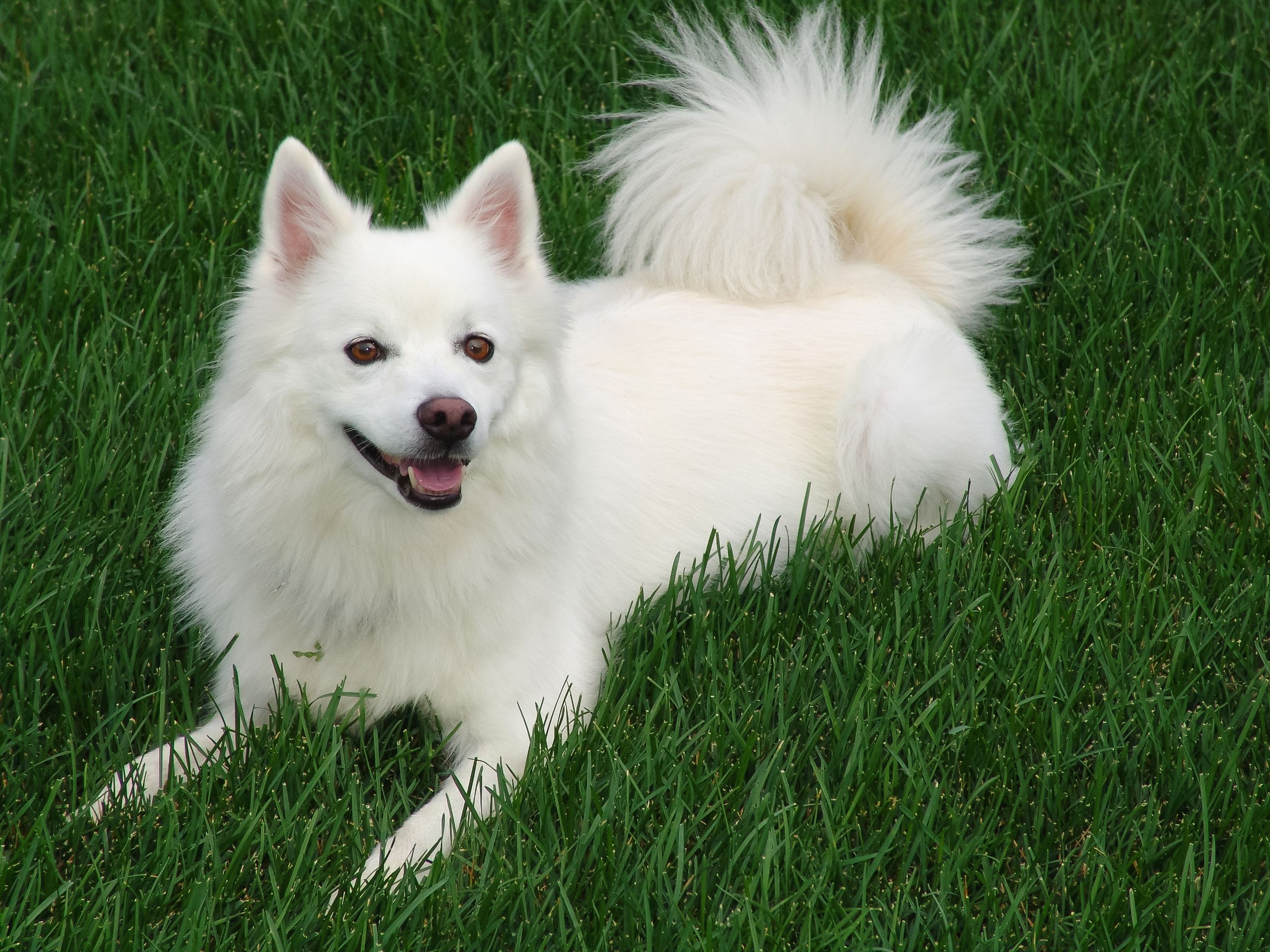
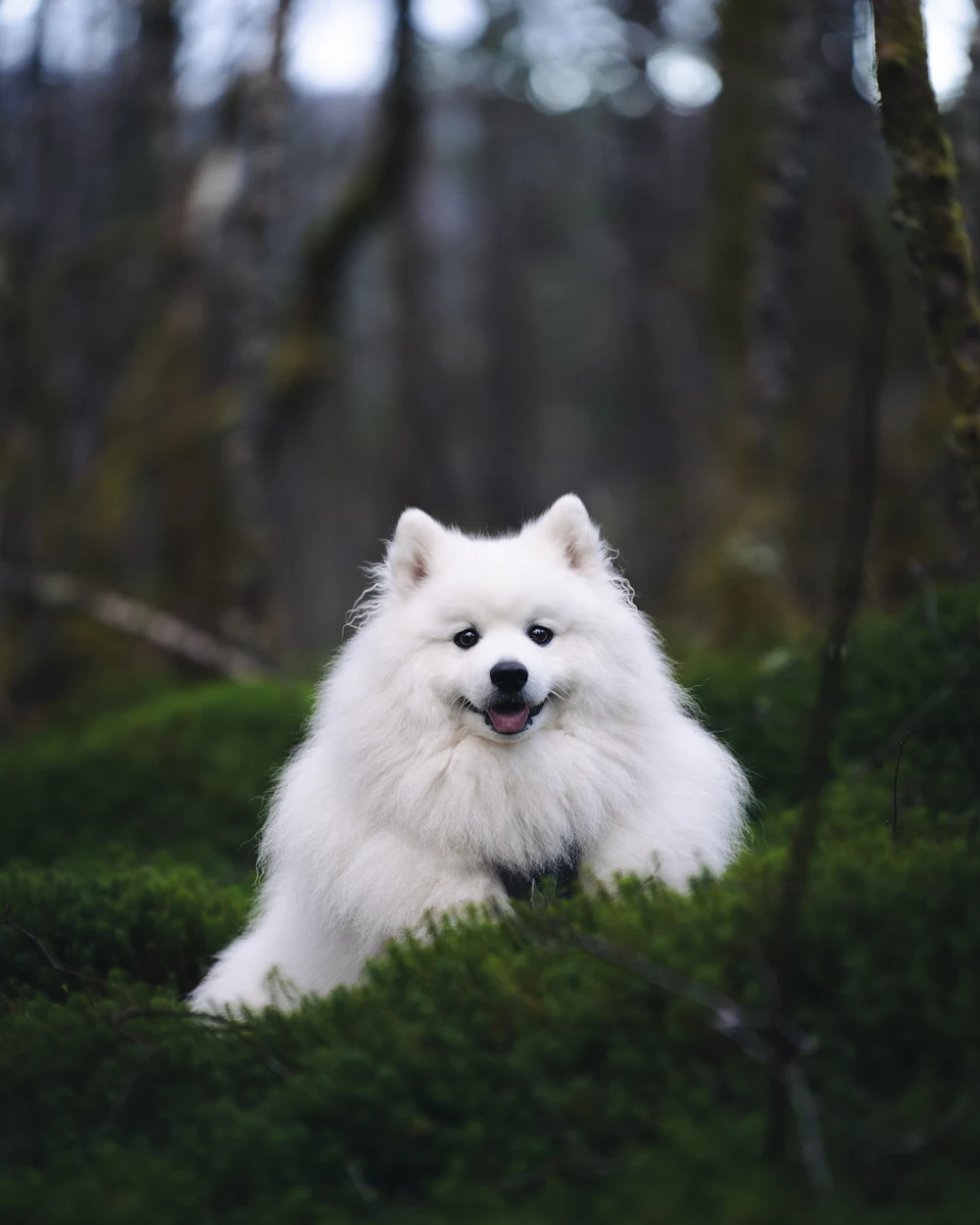
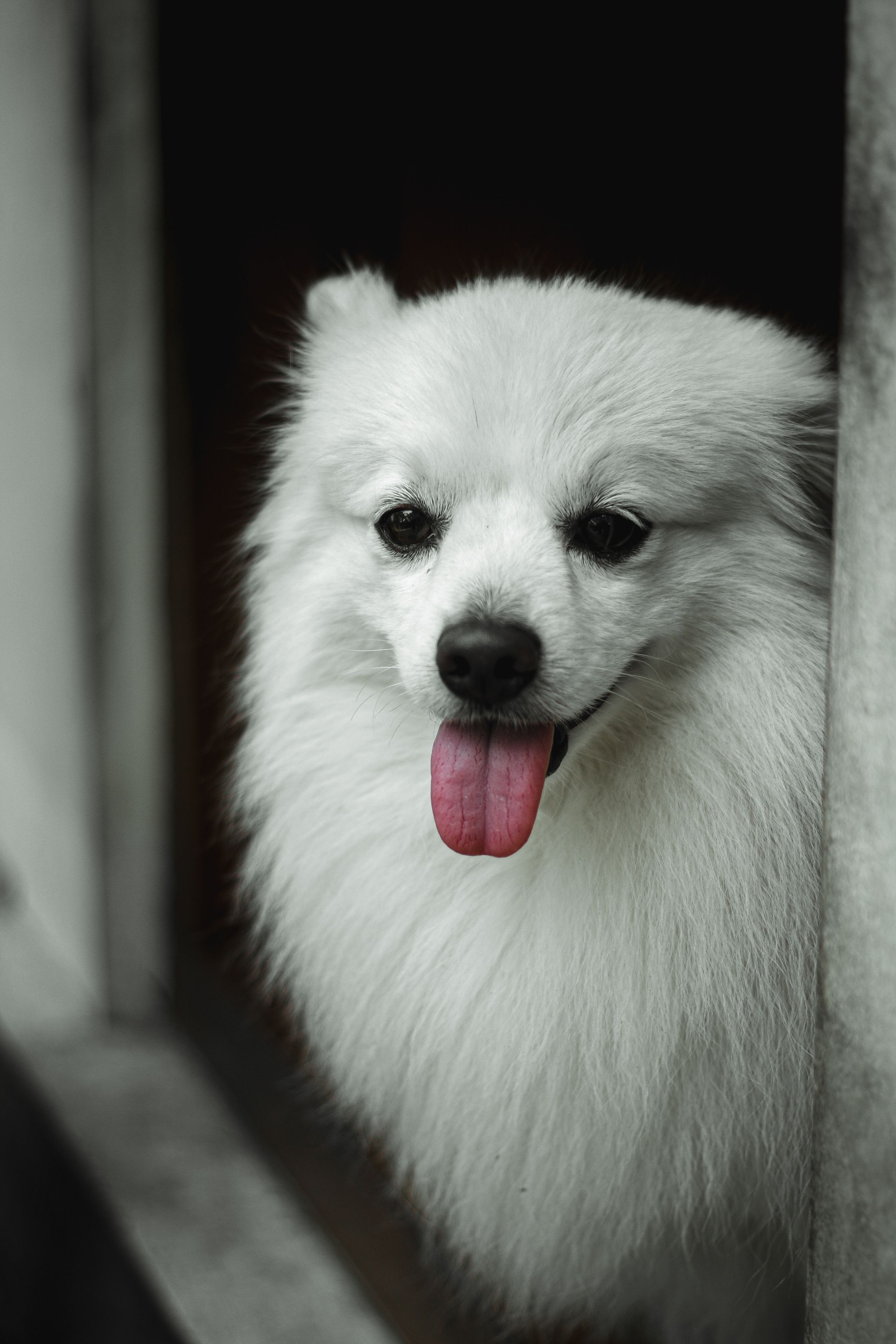
After the Second World War the Japan Kennel Club drew up a unified breed standard in 1948, and the type has stayed remarkably consistent since. Japan is the country of origin and the FCI places the breed in Group 5, Section 5, Asian Spitz and related breeds, with the simple utilisation of companion dog. Its look is classic Spitz: pointed muzzle, small triangular pricked ears, a frill on the chest and a heavily feathered tail carried over the back.
Temperament
The standard describes the breed as intelligent, cheerful and keen in sense, and adds a rare and pointed instruction: noisiness is not permitted. In practice that means a well-bred Japanese Spitz is alert without being a nuisance barker. Most are sociable and playful at home, follow their people from room to room and enjoy being included in whatever is going on, from cooking to a video call.
With strangers they tend to be polite and a little reserved at first, warming up within a few minutes rather than throwing themselves at visitors. They are sensitive dogs that respond badly to harsh voices and well to calm routine. Shyness and aggression are both faults in the standard, so a nervous or snappy adult is a sign of poor breeding or poor early socialisation, not of the breed as intended.
Children and other pets
Japanese Spitz are generally good with considerate children and enjoy gentle play, fetching soft toys and being part of family life. Their small size makes them vulnerable to being dropped or stepped on, so toddlers should be supervised and taught to let the dog come to them. Most live happily with other dogs, and many share a home with a cat when raised alongside one.
Exercise and the daily walk
Around an hour a day split into two or three outings suits most adults: a brisk morning walk, a shorter sniff at lunchtime and a proper evening walk with time to explore. They enjoy varied routes and short games of fetch, and many take to agility or trick training with real enthusiasm.
Recall can be good with practice, but the breed has a Spitz streak of independence, so off-lead running is best kept to enclosed or very quiet areas until the dog has proved reliable. In hot weather the dense coat holds heat, so summer walks belong in the early morning and late evening.
Training
Bright and eager to engage, the Japanese Spitz learns quickly with reward-based methods: small treats, play and praise. House training is usually straightforward with a consistent routine, though small bladders mean frequent trips out in the first months.
Early socialisation matters more than its size suggests. Puppies should meet a wide range of people, dogs, sounds and places so that alertness never turns into anxiety. Teaching a calm response to the doorbell from the start keeps the breed true to its quiet standard.
Coat and grooming
The coat is double: a straight, stand-off outer coat over a short, soft, dense undercoat, longest around the neck and shoulders, with a frill on the chest and a profusely feathered tail. The only colour the FCI standard allows is pure white. Despite appearances, the coat is fairly easy to keep: a thorough brush to the skin twice a week prevents mats behind the ears and in the trousers. The breed sheds heavily once or twice a year, when daily brushing is needed.
Feeding and weight
A good-quality complete diet in measured portions, split into two meals, suits most adults. Because the coat hides the outline, check body condition by feel: ribs should be easy to find under a thin layer. Small dogs gain weight quickly from treats, so count training rewards as part of the daily ration.
Work out a starting calorie figure and food weight with the calorie calculator. Not sure this is the right breed? Take the quiz.
Health
Every breed carries predispositions. These are the conditions most often discussed for the Japanese Spitz, not a prediction for any individual dog.
- Patellar luxation (slipping kneecaps)
- Hip dysplasia
- Watery eyes and tear staining (epiphora)
- Dental disease (periodontal disease)
What to ask the breeder. Ask whether both parents have had their knees (patellas) checked by a vet and an eye examination, and how the breeder selects for sound temperament and a quiet nature.
Choosing a puppy
Puppies are lively, curious and quick to learn, which makes the first months a good time to build habits. Keep play sessions short and walks modest while joints develop, and avoid repeated jumping from sofas and beds. Begin coat handling early with a soft brush so grooming becomes routine. Socialise widely and calmly, including lifts, buses, cafés and the sound of the building's front door. Leave the puppy alone for short, gradually increasing periods from the start so it learns that being alone is normal.
In Luxembourg the national kennel club is the Fédération Cynologique Luxembourgeoise (FCL), a member of the FCI. Many owners also buy from breeders in Germany, France or Belgium; a puppy coming from another EU country must be microchipped and vaccinated against rabies, which in practice means it cannot travel before about fifteen weeks of age. Where to get a dog in Luxembourg.
The older Japanese Spitz
Many Japanese Spitz stay active well into their senior years. Walks may become shorter and slower, and stiff knees or hips show first on stairs and after rest. Keep weight lean to protect joints, check teeth regularly and book a dental clean when needed. A softer bed away from draughts helps, and twice-yearly vet checks catch age-related changes early. Coat care can become a pleasant, gentle routine for an older dog.
A realistic day
A realistic weekday for a working household in Luxembourg City, with a midday visit. Adjust it to your dog, not the other way round.
Out for a brisk 25-minute walk round the block and a sniff in the nearest green space.
Breakfast, a quick brush of the trousers and chest, then settled with a chew while the owner leaves for work.
Midday visit from a PAWLY walker: 30 minutes outdoors, fresh water and a short training game.
Evening walk in the Pétrusse valley or Parc Merl, with time to explore on a long line.
Dinner earlier, now a last short outing and bed in a quiet corner of the living room.
A Japanese Spitz in Luxembourg
The Japanese Spitz is one of the more flat-friendly Spitz breeds: small enough to carry in a lift, quiet enough not to annoy neighbours when well raised, and adaptable to a busy household. Luxembourg City's mix of parks and short green corridors suits it well, and the free buses and trams make it easy to reach larger spaces such as the Bambësch or the Grünewald forest at the weekend. Like every dog in Luxembourg, it must be microchipped, declared to the commune, insured for third-party liability and registered for the annual dog tax.
Summer is the main challenge. When temperatures climb into the 30s °C, the thick white coat makes midday walks uncomfortable, so plan outings for early morning and late evening and keep the flat cool. Winter, by contrast, is easy for this breed. The white coat shows every splash from wet pavements, but a towel and ten minutes of drying usually restore it. Brown leaves and forest mud brush out once dry.
Every dog in Luxembourg must be identified, declared to the commune and covered by liability insurance. How registration works.
When you travel
A sitter should know the dog's walking routine, feeding amounts and how it reacts at the door. Most Japanese Spitz cope with a familiar sitter far better than with a kennel, especially when the home routine is kept. The coat needs brushing at least twice during a week away, more in the moult. Note any tendency to slip out of doors, and leave the vet's details and the microchip number with the sitter.
PAWLY's holiday and overnight care takes place in your home, so your dog keeps its own bed and routine.
Myths and facts
MythA Japanese Spitz is just a small Samoyed.
FactIt shares the white Spitz look but is a separate breed, developed in Japan from white German Spitz dogs and much smaller than a Samoyed.
MythWhite dogs are impossible to keep clean.
FactThe stand-off coat sheds dirt well once dry. Regular brushing does more than frequent bathing, which can soften the coat.
MythSpitz breeds always bark a lot.
FactThe FCI standard for this breed lists noisiness as a fault. A well-bred, well-raised dog alerts and then settles.
Is it the right dog for you?
Suits
- First-time owners who want a lively but manageable small dog
- Flat dwellers with lifts and busy neighbours
- Households that enjoy short training games and daily walks
- Owners who like brushing more than clipping
Think twice if
- Think twice if white hair on dark clothes and sofas will bother you
- Think twice if the dog would be alone for long hours every day
- Think twice if you want a dog for long summer runs in the heat
- Think twice if you cannot brush twice a week
Questions owners ask
Does a Japanese Spitz bark a lot?
Less than many people expect. The FCI standard lists noisiness as a fault, and well-bred dogs tend to alert briefly and settle. Early training to stay calm at the door helps, as does enough exercise and company. A dog that barks constantly is usually bored, lonely or anxious rather than simply showing its breed.
How much does the coat shed?
A moderate amount year-round and heavily once or twice a year during the moult. In those weeks daily brushing to the skin keeps loose undercoat off your floors. Outside the moult, a thorough brush twice a week is enough for most dogs. The coat should not be shaved.
Is it good for a first-time owner?
Usually yes. The breed is bright, keen to please and easy to train with kind, consistent methods. It needs daily walks, some mental work and regular brushing, but it is small, adaptable and generally friendly. Choosing a breeder who selects for calm temperament makes a real difference.
Can it cope with Luxembourg summers?
It can, with planning. Walk early in the morning and late in the evening, carry water and avoid hot pavements. The dense coat insulates, so never shave it. On the hottest days, short garden or park breaks and indoor games replace long walks.
Sources
Photo: Unsplash (Unsplash License) · Photo: Pexels (Pexels License) · Photo: Pexels (Pexels License) · Photo: Unsplash (Unsplash License) · Photo: Pexels (Pexels License)
General information for dog owners in Luxembourg, not veterinary or legal advice. Official facts (origin, size, group, history and temperament as described by the breed standard) follow the FCI standard; health and care sections reflect breed-club and veterinary guidance and are typical ranges rather than rules. For your own dog, ask your vet, the breed club or your commune. How this guide is written and checked. Last reviewed 8 October 2026.
Need someone for your Japanese Spitz?
PAWLY offers an individual 45-minute walk or a home visit at your dog's pace, the same walker every time, and a written report with photos after every visit, across Luxembourg City.
Read next: the journal, for the Japanese Spitz
All articles
Teeth: the problem owners find least interesting and vets see most
Teeth are a known weak point in the Japanese Spitz; this is the routine that helps.

Forests, hunting season and wildlife
The Japanese Spitz was bred to follow game, which matters in the forests around Luxembourg.

Dogs in apartment buildings: the rules, the neighbours and the noise
Flat life is one of the Japanese Spitz's strengths, but building rules and neighbours still count.
Similar breeds
All 198 breeds
German Spitz
One of Central Europe's oldest breeds, a fox-faced, ruff-necked house guard that announces every visitor with great sincerity.
EnergyGroomingFlat life
Samoyed
The smiling white spitz of the Arctic: friendly, talkative and covered in fur.
EnergyGroomingFlat life
Volpino Italiano
A small white or red cloud with a watchman's temperament, the Volpino once rode on Tuscan carts and still announces every visitor.
EnergyGroomingFlat life

