


History
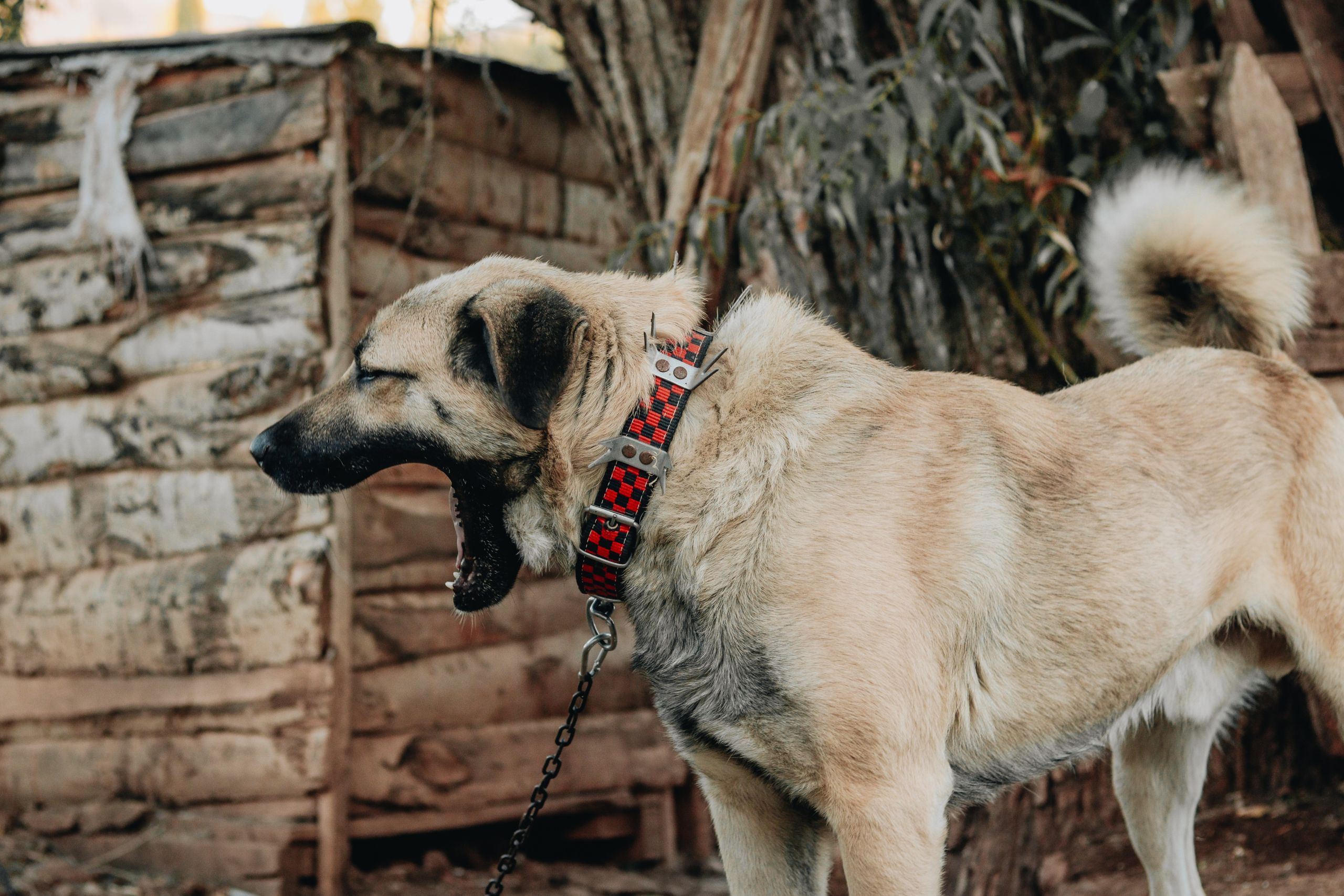
The FCI lists the Kangal as a Turkish breed, a livestock guardian descended from the large dogs brought to Anatolia by nomadic herders from Central Asia. The standard places its development in eastern Turkey, around the town of Kangal in the province of Sivas, where the dogs protected flocks of Akkaraman sheep on high, isolated steppe and mountain pasture.
For centuries selection was made by function rather than appearance: a dog that could stay with the flock, face wolves without being reckless and remain gentle with the shepherd's family was kept, the rest were not. The FCI standard is dated 15 June 2018 and classes it among the Molossoid mountain-type dogs, without a working trial.
Temperament
The FCI standard describes a dog that is steady and bold without aggression, naturally independent, very intelligent and tractable, proud and confident, loyal and affectionate with its owners but wary of strangers when on duty. In the house that tends to mean a quiet, watchful presence rather than a demonstrative one.
This is a dog bred to judge a threat without waiting for instructions, and it does not hand that judgement back because you are standing next to it. Visitors, delivery staff and unfamiliar dogs on the pavement are assessed, and some will be found wanting. Early, calm, repeated exposure to ordinary urban life matters more than with almost any other breed, as does an owner who is relaxed, consistent and physically able to hold 50 kg of sceptical dog.
Children and other pets
A well-raised Kangal is typically patient and protective with its own family, including children, but its size means supervision is non-negotiable around toddlers, and visiting children who run and shriek may be misread. It is often fine with a household cat or dog it has grown up with, yet it can be intolerant of unfamiliar dogs, especially of the same sex. Livestock-guarding instinct means it is generally not a dog for a home with small pets that it did not meet as a puppy.
Exercise and the daily walk
Despite its size the Kangal is not a hyperactive dog. It can cover long distances at a steady trot, and it can also spend most of a day watching from one spot. Two good walks of around an hour, on a long line or a lead, suit it well, with some sniffing time and a few minutes of free movement in a secure place.
What it needs most is a job of a calm kind: patrolling a garden boundary, carrying out a predictable route, learning to settle in cafe-style surroundings. Avoid repetitive high-impact games while it is growing, since giant frames are slow to mature. In hot weather walk at dawn and after dark, as a thick double coat and a large body hold heat.
Training
Training a Kangal is less about teaching commands than about building trust and agreed rules. It is intelligent and learns quickly, but it is not eager to please in the way of a retriever. Short, fair sessions with real rewards work; repetition for its own sake does not.
From eight weeks, introduce lifts, trams, buses, crowds, bicycles and other dogs gently and often, and keep doing so well into adolescence, which can bring a more suspicious phase at around a year and a half. Reliable recall off lead is rarely realistic. Plan for a secure lead, a well-fitted harness or collar, and a handler who can stand still and calm when something unexpected appears.
Coat and grooming
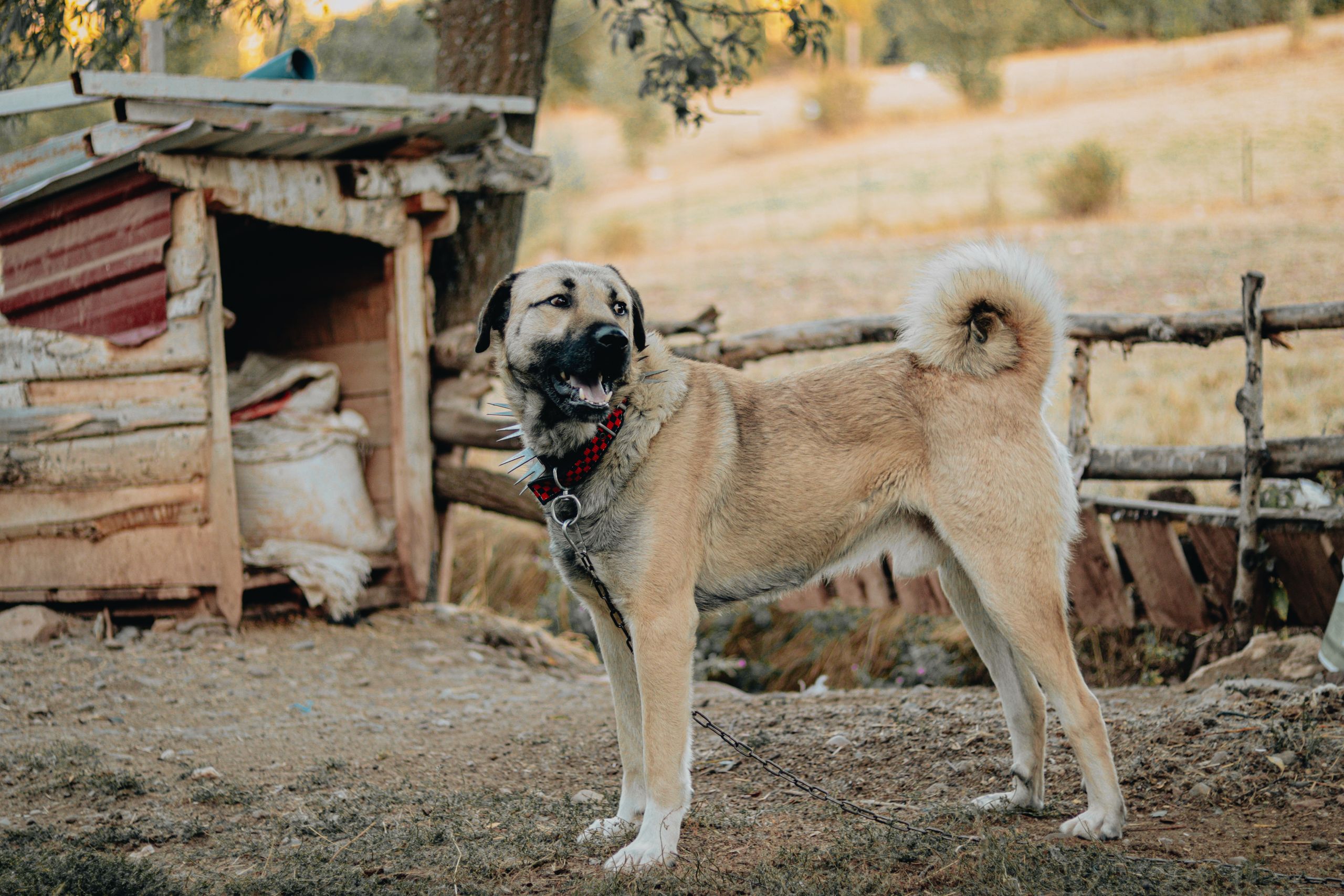
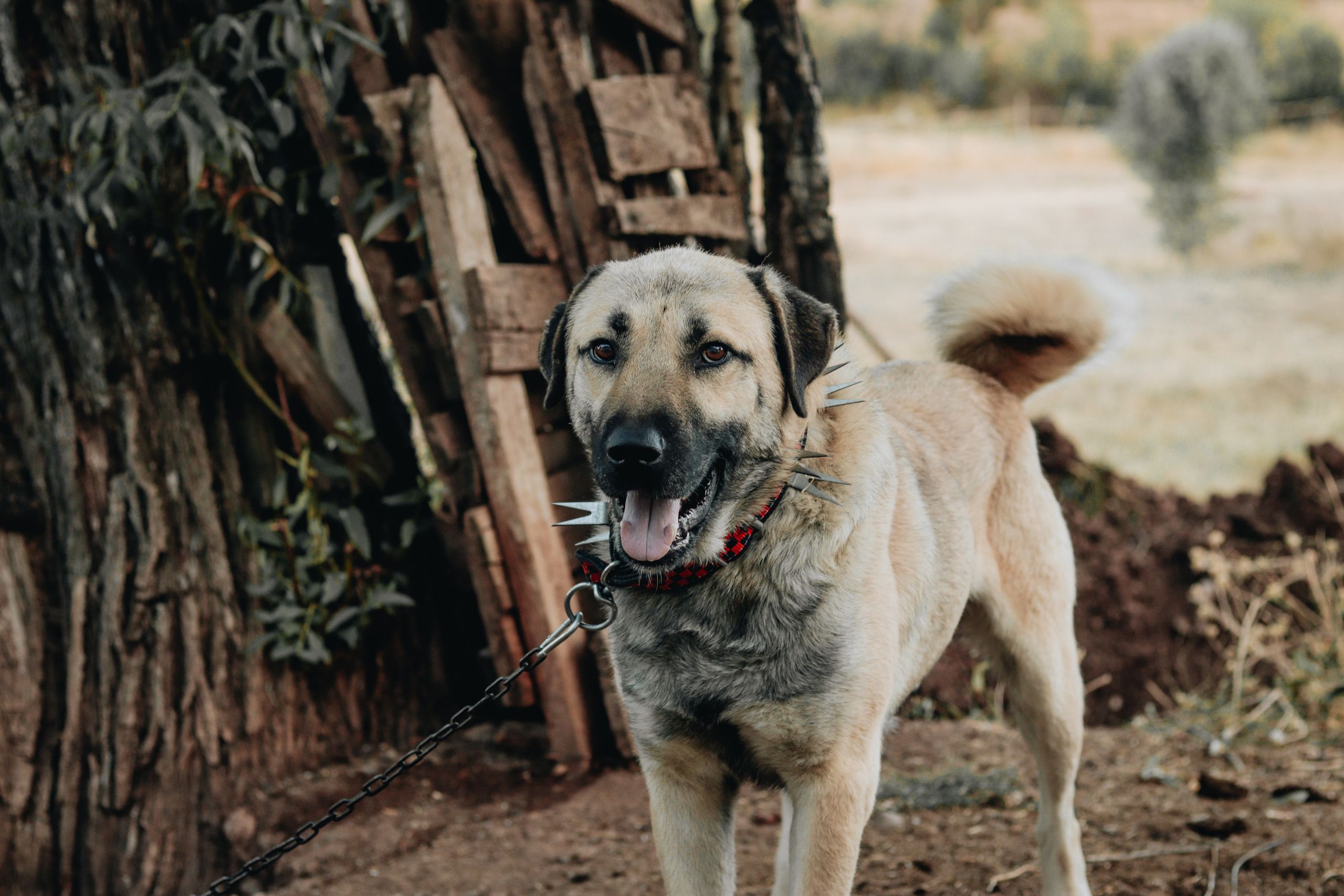
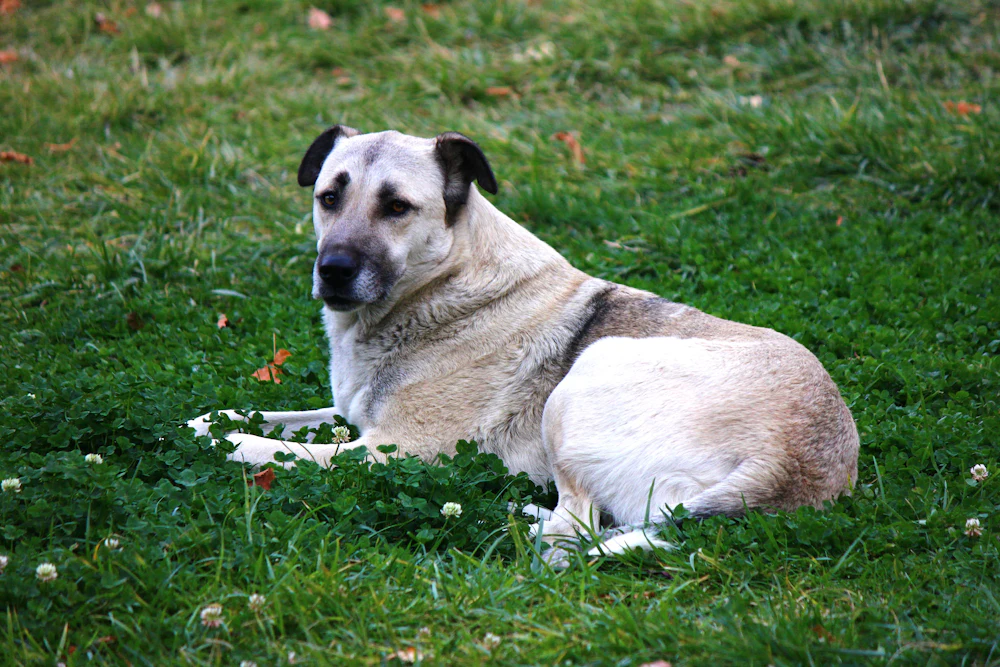
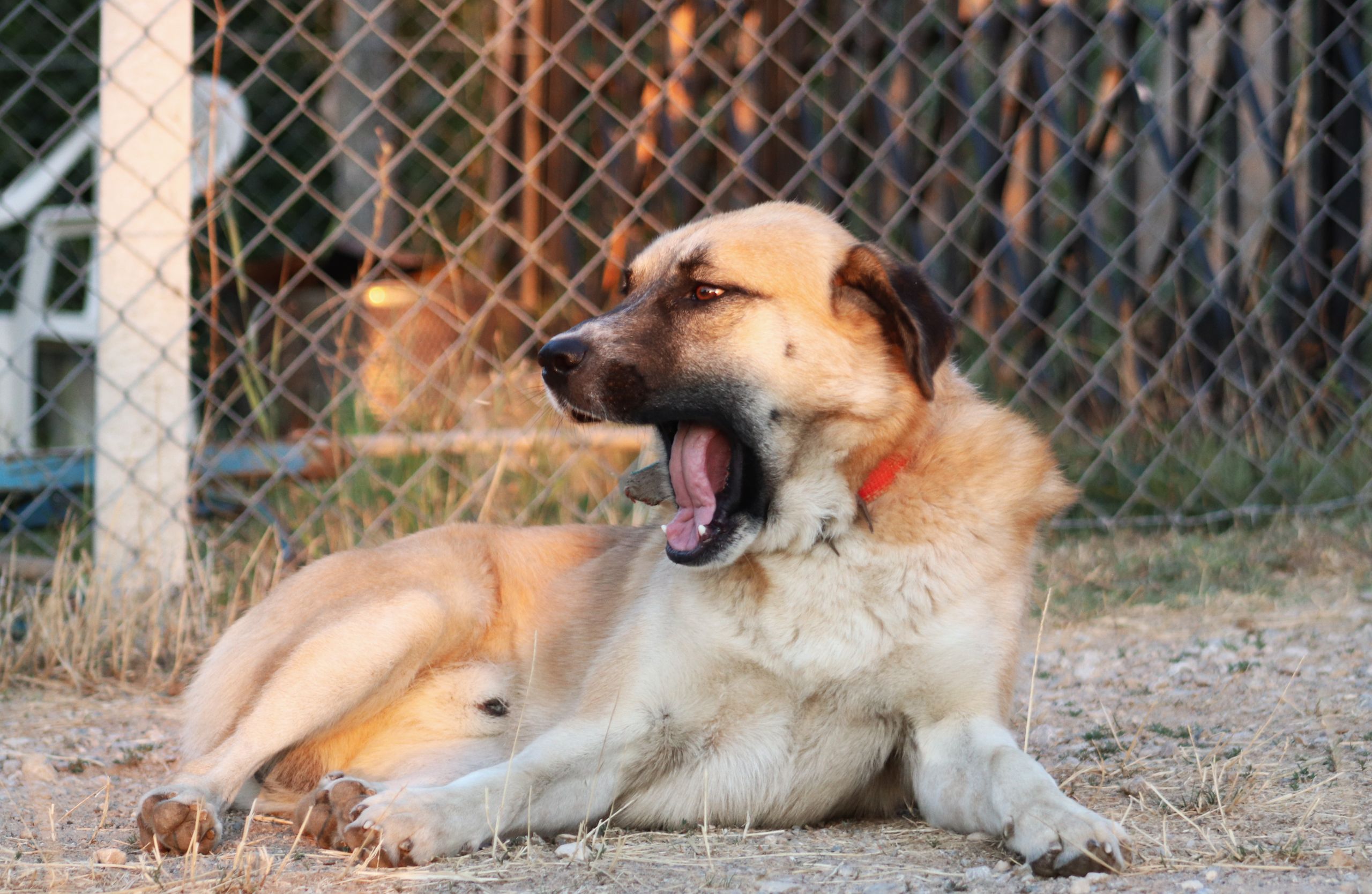
The coat is a dense double coat, 3 to 7 cm in the FCI standard, with a thick undercoat that makes it weatherproof. Colours range from fawn to wolf sable, and the black mask on the muzzle is mandatory, with only limited white on the chest and feet permitted. Weekly brushing is enough for most of the year, but twice a year the undercoat comes out in quantities that surprise first-time owners, and daily brushing then is a kindness to both dog and floor.
Feeding and weight
Giant breeds grow quickly and should be fed a diet formulated for large-breed puppies, in measured amounts, so that growth stays steady and the joints are not overloaded. Adults do well on two meals a day rather than one large meal, which is also sensible for a deep-chested dog. Keep the dog lean, avoid vigorous exercise immediately before and after meals, and keep a slow-feeding bowl if it eats fast.
Work out a starting calorie figure and food weight with the calorie calculator. Not sure this is the right breed? Take the quiz.
Health
Every breed carries predispositions. These are the conditions most often discussed for the Kangal Shepherd Dog, not a prediction for any individual dog.
- Hip and elbow dysplasia, as in most large breeds
- Gastric dilatation and torsion (bloat), a risk for deep-chested dogs
- Entropion (inward-turning eyelids) in some lines
- Skin problems and hot spots in warm, humid weather under the dense coat
What to ask the breeder. Ask for hip and elbow scores for both parents, evidence of an eye examination, and whether the breeder can show the working or guarding temperament of the parents in calm, everyday settings. Ask also where the lines come from, since the breed has distinct working and show-type populations.
Choosing a puppy
Kangal puppies are large, sleepy and quite appealing, and the temptation is to treat them as easy. Do not. From the first week, work on handling, grooming, calm greetings and being left briefly. Keep stairs to a minimum while the joints form, avoid forced runs, and start loose-lead walking before the dog outweighs you.
In Luxembourg the national kennel club is the Fédération Cynologique Luxembourgeoise (FCL), a member of the FCI. Many owners also buy from breeders in Germany, France or Belgium; a puppy coming from another EU country must be microchipped and vaccinated against rabies, which in practice means it cannot travel before about fifteen weeks of age. Where to get a dog in Luxembourg.
The older Kangal Shepherd Dog
Older Kangals slow gradually, and stiffness in the hips and elbows is the usual early sign. Keep weight low, offer a firm orthopaedic bed, add short, frequent walks in place of long ones, and consider ramps for cars.
A realistic day
A realistic weekday for a working household in Luxembourg City, with a midday visit. Adjust it to your dog, not the other way round.
Out for a calm toilet break and a steady 40 minute walk before the pavements fill. The dog trots at your side, stopping to scan the road.
Breakfast in a slow bowl, then rest. The Kangal takes up its post by the front door and settles for the morning.
A walker visits for a toilet break and a quiet 30 minute lead walk, with water, a short training exercise and a calm hello.
Main walk of an hour in the park or forest on a long line, with time to sniff and watch.
Last garden or pavement visit, supper earlier in the evening, then bed.
A Kangal Shepherd Dog in Luxembourg
A Kangal is really a house-and-garden dog. In a flat it is possible only for experienced owners with a ground-floor or terrace set-up and strong management, because a guardian that hears neighbours on the landing may bark at them for years. Lifts are manageable if practised early, but a 55 kg dog does not share them politely at peak hours. Third-party liability insurance, microchip and the commune declaration apply as for every dog, and the commune charges an annual dog tax.
Walk early or late in summer, when temperatures can reach the 30s, and use the shade of the Bambësch or Grünewald forests rather than open paved parks. A long line is sensible in Parc Merl or the Pétrusse valley, where other dogs and joggers appear suddenly.
Every dog in Luxembourg must be identified, declared to the commune and covered by liability insurance. How registration works.
When you travel
A sitter should be experienced with large guardian dogs, meet the dog more than once before the first night, and follow the owner's routines exactly. Keep it on a secure lead or long line, avoid strangers entering uninvited, and make sure the dog cannot slip out of a door or garden. Provide the vet's number, a written routine, and a clear plan for heat, bloat signs and emergencies.
PAWLY's holiday and overnight care takes place in your home, so your dog keeps its own bed and routine.
Myths and facts
MythKangals are naturally aggressive.
FactThe FCI standard describes them as steady and bold without aggression. They are protective and wary of strangers, which is not the same thing, but it does require careful socialisation and management.
MythA big dog needs a huge amount of exercise.
FactKangals need steady daily walks, not marathons. Overworking a young one risks its joints, and an adult is happiest with routine and purpose.
MythYou can train a guardian like a gundog.
FactGuardian breeds are bred to think for themselves. Cooperation comes from trust and clear rules, not drilled obedience.
Is it the right dog for you?
Suits
- Experienced owners of large or guardian breeds
- Homes with a secure garden and a calm household
- People who want a quiet, dignified, protective companion
- Owners with the strength, time and patience for lifelong socialisation
Think twice if
- You live in a small flat with shared corridors
- You want a dog that greets every visitor warmly
- You are a first-time dog owner
- You need a dog that is reliable off lead
Questions owners ask
Can a Kangal live in a flat?
It is possible for experienced owners with excellent management, but not ideal. The breed is a watchful guardian, needs space to patrol and may bark at noises in a building. A house with a secure garden is a far better fit.
Is the Kangal the same as the Anatolian Shepherd?
They are related Turkish guardians, and the names are used loosely, but the FCI lists the Kangal as a distinct breed with its own standard, defined by size, a short to medium coat, fawn to sable colour and the black mask.
How big does a Kangal get?
The FCI standard gives 72 to 78 cm at the withers for males and 65 to 73 cm for females, with weights of 48 to 60 kg and 40 to 50 kg respectively. It is a giant dog, and the lead, car and lift need to match.
Are Kangals good with children?
Often gentle with their own family's children, but supervision is essential because of the size and protective instinct. Friends' children running and shouting can cause misunderstandings, so guests need rules and the dog needs a place to retreat.
Sources
Photo: Pexels (Pexels License) · Photo: Pexels (Pexels License) · Photo: Unsplash (Unsplash License) · Photo: Pexels (Pexels License) · Photo: Pexels (Pexels License)
General information for dog owners in Luxembourg, not veterinary or legal advice. Official facts (origin, size, group, history and temperament as described by the breed standard) follow the FCI standard; health and care sections reflect breed-club and veterinary guidance and are typical ranges rather than rules. For your own dog, ask your vet, the breed club or your commune. How this guide is written and checked. Last reviewed 8 October 2026.
Need someone for your Kangal Shepherd Dog?
PAWLY offers an individual 45-minute walk or a home visit at your dog's pace, the same walker every time, and a written report with photos after every visit, across Luxembourg City.
Read next: the journal, for the Kangal Shepherd Dog
All articles
Arthritis: the pain owners file under old age
Giant breeds tend to have joint trouble early; this is what to look for.

Dogs in hot weather: the Luxembourg summer guide
The Kangal Shepherd Dog carries a heavy coat or a heavy frame, which makes a Luxembourg summer the hard season.

Growing a large-breed puppy without wrecking its joints
A giant puppy grows fast on soft bones; how it grows decides its joints for life.
Similar breeds
All 198 breeds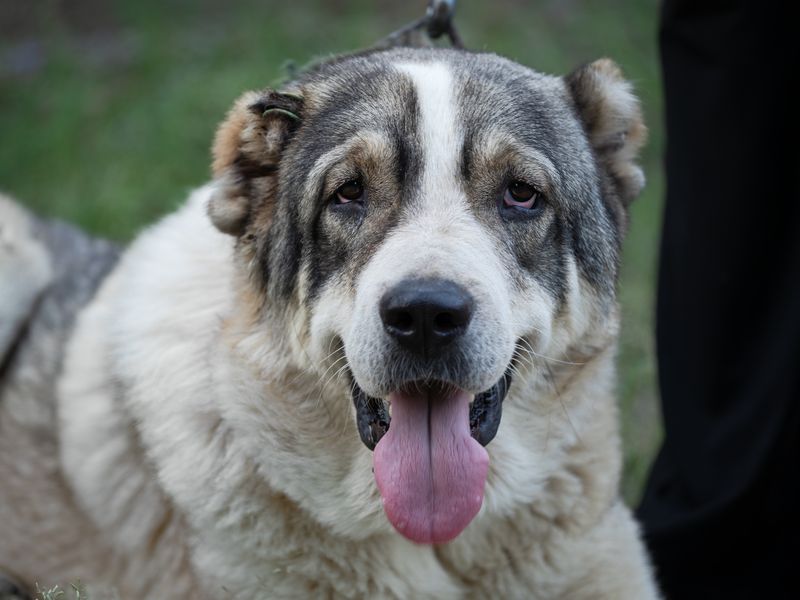
Central Asian Shepherd Dog
An ancient caravan and flock guardian, quietly proud, unhurried indoors and unimpressed by anything that is not a genuine threat.
EnergyGroomingFlat life
Caucasian Shepherd Dog
A mountain guardian built to protect flocks from wolves, and a dog that treats your front door with the same seriousness.
EnergyGroomingFlat life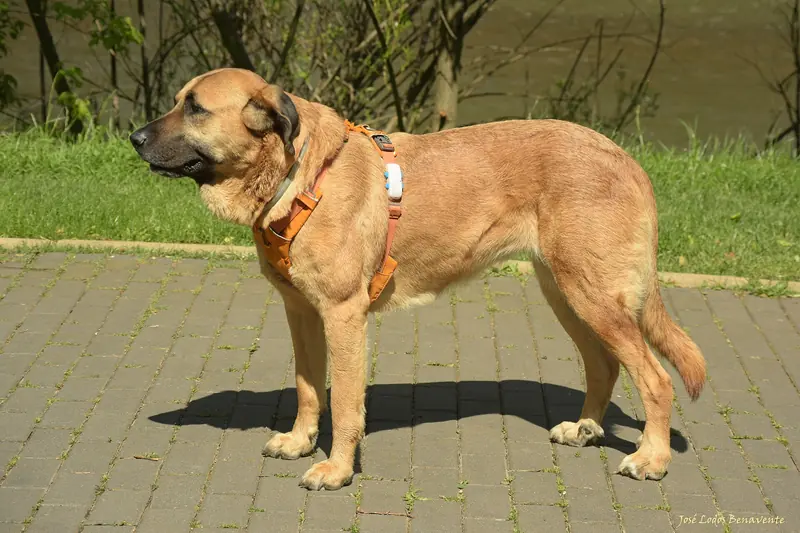
Spanish Mastiff
The sheep guardian of the Spanish migration routes, a heavy, deep-voiced dog with a gentle face and a serious job description.
EnergyGroomingFlat life

