History
The Lakeland Terrier was developed in the Lake District in north-west England, where farmers needed a small, hardy dog to follow foxes into rocky crags and protect lambs. The FCI lists Great Britain as the country of origin and places the breed in Group 3, Section 1, with the large and medium-sized terriers, although it is one of the smaller members of that section.
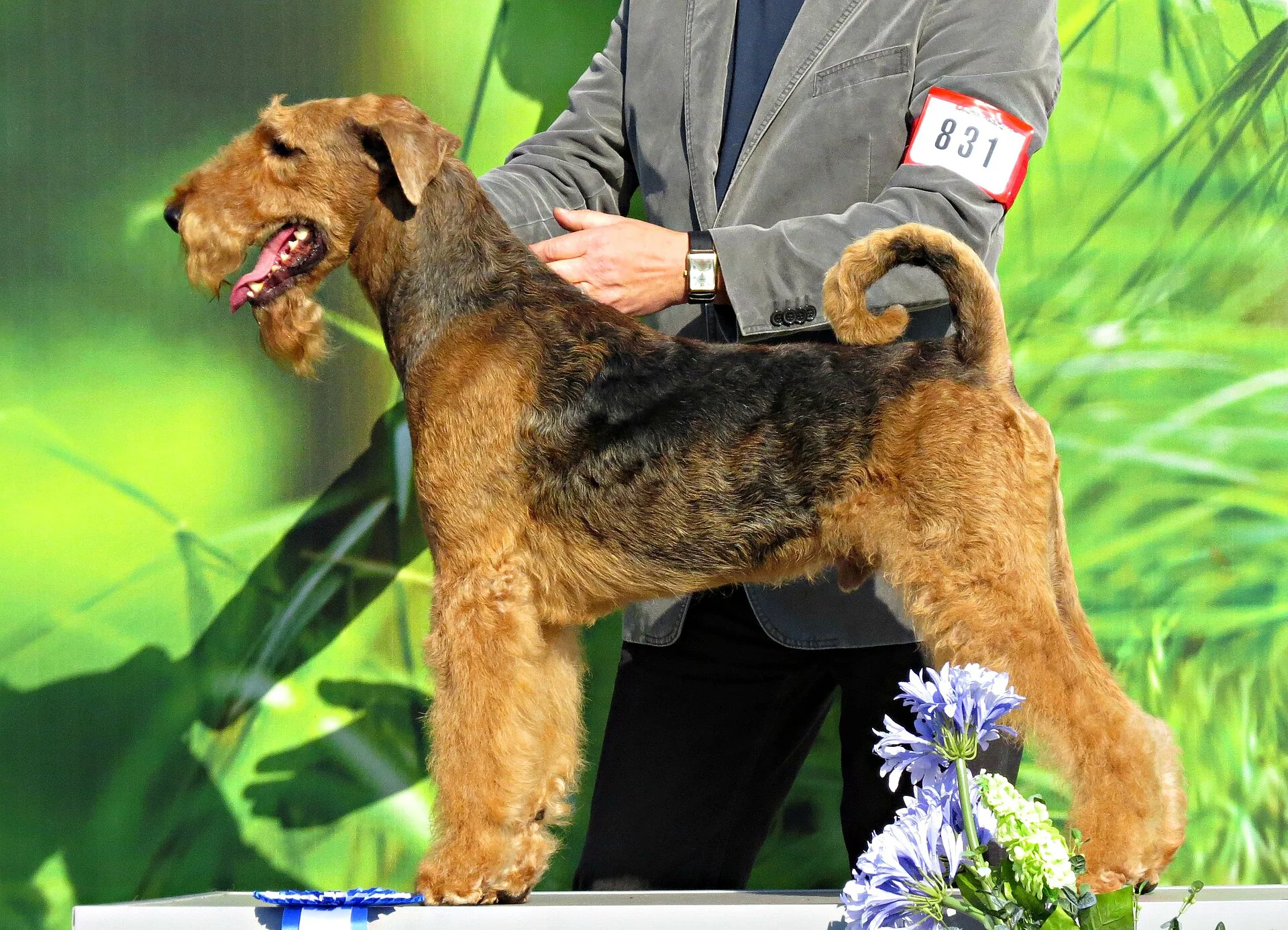
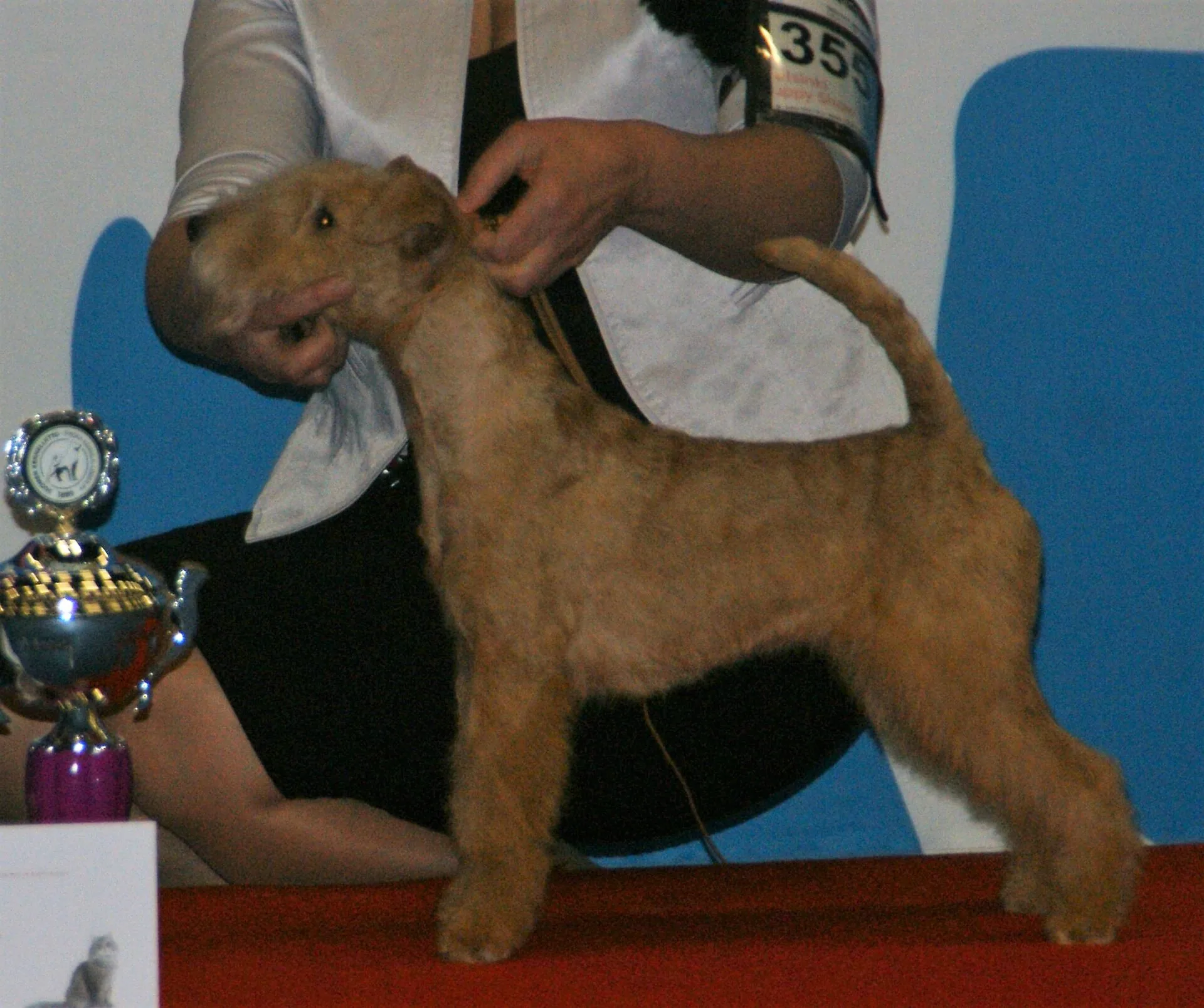
The standard describes a smart, workmanlike, well balanced and compact dog, with a maximum height of 37 cm. Its ideal weight is about 7.7 kg for a dog and 6.8 kg for a bitch. Those proportions suit work among rocks, and the dense, harsh, weather-resisting coat with a good undercoat suited the fells. That working background still shows today in a dog that digs, chases and rarely thinks twice.
Temperament
The FCI standard asks for a gay, fearless demeanour, with keen alertness and quick movement, and calls the Lakeland bold, friendly and self-confident. In daily life that means a cheerful dog that greets people with a wagging tail and a good deal of bounce. It is affectionate with its own people and usually outgoing with strangers, though not a lap dog by nature.
Persistence is the other half of the picture. A Lakeland that has decided something is worth investigating will not give up easily, whether it is a vole under a hedge or a dropped crust under a café table. They test limits, they enjoy an argument, and they do poorly when left alone for hours. Aggression and excessive shyness are disqualifying faults, so a well-bred dog should be sound and confident.
Children and other pets
Lakelands suit active families with older children who enjoy brisk play and can respect a terrier's boundaries. They are bouncy for toddlers and will not tolerate being teased. Some are bossy with other dogs, particularly of the same sex, and the chase instinct means rabbits, hamsters and often cats are at risk. A Lakeland raised alongside a cat can learn to live with it.
Exercise and the daily walk
An hour a day is a fair minimum, split between a proper walk and play. Lakelands are athletic and enjoy hiking, agility, scent games and digging, and they have more stamina than their size suggests. A bored Lakeland will find its own work, usually in the sofa cushions or the plant pots.
Because the breed was made to go to ground after quarry, a secure fence or a lead is essential in open country. Many cannot resist a scent trail, and a terrier that has bolted into a bush or burrow can be hard to retrieve. Scatter feeding, tug games and short trick sessions give the mind a job on days when the weather is miserable.
Training
Lakelands are intelligent and eager, but independent. They respond to lively, reward-based training and lose interest in repetition. Short, varied sessions work best, and a handler who stays cheerful and consistent gets further than one who nags. Sharp corrections tend to produce a dog that digs in.
Recall needs continued work. Use a long line in open spaces, and do not assume a good recall in the garden will hold near a rabbit. Teach a reliable leave-it and a calm greeting early, and practise being alone for short spells before they become long ones. Barking at the door is common, so a quiet cue is worth teaching.
Coat and grooming
The FCI standard describes a dense, harsh, weather-resisting coat with a good undercoat. It sheds little, but it needs brushing weekly and hand-stripping or trimming a few times a year. Furnishings on the legs and the beard need regular combing to prevent tangles. Permitted colours include black and tan, blue and tan, red, wheaten, red grizzle, liver, blue and black.
Feeding and weight
Lakelands are active dogs with a healthy appetite, and they gain weight if they do not exercise enough. Measure meals, keep treats small, and use part of the daily ration for training. A lean terrier is quicker, healthier and easier to groom. Ask your vet to check the weight at each visit, and keep fatty scraps off the menu entirely.
Work out a starting calorie figure and food weight with the calorie calculator. Not sure this is the right breed? Take the quiz.
Health
Every breed carries predispositions. These are the conditions most often discussed for the Lakeland Terrier, not a prediction for any individual dog.
- Primary lens luxation (a DNA test exists)
- Von Willebrand disease (a bleeding disorder, DNA test)
- Perthes disease (hip joint problem)
- Hypothyroidism
- Skin allergies
What to ask the breeder. DNA test results for lens luxation and von Willebrand disease, and hip and eye checks for the parents.
Choosing a puppy
Ask for DNA tests and eye examinations for the parents, and meet the mother. Look for a bold, cheerful puppy that is curious rather than frantic. Start grooming and handling early, including the face, feet and ears, so that trimming is easy later. Puppy-proof the home, as terriers chew, and begin gentle lead training and calm greetings from the first week.
In Luxembourg the national kennel club is the Fédération Cynologique Luxembourgeoise (FCL), a member of the FCI. Many owners also buy from breeders in Germany, France or Belgium; a puppy coming from another EU country must be microchipped and vaccinated against rabies, which in practice means it cannot travel before about fifteen weeks of age. Where to get a dog in Luxembourg.
The older Lakeland Terrier
Watch for red or cloudy eyes, limping and skin irritation, and see the vet promptly for eye problems, because a lens problem can become painful quickly. Many Lakelands stay active into old age, though they may prefer shorter walks. Keep the weight down, groom more gently as the skin thins, and keep the mind working with scent games.
A realistic day
A realistic weekday for a working household in Luxembourg City, with a midday visit. Adjust it to your dog, not the other way round.
A brisk walk with sniffing time, on the lead near roads.
Breakfast, with a chew or puzzle toy to follow.
Midday visit with a toilet break, play and a short training game.
Longer walk with a scent game in a park or forest.
Final short walk, then settle in the basket.
A Lakeland Terrier in Luxembourg
Lakelands adapt well to flat life if they have enough exercise and company. They are small enough for stairs and lifts, but they are a busy breed and can be noisy, so think about the neighbours on the other side of the wall. Parks such as the Pétrusse valley and Parc Merl suit them for daily outings, and the forest paths of Bambësch and the Grünewald offer far more for the nose.
On the lead is the safest choice in woodland, since a terrier following a scent rarely heeds a recall. Summers in the thirties are manageable for a small dog with a trimmed coat, but walk early and late and carry water. Free buses and trams make the dog easy to take along. Remember the microchip, commune declaration, insurance and annual dog tax that apply to every dog.
Every dog in Luxembourg must be identified, declared to the commune and covered by liability insurance. How registration works.
When you travel
Lakelands are friendly and usually settle well with a sitter who plays with them. Ask for two proper outings and some indoor games, because boredom produces digging and barking. Keep them on a lead outdoors, check that any garden fence is secure at the base, and tell the sitter that a Lakeland will chase anything that moves. Leave eye drops or medicines clearly labelled.
PAWLY's holiday and overnight care takes place in your home, so your dog keeps its own bed and routine.
Myths and facts
MythLakelands are just small Airedales.
FactThey are a separate breed, smaller and lighter, with a different history and a Lake District origin.
MythTerriers are not trainable.
FactLakelands are clever and trainable with patience and humour, though they will never be as biddable as a retriever.
MythA wiry coat means no grooming.
FactThe coat sheds little, but it needs brushing, combing and trimming or stripping to stay healthy and neat.
Is it the right dog for you?
Suits
- Active owners in flats or houses
- People who enjoy a busy, cheerful dog
- Families with older children
- Owners who like grooming and training
Think twice if
- You are out all day
- You keep small pets such as rabbits or hamsters
- You want a quiet, calm dog
- You cannot offer a secure garden or a long line
Questions owners ask
Does a Lakeland Terrier shed?
Very little. The hard coat holds dead hair, so it needs regular brushing and hand-stripping or trimming to come out. Some owners choose clipping for convenience, which softens the texture, so ask a groomer who knows terriers.
Are Lakeland Terriers good in flats?
Yes, with enough exercise and mental stimulation. They are small and tidy, but they are lively and can be vocal, so train a quiet cue and arrange a midday visit if you work long hours.
Are Lakelands good with other dogs?
Often, but some can be bossy or quick to argue, particularly with dogs of the same sex. Careful early socialisation helps, and so does ending a rough meeting calmly instead of letting it escalate.
How big is a Lakeland Terrier?
The standard gives a maximum of 37 cm at the withers, and an ideal weight of about 7.7 kg for a dog and 6.8 kg for a bitch. They are compact, narrow and sturdy rather than leggy.
Sources
Photo: Томасина, CC BY-SA 3.0, via Wikimedia Commons · Photo: adam w, CC BY 2.0, via Wikimedia Commons · Photo: Canarian, CC BY-SA 4.0, via Wikimedia Commons
General information for dog owners in Luxembourg, not veterinary or legal advice. Official facts (origin, size, group, history and temperament as described by the breed standard) follow the FCI standard; health and care sections reflect breed-club and veterinary guidance and are typical ranges rather than rules. For your own dog, ask your vet, the breed club or your commune. How this guide is written and checked. Last reviewed 8 October 2026.
Need someone for your Lakeland Terrier?
PAWLY offers an individual 45-minute walk or a home visit at your dog's pace, the same walker every time, and a written report with photos after every visit, across Luxembourg City.
Read next: the journal, for the Lakeland Terrier
All articles
Barking in an apartment: six causes, six different answers
Terriers are quick to sound the alarm; this sorts out the causes and the answers.

Grooming and coat care through the Luxembourg year
The Lakeland Terrier has a coat that needs a routine that holds through the Luxembourg seasons.

Choosing a groomer, and what to ask before you book
A coat like this usually means a groomer; this covers what to ask before you book.
Similar breeds
All 198 breeds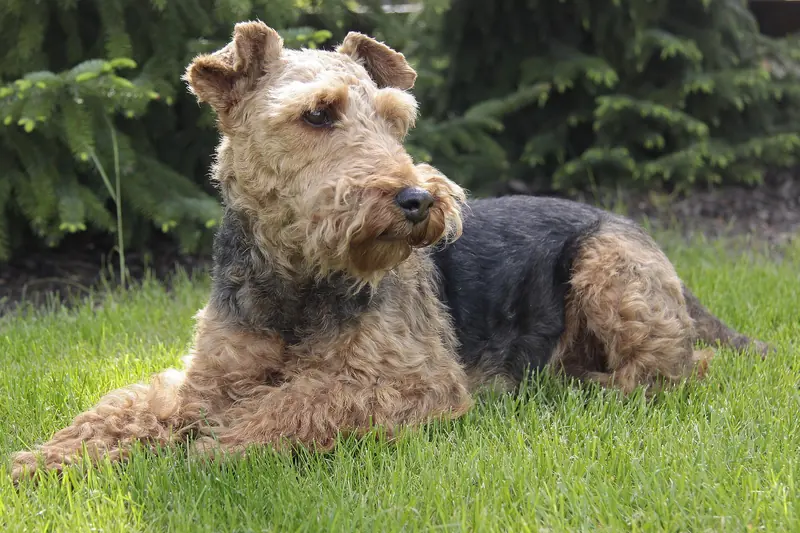
Welsh Terrier
A cheerful, sturdy terrier from Wales: like an Airedale in miniature, with more energy than manners.
EnergyGroomingFlat life
Wire Fox Terrier
Bright-eyed and permanently on tiptoe, a small working terrier with a big opinion of itself and a remarkable talent for entertaining a household.
EnergyGroomingFlat life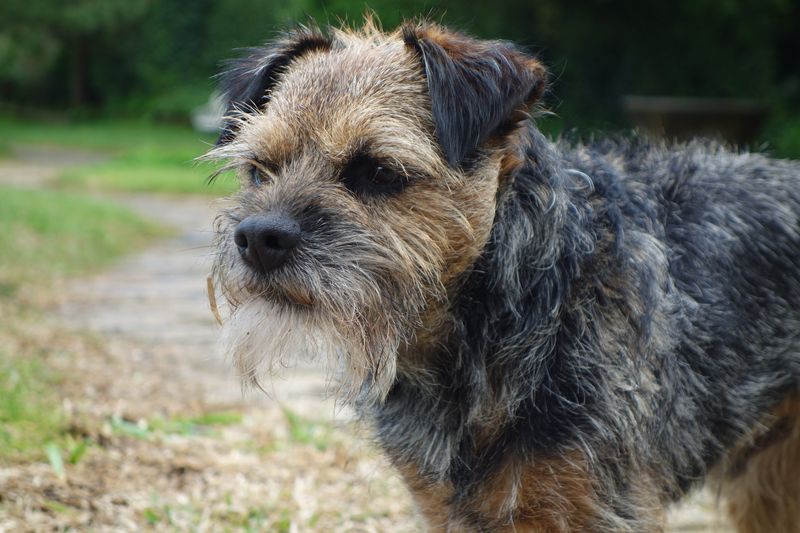
Border Terrier
The terrier for people who find terriers too much: tough, cheerful and easy-going.
EnergyGroomingFlat life

