History
The Welsh Terrier descends from the old black-and-tan working terriers of Wales, bred to hunt fox, badger and otter. The FCI standard suggests it may share common ancestry with the Lakeland Terrier among the Celtic mountain communities of Britain. The breed was formally recognised in the late nineteenth century, and it has since been kept mostly as a companion and show dog, though the working instincts remain.
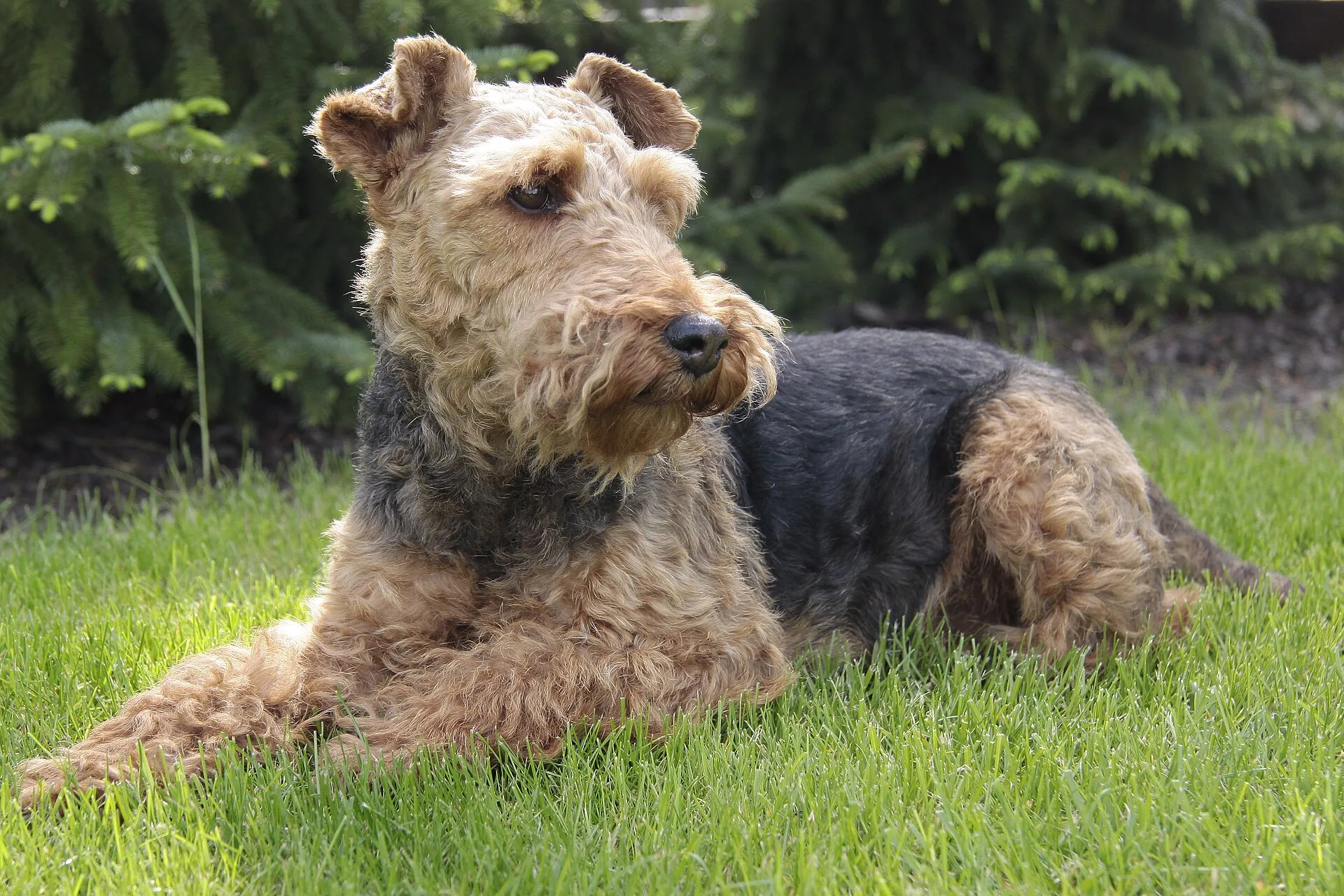
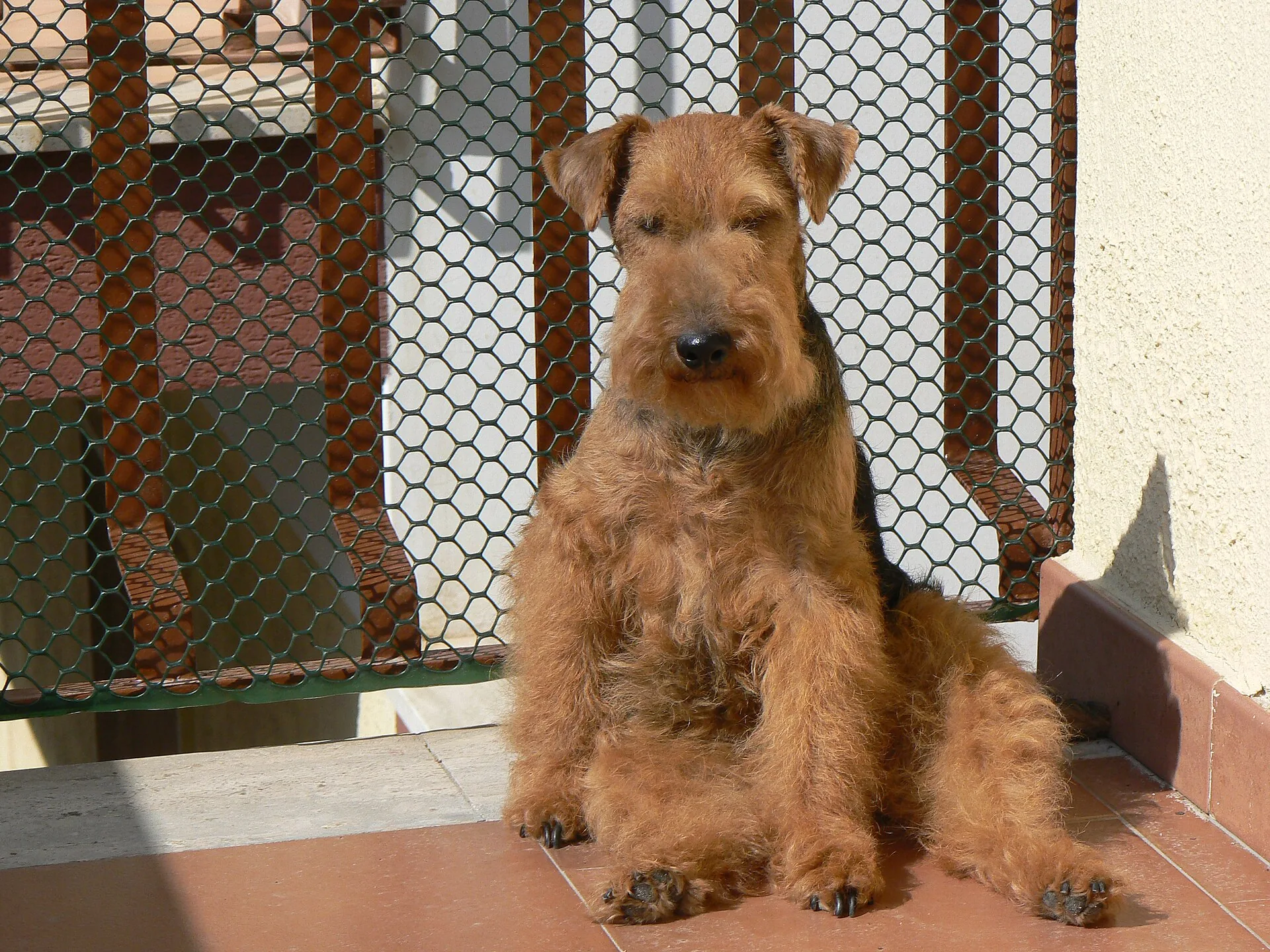
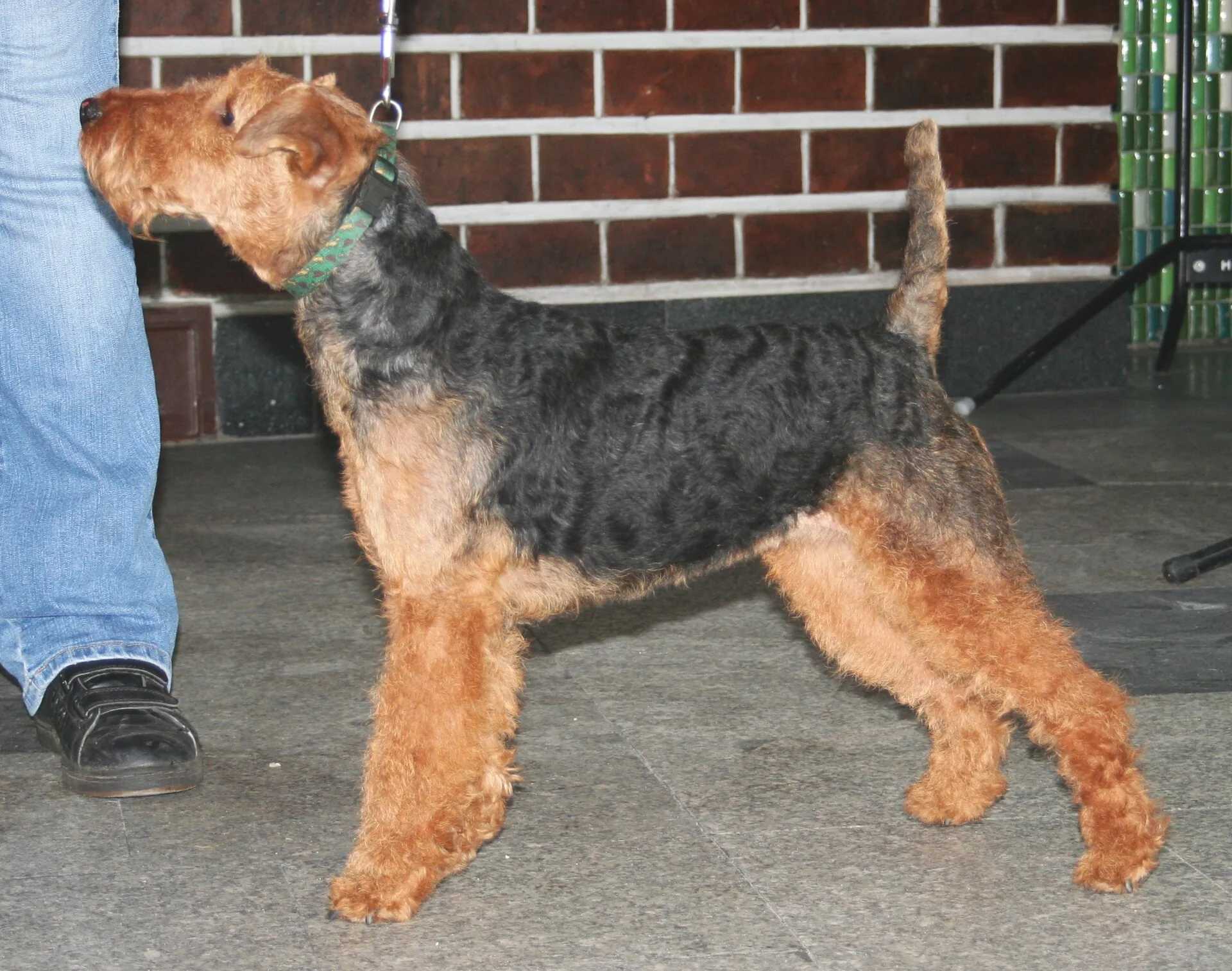
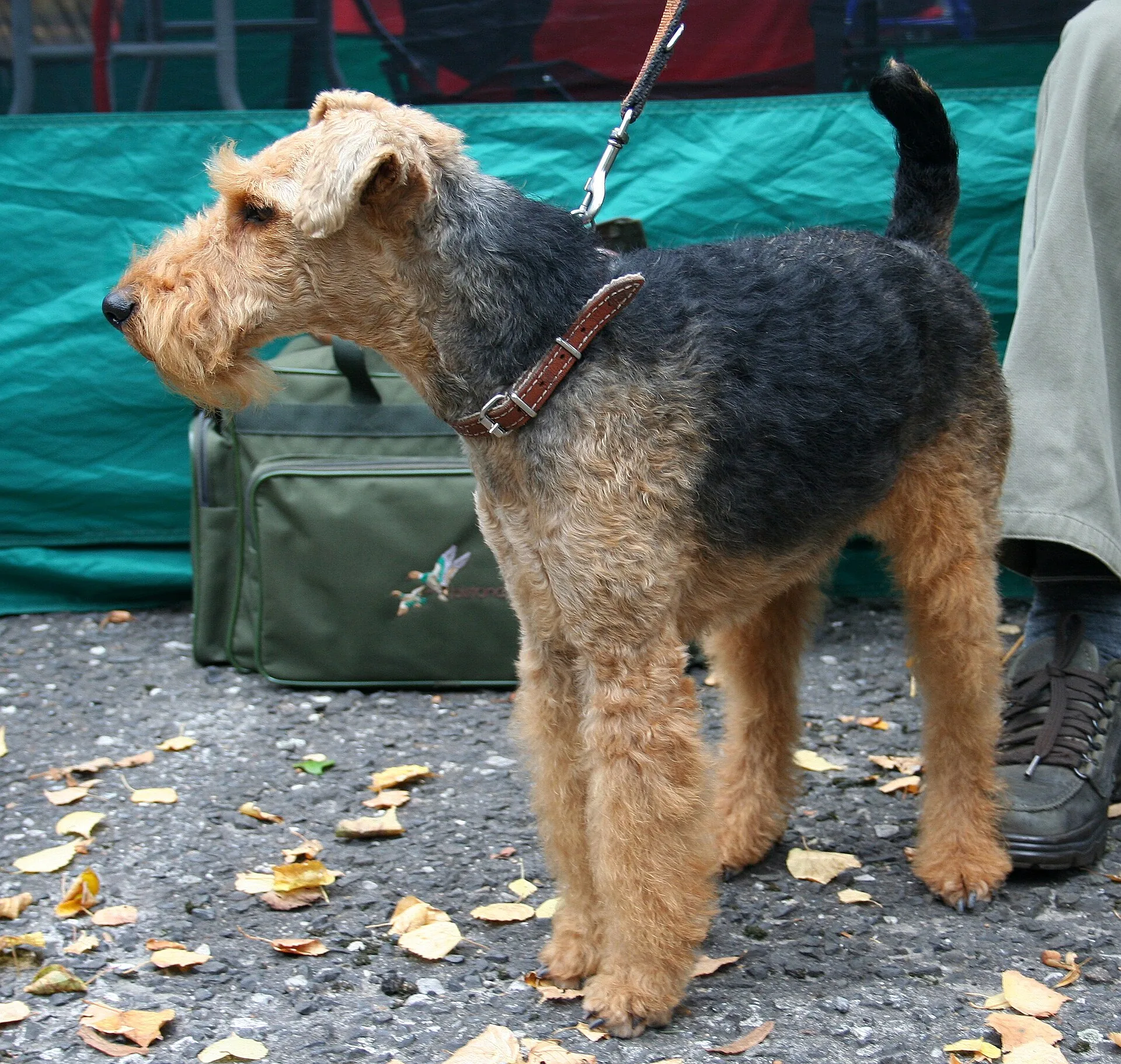
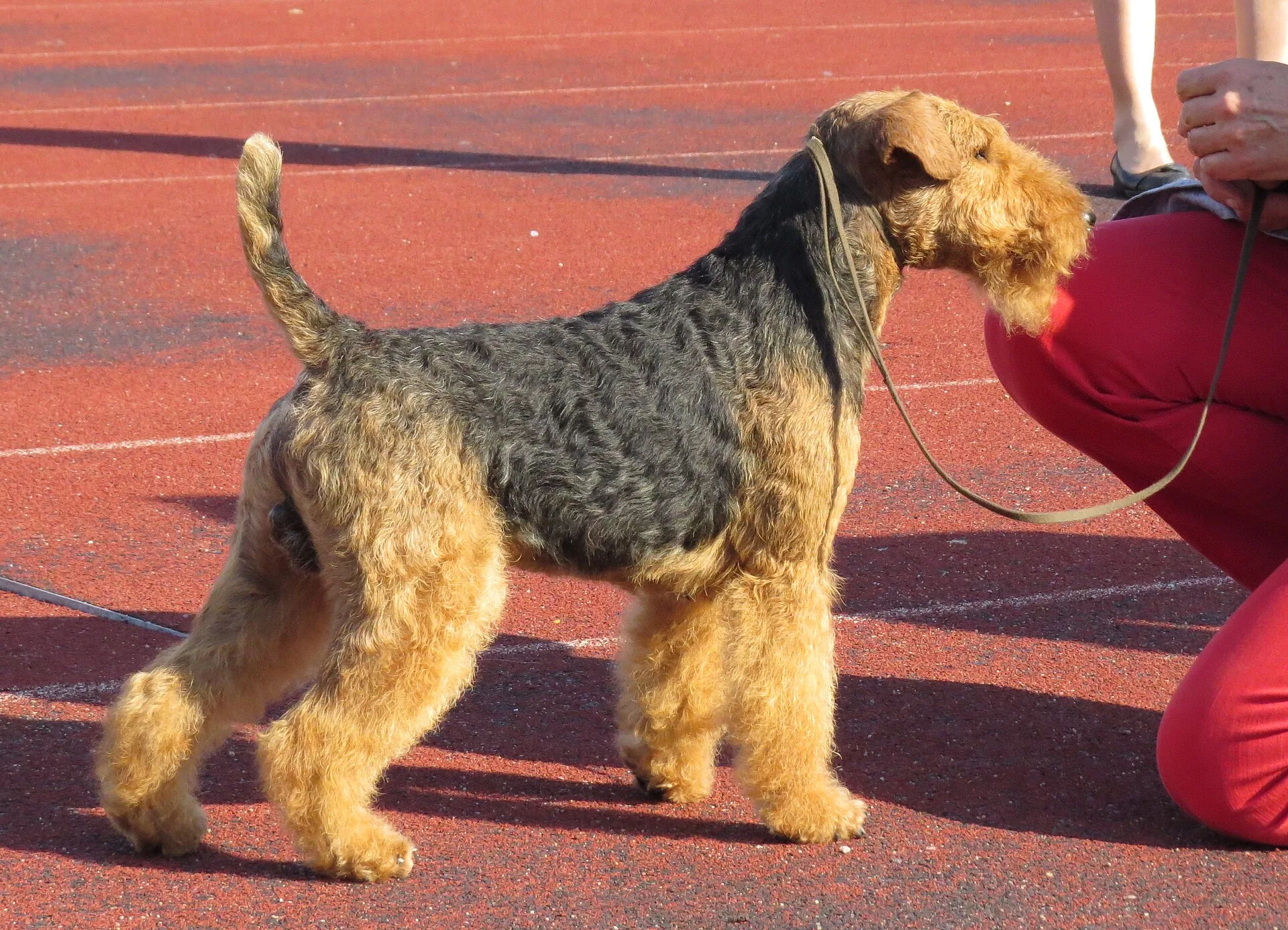
The standard, published on 13 October 2010 with Great Britain as the country of origin, places the Welsh Terrier in Group 3, Section 1, large and medium sized terriers. It describes a smart, workmanlike, well-balanced and compact dog with a tight, wiry coat, normally black and tan. A dog should not exceed 39 cm at the withers and should weigh 9 to 9.5 kg. It resembles a small Airedale but is a separate breed, lighter and closer to the ground.
Temperament
The standard asks for an affectionate, obedient dog that is easily controlled, happy and volatile, rarely of shy nature, game and fearless but definitely not aggressive. That is a fair portrait of the breed at its best. Welsh Terriers are friendly, bold and playful, usually easier-going than some other terriers, and they love people and games. Many keep a puppyish enthusiasm for years.
The terrier side is still present. They can be noisy, stubborn and determined, and some dislike other dogs, particularly of the same sex. They notice every movement outside the window and announce it. Give them a job such as scent games, tricks or a hunt for hidden toys, and they are lively, funny housemates that rarely sulk.
Children and other pets
Usually good with children who are kind and active, and happy to play. Small pets that run may be chased, because fox, badger and otter hunting left its mark. A young Welsh Terrier's exuberance can be too much for toddlers, and rough games should be supervised. Most get on with other dogs if socialised early, though some are pushy.
Exercise and the daily walk
An hour a day, including some lively play and a chance to use the nose, keeps most adults content. They enjoy ball games, scent work, agility and long country walks. They are good walkers, and many will happily go further than you planned, but a short, lively session of fetch or a search game can please them as much as a long trek.
They need a secure lead or fence, because the hunting instinct is strong and a scent or a rustle in the hedge can send a Welsh Terrier off on its own business. Digging is part of the package, so give an outlet such as a sandpit or a digging box if you have a garden. Rainy days call for indoor games.
Training
Welsh Terriers are clever and eager to please, but they get bored with repetition and can be stubborn. Training that is short, upbeat and rewarding works best. Keep your temper, since a terrier will outlast it. Vary the games and rewards, and finish while the dog is still keen.
Recall needs patient, steady work, and a long line is sensible in open spaces. Teach a calm greeting early, because the enthusiasm is sincere and physical, and a jumping dog on a lift or a doorstep is a nuisance. Teach a quiet cue as well, because barking at sounds comes naturally.
Coat and grooming
The coat is wiry, hard, very close and abundant, and a single coat is undesirable in the FCI standard. It sheds very little but needs regular care: weekly brushing, and hand-stripping or trimming a few times a year to keep the texture and tidy outline. The beard and legs collect mud and food and need wiping after walks. The standard prefers black and tan, or black grizzle and tan, free from black pencilling on the toes.
Feeding and weight
Welsh Terriers enjoy their food, and weight gain is common in less active homes, so measure meals and keep treats to a minimum. Use part of the daily ration for training and scent games. Keep them lean for their joints and general health. If skin itching appears, discuss diet with your vet before changing food at random.
Work out a starting calorie figure and food weight with the calorie calculator. Not sure this is the right breed? Take the quiz.
Health
Every breed carries predispositions. These are the conditions most often discussed for the Welsh Terrier, not a prediction for any individual dog.
- Skin allergies
- Primary lens luxation and glaucoma (eye conditions)
- Hypothyroidism (underactive thyroid)
- Epilepsy
- Hip problems in some dogs
What to ask the breeder. Eye examinations and DNA testing for lens luxation for the parents, and whether skin problems or seizures appear in the lines.
Choosing a puppy
Ask for eye checks and DNA tests for the parents, and about skin allergies in the lines. Choose a bright, confident puppy that is not frantic, and meet the mother to see how she copes with visitors. Start handling and grooming practice early, including feet, beard and ears. Plan a trimmer or hand-stripper before the puppy comes home, since coat care is a regular commitment.
In Luxembourg the national kennel club is the Fédération Cynologique Luxembourgeoise (FCL), a member of the FCI. Many owners also buy from breeders in Germany, France or Belgium; a puppy coming from another EU country must be microchipped and vaccinated against rabies, which in practice means it cannot travel before about fifteen weeks of age. Where to get a dog in Luxembourg.
The older Welsh Terrier
Watch for red or cloudy eyes, which need urgent veterinary attention, for skin itchiness and for stiffness. Many Welsh Terriers stay playful well into their teens, and it is easy to underestimate their age. Keep exercise regular but gentle, and keep the weight in check. Yearly vet checks, including eyes and teeth, are sensible after the age of eight.
A realistic day
A realistic weekday for a working household in Luxembourg City, with a midday visit. Adjust it to your dog, not the other way round.
A brisk walk with some play and a sniff.
Breakfast.
Midday visit with a game or a short scent search.
Longer walk with a scent game or training.
Final walk, then a wipe of beard and paws.
A Welsh Terrier in Luxembourg
A Welsh Terrier can live happily in a flat if it gets its daily exercise and something to think about. It is small enough for lifts and stairs, but not a quiet dog, so consider neighbours in a shared building. Barking at the sounds of the stairwell is common, so teach a quiet cue early and avoid leaving a bored dog alone for long.
Parks and forest paths at the edge of the city suit it well. The Pétrusse valley and Parc Merl are good for daily outings, and the Grünewald and Bambësch for scent walks on a long line. Buses and trams are free nationwide, so a small, well-mannered terrier travels easily. Wet winter walks mean muddy beards, so keep a towel by the door.
Every dog in Luxembourg must be identified, declared to the commune and covered by liability insurance. How registration works.
When you travel
Welsh Terriers are friendly and usually settle well with a sitter who will play with them. Keep them on a lead outdoors and secure gardens, because they dig and explore. Leave notes on barking cues, feeding amounts and coat care, and give the sitter your vet's details. A terrier with nothing to do will make its own entertainment, so plan walks and games.
PAWLY's holiday and overnight care takes place in your home, so your dog keeps its own bed and routine.
Myths and facts
MythA Welsh Terrier is a small Airedale.
FactThey look similar but are separate breeds, with a different size, weight and personality.
MythTerriers are aggressive.
FactWelsh Terriers are usually friendly and sociable, and the FCI standard asks for a dog that is game and fearless but definitely not aggressive. The hunting instinct is what needs managing.
MythWiry coats never need grooming.
FactThe coat sheds little but needs weekly brushing and hand-stripping or trimming a few times a year to keep its texture.
Is it the right dog for you?
Suits
- Active owners who enjoy a playful dog
- Families with older children
- People who like a cheerful, busy dog
- Flat-dwellers who walk daily and train
Think twice if
- Homes with small pets
- People who want a calm lap dog
- Owners who dislike noise and digging
- Anyone who cannot keep up with coat care
Questions owners ask
Does a Welsh Terrier bark a lot?
Often, yes, at sounds and visitors. Teach a quiet cue early and give the dog enough to do, because boredom increases barking. Consider the neighbours if you live in a shared building.
Welsh Terrier or Airedale?
Both are wiry-coated terriers with black-and-tan colouring. The Welsh Terrier is much smaller, with a limit of 39 cm at the withers, and the Airedale is a large, strong dog.
How often does a Welsh Terrier need grooming?
Weekly brushing, and hand-stripping or trimming a few times a year. Hand-stripping keeps the harsh texture and colour, while clipping is easier but softens the coat.
Are Welsh Terriers good with children?
Usually, with kind, active children. They are playful and affectionate, but a young dog's exuberance can overwhelm toddlers, and rough games should be supervised.
Sources
Photo: Shleiderbmx, CC BY 3.0, via Wikimedia Commons · Photo: kalispera, Public domain, via Wikimedia Commons · Photo: Pleple2000, CC BY-SA 4.0, via Wikimedia Commons · Photo: Pleple2000, CC BY-SA 3.0, via Wikimedia Commons · Photo: Томасина, CC BY-SA 3.0, via Wikimedia Commons
General information for dog owners in Luxembourg, not veterinary or legal advice. Official facts (origin, size, group, history and temperament as described by the breed standard) follow the FCI standard; health and care sections reflect breed-club and veterinary guidance and are typical ranges rather than rules. For your own dog, ask your vet, the breed club or your commune. How this guide is written and checked. Last reviewed 8 October 2026.
Need someone for your Welsh Terrier?
PAWLY offers an individual 45-minute walk or a home visit at your dog's pace, the same walker every time, and a written report with photos after every visit, across Luxembourg City.
Read next: the journal, for the Welsh Terrier
All articles
Building a recall you can actually rely on
Terriers follow scent and movement, so the Welsh Terrier needs a recall built properly.

Enclosed dog areas: who they suit, and the etiquette nobody writes down
Enclosed dog areas may not suit a breed that is choosy about other dogs.

Sharing paths, parks and terraces with everyone else
Pavements and parks are shared; this covers being a good neighbour with a selective dog.
Similar breeds
All 198 breeds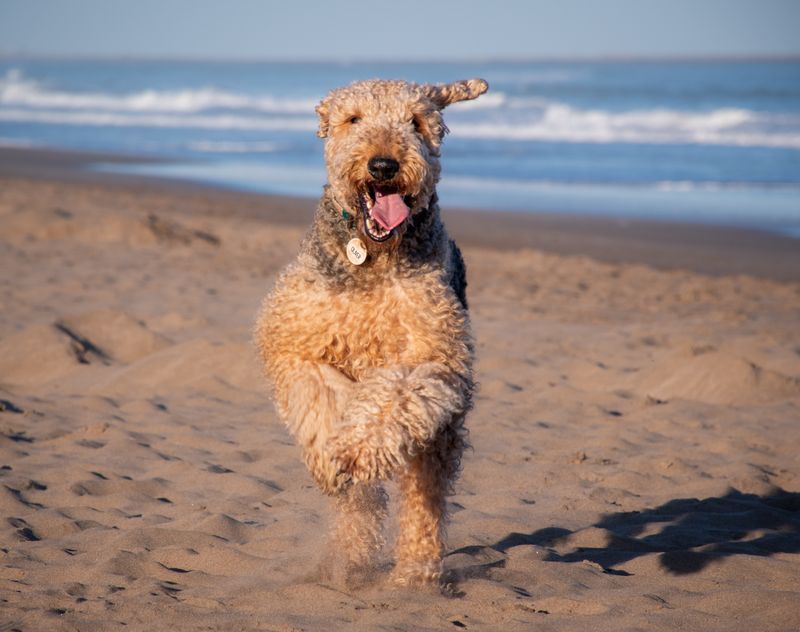
Airedale Terrier
The largest of the terriers: clever, funny, tireless and rarely as easy as it looks.
EnergyGroomingFlat life
Wire Fox Terrier
Bright-eyed and permanently on tiptoe, a small working terrier with a big opinion of itself and a remarkable talent for entertaining a household.
EnergyGroomingFlat life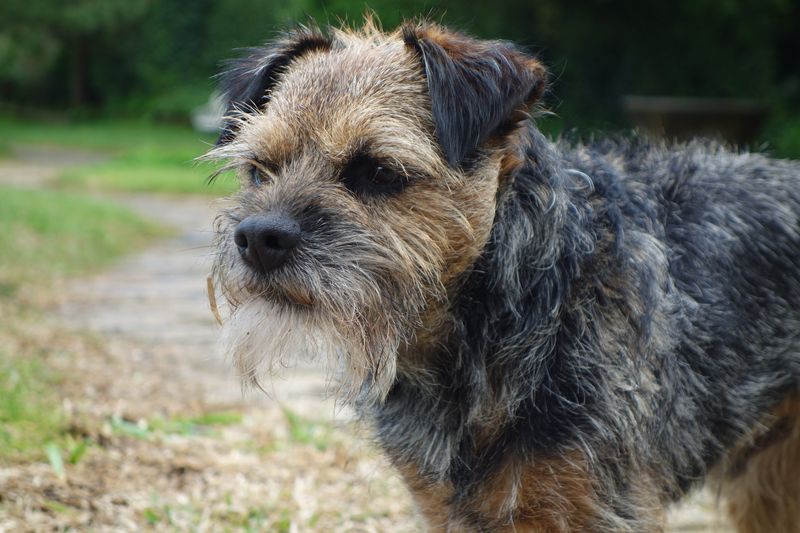
Border Terrier
The terrier for people who find terriers too much: tough, cheerful and easy-going.
EnergyGroomingFlat life

