

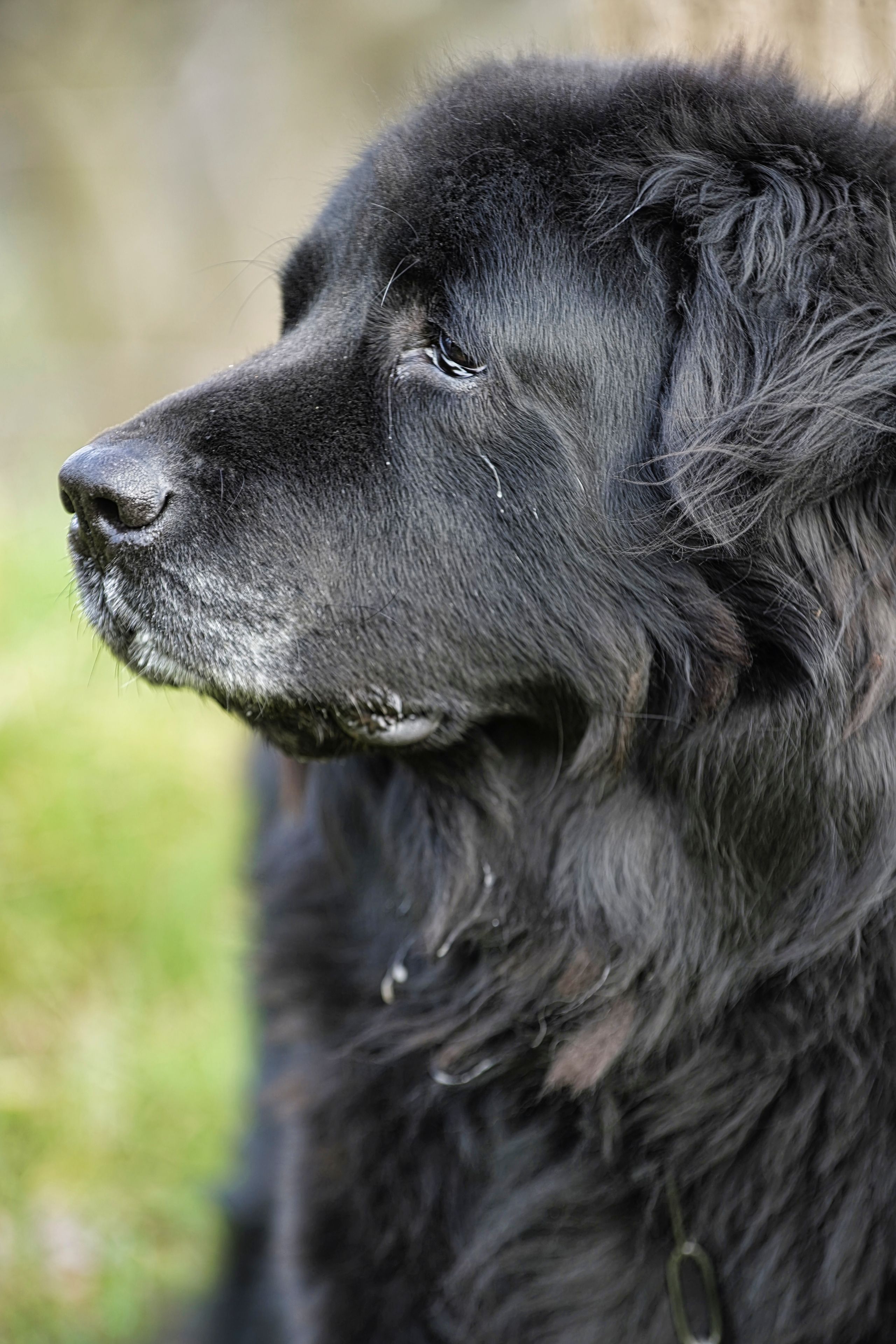
History
The FCI standard says the Newfoundland developed on the island of Newfoundland from native dogs and from large black bear dogs that the Vikings are said to have brought after the year 1100. European fishermen later introduced other breeds, which refined the type without losing its essential traits. By 1610, according to the standard, the dog had the morphology and temperament that let it work in a harsh climate, in cold water and under heavy loads.
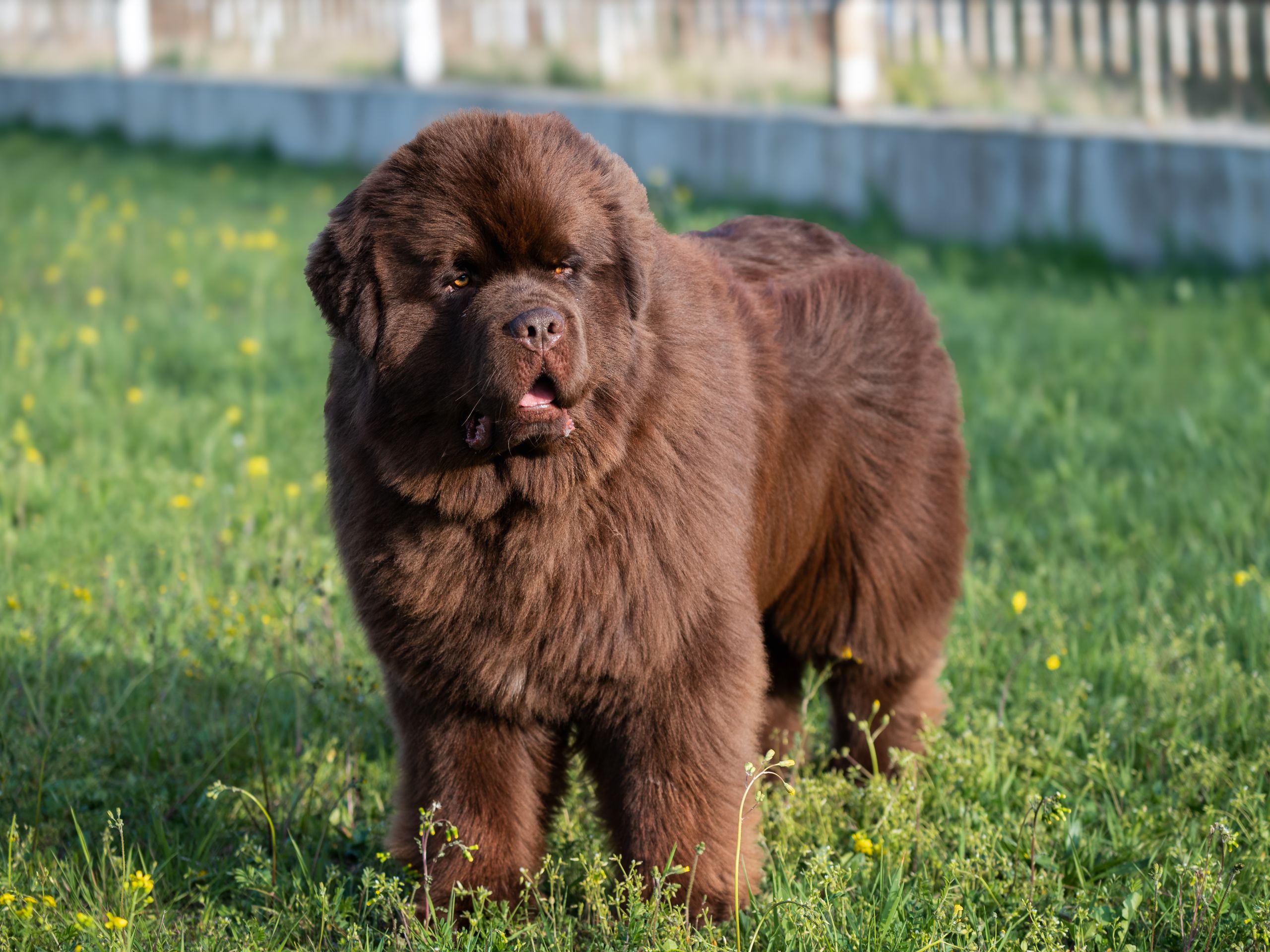
The breed worked with fishermen, hauling nets and pulling carts, and became famous for water rescues. Lord Byron wrote a celebrated epitaph for his Newfoundland, Boatswain, and a Newfoundland called Seaman is recorded as accompanying the Lewis and Clark expedition across North America. Canada is the country of origin and the FCI holds the patronage. The standard allows solid black, brown, and white with black markings, the last often called Landseer.
Temperament
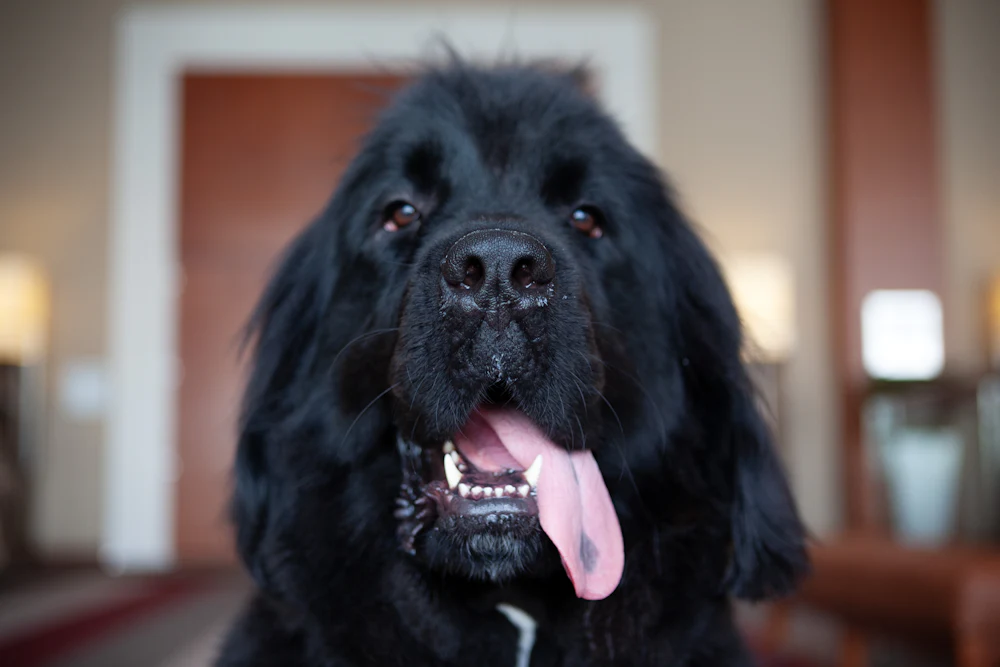
The standard describes an expression of benevolence and softness, and a dog of dignity and joy, renowned for gentleness and composure. That is a fair summary of the breed in daily life: a patient, sociable giant that is more likely to lean on a visitor than to bark at one. Aggression and excessive shyness are listed as faults.
Size is the real management issue. A Newfoundland that jumps, leans or pulls is a hazard to children and elderly relatives, so early manners matter. Many have a strong instinct to rescue swimmers, and some will paddle out after a person who is only playing. They are people dogs, and they do badly when isolated from the household.
Children and other pets
Newfoundlands are famously gentle with children and other pets, and their patience is legendary. Their size still means supervision with toddlers, because a wagging tail clears a coffee table and an enthusiastic lean can topple a small child. Most live happily with other dogs and cats. Teach children not to climb on the dog, and give it a place to retreat.
Exercise and the daily walk
A Newfoundland needs moderate daily exercise, about an hour, with plenty of sniffing and gentle walking. Swimming is ideal, because it is low-impact and matches the breed's natural talent. Avoid heavy exercise in warm weather and while the dog is growing, as the joints of a giant puppy are vulnerable.
Walking pace is steady rather than fast, and many are happy to plod. Keep outings cool, early or late, and always carry water. Avoid forced running or long stair climbs for young dogs. A pool, lake or calm river with a safe entry and a lifejacket for a nervous swimmer is the best treat, but check currents before the dog goes in.
Training
Newfoundlands are gentle and eager to please, and they learn well with kind methods. Training must start early because of their size: loose-lead walking and not leaning on people are essential for a very heavy dog. A small puppy that jumps is cute, and a seventy-kilogram adult that jumps is a danger.
Many love water work and swimming, which is also excellent low-impact exercise. Some owners join water rescue training clubs, where the breed still practises its traditional job. Use short sessions and soft tones, as harsh words upset a sensitive dog. Teach it to stand still for grooming and vet examinations while it is still light enough to lift.
Coat and grooming
The FCI standard describes a water-resistant double coat, with moderately long, straight outer hair over a soft, dense undercoat. It needs regular brushing, several times a week, and sheds heavily, especially when the undercoat is blown. Drool is part of the package: keep towels by the door. Permitted colours are solid black, white and black, and brown from chocolate to bronze.
Feeding and weight
Controlled growth with a giant-breed puppy food protects the joints, and the puppy should never be encouraged to grow fast. Keep adults lean, split the daily ration into two or more meals and rest the dog after eating, because large, deep-chested dogs can suffer bloat. Measure the food and keep treats small. A lean Newfoundland moves more comfortably.
Work out a starting calorie figure and food weight with the calorie calculator. Not sure this is the right breed? Take the quiz.
Health
Every breed carries predispositions. These are the conditions most often discussed for the Newfoundland, not a prediction for any individual dog.
- Subaortic stenosis (a heart condition)
- Cystinuria (DNA test)
- Hip and elbow dysplasia
- Cruciate ligament injury
- Bloat (gastric dilatation and volvulus)
- Heat intolerance
What to ask the breeder. Heart examination by a cardiologist, hip and elbow scores, and the cystinuria DNA test.
Choosing a puppy
Ask for a cardiologist's heart examination (for subaortic stenosis), hip and elbow scores and the cystinuria DNA test. Meet the parents, and see how they move. A giant puppy needs room, soft flooring and stairs avoided in the first months. Start grooming, handling and lead training from the first week, while the puppy is still easy to manage.
In Luxembourg the national kennel club is the Fédération Cynologique Luxembourgeoise (FCL), a member of the FCI. Many owners also buy from breeders in Germany, France or Belgium; a puppy coming from another EU country must be microchipped and vaccinated against rabies, which in practice means it cannot travel before about fifteen weeks of age. Where to get a dog in Luxembourg.
The older Newfoundland
Newfoundlands age relatively early, and eight to ten years is a typical lifespan. Soft bedding, gentle walks, swimming and regular heart checks help. Watch for stiffness, difficulty getting up and a change in breathing. Cool floors, ramps instead of steps and a ground-level bed make life easier for a heavy, ageing dog.
A realistic day
A realistic weekday for a working household in Luxembourg City, with a midday visit. Adjust it to your dog, not the other way round.
A gentle walk while it is cool.
Breakfast, then rest, with a towel for the drool.
Midday visit: water, toilet, a short stroll and a brush.
Evening walk or a swim in summer.
Final toilet walk, then a cool spot to sleep.
A Newfoundland in Luxembourg
Newfoundlands are too big and too warm-coated for most city flats, but those that live in them do best with a lift, a cool floor, and somewhere to swim in summer. A large dog in a small lift is a negotiation with neighbours, so teach it to wait calmly and enter on cue. Ground-floor or house living with a garden is much easier.
Summers that reach the thirties are hard on a black double-coated giant. Walk at dawn and late evening, keep the home cool and never leave the dog in a car. The forests of Bambësch and the Grünewald offer shady walks, while the Pétrusse valley suits a gentle stroll. Buses and trams are free, but a Newfoundland is a challenge to carry. Every dog needs a microchip, commune declaration, insurance and the annual dog tax.
Every dog in Luxembourg must be identified, declared to the commune and covered by liability insurance. How registration works.
When you travel
Heat and size complicate travel. A sitter at home, with cool floors and towels for the drool, is often the most comfortable option. Give clear notes on feeding, rest after meals, and the importance of keeping the dog cool. The sitter must be able to handle a very strong dog on the lead, and should avoid vigorous exercise in warm weather.
PAWLY's holiday and overnight care takes place in your home, so your dog keeps its own bed and routine.
Myths and facts
MythNewfoundlands are too big to live indoors.
FactThey are calm indoors, but they need space, a lift and cool floors.
MythBig dogs need big exercise.
FactNewfoundlands need moderate exercise. Swimming is ideal.
MythAll Newfoundlands are black.
FactThe standard also permits brown and white with black markings, though black is the most common.
Is it the right dog for you?
Suits
- Families with space
- People who love water
- Owners wanting a gentle giant
- Homes with cool floors and a garden
Think twice if
- You live in a small flat
- You dislike drool and hair
- Your home gets hot in summer
- You cannot lift or control a very large dog
Questions owners ask
Do Newfoundlands drool?
Yes, a great deal, especially after drinking and when excited. Keep a towel in each room and wipe the muzzle after meals. Some individuals drool less than others, but no Newfoundland is completely dry.
Are Newfoundlands good with children?
Famously so. They are patient and gentle, but their size means supervision with toddlers is sensible. A tail or a lean can knock a small child over, even when the dog means no harm.
How big does a Newfoundland get?
The FCI standard gives 71 cm at the withers and about 68 kg for males, and 66 cm and about 54 kg for females. That makes it a giant breed with a heavy frame and a strong build.
How long do Newfoundlands live?
Usually eight to ten years, which is shorter than most breeds. Careful weight control, heart checks and sensible exercise give the dog its best chance of a long, comfortable life.
Sources
Photo: Unsplash (Unsplash License) · Photo: Pexels (Pexels License) · Photo: Pexels (Pexels License) · Photo: Pexels (Pexels License) · Photo: Pexels (Pexels License)
General information for dog owners in Luxembourg, not veterinary or legal advice. Official facts (origin, size, group, history and temperament as described by the breed standard) follow the FCI standard; health and care sections reflect breed-club and veterinary guidance and are typical ranges rather than rules. For your own dog, ask your vet, the breed club or your commune. How this guide is written and checked. Last reviewed 8 October 2026.
Need someone for your Newfoundland?
PAWLY offers an individual 45-minute walk or a home visit at your dog's pace, the same walker every time, and a written report with photos after every visit, across Luxembourg City.
Read next: the journal, for the Newfoundland
All articles
Dogs in hot weather: the Luxembourg summer guide
The Newfoundland carries a heavy coat or a heavy frame, which makes a Luxembourg summer the hard season.

Arthritis: the pain owners file under old age
Giant breeds tend to have joint trouble early; this is what to look for.

Growing a large-breed puppy without wrecking its joints
A giant puppy grows fast on soft bones; how it grows decides its joints for life.
Similar breeds
All 198 breeds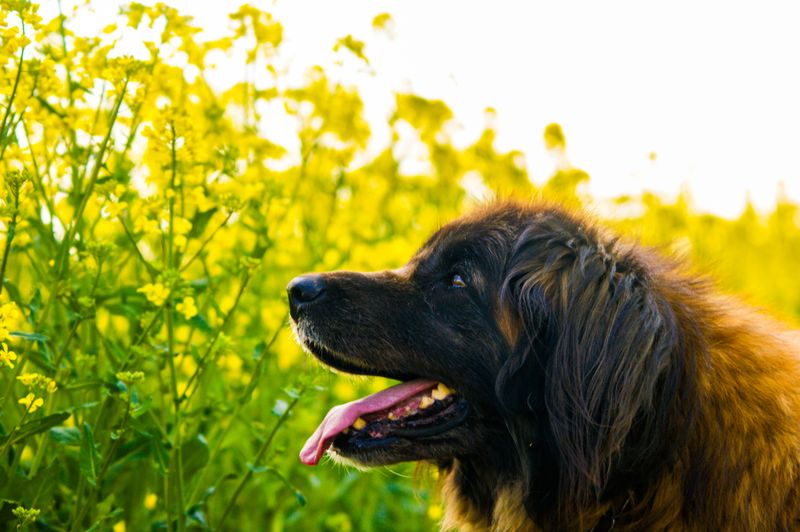
Leonberger
A lion-coloured giant with a black mask and a surprisingly gentle manner, happiest as an unhurried companion who is never left out of anything.
EnergyGroomingFlat life
Saint Bernard
The legendary Alpine rescue dog: gentle, calm and enormous.
EnergyGroomingFlat life
Great Pyrenees
A white mountain guardian from the Pyrenees, gentle with its own people, independent by design and happiest keeping quiet watch over everything.
EnergyGroomingFlat life

