


History
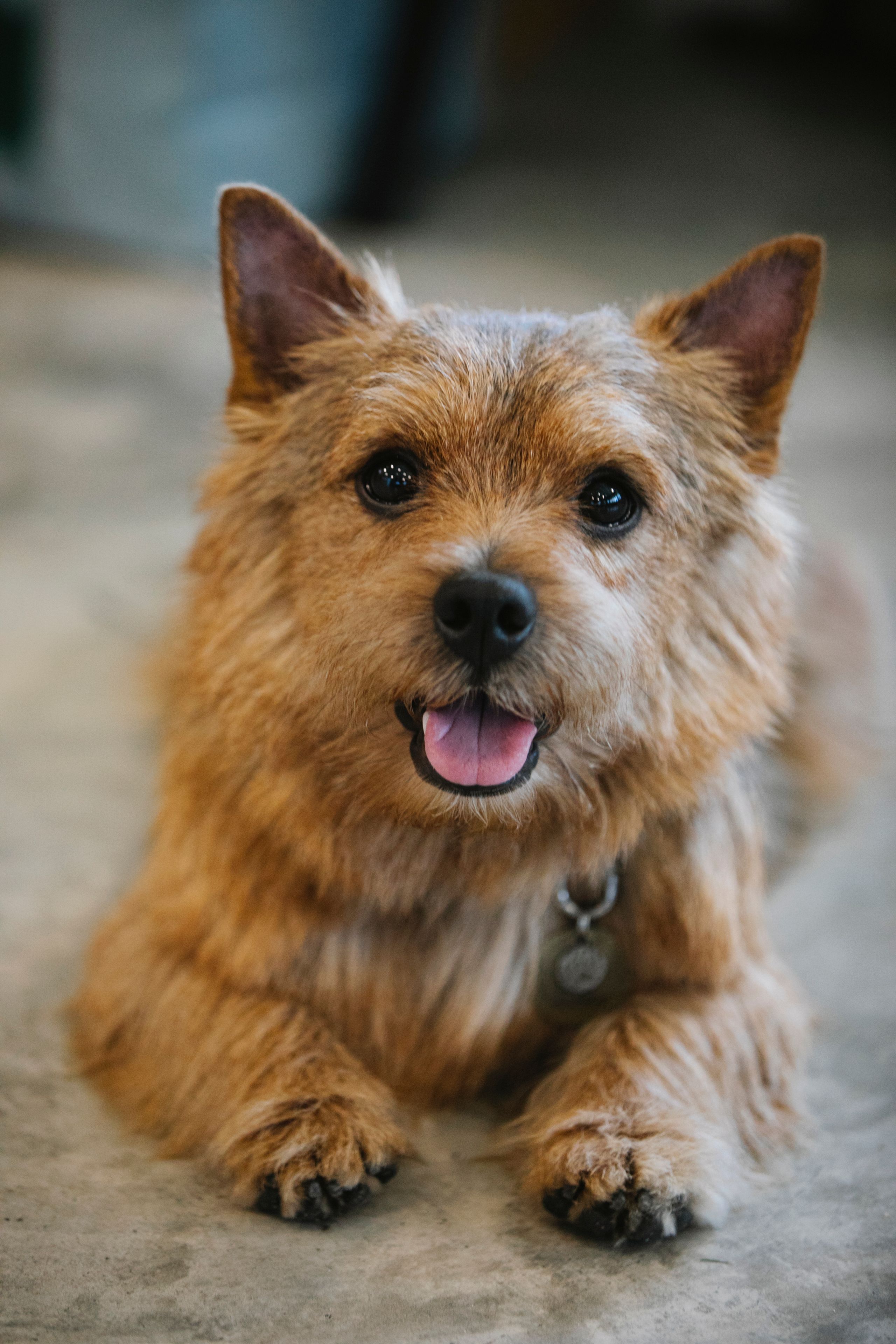
The FCI lists the Norwich Terrier under Great Britain, in Group 3 (terriers), Section 2, small-sized terriers. According to the standard, the breed emerged in East Anglia in the early to mid 1800s from farm dog stock, with Glen of Imaal, red Cairn and Dandie Dinmont terriers among its ancestors. The dog was used on fox, badger and rats, a small, tough worker that could go to ground and keep company with hounds and horses.
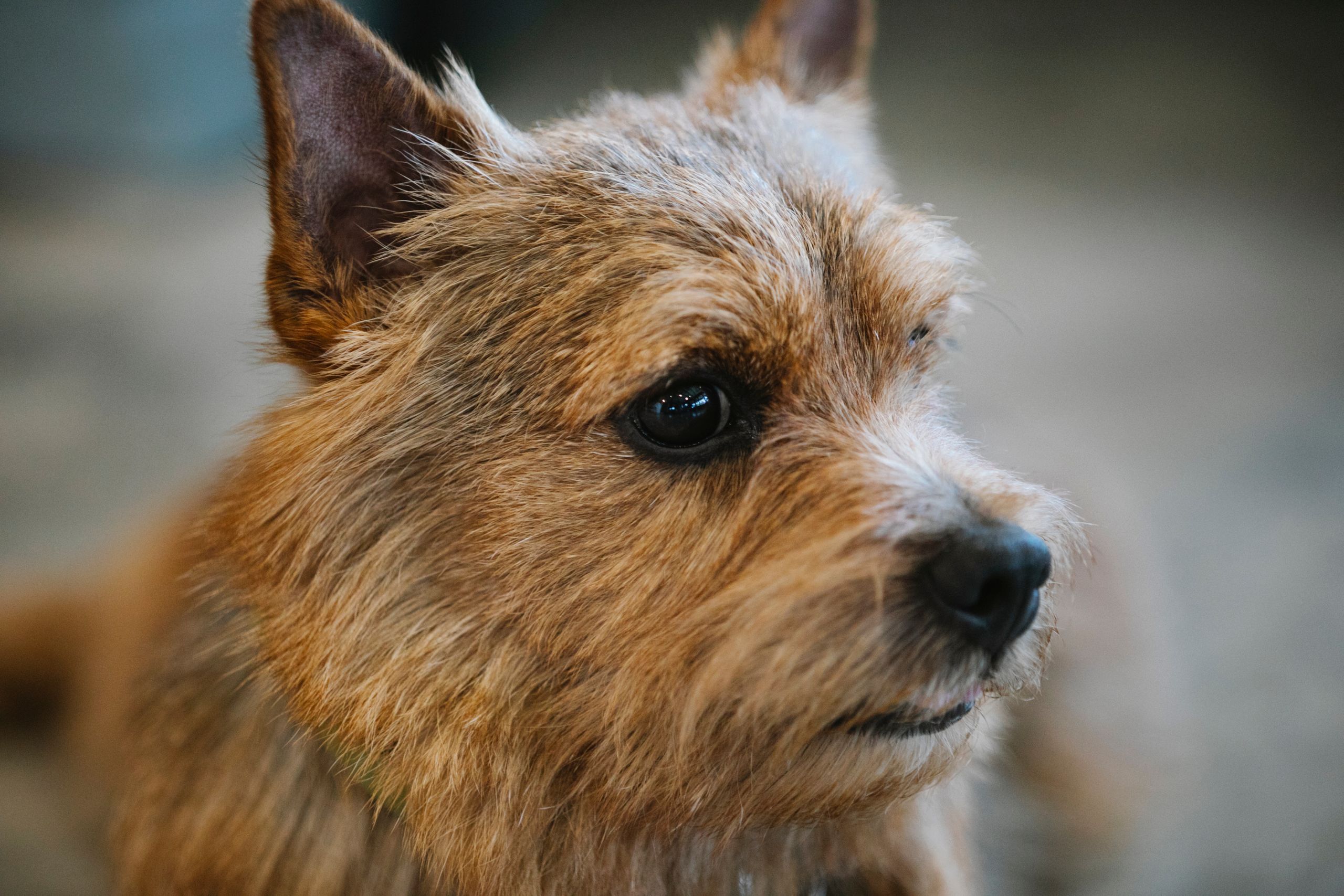
The Kennel Club accepted the Norwich Terrier on its register in 1932, and at that time the breed included both prick-eared and drop-eared dogs. The standard records that the two types were formally separated in 1964, when the drop-eared dog was renamed the Norfolk Terrier. The Norwich is therefore the prick-eared one. The FCI standard is dated 13 October 2010, and the dog is classed simply as a terrier, though today it is almost always a companion.
Temperament
The FCI standard calls for a lovable disposition, not quarrelsome, tremendously active, of hardy constitution, gay and fearless. That is a fair portrait. The Norwich is cheerful and affectionate, usually friendly to strangers, and good company on a sofa, but it keeps the terrier's courage and curiosity. It will go after a squeaking toy, a rustle in the hedge or a larger dog it has misjudged with the same optimism.
It is a social dog that likes to be with its people and may protest if left alone for long hours. Barking at the doorbell is usual, though it is not a yappy breed when properly exercised. Some are independent and digging comes naturally, so a Norwich in a garden should be fenced securely. Its good nature makes it forgiving of beginners, but a tendency to selective deafness means training must stay interesting.
Children and other pets
A sturdy little dog that usually enjoys children, the Norwich handles energetic play better than most toy breeds. Even so, small children must be taught to handle it gently, and not to pick it up awkwardly. It generally gets on with other dogs, as the standard says it is not quarrelsome, though it can stand up to bigger ones, so watch it in the park. As a ratting terrier it has prey drive towards rodents, so hamsters and guinea pigs are best kept safely away. A cat is often accepted when raised with it.
Exercise and the daily walk
For its size the Norwich is a tireless walker. Aim for around an hour of activity a day, in two or three outings, and expect it to be happy to do more at the weekend. It copes well with long walks in the forest, rough ground and mud. A game of fetch or tug in the flat and a few minutes of training will round out the day.
Terrier instincts mean that a Norwich off the lead near burrows, squirrels or rabbits may disappear. Recall must be practised, and off-lead walks reserved for safe areas. In town keep a short lead, as cars and bigger dogs do not match its fearlessness. Puppies should be exercised gently and should not be encouraged to jump off high furniture, to protect their small joints.
Training
Quick and eager, the Norwich enjoys learning when sessions are short and rewarded with treats and play. It can be wilful and may test boundaries, which is common in terriers, so consistent rules are important from the start. Harsh methods tend to make it stubborn. Early socialisation with different people, dogs and noises helps the dog stay confident and friendly in a city.
House training is usually straightforward with a routine, but patience is needed with such a small bladder. Work on a reliable recall, loose-lead walking, and a quiet response to the doorbell. Because it likes to dig and chase, channel the energy into games, nosework and trick training. Teach it to be happy alone for short periods early, and to accept grooming and nail trimming calmly.
Coat and grooming
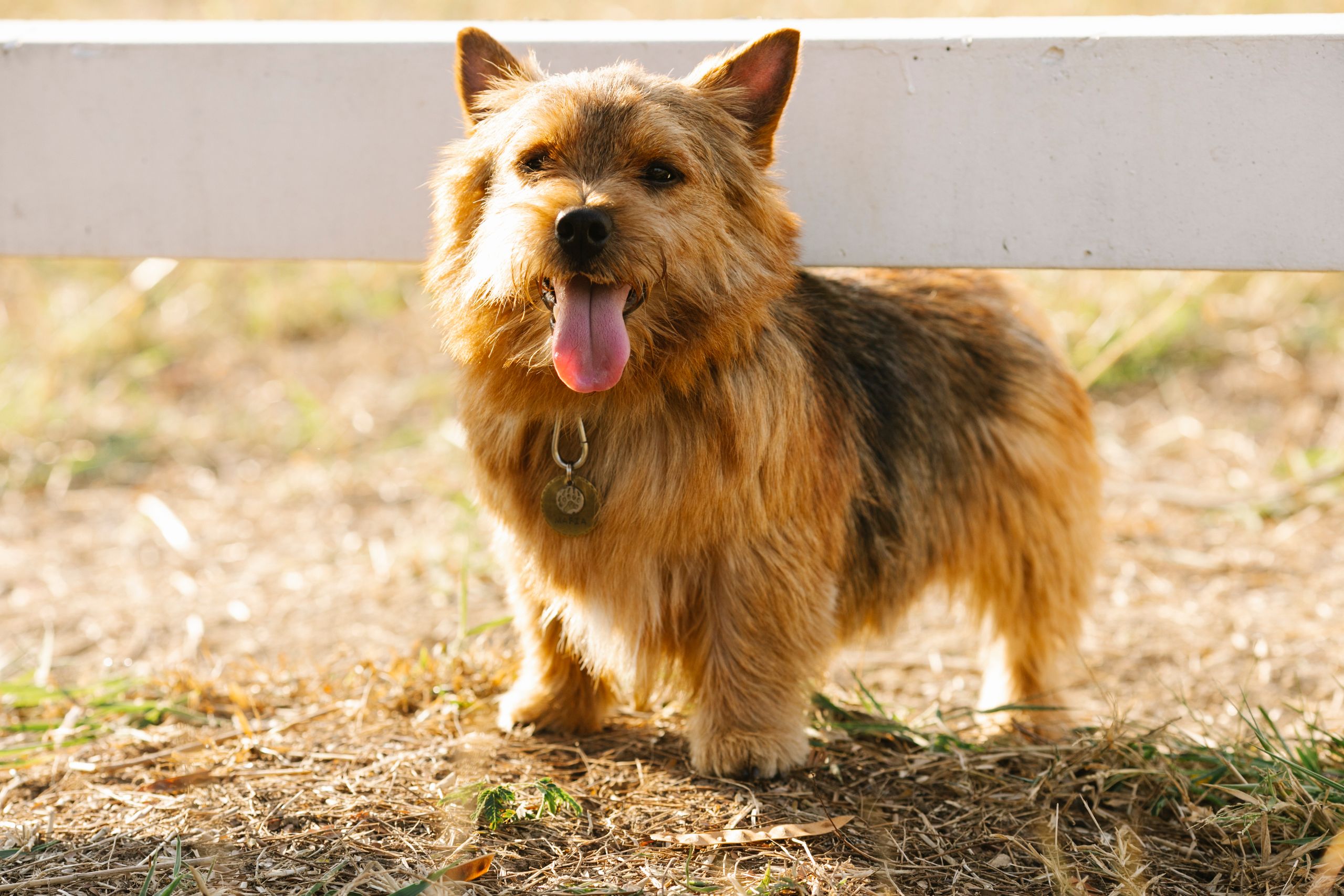
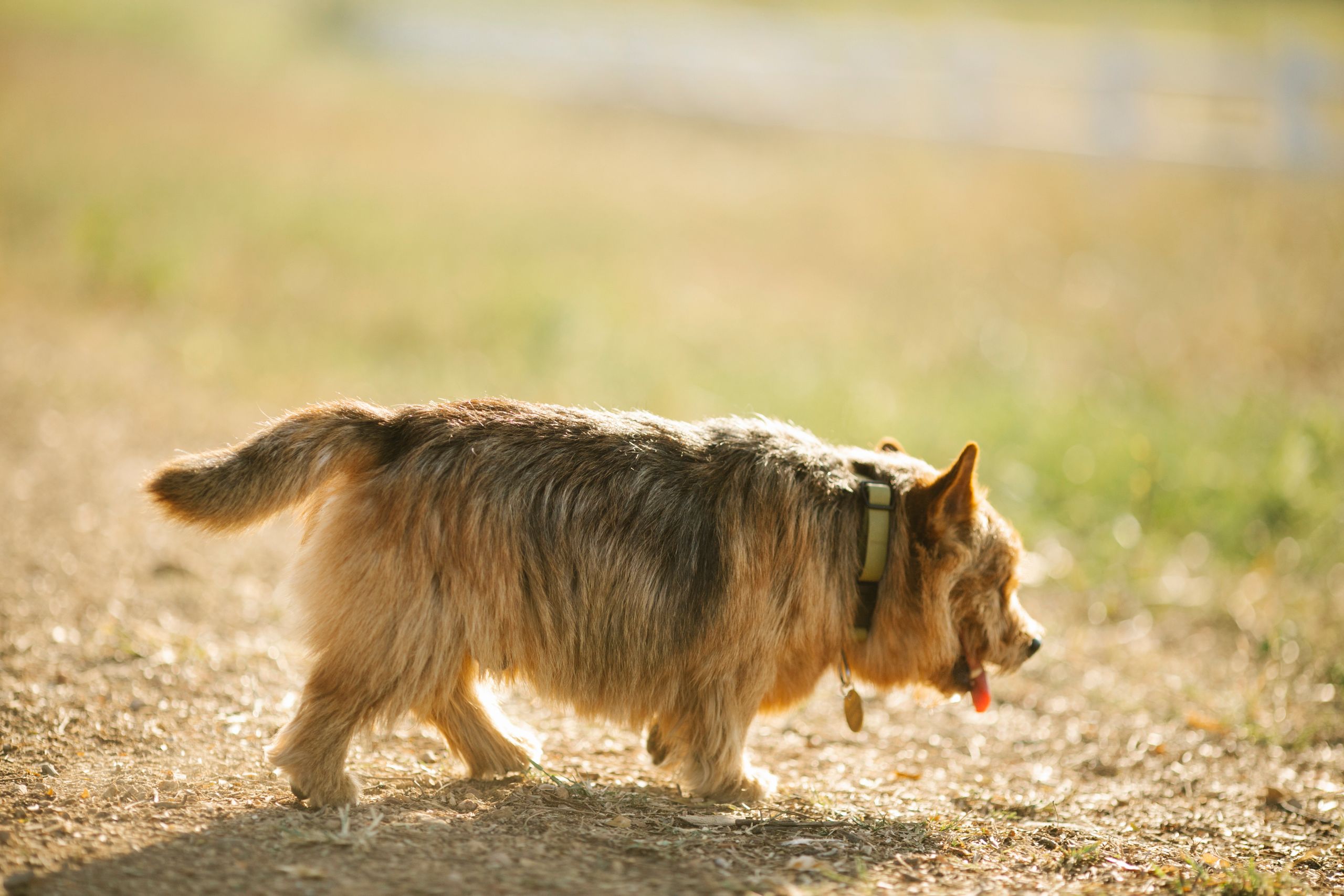
The FCI describes a hard, wiry, straight coat lying close to the body, with a thick undercoat, and longer, rougher hair on the neck forming a ruff that frames the face. The permitted colours are all shades of red, wheaten, black and tan or grizzle, and white marks or patches are undesirable. Brush weekly, and have the coat hand-stripped a few times a year to remove dead hair and keep the texture; clipping softens it. Shedding is light. Wipe the beard and feet after muddy walks.
Feeding and weight
A small, active dog that can put on weight easily, so feed a measured amount of a complete food suited to its age and size, usually twice a day. Treats used in training should be counted in the daily total. Many Norwich terriers are keen eaters, so avoid free-feeding and begging habits. Keep an eye on the waistline, because extra weight worsens joint and breathing problems. Provide fresh water, particularly after walks and in warm weather.
Work out a starting calorie figure and food weight with the calorie calculator. Not sure this is the right breed? Take the quiz.
Health
Every breed carries predispositions. These are the conditions most often discussed for the Norwich Terrier, not a prediction for any individual dog.
- Upper airway problems (noisy or laboured breathing, which can occur in the breed)
- Luxating patella (kneecap that slips, causing skipping lameness)
- Mitral valve disease, a heart condition seen in older small dogs
- Dental disease, common in small breeds
- Skin allergies, and epilepsy, reported in some lines
What to ask the breeder. Ask for evidence of breathing assessment and knee and heart examinations of both parents, and about any history of epilepsy in the line. Check that the breeder follows the Kennel Club or national club health recommendations for the breed.
Choosing a puppy
A Norwich puppy is lively, compact and bold, and likely to explore everything with its mouth. Start toilet training with frequent trips outside, keep sessions short and positive, and begin grooming handling from day one. Socialise gradually with people, dogs, traffic and the lift. Teach calm alone-time in small steps, as the breed is people-oriented. Avoid long walks or jumping while the joints are forming, and be firm about digging, chasing and barking habits before they harden.
In Luxembourg the national kennel club is the Fédération Cynologique Luxembourgeoise (FCL), a member of the FCI. Many owners also buy from breeders in Germany, France or Belgium; a puppy coming from another EU country must be microchipped and vaccinated against rabies, which in practice means it cannot travel before about fifteen weeks of age. Where to get a dog in Luxembourg.
The older Norwich Terrier
Norwich terriers often stay lively into old age. Seniors benefit from shorter, regular walks, a warm bed, and a lean body weight. Have the vet check the heart, teeth, eyes and knees at least annually, and watch for coughing, breathlessness, stiffness or weight change. The wire coat may need more help from a groomer as the dog slows. Gentle games and scent work keep the mind sharp, and a quiet corner away from draughts helps with winter stiffness.
A realistic day
A realistic weekday for a working household in Luxembourg City, with a midday visit. Adjust it to your dog, not the other way round.
A 30 minute walk through the neighbourhood and the nearest green space, with a toilet stop and a game of fetch before breakfast.
Breakfast, a drink and a chew; the dog settles in its basket while the household leaves for work.
A PAWLY visit with a toilet break, a 30 minute outing with sniffing and play, and a photo update for the owner.
A longer evening walk of 45 minutes in Parc Merl or the Pétrusse valley, with training practice and a wipe of paws and beard.
A last toilet trip, a quick check of coat and ears, then bed in the usual spot.
A Norwich Terrier in Luxembourg
The Norwich is among the most flat-friendly of the terriers. It is small enough for the lift and a modest living room, hardy enough for the Grünewald in all weathers, and light enough to be carried across a busy road or on a crowded bus if needed. Barking at corridor noises is the most common neighbour issue, so teach quiet early and ensure it is exercised before being left.
Luxembourg's climate suits it, though a dense wire coat can make a hot day uncomfortable. In summer, walk at the cooler ends of the day, carry water and avoid hot pavements. The coat shrugs off rain, but a muddy terrier in a flat is a certainty after a wet November walk, so keep a towel by the door. Remember that a Norwich must be microchipped, declared to the commune, insured, and subject to the annual dog tax.
Every dog in Luxembourg must be identified, declared to the commune and covered by liability insurance. How registration works.
When you travel
A sitter should expect a friendly, busy dog that likes company and routine. Keep to the owner's meal times and walk schedule, with at least two outings a day. Always use a lead or a secure harness, because a terrier will chase a squirrel without warning. Check that gates and fences are secure, as the dog is a skilled digger and escape artist. Report any breathing noise, cough, limping or appetite loss to the owner.
PAWLY's holiday and overnight care takes place in your home, so your dog keeps its own bed and routine.
Myths and facts
MythA Norwich is just a Norfolk with different ears.
FactThey were once one breed, and are very similar, but the FCI treats them as two. The Norwich has prick ears and the Norfolk drop ears, and they were officially separated in 1964.
MythWire coats never need grooming.
FactThe coat is easy, but it needs regular brushing and, ideally, hand-stripping a few times a year to keep its texture.
MythSmall terriers are quiet lap dogs.
FactThe Norwich is affectionate, but it is described as tremendously active and fearless. It needs real walks and mental activity.
Is it the right dog for you?
Suits
- Flat dwellers who like a hardy, characterful small dog
- Families with considerate older children
- Owners who enjoy walks in all weathers
- Those who can commit to a regular grooming routine
Think twice if
- You keep hamsters, rabbits or other small pets loose
- You want a dog that is calm and silent on its own
- You are away all day with no midday help
- You do not want to manage digging and chasing habits
Questions owners ask
How big is a Norwich Terrier?
The FCI standard gives an ideal height of 25 cm at the withers and does not state a weight. Most weigh about 5 kg.
What is the difference between a Norwich and a Norfolk Terrier?
Ears. The Norwich has prick ears, the Norfolk drop ears. They were registered as one breed until they were formally separated in 1964.
Does it shed?
Lightly. The wiry coat holds dead hair, which is removed by brushing and by hand-stripping a few times a year.
Can it be left alone at work?
Not for long. It is a sociable dog and may bark or dig if bored. A midday visit and a good walk before and after work make a real difference.
Sources
Photo: Pexels (Pexels License) · Photo: Pexels (Pexels License) · Photo: Pexels (Pexels License) · Photo: Unsplash (Unsplash License) · Photo: Pexels (Pexels License)
General information for dog owners in Luxembourg, not veterinary or legal advice. Official facts (origin, size, group, history and temperament as described by the breed standard) follow the FCI standard; health and care sections reflect breed-club and veterinary guidance and are typical ranges rather than rules. For your own dog, ask your vet, the breed club or your commune. How this guide is written and checked. Last reviewed 8 October 2026.
Need someone for your Norwich Terrier?
PAWLY offers an individual 45-minute walk or a home visit at your dog's pace, the same walker every time, and a written report with photos after every visit, across Luxembourg City.
Read next: the journal, for the Norwich Terrier
All articles
Dogs in hot weather: the Luxembourg summer guide
Flat-faced and short-nosed breeds like the Norwich Terrier overheat quickly, which matters in a Luxembourg summer.

Teeth: the problem owners find least interesting and vets see most
Teeth are a known weak point in the Norwich Terrier; this is the routine that helps.

Barking in an apartment: six causes, six different answers
Terriers are quick to sound the alarm; this sorts out the causes and the answers.
Similar breeds
All 198 breeds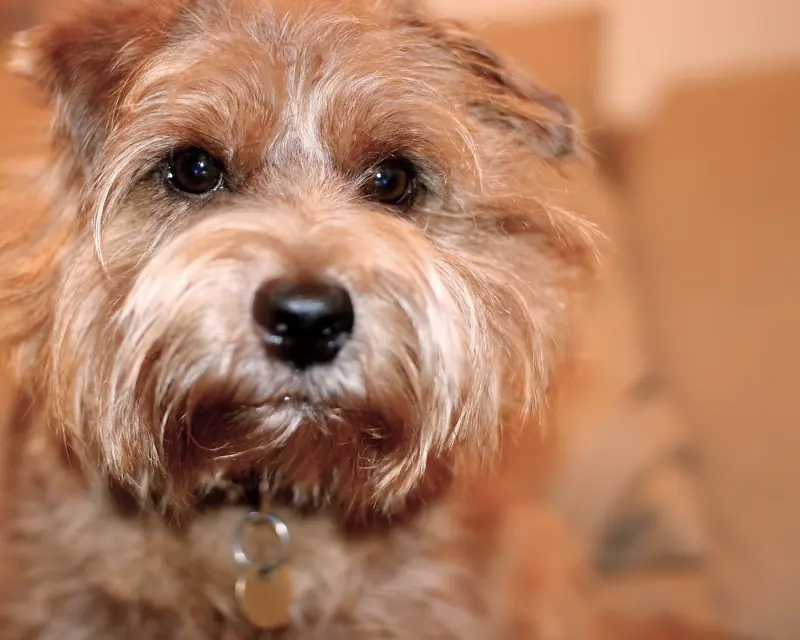
Norfolk Terrier
A small, friendly East Anglian terrier with drop ears and a big appetite for company.
EnergyGroomingFlat life
Cairn Terrier
A small, scruffy Highland terrier, bred to bolt foxes from the rocks and still cheerful, busy and unimpressed by its size.
EnergyGroomingFlat life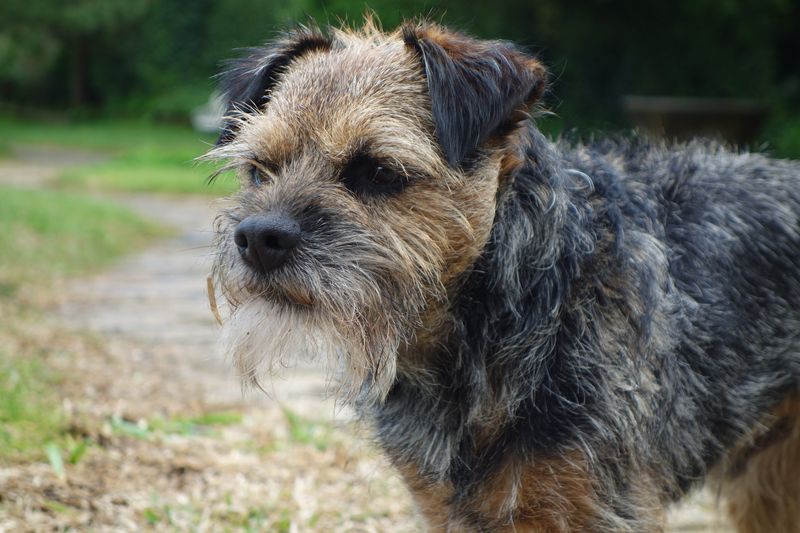
Border Terrier
The terrier for people who find terriers too much: tough, cheerful and easy-going.
EnergyGroomingFlat life

