


History
The FCI standard describes the Shar-Pei as a Chinese breed that has existed for hundreds of years in the provinces bordering the South China Sea, and names the town of Dialak in Kwun Tung province as its probable place of origin. The name is usually translated as sand skin, a fair description of the short, harsh coat that feels rough when stroked against the grain.
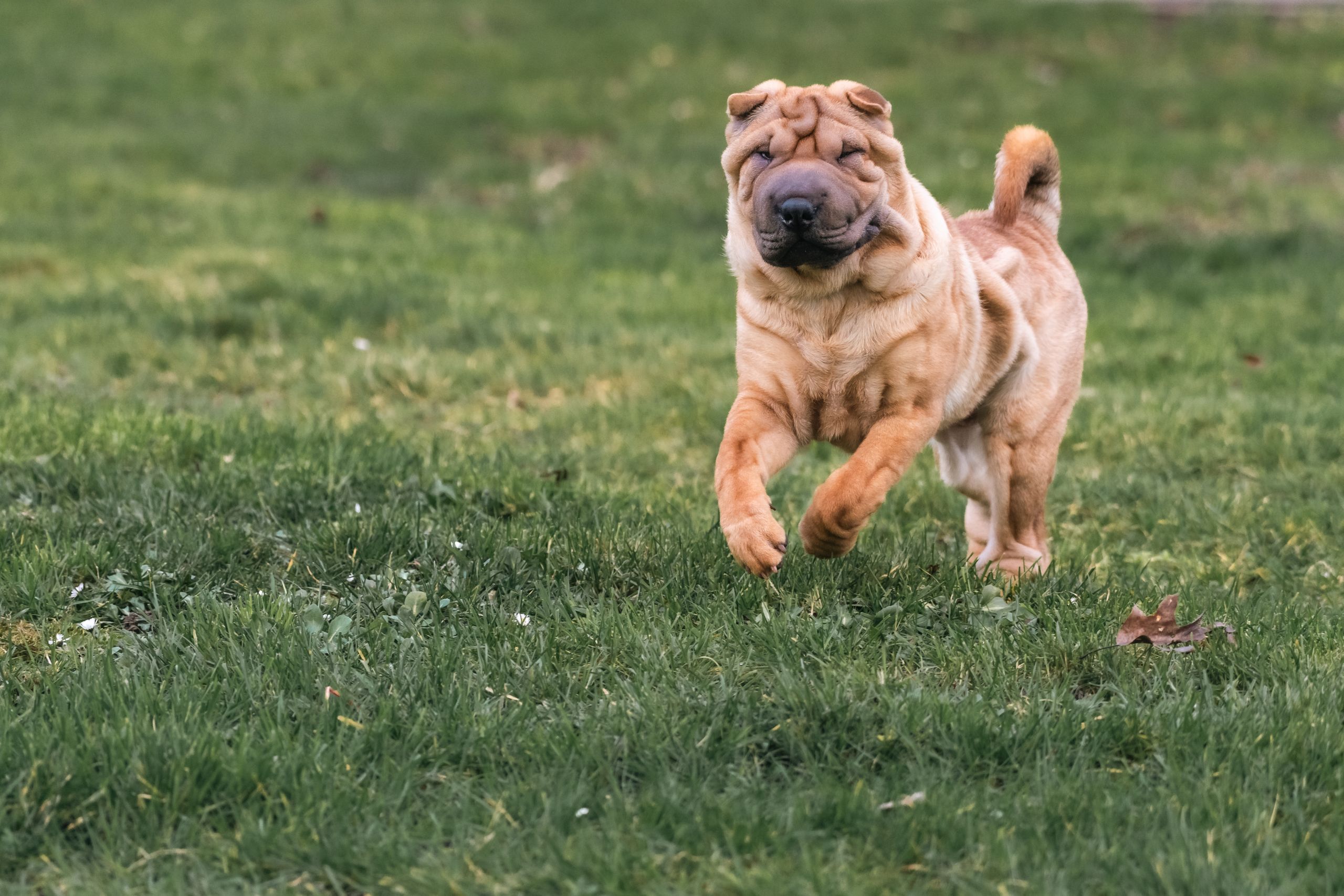
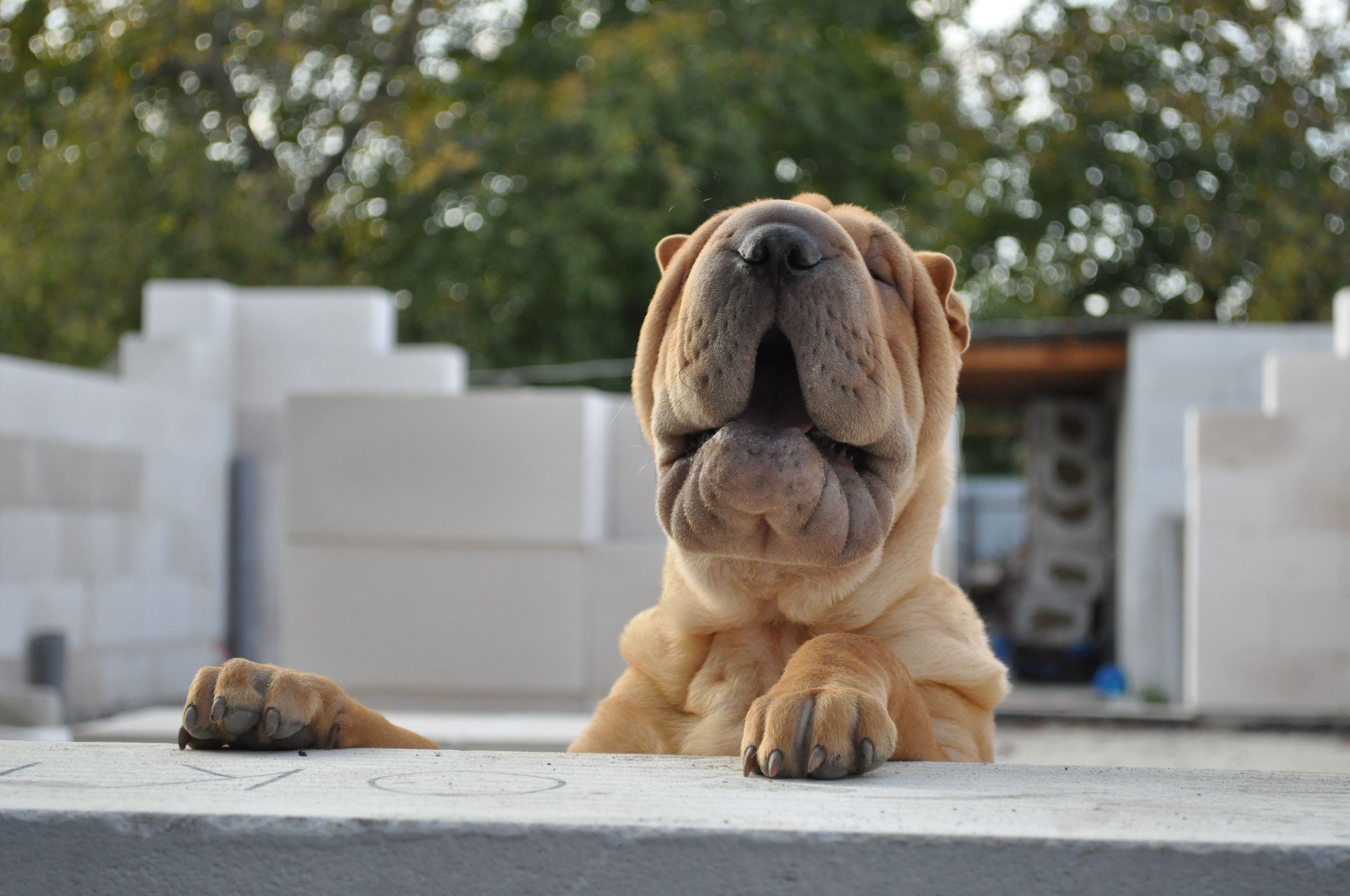
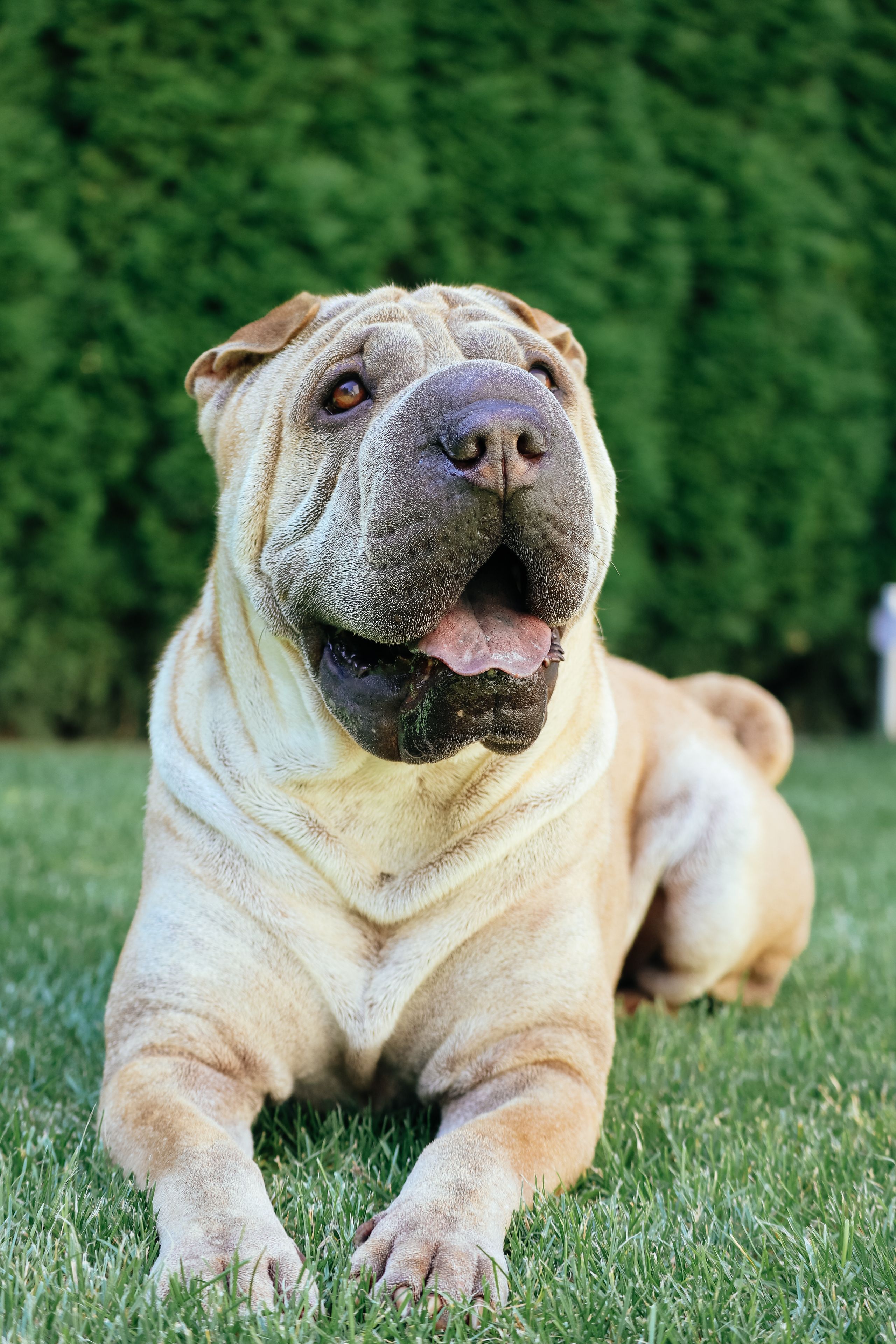
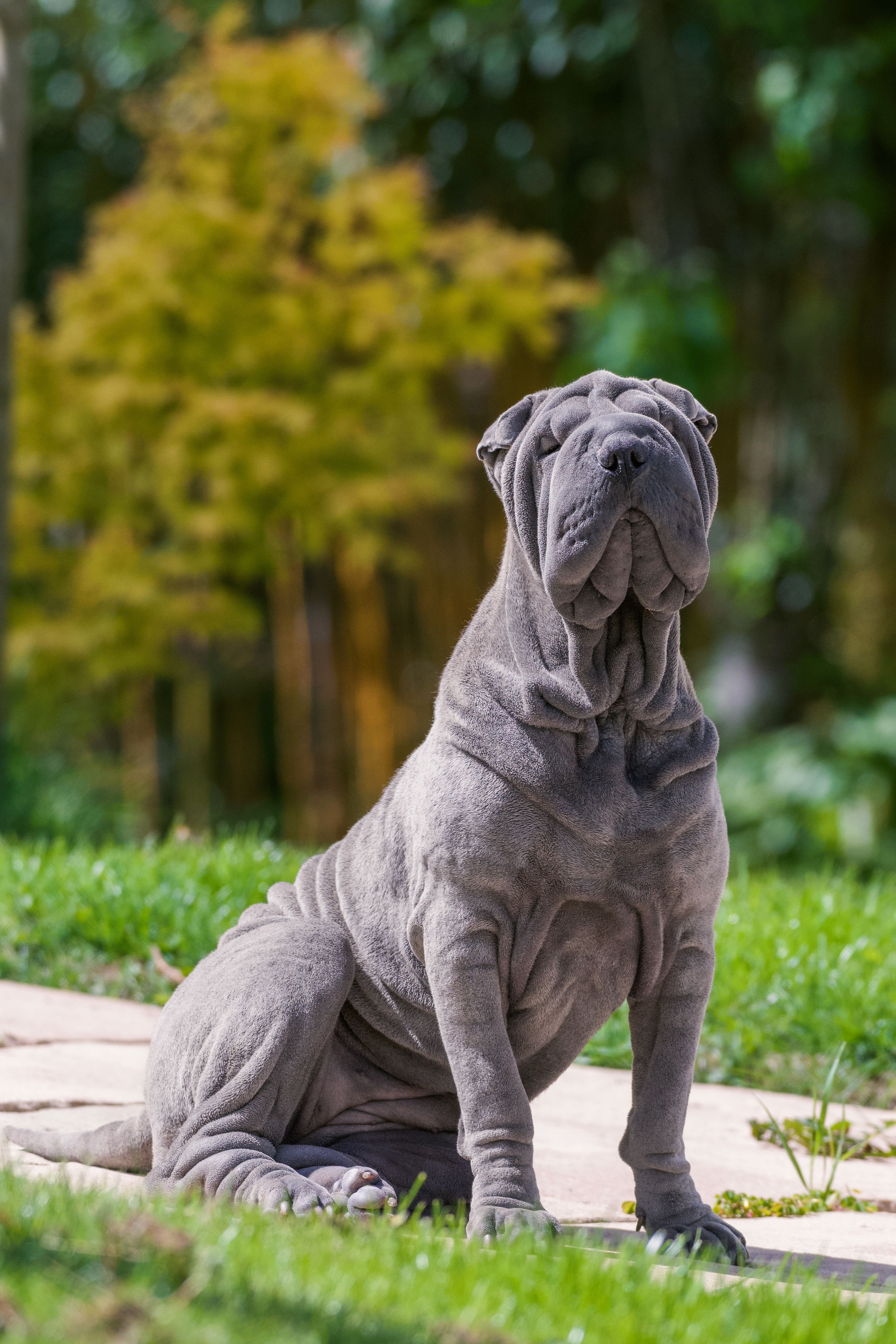
In the 1970s breeders in Hong Kong appealed to dog fanciers abroad, and dogs exported to the United States formed the basis of a large Western population. Because China is not an FCI member country, the FCI holds patronage of the standard, which dates from 14 April 1999. Western breeding favoured heavy wrinkling for a time, but the standard asks for wrinkles over the skull and withers rather than a dog folded all over, with the small ears and broad hippopotamus muzzle giving the unique look.
Temperament
The standard sums up the temperament in four words: calm, independent, loyal, affectionate to his family. In practice this is a dog that chooses its people carefully and then sticks to them. Indoors most Shar-Pei are quiet and tidy, almost cat-like in their habits, and many are easy to house-train.
A good Shar-Pei tolerates visitors without demanding their attention, and it does not appreciate being grabbed by people it does not know. That reserve can harden into suspicion if the puppy is not taken out to meet a wide range of people, places and calm dogs. Some individuals, males in particular, are intolerant of other dogs of the same sex, so a walker needs to read body language and keep greetings short.
Children and other pets
A Shar-Pei raised with sensible children is usually patient and protective of them, but it is not a dog that enjoys being climbed on or hugged, and the deep-set eyes give a narrower field of vision, so sudden movements close to the face can startle it. Visiting children should be taught to let the dog approach. Many live peacefully with a cat they grew up with; small pets and unfamiliar cats are less safe.
Exercise and the daily walk
Two walks a day totalling about 45 minutes to an hour, with time to sniff and patrol, keep most adults content. Few Shar-Pei want to fetch endlessly or run beside a bicycle, and they are not built for long distance in warm weather.
The short muzzle and heavy head make cooling less efficient, so summer walks belong early in the morning and late in the evening, with shade and water. Recall is variable because the breed is independent; a long line is safer than an open field near traffic.
Training
Shar-Pei are intelligent and learn quickly, but they are not eager to repeat an exercise just because they are asked to. Short sessions, food rewards and a calm, consistent manner work far better than repetition or raised voices.
The puppy should meet delivery people, children, cyclists, the vet and grooming tables in a positive way, and should learn to accept having its face, ears and folds handled. Lead manners and a reliable settle on a mat are more useful in daily life than a long list of tricks.
Coat and grooming
The FCI standard describes a short, harsh and bristly coat, standing off the body and lying flatter on the limbs, with no undercoat. It is between 1 and 2.5 cm long and must never be trimmed. A weekly rub with a rubber mitt removes dead hair, and shedding is moderate with seasonal surges. The real work is skin care: folds, ears and the area around the eyes need regular checking. All solid colours are accepted except white, and the tail and backs of the thighs are often lighter.
Feeding and weight
Most adults do well on two measured meals a day of a complete diet suited to a medium-sized dog. Because skin problems are common in the breed, any change of food should be made slowly, and some dogs do better on a diet with fewer ingredients chosen with the vet. Keep the dog lean, as extra weight deepens the folds and adds heat stress.
Work out a starting calorie figure and food weight with the calorie calculator. Not sure this is the right breed? Take the quiz.
Health
Every breed carries predispositions. These are the conditions most often discussed for the Shar-Pei, not a prediction for any individual dog.
- Entropion (inward-rolling eyelids)
- Shar-Pei autoinflammatory disease (often called Shar-Pei fever)
- Skin fold dermatitis and other skin infections
- Ear infections linked to the small, tight ear canals
- Hypothyroidism
- Primary lens luxation and glaucoma
What to ask the breeder. Ask whether the parents have had their eyelids checked and whether either needed entropion surgery, and request hip and elbow scores and recent eye examinations. Ask frankly whether any related dogs have had episodes of fever and swollen hocks.
Choosing a puppy
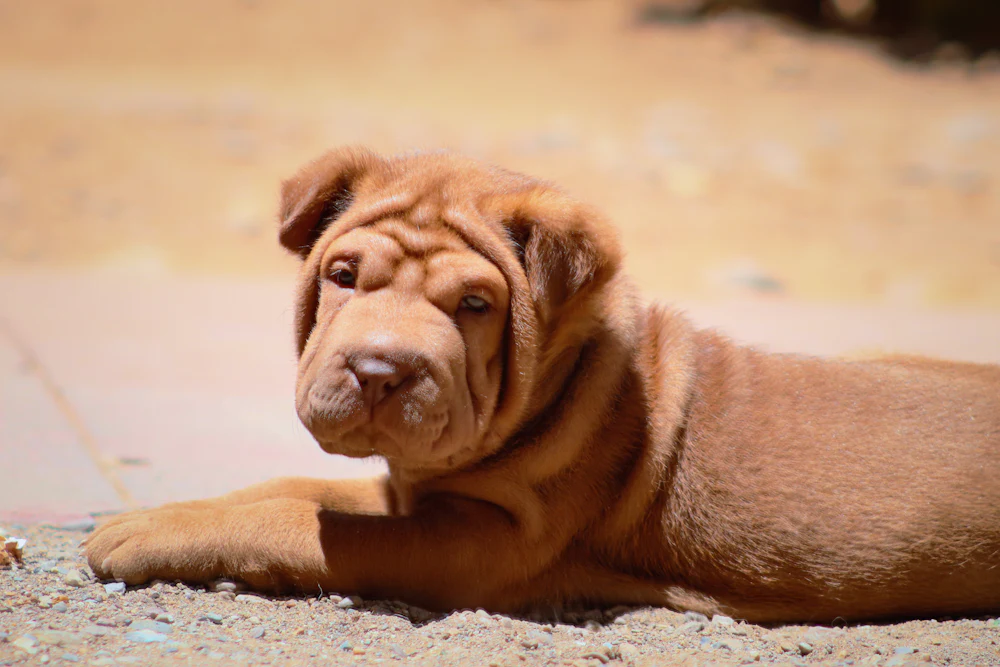
Shar-Pei puppies are more wrinkled than adults, and the skin seems several sizes too big. Ask the vet to check the eyelids at the first visits, as some puppies need their lids temporarily tacked to protect the eye while the head grows. Start daily handling of ears, mouth, paws and folds straight away.
In Luxembourg the national kennel club is the Fédération Cynologique Luxembourgeoise (FCL), a member of the FCI. Many owners also buy from breeders in Germany, France or Belgium; a puppy coming from another EU country must be microchipped and vaccinated against rabies, which in practice means it cannot travel before about fifteen weeks of age. Where to get a dog in Luxembourg.
The older Shar-Pei
Older Shar-Pei often slow down early, and the breed's life expectancy is shorter than for many dogs of this size. Watch for episodes of fever, swollen joints, reduced appetite or increased thirst, and keep regular blood and urine checks with the vet. Soft bedding helps stiff joints. Walks become shorter but should continue, and skin and ear care matter more as immunity weakens with age.
A realistic day
A realistic weekday for a working household in Luxembourg City, with a midday visit. Adjust it to your dog, not the other way round.
Calm 30-minute walk while the air is cool, then breakfast and a wipe of the facial folds.
Owner leaves; the dog settles in a quiet room, usually happy to sleep through the morning.
Midday visit: a 20-minute walk on familiar streets, fresh water and a quick check of eyes and ears.
Evening walk of about 30 to 40 minutes in a park or wooded path, avoiding the hottest part of a summer day.
Short toilet walk and a quiet evening at the owner's feet.
A Shar-Pei in Luxembourg
A Shar-Pei is well suited to a city flat. It is clean, quiet indoors and content with a moderate amount of exercise, and most take lifts and stairwells in their stride, though the meeting with a neighbour's dog in a tight lift is best kept brief. Its reserve with strangers can be an advantage in a busy building, as it is rarely the dog that jumps on people in the hall. The dog must be microchipped, declared to the commune, insured for third-party liability and the annual dog tax paid.
Summer is the season to plan around. When Luxembourg City reaches the 30s °C, walks along the shaded paths of the Pétrusse valley or into the Bambësch forest early in the morning are kinder than open lawns at midday. Wet autumn evenings matter too, because damp folds left unattended can turn into skin infections, so a towel by the door is essential. Free buses and trams make forest trips easy, provided the dog is calm in crowded spaces.
Every dog in Luxembourg must be identified, declared to the commune and covered by liability insurance. How registration works.
When you travel
A sitter should be introduced well before the owner leaves, because a Shar-Pei may not accept a stranger walking into its home. The sitter needs to know the routine for cleaning folds, ears and eyes, any special diet, and the signs of a fever episode, such as lethargy, a hot body and swollen hocks, which need a vet promptly. Same-sex dog encounters on walks should be avoided. Most cope well with a familiar person staying in the home.
PAWLY's holiday and overnight care takes place in your home, so your dog keeps its own bed and routine.
Myths and facts
MythThe more wrinkles, the better the Shar-Pei.
FactThe FCI standard asks for wrinkles mainly over the skull and withers. Excessive wrinkling is associated with eye and skin problems.
MythShar-Pei are aggressive dogs.
FactThe standard describes a calm, loyal dog that is affectionate with its family. Reserve with strangers is normal, but a well-socialised Shar-Pei should not be aggressive without cause.
MythThe short coat means no grooming.
FactThe coat itself is simple, but folds, ears and eyes need regular checking and cleaning to prevent infections.
Is it the right dog for you?
Suits
- Owners who want a calm, clean companion for a flat
- People who prefer a dog that is loyal to the household rather than friendly with everyone
- Households with time for socialisation and regular skin checks
- Owners with some experience of independent breeds
Think twice if
- You want a dog that loves every visitor and every dog in the park
- Your budget cannot absorb possible eye, skin or ear treatment
- You hope for a jogging or hiking partner in warm weather
- Small children in the home will want to hug the dog
Questions owners ask
Do Shar-Pei get on with other dogs?
Many are fine with dogs they know, especially if raised with them, but the breed is not usually sociable with strange dogs and some are intolerant of the same sex. Short, calm greetings on lead and well-chosen walking companions work better than busy dog parks. A walker should be told about any history of tension.
What is Shar-Pei fever?
It is an inherited inflammatory condition seen in the breed, often called Shar-Pei autoinflammatory disease. Typical episodes involve a high temperature and painful swelling around the hocks, usually lasting a day or two. Repeated episodes can be linked to kidney problems later in life, so every episode should be discussed with the vet.
Are Shar-Pei easy to house-train?
Generally yes. Owners and breeders often describe them as naturally clean, and many puppies learn quickly with regular trips outside after sleeping, eating and play. They also tend to be quiet indoors, which makes them pleasant in a flat.
How often should the folds be cleaned?
Check them every day or two and dry them after rain or a wash. Clean only when needed, using a product recommended by the vet, as over-cleaning can irritate the skin. Redness, smell or moisture in a fold is a reason to see the vet rather than wait.
Sources
- FCI breed standard No. 309 (Shar Pei)
- The Royal Kennel Club, Shar Pei breed information
- AKC, Chinese Shar-Pei health testing requirements
Photo: Unsplash (Unsplash License) · Photo: Pexels (Pexels License) · Photo: Pexels (Pexels License) · Photo: Pexels (Pexels License) · Photo: Pexels (Pexels License)
General information for dog owners in Luxembourg, not veterinary or legal advice. Official facts (origin, size, group, history and temperament as described by the breed standard) follow the FCI standard; health and care sections reflect breed-club and veterinary guidance and are typical ranges rather than rules. For your own dog, ask your vet, the breed club or your commune. How this guide is written and checked. Last reviewed 8 October 2026.
Need someone for your Shar-Pei?
PAWLY offers an individual 45-minute walk or a home visit at your dog's pace, the same walker every time, and a written report with photos after every visit, across Luxembourg City.
Read next: the journal, for the Shar-Pei
All articles
Dogs in hot weather: the Luxembourg summer guide
Flat-faced and short-nosed breeds like the Shar-Pei overheat quickly, which matters in a Luxembourg summer.

Sharing paths, parks and terraces with everyone else
Pavements and parks are shared; this covers being a good neighbour with a selective dog.

Teaching a settle, the most useful thing a flat dog can learn
A settle is the most useful thing a flat dog can learn.
Similar breeds
All 198 breeds
Chow Chow
A dignified, lion-like Spitz with a blue-black tongue, loyal to its own people and politely indifferent to almost everyone else.
EnergyGroomingFlat life
Dogue de Bordeaux
An ancient French guardian with a huge head and a soft heart, calm at home, vigilant at the door and demanding of careful ownership.
EnergyGroomingFlat life
English Bulldog
Gentle, dignified and devoted, a symbol of tenacity whose extreme shape carries a heavy health cost.
EnergyGroomingFlat life

