


History
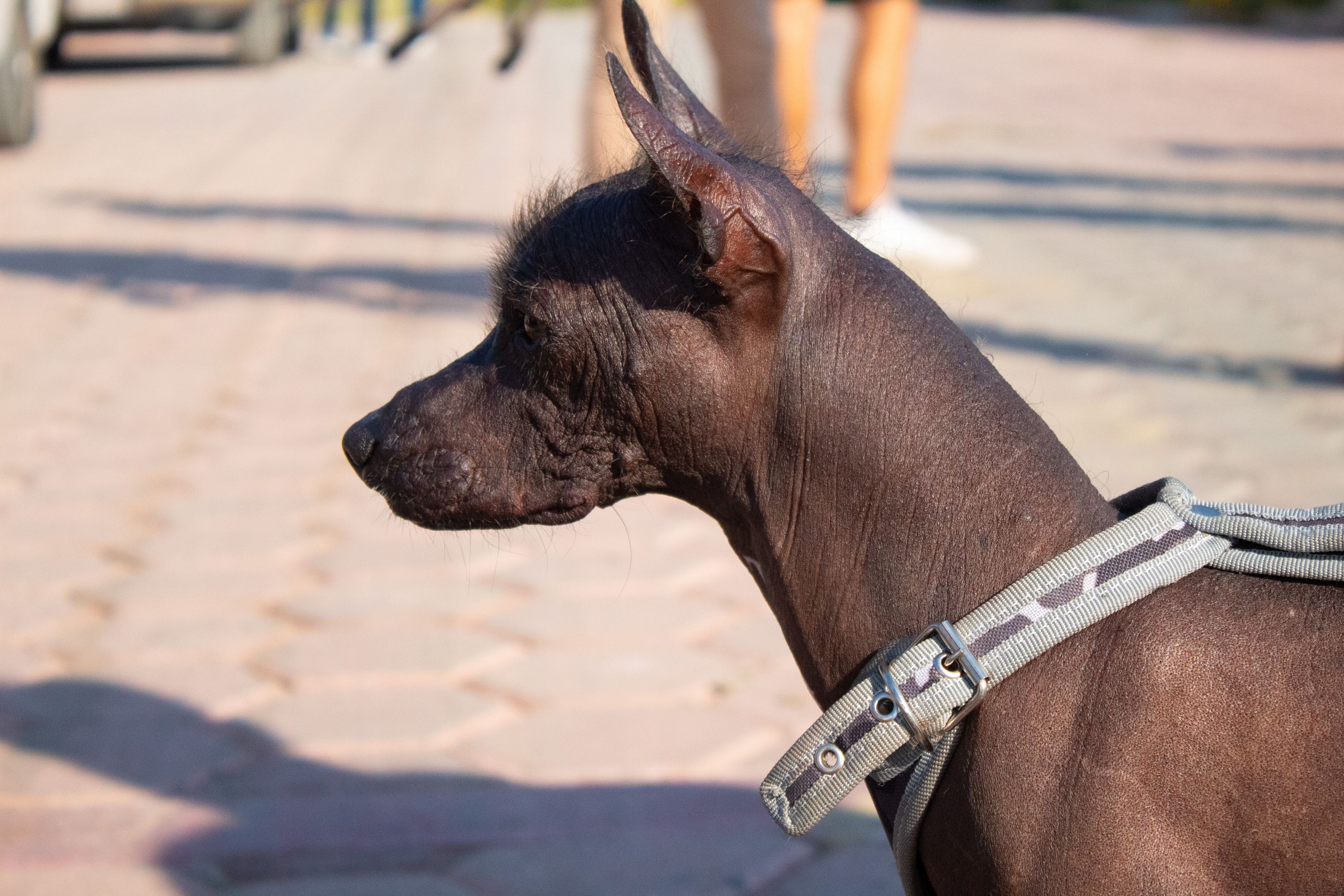
The Xoloitzcuintle, often called the Xolo, is listed by the FCI as number 234 in Group 5, Section 6, the primitive type, with Mexico as its country of origin. The standard says its origin dates far back in history, and records that in pre-Hispanic Mexico its meat was considered a delicacy, eaten by indigenous Mexicans on special occasions. It is, in other words, a breed with deep roots in Mexican culture, and the country regards it as part of its heritage.
The breed came close to extinction. The standard credits the Mexican Kennel Club with its rescue, and the club adopted the dog as its emblem in 1940. The FCI recognises three sizes, standard, intermediate and miniature, and two coat varieties, hairless and coated, which can appear in the same litter. The standard and intermediate sizes are described as watchdogs, while the miniature is a companion dog.
Temperament
The FCI describes a silent and calm dog, cheerful, alert and intelligent, which may be suspicious of strangers, a good watchdog and companion, and never aggressive. Xolos are quiet in the house, observant, and often intensely attached to one or two people. Many choose a lap, a sofa and a blanket, and a close, physical relationship with their owner is part of the breed's appeal.
The wariness of strangers is real, and an unsocialised Xolo may be nervous, reserved or reluctant to be touched by visitors. They tend to be sensitive, clean and cat-like in their habits, learning quickly but resenting rough treatment. Many dislike cold and wet intensely, and a Xolo may refuse to walk in the rain. Bark is uncommon, though some will alert in a quiet, deliberate way to unusual sounds.
Children and other pets
A Xolo that has been well socialised is usually gentle with children in its own family, but it is sensitive and may avoid noisy, grabby small children, so teach respect for the dog's space. Because hairless skin is exposed, rough play can injure it. With other dogs they are generally fine. Cats are usually accepted when raised together, though a running small animal may attract interest, so introduce them carefully.
Exercise and the daily walk
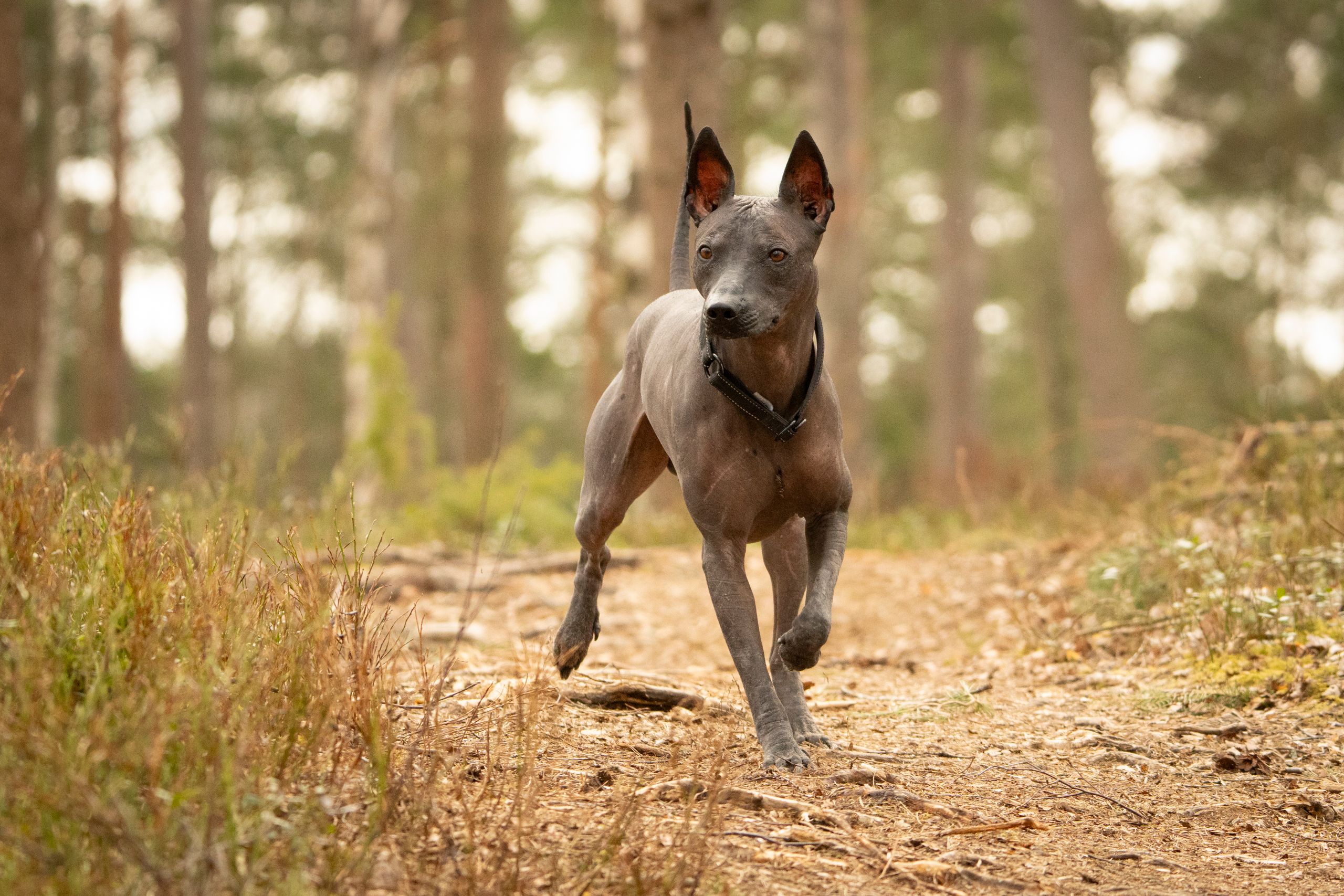
A standard-sized Xolo is an athletic, slim dog and enjoys about an hour of daily exercise, including a proper run in a safe place. Intermediate dogs need slightly less, and miniatures are content with shorter walks and play, though all enjoy being active. Many are fast and agile, and a Xolo in good condition is a pleasure to watch moving at speed.
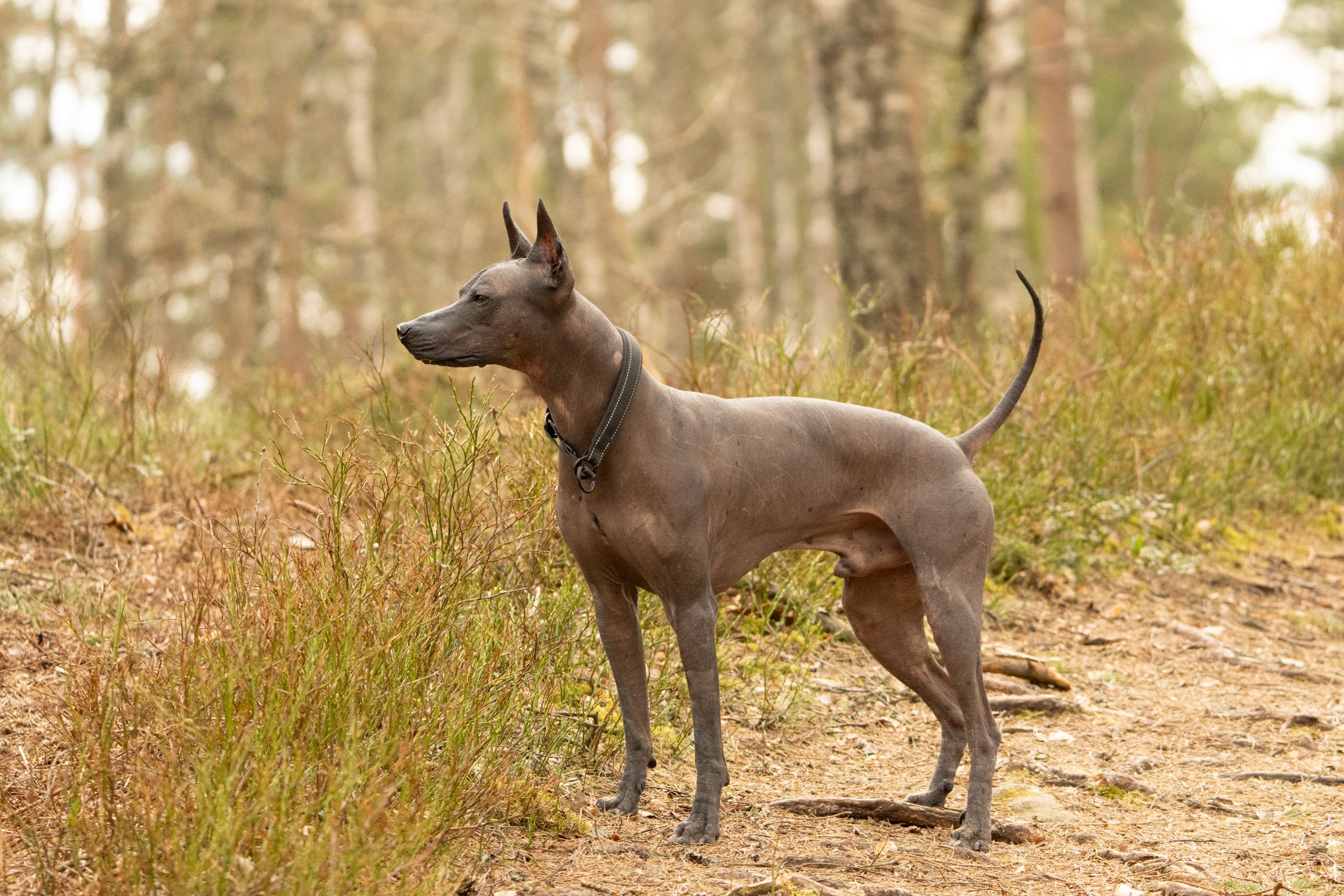
Weather affects the routine more than for most breeds. In cold, wet weather a hairless dog needs a coat, and some will want a jacket in the cold of an early morning. In strong sun the skin needs protection, either with a dog-safe sunscreen or shade, as hairless skin burns. Hot pavements and rough undergrowth can injure paws and skin. The coated variety copes better, but still has little undercoat.
Training
Xolos are intelligent, quick and sensitive, and respond well to calm, patient, reward-based training. They bond closely, which makes them keen to work with their person, but they can be independent thinkers and may lose interest in repetition. Keep sessions short, varied and positive. Harsh words or force are likely to produce a withdrawn dog.
Socialisation is the most important task in puppyhood, because suspicion of strangers is part of the breed's description. Introduce many people, places, surfaces and sounds early, always at a pace the puppy can accept. Teach calm handling for skin care and nail trimming, a reliable recall and a relaxed attitude to wearing a coat. House-training is usually straightforward, as Xolos are clean dogs.
Coat and grooming
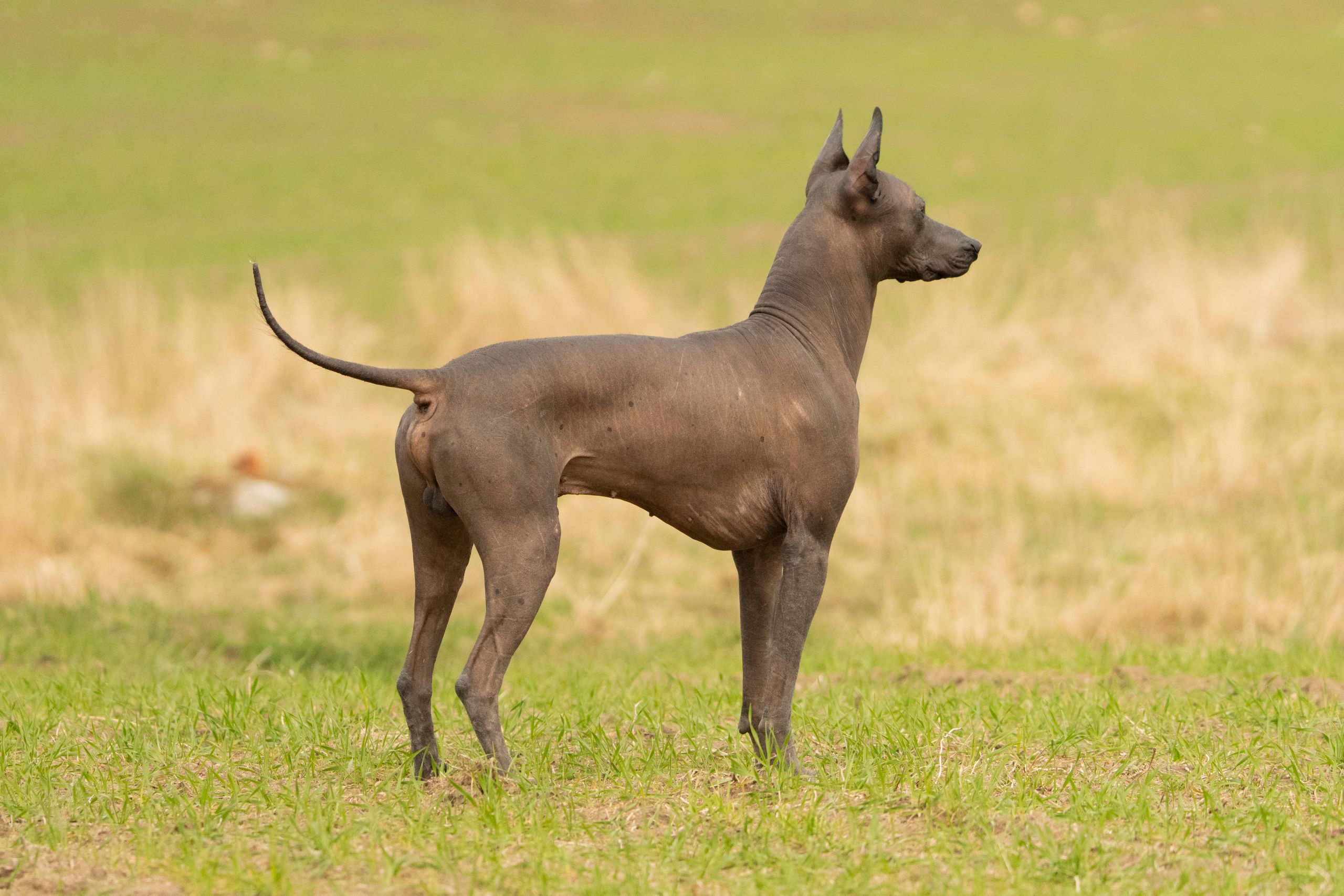
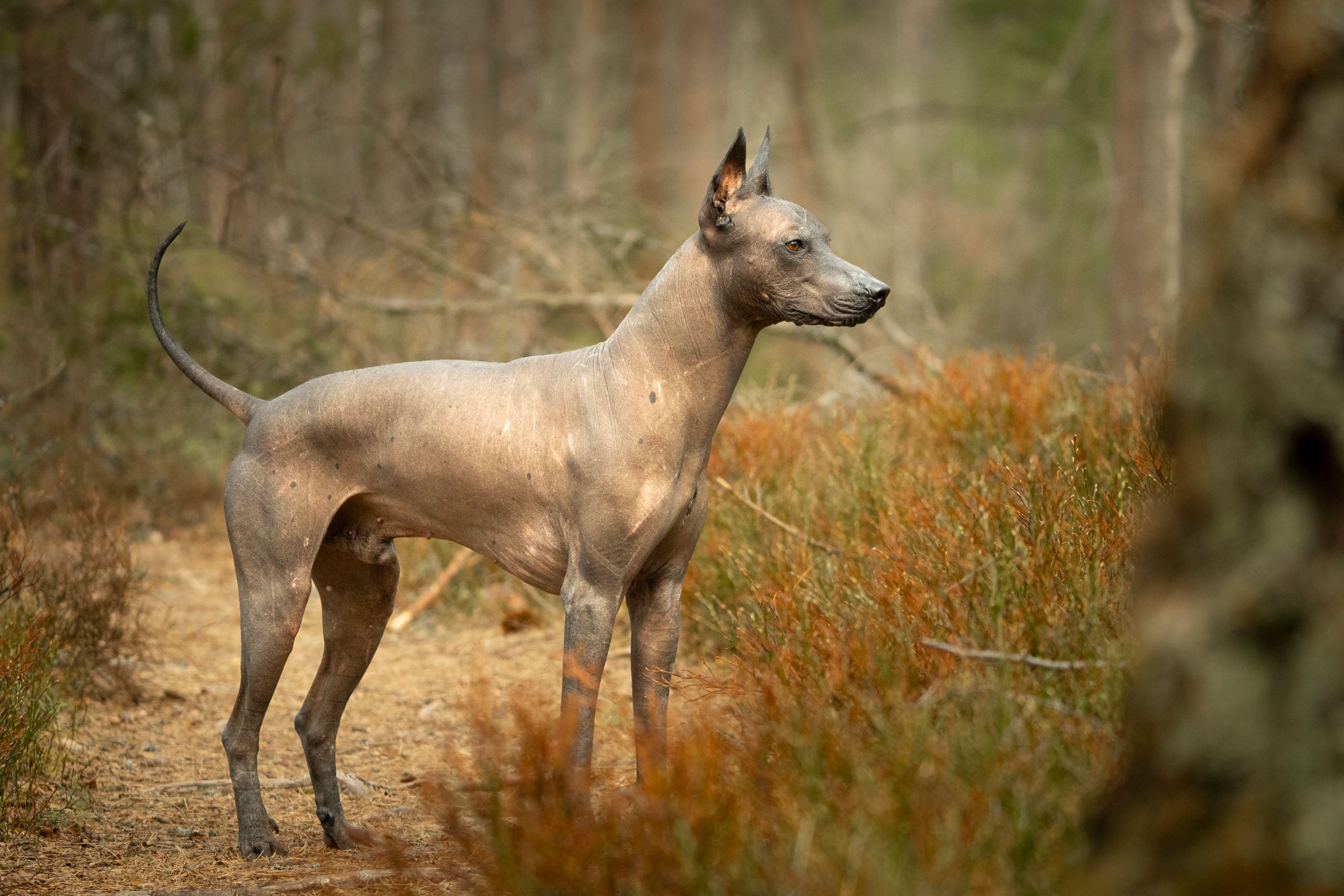
The FCI describes two varieties. The hairless dog has minimal hair, no more than 2.5 cm on the head and neck, while the coated variety has a short, smooth coat with no undercoat. Hairless skin needs care: wash occasionally with a mild product, moisturise if dry and protect from sun and cold. Blackheads can form and need gentle attention. Permitted colours are black, grey tones, reddish, liver, bronze and blond, with spots and white markings allowed, and dark colours are preferred.
Feeding and weight
Feed a good complete diet for a lean, active, medium dog, divided into two meals. Xolos are usually efficient eaters and not greedy, but they can gain weight when exercise is limited, so watch body condition. Quality of diet shows in the skin, so ask the vet if the dog has dry or spotty skin. The standard allows incomplete dentition in the hairless variety, so offer food that suits the teeth the dog has.
Work out a starting calorie figure and food weight with the calorie calculator. Not sure this is the right breed? Take the quiz.
Health
Every breed carries predispositions. These are the conditions most often discussed for the Xoloitzcuintle, not a prediction for any individual dog.
- Missing teeth, linked in the standard to the hairless gene, with the hairless variety allowed incomplete dentition
- Skin problems, including dryness, blackheads (acne) and sunburn in the hairless variety
- Sensitivity to cold, with a risk of chilling in winter
- Patellar luxation (slipping kneecap), particularly in smaller dogs
What to ask the breeder. Ask whether both parents are hairless or coated and why, ask for knee checks on the parents, and ask about dental and skin problems in the line.
Choosing a puppy
Xolo puppies can look very different within one litter, hairless and coated, and the hairless variety may feel warm and delicate. Keep the puppy warm and protect it from sun. Start gentle socialisation early to strangers, children, lifts and traffic. House-training is usually quick if you take the puppy out after sleep and meals. Offer chews appropriate to the teething stage, and begin handling of skin and nails right away.
In Luxembourg the national kennel club is the Fédération Cynologique Luxembourgeoise (FCL), a member of the FCI. Many owners also buy from breeders in Germany, France or Belgium; a puppy coming from another EU country must be microchipped and vaccinated against rabies, which in practice means it cannot travel before about fifteen weeks of age. Where to get a dog in Luxembourg.
The older Xoloitzcuintle
Older Xolos remain elegant and often keep a lively mind. Keep them warm in cold weather with a coat and a heated or insulated bed, and protect the skin from dryness and sun. Check the teeth, as missing or worn teeth are common, and watch for stiff joints and kneecaps. Moderate exercise keeps muscle tone. Gentle skin checks help find lumps early, which are easier to see on a hairless body.
A realistic day
A realistic weekday for a working household in Luxembourg City, with a midday visit. Adjust it to your dog, not the other way round.
Coat on if cold; a 25-minute toilet walk and sniff, then breakfast, followed by a skin check.
Owner leaves; the Xolo curls up in a blanket nest by a warm spot with a chew.
Midday visit: a 40-minute walk and a short run in a quiet area, sunscreen on in summer, fresh water.
Evening outing of about 45 minutes, with play and a little training; dinner after returning.
Last toilet break, then bed under a blanket; check skin and moisturise if needed.
A Xoloitzcuintle in Luxembourg
A Xolo suits flat life in Luxembourg City well. It is quiet, clean and not inclined to bark at every noise, and the miniature and intermediate sizes fit even a compact flat. The main issue is climate. Luxembourg winters are cold and damp, and a hairless dog needs a well-fitting coat, boots for salted or icy pavements if it tolerates them, and a warm bed. Short, frequent outings in bad weather are better than a single long walk.
Summer brings the opposite problem: sunburn and hot pavements. In the 30s °C, walk early or late, use dog-safe sun protection on exposed skin and provide shade. Parc Merl, the Pétrusse valley and the Municipal Park offer pleasant walking, and the Bambësch forest gives more freedom for a dog with good recall. The dog is usually relaxed on trams and buses. Microchip, declaration to the commune, insurance and the annual dog tax apply.
Every dog in Luxembourg must be identified, declared to the commune and covered by liability insurance. How registration works.
When you travel
A sitter must understand that the Xolo feels the cold and sun, so a coat, a warm bed and sun protection are essential. Keep the routine steady, since the dog attaches strongly and may be anxious when its person leaves. Do not let strangers pet the dog uninvited. Watch skin for scratches, dryness or burns, supply water, and keep the dog on lead near roads.
PAWLY's holiday and overnight care takes place in your home, so your dog keeps its own bed and routine.
Myths and facts
MythHairless dogs are hypoallergenic.
FactThere is no guarantee. Allergic reactions often involve skin, saliva and dander, and the coated variety sheds a little. Spend time with the dog first.
MythA hairless dog needs no grooming.
FactSkin care replaces coat care: washing, moisturising, sun protection and blackhead management are all part of ownership.
MythXolos are rare ornamental dogs with no real use.
FactThe FCI describes standard and intermediate sizes as watchdogs and the miniature as a companion. They are athletic, intelligent dogs with a long history.
Is it the right dog for you?
Suits
- Owners who want a quiet, clean, devoted companion
- Flat dwellers who can offer company and warmth
- People willing to care for skin and weather needs
- Households that can socialise a wary puppy
Think twice if
- You dislike skin care routines
- You want a dog that loves everyone
- You are away for most of the day
- You want a dog for long wet winter hikes without a coat
Questions owners ask
Does a Xolo shed?
The hairless variety has little to shed, apart from the small amount of hair on the head and neck, while the coated variety has a short coat without undercoat. Both are easy on furniture, though skin flakes and oils need cleaning.
Which size should I choose?
The FCI gives three: standard 46 to 60 cm, intermediate 36 to 45 cm and miniature 25 to 35 cm. Choose according to the space and energy you can offer; the standard is the most athletic.
Does a hairless Xolo get cold?
Yes, and often very quickly. Use a coat in cold or wet weather, avoid long exposure and provide a warm bed. Many Xolos will refuse to go out in rain, which is the dog's own good sense.
Are Xolos good with strangers?
They tend to be reserved. The FCI notes they may be suspicious of strangers. Good socialisation helps, but do not force contact, and allow the dog to approach new people in its own time.
Sources
Photo: Pexels (Pexels License) · Photo: Pexels (Pexels License) · Photo: Pexels (Pexels License) · Photo: Pexels (Pexels License) · Photo: Pexels (Pexels License)
General information for dog owners in Luxembourg, not veterinary or legal advice. Official facts (origin, size, group, history and temperament as described by the breed standard) follow the FCI standard; health and care sections reflect breed-club and veterinary guidance and are typical ranges rather than rules. For your own dog, ask your vet, the breed club or your commune. How this guide is written and checked. Last reviewed 8 October 2026.
Need someone for your Xoloitzcuintle?
PAWLY offers an individual 45-minute walk or a home visit at your dog's pace, the same walker every time, and a written report with photos after every visit, across Luxembourg City.
Read next: the journal, for the Xoloitzcuintle
All articles
The itchy dog: working through it in the right order
Skin trouble is among the conditions discussed for the Xoloitzcuintle; this is the order to work through it.

The dog that is afraid of people
The Xoloitzcuintle is often reserved with strangers; early, patient handling of that matters.

The dog that eats everything off the pavement
A strong nose finds everything on the pavement; this covers what to do about it.
Similar breeds
All 198 breeds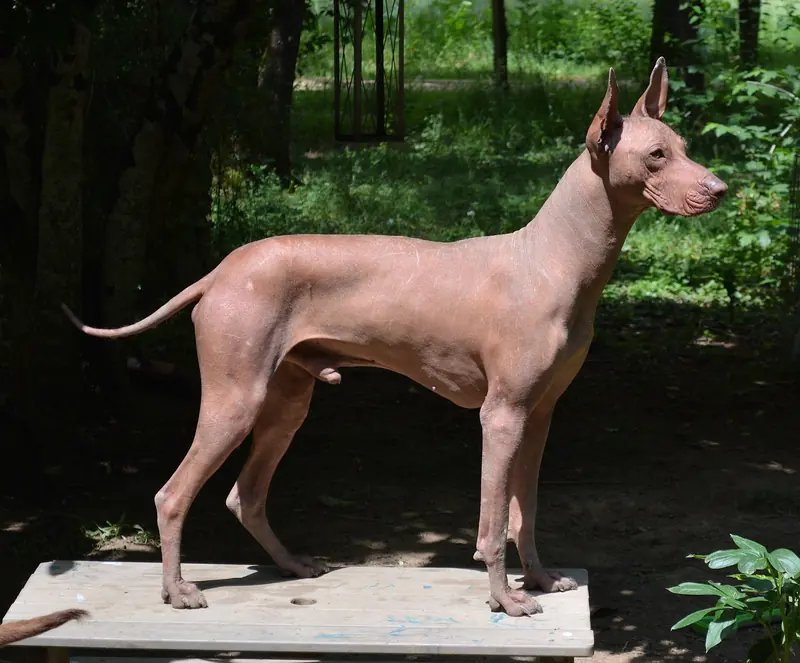
Peruvian Hairless Dog
An elegant, watchful companion that has lived beside people in Peru for two thousand years and still prefers to sit on someone's lap.
EnergyGroomingFlat life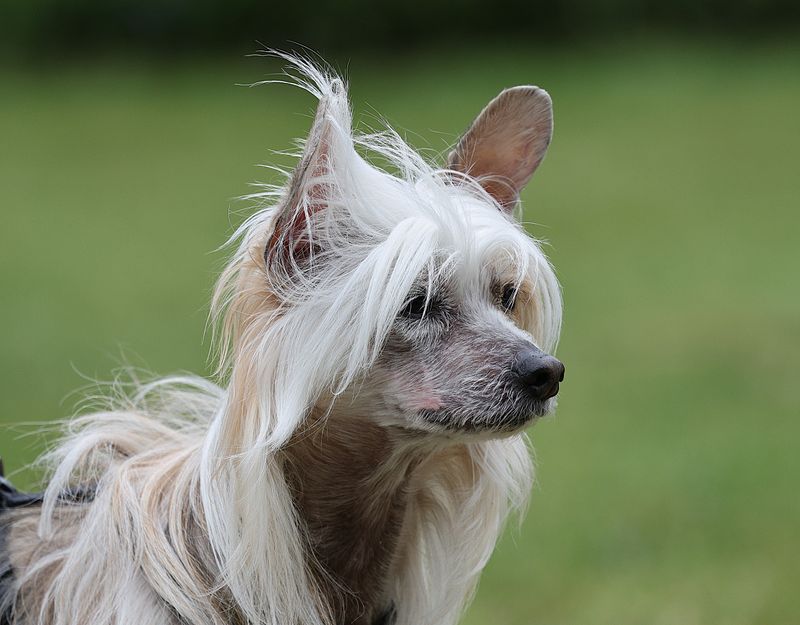
Chinese Crested
A small, elegant companion in two versions, nearly naked or softly veiled, that treats its owner's lap as home territory.
EnergyGroomingFlat life
Basenji
A small hunting dog from Central Africa that yodels rather than barks, grooms itself like a cat and thinks for itself at every turn.
EnergyGroomingFlat life

