History
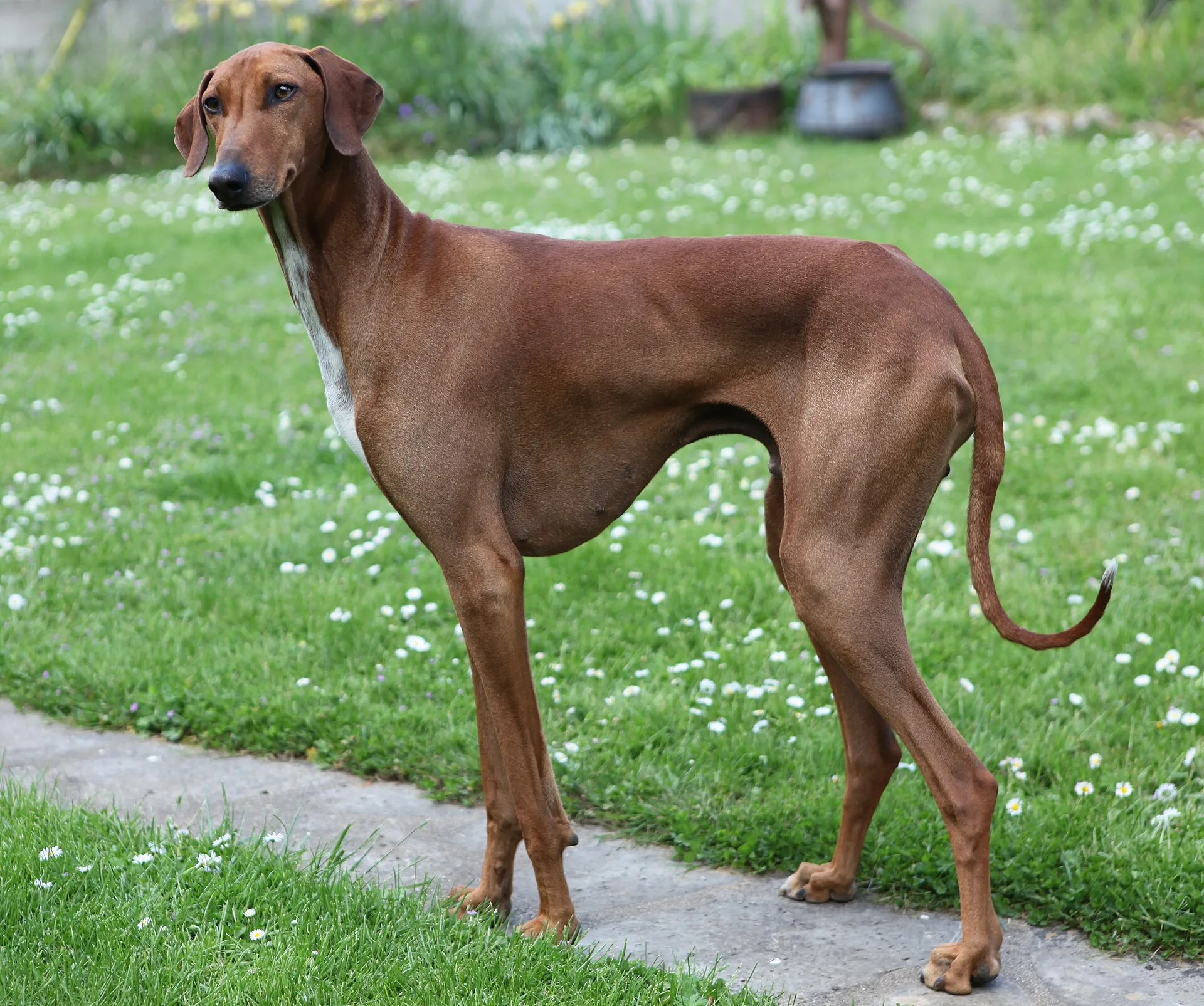
The Azawakh comes from the Sahel, along the northern borders of Mali and Niger and the slopes of the Azawakh valley, which gives the breed its name. The FCI standard, held under French patronage, links it to the sighthounds depicted in ancient rock art of the central Sahara. It was kept by nomadic peoples, the standard names the Tuareg, Dahoussahaq and Peul, who used it both to hunt gazelle, hare and ostrich and to drive predators away from camps and herds. In Tuareg it is called Oska.
European interest began in the 1960s, and the standard notes that dogs were exported from the region from 1968 onwards. France took on patronage of the breed within the FCI, where it sits in Group 10, Section 3, among the short-haired sighthounds; the current standard dates from 2019. In its homeland it was never purely a hunting tool: it lived close to the family, guarded the camp, and was selected for speed, endurance in heat and a strong bond with its owners.
Temperament
The standard describes the Azawakh as quick, attentive and distant, often very reserved with strangers, yet gentle and affectionate with its family and with people it chooses to accept. That matches the experience of most handlers. At home many are quiet, sensitive dogs that like warmth, comfort and closeness, and they often attach strongly to one or two people.
Outside the home they watch the world carefully. Many dislike being touched by strangers and will step back rather than greet, and a few become protective of their space or their people. They are not a dog for crowded cafés or for being petted by passers-by. A watchful, slightly aloof manner is normal for the breed and should not be mistaken for shyness, but poor socialisation can turn reserve into real fearfulness.
Children and other pets
With its own family, including calm and respectful children, an Azawakh can be very affectionate. It is less suited to homes with frequent visiting children, noisy play or a lot of coming and going, as it can find unfamiliar people stressful. Many live well with other dogs, especially other sighthounds, and some accept a cat they were raised with. Unknown cats, rabbits and small animals outside will usually be treated as prey, and chasing is fast and instinctive.
Exercise and the daily walk
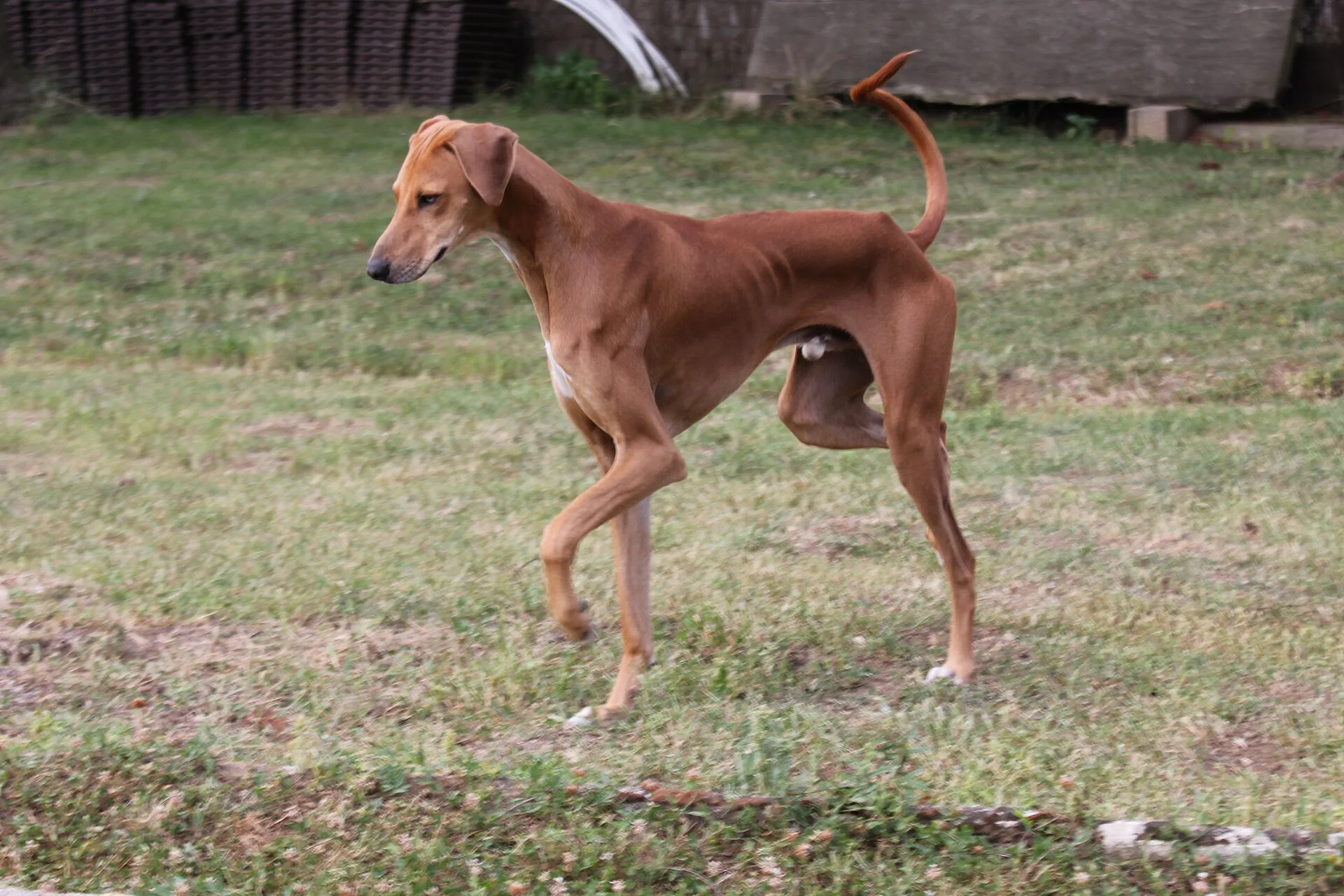
An Azawakh needs daily walks and, ideally, regular chances to run at full speed in a securely fenced area. An hour or more of walking, split over the day, keeps most adults content, with a couple of proper sprints a week. On lead they move with a light, springy gait and are usually easy companions, but they notice movement at great distance.
Off-lead running belongs in enclosed fields only. Recall cannot compete with a running hare or deer, and a sighthound at full speed covers ground very quickly near roads. Unlike many breeds, the Azawakh copes well with warm weather, but it feels the cold and the wet: a coat is sensible on cold Luxembourg winter mornings, and some will refuse to go out in heavy rain.
Training
Azawakhs are intelligent but independent and sensitive. They learn quickly when training makes sense to them and is calm, short and rewarding; they shut down or ignore repetitive commands and any form of harshness. Expect cooperation rather than obedience, built on a strong relationship.
Socialisation matters enormously. From puppyhood, expose the dog to people, traffic, lifts and visitors in a gentle, controlled way, and let it observe at its own pace rather than forcing contact. Teach a calm settle, a reliable lead walk and handling for the vet. Some owners also find muzzle training useful for the vet clinic, as many Azawakhs are touch-sensitive with strangers.
Coat and grooming
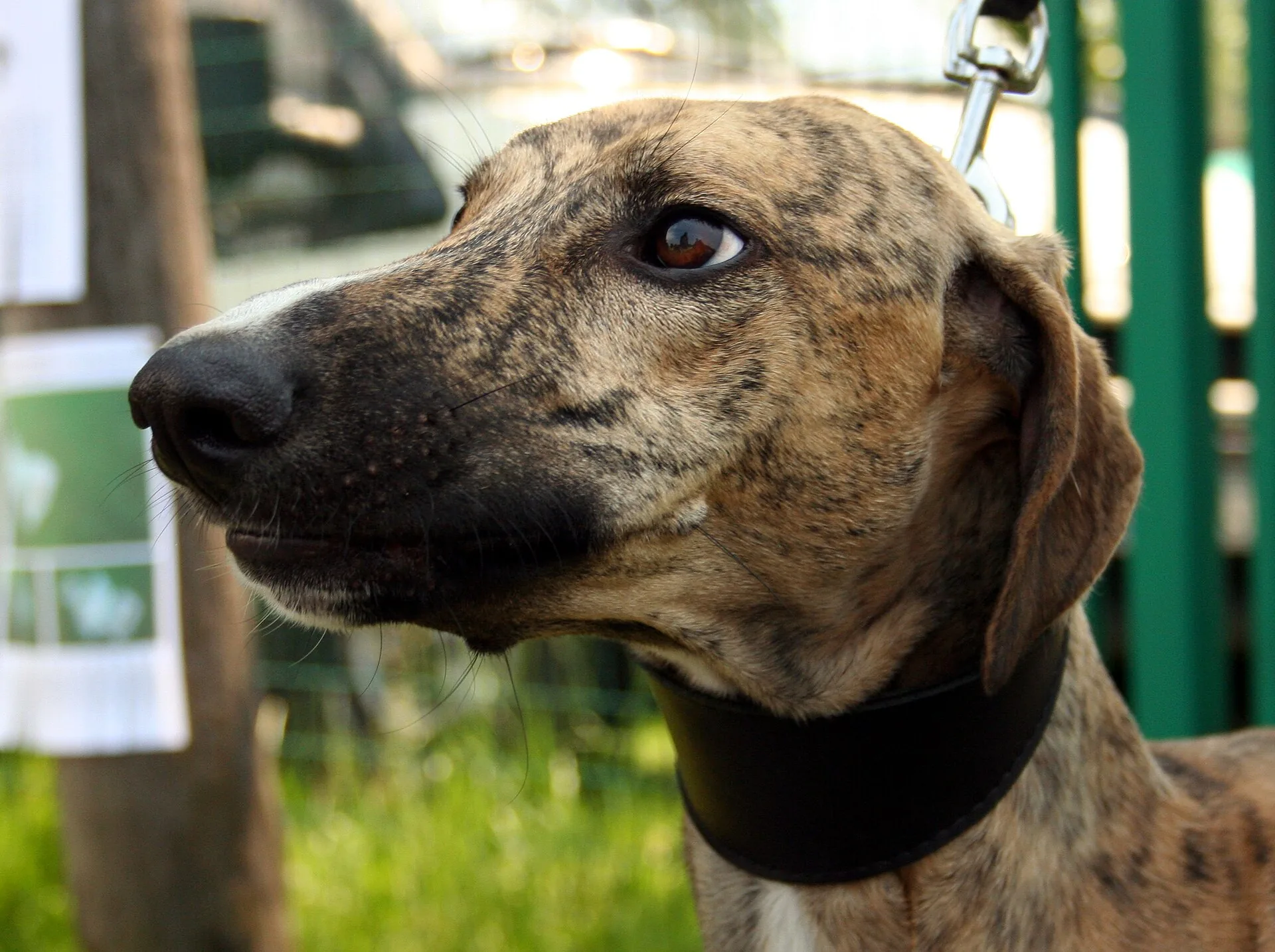
The coat is short and fine, almost absent on the belly, so grooming is minimal: a wipe with a damp cloth or soft brush once a week, regular nail trimming and a check of the thin skin for scrapes after runs. Shedding is light. The FCI standard lists fawn, from clear sand to dark fawn or mahogany, with or without black brindle, with white limited to the extremities, and a black mask permitted. Other national kennel clubs accept a wider range of colours than the FCI.
Feeding and weight
Azawakhs should look lean, with hip bones and some ribs visible; owners used to other breeds often worry they are too thin. Feed a complete, good quality diet in measured meals, usually two a day, and adjust to condition. Some are picky eaters. Avoid strenuous exercise straight after a large meal, and offer fresh water at all times, particularly after running.
Work out a starting calorie figure and food weight with the calorie calculator. Not sure this is the right breed? Take the quiz.
Health
Every breed carries predispositions. These are the conditions most often discussed for the Azawakh, not a prediction for any individual dog.
- Hypothyroidism (underactive thyroid)
- Masticatory muscle myositis and other autoimmune conditions
- Seizures (idiopathic epilepsy)
- Sensitivity to anaesthetics, as in other lean sighthounds
- Skin tears and cuts, due to thin skin and little body fat
What to ask the breeder. Ask the breeder what is known about epilepsy, autoimmune disease and thyroid problems in the parents and their relatives, and how the parents behave with strangers, since temperament is as important as health.
Choosing a puppy
An Azawakh puppy needs careful, gentle socialisation from the first day: meeting calm people at a distance, hearing traffic and lifts, and learning that new situations are safe. Avoid overwhelming experiences, as fearful memories last. Keep exercise short and free while bones grow, and avoid jumping from heights and slippery floors. Teach the puppy to be handled for grooming and vet care using food rewards. Crate or pen training helps when the puppy has to be left.
In Luxembourg the national kennel club is the Fédération Cynologique Luxembourgeoise (FCL), a member of the FCI. Many owners also buy from breeders in Germany, France or Belgium; a puppy coming from another EU country must be microchipped and vaccinated against rabies, which in practice means it cannot travel before about fifteen weeks of age. Where to get a dog in Luxembourg.
The older Azawakh
Older Azawakhs usually stay lean and graceful, but muscle can fade and joints stiffen. Keep walks regular and shorter, with gentle free movement rather than hard sprints. Provide soft, warm bedding, since these dogs have little padding. Check weight and appetite, as some seniors become picky, and keep up regular vet checks for thyroid function. A coat in winter is even more useful for an older dog.
A realistic day
A realistic weekday for a working household in Luxembourg City, with a midday visit. Adjust it to your dog, not the other way round.
Calm 30-minute walk on lead along quiet streets, with a warm coat in winter, then breakfast.
Back to a soft bed or the sofa; most Azawakhs sleep through much of the morning.
PAWLY midday visit by a familiar walker: a 45-minute walk in a quiet green area, fresh water and a check of the skin for scrapes.
Main exercise: a brisk hour on lead, or a run in a securely fenced field at weekends, followed by dinner.
Short last outing, then a warm blanket and quiet time with the family.
An Azawakh in Luxembourg
An Azawakh can live well in a flat. Indoors it is usually quiet and clean, and its main needs are a soft bed, warmth and its people. The challenges are outside: busy lifts and stairwells with strangers, neighbours who want to stroke the dog, and buses or trams at rush hour can all be stressful. Gradual exposure helps, and many owners choose quieter travel times and routes.
Luxembourg's summer heat suits this breed better than most, though water and shade are still needed. Winters are harder: on cold, wet November evenings a fitted coat makes a real difference. Woodland such as Bambësch and the Grünewald is full of deer, so keep the dog on lead there. For running, look for a secure fenced dog area or a rented field; a sighthound off lead near roads is a serious risk.
Every dog in Luxembourg must be identified, declared to the commune and covered by liability insurance. How registration works.
When you travel
A sitter must be someone the dog has already met, ideally several times, because Azawakhs are wary of strangers. Never let the dog off lead, and keep doors, gates and balconies secure. Follow the usual routine closely, provide warmth and soft bedding, and do not push for contact; let the dog approach. Report any loss of appetite early, as some Azawakhs eat less when their owner is away.
PAWLY's holiday and overnight care takes place in your home, so your dog keeps its own bed and routine.
Myths and facts
MythAzawakhs are aggressive.
FactThey are reserved and can be protective, which the standard expects, but a well-bred, well-socialised Azawakh is gentle and affectionate with its family.
MythThey are too thin and must be underfed.
FactA visible outline of hips and ribs is normal for a fit Azawakh. A vet can confirm healthy body condition.
MythSighthounds need hours of running every day.
FactThey need regular sprints and daily walks, but most adults spend much of the day asleep and are calm at home.
Is it the right dog for you?
Suits
- Experienced owners who like a sensitive, independent dog
- Calm adult households
- People with access to a secure fenced running area
- Owners who prefer a quiet dog indoors
Think twice if
- You want a dog that greets everyone happily
- Your home has many visitors and young children
- You keep cats or small pets that the dog has not grown up with
- You hope to let the dog run free in forests
Questions owners ask
Is an Azawakh a good first dog?
Generally not. Its reserve with strangers, sensitivity and strong chase instinct need careful handling and a lot of socialisation. A first-time owner who has spent time with the breed and has support from an experienced breeder can manage, but it is a demanding start.
Does the Azawakh cope with cold weather?
Not especially well. It has a very short coat, little body fat and sparse hair on the belly. A fitted coat for cold or wet days and a warm bed indoors are needed in a Luxembourg winter.
Can it live with another dog?
Many Azawakhs enjoy the company of another dog, often another sighthound. Introductions should be calm and gradual, and the pair should be compatible in size and play style.
Will it guard the home?
Many will alert to strangers and some act protectively, as they did in nomadic camps. This should be managed, not encouraged, so that visitors and service workers can enter safely.
Sources
- FCI breed standard No. 307 (Azawakh)
- AKC Hound Group health testing requirements
- PetMD, Azawakh breed profile
Photo: Pat028, CC BY-SA 3.0, via Wikimedia Commons · Photo: Pleple2000, CC BY-SA 3.0, via Wikimedia Commons · Photo: Pat028, CC BY-SA 3.0, via Wikimedia Commons
General information for dog owners in Luxembourg, not veterinary or legal advice. Official facts (origin, size, group, history and temperament as described by the breed standard) follow the FCI standard; health and care sections reflect breed-club and veterinary guidance and are typical ranges rather than rules. For your own dog, ask your vet, the breed club or your commune. How this guide is written and checked. Last reviewed 8 October 2026.
Need someone for your Azawakh?
PAWLY offers an individual 45-minute walk or a home visit at your dog's pace, the same walker every time, and a written report with photos after every visit, across Luxembourg City.
Read next: the journal, for the Azawakh
All articles
Building a recall you can actually rely on
Sighthounds chase at speed and often cannot be recalled; the Azawakh needs a realistic plan.

Dogs in hot weather: the Luxembourg summer guide
The Azawakh carries a heavy coat or a heavy frame, which makes a Luxembourg summer the hard season.

How much exercise does your dog actually need?
The Azawakh is an active breed, so it is worth checking the exercise numbers against your actual week.
Similar breeds
All 198 breeds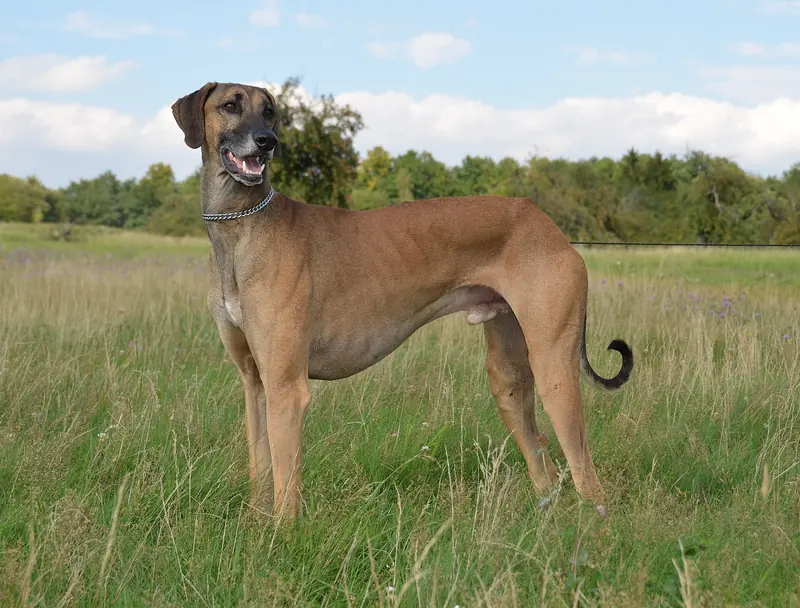
Sloughi
A lean North African sighthound that is aloof with strangers, devoted to its family and happiest asleep on a soft bed between sprints.
EnergyGroomingFlat life
Saluki
An ancient desert hunter of great speed and stamina, gentle and reserved at home, and utterly single-minded once it spots something running.
EnergyGroomingFlat life
Whippet
A sprinter who sleeps most of the day: one of the best city dogs you have never considered.
EnergyGroomingFlat life

