
History
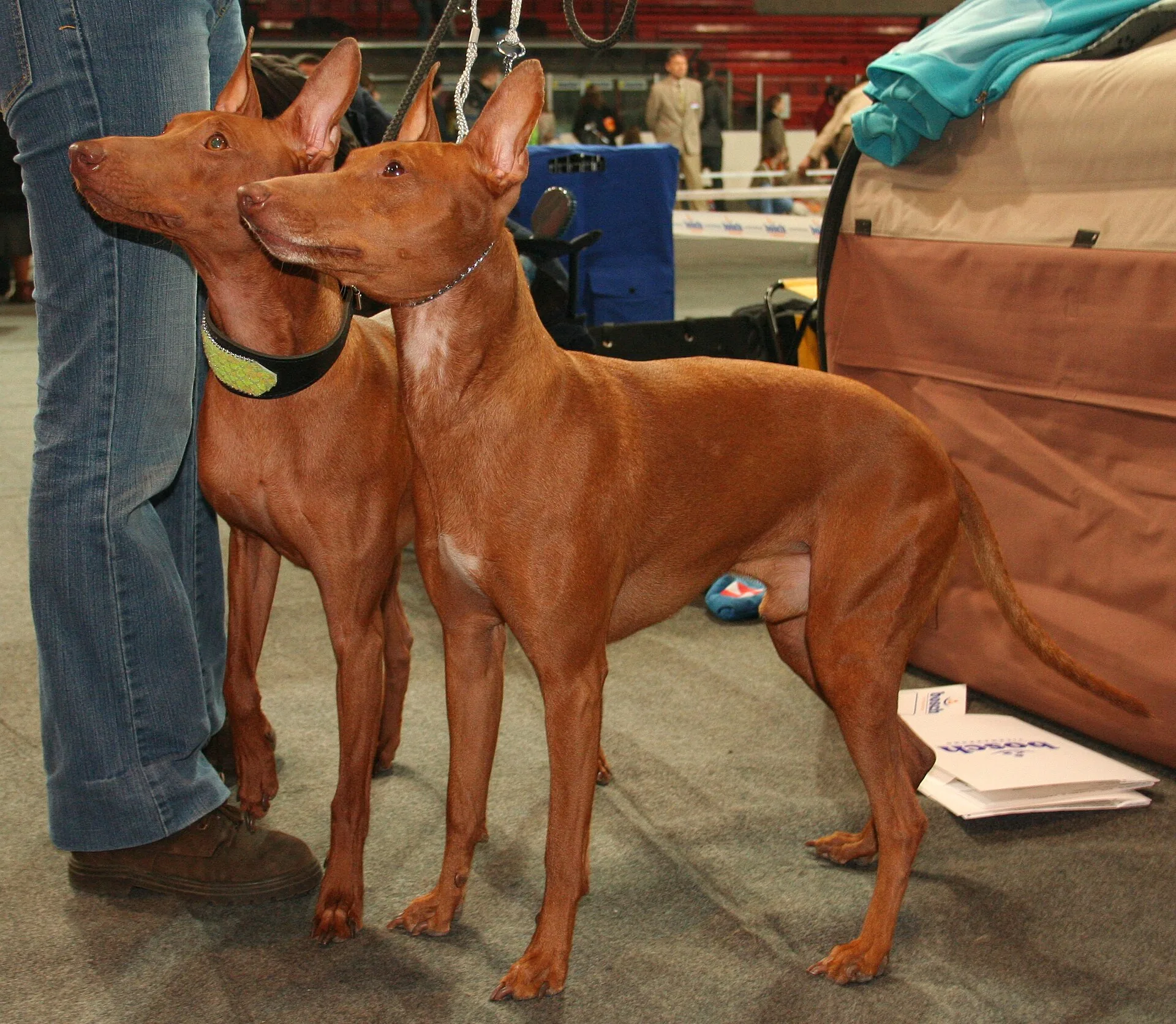
The Cirneco dell'Etna comes from Sicily, and the FCI standard calls it an ancient Mediterranean breed that has lived on the island since classical antiquity. Scholars believe it descends from the hunting dogs of the Egyptian pharaohs, brought to the Mediterranean by the Phoenicians, who made Sicily a principal settlement. The standard points to ancient coins, engravings and mosaics from before the time of Christ that show a dog of the same type.
The name ties the breed to Mount Etna, whose rough volcanic ground suited a light, agile hunter. The FCI lists the Cirneco as a hunting dog used in particular for wild rabbit, working by scent, sight and hearing together. The current standard is dated 2016 and places it in Group 5, Section 7, primitive type hunting dogs. It remains rare outside Italy, which is part of its charm and part of the difficulty in finding a well-bred puppy.
Temperament
The FCI describes the Cirneco as strong-willed, uncompromising, affectionate and alert, a resolute dog very attached to its owner. Those words are well chosen. At home it is gentle, tidy and quietly clingy, often choosing the warmest spot on the sofa and shadowing one person from room to room. Outdoors the same dog becomes a determined hunter that notices a movement long before you do.
It is not a pushover for a beginner, nor a difficult dog for a patient one. The independence is real: a Cirneco weighs up each request and asks whether it is worth the trouble. Many are reserved with strangers, alert at the door without being noisy guards, and sensitive to raised voices. Early, calm socialisation turns that reserve into polite aloofness, not nervousness.
Children and other pets
Most Cirnechi enjoy family life and are affectionate with respectful children, but the fine legs and slender frame are not suited to rough games or sudden grabs, so toddlers need supervision. Living with other dogs is usually easy, and they often like a canine companion. Cats in the same house can work if introduced young, yet anything small that bolts across a garden, a rabbit or a hamster in a cage included, will be treated as quarry.
Exercise and the daily walk
A healthy adult needs roughly an hour to an hour and a half of activity a day, split into at least two outings. The breed has stamina beyond its delicate looks, and a Cirneco that only trots round the block will find its own entertainment indoors. Brisk walks, jogging alongside a cyclist on a quiet path and games with a flirt pole or ball are all welcome.
Off-lead running is the great treat, but only where it is truly safe. A hunting dog with a scent or a rabbit in sight is not listening for your recall, and these dogs jump and dig well, so fences must be sound. Many owners use a long line in woodland and save free running for enclosed areas. In wet weather the thin coat gives little protection, so a light waterproof is sensible.
Training
Short, varied sessions with food or a favourite toy work best. The Cirneco is intelligent and picks things up quickly, but it gets bored with repetition and will simply stop cooperating if drilling goes on too long. Use positive methods and keep a sense of humour; heavy-handedness produces a dog that shuts down. Reward the first correct response and end while the dog is still keen.
Recall is the lesson that never quite finishes. Start young, practise in quiet, enclosed places and reward generously, then expect to keep the dog on a lead near roads and in forest for life. Crate training and early lessons in being left alone prevent the separation worries these attached dogs can develop. Lift, bus and tram manners are easy to teach, because most are naturally calm in company.
Coat and grooming
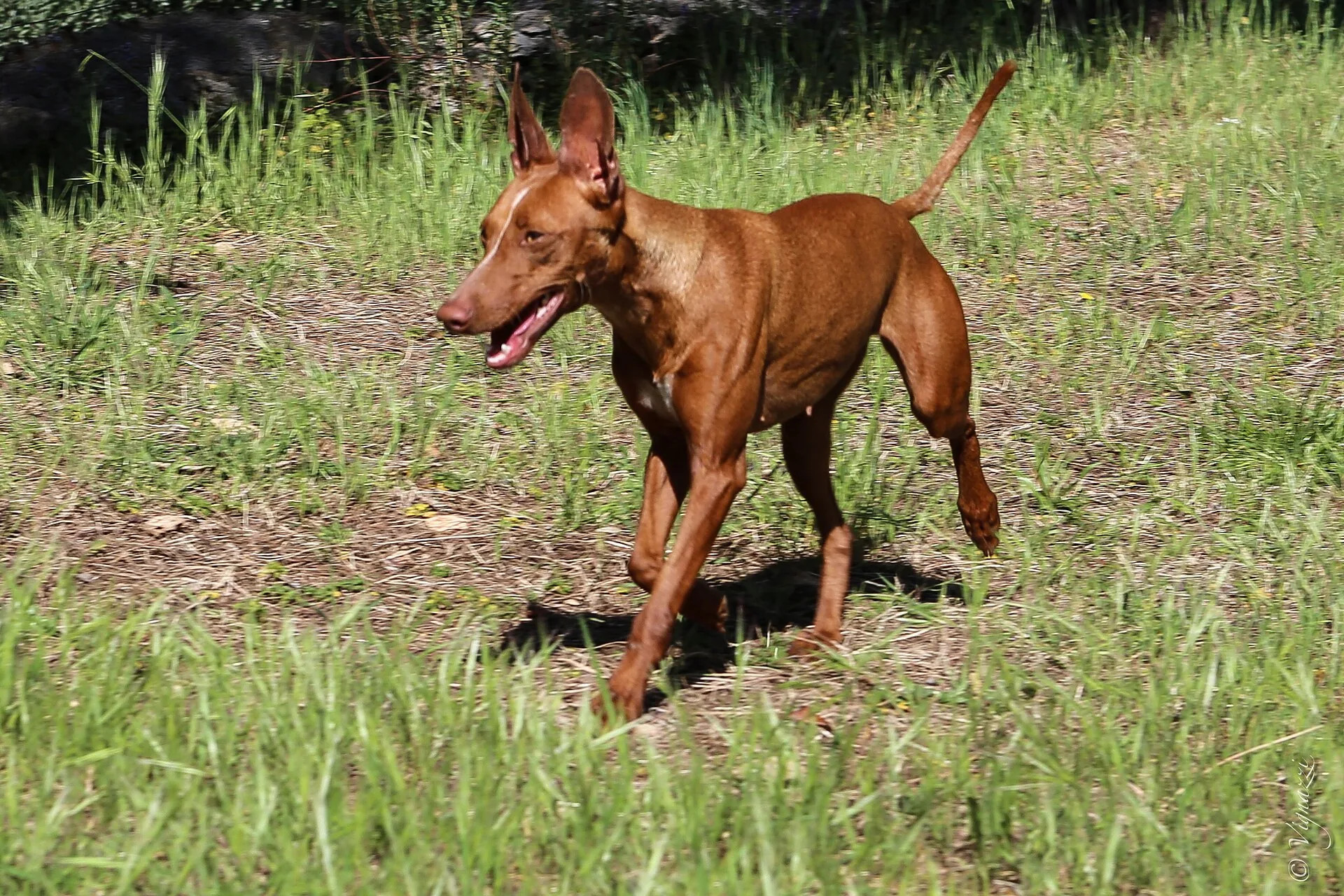
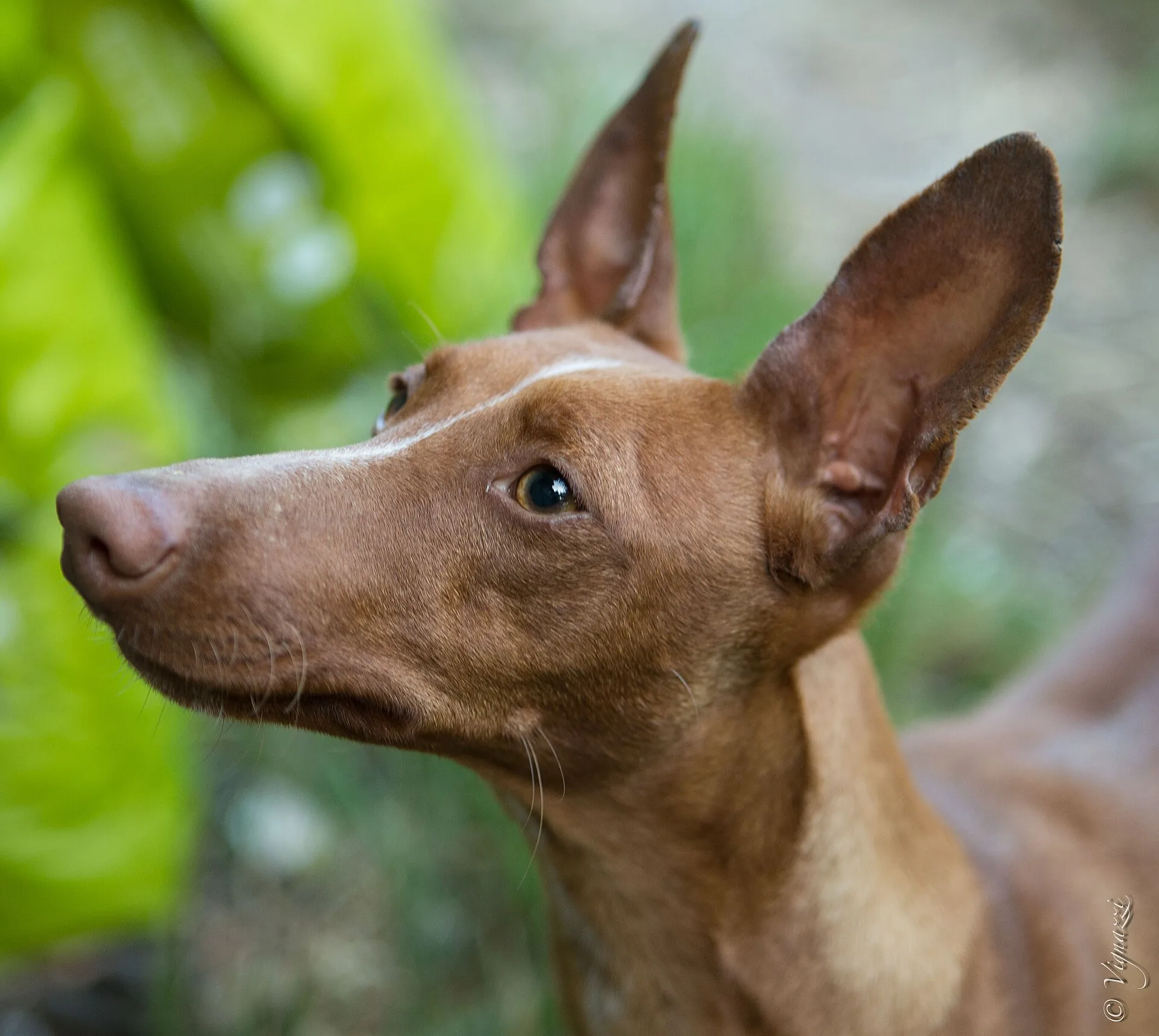
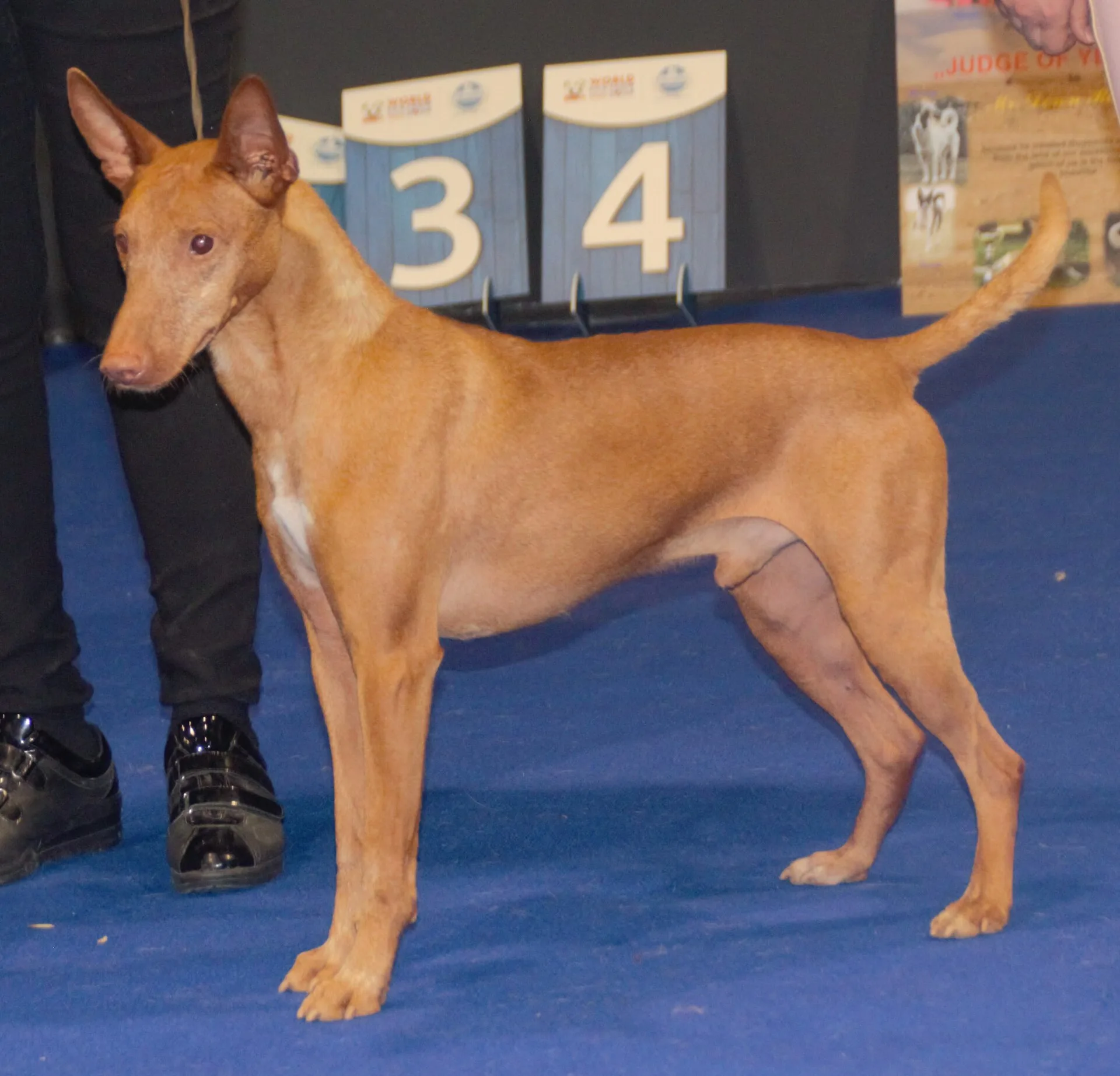
The FCI describes a sleek coat, semi-long on the body at about 2.5 cm and smooth on the head, ears and legs. It is easy to keep: a weekly rub with a rubber mitt or soft brush removes dead hair, and baths are rarely needed. Shedding is light to moderate. Permitted colours are fawn in all shades, from dark to light, and tan and white, with white allowed on the head, chest, feet, tail tip and belly. The thin coat offers little insulation in winter.
Feeding and weight
Feed a good complete diet suited to a lean, active medium-sized dog, in two meals a day. Cirnechi are naturally slender and should show a hint of rib, so avoid the temptation to bulk up a dog that merely looks thin. Watch treats during training and measure portions. Fresh water should always be available, particularly after warm-weather exercise. Introduce any change of food gradually.
Work out a starting calorie figure and food weight with the calorie calculator. Not sure this is the right breed? Take the quiz.
Health
Every breed carries predispositions. These are the conditions most often discussed for the Cirneco dell'Etna, not a prediction for any individual dog.
- Generally a robust breed with few well-documented breed-specific conditions
- Luxating patella (kneecap slipping out of place), reported in some lines
- Hip dysplasia, occasionally reported and worth screening for
- Dental disease, which needs regular home care as in most breeds
- Minor cuts and scrapes, since the coat and skin are thin
What to ask the breeder. Ask whether the parents have been hip and patella tested and have had a recent eye check, and how the breeder has socialised the litter, given that the breed is rare and breeders are few.
Choosing a puppy
Cirneco puppies are lively, agile and surprisingly good climbers, so puppy-proof furniture and balconies. Keep exercise gentle while the long bones grow, avoiding long runs and repeated jumping from sofas. Start socialisation early with different people, surfaces and noises, including the lift and city traffic. Teach a recall game from the first week, and practise being alone for short spells. Provide chews, since the sharp little teeth will otherwise find skirting boards.
In Luxembourg the national kennel club is the Fédération Cynologique Luxembourgeoise (FCL), a member of the FCI. Many owners also buy from breeders in Germany, France or Belgium; a puppy coming from another EU country must be microchipped and vaccinated against rabies, which in practice means it cannot travel before about fifteen weeks of age. Where to get a dog in Luxembourg.
The older Cirneco dell'Etna
Many Cirnechi stay sprightly well into their teens, but from about ten years it is wise to shorten the walks and add a second, quieter outing. Look out for stiffness after rest, thinning teeth and a duller coat. A warm, padded bed away from draughts matters for such a lean dog, and a coat for winter walks is a kindness. Regular vet checks, including dental care, keep the later years comfortable.
A realistic day
A realistic weekday for a working household in Luxembourg City, with a midday visit. Adjust it to your dog, not the other way round.
Twenty-minute lead walk before breakfast, with a few minutes of sniffing in a quiet street, then a meal.
Owner leaves; the dog curls up in a warm bed with a chew and a safe toy.
Midday visit: a brisk 40-minute walk, ideally somewhere safe for a short run, fresh water and a cuddle.
Evening outing of about an hour in a park or on a forest track, with a ball or flirt pole game.
Short toilet break, a calm treat and bed on the sofa or in the bedroom.
A Cirneco dell'Etna in Luxembourg
The Cirneco's size, short coat and quiet indoor manner suit a flat, and a dog this calm takes the lift and the stairwell in its stride. Luxembourg's wet, grey winters are less welcome to a Sicilian: expect a coat on the walk and a reluctant dog at the door when it rains. In summer a Mediterranean breed is at home in the warmth, but even so avoid exercise in the middle of a 30 °C day.
For exercise, the Pétrusse valley and Parc Merl are good for lead walks, while the Bambësch forest and the Grünewald offer the space this dog craves. Because the instinct to chase is strong, use a long line there unless you have a fully enclosed area. Remember that every dog must be microchipped, declared to the commune and insured, and the commune charges an annual dog tax. The Fédération Cynologique Luxembourgeoise can help you find breeders and dog sports.
Every dog in Luxembourg must be identified, declared to the commune and covered by liability insurance. How registration works.
When you travel
A sitter should know that this dog is attached to one person and may seem subdued for the first day. Keep it on a lead or long line in every open space, check gates and fences, and take care that a small pet is never left within reach. Provide a warm bed and a coat for outings. Keep to the usual meals and walk times, and leave clear vet and owner contact details.
PAWLY's holiday and overnight care takes place in your home, so your dog keeps its own bed and routine.
Myths and facts
MythIt is just a small Ibizan Hound or Pharaoh Hound.
FactIt is a separate Sicilian breed, with its own FCI standard, a smaller frame and a different, more compact build.
MythA hunting breed needs a big garden.
FactIt does well in a flat if it gets a proper daily outing and a safe place to run, but it cannot be trusted off lead near rabbits or roads.
MythThin means underfed.
FactThe Cirneco is naturally lean and fine-boned. A hint of rib is correct, and extra weight is the more likely problem.
Is it the right dog for you?
Suits
- Active owners who enjoy walking in all weathers
- People who like an affectionate but independent dog
- Homes with a safe fenced area for free running
- Households without small pets
Think twice if
- You want a dog with perfect off-lead recall
- You have rabbits, rodents or other small pets
- The dog would be left alone for long hours
- You want a very easy first dog
Questions owners ask
Is the Cirneco dell'Etna good in a flat?
Yes, provided it gets a good daily outing. Indoors it is calm, clean and quiet, and it likes a warm spot on the sofa. Without exercise, it can become restless and inventive, so plan at least two walks a day with some chance to run.
Do Cirnechi bark a lot?
They are alert and will announce a visitor, but they are not typically noisy dogs. Boredom and loneliness encourage barking, so mental stimulation and a steady routine help keep neighbours content.
Can a Cirneco live with a cat?
Often yes, if they meet young and the cat has somewhere high to retreat. The hunting drive is real, however, and a cat that runs may trigger a chase. Introduce them gradually and never leave them unsupervised at first.
Is it a difficult breed to find in Luxembourg?
It is rare, so expect to wait and to look abroad, most likely in Italy or neighbouring countries. Ask the Fédération Cynologique Luxembourgeoise for guidance and be wary of anyone selling puppies without health tests.
Sources
Photo: Unsplash (Unsplash License) · Photo: Vignazzi, CC BY-SA 4.0, via Wikimedia Commons · Photo: Vignazzi, CC BY-SA 4.0, via Wikimedia Commons · Photo: Canarian, CC BY 4.0, via Wikimedia Commons · Photo: Pleple2000, CC BY-SA 4.0, via Wikimedia Commons
General information for dog owners in Luxembourg, not veterinary or legal advice. Official facts (origin, size, group, history and temperament as described by the breed standard) follow the FCI standard; health and care sections reflect breed-club and veterinary guidance and are typical ranges rather than rules. For your own dog, ask your vet, the breed club or your commune. How this guide is written and checked. Last reviewed 8 October 2026.
Need someone for your Cirneco dell'Etna?
PAWLY offers an individual 45-minute walk or a home visit at your dog's pace, the same walker every time, and a written report with photos after every visit, across Luxembourg City.
Read next: the journal, for the Cirneco dell'Etna
All articles
The itchy dog: working through it in the right order
Skin trouble is among the conditions discussed for the Cirneco dell'Etna; this is the order to work through it.

What actually tires a dog indoors
Walks alone rarely tire a busy breed like the Cirneco dell'Etna; this covers what works indoors.

How much exercise does your dog actually need?
The Cirneco dell'Etna is an active breed, so it is worth checking the exercise numbers against your actual week.
Similar breeds
All 198 breeds
Ibizan Hound
A lean, big-eared Mediterranean hunter that sleeps like a cat on the sofa and clears a garden fence like a gazelle.
EnergyGroomingFlat life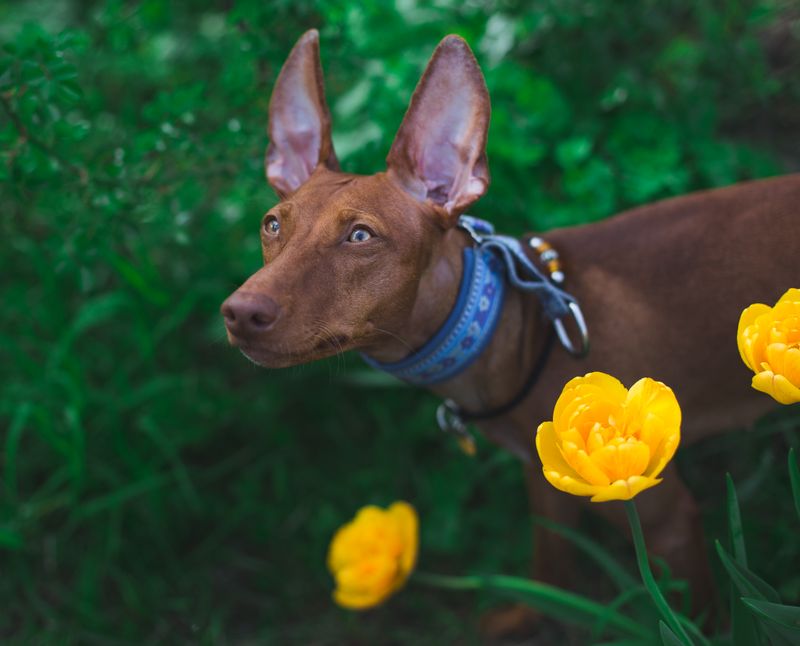
Pharaoh Hound
Malta's elegant tan hunting dog, which blushes when it is happy and hunts by sight, scent and hearing.
EnergyGroomingFlat life
Whippet
A sprinter who sleeps most of the day: one of the best city dogs you have never considered.
EnergyGroomingFlat life

