

History
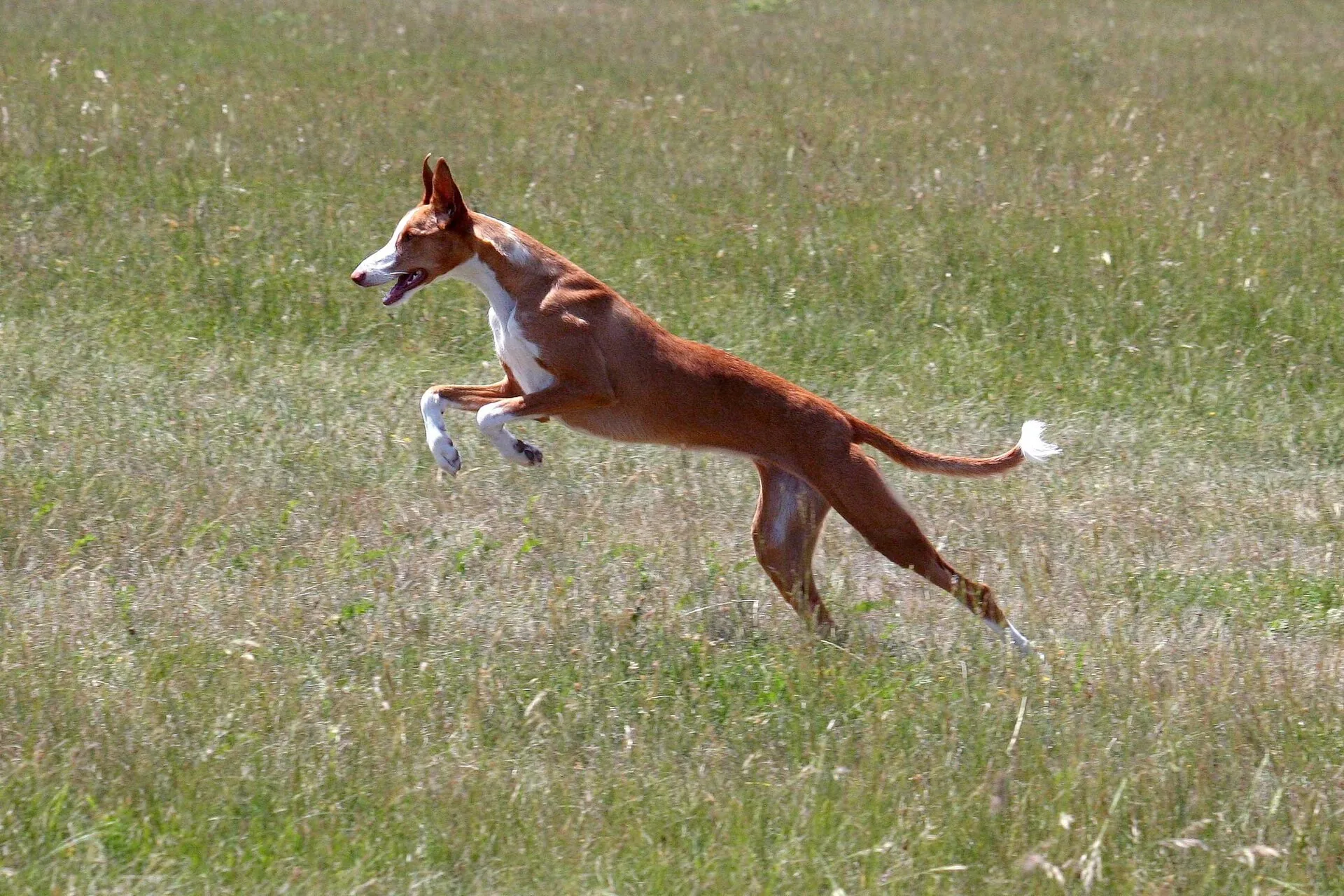
The FCI lists this breed as the Podenco Ibicenco, with Spain as its country of origin, and it is also known on the islands as the Ca Eivissenc. It developed in the Balearic Islands, Majorca, Ibiza, Minorca and Formentera, and the standard suggests that it probably arrived with the Phoenicians, the Carthaginians and the Romans. It cites ancient illustrations showing a similar dog as early as 3400 BC, which would make the breed one of the oldest still living.
The islands' hunters used it to catch rabbits, working without firearms, by day and by night. The standard says it depends more on scent and hearing than on sight, and that it is good at finding game in thick cover. It also hunts hare and larger game, and retrieves. Packs are traditionally made up of bitches, or of one male with several bitches, as males tend to quarrel with each other. The FCI classes the breed in Group 5, Section 7, primitive type hunting dogs, without a working trial.
Temperament
The FCI standard describes an intelligent but cautious dog that can show fear and mistrust of strangers, and that barks mainly when it sights game or has surrounded it. At home the Ibizan Hound is gentle, quiet and attached to its people, with a sense of humour that surprises first-time owners.
A dog that has been drifting around the flat for hours can switch to full speed in a second when something small bolts, and it will not hear you. It also uses scent and hearing, so it is not a pure sighthound that stops when the target is out of view. Reserve with strangers is normal and should be handled with calm socialisation, not by forcing greetings.
Children and other pets
Ibizan Hounds are usually kind with children who treat them quietly, but they are not tolerant of rough handling or sudden grabs, and their long, thin legs are easily hurt by a toddler's enthusiasm. They get on well with other dogs, particularly other hounds, though two males may quarrel, as the standard notes. Cats raised alongside the dog are often accepted, yet a strange cat or a rabbit will be chased, and small pets in the same home need careful separation.
Exercise and the daily walk
This is a runner, and a healthy adult needs about an hour and a half to two hours a day, including some chance to stretch out at speed. A fully fenced field, a secure dog park or a long line in open country are realistic. Ibizans can jump remarkably high from a standstill, so a one-metre fence is not enough, and a dog that spots a hare will test every gap.
Many owners find the breed is happy with moderate lead walks on most days if it gets a proper gallop once or twice a week. Lure coursing, scent games and hide-and-seek on walks add mental work. Keep puppies from heavy jumping and long hard runs until they are fully grown, and keep an eye on feet and thin skin when running on rough ground. In cold, wet weather the dog will want a coat, as it has little body fat.
Training
An Ibizan Hound is intelligent but independent, and training should be a game and not a drill. Short sessions, plenty of rewards and variety work far better than repetition. Most are polite indoors and learn house manners quickly, but they are inclined to think about whether a request is worth the effort.
Recall is the great limitation. Even a well trained hound will drop its manners when it sights quarry, so an escape proof garden, a long line and a harness are essential. Early socialisation to people, traffic, lifts, trams and other dogs prevents the natural caution of the breed from becoming fearfulness.
Coat and grooming
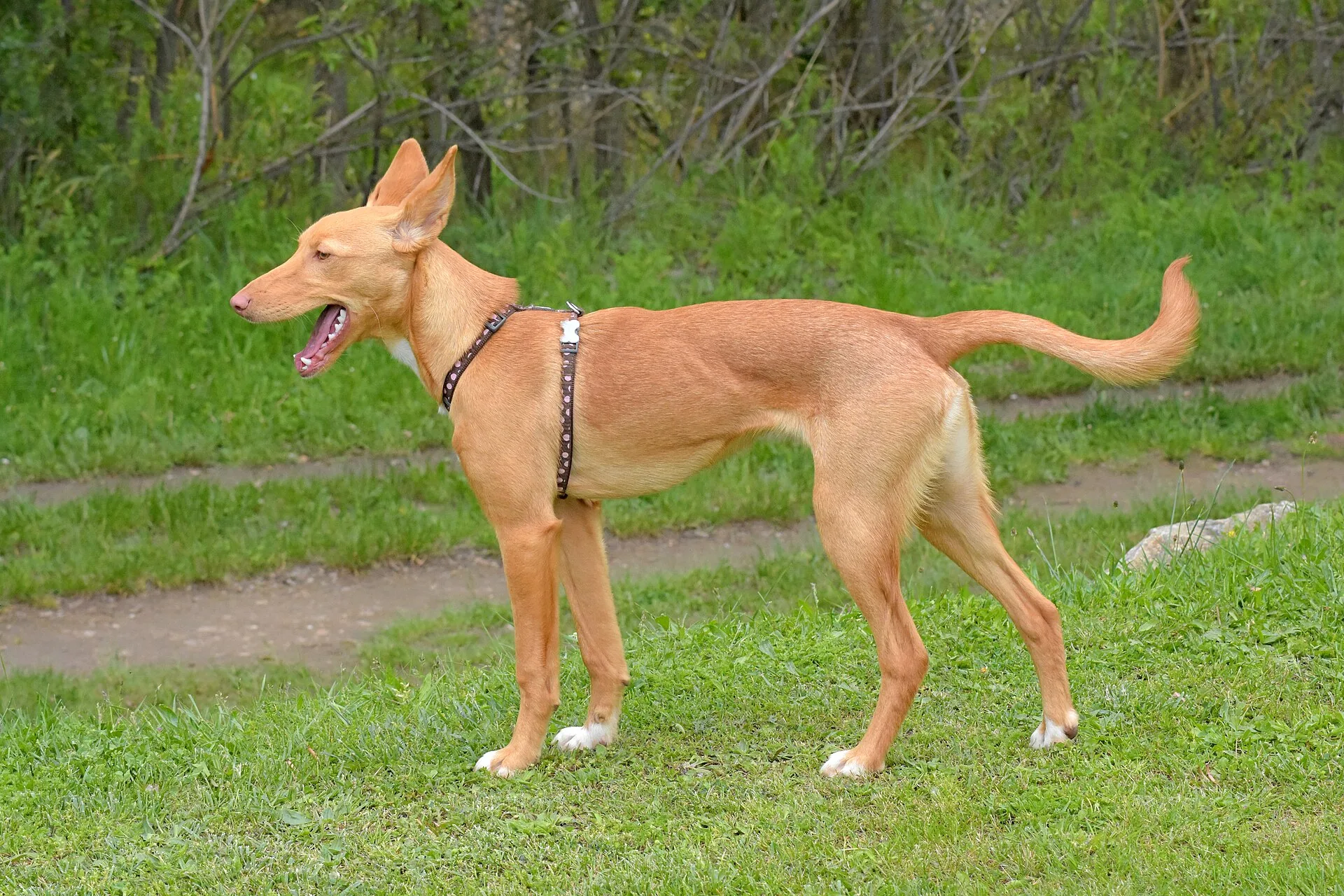
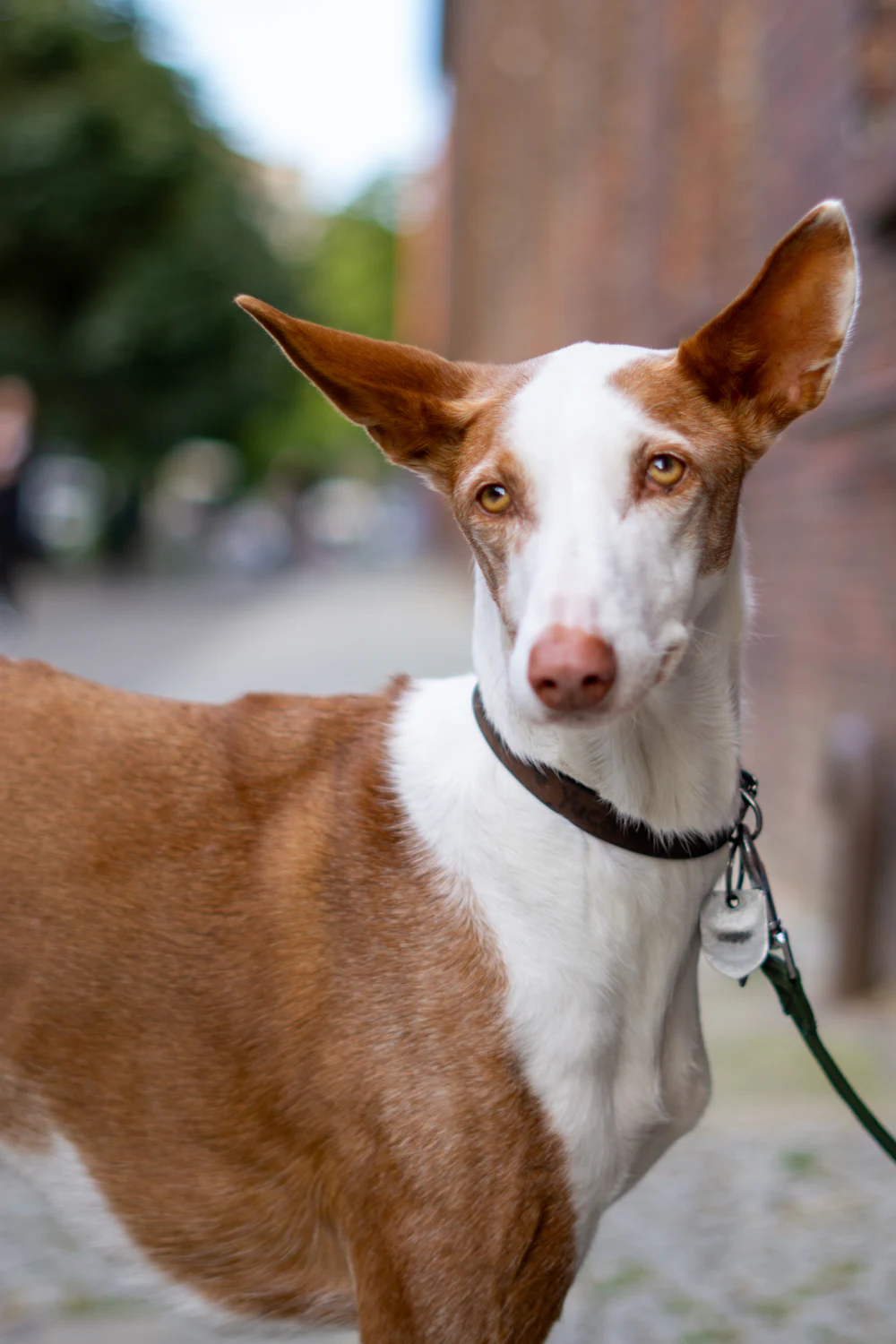
The FCI standard recognises three coat varieties: smooth, with a strong and shiny coat that should not be silky, rough, with a hard, dense coat, and long, with hair of at least 5 centimetres. The permitted colours are white and red, or entirely white or red; fawn is allowed only in exceptional rough-coated dogs. Care is simple, with a weekly brush for smooth coats and a little more for rough or long ones. The thin skin tears easily, so check for cuts after rough country.
Feeding and weight
The Ibizan Hound is a lean, athletic dog and should stay that way, with the last ribs faintly visible. Feed a good quality complete diet, split into two meals, and adjust the amount to the dog's activity, which can vary a great deal between days.
Work out a starting calorie figure and food weight with the calorie calculator. Not sure this is the right breed? Take the quiz.
Health
Every breed carries predispositions. These are the conditions most often discussed for the Ibizan Hound, not a prediction for any individual dog.
- Sensitivity to anaesthetics, as with many lean sighthound and hound types
- Thin skin that tears and cuts easily
- Deafness, which has been reported in the breed
- Eye conditions, including some inherited problems
- Joint and ligament injuries from running and jumping
What to ask the breeder. Ask the breeder about hearing tests (BAER) for puppies and parents, eye examination results, and the longevity and general health of the dogs in the pedigree.
Choosing a puppy
Puppy proof the home, because it will climb and jump well before you expect. Keep play controlled and avoid long runs until growth ends, usually after a year or more. Start social experiences early and calmly, as a cautious puppy can become a fearful adult.
In Luxembourg the national kennel club is the Fédération Cynologique Luxembourgeoise (FCL), a member of the FCI. Many owners also buy from breeders in Germany, France or Belgium; a puppy coming from another EU country must be microchipped and vaccinated against rabies, which in practice means it cannot travel before about fifteen weeks of age. Where to get a dog in Luxembourg.
The older Ibizan Hound
A well cared for Ibizan Hound often stays lively well into its teens, and eleven to fourteen years is a reasonable expectation. Senior dogs slow down gradually, with stiffness after exercise and occasional hearing loss. Keep a warm, padded bed, use rugs on slippery floors and keep the dog lean. A twice yearly check is wise, including teeth, eyes and any lumps.
A realistic day
A realistic weekday for a working household in Luxembourg City, with a midday visit. Adjust it to your dog, not the other way round.
Toilet break on a lead and a 20 minute walk, then breakfast; the dog wears a coat if it is cold.
Owner leaves for work. The dog goes to its warm bed on the sofa, as most Ibizans would rather lie by a window.
Midday visit from a walker: toilet break, a brisk 40 minute lead walk and some scent games, with fresh water.
Main outing of one to one and a half hours, with a chance to run in a securely fenced area or on a long line.
Quiet dinner, a last short toilet break, then back to the warmest spot in the flat.
An Ibizan Hound in Luxembourg
In a Luxembourg flat an adult Ibizan Hound is generally quiet, tidy and easy, provided it has run enough. Many parks have roads, cyclists and wildlife nearby, so use a long line and a harness, and be strict about balconies, as the dog can jump very high. In lifts, keep the dog close so it does not bolt when the door opens.
Summers in the 30s are less troubling for a lean, short coated hound than for a thick coated dog, but it still needs shade and water, and hot pavement can burn the paws. For off-lead running, look for secure private paddocks or fenced dog areas, as the open Grünewald and Bambësch forests hold deer and hares that the dog will happily pursue. Public transport is free nationwide and a good way to train calm behaviour. A hound with a good recall and a quiet manner makes a pleasant neighbour.
Every dog in Luxembourg must be identified, declared to the commune and covered by liability insurance. How registration works.
When you travel
A sitter must treat the dog's athleticism seriously. Check every fence, gate and balcony, never open the door without securing the dog, and use a harness with a double lead on walks. The dog may be reserved at first, so a meeting before the stay helps. Keep the routine of two meals and daily exercise, provide a warm bed, and leave the vet's number with a note about the dog's sensitivity to anaesthetics.
PAWLY's holiday and overnight care takes place in your home, so your dog keeps its own bed and routine.
Myths and facts
MythIbizan Hounds are just fast sighthounds.
FactThe standard states that the breed relies more on scenting and hearing than on sight, so it hunts in cover as well as in the open, and it will follow a trail as well as a moving target.
MythA calm hound at home can be trusted off the lead.
FactThe calm indoors is real, but the hunting instinct switches on in a second. Off-lead freedom needs a secure area.
MythThey need acres of space.
FactNot so, if they get a proper run a few times a week and a calm life in between. Many are excellent flat dogs.
Is it the right dog for you?
Suits
- Active owners with access to a safely fenced run
- Experienced owners who understand hounds and prey drive
- People who like a quiet, elegant and affectionate indoor companion
- Homes with no small pets or with a careful management plan
Think twice if
- You want a dog that you can safely let off the lead in open country
- You have a cat, rabbits or other small pets
- You live on a balcony floor and cannot secure the space
- You want a dog that obeys instantly
Questions owners ask
How tall is an Ibizan Hound?
The FCI standard gives 66 to 72 centimetres for males and 60 to 67 centimetres for females. It does not give a weight, but the dog is lean and light for its height.
Is an Ibizan Hound good in a flat?
Usually yes, as it is calm and quiet indoors. It still needs a daily walk, regular safe running and secure doors and balconies.
Can an Ibizan Hound live with a cat?
Some can, if raised with the cat from puppyhood, but the hunting instinct is strong. A strange cat or small animal outdoors will probably be chased.
Which coat varieties exist?
The FCI standard recognises smooth, rough and long coats, all in white and red, or entirely white or red.
Sources
Photo: Unsplash (Unsplash License) · Photo: Joselodos, CC0, via Wikimedia Commons · Photo: Unsplash (Unsplash License) · Photo: Unsplash (Unsplash License) · Photo: Lydie Heritier, CC BY-SA 3.0, via Wikimedia Commons
General information for dog owners in Luxembourg, not veterinary or legal advice. Official facts (origin, size, group, history and temperament as described by the breed standard) follow the FCI standard; health and care sections reflect breed-club and veterinary guidance and are typical ranges rather than rules. For your own dog, ask your vet, the breed club or your commune. How this guide is written and checked. Last reviewed 8 October 2026.
Need someone for your Ibizan Hound?
PAWLY offers an individual 45-minute walk or a home visit at your dog's pace, the same walker every time, and a written report with photos after every visit, across Luxembourg City.
Read next: the journal, for the Ibizan Hound
All articles
Building a recall you can actually rely on
Scent and movement can cancel a recall; this is the method for the Ibizan Hound.

Dogs and cats in the same flat
The Ibizan Hound can see small animals as prey; this covers living with a cat in a flat.

Water, rivers and the algae that kills dogs every summer
Dogs that love water need to know which water is safe, including the summer algae that kills dogs.
Similar breeds
All 198 breeds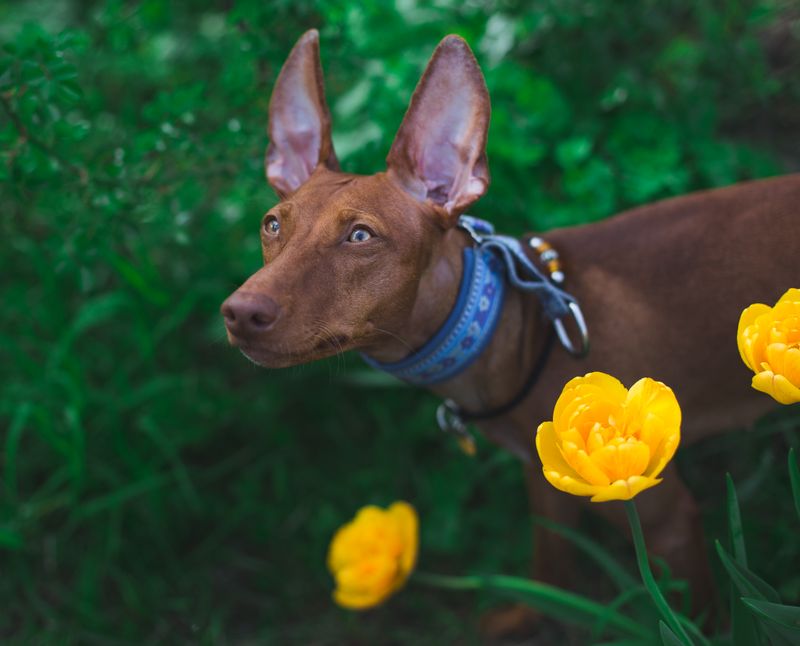
Pharaoh Hound
Malta's elegant tan hunting dog, which blushes when it is happy and hunts by sight, scent and hearing.
EnergyGroomingFlat life
Cirneco dell'Etna
A fine-boned Sicilian hunter that looks like a small, elegant ghost of Egyptian art and thinks like a rabbit-chasing opportunist.
EnergyGroomingFlat life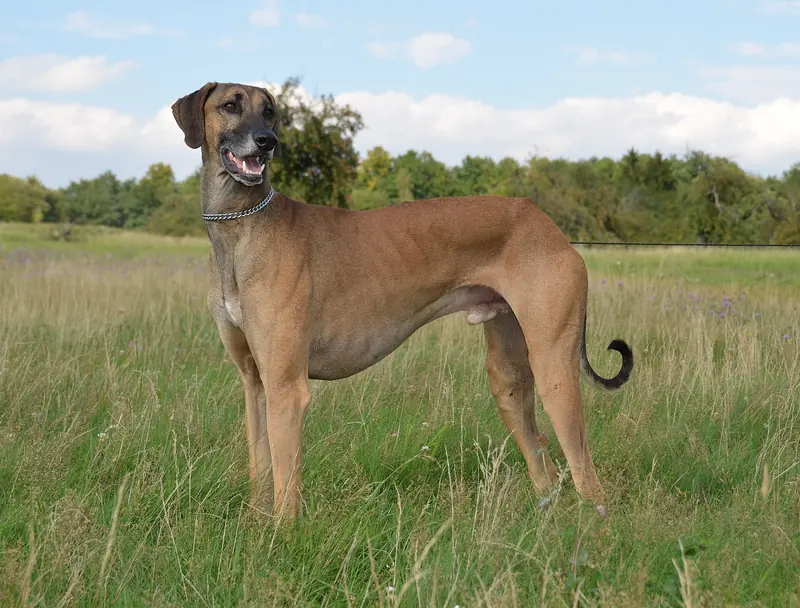
Sloughi
A lean North African sighthound that is aloof with strangers, devoted to its family and happiest asleep on a soft bed between sprints.
EnergyGroomingFlat life

