

History
The FCI lists the Kleiner Münsterländer, or Small Münsterländer, under Germany, in Group 7 (pointing dogs), Section 1.2, continental pointing dogs of spaniel type, with a working trial. The standard states that breeding in the north German Münsterland region has been documented since about 1870, and that the dogs descend from flushing and pointing dogs kept for centuries by hunters.
A breed association was founded in 1912, and Dr Friedrich Jungklaus drew up the first breed standard in 1921. The FCI describes the dog's use as a versatile working gundog, and that is still the honest summary: it points, flushes, retrieves and tracks, and its breeders have kept hunting ability at the centre of the breed. The current FCI standard is dated 4 September 2019. Do not confuse the dog with the Large Münsterländer, a separate and taller breed with a black-and-white coat.
Temperament
The FCI standard asks for an intelligent, even-tempered, alert and friendly dog with a steady character, good social behaviour and strong nerves. In the home that translates into a warm, people-oriented dog that follows the family from room to room and greets visitors with a wagging whole body.
The same standard also calls for a passionate and persevering hunting instinct, and this is the part new owners underestimate. On a woodland path the dog's nose goes down and its hearing, politely, goes off. It will quarter the ground ahead of you, flush birds and chase hares, all with great joy.
Children and other pets
Generally affectionate and robust enough for family life, this is a good dog for active children who like to be outdoors. It is playful rather than boisterous, though an under-exercised young dog can be mouthy and bouncy around toddlers, so supervision matters. Cats and small pets are another matter, because the hunting drive is real: a dog raised with a cat can be trustworthy at home, while rabbits, hamsters and birds should be kept out of reach and out of sight.
Exercise and the daily walk
Plan for around two hours of activity every day, and for a dog that is fit and young, more at weekends. It needs a mix of free running in safe places, sniffing time, and mental effort.
Because the instinct to hunt is strong, off-lead freedom needs careful building. Teach a reliable recall in quiet places first, use a long line in forest, and keep a whistle or a firm cue for emergencies.
Training
The breed is quick, eager to please and generally easy to train for people who are consistent. It responds best to reward-based methods, short sessions and variety. Rough handling is unnecessary and counterproductive for a dog described in its standard as of steady character: it needs clear rules and a calm voice more than any show of force.
Recall, lead manners and a reliable 'leave it' are the three lessons that matter most in daily life. Start recall as a game from the first week, pay well for it, and never call the dog to end the fun every time.
Coat and grooming
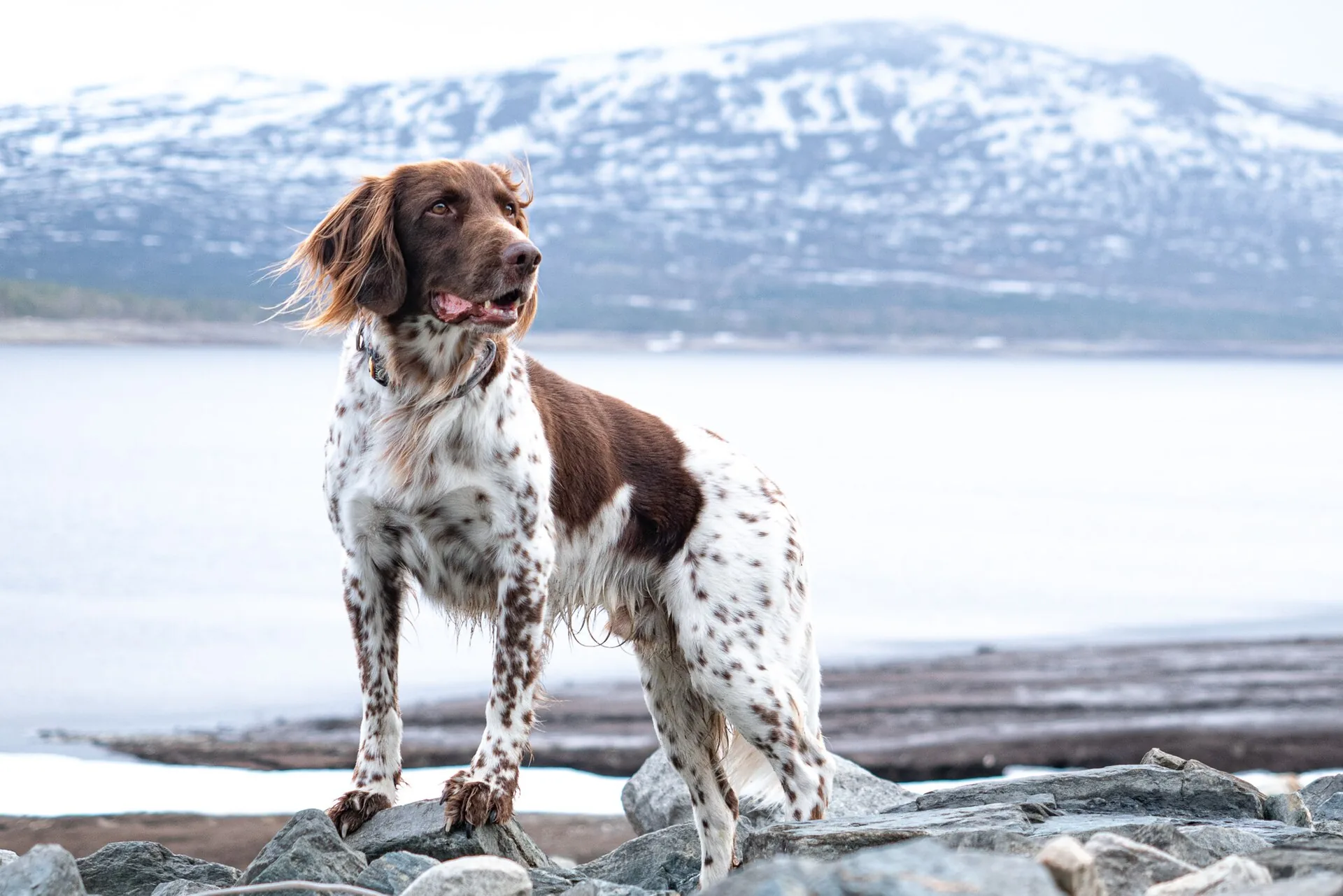
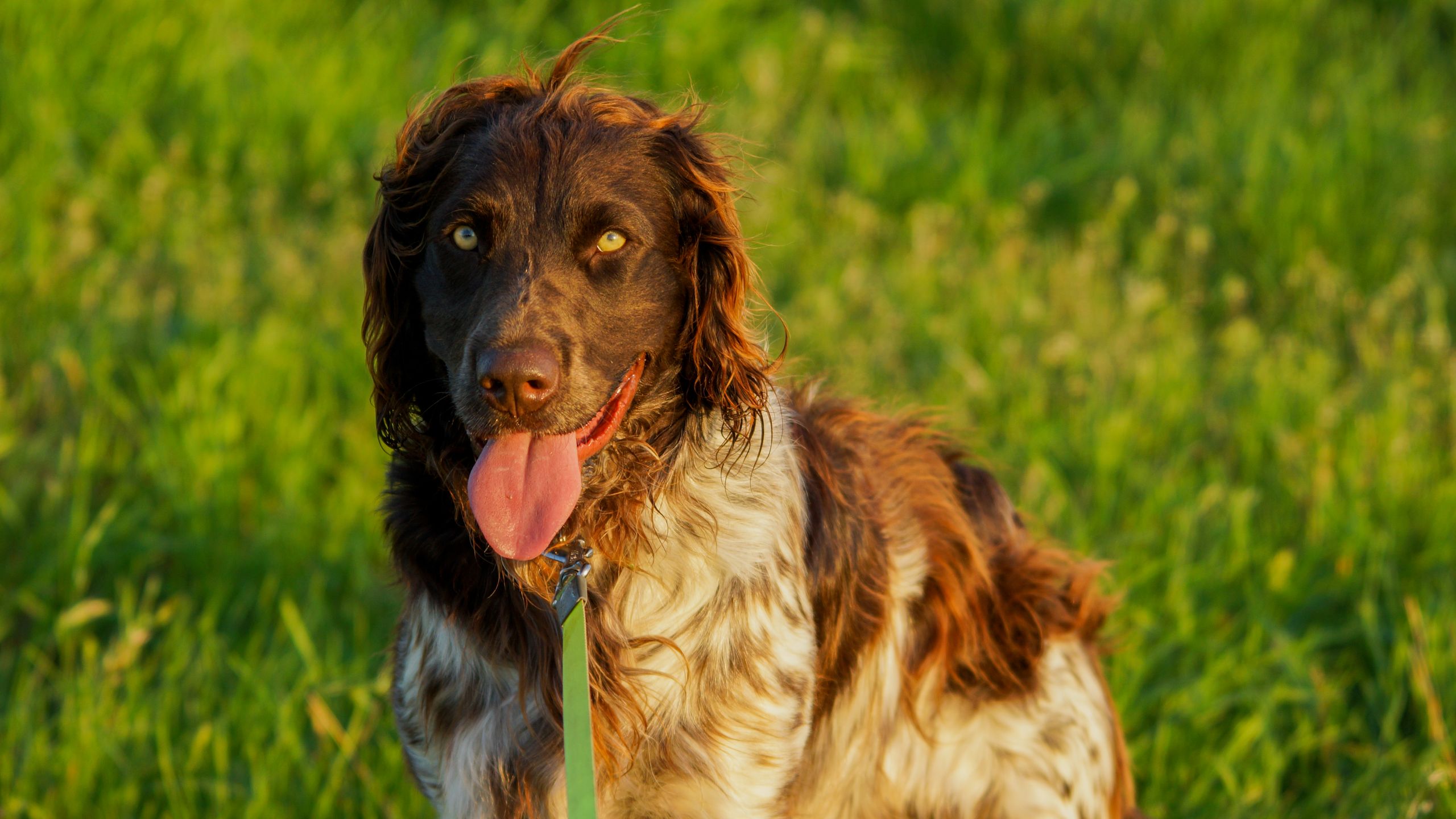
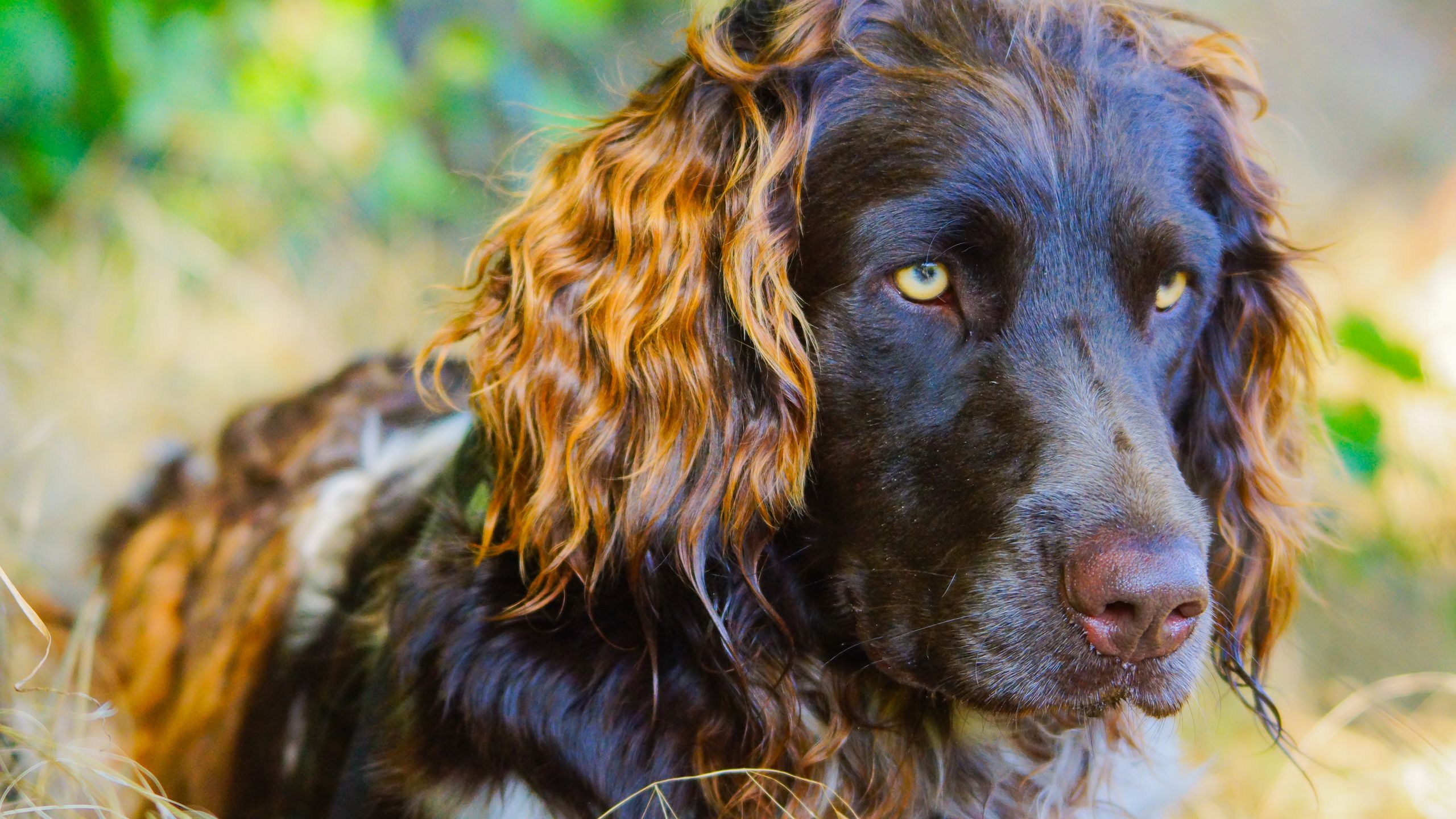
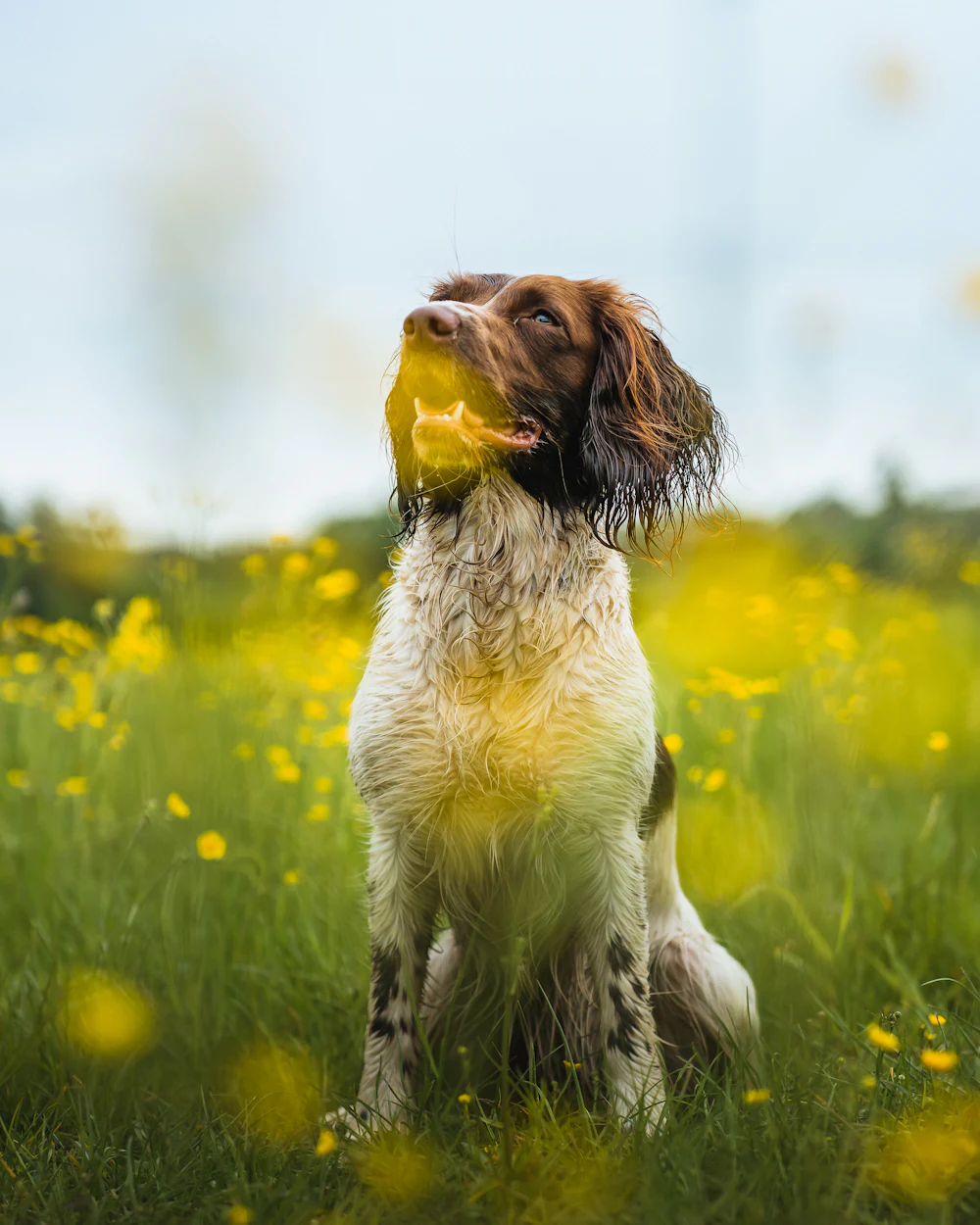
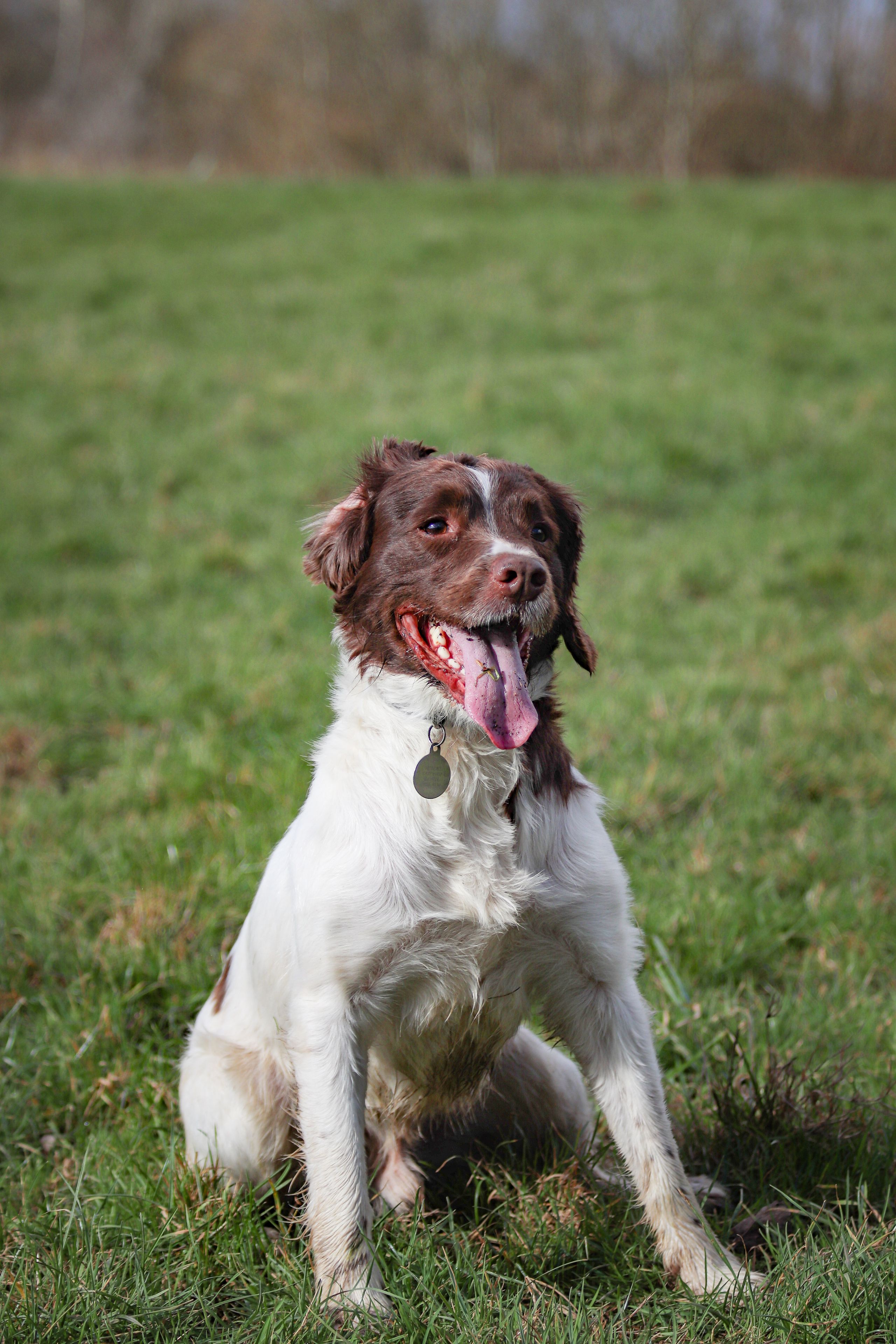
The coat is dense, glossy, straight or slightly wavy and not too long, with feathering on the front legs, breeches on the hindquarters and a well-flagged tail. The FCI colours are brown and white, or brown roan, with brown patches, mantle or ticking; a blaze is permitted, as are tan markings. Brush once or twice a week, more in the moult, and always check the feathering after a walk for burrs, ticks and mud. The ears are dropped and need regular inspection and gentle cleaning, especially after swimming.
Feeding and weight
An active, medium-sized working dog does well on a complete food suited to its age and activity level, divided into two meals. Avoid exercising hard immediately before or after eating. Adjust portions to condition rather than the packet: you should feel the ribs under a light covering, and you should see a waist.
Work out a starting calorie figure and food weight with the calorie calculator. Not sure this is the right breed? Take the quiz.
Health
Every breed carries predispositions. These are the conditions most often discussed for the Small Münsterländer, not a prediction for any individual dog.
- Hip dysplasia (a malformed hip joint, which can cause lameness and arthritis)
- Ear infections, helped by the drooping ears and love of water
- Inherited eye conditions, including progressive retinal atrophy
- Idiopathic epilepsy, reported in some lines
- Skin allergies, shown by itching and recurrent infections
- Injuries to feet, nails and legs from rough ground, as with any working gundog
What to ask the breeder. Ask for the hip scores of both parents and for current eye test certificates, and ask whether the parents are worked or tested in the field. A breeder who is part of a recognised breed club should be able to explain how they avoid inherited problems.
Choosing a puppy
A Small Münsterländer puppy is bright, cuddly and busy. Expect rapid learning, nibbling hands and a great deal of curiosity about smells. Begin toilet training from the first day, with frequent trips outside after sleeping, eating and play. Socialise carefully with people, dogs, traffic, lifts and trams in the first months, but avoid forced long walks or stair running before the joints are strong. Teach calm alone-time early, in small steps, because the breed bonds closely.
In Luxembourg the national kennel club is the Fédération Cynologique Luxembourgeoise (FCL), a member of the FCI. Many owners also buy from breeders in Germany, France or Belgium; a puppy coming from another EU country must be microchipped and vaccinated against rabies, which in practice means it cannot travel before about fifteen weeks of age. Where to get a dog in Luxembourg.
The older Small Münsterländer
In later years the dog slows, but the nose and appetite often stay young. Offer shorter, more frequent walks and keep the scent games, which are kind to ageing joints. Watch for stiffness, weight gain, hearing loss and cloudy eyes, and have the vet check teeth, ears and joints at least once a year.
A realistic day
A realistic weekday for a working household in Luxembourg City, with a midday visit. Adjust it to your dog, not the other way round.
A proper first walk of 45 minutes in the Pétrusse valley or a green strip near home, with a sniff-heavy route and a few recall practice repeats before breakfast.
Breakfast, a drink and a settle on the mat while the family gets ready; a chew or a food puzzle keeps the dog busy as the lift doors close behind you.
A PAWLY visit: a toilet break, a 45 minute outing with scent games or retrieve practice, fresh water and a short report with a photograph.
Evening walk of an hour or more, ideally at Bambësch or the Grünewald, with off-lead time only where it is safe and a long line otherwise.
A last short toilet trip, a quick brush and an ear check, then the dog settles in a bed near the family.
A Small Münsterländer in Luxembourg
This is a dog for a house with a garden, or for a flat only if the household is serious about outdoor life. The breed copes with lifts and stairs without fuss, and is generally not a noisy dog in the corridor, but a Small Münsterländer left alone through a long day in an apartment is likely to bark, chew or scatter belongings. The midday visit is therefore not a luxury: it breaks the day and provides the exercise the dog needs.
Luxembourg is well suited to the breed in terms of landscape. The Grünewald, Bambësch and the woodland around the city give excellent scent walks, and free public transport means weekend outings further afield are easy with a dog that travels well. Summer heat in the 30s is manageable for a medium dog with a moderate coat, but walk early or late, carry water and avoid hot pavements. Use the long line near roads and wildlife, as the dog will chase.
Every dog in Luxembourg must be identified, declared to the commune and covered by liability insurance. How registration works.
When you travel
A sitter must know that this dog needs real exercise and company every day, not just a garden visit. Provide the feeding plan, the vet's details, and a worn item of clothing for comfort. Walk the dog on a lead or long line, since a distracted gundog can bolt after a hare. Check ears and feet after outings, and tell the owner promptly if the dog stops eating or seems lethargic. Keep to the usual routine as far as possible.
PAWLY's holiday and overnight care takes place in your home, so your dog keeps its own bed and routine.
Myths and facts
MythA Small Münsterländer is just a smaller Large Münsterländer.
FactThey are two separate breeds with their own FCI standards, histories and colours. The Small is a brown-and-white spaniel-type pointing dog; the Large is a black-and-white pointer-type.
MythGundogs are naturally good off the lead.
FactHunting breeds are the ones most likely to vanish after a scent. Reliable recall in this breed is trained, tested and kept up, and it often needs a long line in woodland.
MythA hunting dog needs a hunter to be happy.
FactIt needs work for the nose and brain, but tracking games, retrieve training and scent work can supply that for people who do not hunt.
Is it the right dog for you?
Suits
- Active people who love woodland walks in all weather
- Families with older children who like being outdoors
- Owners who want to try tracking, dummy work or scent games
- Households where someone is at home or can arrange a midday visit
Think twice if
- You want a quiet, low-effort dog for a small flat
- You are away from home for long hours with no midday help
- You keep rabbits, birds or other small pets loose in the house
- You do not want to train a recall properly
Questions owners ask
Is the Small Münsterländer a good family dog?
Yes, for active families. It is affectionate, adaptable and usually good with children, but it needs plenty of exercise and attention. Without them it can become noisy, bouncy or destructive.
Can it live in a flat in Luxembourg City?
It can, provided it gets around two hours of varied outdoor activity daily and is not left alone for long periods. A garden is a bonus, not a substitute for walks and mental work.
How much exercise does it need?
About two hours a day for a healthy adult, split into at least two outings. Mental work such as scent games and retrieving counts as exercise and tires the dog efficiently.
Does it shed a lot?
It sheds moderately all year and more in seasonal moults. Weekly brushing, and a thorough one in spring and autumn, keeps the house and the feathering in good order.
Sources
Photo: Pexels (Pexels License) · Photo: NicoleImboden, CC BY-SA 4.0, via Wikimedia Commons · Photo: Pexels (Pexels License) · Photo: Unsplash (Unsplash License) · Photo: Pexels (Pexels License)
General information for dog owners in Luxembourg, not veterinary or legal advice. Official facts (origin, size, group, history and temperament as described by the breed standard) follow the FCI standard; health and care sections reflect breed-club and veterinary guidance and are typical ranges rather than rules. For your own dog, ask your vet, the breed club or your commune. How this guide is written and checked. Last reviewed 8 October 2026.
Need someone for your Small Münsterländer?
PAWLY offers an individual 45-minute walk or a home visit at your dog's pace, the same walker every time, and a written report with photos after every visit, across Luxembourg City.
Read next: the journal, for the Small Münsterländer
All articles
Building a recall you can actually rely on
Scent and movement can cancel a recall; this is the method for the Small Münsterländer.

Working breeds in a city flat: the honest version
High-drive dogs like the Small Münsterländer can live in a flat, but it takes a plan.

Dogs and cats in the same flat
The Small Münsterländer can see small animals as prey; this covers living with a cat in a flat.
Similar breeds
All 198 breeds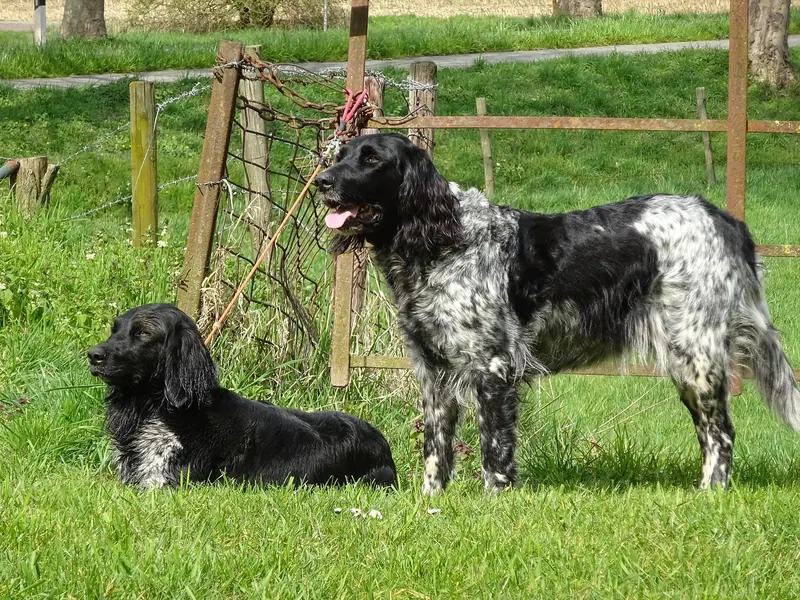
Large Münsterländer
A black-headed German gundog that points, retrieves and swims all morning, then expects to be included in everything else.
EnergyGroomingFlat life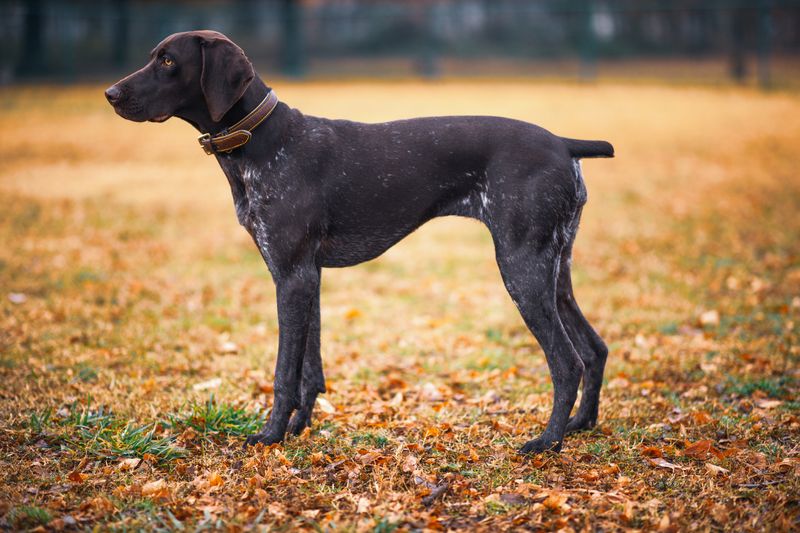
German Shorthaired Pointer
A versatile German hunting dog built for strength, endurance and speed, affectionate on the sofa and tireless outdoors when given a job.
EnergyGroomingFlat life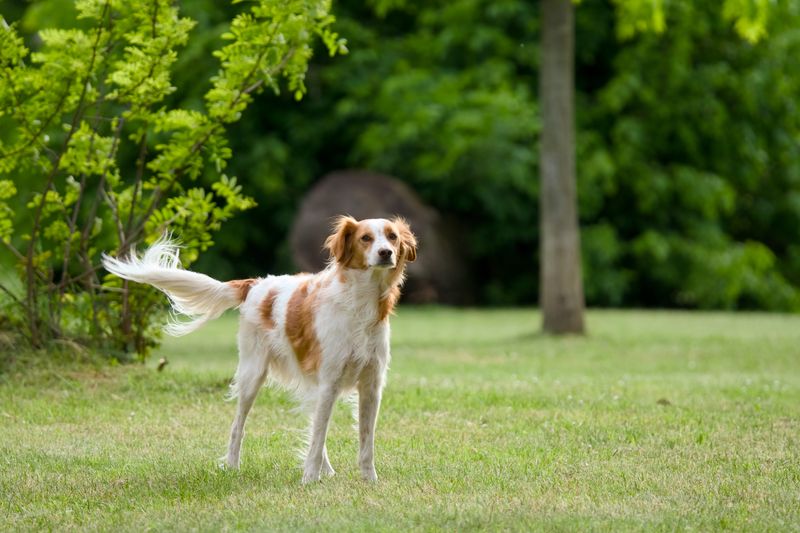
Brittany
A compact French pointer with a spaniel's coat and an athlete's engine, happiest when its nose and legs are working together.
EnergyGroomingFlat life

