


History
The Spinone Italiano is an Italian pointing dog, listed by the FCI as number 165 in Group 7, Section 1.3, among the continental pointing dogs of griffon type, and it is a breed with a working trial. According to the standard, rough-haired dogs of Italian origin are regarded as its ancestors. It mentions a hunting treatise of 1683 that refers to a griffon from Italy and Piedmont, and notes that medieval painters often depicted dogs of this type.
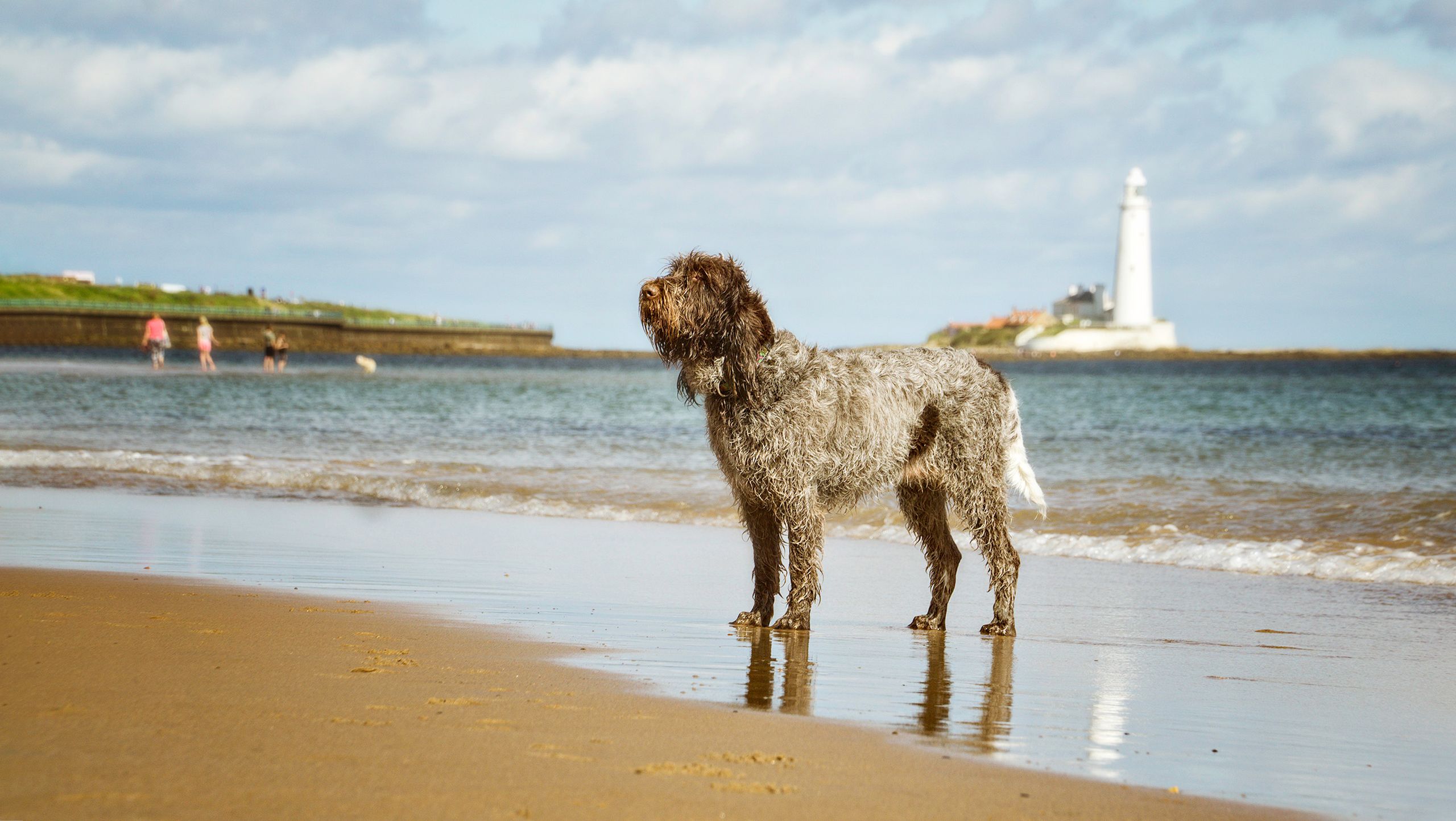
The standard singles out a fifteenth-century fresco by Andrea Mantegna in the ducal palace at Mantua as one such portrayal. The breed was developed as a pointing dog for all terrains, and the standard calls it an experienced hunter that is very resistant to tiredness, willing to go into thorny undergrowth and ready to throw itself into cold water. It adds that the Spinone is by nature an excellent retriever, which explains why many owners find the dog so keen to carry things.
Temperament
The FCI describes the Spinone as naturally sociable, docile and patient, and that is the first impression most owners and visitors take away. These dogs are mellow, affectionate and often a little comic, with a face that looks permanently thoughtful. They like company, lean against people and prefer to be in the same room as their household, and a Spinone left out of family life is an unhappy one.
Alongside the gentleness there is real stamina and a stubborn, independent streak that comes from working at a distance from the hunter. A Spinone can ignore a request once its nose has found something interesting, and many are slow to mature, behaving like large puppies until three years or so. They are not guard dogs. Most will greet a burglar with a wag, though a deep bark may announce a visitor.
Children and other pets
Spinoni are known for their tolerant, kindly nature with children, and many make excellent family dogs. The size and bounce of a young dog can still knock over a small child, and the beard collects water that ends up on clothes and walls. Supervise early meetings. They usually get on well with other dogs. As a bird dog the breed has a hunting instinct, so cats and small pets need careful introduction, but many live happily with a cat they know.
Exercise and the daily walk
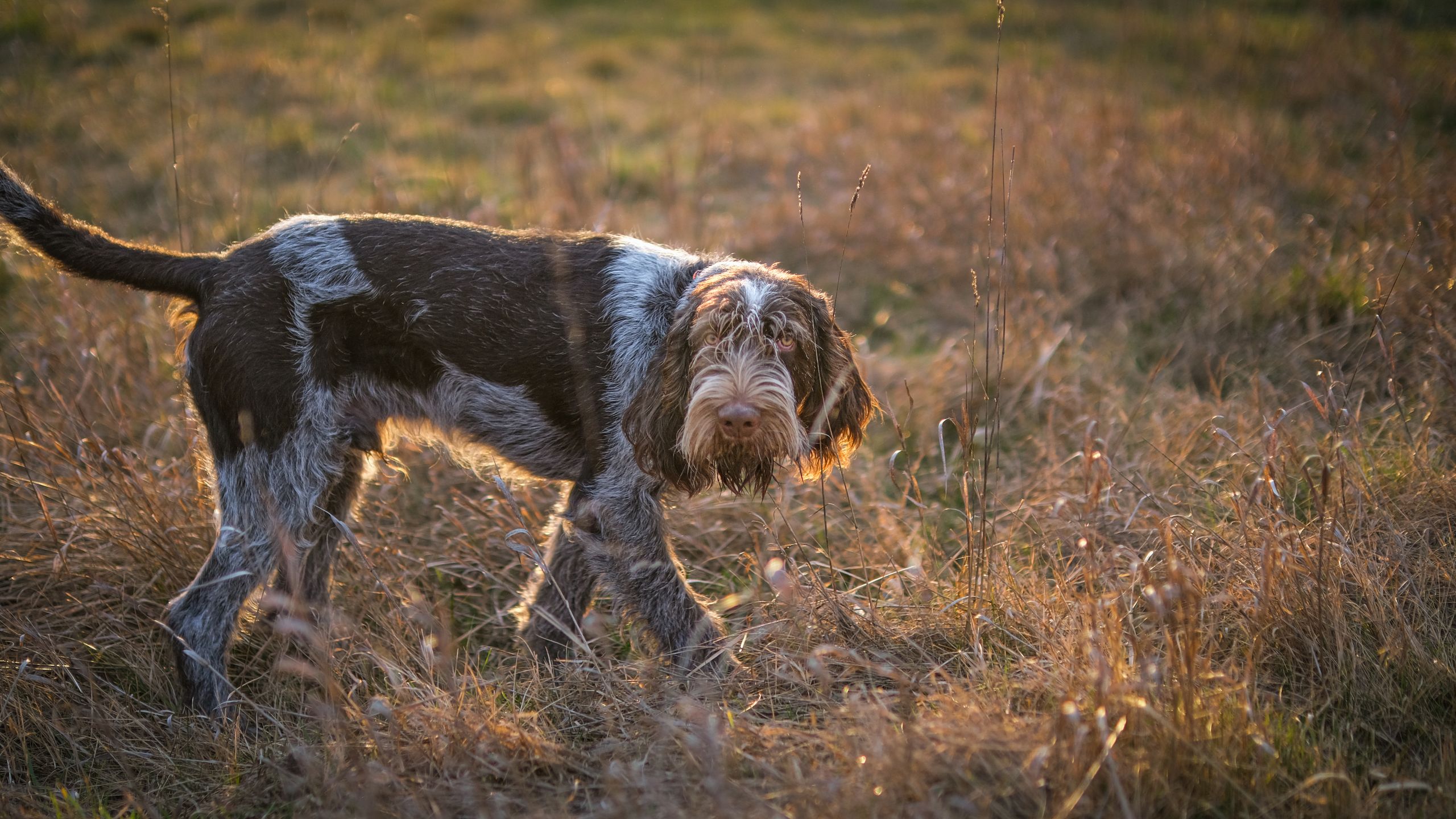
A healthy adult needs between an hour and a half and two hours of activity a day. The standard speaks of a remarkable disposition for an extended, fast trot, and that is how a Spinone covers ground: not a sprint, but a steady, ground-eating pace that can go on for hours. A varied outing with a good run and plenty of sniffing suits better than a brisk loop on the same pavements.
Recall can be reliable in a well-trained dog, yet the nose and the hunting drive mean you should use a long line until you know yours well, and avoid unfenced land near roads. Retrieving games, swimming where safe and tracking games satisfy the breed. Puppies grow slowly and heavily, so avoid long walks and repeated jumping before about eighteen months, and rest the dog around meals because of the bloat risk.
Training
Spinoni are intelligent but not eager to please in the way of some gundogs, and they take training personally. They respond to patience, humour and food, and they sulk, or simply stop, under harsh handling. Keep sessions short and varied, finish on a success and be prepared for slow progress through the teenage period. The same dog that sits perfectly at home may need convincing in a busy park.
Concentrate on lead manners early, as a 35 kg dog pulling towards a scent is hard to hold, and on a good recall, retrieve and settle. The natural retrieving instinct is a gift for training: use a soft toy or dummy as a reward. Socialise well to other dogs, lifts, trams and city noise while the puppy is young, as the breed is usually calm but can be reserved with unfamiliar situations.
Coat and grooming
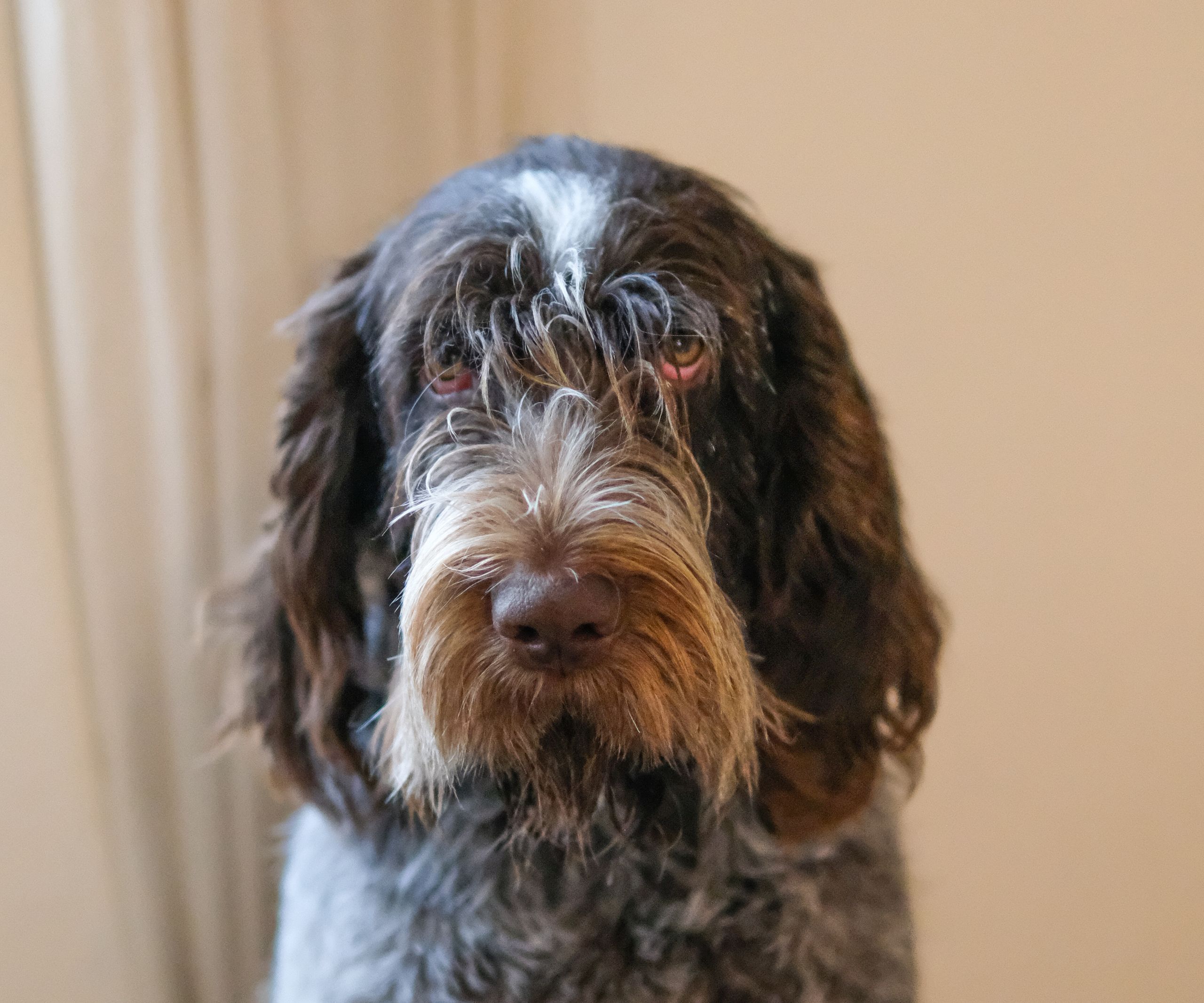
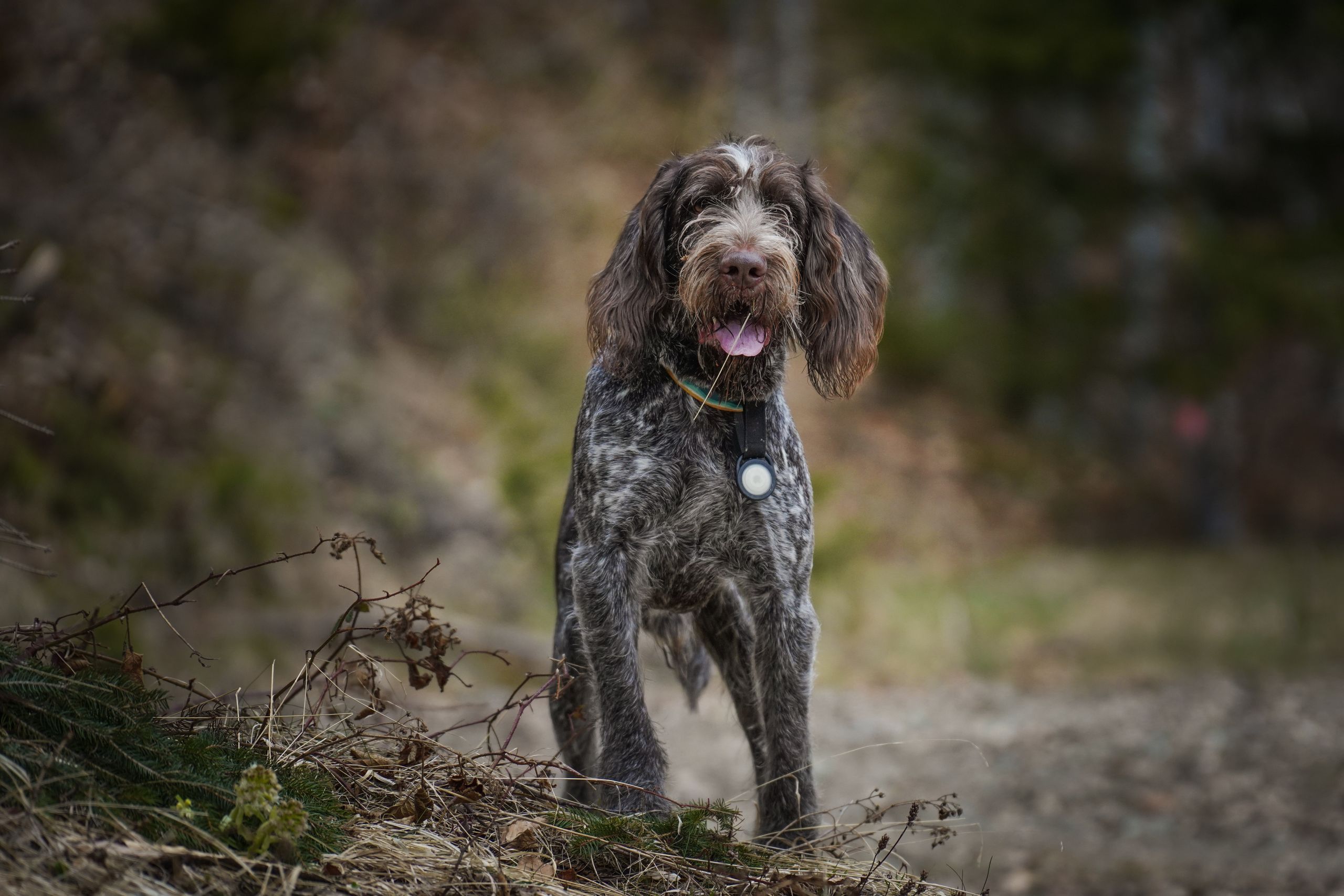
The FCI describes a stiff, harsh, dense coat of 4 to 6 cm on the body, without undercoat, with a characteristic beard and eyebrows. Brush weekly and have the coat hand-stripped a few times a year if you want to keep it neat; clipping softens the texture. Shedding is light. The beard needs drying and washing after drinking and eating. Permitted colours are pure white, white with orange or brown markings, and speckled orange or brown roan; tricolour and black are disqualifying.
Feeding and weight
Feed a complete diet suited to a large, slowly maturing breed, in two or more meals. Spinoni can be greedy and will take food from counters, so keep bins and cupboards secure. Because the chest is deep, give meals in a calm setting and avoid hard exercise for an hour either side. Control weight to protect joints, and rinse or wipe the beard after meals and drinks.
Work out a starting calorie figure and food weight with the calorie calculator. Not sure this is the right breed? Take the quiz.
Health
Every breed carries predispositions. These are the conditions most often discussed for the Spinone Italiano, not a prediction for any individual dog.
- Hip dysplasia and elbow problems
- Cerebellar ataxia, an inherited neurological condition for which a DNA test exists
- Gastric dilatation and volvulus (bloat)
- Ear infections (otitis externa), helped by the hanging ears
- Eyelid problems (entropion and ectropion)
What to ask the breeder. Ask for hip and elbow scores for both parents and the result of the cerebellar ataxia DNA test, and ask about bloat in the family line.
Choosing a puppy
Spinone puppies are big, shaggy and clumsy, and they grow heavily for their first year or more. Protect developing joints with non-slip floors, limited stairs and short, relaxed outings. Begin lead training and handling of ears, beard and paws in the first week. Chewing can be intense, so provide appropriate toys and use a pen. Expose the puppy gradually to the lift, other dogs and traffic, and start a recall game with a long line before the adolescent stage arrives.
In Luxembourg the national kennel club is the Fédération Cynologique Luxembourgeoise (FCL), a member of the FCI. Many owners also buy from breeders in Germany, France or Belgium; a puppy coming from another EU country must be microchipped and vaccinated against rabies, which in practice means it cannot travel before about fifteen weeks of age. Where to get a dog in Luxembourg.
The older Spinone Italiano
From about eight years, a Spinone may slow down and stiffen, especially after cold or wet outings. Offer shorter, more frequent walks, a thick orthopaedic bed and ramps rather than jumps. Keep the weight lean and ask the vet about joint care. Check ears and eyes regularly, and watch for wobbliness or other changes in movement. Bloat remains an emergency at any age.
A realistic day
A realistic weekday for a working household in Luxembourg City, with a midday visit. Adjust it to your dog, not the other way round.
Calm toilet walk and sniffing on lead for 30 minutes; breakfast, then rest.
Owner leaves; the Spinone sleeps on a thick bed with a stuffed chew toy.
Midday visit: a 45-minute walk in a quiet green area on a long line, a retrieve game and fresh water, beard dried.
Main outing of about 1 hour in the park or forest edge, including a run in a safe place; dinner after a rest.
Short toilet break, beard wiped, quiet evening on the sofa.
A Spinone Italiano in Luxembourg
A Spinone can live in a flat if it has a lift, enough floor space for a large dog and a household that gets it out twice a day for real exercise. Indoors it is calm. The Bambësch and Grünewald forests suit it well, and its tolerance of cold and wet weather makes Luxembourg's grey winters easy. Parc Merl and the Pétrusse valley work for shorter outings, though a hunting nose can lead the dog off track, so a long line is wise.
The dense, wiry coat is no protection against summer heat, and a heavy dog can overheat quickly in the 30s °C, so schedule exercise for early morning and late evening and leave water in the shade. Expect drool and a wet beard on floors and walls. Buses and trams are free, which helps with forest trips, but check the dog is calm around them. Microchip, declaration to the commune, insurance and the annual dog tax apply as for all dogs.
Every dog in Luxembourg must be identified, declared to the commune and covered by liability insurance. How registration works.
When you travel
A sitter must be physically able to hold a 30 kg or more dog that may pull towards scents, and should keep the dog on lead or long line near roads. Keep to the normal feeding and walking times, avoid exercise just before and after meals, and know the signs of bloat. Dry the beard after drinking, and secure food, as a Spinone will help itself. Expect some loneliness, so lots of company is best.
PAWLY's holiday and overnight care takes place in your home, so your dog keeps its own bed and routine.
Myths and facts
MythSpinoni are lazy because they look so mellow.
FactThe calm face hides an endurance dog. Adults need long daily exercise, and young dogs may be restless and clumsy for years.
MythThe beard and rough coat need clipping every few weeks.
FactThe FCI describes a harsh, close-lying coat. Brushing and occasional hand-stripping keep it right, while clipping softens the texture.
MythA gentle dog makes a good guard dog.
FactThe standard calls the breed sociable and docile. Most Spinoni welcome strangers and are not guards.
Is it the right dog for you?
Suits
- Patient, active owners who enjoy long walks
- Families who want a gentle, tolerant dog
- People with access to forest or countryside
- Owners who accept drool and a damp beard
Think twice if
- You want an obedient dog that learns quickly
- Your flat is small, with no lift
- You are house-proud and dislike muddy beards
- You are away for long hours every day
Questions owners ask
Does a Spinone Italiano shed a lot?
Shedding is light because the coat has no undercoat. Loose hair is removed by brushing, and hand-stripping a few times a year keeps the texture right. The beard and legs collect dirt and water, which is a bigger housekeeping issue than hair.
Is a Spinone a good first dog?
It can be for a patient owner with time to train and exercise, because the breed is gentle. Size, stubbornness and slow maturity make it hard work, so plan classes and a reliable daily routine.
How big does a Spinone get?
According to the FCI, males stand 60 to 70 cm and weigh 32 to 37 kg, females 58 to 65 cm and 28 to 30 kg. They are sturdy, powerful dogs and look larger because of their coat and head.
Can a Spinone be left alone?
Short periods are fine once trained, but the breed is people-oriented and may become bored, vocal or destructive if left for long days. A midday visit or walker makes a real difference.
Sources
Photo: Pexels (Pexels License) · Photo: Pexels (Pexels License) · Photo: Pexels (Pexels License) · Photo: Pexels (Pexels License)
General information for dog owners in Luxembourg, not veterinary or legal advice. Official facts (origin, size, group, history and temperament as described by the breed standard) follow the FCI standard; health and care sections reflect breed-club and veterinary guidance and are typical ranges rather than rules. For your own dog, ask your vet, the breed club or your commune. How this guide is written and checked. Last reviewed 8 October 2026.
Need someone for your Spinone Italiano?
PAWLY offers an individual 45-minute walk or a home visit at your dog's pace, the same walker every time, and a written report with photos after every visit, across Luxembourg City.
Read next: the journal, for the Spinone Italiano
All articles
Building a recall you can actually rely on
Scent and movement can cancel a recall; this is the method for the Spinone Italiano.

Feeding, portions and how to tell if your dog is the right weight
Large dogs suffer more from extra weight; this is how to judge the right one.

Dog first aid: the six emergencies and what to do first
Bloat is an emergency in deep-chested breeds like the Spinone Italiano; this covers what cannot wait.
Similar breeds
All 198 breeds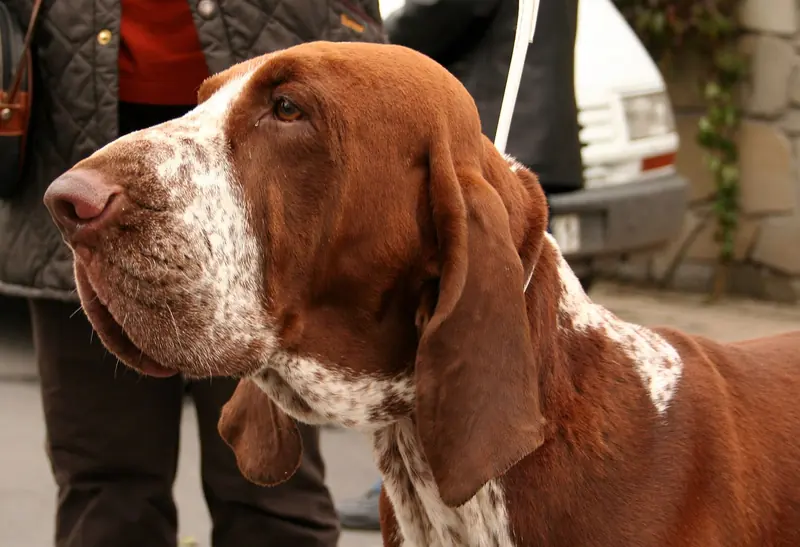
Bracco Italiano
An old Italian pointer with long ears, a thoughtful face and a ground-covering trot, gentle at home and tireless in the field.
EnergyGroomingFlat life
German Wirehaired Pointer
The Deutsch Drahthaar is a bearded, weatherproof all-rounder, built for a day of fieldwork and not for a quiet life.
EnergyGroomingFlat life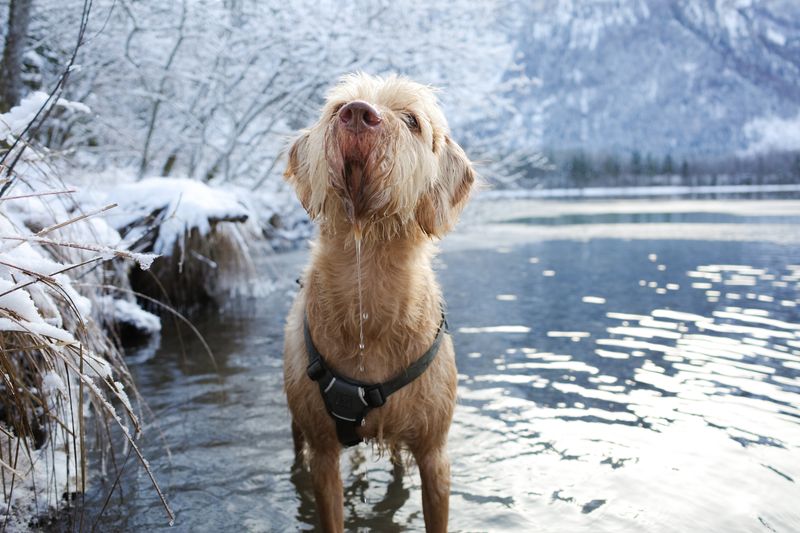
Wirehaired Vizsla
A russet-gold Hungarian gundog in a weatherproof coat, built for field, forest and water and happiest when given all three.
EnergyGroomingFlat life

