


History
The Wirehaired Vizsla, Drotszőrű Magyar Vizsla in Hungarian, is listed by the FCI as number 239 in Group 7, Section 1, the continental pointing dogs, with Hungary as its country of origin and a field and water working trial. The standard states plainly how it came about: the breed was created in the 1930s by crossing the Hungarian Short-haired Vizsla with the German Wirehaired Pointer. The standard is dated 6 April 2000.
The aim was a vizsla that could work in colder weather and rougher cover than the short-coated original. The standard describes a lively, russet-gold hunting dog of dry, lean but more robust construction than the Short-haired Vizsla, and a versatile multi-purpose pointing dog with an excellent nose, firmness on the point and excellent retrieves. It is said to be at home in field, forest and water, and to cope with difficult terrain and extreme conditions.
Temperament
The FCI describes an affectionate and intelligent dog, self-confident and easily trained, that keeps close contact with its handler, shows passion and staunchness in work and cannot tolerate rough treatment. Those words fit the dogs we meet: warm, people-focused, quick to read the mood and eager to be part of everything. Many follow their owner from room to room and expect to be at the centre of the household.
There is plenty of drive beneath the good manners. A Wirehaired Vizsla is a working gundog with stamina to spare, and a dog without enough exercise and mental work is likely to become restless, noisy or destructive. They are also sensitive, and some struggle with being left alone for long periods. Expect a dog that is exuberant in youth, takes some time to calm down, and makes a loyal and affectionate partner when its needs are met.
Children and other pets
These dogs are generally warm and tolerant with children, and their enthusiasm suits active families. Young dogs are strong and bouncy, so supervise around toddlers and teach children to play calmly. They usually enjoy other dogs. With cats and small animals, the pointing and retrieving instinct means careful introductions are wise; some live happily with a household cat, but birds, rabbits and rodents are at real risk when the dog is off lead.
Exercise and the daily walk
This is a high-energy breed. An adult needs a minimum of two hours a day, including real running in a safe place, and many will take more. A walk around the block twice a day will not do. Combine a good off-lead run or a bike or hiking companion role with scent work, retrieving and swimming where safe. A tired Wirehaired Vizsla is a delightful house dog; an under-exercised one is not.
The breed was designed to range, point and retrieve, so recall requires serious work, and the nose can override the best training near game. Use a long line in unfenced woodland and avoid roads. Gundog training, dummy work, canicross, agility and nose work give the dog a job. For puppies, keep exercise moderate until the skeleton has matured, avoiding repeated jumping and long runs, and build fitness gradually in the first two years.
Training
The standard describes the dog as easily trained, and it is, provided the training is kind. These dogs work for praise, play and food, and they do not tolerate rough treatment. Short, lively sessions with plenty of variety work best, and consistency from all the family helps a great deal. The intelligence that makes learning quick also makes boredom dangerous.
Focus your early efforts on recall, retrieve, lead manners and the ability to settle in a flat or on a mat. Teach a clear cue for stopping, as a pointing dog that locks onto scent will not hear a casual call. Practise being alone in small steps from the first week, since a very people-oriented dog may panic when left. Socialise to city noise, lifts, trams and other dogs while young.
Coat and grooming
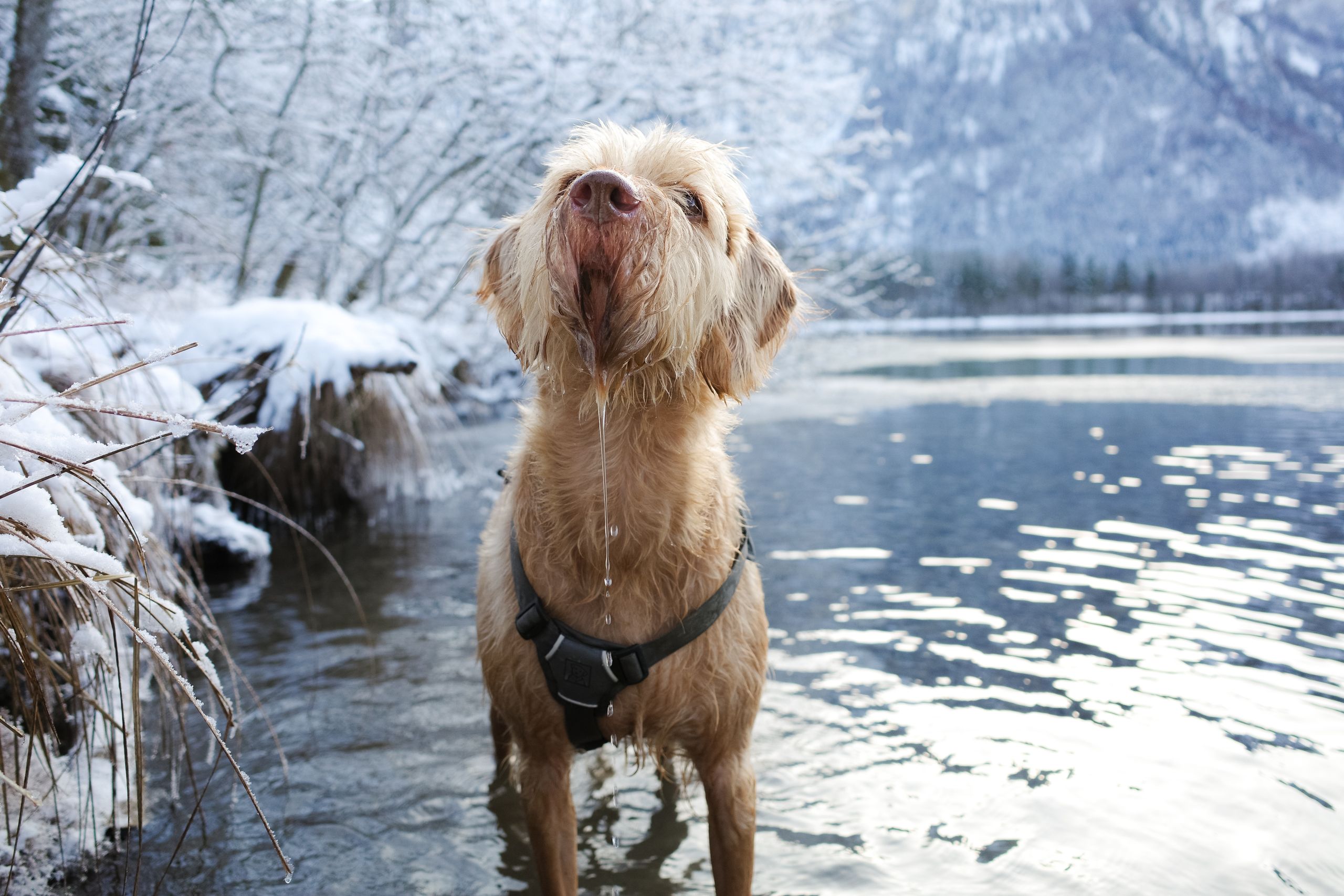
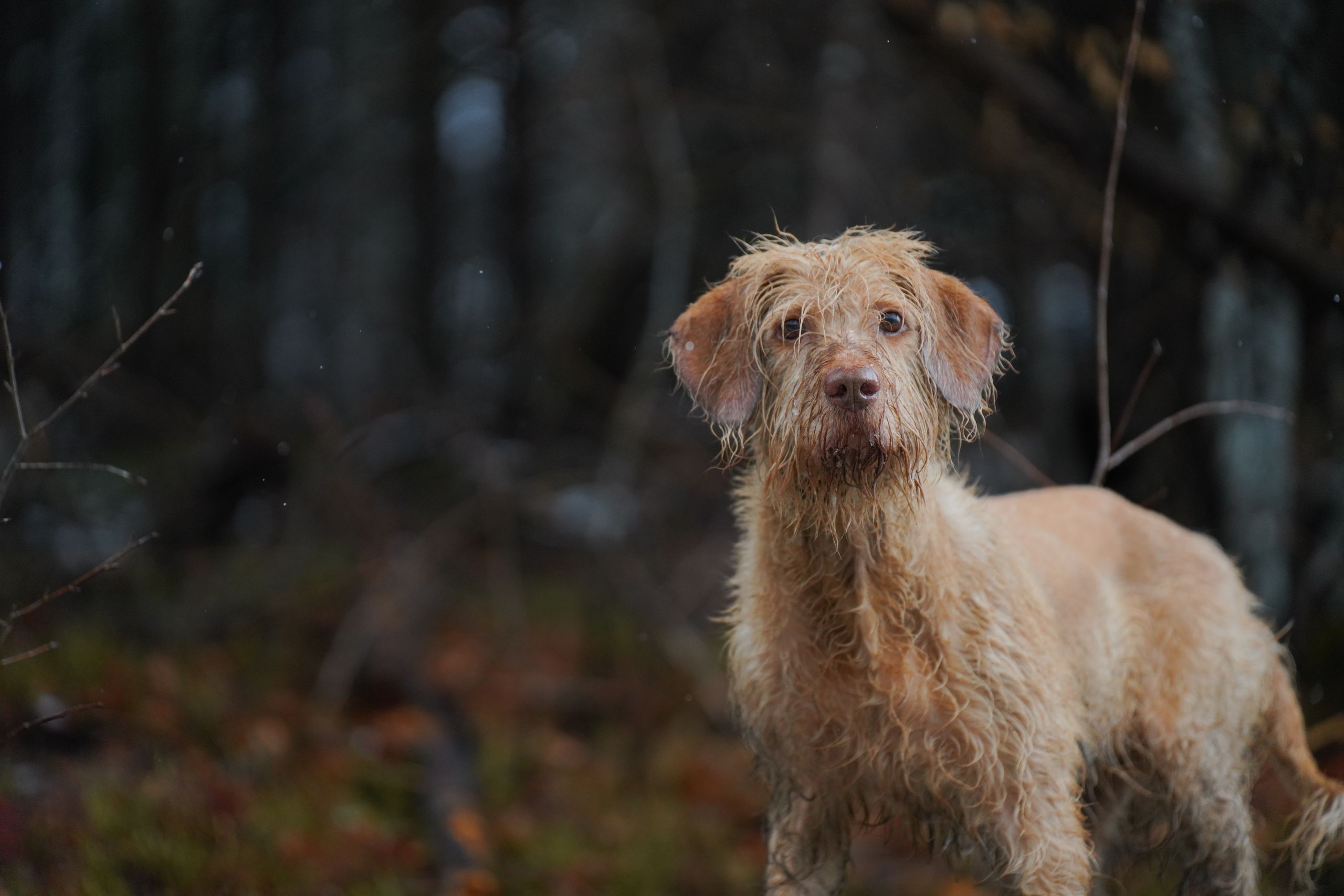
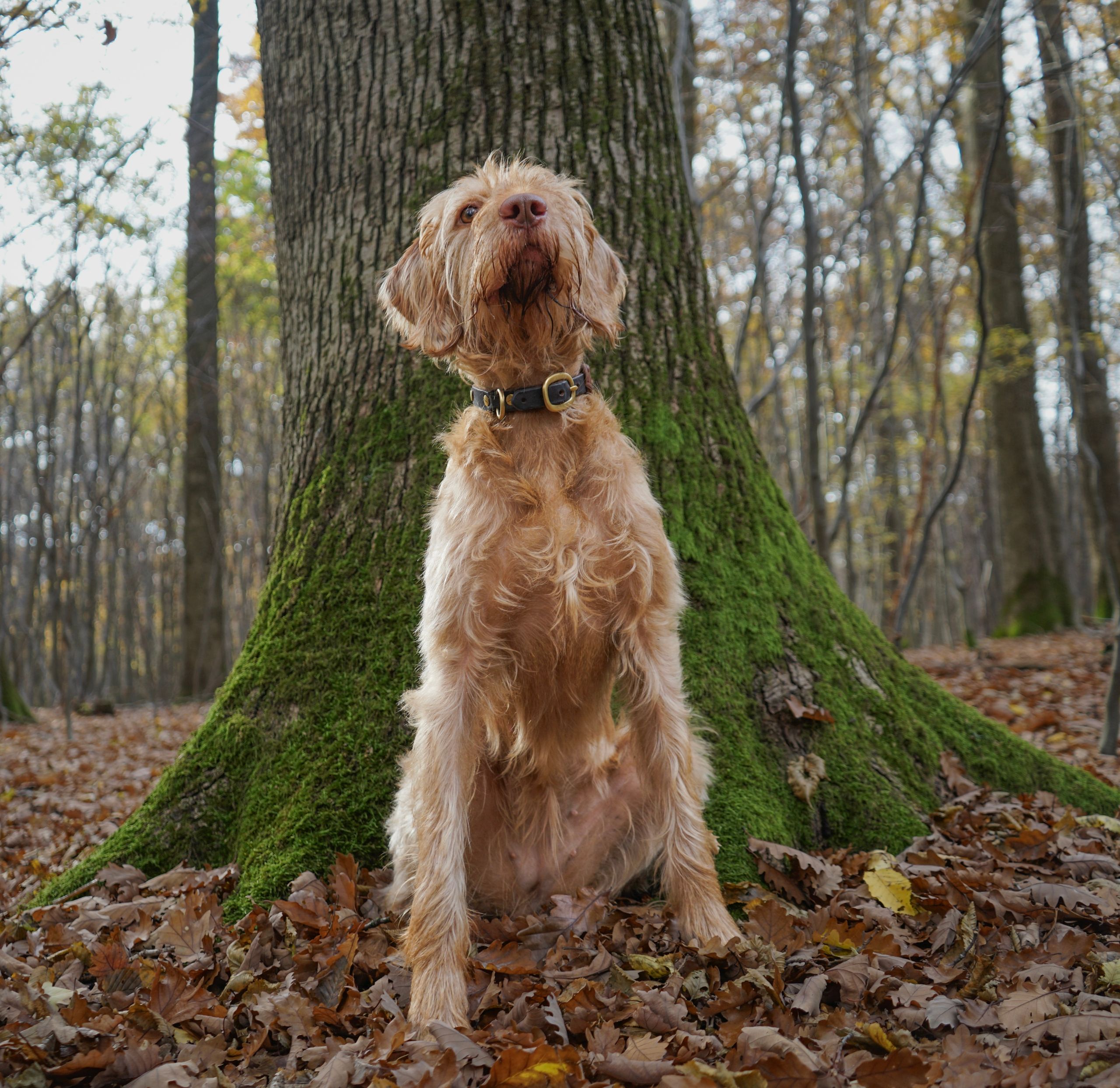
The FCI describes a wiry, dense coat lying close to the body, 2 to 3 cm long, with a water-repellent undercoat, pronounced eyebrows, a beard and neck brushes. Brush once a week and tidy beard and brows if needed; the coat sheds a moderate amount, more in the seasonal changes. Wash only when necessary, and dry the dog after wet outings, particularly the ears. Permitted colours are various shades of russet gold and dark sandy gold, with a small white chest patch of up to 5 cm and white on the toes allowed.
Feeding and weight
Feed a complete diet suited to an energetic, large working breed, divided into two meals. Active adults burn plenty of energy, but weight still needs watching in a flat dog with an average routine. The chest is deep, so rest the dog an hour either side of meals and avoid gulping. Training treats count towards the daily ration. Keep fresh water available, especially after swimming and running.
Work out a starting calorie figure and food weight with the calorie calculator. Not sure this is the right breed? Take the quiz.
Health
Every breed carries predispositions. These are the conditions most often discussed for the Wirehaired Vizsla, not a prediction for any individual dog.
- Hip dysplasia
- Epilepsy, which appears in some lines
- Eyelid problems (entropion and ectropion)
- Gastric dilatation and volvulus (bloat), as in many deep-chested breeds
- Skin allergies and ear infections
What to ask the breeder. Ask for hip scores and eye examination results for both parents, and ask whether any relatives have had epilepsy or bloat.
Choosing a puppy
Wirehaired Vizsla puppies are bold, bouncy and quick to learn, and they will chew anything within reach. Provide plenty of chews, a pen and a daily routine of short outings, play and rest. Begin recall games, name response and lead manners straight away, and introduce the lift, stairs and city noise gradually. Avoid long walks, repeated jumping and forced runs until the joints are mature, and start practising calm time alone in short steps from the first days at home.
In Luxembourg the national kennel club is the Fédération Cynologique Luxembourgeoise (FCL), a member of the FCI. Many owners also buy from breeders in Germany, France or Belgium; a puppy coming from another EU country must be microchipped and vaccinated against rabies, which in practice means it cannot travel before about fifteen weeks of age. Where to get a dog in Luxembourg.
The older Wirehaired Vizsla
Many Wirehaired Vizslas stay active into their teens, but from about eight years they benefit from more rest and gentler exercise. Replace long sprints with steady walks and swimming, keep the weight lean and provide a soft bed. Check joints, eyes, ears and skin regularly, and ask your vet about screening. Even an older dog will want to join in, so give it a role in the day, even if smaller.
A realistic day
A realistic weekday for a working household in Luxembourg City, with a midday visit. Adjust it to your dog, not the other way round.
Brisk 40-minute lead walk with a short run; breakfast after the dog has settled.
Owner leaves; the dog rests with a stuffed chew toy or snuffle mat.
Midday visit: a 60-minute walk with a run on a long line or in a safe area, retrieve games, fresh water.
Main exercise outing of 1 to 1.5 hours in the forest or park, with training and a long off-lead stretch where safe; dinner after resting.
Short toilet break, a rub down if the coat is wet, then bed.
A Wirehaired Vizsla in Luxembourg
Luxembourg is good country for a gundog, with the Grünewald and Bambësch forests close to the city and plenty of wooded trails across the country. The Wirehaired Vizsla will make the most of them, but game is plentiful, so use a long line unless you have excellent recall and a secure area. Free buses and trams make trips to the forest edges simple, and a well-socialised dog usually travels calmly. In town, Parc Merl, the Pétrusse valley and the Municipal Park are good for shorter outings.
A flat is workable only if the dog gets its full two hours of exercise every day, whatever the weather, and company during the day. A lift helps, and a midday visit is almost essential for a working household. The weatherproof coat copes with Luxembourg's wet winters, but the dog can overheat in the 30s °C, so exercise early and late in summer. Remember the national obligations: microchip, declaration to the commune, third-party liability insurance and the annual dog tax.
Every dog in Luxembourg must be identified, declared to the commune and covered by liability insurance. How registration works.
When you travel
A sitter must be able to provide the dog's full daily exercise, which is considerable, and keep the dog on a lead or long line near roads and woodland. Expect restlessness if the dog is under-exercised and some anxiety about the owner's absence. Stick to the usual routine, avoid hard exercise around meals, and know the signs of bloat. A tired dog is a good guest, so plan swimming, retrieve games and a long daily outing.
PAWLY's holiday and overnight care takes place in your home, so your dog keeps its own bed and routine.
Myths and facts
MythA Wirehaired Vizsla is just a Vizsla with a different coat.
FactThe standard describes a more robust build than the short-haired dog, created by crossing it with the German Wirehaired Pointer, with its own coat and water-repellent undercoat.
MythIt will be calm indoors if you give it a garden.
FactSpace alone is not enough. The dog needs hours of exercise, training and company, and a garden does not replace a real outing.
MythGundogs can be trained to ignore small animals completely.
FactTraining helps, but the drive to point and retrieve is strong. Keep the dog on lead near wildlife and small pets.
Is it the right dog for you?
Suits
- Very active owners who run, cycle or hike daily
- People who enjoy training and gundog sports
- Households with access to forest and open country
- Owners who can offer plenty of company
Think twice if
- You work long hours with no midday help
- You want a low-energy flat dog
- You are not prepared for a clingy, sensitive dog
- You have rabbits, birds or other small pets
Questions owners ask
How much exercise does a Wirehaired Vizsla need?
At least two hours a day for an adult, including time to run safely, plus mental work. Many dogs need more in youth. Without it, expect restlessness, barking and destructive habits, however well trained the dog is.
Is the Wirehaired Vizsla good with children?
Generally yes. The FCI describes an affectionate, intelligent dog, and many enjoy family life. Their energy and size mean supervision with small children, and teaching the children to be calm.
Can a Wirehaired Vizsla be left alone?
Short periods are fine once trained, but the breed is very people-oriented. Long days alone risk anxiety and destruction. A midday walk, a dog walker or company can make a major difference.
How does it differ from the Short-haired Vizsla?
The Wirehaired Vizsla was created in the 1930s by crossing the Short-haired Vizsla with the German Wirehaired Pointer. It has a wiry, water-repellent coat and a somewhat more robust build, with a similar warm temperament.
Sources
Photo: Pexels (Pexels License) · Photo: Pexels (Pexels License) · Photo: Pexels (Pexels License)
General information for dog owners in Luxembourg, not veterinary or legal advice. Official facts (origin, size, group, history and temperament as described by the breed standard) follow the FCI standard; health and care sections reflect breed-club and veterinary guidance and are typical ranges rather than rules. For your own dog, ask your vet, the breed club or your commune. How this guide is written and checked. Last reviewed 8 October 2026.
Need someone for your Wirehaired Vizsla?
PAWLY offers an individual 45-minute walk or a home visit at your dog's pace, the same walker every time, and a written report with photos after every visit, across Luxembourg City.
Read next: the journal, for the Wirehaired Vizsla
All articles
Building a recall you can actually rely on
Scent and movement can cancel a recall; this is the method for the Wirehaired Vizsla.

Feeding, portions and how to tell if your dog is the right weight
Large dogs suffer more from extra weight; this is how to judge the right one.

Working breeds in a city flat: the honest version
High-drive dogs like the Wirehaired Vizsla can live in a flat, but it takes a plan.
Similar breeds
All 198 breeds
German Wirehaired Pointer
The Deutsch Drahthaar is a bearded, weatherproof all-rounder, built for a day of fieldwork and not for a quiet life.
EnergyGroomingFlat life
Weimaraner
The silver-grey hunting dog of Weimar: elegant, athletic and so attached to its people that it shadows them from room to room.
EnergyGroomingFlat life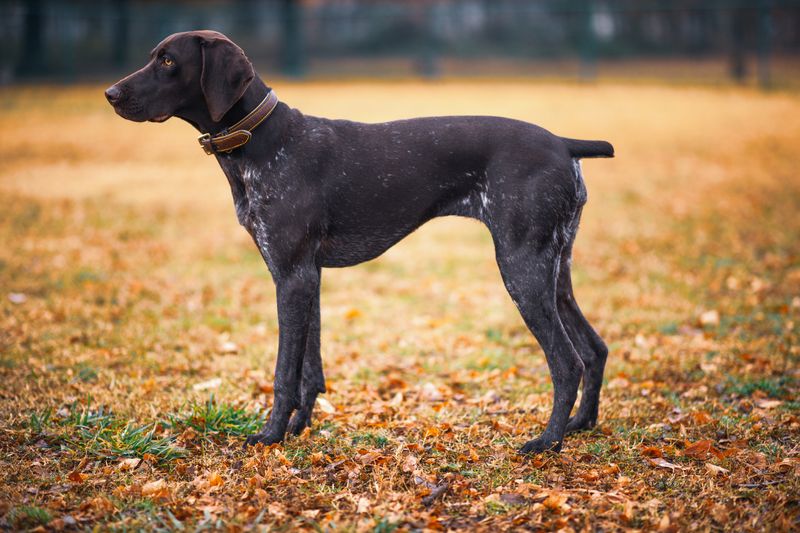
German Shorthaired Pointer
A versatile German hunting dog built for strength, endurance and speed, affectionate on the sofa and tireless outdoors when given a job.
EnergyGroomingFlat life

