



History
The Weimaraner was developed in the nineteenth century around Weimar, in central Germany, from a type of hound once used for large game. According to the FCI standard, professional hunters refined it through crosses with the German bird dogs known as Hühnerhunde, and systematic breeding began around 1890. The result was a versatile hunter able to track, point and retrieve, valued as much for its nose as for its stamina.
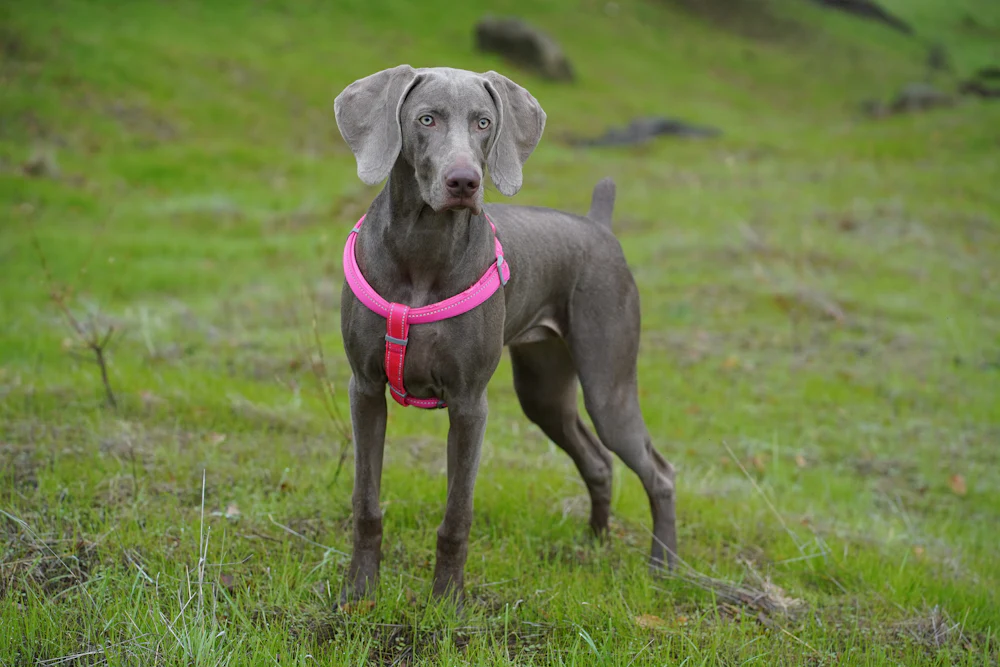
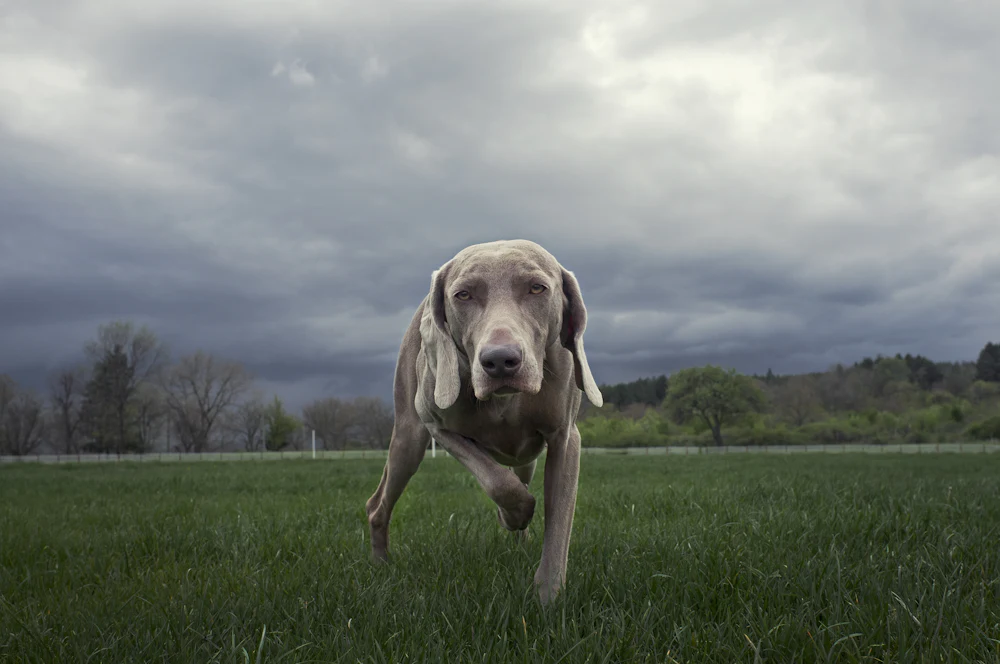
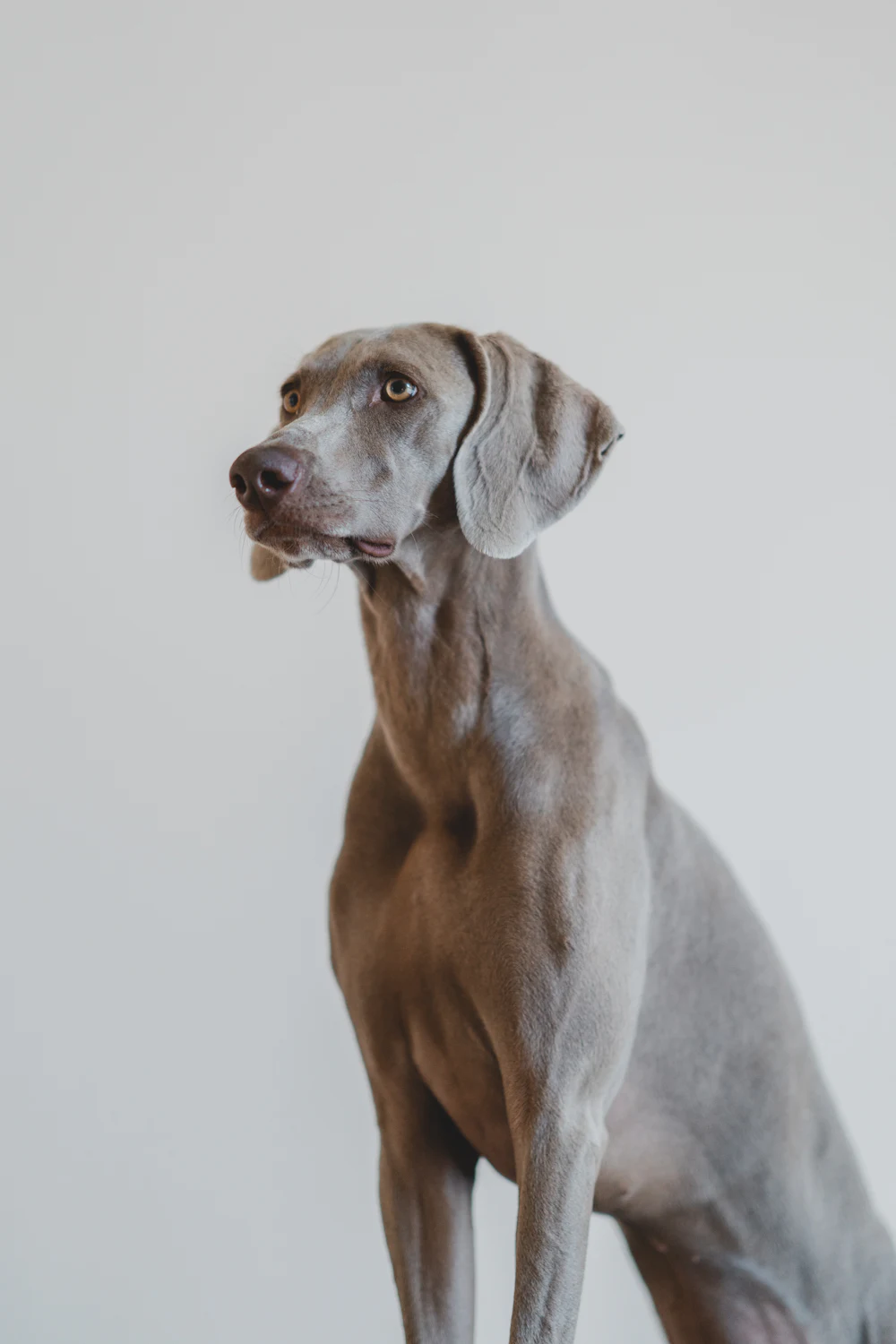
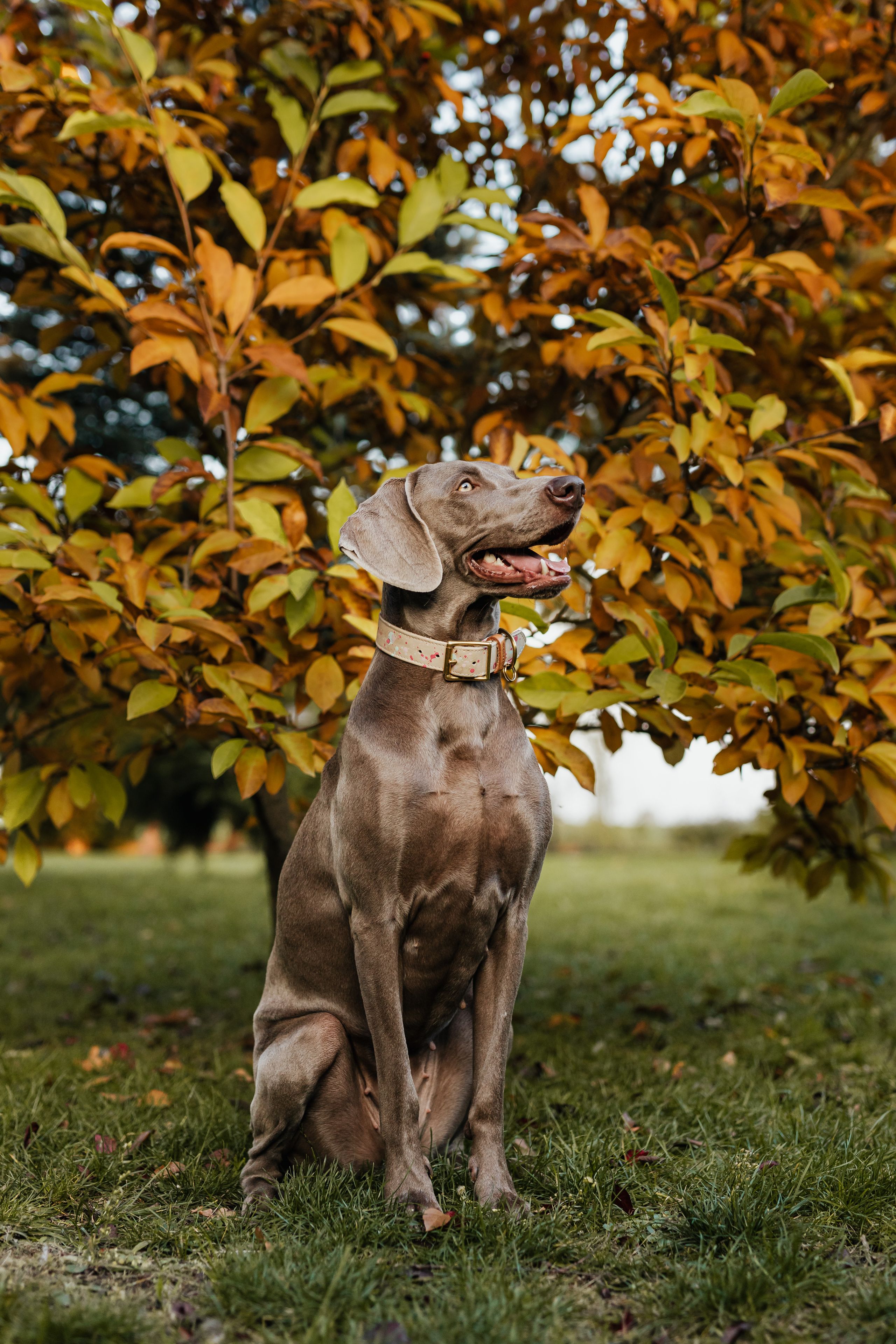
The standard considers the Weimaraner probably the oldest German pointing breed that has been pure bred, since about 1900. Its distinctive silver, roe or mouse grey coat earned it the nickname grey ghost. The current standard, published on 19 March 2015 with Germany as the country of origin, places it in Group 7, Section 1.1, continental pointing dogs of the braque type, and recognises both a short-haired and a long-haired variety.
Temperament
The standard describes a versatile, easily trained, steady and passionate hunting dog, with a remarkable ability to pick up scent and a remarkable inclination to work after the shot. At home that becomes a dog with a great deal of drive, a good memory and strong opinions. It is also deeply people-oriented, and many Weimaraners follow their owner from room to room, including the bathroom.
This closeness has a price. Weimaraners are prone to separation-related problems if left alone for long periods, and a dog that panics alone can bark, chew and escape. They are also sensitive: they respond badly to harsh words and sulk visibly. Give them company, a job and plenty of daily activity, and they are affectionate, funny and loyal housemates.
Children and other pets
Weimaraners can be affectionate with children but are boisterous, especially when young, and a bounding adolescent can knock a small child over without meaning to. Cats and small pets are at risk from the hunting instinct unless raised together, and even then a running cat may trigger the chase. They usually enjoy canine company if well socialised.
Exercise and the daily walk
This is among the most demanding breeds in the guide: plan on two hours a day, with real running rather than a trudge on the lead. Weimaraners were built to cover ground all day, and an under-exercised adult will let you know through chewing, digging and noise. Retrieving, scent games and tracking use the brain as well as the legs.
Because the hunting drive is powerful, a reliable recall is essential and should be built from puppyhood with a long line before any off-lead freedom. Forests such as the Grünewald offer excellent running, but wildlife will tempt them. Avoid hard exercise around mealtimes, and do not run a young puppy on hard surfaces until its joints have matured.
Training
Weimaraners are intelligent and eager, but also strong-willed and easily bored. Consistent, reward-based training, started early, is essential, and so is a solid recall, because the hunting drive is powerful. Retrieving, tracking and scent work give them a real job, which is the surest cure for mischief.
Alone time must be taught gradually from puppyhood. Start with a few minutes, reward calm behaviour, and build up slowly, using a settled routine and plenty of exercise before you leave. The breed is prone to distress when separated, and a Weimaraner that panics alone can do serious damage to itself and a flat. Seek help from a qualified trainer early if you see signs.
Coat and grooming
The short-haired coat is short, strong, very dense and smooth lying, and needs little more than a weekly brush or rub with a rubber mitt, with light but steady shedding. The long-haired variety has a soft, long coat with feathering and needs a few brushings a week. The FCI standard asks for silver, roe or mouse grey and shades of these, with white markings permitted only on the chest and toes. Weimaraners feel the cold, so a coat helps in winter.
Feeding and weight
Feed according to activity, in two or three smaller meals, and avoid hard exercise around mealtimes, because the breed is at risk of bloat, a life-threatening twisting of the stomach. Eating slowly helps, and a calm rest after a meal is sensible. Keep the dog lean but not thin, and adjust portions with the seasons and training load.
Work out a starting calorie figure and food weight with the calorie calculator. Not sure this is the right breed? Take the quiz.
Health
Every breed carries predispositions. These are the conditions most often discussed for the Weimaraner, not a prediction for any individual dog.
- Gastric dilatation-volvulus (bloat)
- Hip dysplasia
- Separation anxiety tendencies
- Immune-mediated conditions
- Spinal dysraphism
What to ask the breeder. Hip scores for the parents, and questions about bloat, immune conditions and temperament when alone in the lines.
Choosing a puppy
Ask for hip scores and about bloat, immune conditions and temperament in the lines. Meet the parents and ask how they cope when left alone, and how they were socialised. Be honest about your routine, because a good breeder will want to know who is home during the day. Start crate or settle training and short separations the week the puppy arrives.
In Luxembourg the national kennel club is the Fédération Cynologique Luxembourgeoise (FCL), a member of the FCI. Many owners also buy from breeders in Germany, France or Belgium; a puppy coming from another EU country must be microchipped and vaccinated against rabies, which in practice means it cannot travel before about fifteen weeks of age. Where to get a dog in Luxembourg.
The older Weimaraner
Keep an older Weimaraner moving with shorter, more frequent walks, and watch joints and weight. Stiffness after rest, slower recovery and reluctance to jump are early signs. The deep chest remains a bloat risk throughout life, so keep to small meals and quiet time afterwards. Provide a thick, supportive bed, since thin-skinned older dogs feel the cold and hard floors.
A realistic day
A realistic weekday for a working household in Luxembourg City, with a midday visit. Adjust it to your dog, not the other way round.
A long run or walk with retrieves, on a long line where needed.
Breakfast, then a settle while the household leaves.
Midday walk, important for this breed, with a scent game or retrieving.
Evening exercise or scent training in the park or forest.
Final walk, then a calm evening close to the family.
A Weimaraner in Luxembourg
A Weimaraner alone all day in a flat is a common source of barking complaints and chewed doors, and a dog this size in a shared building needs good manners in the lift and on the stairs. With midday walks, daily running and training, they are wonderful companions. Many owners in the city use a dog walker or sitter to break up the day.
The Grünewald, the Bambësch and the Pétrusse valley give good variety, and a long line allows safe running in open spaces. Summers can reach the 30s, so run early and late. The breed is lean and handles heat better than a heavy-coated dog, but it still needs shade and water. Buses and trams are free nationwide, so a well-trained dog can reach distant forests easily.
Every dog in Luxembourg must be identified, declared to the commune and covered by liability insurance. How registration works.
When you travel
Weimaraners struggle with separation. A sitter who stays in the home and provides plenty of exercise is far better than long days alone or a kennel. Introduce the sitter first, agree a daily routine, and make sure they know to feed in small meals and avoid exercise just afterwards. Leave a long line and written recall guidance, since a bored dog may bolt.
PAWLY's holiday and overnight care takes place in your home, so your dog keeps its own bed and routine.
Myths and facts
MythWeimaraners are calm house dogs.
FactOnly when their need for exercise and company is met. Without it they are loud, destructive and restless.
MythThe grey colour is a sign of poor health.
FactThe silver-grey coat is breed-typical, and the FCI standard asks for silver, roe or mouse grey. It is not linked to poor health.
MythA Weimaraner can be trained to be left for a working day.
FactWith patient training some cope with a few hours, but the breed is prone to separation distress. Plan for company or a midday visit.
Is it the right dog for you?
Suits
- Very active owners
- Runners, hikers and hunters
- People home much of the day
- Owners who enjoy training and scent work
Think twice if
- Long days alone
- Sedentary households
- Homes with small pets
- People unwilling to teach recall patiently
Questions owners ask
Are Weimaraners good family dogs?
Yes, with active families. They are affectionate but can be boisterous with small children, and they need a lot of exercise and company. A calm, sedentary household is not a good match.
Why is my Weimaraner so clingy?
The breed is very people-oriented and was bred to work closely with its handler. Teach calm alone time gradually from puppyhood, and give enough exercise and mental work to prevent distress.
Can a Weimaraner live in a flat?
Yes, if it receives about two hours of real exercise, company through the day and early training. Without those, barking, chewing and anxiety become likely. Lifts and stairs also need practice for a large dog.
Is a long-haired Weimaraner different?
The FCI standard recognises both varieties, with the same silver, roe or mouse grey colouring and the same character. The long-haired dog has a soft, long coat with feathering and needs a little more brushing.
Sources
Photo: Unsplash (Unsplash License) · Photo: Unsplash (Unsplash License) · Photo: Unsplash (Unsplash License) · Photo: Unsplash (Unsplash License) · Photo: Pexels (Pexels License)
General information for dog owners in Luxembourg, not veterinary or legal advice. Official facts (origin, size, group, history and temperament as described by the breed standard) follow the FCI standard; health and care sections reflect breed-club and veterinary guidance and are typical ranges rather than rules. For your own dog, ask your vet, the breed club or your commune. How this guide is written and checked. Last reviewed 8 October 2026.
Need someone for your Weimaraner?
PAWLY offers an individual 45-minute walk or a home visit at your dog's pace, the same walker every time, and a written report with photos after every visit, across Luxembourg City.
Read next: the journal, for the Weimaraner
All articles
Long-backed breeds, stairs and the spine
A long back makes stairs matter more than most owners think.

Building a recall you can actually rely on
Scent and movement can cancel a recall; this is the method for the Weimaraner.

Working breeds in a city flat: the honest version
High-drive dogs like the Weimaraner can live in a flat, but it takes a plan.
Similar breeds
All 198 breeds
Hungarian Vizsla
A golden-rust pointer from Hungary, sensitive, affectionate and famously known as the velcro dog.
EnergyGroomingFlat life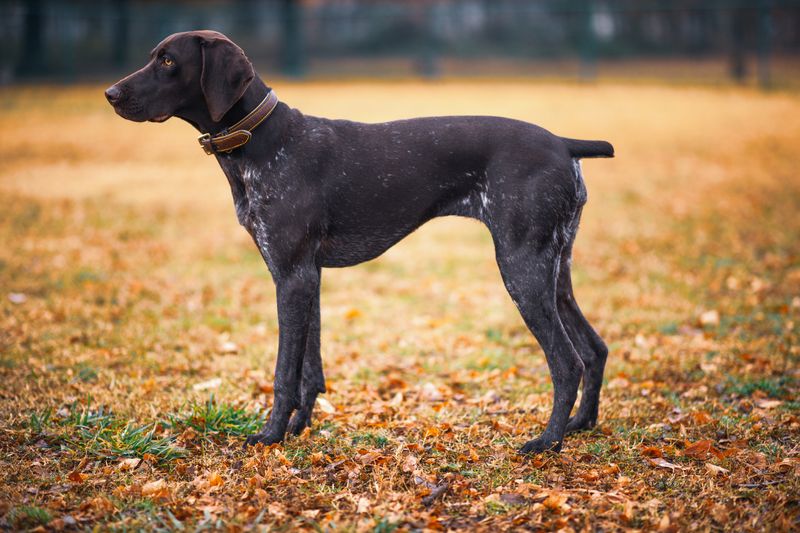
German Shorthaired Pointer
A versatile German hunting dog built for strength, endurance and speed, affectionate on the sofa and tireless outdoors when given a job.
EnergyGroomingFlat life
German Wirehaired Pointer
The Deutsch Drahthaar is a bearded, weatherproof all-rounder, built for a day of fieldwork and not for a quiet life.
EnergyGroomingFlat life

