History
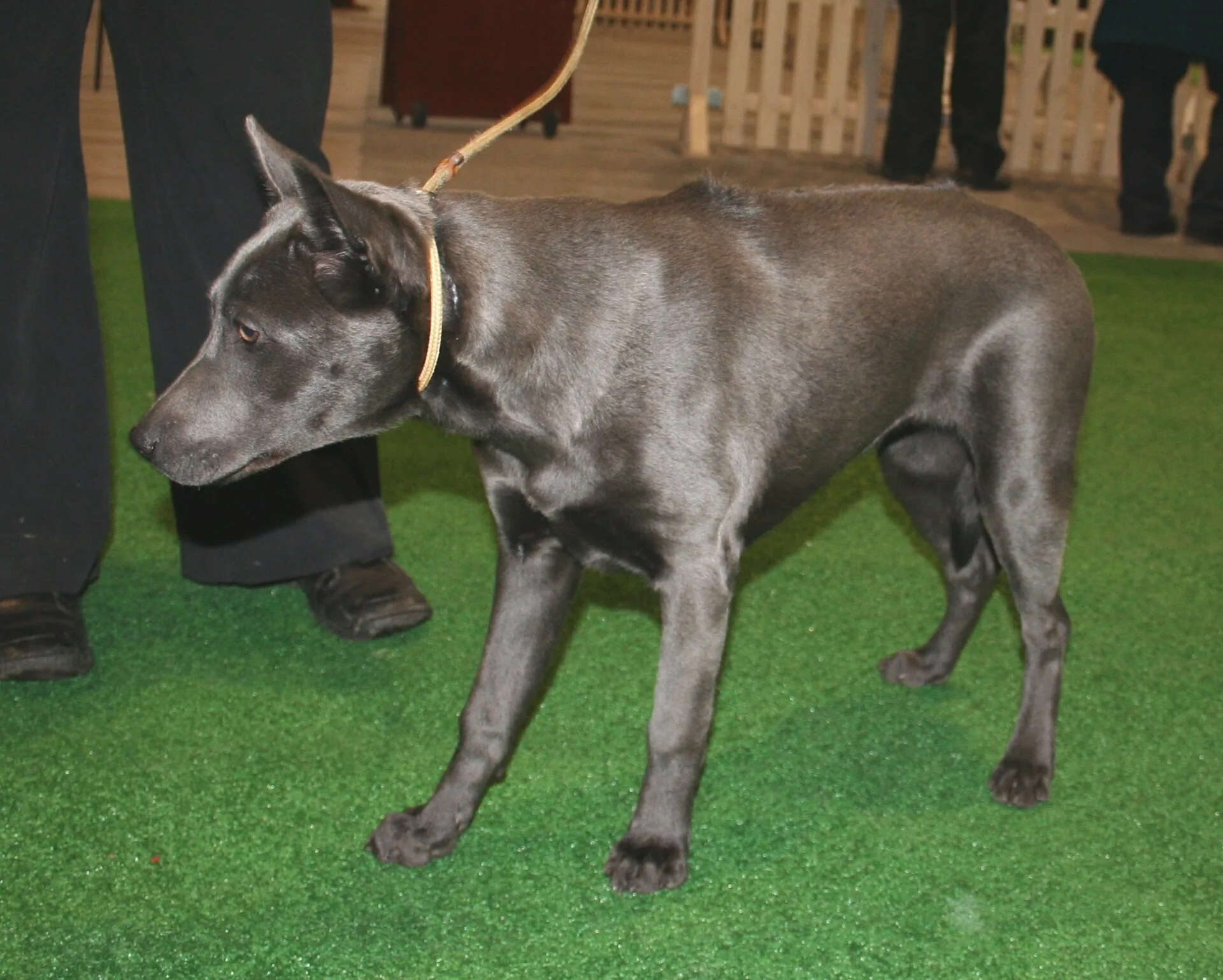
The FCI lists the Thai Ridgeback under Thailand, in Group 5, Section 7, primitive type hunting dogs, and describes it as a hunting and companion dog. According to the standard, it is an ancient Thai breed, documented in archaeological records from roughly 360 years ago. It was used for hunting in eastern Thailand, for escorting carts and as a watchdog, which explains both its toughness and its watchful nature at home.
The standard notes that geographic isolation limited crossbreeding, which preserved the breed's original type. Its most striking feature is the ridge, a band of hair growing in the opposite direction to the rest of the coat along the back. The FCI requires it to be clearly defined and symmetrical on either side of the backbone. Outside Thailand the Thai Ridgeback remains rare, and in Europe numbers are small, so puppies from responsible, health-testing breeders are in demand and often mean a long wait.
Temperament
The FCI describes the Thai Ridgeback as tough and active with excellent jumping ability, and a loyal family dog. In practice it is an intelligent, independent, strong-willed dog that forms a deep bond with its household and is reserved, sometimes suspicious, with strangers.
It will chase a cat or squirrel from a standing start, clear a fence without fuss and watch a gate for opportunities. Left without exercise or work, it finds its own, often destructively. With a calm, confident, experienced owner who offers consistency, daily exercise and early socialisation, it becomes a clean, quiet, elegant companion.
Children and other pets
A well-bred Thai Ridgeback raised with a family can be loyal and protective with its own children, but its power, speed and reserve mean it needs careful supervision around young ones, and visiting children must be taught not to tease or corner it. It can be dominant with other dogs, particularly of the same sex, and early socialisation is vital. Its high prey drive means cats, rabbits and small pets outside the household may be chased, and even household cats are best introduced very early.
Exercise and the daily walk
An adult needs at least an hour and a half of vigorous activity a day, and many are happier with two. Running, brisk hiking, bike-jogging and fetch suit it, and the breed has strong stamina and a spectacular jump.
Off-lead exercise is only realistic in a secure, fully fenced area with high fencing, because the instinct to chase is strong and its jumping ability is considerable. In open country, use a long line and a well-fitting harness. Mental work is as important as physical exercise: scent games, obedience, agility and varied routes keep the dog engaged. Avoid hard running and jumping while the puppy is growing, and increase exercise gradually.
Training
The Thai Ridgeback is intelligent but not eager to please, and it needs an owner who understands primitive breeds. Short, positive, varied training sessions with food and play rewards work best, while harsh methods and repetition are rejected. Establish rules early and apply them consistently: manners at doors, calm greetings, lead walking and settling.
Introduce the puppy to a wide variety of people, dogs, vehicles and city situations, and reward calm behaviour. Recall should be practised constantly but never trusted near roads or wildlife. Teach the dog to be comfortable alone in short, gradual stages. Many owners find that structured classes with an experienced trainer help to channel the breed's intelligence and prevent problems with reactivity.
Coat and grooming
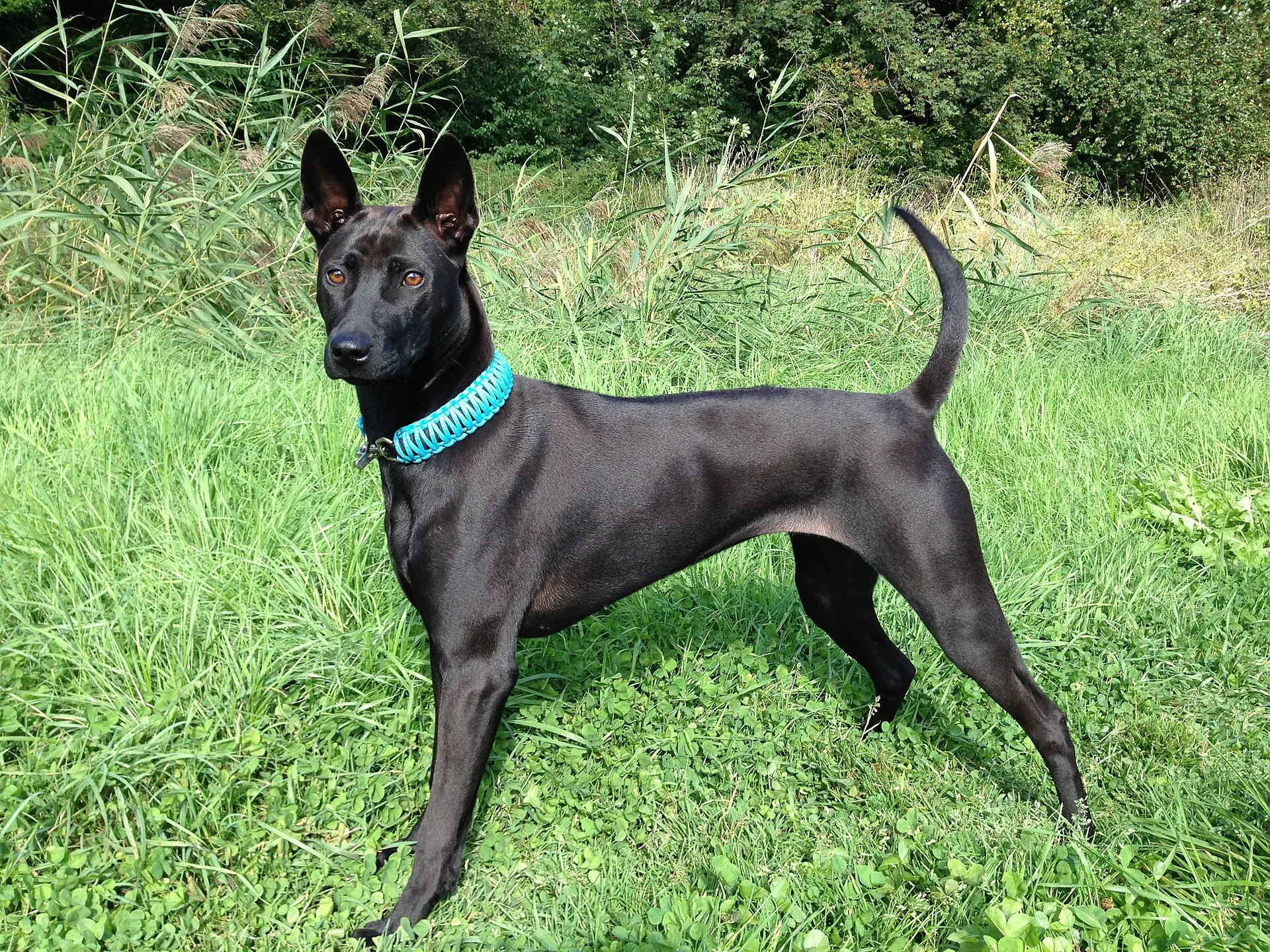
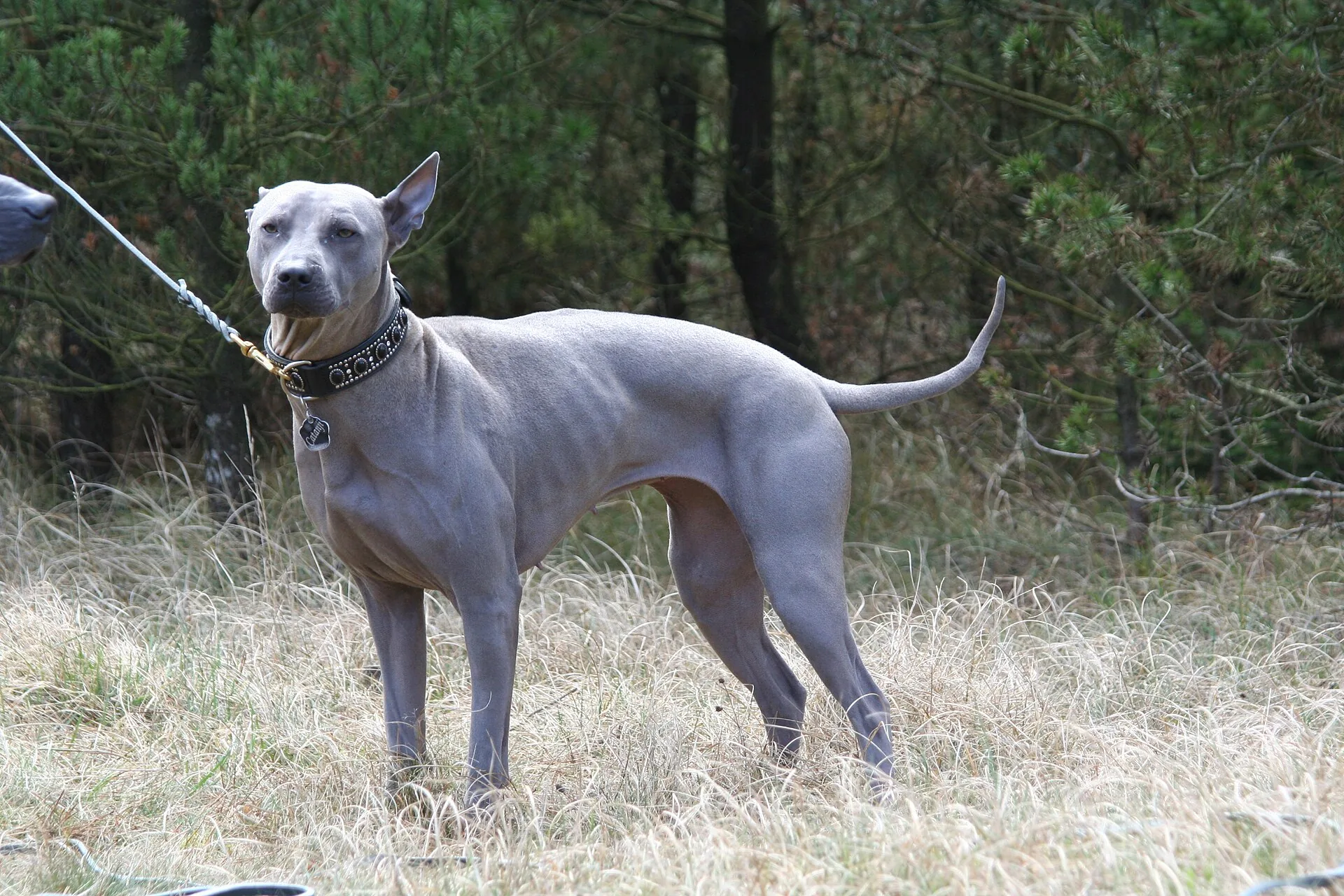
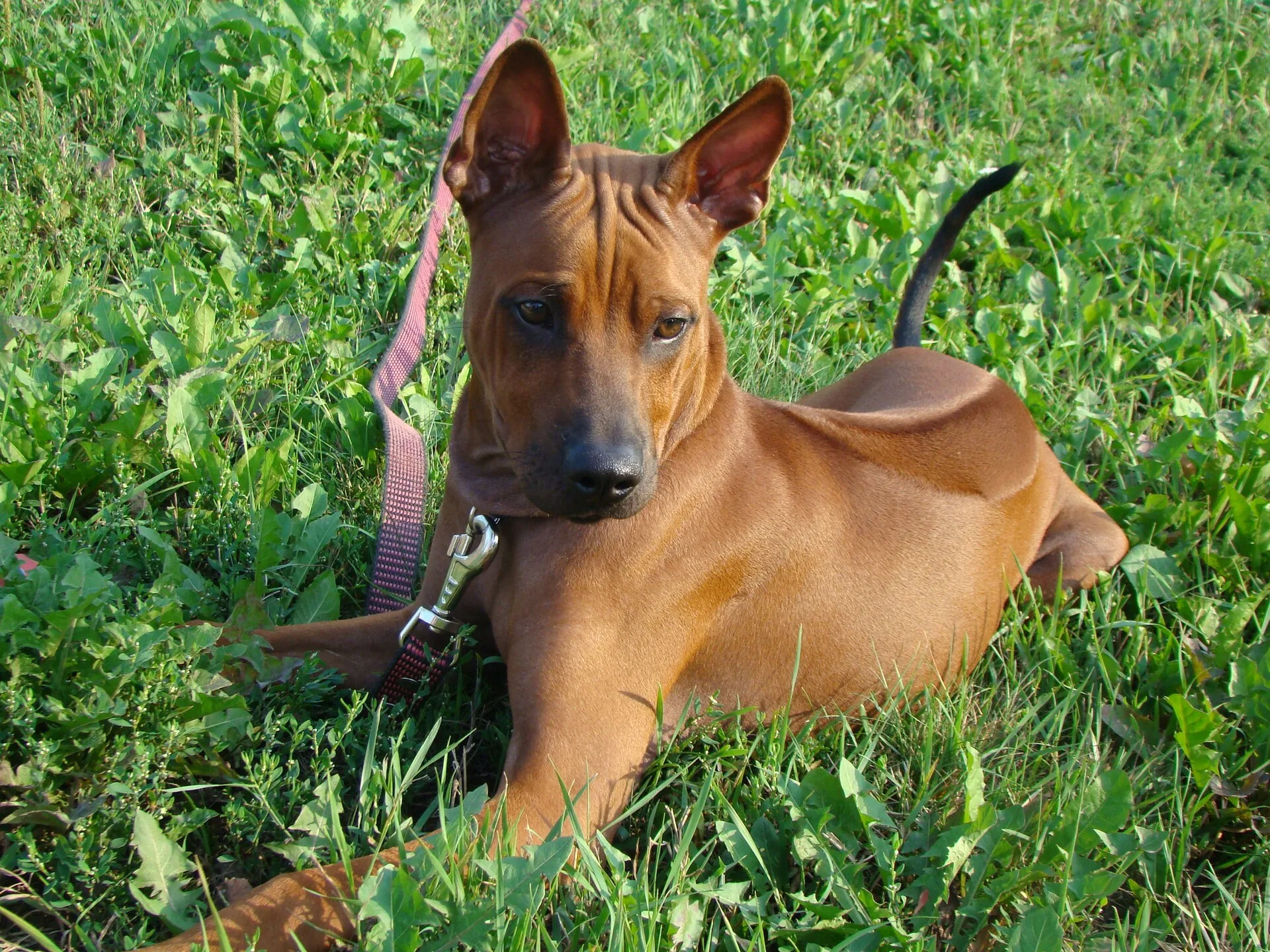
The coat is short and smooth, lying close to the body, with a distinct ridge formed by hair growing in the opposite direction to the rest of the coat. The FCI requires the ridge to be clearly defined and symmetrical, with acceptable crowns or whirls at its head. Grooming is minimal: a weekly rub with a rubber mitt removes dead hair, and the breed sheds lightly year-round. The FCI permits red, black, blue and very light fawn (isabella), with a black mask preferable in reds.
Feeding and weight
A lean, athletic dog needs a balanced, good-quality complete food in measured portions, adjusted to age and activity. Feed two smaller meals rather than one large meal to reduce the risk of bloat in this deep-chested breed, and avoid hard exercise just before or after eating. Keep the dog lean, with the waist visible, and provide fresh water at all times.
Work out a starting calorie figure and food weight with the calorie calculator. Not sure this is the right breed? Take the quiz.
Health
Every breed carries predispositions. These are the conditions most often discussed for the Thai Ridgeback, not a prediction for any individual dog.
- Dermoid sinus, a small tube of skin that can develop along the spine, usually in the ridge area, and may need surgery
- Hip and elbow dysplasia, malformation of the joints that can cause lameness
- Bloat (gastric dilatation and volvulus), an emergency in deep-chested dogs
- Skin problems and allergies, with itching
What to ask the breeder. Ask for evidence that the parents and litter have been checked for dermoid sinus, for hip and elbow scores, and for any DNA tests recommended by the breed club. Ask the breeder to explain how they screen puppies at birth and what the contract says if a problem appears.
Choosing a puppy
A Thai Ridgeback puppy is quick, bright and mischievous, and it needs a firm, patient owner from the first day. Begin socialisation immediately, with calm introductions to strangers, dogs, lifts and traffic. Keep exercise short and avoid jumping and long runs while the joints develop. Check the ridge area for any dimple or lump and tell your vet.
In Luxembourg the national kennel club is the Fédération Cynologique Luxembourgeoise (FCL), a member of the FCI. Many owners also buy from breeders in Germany, France or Belgium; a puppy coming from another EU country must be microchipped and vaccinated against rabies, which in practice means it cannot travel before about fifteen weeks of age. Where to get a dog in Luxembourg.
The older Thai Ridgeback
Many Thai Ridgebacks stay active and sharp into old age, though joints, spine and skin deserve closer attention. Replace hard running with steady, regular walks, provide a thick orthopaedic bed and keep the dog lean. Watch for stiffness, hind-limb weakness, loss of coordination, lumps and changes in appetite or thirst. Teeth and skin should be checked regularly, and a twice-yearly veterinary visit for senior health is sensible. Mental games continue to keep the dog engaged.
A realistic day
A realistic weekday for a working household in Luxembourg City, with a midday visit. Adjust it to your dog, not the other way round.
Toilet break and a brisk 30 to 40 minute run or walk on a harness before breakfast.
Breakfast and a chew while the household leaves; a long-lasting chew or food puzzle helps it settle.
Midday visit: a proper 30 minute walk with scent games, a short training session and fresh water.
Main exercise of 60 to 90 minutes in the Grünewald or Bambësch, on a long line, followed by a calm cool-down.
Final toilet break, a calm settle on a warm bed and a quick rub-down.
A Thai Ridgeback in Luxembourg
A Thai Ridgeback in a Luxembourg flat needs a committed owner. It is clean, quiet and calm when exercised, but without hard daily exercise it becomes restless and destructive. Lifts and corridors are manageable, but its reserve with strangers and other dogs means encounters in shared spaces need care. Free buses and trams make it easy to reach forests and large parks, where it can run on a long line or in secure areas.
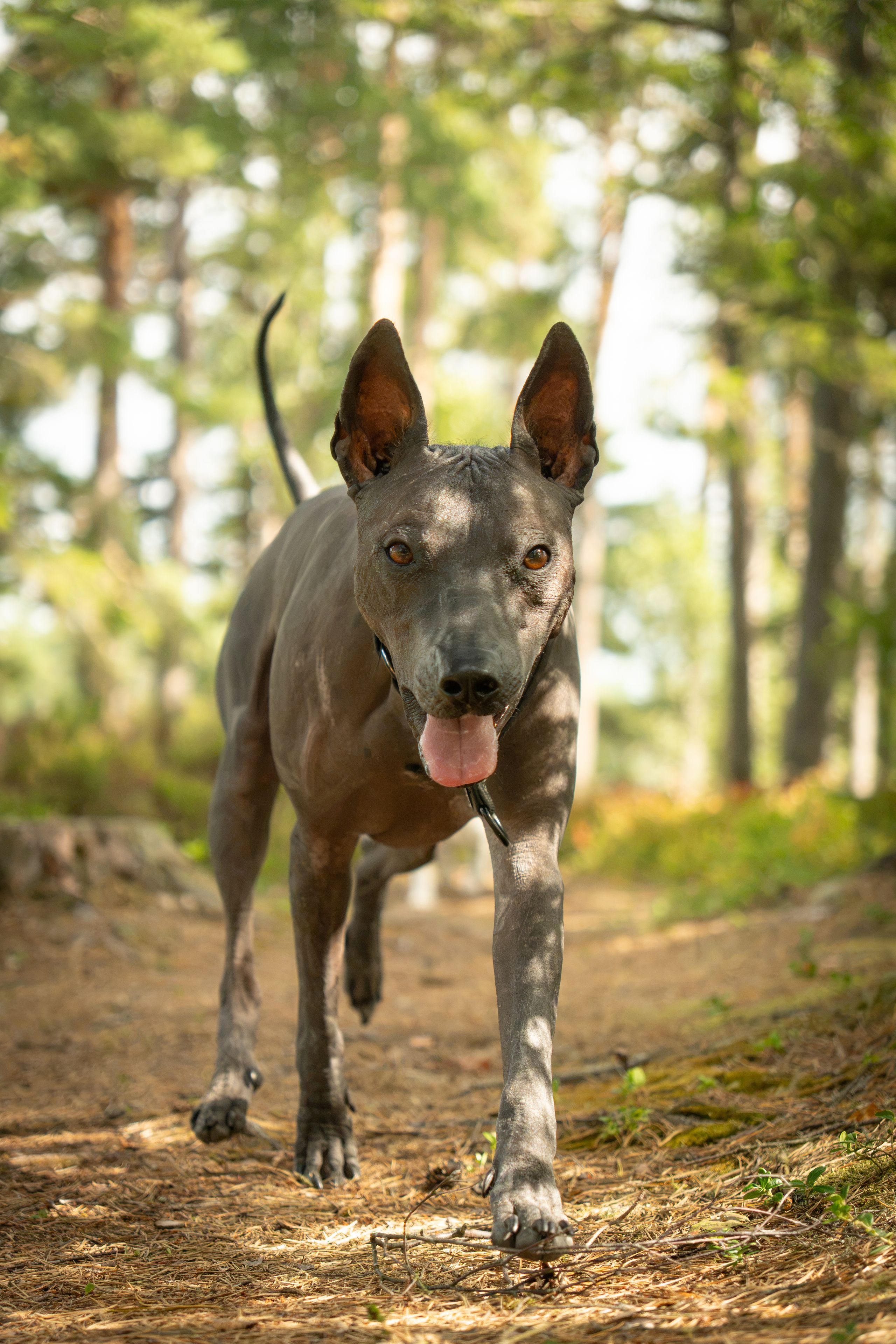
The thin coat means this dog feels the cold. Winter walks in the damp Luxembourg climate are more comfortable with a coat, and it should have a warm bed. In summer, temperatures in the 30s need caution, with early and late walks, shade and water, as exercise in the heat is a risk. Wildlife in the Grünewald and Bambësch is a temptation for its prey drive, and the dog can clear most garden fences, so use a lead or long line and high, solid fencing.
Every dog in Luxembourg must be identified, declared to the commune and covered by liability insurance. How registration works.
When you travel
A sitter needs to be confident and experienced with strong, independent dogs. Use a secure harness with a double-clipped lead, check gates, doors and windows constantly, and never let it off-lead outside a secure area. Keep to the usual routine, with exercise before meals, and provide plenty of mental work. It may be reserved with strangers, so allow it to approach in its own time. In cold or wet weather, provide a coat and keep the dog warm.
PAWLY's holiday and overnight care takes place in your home, so your dog keeps its own bed and routine.
Myths and facts
MythA Thai Ridgeback is just a Rhodesian Ridgeback from Asia.
FactThey are separate breeds. The Thai is smaller, leaner and more primitive in type, and has its own history, temperament and health profile.
MythA ridge makes the dog aggressive.
FactThe ridge is a coat feature and has no bearing on temperament. Reserve with strangers and drive need handling, but a well-bred, well-socialised dog is not aggressive.
MythA short coat means no care.
FactGrooming is minimal, but the thin coat means cold and wet weather need attention, and the skin should be checked regularly for dermoid sinus, allergies and lumps.
Is it the right dog for you?
Suits
- Experienced owners who enjoy active, independent primitive breeds
- People who run, hike or cycle every day
- Households with high, secure fencing and calm routines
- Owners prepared to invest in early socialisation and training
Think twice if
- You are a first-time dog owner
- You have cats, rabbits or other small pets
- You want a dog that is friendly with every stranger and dog
- You cannot provide long daily exercise in all weathers
Questions owners ask
Is the Thai Ridgeback suitable for first-time owners?
Generally not. It is intelligent but independent, strong and reserved, and it needs experienced, consistent handling and early socialisation. A first-time owner should think carefully and speak to breeders.
How high can a Thai Ridgeback jump?
The FCI notes excellent jumping ability, and many can clear a surprisingly high fence from a standing start. Fencing should be high, solid and checked regularly.
Does it shed?
Lightly. The short coat sheds a little throughout the year, and a weekly rub with a rubber mitt is usually enough. It is a clean breed with little doggy smell.
What is dermoid sinus?
A small tube of skin that can extend from the surface towards the spinal cord, most often in the ridge area. It can become infected and may need surgery, so responsible breeders check puppies at birth.
Sources
Photo: SvennoFischer, CC BY-SA 3.0, via Wikimedia Commons · Photo: Andreasnirtl, CC BY-SA 3.0, via Wikimedia Commons · Photo: Valentin930, CC BY-SA 3.0, via Wikimedia Commons · Photo: Pexels (Pexels License) · Photo: Pleple2000, CC BY-SA 4.0, via Wikimedia Commons
General information for dog owners in Luxembourg, not veterinary or legal advice. Official facts (origin, size, group, history and temperament as described by the breed standard) follow the FCI standard; health and care sections reflect breed-club and veterinary guidance and are typical ranges rather than rules. For your own dog, ask your vet, the breed club or your commune. How this guide is written and checked. Last reviewed 8 October 2026.
Need someone for your Thai Ridgeback?
PAWLY offers an individual 45-minute walk or a home visit at your dog's pace, the same walker every time, and a written report with photos after every visit, across Luxembourg City.
Read next: the journal, for the Thai Ridgeback
All articles
Building a recall you can actually rely on
Scent and movement can cancel a recall; this is the method for the Thai Ridgeback.

Feeding, portions and how to tell if your dog is the right weight
Large dogs suffer more from extra weight; this is how to judge the right one.

Dogs in hot weather: the Luxembourg summer guide
The Thai Ridgeback carries a heavy coat or a heavy frame, which makes a Luxembourg summer the hard season.
Similar breeds
All 198 breeds
Rhodesian Ridgeback
The African lion dog: dignified, independent and athletic, with the ridge of hair along its back that gives it its name.
EnergyGroomingFlat life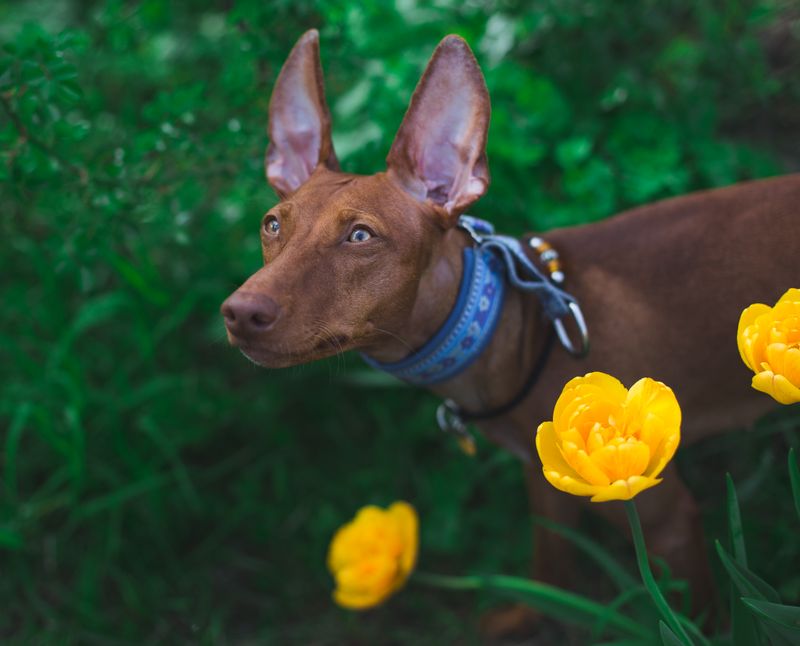
Pharaoh Hound
Malta's elegant tan hunting dog, which blushes when it is happy and hunts by sight, scent and hearing.
EnergyGroomingFlat life
Basenji
A small hunting dog from Central Africa that yodels rather than barks, grooms itself like a cat and thinks for itself at every turn.
EnergyGroomingFlat life

