
History
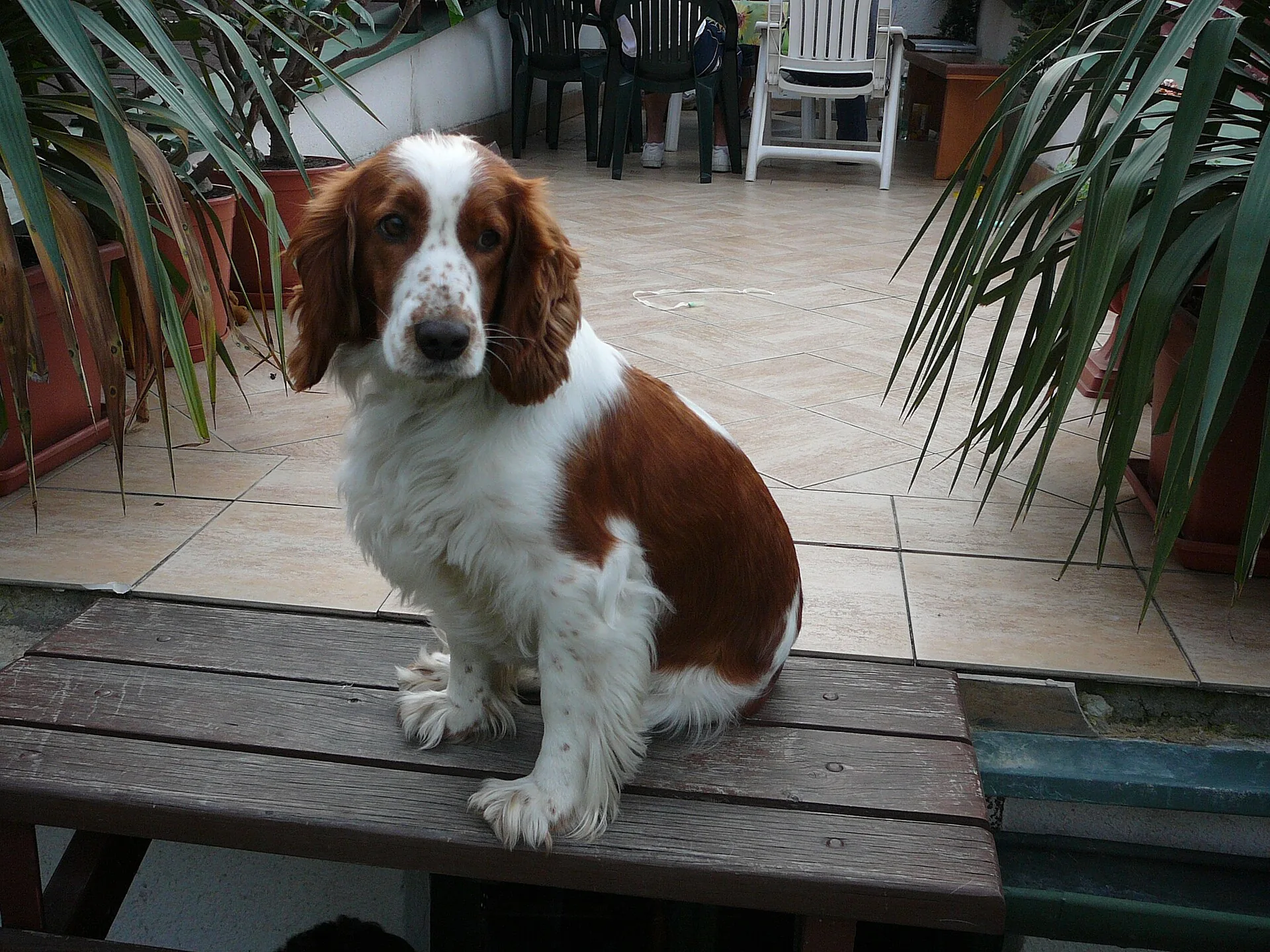
The Welsh Springer Spaniel is a flushing dog, bred to find game in rough country and drive it into the open for the gun. The FCI standard calls it a very ancient and distinct breed of pure origin, with Great Britain as its country of origin. It was recognised as a breed separate from the English Springer at the start of the twentieth century, and it has always stayed far less common than its English cousin.
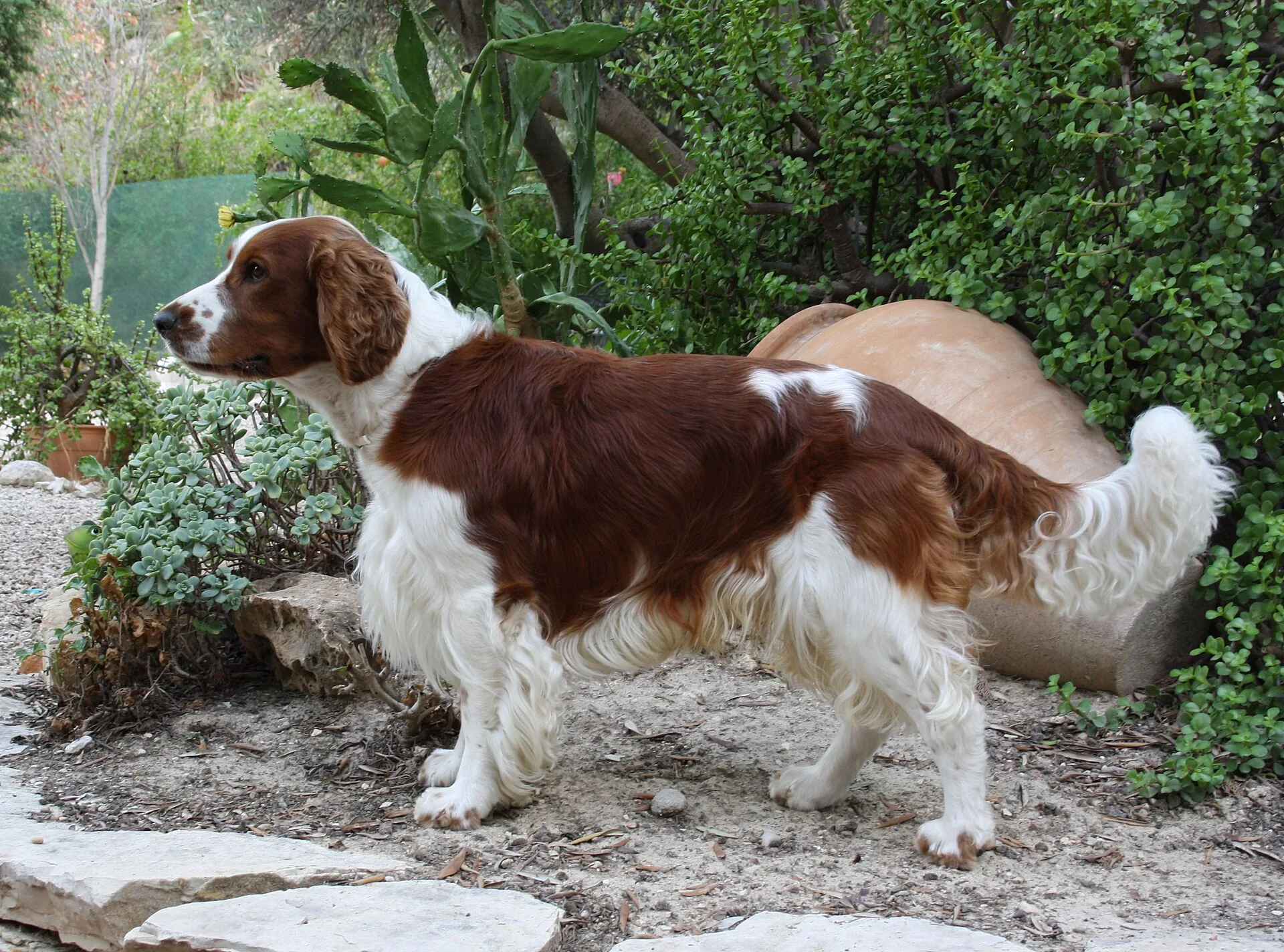
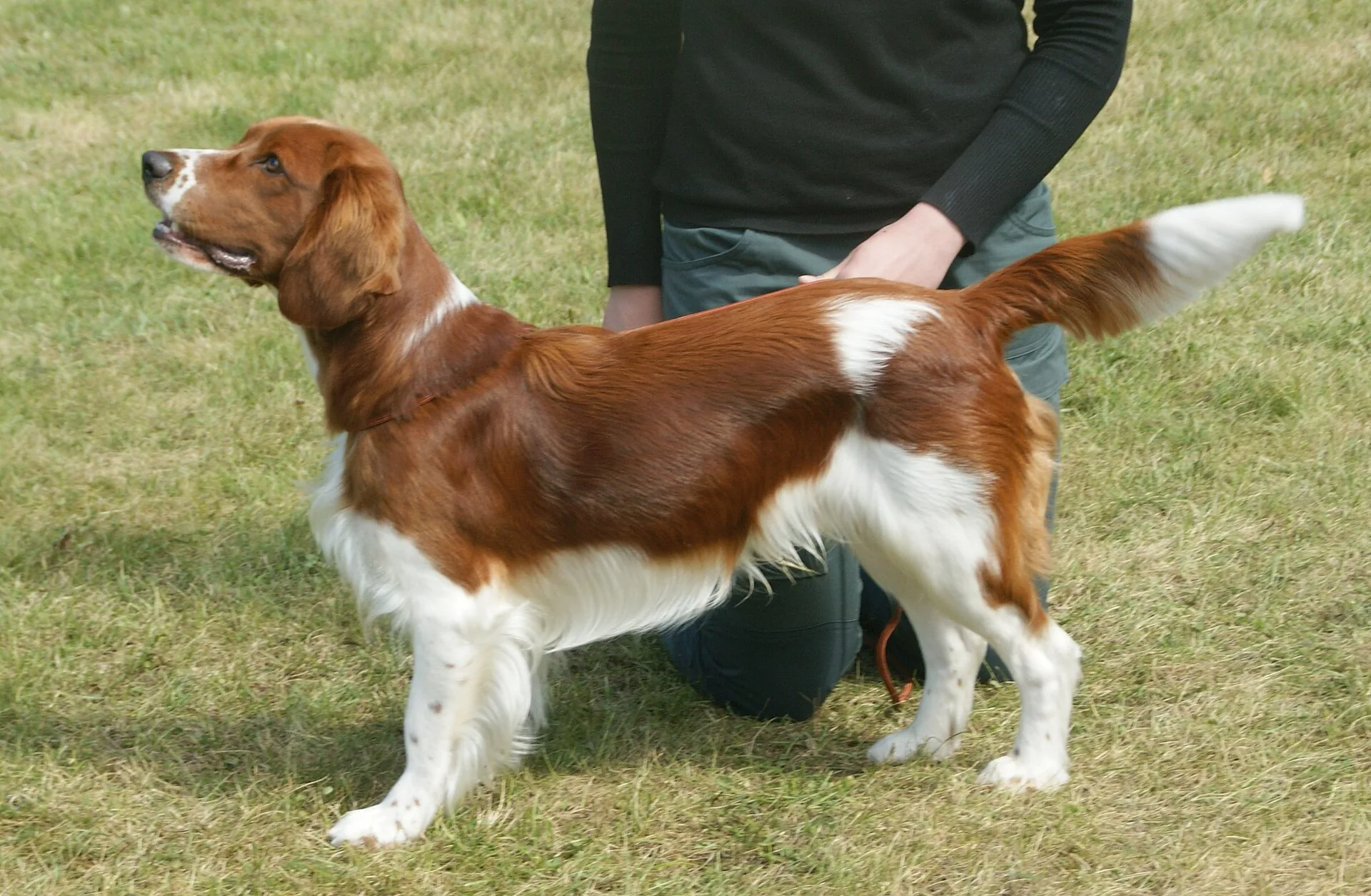
The standard, published on 28 July 2009, places the breed in Group 8, Section 2, flushing dogs. It describes a symmetrical, compact dog, obviously built for endurance and hard work, that moves with plenty of push and drive. The only colour allowed is rich red and white, and a dog stands about 48 cm at the withers, a bitch about 46 cm. Everything about the build speaks of a working dog that was meant to last a long day, and the breed still looks the part when it is out in a field.
Temperament
The FCI standard calls the Welsh Springer strong, merry and very active, with a kindly disposition that shows neither aggression nor nervousness. That matches what handlers see on the ground: a cheerful, busy dog that wags its whole back end, carries a toy to every visitor and is happiest with a job and its family close by.
Welsh Springers are generally a little more reserved than English Springers with strangers, and they can be sensitive. A raised voice or a tense atmosphere may make a young dog withdraw. They bond closely, and many resist being left out of family activity. Give them plenty of company, gentle consistency and work for the nose, and they are loyal, affectionate and rewarding companions. They are rarely a one-person dog, and most greet every family member with the same wagging delight.
Children and other pets
Good with children who are gentle and active, and usually friendly with other dogs. They are energetic and can be boisterous, so very small children may be knocked over in the excitement. Small pets and birds may trigger the flushing instinct, and a cat that runs can set off a chase. Supervise early introductions and teach children to respect the dog's space.
Exercise and the daily walk
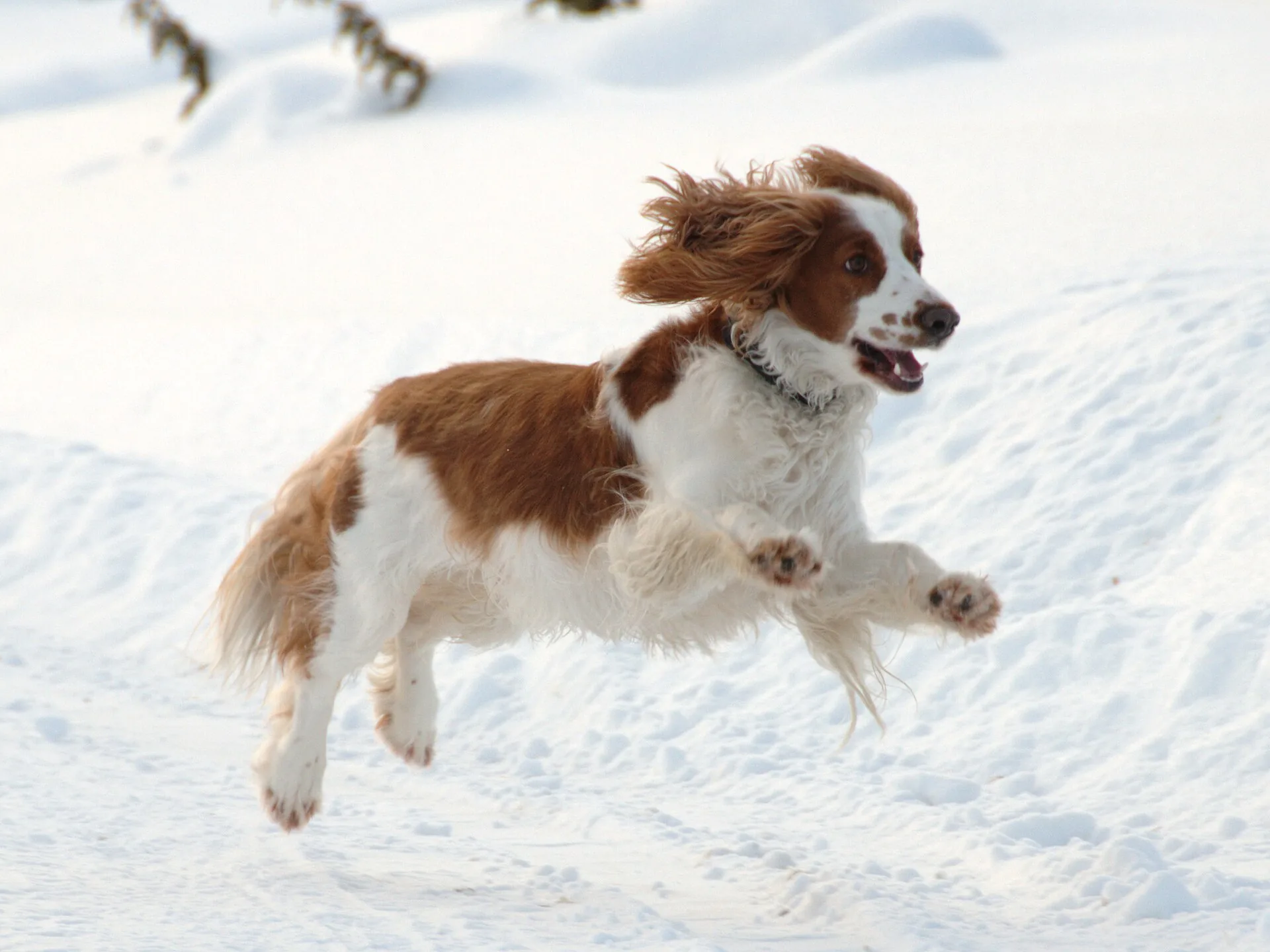
An hour and a half a day, with real running and scent work, suits an adult Welsh Springer. They have stamina and love to use their noses. Many enjoy swimming, retrieving and long walks in the country, and they usually cope well with wet weather. A short lead walk around the block does not meet their needs.
Mix the routine: a brisk morning walk, a scent or retrieving game later, and a longer outing at the weekend. Because the flushing instinct is strong, keep a long line handy in open areas until recall is reliable. A tired spaniel is a calm spaniel, but a bored one will dig, bark and shadow you.
Training
Welsh Springers are intelligent and willing, but sensitive. They respond to gentle, reward-based training with plenty of variety, and harshness can lead to shutdown. Short sessions, lots of praise and food rewards work well, and they enjoy learning tricks and retrieving tasks.
Teach a solid recall early, since the flushing instinct is strong, and practise calm lead walking before the dog is fully grown. Reward checking in on walks, and use a long line in forests. Build alone time gradually, because a close-bonding dog can become anxious if never left. Work on settling in the evening as well as on activity.
Coat and grooming
The coat is straight or flat, silky and dense, never wiry or wavy, and curly coat is highly undesirable under the FCI standard. It needs brushing several times a week to prevent tangles in the feathering, especially on ears, legs and chest. Check and clean the ears regularly, and trim the feet and ears where needed. Shedding is light throughout the year. The only colour permitted is rich red and white.
Feeding and weight
Welsh Springers are active and usually lean, but weight gain is easy in quieter homes, and many are keen on food. Feed measured meals and adjust to activity, using part of the ration for training. Check the waistline and ribs by hand every few weeks, and cut back treats before cutting the main meal. Fresh water should always be available after exercise.
Work out a starting calorie figure and food weight with the calorie calculator. Not sure this is the right breed? Take the quiz.
Health
Every breed carries predispositions. These are the conditions most often discussed for the Welsh Springer Spaniel, not a prediction for any individual dog.
- Hip dysplasia
- Eye conditions including glaucoma and progressive retinal atrophy
- Ear infections
- Epilepsy
- Hypothyroidism (underactive thyroid)
What to ask the breeder. Hip scores and eye examinations for the parents, and whether epilepsy or glaucoma appear in the lines.
Choosing a puppy
Ask for hip scores and eye tests for the parents, and meet them. Because the breed is uncommon, you may wait for a litter, which is no bad thing. Look for a bright, confident puppy that is neither frantic nor shy, and ask how it has been socialised. Start ear and coat care early, and practise handling the feet and ears.
In Luxembourg the national kennel club is the Fédération Cynologique Luxembourgeoise (FCL), a member of the FCI. Many owners also buy from breeders in Germany, France or Belgium; a puppy coming from another EU country must be microchipped and vaccinated against rabies, which in practice means it cannot travel before about fifteen weeks of age. Where to get a dog in Luxembourg.
The older Welsh Springer Spaniel
Watch for stiffness, ear infections and eye changes such as redness or cloudiness, which need prompt veterinary attention. Many Welsh Springers stay active into their teens, so keep up regular exercise with shorter, more frequent walks. Check the weight, because slowing down while eating the same amount leads to gain. Warm, dry bedding helps stiff joints.
A realistic day
A realistic weekday for a working household in Luxembourg City, with a midday visit. Adjust it to your dog, not the other way round.
A long walk with some running and a retrieve.
Breakfast, then a settle.
Midday visit with a game and a sniff in the park.
Longer outing with retrieving or scent work, ideally in the forest.
Final walk, then a brush and ear check.
A Welsh Springer Spaniel in Luxembourg
A Welsh Springer can live in a flat if its exercise and mental work are met, and its size suits lifts and stairs, but it does best with easy access to open country. Forests and fields suit it. The Grünewald and the Bambësch give excellent scent walks, and a long line is wise in open areas.
Wet autumn and winter days are no hardship for this breed, but plan to dry and brush the feathering after muddy outings. Summers can reach the 30s, so walk early and late and keep water to hand. Buses and trams are free nationwide, so weekend trips to wider countryside are easy. Every dog must be microchipped, declared to the commune and insured.
Every dog in Luxembourg must be identified, declared to the commune and covered by liability insurance. How registration works.
When you travel
Welsh Springers are sociable, often quietly clingy, and usually settle well with a sitter who exercises them generously. Introduce them first, and keep them on a lead outdoors, since a scent can take them far. Leave notes on feeding, ear care and the long line, and give the sitter your vet's details. Dogs of this temperament dislike long, quiet days, so activity matters. A pre-visit walk together lets the dog learn the sitter's voice and smell, and a clear daily timetable keeps the routine familiar.
PAWLY's holiday and overnight care takes place in your home, so your dog keeps its own bed and routine.
Myths and facts
MythWelsh Springers are just red English Springers.
FactThey are a separate breed, slightly smaller, always red and white, and a little more reserved.
MythSpaniels are all easy.
FactThey need exercise, work and grooming, like any working breed.
MythA quiet spaniel needs little exercise.
FactWelsh Springers have stamina, and without enough activity they find their own work, often digging and barking.
Is it the right dog for you?
Suits
- Active owners
- Families with older children
- People who like long walks
- Homes with access to forests or fields
Think twice if
- Flat-dwellers with little time
- People out all day
- Homes with pet birds
- Owners who dislike regular grooming
Questions owners ask
Welsh or English Springer Spaniel?
The Welsh is smaller, always red and white, and a little more reserved. The English comes in more colours and is usually more outgoing. Both need plenty of exercise and work.
Do Welsh Springers shed?
Yes, lightly throughout the year. Brushing several times a week keeps loose hair and tangles under control, particularly in the feathering.
How much exercise does a Welsh Springer need?
About an hour and a half a day, with running, scent work or retrieving rather than a slow lead walk. Young dogs and working lines may need more.
Are Welsh Springers good with children?
Usually, with gentle, active children. They are energetic and can be boisterous, so supervise small children and teach everyone to respect the dog's resting space.
Sources
Photo: Unsplash (Unsplash License) · Photo: Udo Tjalsma, CC0, via Wikimedia Commons · Photo: Siri Spjelkavik, CC BY-SA 2.0, via Wikimedia Commons · Photo: Canarian, CC BY-SA 4.0, via Wikimedia Commons · Photo: I would appreciate being notified if you use my work outside Wikimedia. Do not copy this image illegally by ignoring the terms of the license below, as it is not in the public domain. If you would like special permission to use, license, or purchase the image please contact me to negotiate terms. More of my work can be found in my personal gallery., CC BY-SA 3.0, via Wikimedia Commons
General information for dog owners in Luxembourg, not veterinary or legal advice. Official facts (origin, size, group, history and temperament as described by the breed standard) follow the FCI standard; health and care sections reflect breed-club and veterinary guidance and are typical ranges rather than rules. For your own dog, ask your vet, the breed club or your commune. How this guide is written and checked. Last reviewed 8 October 2026.
Need someone for your Welsh Springer Spaniel?
PAWLY offers an individual 45-minute walk or a home visit at your dog's pace, the same walker every time, and a written report with photos after every visit, across Luxembourg City.
Read next: the journal, for the Welsh Springer Spaniel
All articles
Building a recall you can actually rely on
Scent and movement can cancel a recall; this is the method for the Welsh Springer Spaniel.

Dogs and cats in the same flat
The Welsh Springer Spaniel can see small animals as prey; this covers living with a cat in a flat.

What to do during a seizure
Seizures are discussed in the Welsh Springer Spaniel; knowing what to do in the first minutes matters.
Similar breeds
All 198 breeds
English Springer Spaniel
A tireless, merry gundog that lives for hedges, water and a job, and brings the same enthusiasm to the family kitchen.
EnergyGroomingFlat life
English Cocker Spaniel
A merry, busy spaniel with a permanently wagging tail, and very different depending on working or show lines.
EnergyGroomingFlat life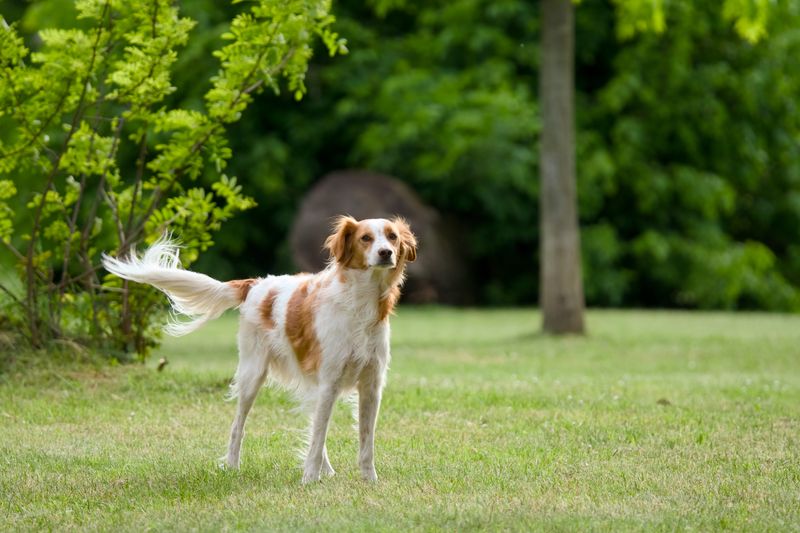
Brittany
A compact French pointer with a spaniel's coat and an athlete's engine, happiest when its nose and legs are working together.
EnergyGroomingFlat life

