


History
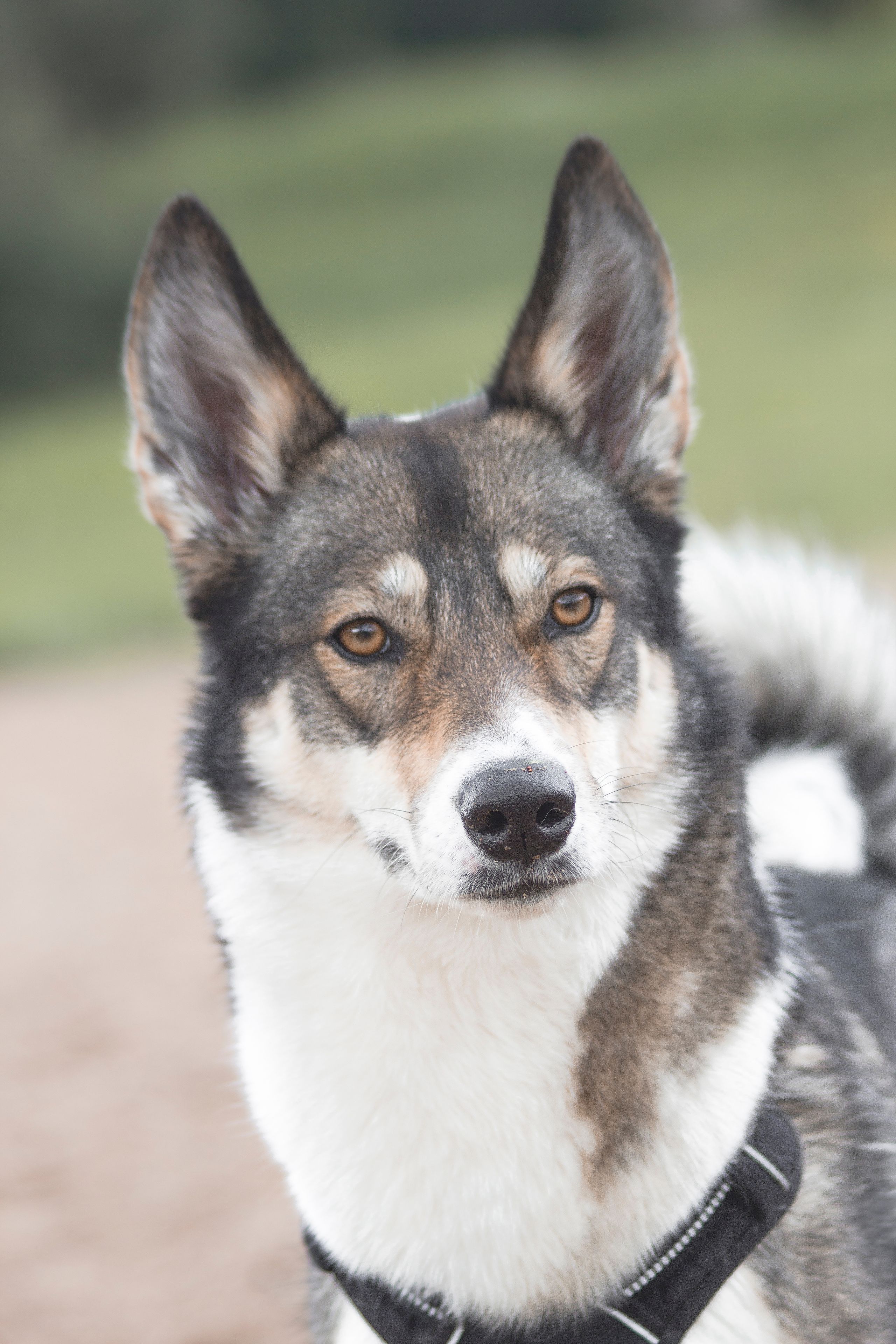
The West Siberian Laika, Zapadno-Sibirskaya Laika in the FCI standard, is a Russian breed in Group 5, Section 2, Nordic hunting dogs, with a working trial. According to the standard it emerged from the hunting dogs of the Khanty and Mansi peoples in the Ural and Siberian forest regions. These were dogs bred for ability in the field rather than for looks, a point that still shapes the breed today.
The standard records that in 1947 a new classification of Laika breeds was introduced, and closely related Khanty and Mansi offspring were united into one breed. The breed standard was approved in 1952, and the dogs remain widespread in the forest zones of Russia as hunting partners. Outside Russia it is uncommon, which means anyone in Luxembourg looking for one will need to search carefully, and ask about working and health backgrounds.
Temperament
The FCI describes a steady, even-tempered dog, vigorous, with a very well developed sense of scent and of detecting game, alert and sensitive, with a pronounced passion for hunting. That final phrase deserves to be taken at face value. A West Siberian Laika is a hunter first and a companion second, and with the right owner it can be both: affectionate, loyal and sensible at home, but dedicated to the forest when it is outdoors.
Indoors, a well-exercised adult is usually calm and clean, and enjoys the company of its household. It is sensitive, and responds poorly to harshness. It is also independent, because Laikas traditionally work at a distance from the hunter, find game and signal by barking. Expect a vocal dog that bonds with its family and tends to be reserved with strangers, rather than a guard or a social butterfly.
Children and other pets
With its own family the Laika is usually loyal and gentle, and it can be good with respectful older children, but its energy and independence mean it is not a babysitter dog. Toddlers should be supervised, as a hunting breed is not always tolerant of rough handling. Strong prey drive makes cats, rabbits and other small pets risky unless raised together, and even then outdoors it may chase. Socialise early with other dogs.
Exercise and the daily walk
This is a high-energy working hunter, and the exercise requirement is substantial: at least two hours a day, with real running, ideally in secure places. A walk on the pavement does not satisfy it. The breed was built to range through forest on its own initiative, so in the open it will follow a scent with total commitment, and recall can be unreliable. Realistically, much of its exercise should be on a long line or in fenced areas.
Mental work is just as important. Scent games, tracking, hide-and-seek and structured outdoor tasks use the nose that the standard singles out. Dog sports such as canicross or hiking with a harness can burn energy safely. Young dogs should not be pushed too hard on hard surfaces while growing. Cool weather suits the dense coat much better than heat, so plan exertion for early morning and evening in summer.
Training
Training a West Siberian Laika is more about managing instincts than teaching tricks. It is intelligent and sensitive, but it has been bred to think for itself and find game away from the hunter. Reward-based methods, short sessions and patience work better than force. Many owners find that building a bond and offering high-value rewards gives the best response, particularly with a dog that likes to hunt for food and scent.
Priorities are recall using a long line, lead manners, quiet behaviour and calm greetings. Socialise widely from puppyhood to urban sounds, lifts, bicycles and other dogs, so that an alert, reserved dog does not become suspicious. Teach alone-time gradually, and do not expect the dog to be reliably off lead near wildlife or traffic. This is an experienced owner's breed, and a good trainer or gundog-style club is useful.
Coat and grooming
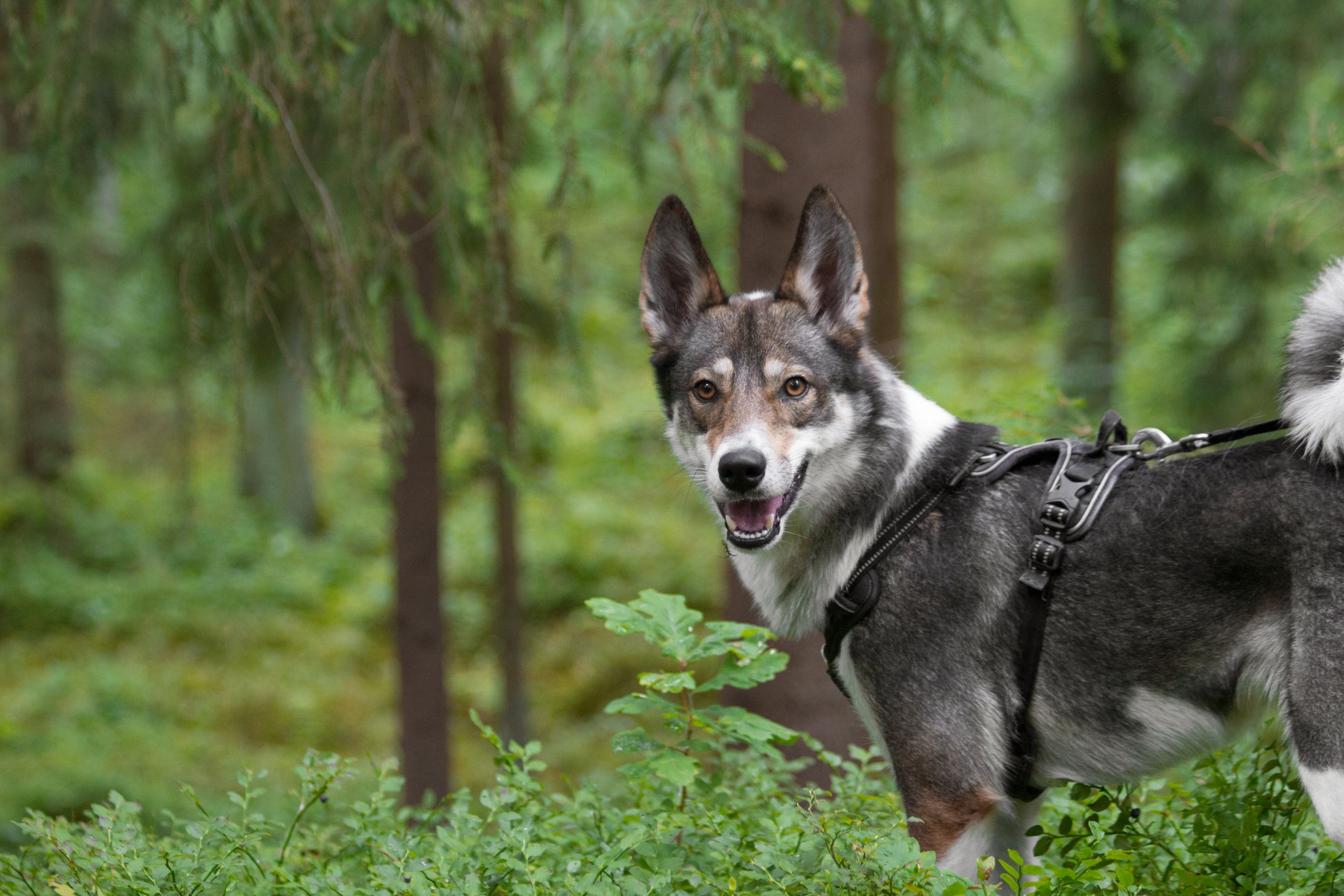
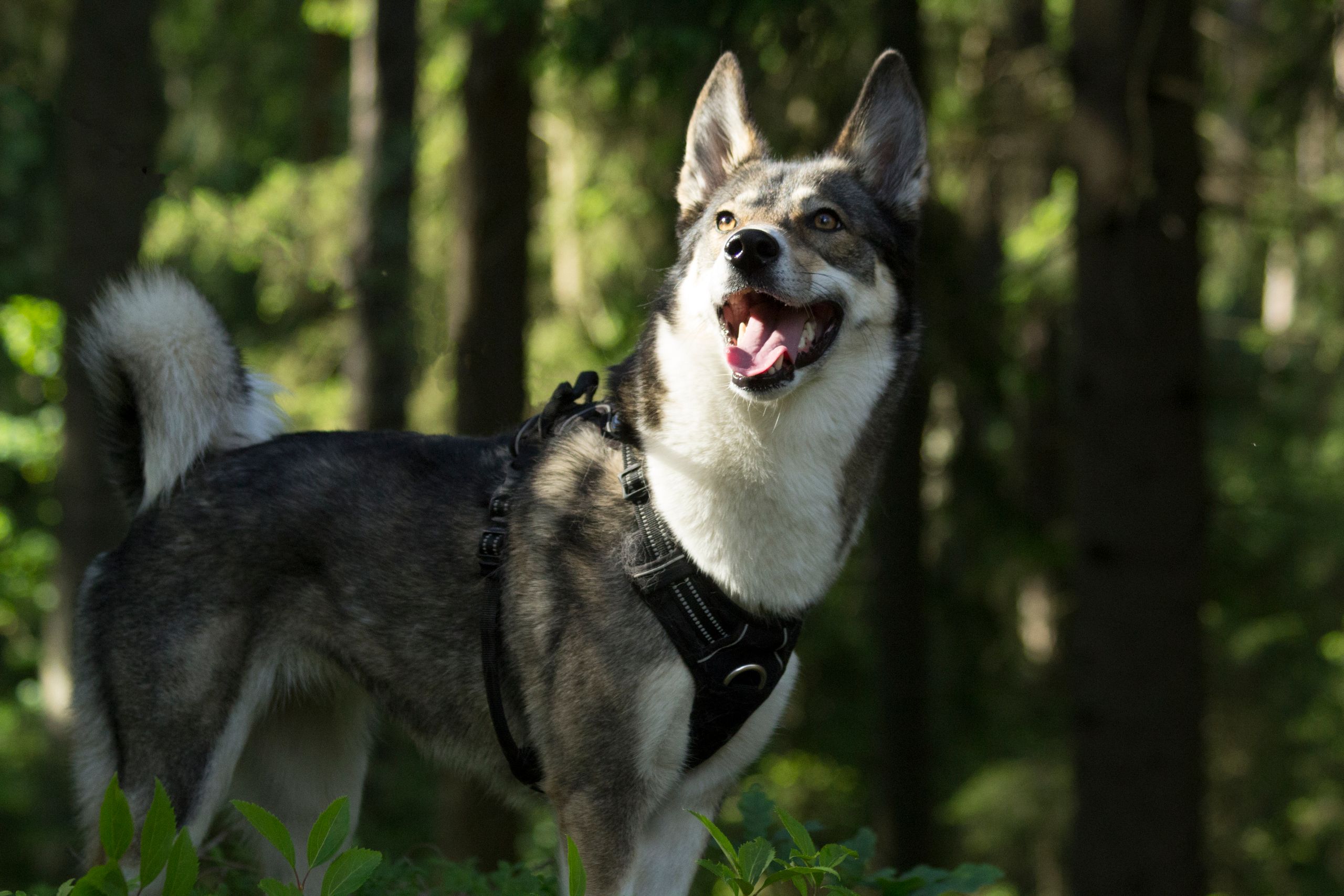
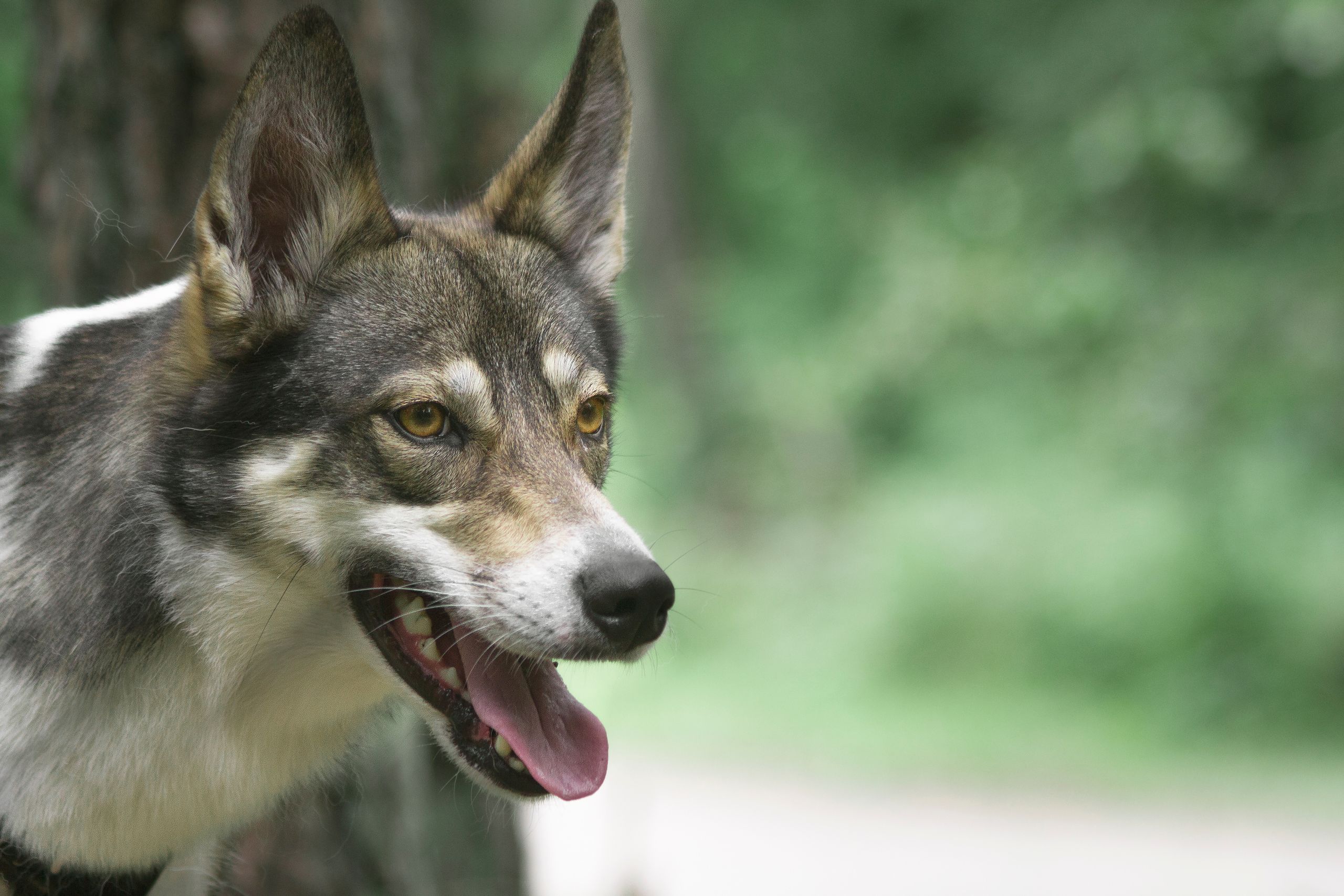
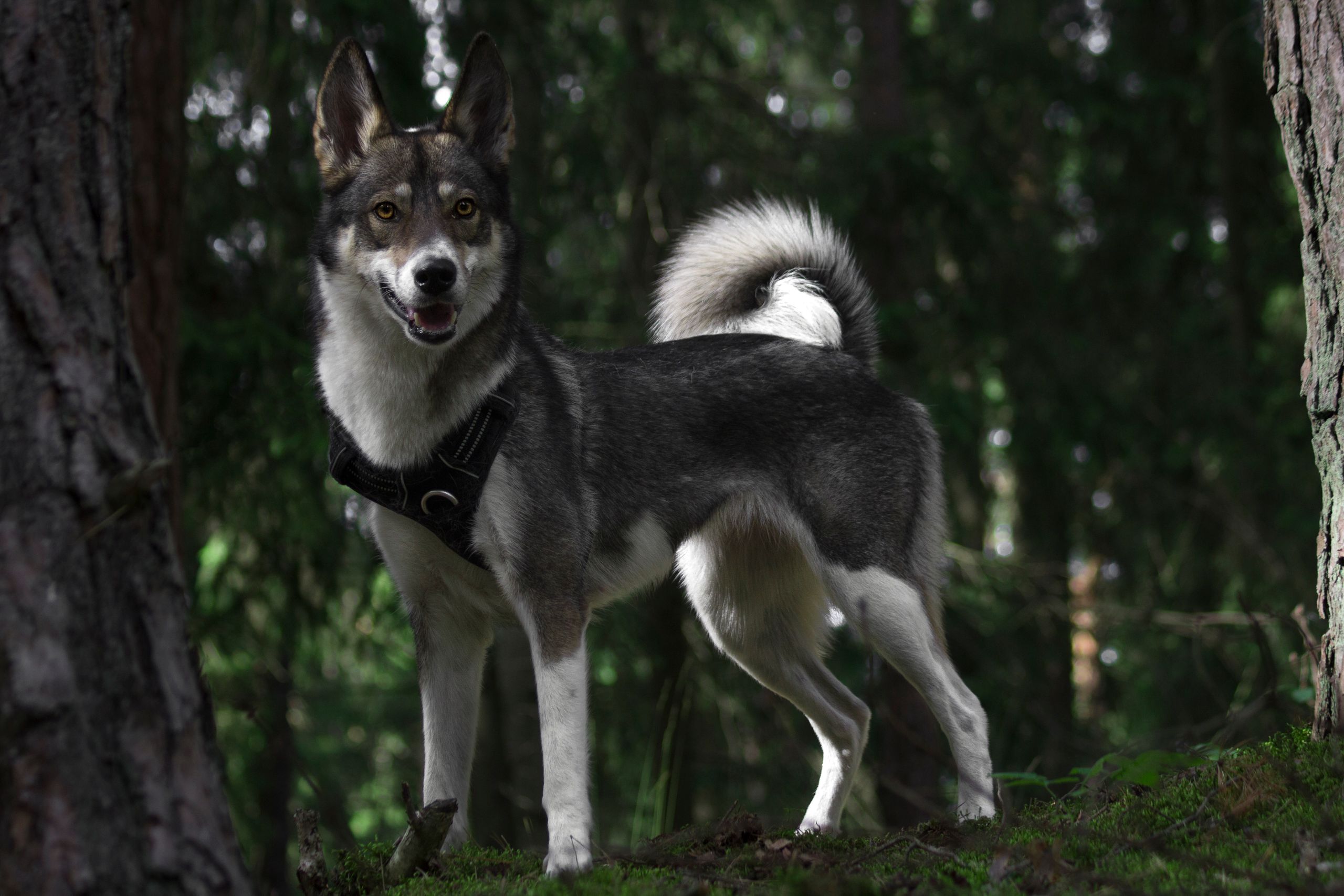
The FCI describes a dense, harsh, straight outer coat with a well-developed, soft, abundant and woolly undercoat, forming a collar around the neck and side whiskers on the cheeks, with a profusely covered tail. Permitted colours include grey with reddish-brown, red with reddish-brown, grey, red, fawn and reddish-brown in all shades, as well as pure white and parti-colour. Weekly brushing is enough for most of the year. The moult is heavy and seasonal, and daily brushing then keeps hair under control. Do not shave.
Feeding and weight
A complete diet for an energetic, medium-sized working dog is appropriate, divided into two meals. Adjust amounts to activity, as an active dog needs more in winter work and less in quiet periods. Keep an eye on condition, since the dense coat can hide changes. Use food rewards from the daily ration for training. Fresh water should be available, especially after exertion and in warm weather. Secure bins and food, as scavenging can be a habit.
Work out a starting calorie figure and food weight with the calorie calculator. Not sure this is the right breed? Take the quiz.
Health
Every breed carries predispositions. These are the conditions most often discussed for the West Siberian Laika, not a prediction for any individual dog.
- Hip dysplasia (malformed hip joints)
- Elbow dysplasia (developmental joint disease)
- Inherited eye disease (such as cataract or progressive retinal atrophy)
- Allergic skin problems (itching and recurring skin or ear infections)
What to ask the breeder. Health data for the breed outside Russia is limited, so ask directly for hip and elbow scores and eye examination results for both parents, and ask how the dogs have been used and what health problems have appeared in the line.
Choosing a puppy
Puppies are lively, bold and busy. Socialise early and calmly to city sounds, lifts, trams and other dogs, and begin recall with food and a long line straight away. Keep training short and positive. Provide chews and puzzle toys to channel energy, and use a pen for safe rest. Avoid forced exercise and stairs while the joints grow. Gentle handling of paws, ears and mouth now eases vet visits later.
In Luxembourg the national kennel club is the Fédération Cynologique Luxembourgeoise (FCL), a member of the FCI. Many owners also buy from breeders in Germany, France or Belgium; a puppy coming from another EU country must be microchipped and vaccinated against rabies, which in practice means it cannot travel before about fifteen weeks of age. Where to get a dog in Luxembourg.
The older West Siberian Laika
Older Laikas gradually slow down but often remain keen. Keep daily exercise regular but shorter, with soft terrain and plenty of sniffing. Watch weight, joints and eyes, and ask your vet about joint support when stiffness appears. Provide a supportive bed and non-slip floors. Even an older dog may bolt after a scent, so keep it on a lead or long line in open areas.
A realistic day
A realistic weekday for a working household in Luxembourg City, with a midday visit. Adjust it to your dog, not the other way round.
A fast 45-minute walk or run on a long line, then breakfast.
Owner leaves for work; the dog rests after exercise with a stuffed chew.
Midday visit: an hour or more in the Bambësch or Grünewald on a long line with scent games, and fresh water.
Evening outing of 90 minutes or more, ideally in a secure area for running, then dinner.
Short toilet break, a calming game and bed.
A West Siberian Laika in Luxembourg
A West Siberian Laika is a challenging dog for city life. In a flat it can cope only if its exercise is substantial, daily and varied, and if the owner is able to manage barking and the strong urge to roam. A lift is no problem once the dog is calm, but long days alone are not suitable. Midday cover is essential, and many owners will need a walker or daycare as well.
Luxembourg offers the forests the breed loves, with the Grünewald and Bambësch nearby, but the wildlife there means a long line is the safe choice, as roe deer and other animals are exactly what the breed is designed to follow. Fenced areas for free running are valuable. The thick coat is built for Siberian winters, so summer days in the 30s °C call for early and late outings only. Free buses and trams help access. Microchip, commune declaration, insurance and dog tax apply.
Every dog in Luxembourg must be identified, declared to the commune and covered by liability insurance. How registration works.
When you travel
A sitter must be experienced and committed. The dog needs at least two long, active outings daily, always on a lead or long line outdoors, as a scent or a deer can lead to a long chase. Use a secure harness and a double-secured door and gate. Provide scent games, and avoid leaving the dog alone for long periods. Keep the dog cool in hot weather and brush during the moult.
PAWLY's holiday and overnight care takes place in your home, so your dog keeps its own bed and routine.
Myths and facts
MythA Laika is a husky.
FactThe Laika is a hunting dog of Russian forests, bred to find game, not to pull sleds.
MythA forest dog will be fine off lead in woods.
FactIts passion for game means it can disappear after a scent. A long line is safer.
MythHunting breeds need only a garden.
FactThis breed needs far more than a garden: long outings, running and mental work, daily.
Is it the right dog for you?
Suits
- Very active, experienced owners who enjoy forest hiking
- People with access to secure running areas
- Owners who accept a vocal, independent dog
- Those with a flexible schedule and midday cover
Think twice if
- You want a first dog or a sofa companion
- You live with cats or small pets
- You cannot provide two hours of daily exercise
- You expect reliable off-lead recall near wildlife
Questions owners ask
Is the West Siberian Laika a good pet?
For the right home, yes, but it is a working hunter. The FCI describes a steady, even-tempered dog with a pronounced passion for hunting, so it needs lots of exercise, purposeful activity and experienced handling.
Can it live in a flat?
Only with serious daily exercise, midday cover and consideration for noise. The dog can be calm indoors if tired, but is not suited to long periods alone or to a small, inactive routine.
Is it safe with cats?
Not reliably. Strong prey drive makes cats and small pets risky, even outdoors, though a dog raised with a cat may accept it at home. Always supervise.
Can it be trained to come back off lead?
Recall can be built, but the hunting instinct means it cannot be guaranteed, especially near wildlife. Use a long line and fenced areas, and accept that this is part of the breed.
Sources
Photo: Pexels (Pexels License) · Photo: Pexels (Pexels License) · Photo: Pexels (Pexels License) · Photo: Pexels (Pexels License) · Photo: Pexels (Pexels License)
General information for dog owners in Luxembourg, not veterinary or legal advice. Official facts (origin, size, group, history and temperament as described by the breed standard) follow the FCI standard; health and care sections reflect breed-club and veterinary guidance and are typical ranges rather than rules. For your own dog, ask your vet, the breed club or your commune. How this guide is written and checked. Last reviewed 8 October 2026.
Need someone for your West Siberian Laika?
PAWLY offers an individual 45-minute walk or a home visit at your dog's pace, the same walker every time, and a written report with photos after every visit, across Luxembourg City.
Read next: the journal, for the West Siberian Laika
All articles
Dogs in hot weather: the Luxembourg summer guide
The West Siberian Laika carries a heavy coat or a heavy frame, which makes a Luxembourg summer the hard season.

Building a recall you can actually rely on
Scent and movement can cancel a recall; this is the method for the West Siberian Laika.

Working breeds in a city flat: the honest version
High-drive dogs like the West Siberian Laika can live in a flat, but it takes a plan.
Similar breeds
All 198 breeds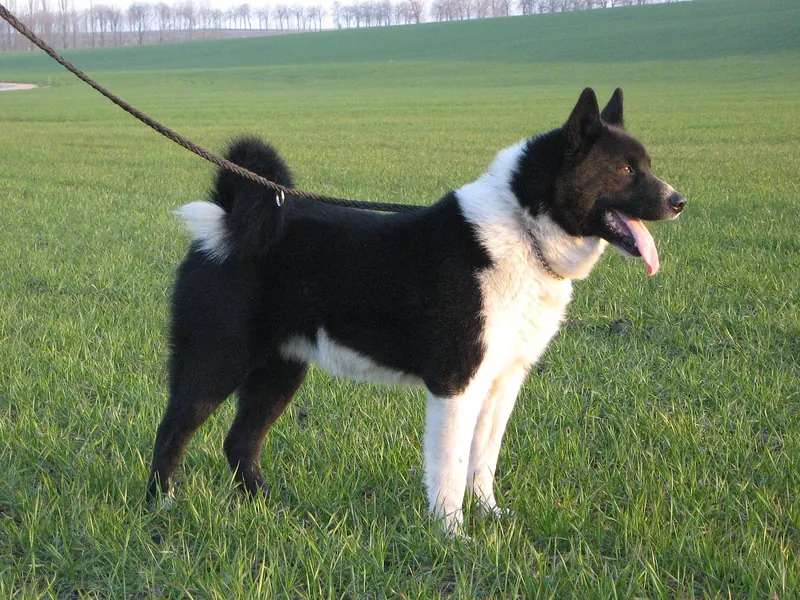
Karelian Bear Dog
A black and white Finnish spitz bred to corner bears and elk, which makes the average city squirrel seem a personal challenge.
EnergyGroomingFlat life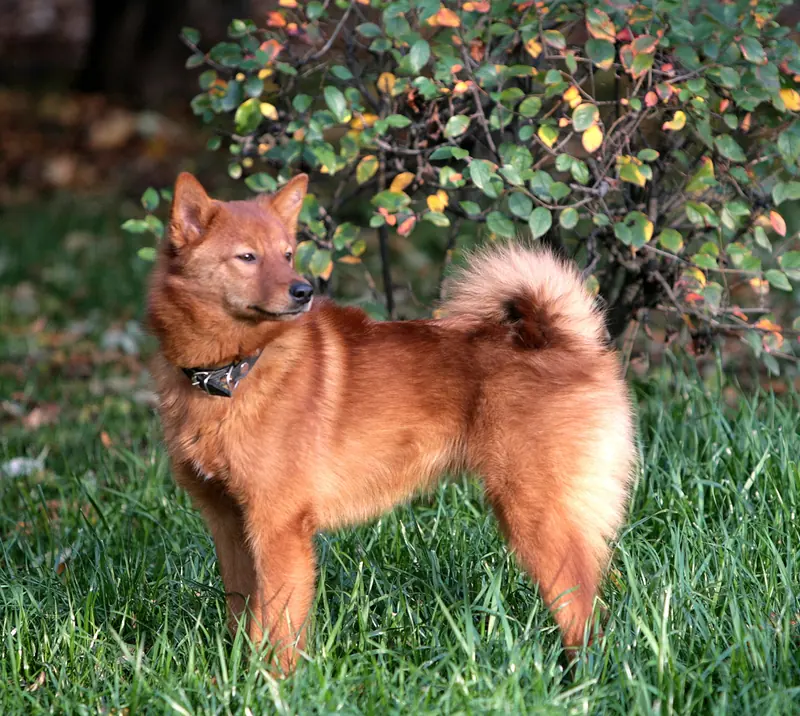
Finnish Spitz
A fox-coloured Finnish bird dog with a ringing bark, a quick mind and a firm opinion of its own.
EnergyGroomingFlat life
Norwegian Elkhound
A square, silver-grey Nordic hunter built to hold a moose at bay with its voice, hardy, friendly and never short of an opinion.
EnergyGroomingFlat life

